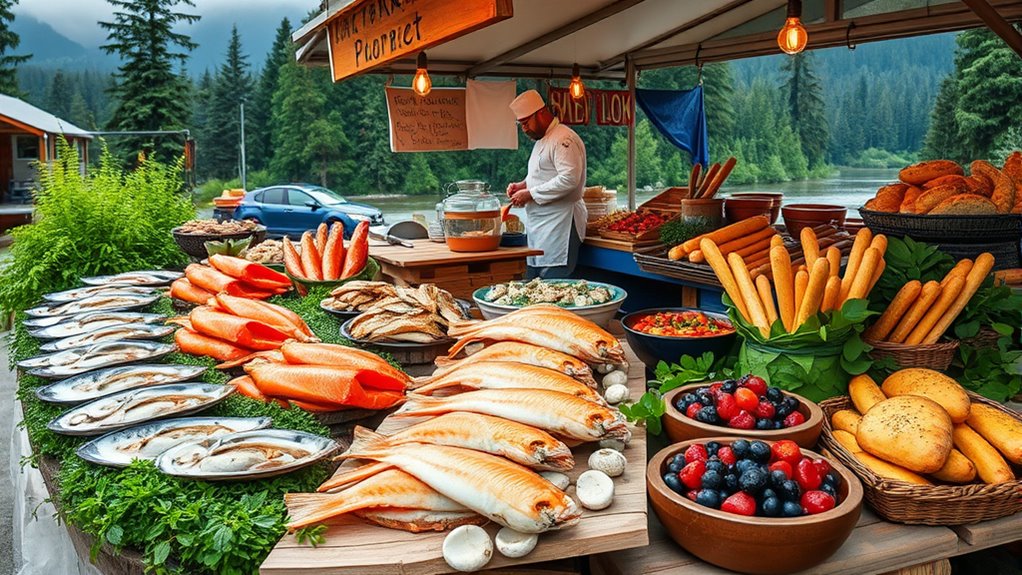

British Columbia’s cuisine reflects a blend of Indigenous traditions, multicultural influences, and innovative techniques. You’ll find that seafood like salmon and shellfish plays a central role, often prepared using traditional methods like smoking and drying. The region also embraces dishes influenced by European settlers and immigrant communities, creating a vibrant culinary landscape. Food is deeply tied to cultural identity, celebrations, and sustainability efforts, offering a rich diversity that rewards further exploration. Keep exploring to discover more about BC’s unique food story.

Get travel and outdoor gear delivered free with Prime
- Fast, free delivery on millions of items
- Prime Video, Amazon Music and more included
- Member-only deals all year
Key Takeaways
- Indigenous cuisine in BC centers on sustainable seafood like salmon, shellfish, berries, and traditional preservation methods such as smoking and fermenting.
- BC’s culinary traditions blend Indigenous ingredients with European and immigrant influences, creating diverse fusion dishes and multicultural flavors.
- Regional specialties like Cumberland chow mein highlight BC’s multicultural history and local ingredients.
- Traditional food practices emphasize no-waste, whole-animal, and plant utilization, supporting ecological balance and cultural heritage.
- Food plays a vital role in cultural celebrations, ceremonies, and community bonding throughout British Columbia.
As an affiliate, we earn on qualifying purchases.
Indigenous Food Sources and Traditional Practices
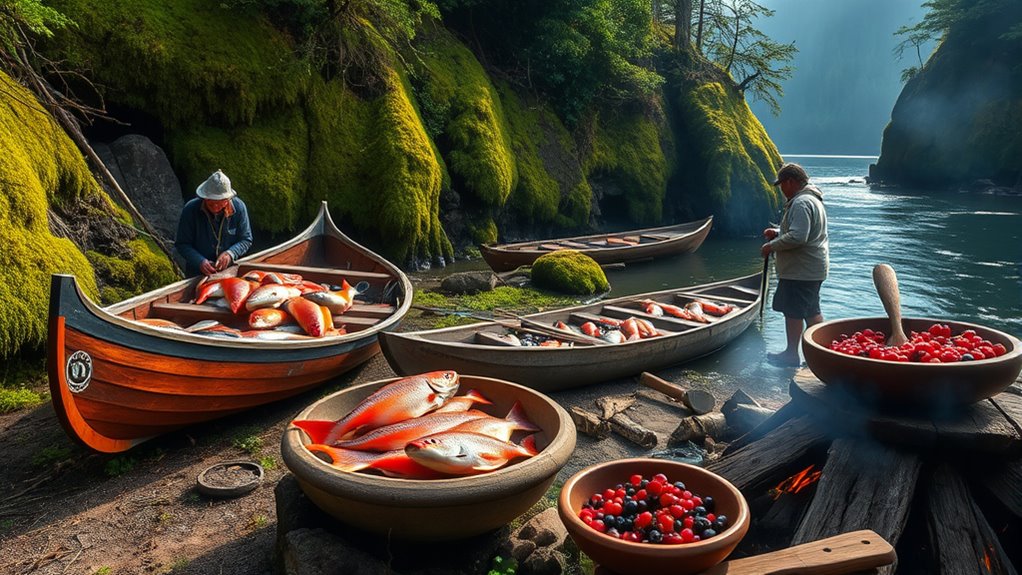
Indigenous peoples of British Columbia have relied on the land and sea for over 10,000 years, sourcing food from a rich variety of seafood, game, berries, and edible plants. Salmon, especially Chinook, Sockeye, and Coho, is at the heart of their diet and cultural identity. They use traditional preservation methods like smoking, drying, and fermenting to store food for the seasons when resources are scarce. Berries, roots, and herbs are gathered wild, forming an essential part of their sustenance and ceremonies. Hunting game such as deer and elk complements fishing practices, while edible plants like camas and wild greens diversify their diet. These practices reflect a deep respect for nature, emphasizing sustainable use and minimal waste, ensuring resources remain plentiful for future generations. Sustainable practices are central to maintaining the health of their ecosystems and cultural heritage.
Indigenous traditional food preservation kit
As an affiliate, we earn on qualifying purchases.
As an affiliate, we earn on qualifying purchases.
The Impact of European Settlers and Immigrant Influences
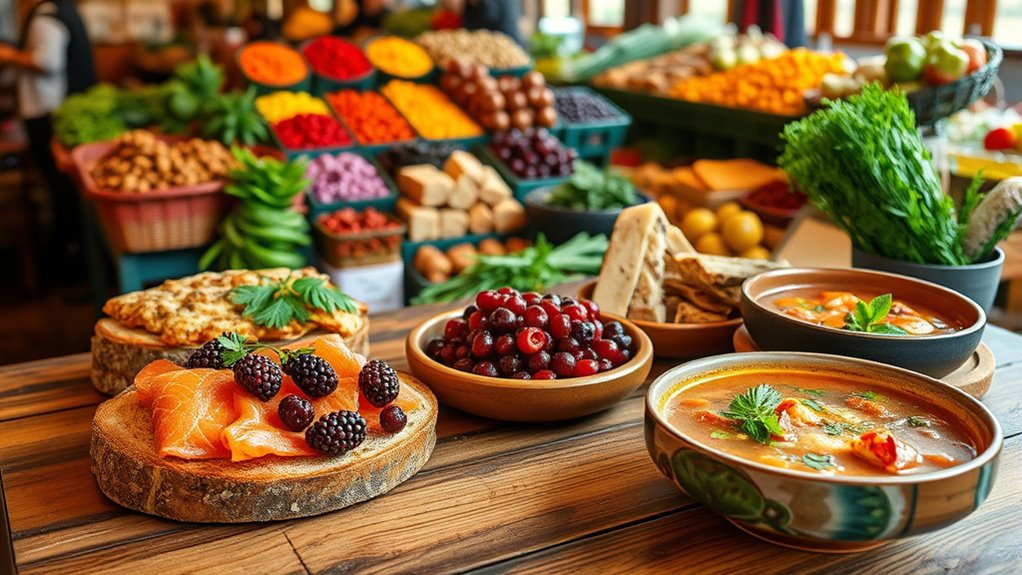
European settlers and immigrants have profoundly shaped British Columbia’s culinary landscape by introducing new ingredients, cooking techniques, and food traditions. You’ll notice how wheat, dairy, and spices transformed local dishes, blending with Indigenous ingredients to create unique flavors. Settlers brought their beer culture, establishing a brewing tradition that persists today. They also introduced crops that diversified agriculture, expanding available produce and staples. Community cookbooks from immigrant communities showcase a mix of traditional recipes and local ingredients, reflecting cultural blending. This fusion led to dishes like Cumberland chow mein and influenced BC’s multicultural cuisine. Settler and immigrant influences continue to evolve BC’s food scene, adding depth and richness, while fostering a vibrant culinary identity rooted in both tradition and innovation.
As an affiliate, we earn on qualifying purchases.
Iconic Ingredients and Regional Specialties
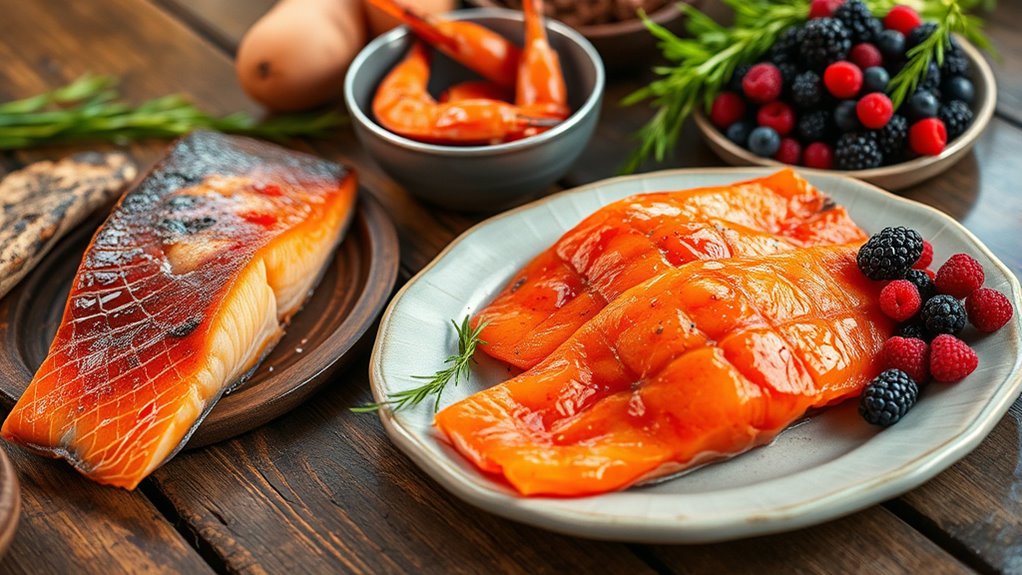
Pacific salmon stands out as the most iconic ingredient in British Columbia’s culinary scene, symbolizing both the region’s rich natural resources and cultural identity. You’ll find Chinook, Sockeye, and Coho salmon featured in everything from smoked salmon products to fresh fillets. Beyond salmon, BC’s coastline offers a bounty of seafood, including halibut, sablefish, and lingcod, which play essential roles in local dishes. Shellfish like crabs and clams also hold cultural and culinary significance, especially for Indigenous communities. Regional specialties such as Cumberland chow mein reflect BC’s multicultural influences. These ingredients highlight BC’s connection to its environment and tradition, shaping a culinary landscape that is both diverse and rooted in the land and sea. Understanding state tax laws can help inform future culinary and economic decisions in the region.
multicultural BC recipe cookbook
As an affiliate, we earn on qualifying purchases.
As an affiliate, we earn on qualifying purchases.
Sustainable Cooking and Food Preservation Techniques
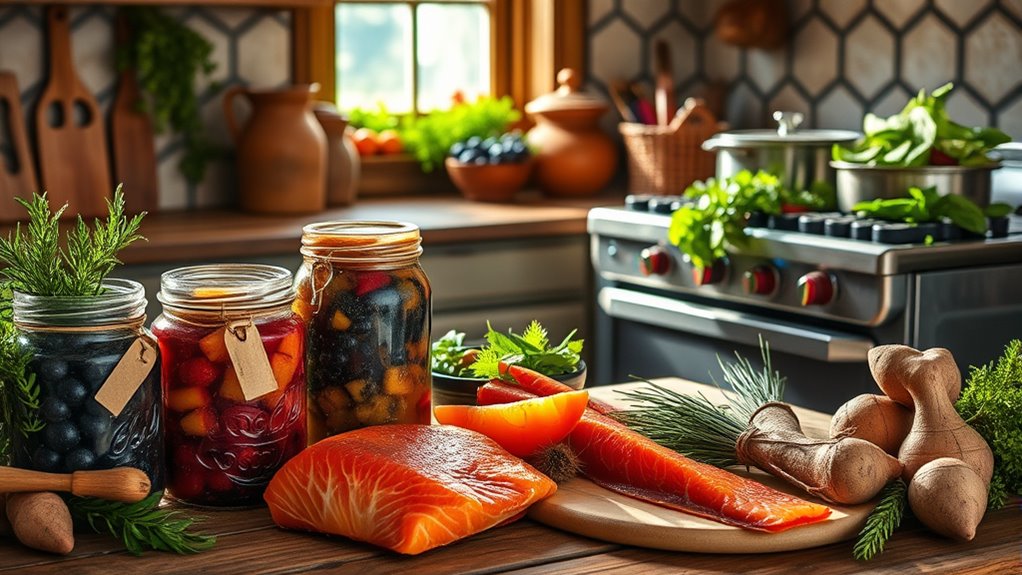
British Columbia’s rich maritime and terrestrial resources have long shaped its approach to sustainable cooking and food preservation. You can embrace traditional methods like smoking, drying, and fermenting to extend food’s shelf life while respecting nature’s limits. For example, you might smoke salmon or dry berries for winter supplies, minimizing waste and energy use. Using the whole animal or plant aligns with Indigenous principles of no-waste cooking, ensuring every part is valued. Modern techniques also incorporate local ingredients, supporting regional farmers and reducing your carbon footprint. Preserving foods through fermentation not only maintains nutrients but also introduces probiotics, benefiting health. Sustainable practices are integral to the region’s culinary heritage, promoting environmental responsibility and cultural preservation. By combining age-old methods with contemporary practices, you actively participate in BC’s sustainable culinary tradition, honoring both its environment and cultural heritage.
Cultural Significance of Food in Indigenous Communities
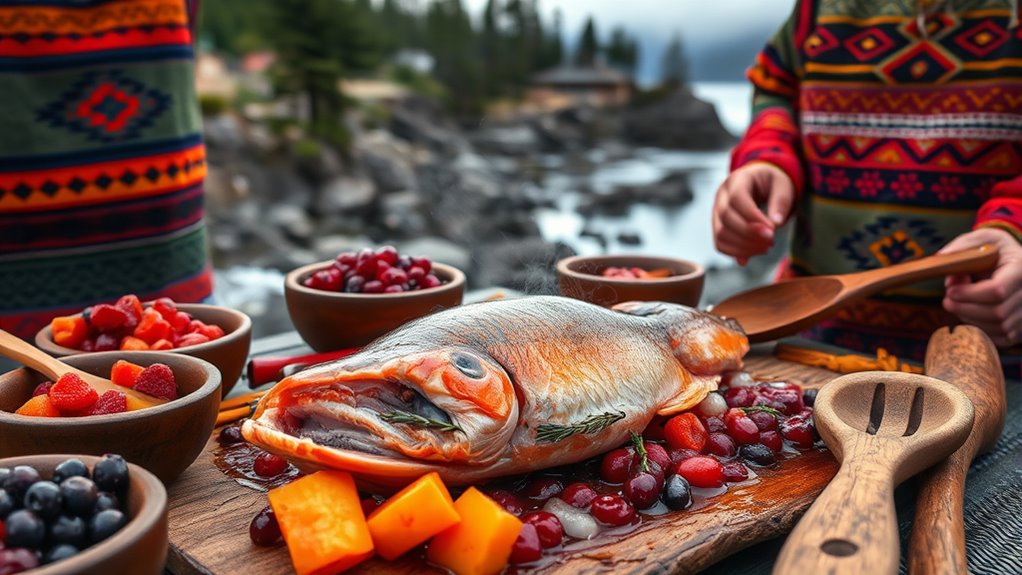
Food holds profound cultural significance in Indigenous communities of British Columbia, serving as a cornerstone of identity, tradition, and social connection. It’s more than sustenance; it’s a means to preserve history, share stories, and strengthen bonds. Here are four ways food embodies cultural importance:
- Ceremonial Practices: Food plays a central role in potlatch ceremonies, symbolizing wealth and community generosity.
- Trade and Sharing: Grease trails and gatherings revolve around exchanging key foods like eulachon and herring spawn, maintaining social ties.
- Traditional Knowledge: Techniques like smoking, drying, and fermenting convey cultural skills passed through generations.
- Sustainable Connection: The emphasis on no-waste use and respecting natural resources reflects a deep spiritual and environmental relationship with the land and waters.
Furthermore, the preservation of traditional food preparation methods ensures the transmission of cultural knowledge across generations.
Modern Innovations and Culinary Trends in BC

Modern chefs in BC are reimagining traditional Indigenous ingredients by blending them with contemporary culinary techniques and seasonal local produce. They’re pushing boundaries, creating dishes that honor heritage while appealing to modern palates. You’ll see innovative use of smoked salmon, seaweed, and berries, often prepared with sous-vide, molecular gastronomy, or fusion styles. This movement emphasizes sustainability and seasonality, aligning with BC’s environmental values. To illustrate, here’s a quick look at some trends:
| Trend | Description |
|---|---|
| Farm-to-Table | Sourcing ingredients directly from local farms |
| Fusion Cuisine | Combining Indigenous and international flavors |
| Plant-Based Dishes | Emphasizing vegetables and native plants |
| Indigenous Revival | Celebrating traditional methods with modern flair |
Indigenous Foods in Contemporary Dining and Festivals
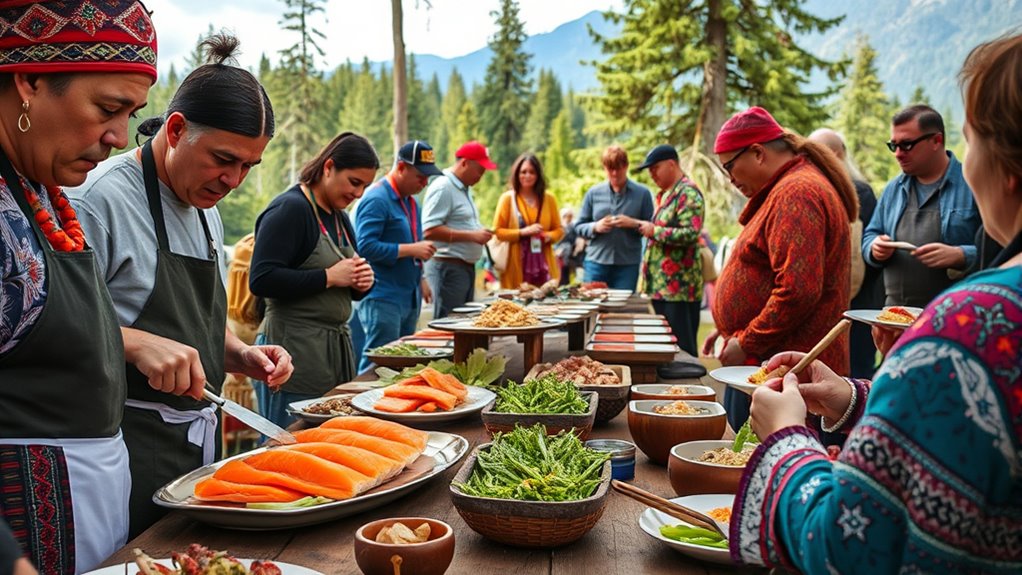
Indigenous foods have become a vibrant and integral part of BC’s contemporary dining scene and cultural festivals. You’ll find traditional ingredients like wild salmon, berries, and game featured prominently in modern menus and celebrations. These foods are often prepared using sustainable methods that respect the environment. To deepen your understanding, consider:
- How Indigenous chefs incorporate traditional ingredients into innovative dishes.
- The role of festivals like the Vancouver Indigenous Food Fest in showcasing Indigenous culinary heritage.
- The use of storytelling during food presentations to connect diners with cultural history.
- Efforts to promote no-waste cooking, utilizing all parts of ingredients to honor traditional practices.
- Understanding the importance of bank swiftifs codes in facilitating secure transactions for supporting Indigenous culinary initiatives.
The Role of Food in Fostering Cultural Identity and Reconciliation
Food serves as a powerful way for you to preserve Indigenous heritage and share it with others. It also celebrates the diverse cultural influences that shape BC’s culinary scene today. Through this, you can foster understanding, respect, and reconciliation among different communities. Recognizing the patterns in numbers that often appear during cultural exchanges can deepen your appreciation of the spiritual messages conveyed through food traditions.
Preserving Indigenous Heritage
Food plays a vital role in preserving Indigenous heritage in British Columbia, serving as a powerful connection to cultural roots and traditions. You can honor this heritage by understanding how traditional practices sustain identity and foster reconciliation. Reviving traditional harvesting techniques helps maintain ecological balance and cultural knowledge. Sharing stories through food at community gatherings strengthens bonds and passes down history. Supporting Indigenous chefs and businesses promotes cultural expression and economic empowerment. Integrating traditional ingredients into contemporary dishes keeps ancestral flavors alive and relevant. Additionally, Halloween-inspired culinary traditions can be incorporated into cultural celebrations to honor seasonal and community practices while respecting Indigenous customs.
Celebrating Cultural Diversity
Culinary traditions in British Columbia serve as a vibrant reflection of the province’s diverse communities, bringing people together to celebrate their unique identities. Food acts as a bridge, fostering understanding and reconciliation among cultures. Indigenous ingredients like salmon and berries blend with European spices and immigrant flavors, creating a dynamic mosaic. Local dishes, festivals, and shared meals highlight this diversity, strengthening community bonds. To illustrate this, consider the table below:
| Indigenous Foods | European Influences | Modern Innovations |
|---|---|---|
| Salmon, berries | Wheat, dairy | Indigenous fusion dishes |
| Bannock | Spices | Sustainable practices |
| Shellfish | Beer brewing | Cultural storytelling |
This synergy enriches BC’s culinary landscape, making it a reflection of unity in diversity.
Frequently Asked Questions
How Do Indigenous Culinary Practices Influence Bc’s Modern Food Scene?
Indigenous culinary practices deeply influence BC’s modern food scene by inspiring chefs to embrace sustainable, nose-to-tail cooking and local ingredients. You’ll find traditional methods like smoking, drying, and fermenting reflected in contemporary dishes such as smoked salmon or berry preserves. Indigenous foods like salmon and seafood play a central role, often featured in innovative ways that honor cultural heritage while promoting environmental stewardship and community connection through food.
What Are the Most Sustainable Seafood Options in BC?
You should choose wild Pacific salmon like Sockeye or Chinook, as they’re managed sustainably and abundant in BC. Shellfish such as clams and crabs are also good options because they regenerate quickly and are harvested responsibly. Always look for certified sustainable seafood labels, and support local fisheries that prioritize eco-friendly practices. By making these choices, you help preserve BC’s marine ecosystems for future generations.
How Has Multiculturalism Shaped Bc’s Regional Cuisine?
Multiculturalism in BC has profoundly shaped your regional cuisine by blending Indigenous ingredients with European and Asian influences. You’ll find dishes like Cumberland chow mein reflecting Chinese heritage, while European settlers introduced wheat, dairy, and spices. This fusion creates diverse flavors and culinary innovations, allowing you to enjoy a vibrant food scene that celebrates cultural exchange. You experience a rich tapestry of tastes, traditions, and stories woven into BC’s modern culinary landscape.
What Role Does Food Play in Indigenous Cultural Ceremonies Today?
Food is the heartbeat of Indigenous ceremonies, infusing every moment with life and spirit. You witness the sacred salmon, smoked to perfection, symbolizing renewal and connection to nature. You see elders sharing bannock, symbolizing unity, while berries and herbs weave stories of the land’s bounty. Food transforms into a powerful language, carrying traditions across generations, and you feel the profound respect and reverence that keep these rituals alive and thriving today.
How Are BC Chefs Integrating Traditional Indigenous Ingredients Into Fine Dining?
You see BC chefs blending traditional Indigenous ingredients into fine dining by sourcing local, sustainable foods like wild salmon, berries, and edible plants. They incorporate techniques like smoking, fermenting, and drying to honor cultural practices while elevating flavors. You’ll notice creative presentations that showcase Indigenous heritage, using ingredients like salmon, Bannock, and foraged herbs to tell stories and connect diners with BC’s rich culinary history.
Conclusion
As you explore British Columbia’s vibrant food scene, you’ll notice how indigenous ingredients blend seamlessly with modern dishes, much like a river winding through mountains. The flavors, traditions, and innovations reflect a region where history and culture coexist like sun and shadow. Food here isn’t just sustenance; it’s a story of resilience and unity, quietly reminding you that every bite connects you to a rich tapestry of people and place.
Halloween Picks
halloween
As an affiliate, we earn on qualifying purchases.