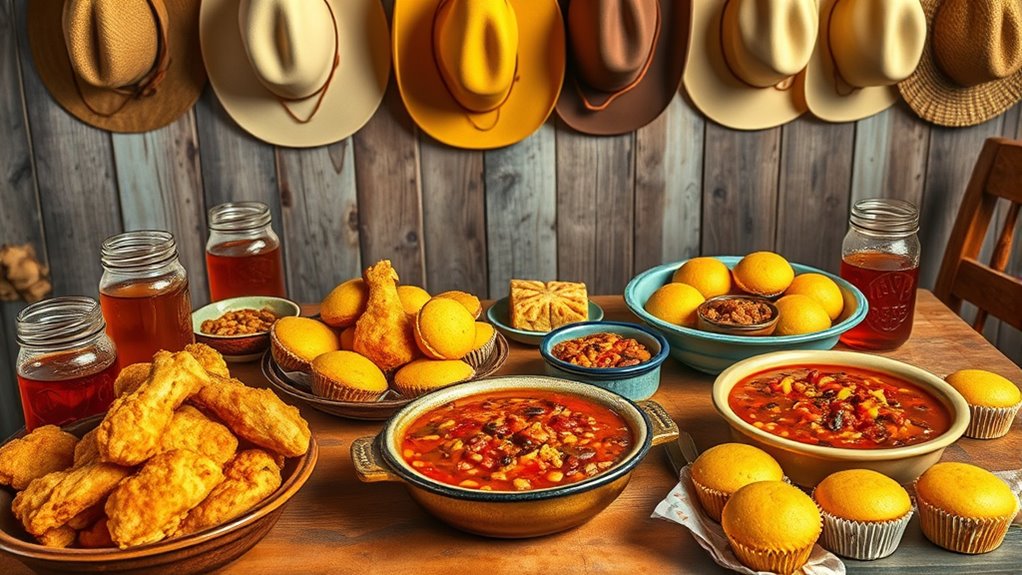

Oklahoma’s cuisine blends Southern comfort with Native American traditions and immigrant influences, creating a diverse food culture. You’ll find hearty dishes like barbecue, fried chicken, and cornbread, along with Native favorites such as fry bread and Three Sisters stew. The state’s agricultural roots mean fresh local ingredients are key, and community celebrations highlight traditional flavors. If you explore further, you’ll uncover the rich history and lasting traditions behind Oklahoma’s unique culinary identity.
Key Takeaways
- Oklahoma’s cuisine features Southern comfort foods like fried chicken, barbecue, biscuits, and pecan pie, reflecting its cultural heritage.
- Indigenous tribes contributed traditional dishes such as the Three Sisters stew and fry bread, emphasizing land-based ingredients.
- Immigrant influences from Germans, Czechs, and African Americans introduced sausages, dumplings, and soul food staples.
- Food celebrations and festivals highlight local ingredients, community traditions, and modern twists on classic Oklahoma dishes.
- Preservation efforts showcase vintage kitchenware, Native artifacts, and agricultural roots, emphasizing local crops and sustainable practices.

Oklahoma Joe's Charcoal Management Guide & Pan
- Adjustable charcoal placement: Regulate temperature and burn time
- Durable stainless-steel: Ensures long-lasting use and heat retention
- Convenient handles: Easily move tray and dump ashes
As an affiliate, we earn on qualifying purchases.
As an affiliate, we earn on qualifying purchases.
The Official Oklahoma State Meal and Its Southern Roots
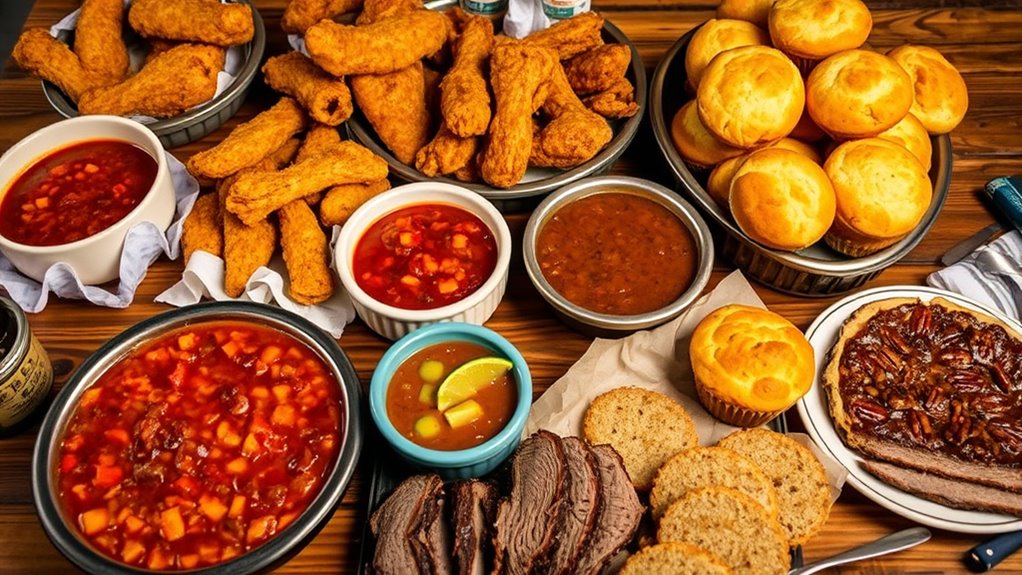
The Official Oklahoma State Meal, established in 1988 by the state legislature, celebrates Oklahoma’s rich culinary heritage rooted in Southern cuisine. You’ll find a hearty menu featuring meats like barbecued pork, chicken-fried steak, and sausage served with biscuits and gravy. Vegetables and sides such as black-eyed peas, corn, fried okra, grits, and squash highlight Oklahoma’s agricultural bounty. For dessert, pecan pie and fresh strawberries provide a sweet finish to this traditional, high-calorie meal. This menu reflects Oklahoma’s Southern roots and its agricultural roots, emphasizing comfort foods that have been passed down through generations. It’s a culinary emblem that captures the essence of Southern hospitality and the state’s farming history, showcasing dishes that bring people together around hearty, flavorful fare. Corn on the cob is also a popular side dish enjoyed during many Oklahoma gatherings, further underscoring the state’s affinity for fresh, wholesome ingredients.

Lodge Pre-Seasoned Cast Iron Skillet, PFAS-Free, 6.5 Inches
- Durable Cast Iron Construction: Long-lasting with even heat distribution
- Non-Stick Surface: Easy food release with true non-stick coating
- Oven and Freezer Safe: Suitable for baking, broiling, and freezing
As an affiliate, we earn on qualifying purchases.
As an affiliate, we earn on qualifying purchases.
Indigenous Food Traditions and Native American Contributions
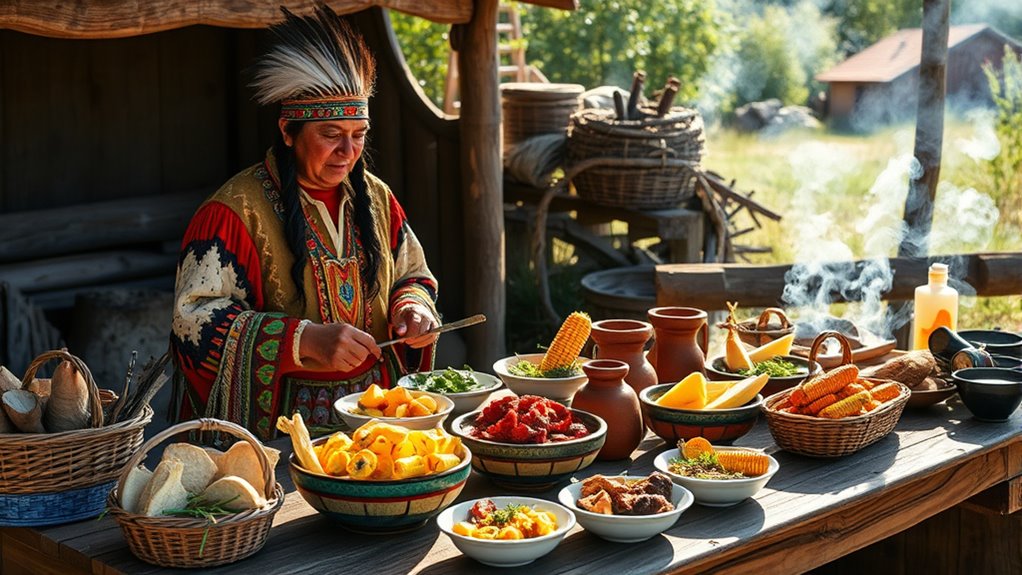
Have you ever wondered how Native American tribes shaped Oklahoma’s culinary landscape? You’d find that their food traditions laid a foundation for many local ingredients and cooking methods. Tribes like the Cherokee, Chickasaw, and Comanche relied on staples such as corn, beans, squash, and game meats like bison, deer, and turkey. These ingredients became central to dishes like the Three Sisters stew and smoked meats. Foraged foods like wild onions, berries, and pecans added seasonal variety. Fry bread, created during hardships like the Trail of Tears, symbolizes resilience and adaptation. Native cooking techniques emphasize preservation and resourcefulness, influencing Oklahoma’s broader food culture. Today, many Native foods remain essential, honoring centuries of tradition and connection to the land.

MICHELANGELO 6 QT Ceramic Stock Pot with Lid, Nonstick Stockpot with Glass Lid, Induction Cooking Pot for Soups, Stews, Oven Safe – 6QT, Purple
- Healthy & Non-Toxic: Free of PFOA and PFOS
- Even Heat Distribution: Aluminum body with tri-ply bottom
- Oven Safe Up to 450°F: Suitable for stovetop and oven use
As an affiliate, we earn on qualifying purchases.
As an affiliate, we earn on qualifying purchases.
European and Immigrant Influences on Oklahoma’s Cuisine
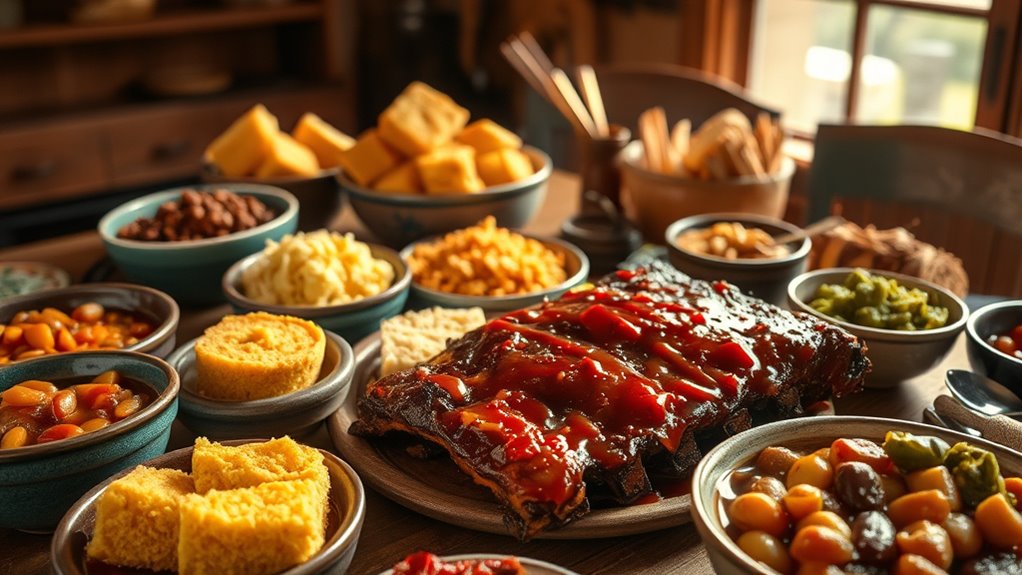
European and immigrant groups have profoundly shaped Oklahoma’s culinary landscape by introducing new flavors, cooking techniques, and dishes. Their influence is evident in the hearty foods and baking traditions you see today. You’ll find German and Czech immigrants bringing sausages, dumplings, and pastries that add richness to local menus. African American communities contributed barbecue and soul food staples that remain favorites. Frontier and chuckwagon cooking introduced simple yet flavorful dishes like beans, salted meats, biscuits, and cornbread, reflecting the practical needs of early settlers. Additionally, wheat and cattle farming shaped Oklahoma’s diets and economy, giving rise to foods like fried okra, often prepared with African roots, and baked goods that continue to define the state’s culinary identity. Understanding the influence of immigrant culinary traditions reveals how diverse communities have contributed to Oklahoma’s rich food heritage.

Royal Gourmet 30-Inch Charcoal Grill with Offset Smoker, Wood-Painted Table
- Large Cooking Area: 443 sq. in. porcelain-enameled grates
- Additional Warming Rack: 184 sq. in. chrome-plated steel
- Offset Smoker: Includes side fire box for smoky flavor
As an affiliate, we earn on qualifying purchases.
As an affiliate, we earn on qualifying purchases.
Iconic Dishes and Food Customs Unique to Oklahoma

Oklahoma’s culinary identity is defined by iconic dishes like chicken-fried steak, barbecue, and cornbread that reflect its rich history and cultural diversity. You’ll find that fried chicken at historic spots like Eischen’s Bar, where recipes date back decades. Barbecue, especially pulled pork, represents strong local traditions, often cooked slow over wood fires. Cornbread and biscuits are staples, served alongside hearty meals and symbolizing Southern roots. Pecan pie stands out as a favorite dessert, highlighting Oklahoma’s status as a top pecan producer. These dishes aren’t just food; they embody community, resilience, and heritage. Celebrations and gatherings often center around these customs, connecting you to Oklahoma’s history through flavors passed down generations. They’re a delicious reflection of the state’s unique cultural tapestry. Additionally, traditional cooking methods and regional ingredients play a significant role in shaping Oklahoma’s diverse culinary landscape, emphasizing the importance of food customs in maintaining cultural identity.
The Agricultural Foundations Shaping Oklahoma’s Diet
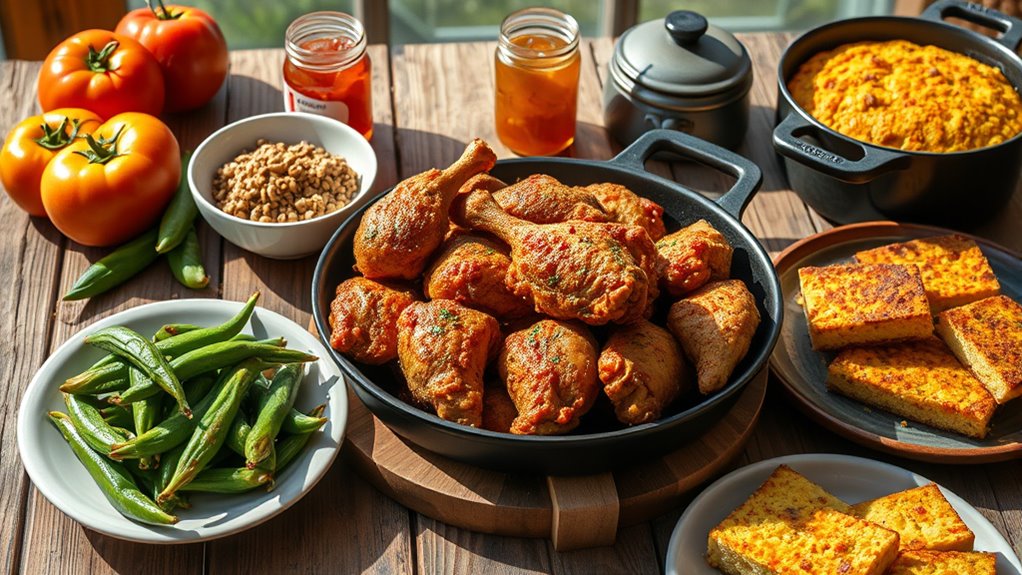
You can see how Oklahoma’s diet was shaped by its roots in corn and cattle farming, which provided essential ingredients for many dishes. Indigenous crops like squash, beans, and corn played a crucial role in early foodways, influencing local cuisine today. Frontier fare, with staples like salted meats, biscuits, and beans, reflects the practical, resourceful spirit of early settlers.
Corn and Cattle Roots
How did corn and cattle become the backbone of Oklahoma’s diet? You can thank early settlers and Native Americans for establishing these staples. Corn, introduced by indigenous tribes, became a versatile ingredient, used in everything from cornbread to grits. Cattle ranching boomed in the 1800s, shaping the state’s economy and cuisine. These two foods formed the foundation of many traditional dishes you’ll find today. Selection of cabinets is also important in creating authentic regional kitchens that celebrate these ingredients.
- Corn was dried, ground into meal, or cooked fresh, becoming a versatile staple.
- Cattle ranching supported a thriving barbecue culture, with pork and beef central to meals.
- Both ingredients influenced regional dishes like fried okra, sausage, and hearty stews.
Together, corn and cattle defined Oklahoma’s agricultural identity, forging flavors and traditions still celebrated in your local cuisine.
Indigenous Crop Contributions
Native American tribes played a crucial role in shaping Oklahoma’s early agriculture by cultivating staple crops like corn, beans, and squash. These crops, known as the Three Sisters, formed the backbone of Native diets and agricultural practices. Corn provided sustenance and was used in many traditional dishes, while beans added protein and soil fertility through nitrogen fixation. Squash offered essential nutrients and was often cooked with other crops. You’ll find these indigenous foods still central to Oklahoma’s culinary landscape, reflecting cultural resilience and heritage. Wild foraged foods like pecans, wild onions, and berries complemented cultivated crops, adding seasonal variety. Fry bread, born out of hardship during the Trail of Tears, symbolizes Native resilience and ingenuity, continuing to influence regional cuisine today. Incorporating traditional food practices helps preserve cultural identity and promotes sustainable agriculture within Native communities.
Staples of Frontier Fare
Frontier fare laid the culinary groundwork for Oklahoma’s traditional diet, emphasizing staples like corn and pork that sustained early settlers and Native communities alike. These ingredients formed the backbone of everyday meals and special occasions, shaping regional flavors. You’ll find corn in many forms—boiled, ground into meal, or made into hominy and grits—serving as a versatile staple. Pork, often smoked or roasted, became a primary protein source, fueling frontier life. Additionally, beans, especially black-eyed peas, provided affordable nutrition and are now woven into local traditions. The frontier kitchen relied on simple, hearty foods that could be stored and prepared easily, creating a lasting culinary legacy. Emphasizing natural ingredients, traditional Oklahoma dishes often used locally sourced produce and meats to reflect the agricultural roots of the region.
Historic Food Artifacts and Culinary Heritage Preservation
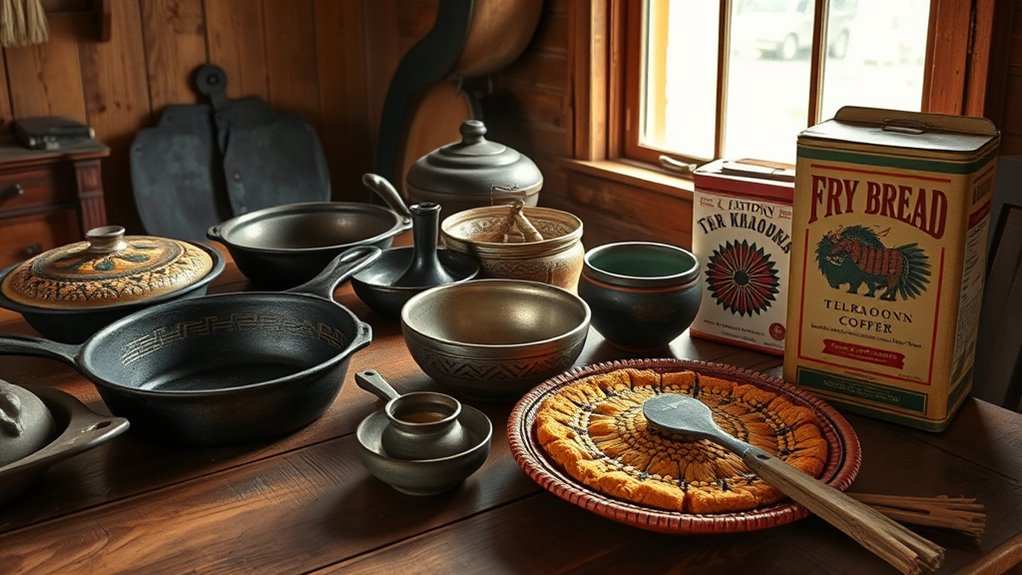
You can explore Oklahoma’s culinary history through preserved kitchen artifacts and cultural heritage exhibits that tell the story of its food traditions. These tools and displays help you understand how early settlers and Native tribes prepared meals and maintained culinary practices. By examining these relics, you gain a deeper appreciation for Oklahoma’s rich food heritage and its ongoing preservation efforts. Additionally, vetted food designs like Grace for Life Designs help showcase authentic culinary artifacts to enhance educational exhibits.
Preserved Kitchen Artifacts
How do we keep Oklahoma’s rich culinary history alive? By preserving the kitchen artifacts that tell its story. These artifacts include vintage utensils, cast-iron cookware, and early stove models that reveal how food was prepared generations ago. You’ll find pie safes designed to keep baked goods fresh before refrigeration, and old-fashioned canning jars that highlight preservation techniques. These items offer a tangible connection to Oklahoma’s culinary roots and the daily lives of those who shaped its food traditions. Maintaining and showcasing these artifacts through museums and collections helps preserve the cultural identity behind Oklahoma’s distinctive cuisine. Additionally, understanding ethics in preservation ensures that these artifacts are maintained responsibly and authentically.
Cultural Heritage Exhibits
Preserving Oklahoma’s culinary heritage involves more than just collecting artifacts; it’s about showcasing them in ways that connect people to the state’s rich food history. Museums and cultural exhibits display historic kitchenware, such as cast-iron skillets, pie safes, and early stoves, offering tangible links to the past. These exhibits highlight traditional tools used by Native tribes, settlers, and farmers, helping you understand how food was prepared and preserved. Interactive displays often include old recipes, photographs, and food artifacts that tell stories of resilience, migration, and community. By engaging with these exhibits, you gain insight into Oklahoma’s diverse culinary roots, fostering appreciation for traditional dishes like cornbread, fried okra, and barbecue, while emphasizing the importance of Self Watering Plant Pots in sustainable gardening practices for maintaining fresh herbs and vegetables that complement local cuisine.
Modern Trends and the Revival of Traditional Flavors
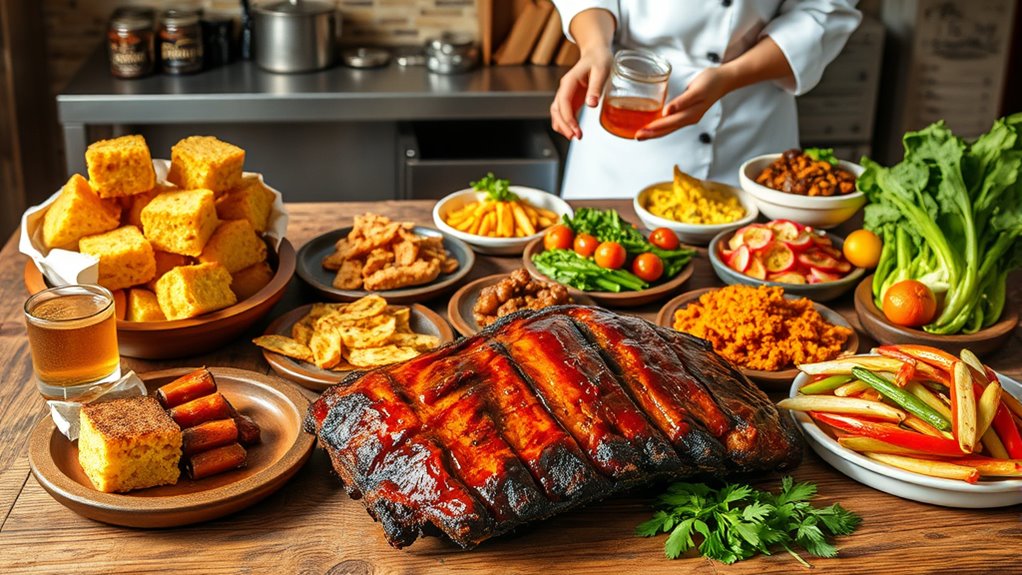
In recent years, Oklahoma’s culinary scene has experienced a vibrant renaissance, with chefs and food enthusiasts embracing both traditional flavors and innovative interpretations. You’re seeing classic dishes like chicken-fried steak and barbecue reimagined with modern twists, blending local ingredients with global techniques. Chefs are exploring indigenous ingredients, such as wild herbs and native grains, to create authentic yet contemporary dishes. You might find farm-to-table restaurants highlighting locally sourced meats and vegetables, celebrating Oklahoma’s agricultural roots. Additionally, food festivals and pop-up events showcase this fusion, making traditional flavors more accessible and exciting. The use of indigenous ingredients not only enriches the flavor profiles but also supports sustainable and environmentally friendly practices within the culinary community.
Celebrations, Community Events, and Oklahoma’s Food Identity
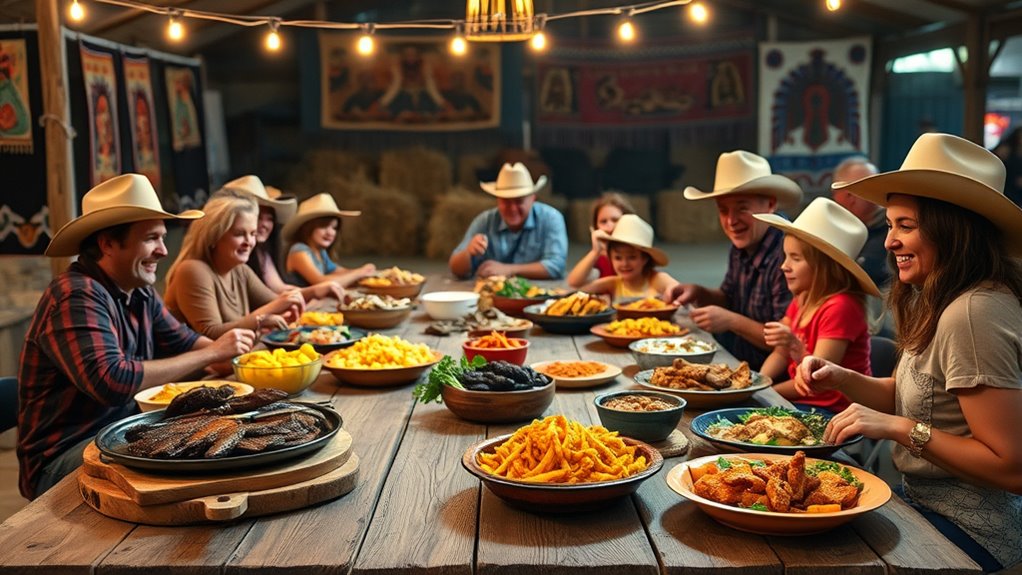
Celebrations and community events in Oklahoma serve as vibrant showcases of the state’s rich food identity, bringing people together to honor its culinary traditions. During festivals like the Oklahoma State Fair or local rodeos, you’ll find people enjoying classic dishes such as fried chicken, barbecue pork, and cornbread. Food trucks and vendors highlight Native American, Southern, and immigrant influences, creating a diverse culinary mosaic. Community potlucks and holiday gatherings often feature dishes like chicken-fried steak, black-eyed peas, and pecan pie, emphasizing local ingredients and heritage. These events foster pride in Oklahoma’s food history, from indigenous recipes to frontier favorites. As you participate, you’ll experience how food serves as a unifying thread, celebrating shared roots and the ongoing evolution of Oklahoma’s unique culinary landscape.
Frequently Asked Questions
How Has Oklahoma’s Native American Heritage Influenced Modern Dishes?
You can see Native American heritage influence modern dishes through ingredients like corn, beans, squash, and bison, which remain staples in today’s cuisine. Fry bread, originally a survival food, now appears in various forms. You might also encounter traditional cooking techniques and flavors woven into contemporary dishes, celebrating resilience and cultural pride. These elements connect you to Oklahoma’s rich Native American history, shaping a unique and enduring culinary identity.
What Role Do Local Ingredients Play in Oklahoma’s Contemporary Cuisine?
Local ingredients are the heart of Oklahoma’s contemporary cuisine. You’ll find chefs incorporating native crops like corn, squash, and beans, honoring indigenous roots. Fresh, locally sourced meats such as pork and chicken also play a central role. You can enjoy dishes that highlight these ingredients, often prepared with traditional techniques or reimagined with modern twists. This focus keeps Oklahoma’s food scene authentic, vibrant, and deeply connected to its agricultural heritage.
How Do Oklahoma’s Immigrant Communities Continue to Shape Its Food Scene?
Immigrant communities in Oklahoma keep shaping its food scene by bringing their traditional dishes and flavors, adding diversity to local menus. You’ll find German sausages, Czech pastries, and African-inspired fried okra in restaurants, reflecting their culinary heritage. These influences blend with native and frontier foods, creating a vibrant, evolving culinary landscape. You can explore authentic immigrant recipes at festivals, markets, and local eateries, enriching Oklahoma’s rich food culture.
What Are Some Lesser-Known Traditional Oklahoma Foods Worth Exploring?
You should explore lesser-known Oklahoma foods like fry bread, a Native American survival staple; wild pecans, foraged and rich in flavor; bison chili, a historic dish honoring Native hunting traditions; or Indian tacos, topped with local ingredients on fry bread. These dishes evoke resilience, community, and tradition, offering a delicious journey through Oklahoma’s diverse cultural roots and agricultural bounty, inviting you to taste its rich and layered food history.
How Are Oklahoma’s Culinary Traditions Preserved and Celebrated Today?
You can celebrate Oklahoma’s culinary traditions today by visiting historic eateries like Eischen’s Bar or Jamil’s Steakhouse, where classic dishes are still served. Attend food festivals showcasing Native American, Southern, and immigrant influences, and explore museums that highlight indigenous foodways. Support local farms and chefs reinterpreting traditional recipes with fresh ingredients. Participating in community events and sharing meals rooted in Oklahoma’s history helps keep these traditions alive and vibrant.
Conclusion
You’ve uncovered Oklahoma’s rich culinary tapestry, woven with Native roots, immigrant flavors, and Southern charm. Each dish tells a story, like threads in a vibrant quilt that warmth your soul. As you savor these traditions, remember they’re the heartbeat of a community that celebrates its history and flavors. Embrace these culinary treasures, for they’re not just food—they’re the soul of Oklahoma, waiting to nourish your spirit and bring people together.