
Discover how Massachusetts’ cuisine blends Native American traditions with colonial influences and diverse immigrant flavors. You’ll find iconic dishes like clam chowder, baked beans, and lobster, prepared with early techniques like steaming and baking. Over time, new communities introduced ingredients like Italian clam pies or Portuguese stuffed clams, creating a vibrant fusion. The modern scene combines tradition and innovation, offering farm-to-table freshness, global spices, and cultural celebrations—exploring this culinary history offers a rich, flavorful journey.
Key Takeaways
- Massachusetts cuisine has roots in Native American ingredients like corn, beans, seafood, and native fruits, blended with colonial European recipes.
- Traditional methods such as steaming, boiling, and baking highlight seafood dishes like clam chowder, baked beans, and clambakes.
- Immigrant communities, including Italian, Portuguese, and Jewish, introduced new flavors and dishes, enriching regional culinary diversity.
- Contemporary trends focus on farm-to-table, fusion cuisine, sustainable practices, and innovative reinterpretations of classic dishes.
- Food festivals and cultural celebrations showcase Massachusetts’ culinary heritage alongside modern innovations, emphasizing local ingredients and multicultural influences.
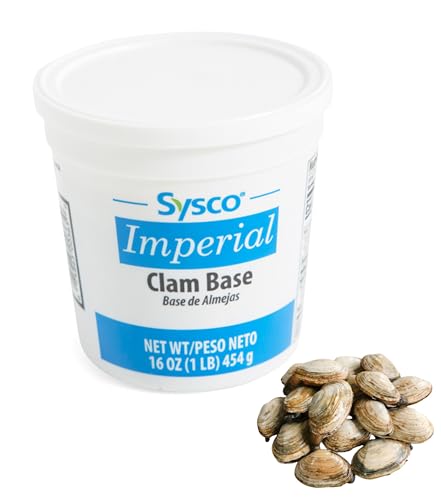
Sysco Clam Base | Soup Stew Chowder Seafood Dinner | Gluten Free | 16 oz.
- Ready to use: Convenient and easy to prepare
As an affiliate, we earn on qualifying purchases.
As an affiliate, we earn on qualifying purchases.
Colonial Foundations and Native American Influences
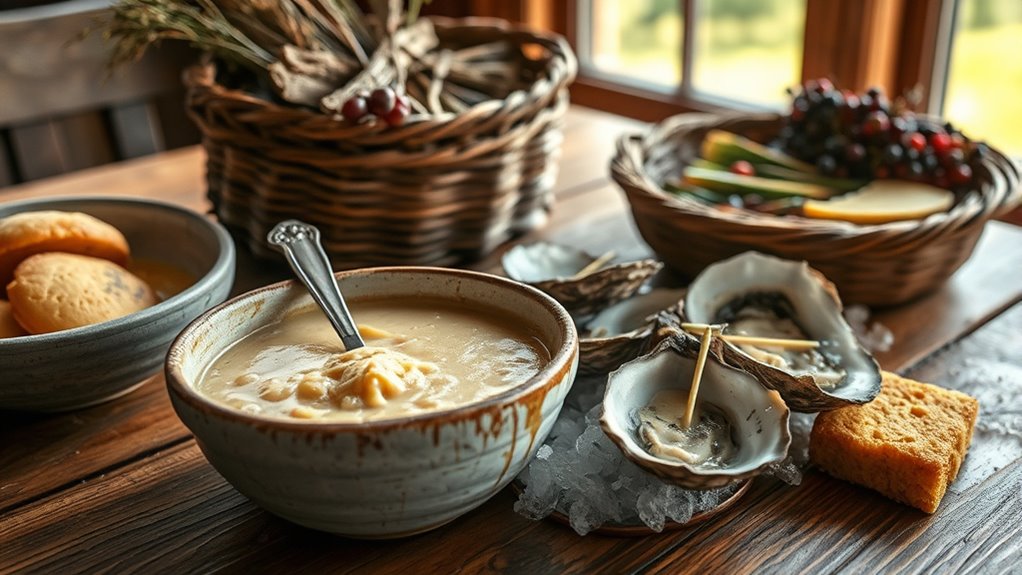
The culinary roots of Massachusetts trace back to the colonial era, where English settlers and Native Americans laid the foundation for regional cuisine. You’ll find that early diets combined English recipes with local ingredients like corn, beans, squash, and seafood. Fish such as cod, herring, and lobster were staples, often salted for preservation. Native foods like cranberries, pumpkins, and wild game influenced settler menus, especially during harvest feasts. The 1621 Pilgrim and Wampanoag celebration exemplifies this culinary blending, highlighting native ingredients and cooking methods. Native American techniques, such as steaming and roasting, merged with English traditions, shaping Massachusetts’s food landscape. This early exchange created a rich, hybrid culinary culture rooted in both indigenous and colonial practices. Understanding these culinary influences helps appreciate the diverse flavors that define Massachusetts cuisine today.

5 Piece Kitchen Utensil Set – Handmade Wooden Cooking Utensils Made in the USA
- Made in the USA: Handcrafted in Lancaster, Pennsylvania
- All Natural Material: Made from Pennsylvania Black Cherry wood
- Compatible with All Cookware: Gentle on non-stick, stainless steel, cast iron
As an affiliate, we earn on qualifying purchases.
As an affiliate, we earn on qualifying purchases.
Iconic Massachusetts Dishes and Regional Food Products
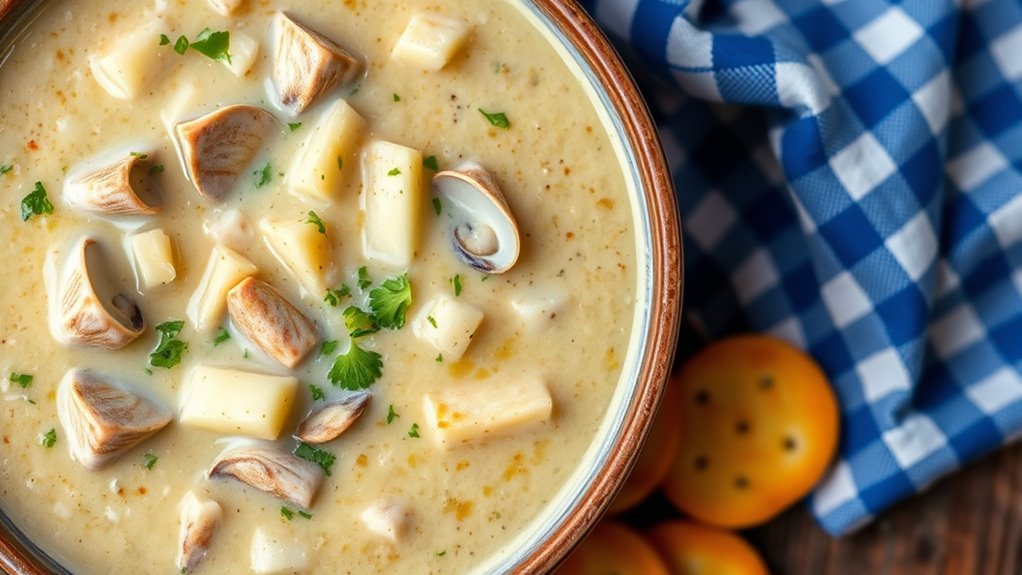
Massachusetts boasts a range of iconic dishes and regional food products that reflect its rich culinary heritage. You’ll find classics like Boston baked beans, made with navy beans, molasses, and salted pork, symbolizing Native, colonial, and trade influences. Seafood dishes, including clam chowder and fried clams, are staples rooted in coastal abundance. Regional treats like Boston cream pie and marshmallow Fluff showcase local innovation. Major brands like Ocean Spray, Dunkin’ Donuts, and Fig Newtons originated here, highlighting Massachusetts’s influence. Here’s a quick look:
| Dish/Product | Key Ingredients | Cultural Significance |
|---|---|---|
| Boston Baked Beans | Navy beans, molasses, salted pork | Colonial and Native roots |
| Clam Chowder | Clams, potatoes, salt pork | Coastal staple |
| Boston Cream Pie | Custard, sponge cake | State dessert |
| Marshmallow Fluff | Marshmallow, sugar | Regional invention |
| Cranberries & Cranberry Products | Cranberries | Massachusetts-grown, iconic |
Additionally, Massachusetts is known for its regional food innovations, which have contributed to its unique culinary identity.

suoundey Seafood Cracker Tool Set With Lobster Sheller Stainless Steel Crab Crackers Crab Leg Fork Seafood Scissors And Storage Bag, Crab Leg Pick Utensils Set Crab Eating Tools (9Pcs)
- Material: Zinc alloy and food-grade plastic
- Corrosion Resistance: Rust-proof and corrosion-resistant
- Ergonomic Handles: Secure grip for easy use
As an affiliate, we earn on qualifying purchases.
As an affiliate, we earn on qualifying purchases.
Cooking Techniques and Ingredients of New England

You’ll notice that Massachusetts cooking combines traditional methods like steaming and boiling with Native American ingredients such as corn, shellfish, and cranberries. These techniques and ingredients reflect both local resources and cultural influences, especially from Native tribes and early settlers. By understanding these methods, you can better appreciate how Massachusetts’s culinary heritage was shaped and preserved. Additionally, understanding cooking techniques like boiling and steaming helps explain how many traditional dishes retain their flavor and nutritional value.
Traditional Cooking Methods
Traditional New England cooking methods center on steaming, boiling, and baking, techniques that emphasize simplicity and resourcefulness. You’ll often see seafood, like clams and lobster, prepared with steaming or boiling to preserve their natural flavors. Baking is central to many classic dishes, such as Boston baked beans and pies, using simple ingredients like beans, molasses, and native fruits. Boiling is common for preparing hearty soups and stews, especially clam chowder, which highlights local shellfish. The New England clambake exemplifies communal outdoor cooking, where seafood, corn, and potatoes are layered with seaweed and heated with hot stones. These techniques reflect a practical approach, using minimal equipment to maximize flavor and conserve ingredients, rooted in the region’s maritime and agricultural traditions.
Native and Local Ingredients
Native and local ingredients form the backbone of New England cuisine, shaping the region’s distinctive flavors and cooking styles. You’ll find seafood like cod, lobster, clams, and oysters at the core, often cooked in traditional ways like steaming or in a clambake. Native ingredients such as cranberries, pumpkins, wild game, and cornmeal also play crucial roles. These ingredients influence dishes like clam chowder, baked beans, and cranberry sauces, blending Native and European traditions. The use of antioxidant-rich berries like blueberries and strawberries further enhances the region’s culinary diversity. Here’s a quick overview:
| Native Ingredients | Common Dishes |
|---|---|
| Cranberries | Cranberry sauce, relishes |
| Cornmeal | Cornbread, Johnnycakes |
| Lobster & shellfish | Clam chowder, steamed lobster |
| Pumpkins | Pumpkin pie, soups |
| Wild game | Venison stews, roasts |
This fusion of ingredients keeps Massachusetts cuisine fresh and rooted in history.

Bush's Best Boston Recipe Baked Beans, 16 oz, (Pack of 12)
- Type: Canned Baked Beans with Seasonings
- Pack Size: 12 cans of 16 oz each
- Recyclable Packaging: Yes
As an affiliate, we earn on qualifying purchases.
As an affiliate, we earn on qualifying purchases.
The Impact of Immigration and Cultural Fusion
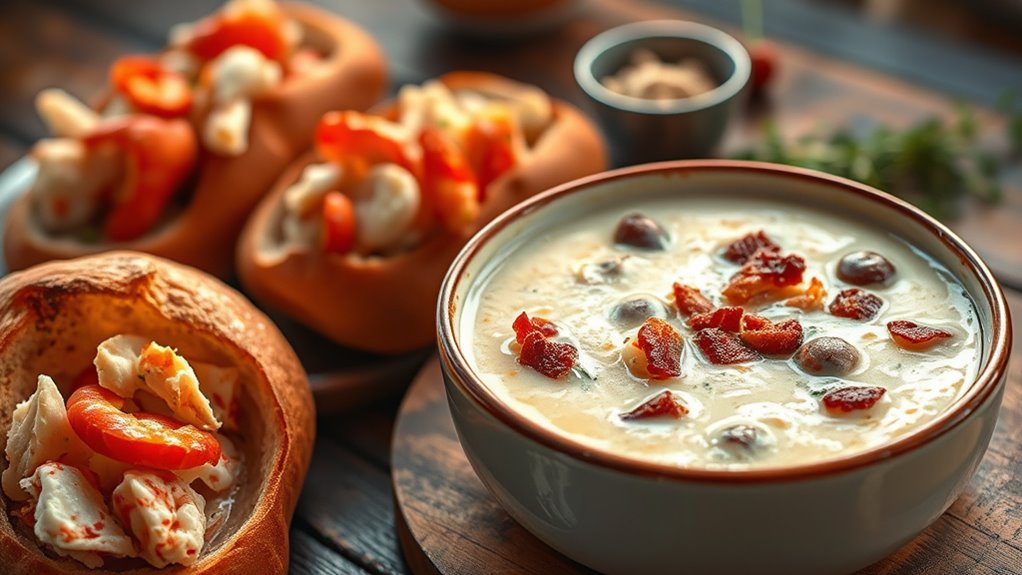
Immigration has profoundly shaped Massachusetts cuisine by introducing new ingredients, cooking techniques, and culinary traditions that blend seamlessly with local flavors. As you explore the state’s food scene, you’ll notice how Italian immigrants brought New Haven Clam Pies and scali bread, enriching local menus. Jewish communities introduced bagels and knishes, adding depth to Boston’s diverse food landscape. Portuguese newcomers popularized stuffed clams (“stuffies”), combining seafood with their culinary heritage. These immigrant influences have expanded Massachusetts’s culinary repertoire, challenging the notion of a static tradition. Instead, you see a vibrant fusion of cultures that reflects the state’s history of welcoming diverse communities. This blending continues today, creating a dynamic food culture where old and new flavors coexist, evolve, and tell stories of migration and adaptation. Additionally, cultural fusion in local eateries exemplifies how immigrant communities have fostered a rich and evolving culinary identity in Massachusetts.
Historic and Contemporary Culinary Institutions
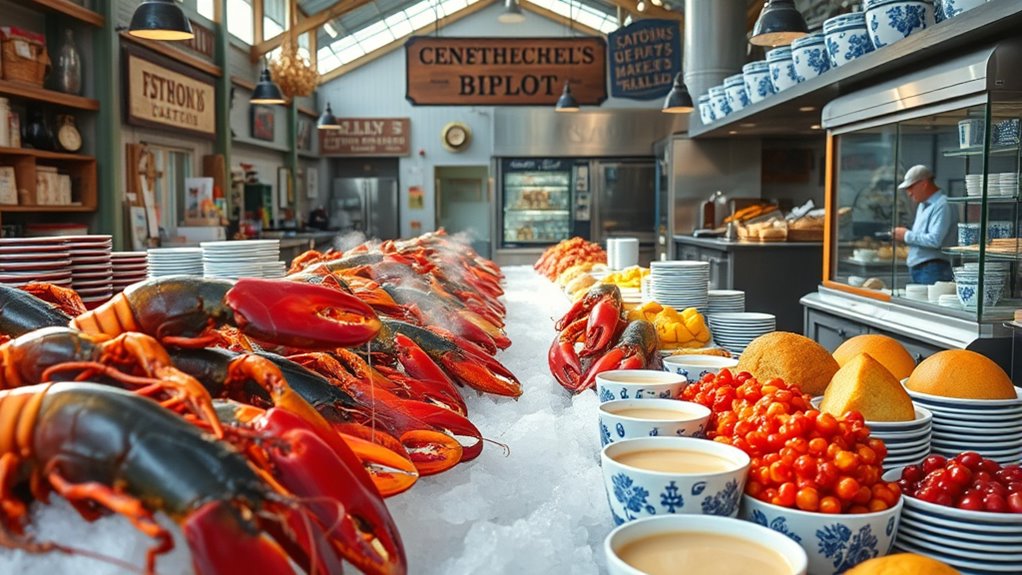
Massachusetts’ culinary landscape is shaped not only by its diverse influences but also by its historic and contemporary institutions that preserve and celebrate local flavors. You can visit legendary restaurants like the Old Mill in Westminster, which has served classics like clam chowder and fried haddock since 1921. These institutions honor tradition while adapting to modern tastes, blending history with innovation. You’ll find culinary festivals, local markets, and museums showcasing Massachusetts’ rich food heritage. The table below highlights some key institutions shaping the state’s culinary scene:
| Historic Restaurants | Food Museums | Contemporary Eateries |
|---|---|---|
| Old Mill, Westminster | Boston Tea Party Ships | Union Oyster House |
| Parker House Hotel | Salem Food Museum | Legal Sea Foods |
| Union Oyster House | Nantucket Culinary Center | Thinking Cup |
| The White Elephant Hotel | Massachusetts Food Trails | Flour Bakery |
| Locke-Ober | Cape Cod Foodways | Tatte Bakery |
These venues keep Massachusetts’ culinary history vibrant and evolving. Understanding food heritage is essential to appreciating how these institutions influence modern cuisine in the state.
Massachusetts’ Culinary Evolution and Modern Trends
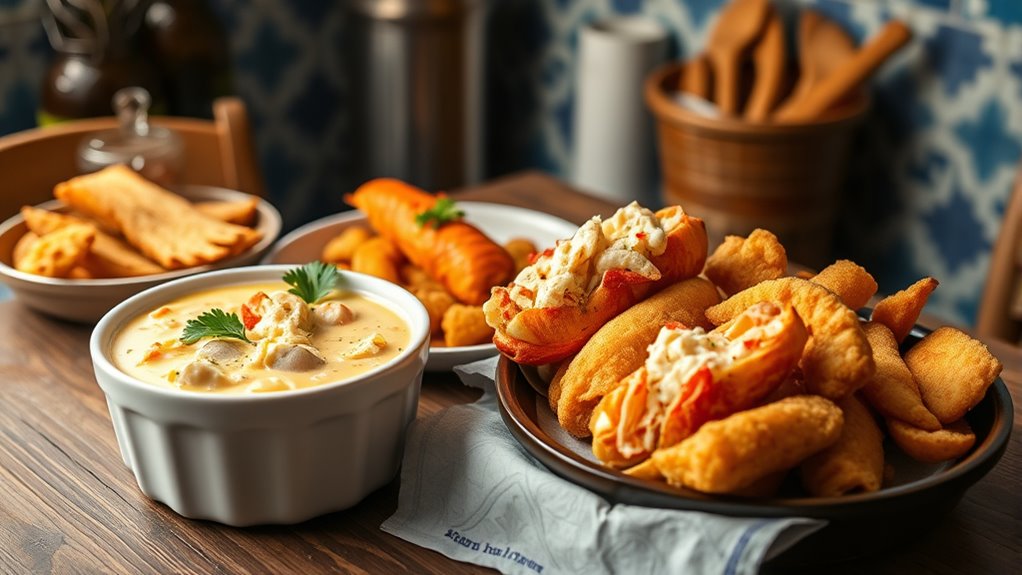
You can see how Massachusetts combines its rich culinary history with innovative trends today. Chefs blend traditional ingredients with modern techniques to create fresh, exciting dishes. This fusion keeps the state’s food scene vibrant, honoring the past while embracing the future. Additionally, local food festivals celebrate both classic and contemporary flavors, drawing food lovers from around the world.
Fusion of Traditional and Modern
The culinary landscape of Massachusetts seamlessly blends its rich traditions with contemporary innovations, creating a dynamic food scene that honors history while embracing modern tastes. You’ll find chefs reimagining classic dishes like clam chowder and Boston baked beans with fresh, locally sourced ingredients and inventive techniques. Modern restaurants incorporate global flavors—think Asian spices in seafood dishes or Latin-inspired toppings on traditional New England fare. Food trucks and pop-up eateries experiment with fusion concepts, blending Native American, European, and immigrant influences. Craft breweries and artisanal producers put a contemporary spin on longstanding products like cranberries and maple syrup. This seamless fusion celebrates Massachusetts’ culinary heritage while pushing boundaries, offering both nostalgic favorites and innovative creations that reflect evolving tastes and cultural diversity. Additionally, the culinary evolution of Massachusetts showcases how traditional methods are integrated with innovative cooking techniques, ensuring the state’s cuisine remains vibrant and forward-thinking.
Contemporary Massachusetts Food Scene
Modern Massachusetts’ culinary scene continuously evolves by blending its rich historical roots with innovative trends. You’ll find traditional flavors reimagined through modern techniques and diverse influences. Here are three key trends shaping the contemporary food scene:
- Farm-to-Table Movement: Emphasizing local ingredients, chefs spotlight Massachusetts’ farms, seafood, and seasonal produce.
- Fusion Cuisine: Italian, Portuguese, Jewish, and other immigrant flavors merge, creating unique dishes like stuffed clam “stuffs” and innovative seafood pies.
- Sustainable Practices: Focus on eco-friendly sourcing, zero-waste cooking, and responsible fishing guarantees future generations enjoy Massachusetts’ bounty.
- Incorporating herbal teas into culinary offerings is becoming increasingly popular, adding health benefits and unique flavors to dishes and beverages.
This dynamic blend of tradition and innovation makes Massachusetts a vibrant culinary landscape that honors its history while pushing culinary boundaries. Your taste buds are in for an exciting, ever-changing experience.
Frequently Asked Questions
How Has Massachusetts Cuisine Evolved in the 21ST Century?
In the 21st century, Massachusetts cuisine has evolved by blending traditional dishes with modern influences. You’ll find innovative takes on classics like clam chowder and lobster rolls, often using local, sustainable ingredients. Food trucks, farm-to-table restaurants, and multicultural eateries flourish, reflecting diverse communities. Chefs experiment with new techniques and global flavors, while preserving regional heritage. This dynamic mix keeps Massachusetts culinary traditions alive and exciting for both locals and visitors alike.
What Role Do Local Farms Play in Massachusetts Food Culture Today?
Local farms play a crucial role in Massachusetts food culture by providing fresh, seasonal ingredients that connect you to the state’s agricultural roots. You can access farm-to-table dining experiences, support sustainable practices, and enjoy produce like corn, berries, and vegetables. These farms also preserve local traditions, encourage community engagement, and influence chefs to create innovative dishes that celebrate Massachusetts’s rich culinary heritage.
Are There Regional Differences Within Massachusetts’ Culinary Traditions?
Yes, you’ll notice regional differences in Massachusetts’ culinary traditions. In coastal areas, seafood like clam chowder, lobster rolls, and fried clams dominate, reflecting the maritime influence. Inland regions emphasize hearty baked beans, cornbread, and farm-fresh produce, showcasing agricultural roots. Boston’s diverse neighborhoods offer ethnic dishes from Italian, Portuguese, and Jewish communities, adding variety. These distinctions highlight how geography and culture shape Massachusetts’ unique, regionally inspired food scene.
How Do Massachusetts Food Festivals Celebrate Local Ingredients?
You’ll see Massachusetts food festivals celebrate local ingredients by showcasing iconic dishes like clam chowder, Boston baked beans, and fried clams. Vendors highlight fresh seafood, cranberries, and produce like squash and beans, often using regional recipes. These events often feature cooking demos, tastings, and contests that honor the state’s culinary heritage. By emphasizing local flavors, festivals connect you directly to Massachusetts’ rich food history and vibrant, community-driven traditions.
What Are Emerging Culinary Trends in Massachusetts’ Dining Scene?
You’ll notice Massachusetts’ dining scene embracing sustainability and farm-to-table practices, focusing on local ingredients like seafood, cranberries, and squash. Chefs innovate with modern techniques, blending traditional flavors with global influences. Plant-based dishes, craft cocktails, and artisanal baked goods gain popularity. Restaurants emphasize seasonal menus, supporting local farmers, and highlighting Massachusetts’ rich culinary heritage while exploring new, exciting flavors that reflect the state’s evolving food culture.
Conclusion
As you explore Massachusetts’s rich culinary heritage, you’ll discover a blend of Native American roots, colonial traditions, and modern innovations. Did you know that Massachusetts ranks among the top states for seafood consumption in the U.S.? This statistic highlights how fresh local ingredients and diverse influences shape its cuisine today. Whether savoring clam chowder or exploring historic food traditions, you’ll find that Massachusetts’s food scene offers a delicious journey through history and culture.