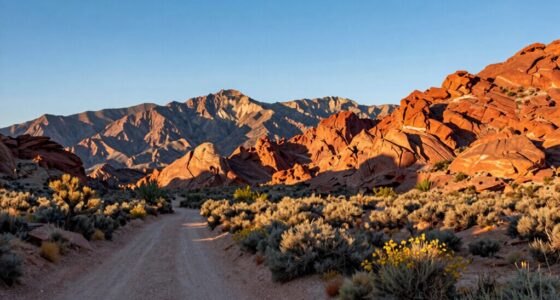
Nevada’s history and culture are shaped by its Native tribes, exploration, and the mining boom that brought wealth and towns like Virginia City to life. Its statehood during the Civil War reinforced its Northern ties, while its iconic entertainment industry grew from casinos and shows. Unique laws brought many in for quick divorces, influencing its demographic shift. From historic landmarks to stunning natural parks, Nevada’s vibrant heritage offers a fascinating story worth exploring further.
Play games included with Prime
Start a Prime free trial and play with Amazon Luna on your devices.
As an affiliate, we earn on qualifying purchases.
Key Takeaways
- Nevada’s history is shaped by Native tribes, European exploration, and the discovery of the Comstock Lode, leading to rapid development.
- The state’s Civil War-era origins and swift statehood in 1864 fostered a resilient, union-supporting cultural identity.
- Mining booms, especially silver and gold, drove economic growth, town cycles, and Nevada’s reputation for opportunity and risk.
- Modern Nevada blends its historic sites, natural wonders like Great Basin National Park, and a vibrant entertainment industry.
- Laws facilitating quick residency and divorce attracted migrants, influencing Nevada’s demographic diversity and cultural landscape.
Nevada historical landmarks guidebook
As an affiliate, we earn on qualifying purchases.
As an affiliate, we earn on qualifying purchases.
Indigenous Tribes and Pre-European Life
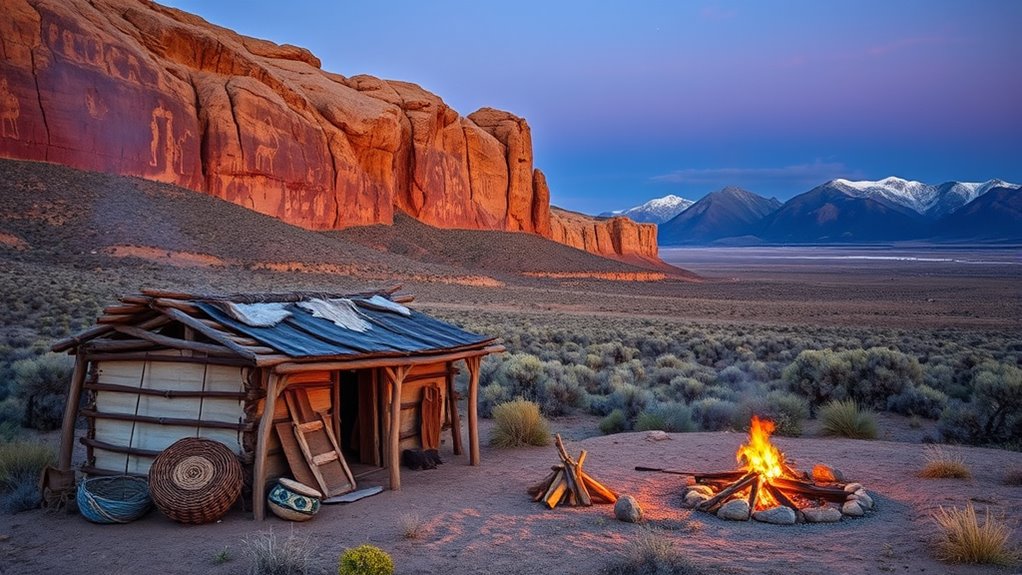
Long before European explorers arrived, the lands now known as Nevada were inhabited by Native tribes such as the Washoe, Paiute, and Shoshone. You would have encountered nomadic groups that thrived in Nevada’s harsh desert and Great Basin environments. These tribes relied on hunting, gathering, and seasonal migration to survive, moving across vast areas to follow available resources. They didn’t build permanent settlements but developed sophisticated knowledge of the land, water sources, and wildlife. Their cultures centered around family, spiritual practices, and respect for nature. You might have seen their handcrafted tools, baskets, and art. These tribes maintained their traditions for thousands of years, shaping Nevada’s history long before Europeans set foot in the region.
Native American craft art supplies
As an affiliate, we earn on qualifying purchases.
As an affiliate, we earn on qualifying purchases.
European Exploration and Territorial Changes

Have you ever wondered how Nevada shifted from its indigenous roots to European influence? In the late 18th century, Spanish explorers arrived, naming the Sierra Nevada “snowy” and mapping the region. Although they didn’t establish permanent settlements, their presence marked the first European record of Nevada. After Mexico gained independence in 1821, Nevada became part of Mexican territory until 1848, when the United States took control following the Mexican-American War. The area was initially included in Utah Territory in 1850, with small Mormon communities. The discovery of the Comstock Lode in 1859 sparked a silver rush, leading to the creation of Nevada Territory in 1861. These territorial changes set the stage for Nevada’s rapid growth and eventual statehood in 1864. Understanding territorial governance helps explain how land divisions and political decisions influenced Nevada’s development during this period.
As an affiliate, we earn on qualifying purchases.
The Mining Boom and State Formation
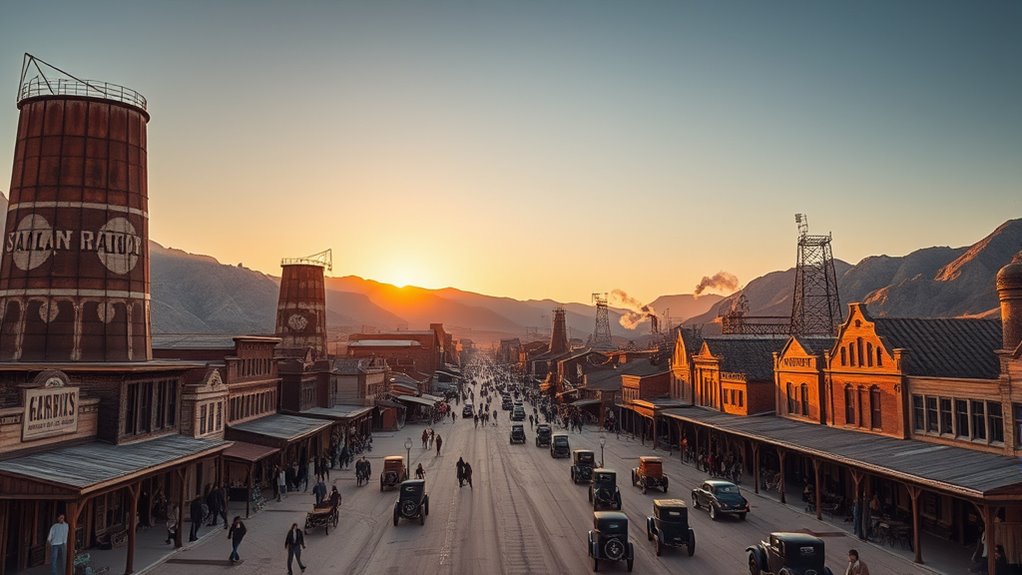
What ignited Nevada’s rapid transformation from a sparsely populated desert to a booming mining hub? The discovery of the Comstock Lode in 1859 near Virginia City sparked a silver rush that drew thousands of prospectors and entrepreneurs. This influx of people fueled a population explosion and economic growth centered around mining. As the wealth from silver and gold increased, towns like Virginia City and later Goldfield and Tonopah flourished. The mining industry became the backbone of Nevada’s identity, leading to the creation of the Nevada Territory in 1861 and eventual statehood in 1864. The wealth generated helped shape Nevada’s borders, economy, and political landscape, transforming it from a rugged frontier into an emerging state driven by mineral riches. Additionally, the development of a robust cognitive style facilitated effective organization and management within these rapidly growing communities.
Great Basin National Park travel accessories
As an affiliate, we earn on qualifying purchases.
As an affiliate, we earn on qualifying purchases.
Civil War Era and Statehood

During the Civil War, Nevada’s quick push for statehood was driven by political motives, like supporting Lincoln’s reelection and strengthening Republican power. You’ll see that Nevada became the 36th state in 1864, partly to bolster the Union’s influence. Its nickname, “Battle Born,” reflects this wartime urgency and the state’s strategic importance. Additionally, the state’s rapid development and strategic location fostered a creative spirit that contributed to its unique cultural identity.
Civil War Influence
Nevada’s path to statehood was deeply influenced by the Civil War, shaping its political and social identity from the very start. The Union’s victory and the push for new states aligned with Lincoln’s goals, making Nevada a strategic addition. Its rapid admission in 1864, during the war, reflected the desire to bolster Republican strength and support the Union cause. The nickname “Battle Born” highlights this connection, symbolizing Nevada’s commitment to the Union effort. The war’s influence also affected Nevada’s early governance and development, emphasizing loyalty and unity. As a new state, Nevada’s identity was intertwined with Civil War values—resilience, independence, and a pioneering spirit—that continue to define its cultural legacy today. Additionally, the Civil War era significantly impacted Nevada’s early political landscape, fostering a sense of nationalism and dedication to Union ideals.
Statehood Motivation
Have you ever wondered why Nevada rushed to join the Union during the Civil War? The primary motivation was political support for President Lincoln and the Union cause. Nevada’s strategic location and mineral wealth made it valuable to the federal government. Statehood also boosted Northern influence in Congress, helping pass legislation aligned with Union interests. The rush was quick; Nevada’s entire constitution was telegraphed to Congress in just days. This move also aimed to strengthen the Republican Party’s presence. Additionally, the discovery of gold and silver deposits played a crucial role in attracting settlers and consolidating Nevada’s strategic importance.
The Rise and Fall of Mining Towns
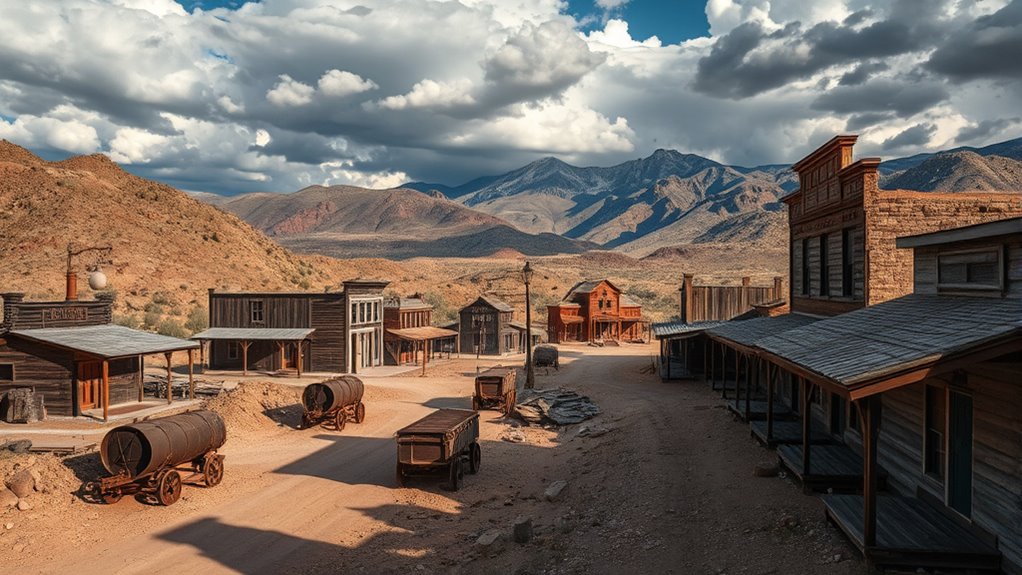
Mining towns in Nevada rose rapidly in response to discoveries like the Comstock Lode, transforming remote areas into bustling communities almost overnight. As miners flooded in, towns like Virginia City and Goldfield grew from nothing, driven by the promise of wealth. These towns thrived during booms, boasting saloons, theaters, and bustling businesses. But their prosperity was fragile. When ore supplies dwindled or prices dropped, towns faced economic collapse, leading to ghost towns and abandoned buildings. Many settlements experienced cycles of rapid growth followed by sudden decline, often within a few years. Despite their fleeting existence, these towns left a lasting mark on Nevada’s history, shaping its identity as a land of opportunity, risk, and resilience. Their rise and fall reflect the unpredictable nature of mining-driven development. Notable titles include “Spirited Away” and “Your Name,” which highlight the cultural significance of storytelling in the realm of animation.
Economic Challenges and Social Movements

Despite its early economic boom fueled by silver and gold discoveries, Nevada faced significant challenges as those resources declined. You experienced a tough progression, with economic instability and social unrest. To cope, Nevada saw:
- Workers organizing for better rights amid mining disputes.
- The rise of labor movements demanding fair wages and safer conditions.
- Social activism pushing for political reforms and improved education.
- Shifts in industry focus, from mining to gambling and tourism, to stabilize the economy.
- Awareness of potential small mistakes in managing these transitions helped the state adapt more effectively.
These movements shaped Nevada’s identity, highlighting resilience and a fight for fairness. Despite economic setbacks, the state continued evolving through social activism and industry diversification, laying the groundwork for modern Nevada’s complex social fabric.
The Gambling Revolution and Entertainment Industry

The gambling industry transformed Nevada’s economy and culture, turning the state into a national entertainment hub. When gambling was legalized in 1931, it sparked a wave of rapid growth, especially in Las Vegas and Reno. Casinos became symbols of glamour, risk, and possibility, attracting visitors from across the country. This shift reshaped Nevada’s identity from a mining-dependent state to a tourism powerhouse. The entertainment industry expanded beyond gambling, including shows, concerts, and conventions, making Nevada a destination for all kinds of visitors. You can see this influence in iconic landmarks like the Las Vegas Strip and historic casinos in downtown Reno. The development of these landmarks was closely tied to the importance of well-sourced name coverage, ensuring that Nevada’s unique history and cultural contributions are accurately documented. Today, the gambling and entertainment industries continue to drive Nevada’s economy, shaping its reputation as a world-famous playground.
Nevada’s Unique Divorce Laws and Migration
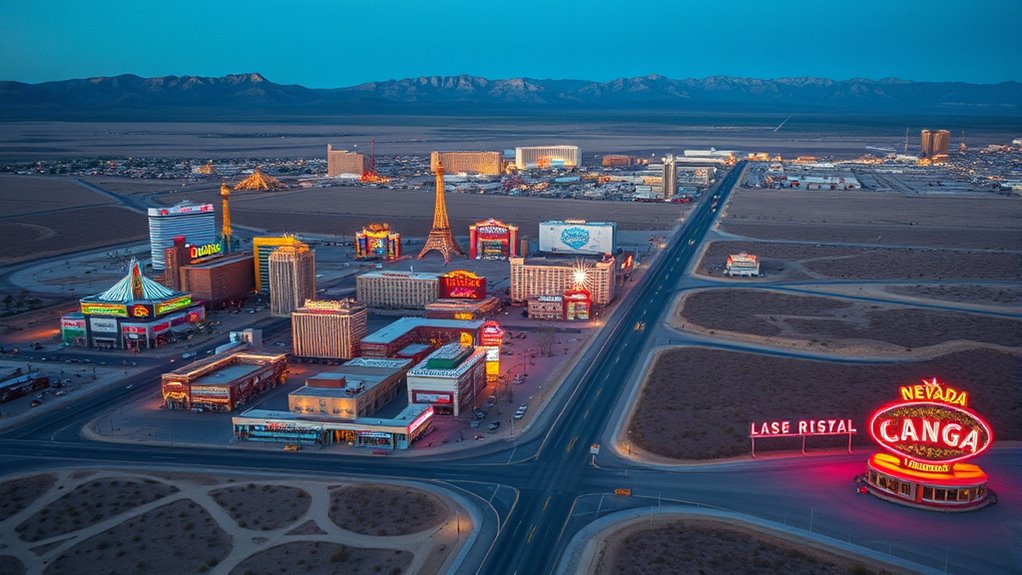
Nevada’s quick residency requirements made it easy for people to secure a divorce in a short amount of time. This unique law attracted many individuals seeking a fast, hassle-free way to end their marriages. As a result, migration patterns shifted, with many moving to Nevada specifically for its lenient divorce process. The state’s divorce laws also influenced its reputation as a destination for those seeking legal separation.
Fast Residency Requirements
Have you ever wondered how Nevada became famous for its quick divorces? Its fast residency requirements played a big role. You only need to live in Nevada for six weeks before filing, making it one of the shortest periods in the U.S. This attracts many seeking a speedy legal process. Additionally, the state’s legal frameworks facilitate flexible residency rules that support this reputation.
Here’s what it means for you:
- Migration Magnet: People from all over move temporarily to Nevada for a quick divorce.
- Legal Simplicity: Short residency simplifies the process, reducing waiting times.
- Economic Boost: Increased migration fuels local economies, especially in Las Vegas and Reno.
- Cultural Impact: The state’s reputation for efficiency shapes its identity, emphasizing individualism and opportunity.
This unique law continues to draw those looking for fast, straightforward legal solutions.
Impact on Migration Patterns
Nevada’s quick divorce laws have long shaped migration patterns by making the state a destination for those seeking fast legal resolutions. You might choose Nevada because its six-week residency requirement allows you to file for divorce faster than other states, attracting individuals from across the country. This influx creates a temporary population boost, especially in cities like Las Vegas and Reno. People often relocate temporarily, knowing they can settle their divorce proceedings efficiently. Over time, some decide to stay, drawn by Nevada’s vibrant entertainment scene and job opportunities. The laws also influence migration trends by encouraging those considering divorce to choose Nevada over states with longer, more complicated procedures. As a result, Nevada’s reputation as a “divorce destination” continues to impact its demographic and economic landscape.
Cultural Heritage and Historic Landmarks
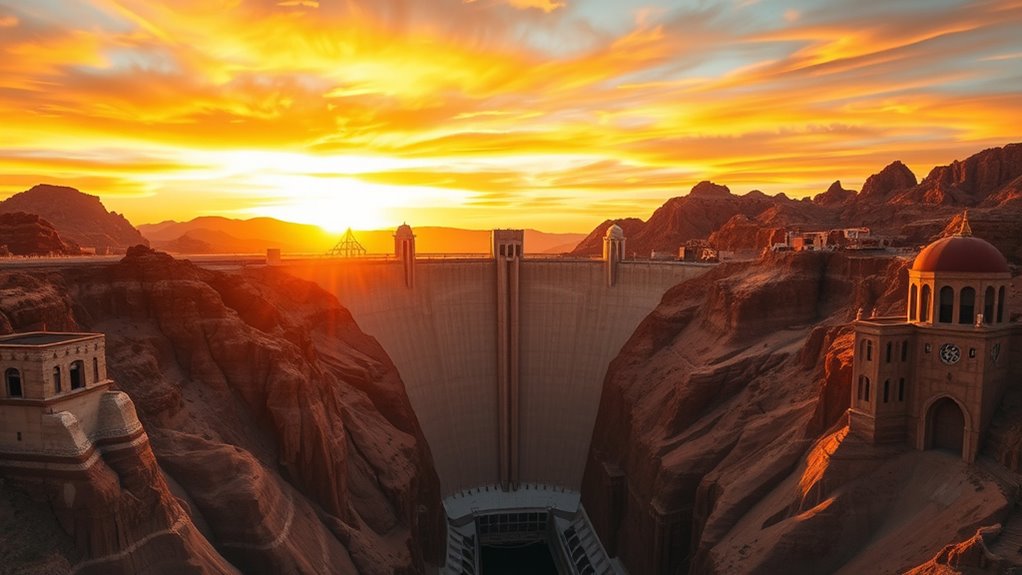
Cultural heritage and historic landmarks in Nevada showcase a rich tapestry of stories from Native tribes, early explorers, and ambitious settlers. You can explore sites that honor Native traditions, like the Pyramid Lake Paiute Museum, or walk through towns that preserve the Wild West spirit. Here are four key aspects to deepen your understanding:
- Virginia City: Once a booming silver-mining hub, now a living tribute to the Gold Rush era.
- Great Basin National Park: Features Wheeler Peak and Lehman Caves, reflecting natural and cultural history.
- Goldfield Historic District: Preserves a former gold-mining town emblematic of Nevada’s boom-bust economy.
- Nevada State Capitol: Completed in 1871, symbolizing statehood’s significance.
These landmarks connect you to Nevada’s resilient identity, highlighting its diverse, storied past.
Natural Wonders and National Parks
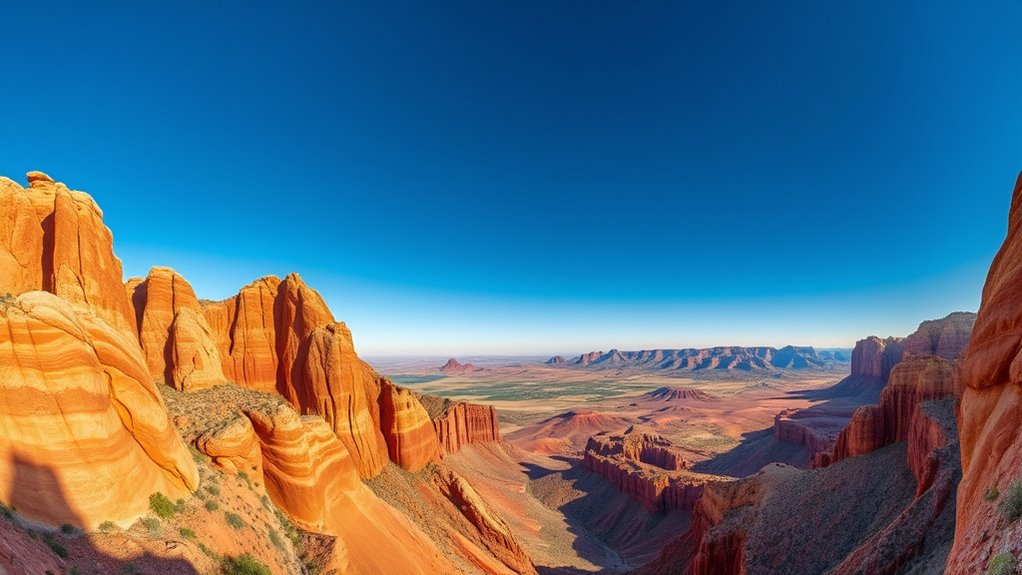
Nevada’s natural wonders showcase the state’s rugged beauty and diverse landscapes. Great Basin National Park offers stunning views from Wheeler Peak and features fascinating Lehman Caves. You’ll find unique desert landscapes that highlight Nevada’s remarkable variety of natural scenery.
Great Basin National Park
Did you know that Great Basin National Park showcases some of Nevada’s most stunning natural wonders? As you explore, you’ll discover how this park embodies the state’s rugged spirit. Here are four key features:
- Wheeler Peak: The second tallest mountain in Nevada, offering breathtaking views and challenging hikes.
- Lehman Caves: Intricate limestone caverns filled with stalactites and stalagmites, highlighting geological history.
- Basin and Range Geology: The park’s unique landscape of towering peaks and deep valleys reflects Nevada’s tectonic activity.
- Dark Skies: Designated a starlight reserve, ideal for stargazing and appreciating Nevada’s clear night skies.
This park captures Nevada’s natural resilience, diverse geology, and the enduring beauty that defines the state’s wilderness.
Wheeler Peak & Caves
Among Nevada’s many natural treasures, Wheeler Peak and Lehman Caves stand out as remarkable examples of the state’s rugged beauty and geological complexity. Wheeler Peak rises dramatically in Great Basin National Park, offering stunning vistas and alpine ecosystems. Beneath it, Lehman Caves reveal intricate limestone formations, stalactites, and stalagmites, formed over millions of years. You can explore these caves through guided tours, marveling at their natural artistry. Wheeler Peak’s summit reaches 13,063 feet, making it Nevada’s second-highest peak, while the caves highlight the region’s karst landscape. This area showcases Nevada’s diverse geology, from snow-capped peaks to underground wonderlands.
| Feature | Significance |
|---|---|
| Wheeler Peak | Tallest in the area, scenic views |
| Lehman Caves | Limestone formations, guided tours |
| Geology | Karst landscape, mineral deposits |
| Ecosystems | Alpine flora and fauna |
Unique Desert Landscapes
Hidden within Nevada’s vast desert expanse are some of the most striking natural wonders in the United States. These landscapes showcase the state’s rugged beauty and diversity.
- Great Basin National Park features Wheeler Peak and Lehman Caves, offering towering mountains and intricate limestone formations.
- Valley of Fire State Park dazzles with fiery-red sandstone formations and petroglyphs left by ancient inhabitants.
- Black Rock Desert hosts the famous Burning Man festival and vast, flat playa, perfect for stargazing and extreme sports.
- Red Rock Canyon provides stunning sandstone cliffs and scenic drives, highlighting the area’s geological history.
These landscapes reveal Nevada’s natural artistry, inviting you to explore its unique desert terrain and appreciate its raw, enduring beauty.
Frequently Asked Questions
How Did Nevada’s Native Tribes Maintain Their Cultures Post-European Contact?
You can see that Nevada’s native tribes, like the Washoe, Paiute, and Shoshone, maintained their cultures by preserving their traditions, languages, and spiritual practices despite European contact. They adapted to changing circumstances, continued seasonal migrations, and relied on hunting and gathering. Many tribes kept their stories alive and passed them down through generations, ensuring their unique identities persisted amid outside influences and shifting environments.
What Role Did Nevada Play in the Broader Context of the American West?
Nevada played a pivotal role in the American West by fueling economic growth through the Comstock Lode’s silver and gold discoveries, which attracted settlers and investors nationwide. You see, its mining booms helped finance the Civil War and shaped regional expansion. Later, Nevada became a hub for entertainment, gambling, and quick divorces, influencing Western culture’s reputation for risk-taking and innovation, making it a key player in shaping the broader Western frontier.
How Did Nevada’s Economy Shift After the Decline of Mining Towns?
After mining towns declined, Nevada’s economy shifted from silver and gold to service and entertainment sectors. You’ll notice Las Vegas and Reno rising as resort regions, drawing tourists with gambling, glamorous shows, and grand casinos. The state also diversified through new industries like technology and tourism, though the changeover was turbulent. This shift transformed Nevada from a boom-and-bust mining hub into a bustling hub of hospitality, highlighting its adaptability and resilience.
In What Ways Have Nevada’s Legalization Policies Influenced Its Cultural Identity?
Your understanding is that Nevada’s legalization policies, especially gambling and easy divorce laws, have shaped its vibrant, risk-taking culture. You see how legal gambling since 1931 turned Las Vegas and Reno into entertainment hubs, attracting tourists nationwide. These policies foster a “anything’s possible” attitude, emphasizing individualism and innovation. They also promote tourism and economic growth, reinforcing Nevada’s reputation for boldness and adaptability in its cultural identity.
How Do Native and Hispanic Heritages Shape Modern Nevada Communities?
You see Native and Hispanic heritages deeply influencing Nevada’s modern communities through vibrant cultural traditions, festivals, and local practices. Native tribes maintain their languages, ceremonies, and crafts, fostering strong community bonds. Hispanic communities enrich Nevada with food, music, and celebrations like Cinco de Mayo. These heritages shape everyday life, creating a diverse, inclusive atmosphere where traditions are celebrated, and history remains an integral part of Nevada’s identity.
Conclusion
Nevada’s vibrant history, from ancient tribes to glittering casinos, shows how you can find culture in unexpected places. Ironically, what once drew people for gold now attracts them for entertainment and escape. You might think the state’s true treasure is its natural beauty, yet it’s often the man-made wonders that leave the deepest mark. In Nevada, history proves that sometimes, the brightest shine comes from what’s been built after the gold’s gone.
Fall yard work Picks
leaf blowers
As an affiliate, we earn on qualifying purchases.