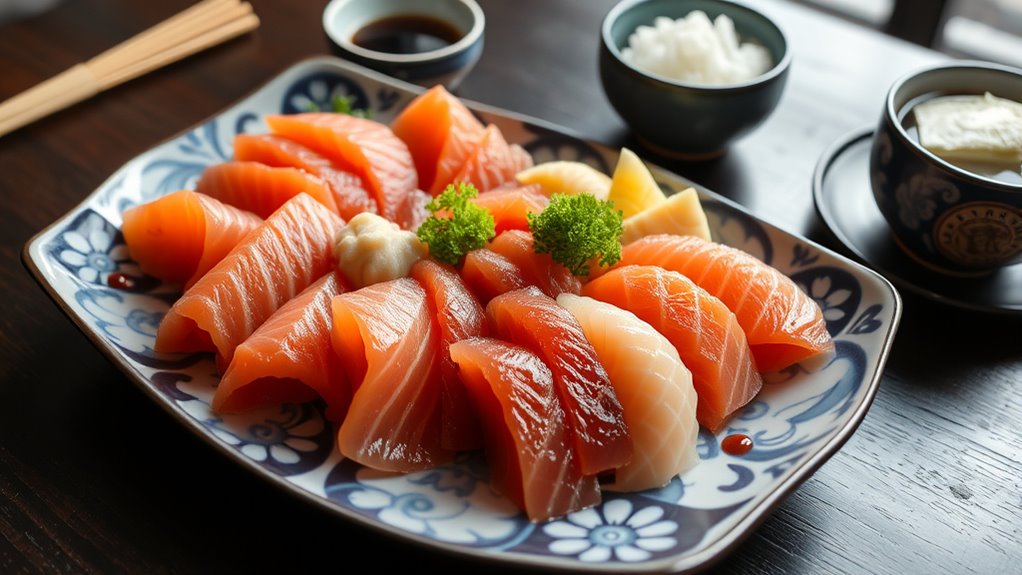

Japan’s cuisine highlights a deep respect for seasonality, natural flavors, and cultural influences from China, Korea, and the West. It centers on rice, fresh fish, vegetables, and soy products, often prepared with simple techniques that preserve ingredient integrity. Traditional meals follow the “Ichiju-Issai” structure, balancing flavors with minimal seasoning. Iconic dishes like sushi, miso soup, and tempura showcase fermentation and preservation. Exploring the evolving culinary scene reveals a fascinating blend of history, artistry, and innovation.
Key Takeaways
- Japan’s cuisine emphasizes seasonality, freshness, and natural flavors, with rice as a central staple and cultural symbol.
- Traditional meals follow the “Ichiju-Issai” structure, balancing soup, rice, and side dishes for harmony.
- Iconic dishes like sushi, miso soup, and tempura showcase techniques like fermentation and light frying.
- Ingredients such as fish, soy products, vegetables, and pickles reflect historical influences and dietary practices.
- Contemporary trends blend tradition with innovation, emphasizing health, sustainability, and global fusion.
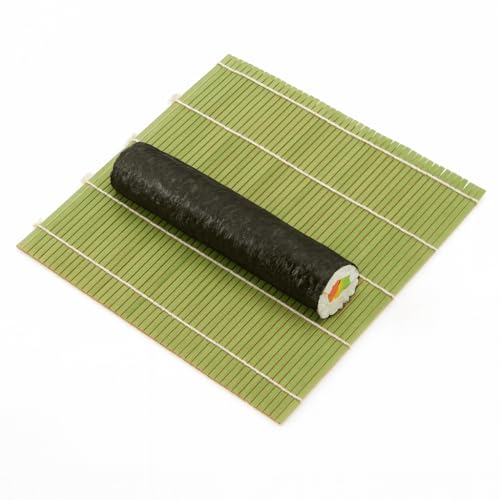
JapanBargain S-3155, Green Bamboo Sushi Roller Mat 9-1/2-inch Square
Premium Natural Bamboo – Made of high-quality, food-safe bamboo sticks for durability and environmental friendliness.
As an affiliate, we earn on qualifying purchases.
As an affiliate, we earn on qualifying purchases.
Historical Development and Cultural Influences
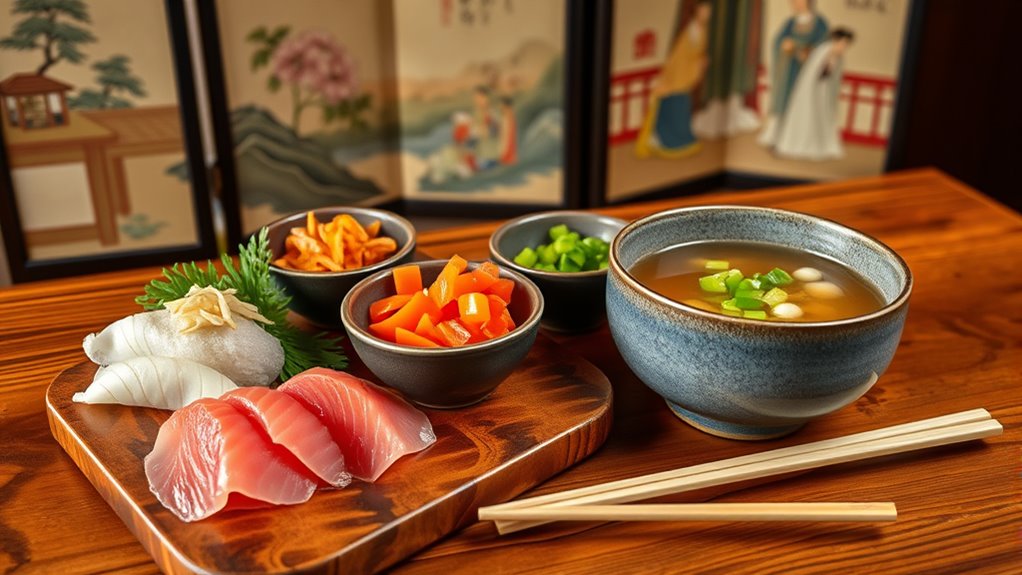
Japanese cuisine has evolved over thousands of years, shaped by a series of cultural and historical influences. You can see this in how rice became the foundation of your meals during the Yayoi period, transforming from a simple staple into a cultural symbol. When Buddhism arrived, it introduced dietary restrictions, shifting focus toward vegetables, tofu, and fish. Chinese influences in the Kofun and Heian periods brought soy, tea, and new cooking techniques, enriching your culinary landscape. Later, Western contact during the Meiji era introduced curry, tonkatsu, and ramen, blending foreign flavors into traditional practices. These layers of history and culture have created a cuisine that respects seasonality, emphasizes natural flavors, and continually adapts, making Japanese food a true reflection of its diverse past.

Japanese Soup Bowls Made in Japan, 4-Pack – Traditional Miso & Rice Bowls, Microwave & Dishwasher Safe, BPA-Free Resin, Brown Rabbit
Authentic Japanese Soup Bowl Design Traditional Japanese-style bowls ideal for miso soup, rice, noodles, cereal, and everyday meals….
As an affiliate, we earn on qualifying purchases.
As an affiliate, we earn on qualifying purchases.
Key Ingredients and Dietary Practices
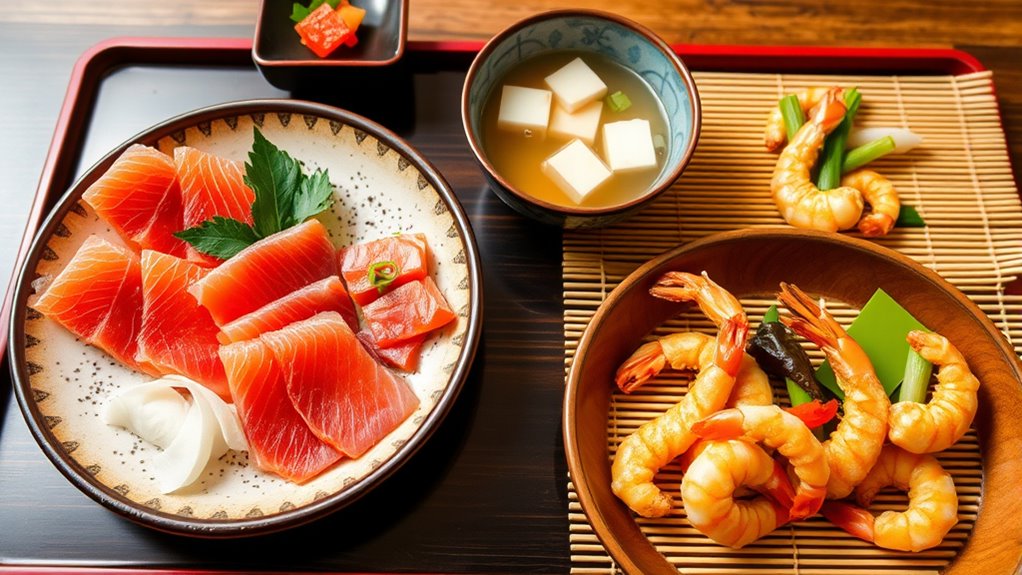
Rice stands at the heart of every meal, serving as both a staple and a cultural symbol. You’ll find rice in nearly every dish, often combined with vegetables, fish, or tofu. Fish and seafood are primary proteins, usually served raw as sashimi or grilled. Soybeans are essential, creating tofu, miso, and soy sauce, which flavor many dishes. Traditional cooking limits fats and oils, focusing on freshness and natural umami. Vegetables and pickles add variety and balance, especially after Buddhist influences reduced meat. Culinary practices emphasize simplicity and seasonality, highlighting the natural flavors of each ingredient.

McCormick Golden Dipt Tempura Seafood Batter Mix, 8 oz
Seafood batter mix for Japanese style tempura
As an affiliate, we earn on qualifying purchases.
As an affiliate, we earn on qualifying purchases.
Traditional Meal Structures and Culinary Philosophy
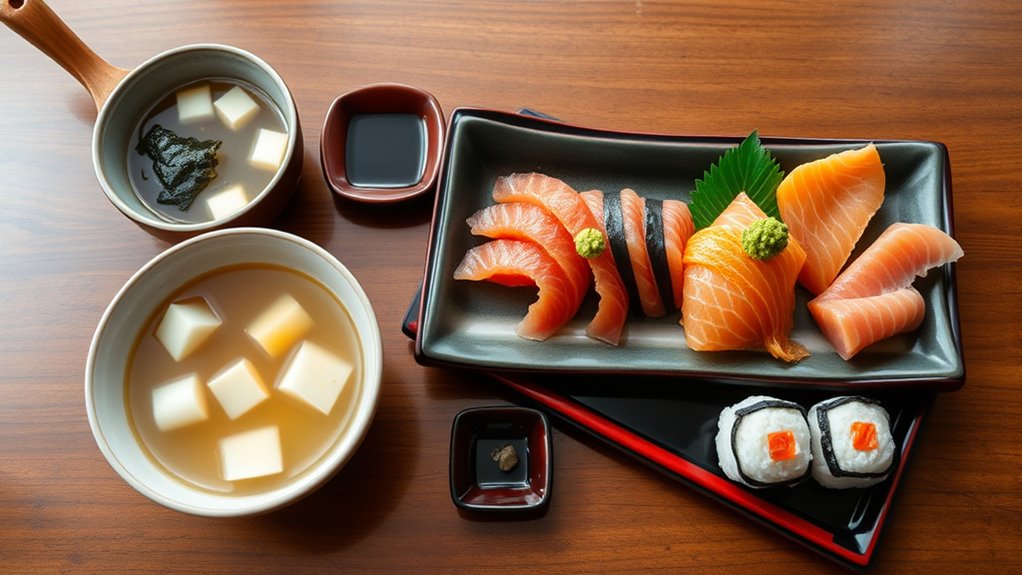
Traditional meal structures in Japan emphasize harmony and balance, often revolving around the concept of “Ichiju-Issai,” which means “one soup, one dish.” This approach typically features a bowl of rice accompanied by a soup and two or three side dishes, creating a well-rounded and satisfying plate. You’ll notice that seasonality influences ingredients, ensuring freshness and natural flavors. The focus is on simplicity, preserving the integrity of each ingredient without heavy seasoning or oils. Presentation matters deeply, reflecting cultural reverence for food as an art form. You’ll also appreciate that meals historically reflect social status, with nobility enjoying elaborate dishes, while commoners stick to simpler fare. Overall, the philosophy centers on balance, respect for nature, and mindful eating.
Japanese meals emphasize harmony, seasonality, simplicity, and aesthetic presentation rooted in cultural tradition and social respect.
- Emphasizes seasonal ingredients and natural flavors
- Prioritizes simplicity and ingredient integrity
- Values aesthetic presentation and harmony
- Reflects social and cultural hierarchies
- Encourages mindful, respectful consumption

TOSHIBA Rice Cooker & Steamer Simple 5.5 Cup(Uncooked) with Steaming Basket, Removable Non-Stick Inner Pot & Inner Lid, for Soups, Stews, Grains&Oatmeal, One Touch&Keep Warm Function, Silvery White
Family Size Capacity: This rice cooker with 5.5 cups rice capacity is perfectly suited for a family. It…
As an affiliate, we earn on qualifying purchases.
As an affiliate, we earn on qualifying purchases.
Iconic Dishes and Food Preservation Techniques
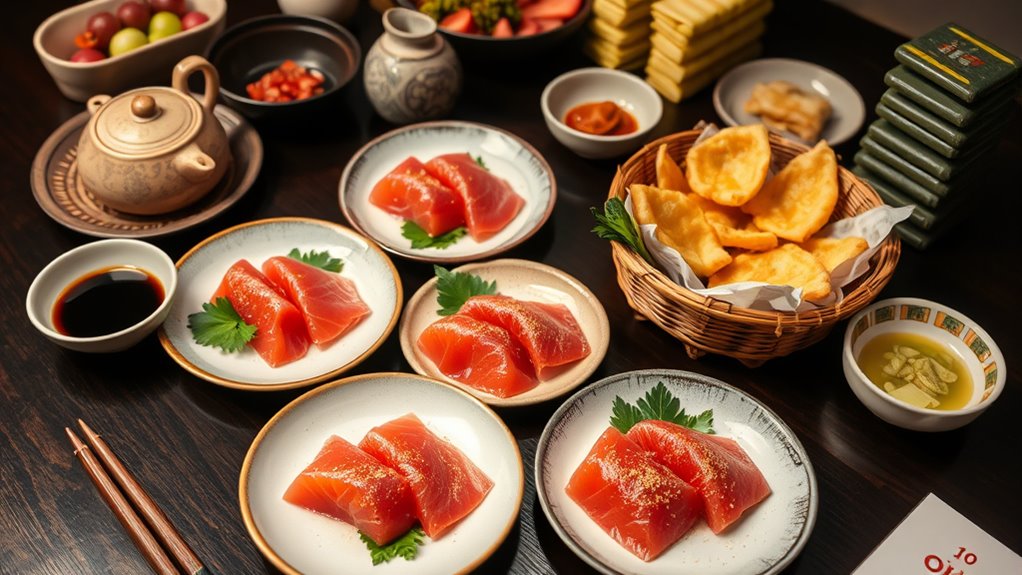
Iconic dishes like sushi, miso soup, and tempura showcase Japan’s culinary artistry and ability to blend tradition with innovation. You recognize sushi’s delicate balance of fresh fish and vinegared rice, highlighting precision and seasonal ingredients. Miso soup exemplifies fermentation techniques, preserving soybeans to create rich, flavorful broths that last longer. Tempura, influenced by Western frying methods, demonstrates how Japan adapted and refined foreign techniques into its cuisine, emphasizing light batter and quick frying to maintain ingredient freshness. Food preservation in Japan relies on methods like pickling (umeboshi, tsukemono) and fermentation, which extend shelf life and deepen flavors. These techniques reflect a respect for ingredients’ natural qualities while ensuring year-round availability, blending practicality with culinary artistry. Proper food preservation techniques are essential for maintaining ingredient quality and flavor over time.
Social Significance and Contemporary Trends
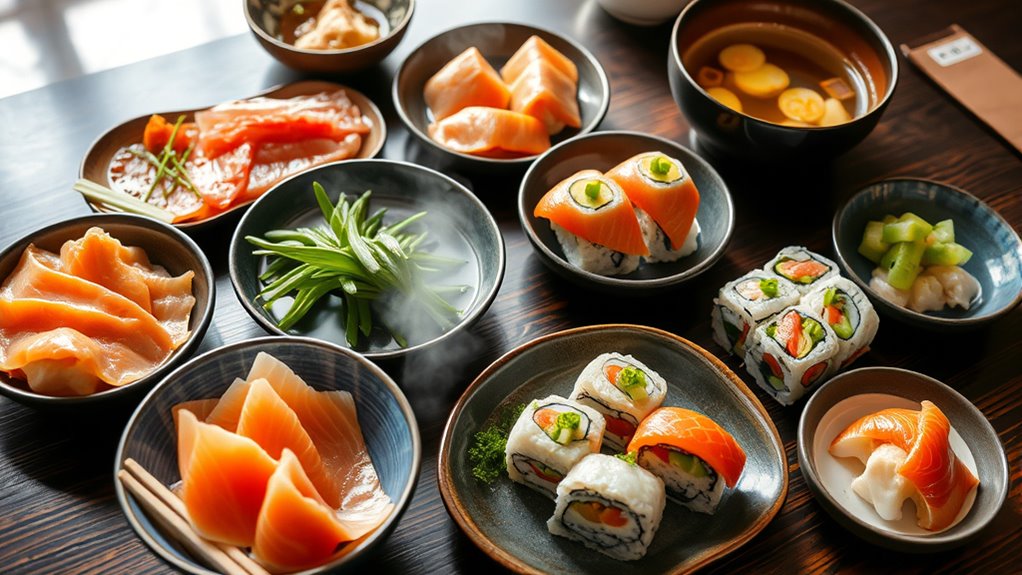
Japanese cuisine’s social significance extends beyond its flavors and techniques to reflect deep-rooted cultural values and societal structures. It emphasizes harmony, respect, and community, shaping daily interactions and celebrations. Today, these traditions adapt to modern trends in diverse ways:
- Embracing global fusion while maintaining core ingredients and presentation standards
- Promoting health-conscious eating with organic, plant-based, and low-sodium options
- Supporting sustainability through local sourcing and minimal waste practices
- Incorporating technology, like delivery apps and cooking gadgets, into traditional meal preparation
- Fostering culinary innovation that balances tradition with contemporary influences
- Modern dining experiences often incorporate retail hours, allowing for flexible access to authentic ingredients and culinary tools.
Frequently Asked Questions
How Do Regional Variations Influence Japanese Cuisine?
Regional variations shape Japanese cuisine by highlighting local ingredients, climate, and cultural influences. You’ll notice differences in dishes from Hokkaido’s seafood-rich meals to Kyushu’s spicier flavors and Okinawa’s tropical ingredients. These variations reflect unique agricultural products and historical trade, making each region’s cuisine distinct. By exploring these differences, you get a richer appreciation for Japan’s diverse culinary landscape, where local traditions blend seamlessly with national flavors.
What Role Do Seasonal Festivals Play in Traditional Dishes?
You should know that seasonal festivals deeply influence traditional Japanese dishes, with over 80% of regional foods linked to specific celebrations. During these events, you’ll find special dishes like mochi for New Year’s or sakura-themed sweets for cherry blossom festivals. These foods honor nature’s cycles, promote community bonding, and preserve cultural heritage, making your dining experience meaningful and connected to Japan’s rich seasonal rhythms.
How Has Modern Technology Impacted Japanese Food Preparation?
Modern technology has transformed Japanese food preparation by introducing advanced appliances like rice cookers, high-tech knives, and refrigeration, making cooking more efficient and consistent. You can now easily access fresh ingredients through online shopping and use modern techniques like sous-vide or precise temperature control. These innovations help you preserve natural flavors, save time, and experiment with new dishes, all while maintaining traditional culinary values.
What Are Common Etiquette Rules During Japanese Meals?
Imagine you’re stepping into a traditional Japanese meal—here’s what you should do. You should say “Itadakimasu” before eating, showing gratitude. Use chopsticks correctly, avoiding pointing or stabbing food, and don’t stick them upright into rice. Don’t waste food, and finish every dish. Slurping noodles is acceptable and even polite. During the meal, keep your hands visible and avoid loud eating sounds, respecting the cultural etiquette.
How Is Sustainability Integrated Into Japanese Culinary Practices?
You can see sustainability in Japanese culinary practices through mindful ingredient use, emphasizing seasonal and local produce, which reduces waste and environmental impact. You’ll notice traditional techniques like nose-to-tail eating and preserving leftovers, promoting resourcefulness. Respect for nature and minimal waste are core values, guiding you to choose dishes that honor the environment. By supporting local farmers and avoiding excess packaging, you help sustain both the culture and the planet.
Conclusion
As you explore Japan’s rich culinary tapestry, you’ll realize that its cuisine reflects centuries of history, cultural exchange, and meticulous artistry. From ancient samurai feasts to modern sushi bars, each dish embodies a unique story. Embrace the tradition, but also stay open to contemporary trends—much like a well-preserved manuscript that’s been digitized for future generations. Ultimately, Japan’s culinary heritage invites you to savor the harmony between tradition and innovation.