The history and culture of the Caribbean are shaped by its indigenous peoples, European colonization, and African influences, creating a rich heritage of languages, music, and art. You’ll find evidence of early settlements, plantation economies, and vibrant cultural fusion in everything from festivals to religious practices. Despite struggles for independence and environmental challenges, the region’s resilience shines through in its traditions and innovations. Exploring further reveals the full depth of this colorful, dynamic region’s story.
Key Takeaways
- Caribbean history spans 7,000 years, shaped by indigenous peoples, European colonization, and African influences.
- Cultural fusion is evident in creole languages, music genres like reggae and calypso, and spiritual practices such as Vodou and Santería.
- The region’s artistic heritage reflects its history through vibrant music, dance, visual arts, and crafts that embody resilience and identity.
- Independence movements, like Haiti’s revolution, fostered national pride, sovereignty, and preservation of cultural traditions.
- Environmental challenges such as climate change and natural disasters impact heritage preservation and regional development efforts.

The Caribbean: A Cultural History
As an affiliate, we earn on qualifying purchases.
As an affiliate, we earn on qualifying purchases.
Early Human Settlements and Indigenous Cultures

Human habitation in the Caribbean has a history spanning about 7,000 years, with the earliest settlers being indigenous peoples such as the Taíno, Carib, and Arawak. You can explore their rich cultures through archaeological sites and artifacts that reveal their way of life. These groups developed sophisticated farming techniques, cultivating crops like cassava, maize, and sweet potatoes. They built impressive villages, crafted pottery, and created intricate carvings. Their social structures were organized around kinship and communal living. You might also notice their spiritual beliefs, which centered on nature and ancestor worship. These indigenous cultures thrived long before European contact, leaving a legacy that influences Caribbean identity today. Understanding their history helps you grasp the deep roots of the region’s cultural diversity.

Musical Instruments Set, 15PCS Natural Wooden Percussion Tambourine Maracas Bells Instruments, Educational Music Kit with Storage Bag Birthday
★[Natural Wood Instrument Kit]: Made by natural wood including shaking, tapping, beating and blowing instruments. Ideal and creative…
As an affiliate, we earn on qualifying purchases.
As an affiliate, we earn on qualifying purchases.
The Arrival of European Explorers and Colonization
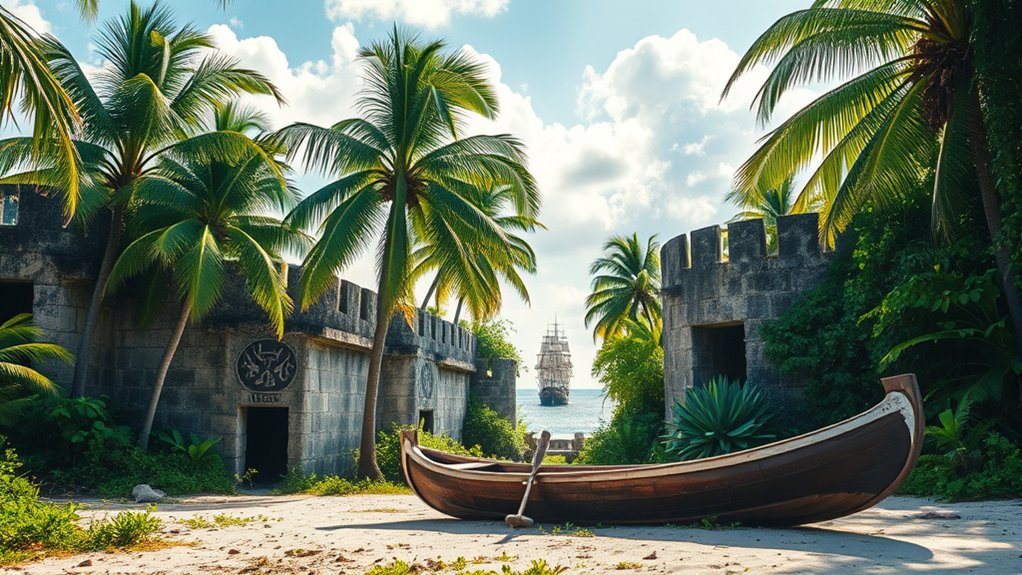
When Christopher Columbus arrived in 1492, it marked a turning point that would reshape the Caribbean forever. His voyage initiated European exploration, leading to colonization that dramatically altered indigenous societies. You’ll see how Spain established early settlements, focusing on islands like Cuba and Hispaniola, and how other nations followed. European powers claimed territories, often through force, displacing native populations and introducing new cultures. The arrival brought about significant change—both destructive and transformative. You’ll also learn how colonization laid the groundwork for economic systems, including plantations and trade networks, shaping the region’s history for centuries. These early interactions also led to cultural exchanges that blended indigenous, European, and African traditions, creating the diverse cultural landscape seen in the Caribbean today.

Reminisce CRU-200 Caribbean Cruise Scrapbook Collection Kit
Acid and lignin Free
As an affiliate, we earn on qualifying purchases.
As an affiliate, we earn on qualifying purchases.
The Rise of Plantation Economies and Trade Networks

You see how sugar became the Caribbean’s main economic driver, fueling plantation growth and trade. These plantations relied heavily on slave labor to produce vast quantities of sugar for European markets. As a result, the region’s trade routes expanded across the Atlantic, shaping its economic and social history. Furthermore, the development of leadership skills among plantation owners and merchants played a crucial role in managing the expanding trade networks and maintaining economic stability.
Sugar’s Economic Dominance
The Caribbean’s economic landscape was transformed by the rise of plantation agriculture, which became the region’s dominant industry. You’ll see how sugar cultivation reshaped societies and trade, fueling European economies. Sugar’s high demand in Europe led to the rapid expansion of plantations, increasing the reliance on enslaved Africans for labor. This growth created powerful trade networks that linked Caribbean colonies to European markets. As sugar exports soared, ports flourished into bustling hubs of commerce, reinforcing economic dominance. You might find it fascinating how this industry influenced social hierarchies and regional development. The development of plantation economies fostered a global trade network, connecting islands with Europe and beyond. The lucrative sugar trade fueled wealth, but also intensified the transatlantic slave trade.
Transatlantic Trade Routes
Have you ever wondered how the Caribbean became a essential hub in global trade? It all started with the rise of transatlantic trade routes that connected Europe, Africa, and the Americas. You see, European nations established these routes to export goods like sugar, tobacco, and coffee from Caribbean plantations to Europe. In return, they imported manufactured goods and enslaved Africans, fueling the plantation economy. Major ports in the Caribbean became bustling centers for shipping and commerce, making the region key to global networks. These trade routes not only supported economic growth but also shaped cultural exchanges and migration patterns. As a result, the Caribbean’s strategic location transformed it into a crossroads of international trade, laying the foundation for its complex history and multicultural identity. The development of these routes also led to the creation of onboard experiences that celebrate the diverse cultural heritage of the region.
Impact of Slave Labor
The rise of plantation economies in the Caribbean was deeply driven by the extensive use of slave labor. You can see how enslaved Africans worked tirelessly to produce sugar, tobacco, and coffee, fueling regional wealth. This forced labor created powerful trade networks that connected the Caribbean to Europe and the Americas. As a result, the region became a crucial part of the transatlantic economy, shaping global markets. These trade networks not only facilitated the exchange of goods but also led to significant cultural exchanges and the spread of ideas. The economic reliance on slavery led to social and political upheaval, culminating in independence movements and abolition efforts.

Gangel Bohemian Feather Hairband Gypsy Headband with White and Brown Feather Tassel Hemp Rope for Festival Masquerades, Carnival, Hippie Costume, Women's Prom Accessories
Feather headband are feather and suppleness rope,each feather are decorated with delicate bead, adorable and charming
As an affiliate, we earn on qualifying purchases.
As an affiliate, we earn on qualifying purchases.
Cultural Fusion: Language, Music, and Religious Practices
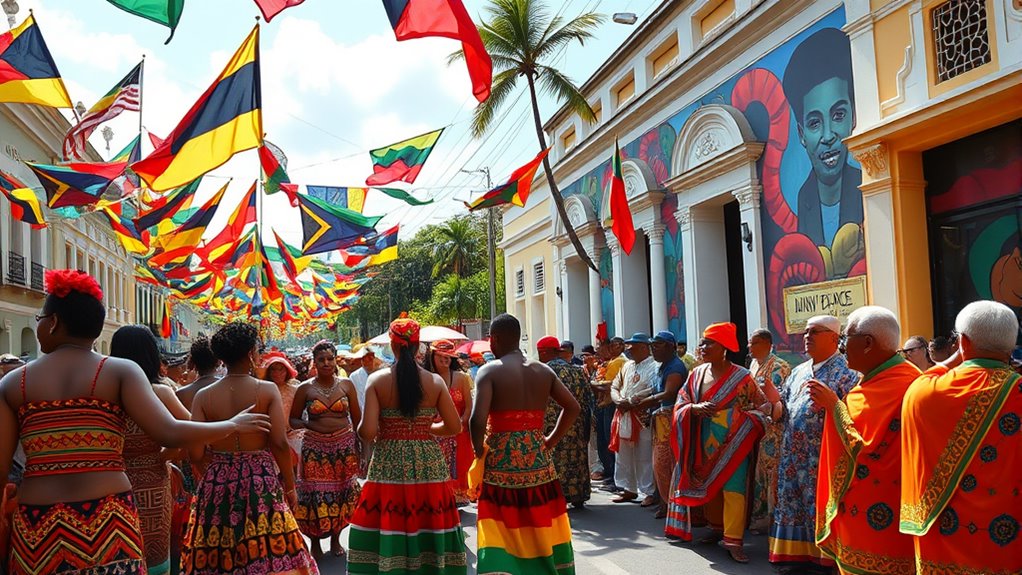
Because of centuries of cultural blending, Caribbean societies showcase a rich tapestry of language, music, and religious practices that reflect their diverse origins. You’ll notice how Creole languages combine European, African, and indigenous words, creating unique dialects. Music like reggae, calypso, and steel pan blends African rhythms with European melodies, energizing communities and inspiring global audiences. Religious practices often merge African spirits with Catholic saints, forming syncretic traditions like Vodou and Santería. These cultural elements express resilience and identity, allowing you to see how different heritages coexist and influence each other. Cultural fusion is also reflected in the region’s diverse art forms and culinary traditions, further showcasing the vibrant blending of influences. Through language, music, and religion, the Caribbean’s vibrant cultural fusion tells stories of history, survival, and adaptation that continue to shape the region’s dynamic identity today.
Struggles for Independence and Sovereignty
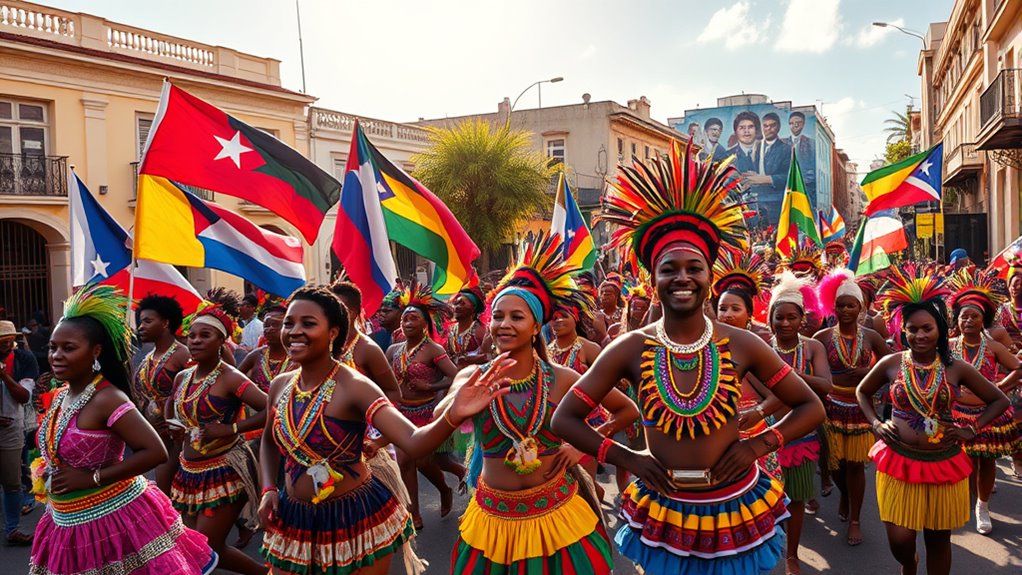
Throughout Caribbean history, the fight for independence and sovereignty has been a defining struggle against colonial powers seeking to maintain control. You witness how nations rose up to reclaim their freedom, often facing brutal repression and long-lasting conflicts. This movement shaped identity and pride for many islands. The resilience demonstrated in these struggles continues to inspire contemporary movements for cultural preservation and political autonomy cultural exchange through poetry.
Caribbean nations’ fight for independence shaped identity through resilience and resistance.
- The Haitian Revolution in 1804 proved that enslaved people could overthrow colonial rule, inspiring others.
- Jamaica and Trinidad gained independence from Britain in the mid-20th century, marking a shift toward self-governance.
- Cuba’s long fight culminated in independence from Spain in 1898, influencing regional resistance movements.
These struggles highlight resilience and determination, transforming colonial territories into sovereign nations with their own destinies.
Artistic Expressions and Regional Identity

Artistic expressions in the Caribbean vividly reflect the region’s diverse cultural heritage and help shape its unique identity. You’ll notice this in vibrant music genres like reggae, calypso, and steel pan that tell stories of history, struggle, and joy. Visual arts, from colorful murals to intricate crafts, showcase indigenous, African, European, and Asian influences. Dance plays a crucial role, with traditional forms like soca, dancehall, and folk dances expressing community spirit and resilience. Religious rituals, such as Vodou and Santería, often incorporate art that reflects spiritual beliefs. Caribbean cuisine also functions as a form of cultural expression, blending flavors and techniques from many traditions. These artistic expressions serve as powerful symbols of regional pride, resistance, and collective memory. Moreover, the use of artistic mediums like sculpture, painting, and mixed media further enriches the cultural landscape and preserves historical narratives.
Modern Economic Challenges and Opportunities

The Caribbean faces significant economic challenges today, including high debt levels, limited diversification, and vulnerability to natural disasters. These issues hinder growth and stability across the region. However, opportunities exist for economic renewal and resilience. You can leverage the region’s natural beauty and cultural richness to boost tourism. Developing renewable energy sources can reduce reliance on imported fuels and lower costs. Investing in technology and education can diversify economies beyond traditional sectors.
- Enhance regional cooperation through organizations like CARICOM to tackle shared challenges.
- Promote sustainable tourism that benefits local communities and preserves natural resources.
- Foster innovation and entrepreneurship to create new industries and employment.
Environmental Issues and Climate Resilience
You live in a region heavily impacted by rising sea levels and hurricanes, which threaten your communities and environment. To protect yourself and your future, you need to understand and support local hurricane preparedness strategies. Addressing these environmental challenges is essential for building resilience across the Caribbean. Engaging with expert advice – My dogs’ names can offer valuable insights into fostering community support and resilience in the face of such challenges.
Rising Sea Levels
Rising sea levels pose a significant threat to Caribbean islands, threatening their coastlines, livelihoods, and ecosystems. As water levels climb, you’ll see increased flooding, erosion, and loss of land, impacting communities and natural habitats. These changes can lead to displacement and threaten crucial resources like freshwater supplies. To understand the full scope, consider:
- The erosion of beaches that attract tourists and sustain local economies
- The intrusion of saltwater into freshwater sources, affecting agriculture and drinking water
- The destruction of coral reefs, which protect coastlines and support marine life
- The potential impact of climate change on accelerating sea level rise and environmental vulnerability
Your region faces significant risks, but awareness and proactive measures can help mitigate some impacts. Addressing rising sea levels requires coordinated efforts to protect both the environment and the people who call these islands home.
Hurricane Preparedness Strategies
Hurricanes pose a recurrent and destructive threat to Caribbean communities, making effective preparedness strategies essential for resilience. You should stay informed by monitoring weather updates and heed official warnings promptly. Securing your home involves reinforcing windows, doors, and roofs to withstand strong winds. Prepare an emergency kit with essentials like water, non-perishable food, medications, and important documents. Develop a communication plan to stay connected with family members and local authorities. Evacuate early if advised, choosing safe routes and destinations. Community efforts, like drills and education campaigns, boost overall resilience. Building codes and infrastructure improvements also play a crucial role in reducing damage. By staying proactive, you minimize risks and protect lives during hurricane season.
Regional Cooperation and Political Integration
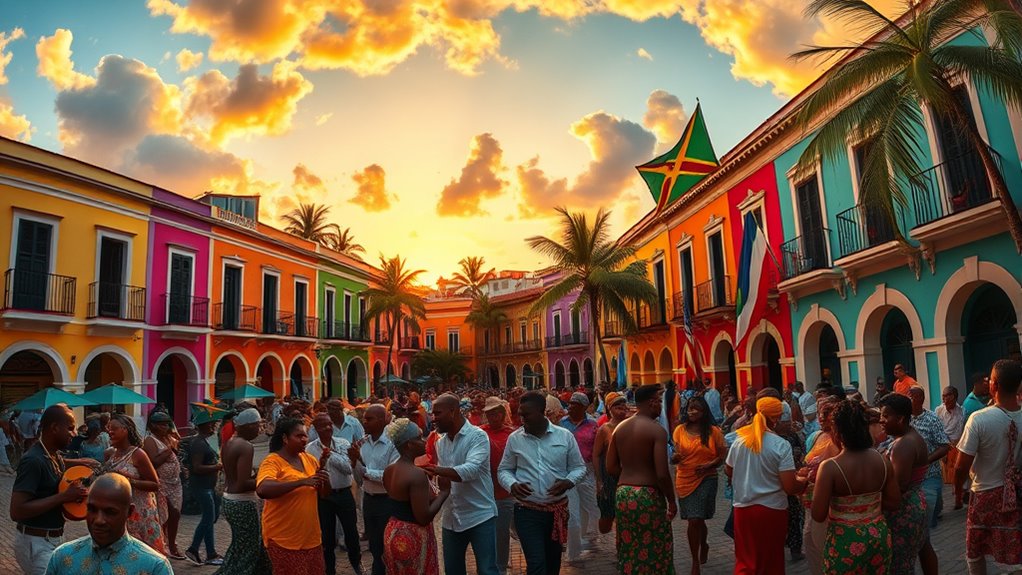
Regional cooperation and political integration in the Caribbean aim to strengthen economic ties, promote stability, and address shared challenges. You’ll find organizations like CARICOM leading these efforts, creating platforms for dialogue, trade, and joint initiatives. Through regional governance, Caribbean nations work together to improve infrastructure, education, and security. Despite hurdles such as economic disparities and political differences, these collaborations foster unity. You can explore how:
- CARICOM’s initiatives promote trade and social development across member states
- Member countries coordinate responses to natural disasters and climate change
- Regional efforts aim to enhance political stability and collective bargaining power
This cooperation helps the Caribbean navigate its unique economic and environmental landscape, ensuring a stronger, more resilient future for all.
Preserving Heritage in a Changing World
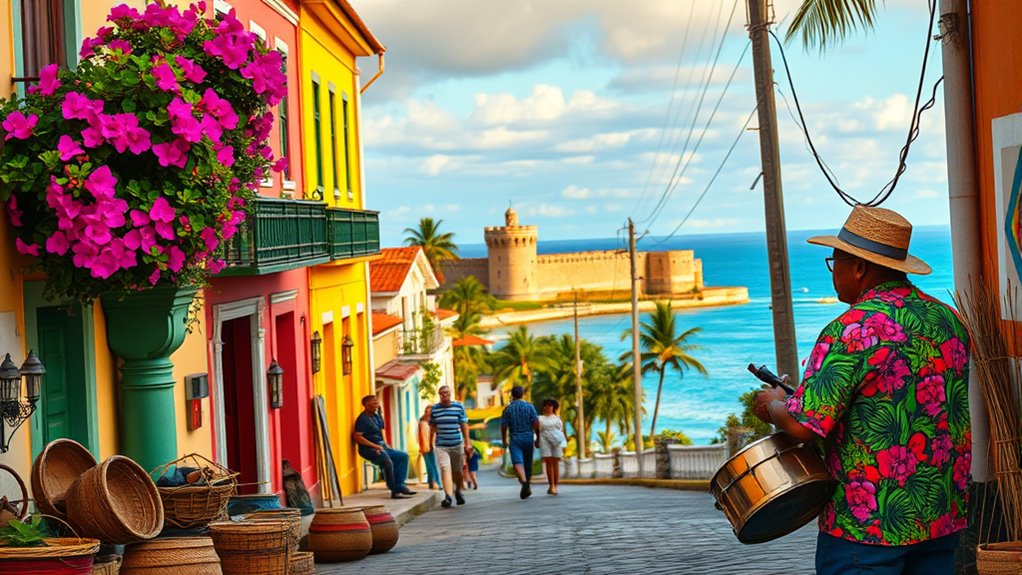
As the Caribbean faces rapid social and environmental changes, preserving its rich cultural heritage becomes more urgent than ever. You can help protect traditions by supporting local artisans, documenting oral histories, and promoting cultural festivals. It’s crucial to safeguard historic sites and artifacts from neglect or development pressures. Education plays a key role; you can encourage schools to include local history and cultural practices in their curricula. Embracing digital technology allows you to share stories and art across borders, reaching wider audiences. Community involvement is essential—by working together, residents and visitors can ensure that Caribbean heritage remains vibrant and resilient. Your efforts help maintain the region’s unique identity amid modernization, ensuring future generations inherit a rich cultural legacy.
Frequently Asked Questions
How Did Indigenous Cultures Influence Modern Caribbean Traditions?
You can see indigenous cultures influence modern Caribbean traditions through language, music, and cuisine. Creole languages blend indigenous words with European languages, creating unique dialects. Music genres like calypso and steel pan incorporate indigenous rhythms and instruments, reflecting their cultural roots. Additionally, traditional dishes use indigenous ingredients and cooking methods, preserving a connection to the region’s original inhabitants. These cultural elements continue to shape Caribbean identity today.
What Role Did Piracy Play in Shaping Caribbean Trade History?
Piracy played a significant role in shaping Caribbean trade history by disrupting established routes, encouraging the development of naval defenses, and fostering a culture of risk and adventure. It challenged colonial authorities, prompted legal changes, and influenced port security measures. Pirates both threatened and invigorated trade, making the Caribbean a hotspot for conflict and commerce. Their presence left a lasting mark on the region’s economic development, security, and legendary lore.
How Has Caribbean Cuisine Evolved From Its Diverse Cultural Roots?
You see, Caribbean cuisine has evolved through a vibrant mix of indigenous, African, European, and Asian influences. You’ll find dishes that blend spices, cooking techniques, and ingredients from all these cultures, creating unique flavors. Over time, this diverse heritage has led to iconic foods like jerk chicken, callaloo, and roti. You can enjoy a culinary tapestry that reflects the region’s rich, multicultural history, constantly adapting yet honoring its roots.
What Are the Key Factors Driving Current Caribbean Economic Development?
Think of the Caribbean economy as a vibrant boat steering turbulent waters. Its key factors are tourism, which acts as the wind filling its sails, natural resources providing steady fuel, and regional cooperation from organizations like CARICOM guiding the course. Challenges like climate change threaten to rock the boat, but innovation and investments in infrastructure are helping it stay afloat and move forward toward sustainable growth.
How Do Regional Organizations Promote Cultural and Political Unity Today?
Regional organizations promote cultural and political unity by fostering collaboration, shared policies, and mutual support. You’re encouraged to participate in initiatives like CARICOM, which work to harmonize trade, education, and social programs across Caribbean nations. These organizations also celebrate regional identity through cultural festivals and exchanges, strengthening bonds and promoting understanding. By uniting around common goals, you help guarantee regional stability, economic growth, and the preservation of Caribbean heritage.
Conclusion
You see the Caribbean’s rich history shaping its vibrant culture, its struggles forging resilience, and its diverse peoples uniting through shared heritage. You witness the ongoing challenges and opportunities, the environmental threats and the efforts to preserve traditions. You acknowledge the importance of regional cooperation and cultural pride. Ultimately, you recognize that embracing history, honoring diversity, and fostering resilience will guarantee the Caribbean’s future remains as dynamic and resilient as its past.