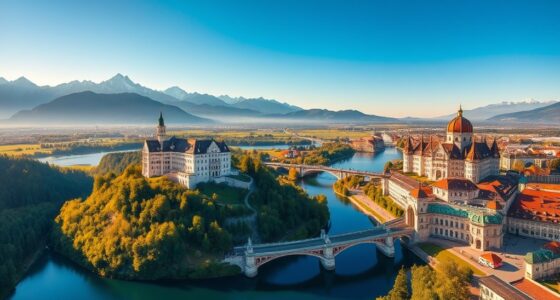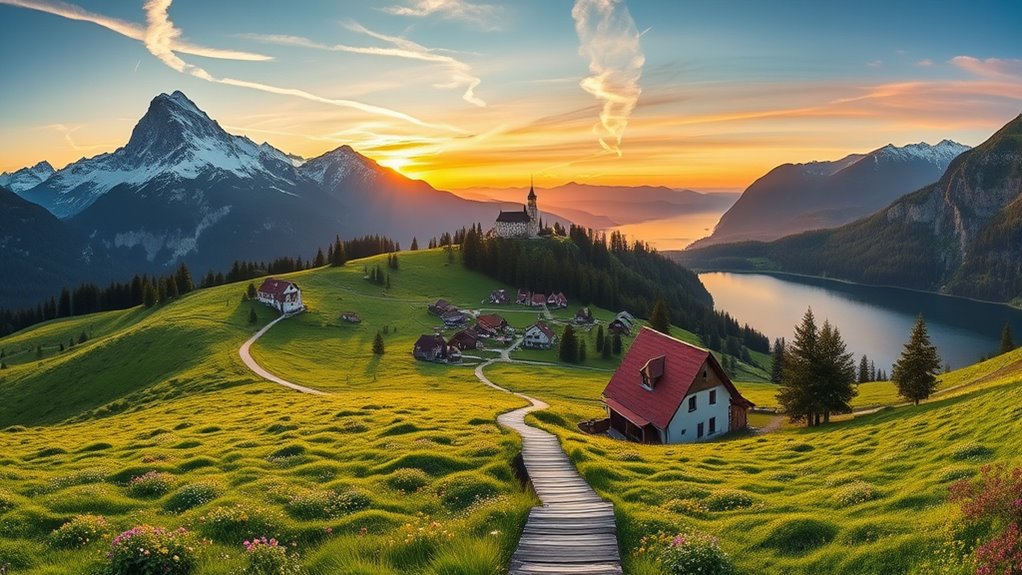
Austria’s diverse landscapes and vibrant cities offer an unforgettable experience year-round. In summer, enjoy festivals, hiking, and sightseeing in regions like Tyrol, Salzburg, and Vienna. Winter brings skiing, Christmas markets, and festive events. Explore world-class cuisine, rich cultural traditions, and eco-friendly activities that support sustainable tourism. To make the most of your trip, plan according to the seasons, book early, and explore with local transportation. Keep going to discover all the travel tips and highlights Austria has to offer.
Key Takeaways
- Discover top destinations like Tyrol, Salzburg, and Vienna, each offering unique landscapes, cultural sites, and seasonal attractions.
- Plan visits during summer or winter for festivals, outdoor activities, and iconic events like Christmas markets and ski seasons.
- Immerse yourself in Austria’s rich culture through local cuisine, classical music, festivals, and artisan markets.
- Opt for eco-friendly travel options such as hiking, biking, and sustainable accommodations to support responsible tourism.
- Use Austria’s efficient rail and bus networks for seamless exploration, and book accommodations early in peak seasons.

Fodor's Vienna & the Best of Austria: With Salzburg & Skiing in the Alps (Full-color Travel Guide)
As an affiliate, we earn on qualifying purchases.
As an affiliate, we earn on qualifying purchases.
Top Destinations and Regional Highlights

Austria’s top destinations showcase a diverse blend of natural beauty, cultural richness, and historical charm that attract millions of visitors each year. You’ll find the Tyrol region leading the pack, with over 38 million overnight stays, offering breathtaking alpine landscapes and world-class ski resorts. Salzburg, famous for its Mozart heritage and stunning baroque architecture, draws about 23.6 million visitors, while Vienna’s vibrant arts scene and imperial palaces welcomed over 12.5 million guests last year. Other regions like Burgenland and Carinthia provide unique experiences—from scenic lakes to wine tours—though some areas see slight declines. The peak travel months are July and August, but shoulder seasons like June and September are gaining popularity. Austria’s diverse regions guarantee every traveler finds something memorable, from mountain adventures to cultural explorations. Cycling opportunities across these regions further enhance Austria’s appeal as a destination for active and adventurous travelers.

Maelstrom Hiking Backpack,Camping Backpack,40L Waterproof Hiking Daypack with Rain Cover,Lightweight Travel Backpack,Black
High-Quality Material:Hiking backpack is made of high quality rip-stop 210d nylon fabric,which is water resistant,tear resistant,anti-scratch and wear…
As an affiliate, we earn on qualifying purchases.
As an affiliate, we earn on qualifying purchases.
Best Time to Visit and Seasonal Events
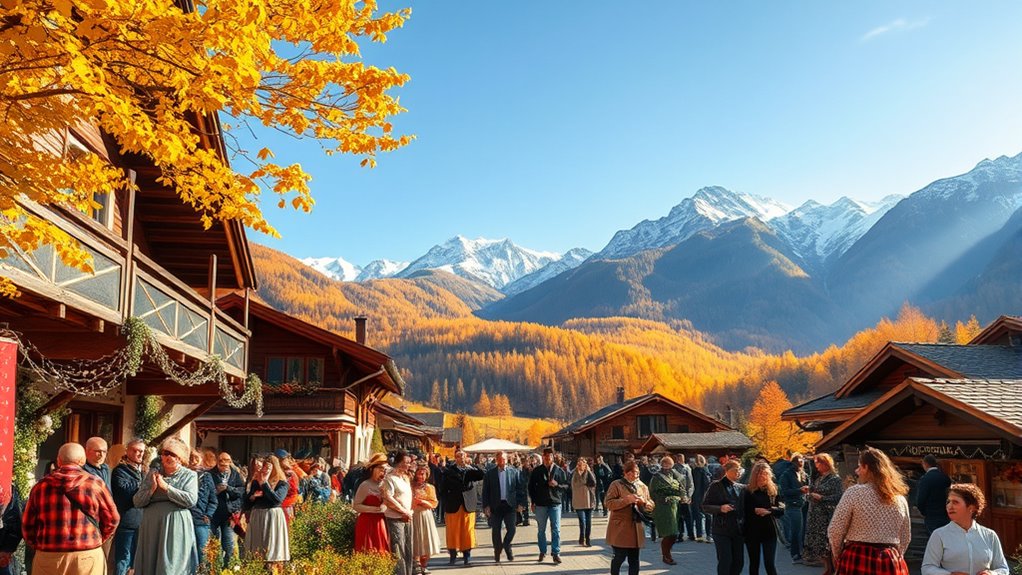
The best time to visit Austria depends on your interests and preferred activities, as the country’s seasonal events and weather vary throughout the year. To make the most of your trip, consider these key periods:
- Summer (June–August) – Experience vibrant festivals, outdoor concerts, and hiking in warm weather, with over 40 million overnight stays in peak months.
- Winter (November–March) – Enjoy world-class skiing, Christmas markets, and festive events, drawing millions to the Alps and cities.
- Spring (April–May) – Witness blooming landscapes and fewer crowds, ideal for sightseeing and outdoor activities. Springtime scenery offers breathtaking views of floral blooms and lush greenery.
- Autumn (September–October) – Savor harvest festivals, wine tastings, and colorful foliage, with shoulder-season travel often less crowded.
Each season offers unique events and scenery to suit your travel style.

Ski Austria Retro Vintage Style Austrian Skiing T-Shirt
Vintage Austrian Skiing design. Austria Ski clothes & accessories for men, women & kids featuring snow covered mountain…
As an affiliate, we earn on qualifying purchases.
As an affiliate, we earn on qualifying purchases.
Cultural Experiences and Local Cuisine

Immersing yourself in Austria’s rich cultural landscape offers an unforgettable experience that goes beyond sightseeing. You’ll find vibrant traditions in folk music, dance, and festivals that bring local history to life. Explore majestic castles, historic museums, and lively markets where artisans showcase their crafts. Don’t miss trying authentic Austrian cuisine—delicious dishes like Wiener Schnitzel, Sachertorte, and Apfelstrudel. Sample regional cheeses, sausages, and fresh bread at local eateries or farmers’ markets. Attend classical concerts or opera performances in Vienna’s grand halls, immersing yourself in a musical heritage that dates back centuries. Engaging with local traditions and savoring regional flavors allows you to truly connect with Austria’s cultural soul and create lasting memories. Regularly experiencing cultural activities can deepen your understanding of Austria’s unique identity and foster meaningful connections with locals.

European Travel Plug Adapter USB C, HANYCONY International Plug Adapter, US to Europe Adapter Plug 2 Outlets 3 USB Ports(2 C Port), Type C Power Adapter to Italy Spain France Portugal Iceland Germany
【5 in 1 European Travel Plug Adapter】- The adapters for europe provides 2 standard Amercian outlets, Max Capacity…
As an affiliate, we earn on qualifying purchases.
As an affiliate, we earn on qualifying purchases.
Sustainable Tourism and Eco-Friendly Activities
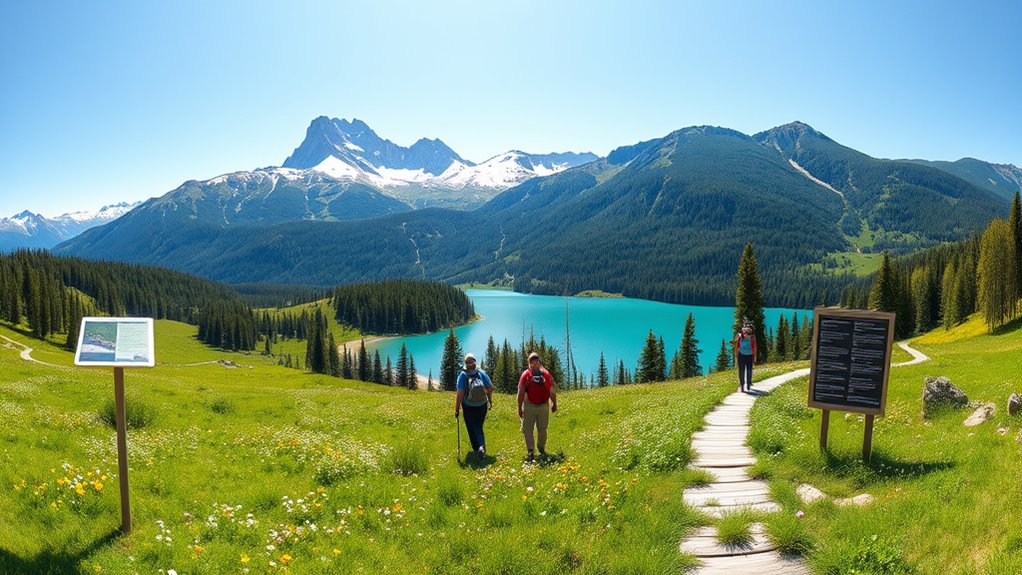
As tourism continues to grow in Austria, sustainable practices are becoming a central focus for travelers and providers alike. You can contribute to eco-friendly tourism by choosing activities that prioritize environmental preservation. Here are four ways to do so:
As tourism in Austria expands, embrace eco-friendly choices to protect the environment and support local communities.
- Seek out eco-certified accommodations that implement green energy and waste reduction.
- Explore nature through designated hiking and biking trails, minimizing impact on ecosystems.
- Participate in community-led tours that support local artisans and conservation efforts.
- Visit national parks and protected areas, respecting wildlife and adhering to guidelines.
- Educate yourself on Narcissistic Abuse to better understand the importance of emotional well-being during travel and support local mental health initiatives.
Practical Tips for Planning Your Trip
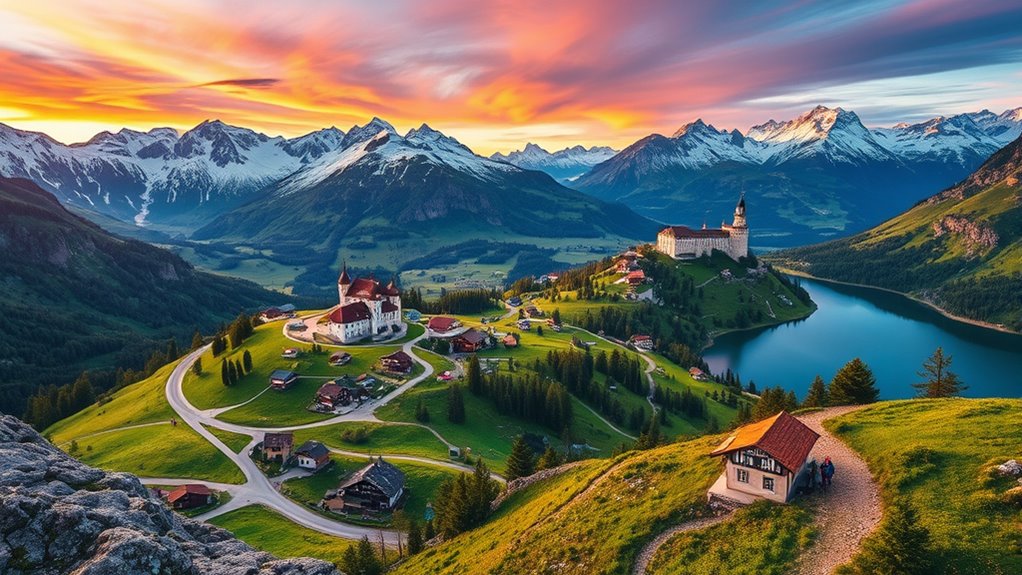
Planning your trip to Austria begins with setting clear dates and understanding the peak seasons. Summer, especially July and August, sees the highest visitor numbers, with over 40 million overnight stays in 2025. If you prefer fewer crowds, consider visiting in late spring or early fall when shoulder months like June and September offer milder weather and lower prices. Book accommodations and transportation well in advance, particularly during busy months. Take advantage of Austria’s efficient rail and bus networks to explore regions like Tyrol, Salzburg, and Vienna easily. Be mindful of local holidays and events, which can affect availability and prices. Additionally, visitor numbers tend to increase during major festivals and public holidays, so planning around these can enhance your experience. Ultimately, check weather forecasts regularly to pack appropriately, ensuring a smooth, enjoyable trip no matter the season.
Frequently Asked Questions
What Are Austria’s Top Hidden Gems for Travelers?
You’ll want to explore Austria’s hidden gems like the enchanting Hallstatt, with its picturesque lakes and charming streets, and the stunning Gesäuse National Park for breathtaking mountain scenery. Venture to the medieval town of Steyr, full of history and character, or discover the lesser-known Wachau Valley’s vineyards and castles. These spots offer unique, authentic experiences away from crowds, making your trip memorable and truly special.
How Safe Is Austria for Solo Travelers?
Austria is very safe for solo travelers, making it easy to explore confidently. You’ll find low crime rates, friendly locals, and well-maintained cities and towns. Stick to popular areas, keep your belongings secure, and avoid isolated spots late at night. Public transportation is reliable, and emergency services are accessible. Overall, Austria offers a welcoming environment where you can enjoy your trip without significant safety concerns, giving you peace of mind.
What Travel Insurance Options Are Recommended for Austria?
You should consider thorough travel insurance like World Nomads or Allianz, which cover medical emergencies, trip cancellations, and lost belongings. For example, if you sprain your ankle during a hike in the Alps, good insurance ensures you get prompt medical care and reimbursement. Always check that your policy includes emergency evacuation, especially if you plan outdoor activities, so you’re protected no matter what surprises come your way.
Are There Any Visa Requirements for Different Nationalities?
You’ll need a visa if you’re from a country outside the Schengen Area and plan to stay longer than 90 days or for purposes like work or study. Citizens of Schengen countries, the EU, and several others can enter Austria visa-free for short stays up to 90 days. Always check the latest requirements based on your nationality before you travel, as rules can change.
How Accessible Are Austria’s Major Tourist Sites for Disabled Visitors?
You’ll find Austria’s major tourist sites increasingly accessible for disabled visitors. Many museums, historical landmarks, and public transportation options feature ramps, elevators, and tactile signage. Cities like Vienna and Salzburg prioritize accessibility, making it easier for you to explore comfortably. However, some rural areas might have limited facilities, so it’s wise to plan ahead. Overall, Austria works to guarantee an inclusive experience, allowing you to enjoy its rich culture and stunning scenery with ease.
Conclusion
Now that you know Austria’s top destinations, seasonal events, rich culture, and eco-friendly options, it’s time to plan your adventure. Embrace the mountains, explore vibrant cities, indulge in local flavors, and contribute to sustainable tourism. Let the breathtaking landscapes inspire you, the lively traditions connect you, and the warm hospitality welcome you. Your unforgettable Austrian journey awaits—ready to inspire, excite, discover, and transform you at every turn.