

Greek cuisine centers on fresh, wholesome ingredients like olive oil, herbs, vegetables, seafood, and flavorful cheeses. You’ll find staples like grains, legumes, and delicious bread paired with iconic dishes such as moussaka, souvlaki, and fresh salads. Food is deeply tied to culture and tradition, with regional specialties and sweet treats like baklava. If you’d like to explore more about Greece’s culinary artistry and its modern twists, there’s plenty to discover.
Key Takeaways
- Greek cuisine emphasizes fresh, natural ingredients like olive oil, herbs, vegetables, and cheeses, highlighting authentic flavors and culinary artistry.
- Staples include grains, legumes, and bread, with dishes such as moussaka, stuffed vegetables, and hearty bean soups.
- Seafood and lean meats like lamb, pork, and beef are commonly grilled, baked, or marinated, reflecting Greece’s coastal culinary influences.
- Iconic dishes like baklava, galaktoboureko, and regional specialties showcase Greece’s rich dessert traditions and regional diversity.
- Traditional cooking techniques—grilling, braising, baking—are central, with food playing a vital role in cultural rituals and social gatherings.

Iliada Kalamata PDO Extra Virgin Olive Oil, 3Lt | Multi-Awarded | Single Region 100% Greek | Monovarietal Koroneiki | Cold Press | Polyphenol Rich | Chef's Favorite
AWARD WINNING EXTRA VIRGIN OLIVE OIL (EVOO): Multi awarded in competitions throughout the world. Awarded EVOO of the…
As an affiliate, we earn on qualifying purchases.
As an affiliate, we earn on qualifying purchases.
Staple Ingredients and Flavor Profiles in Greek Cooking
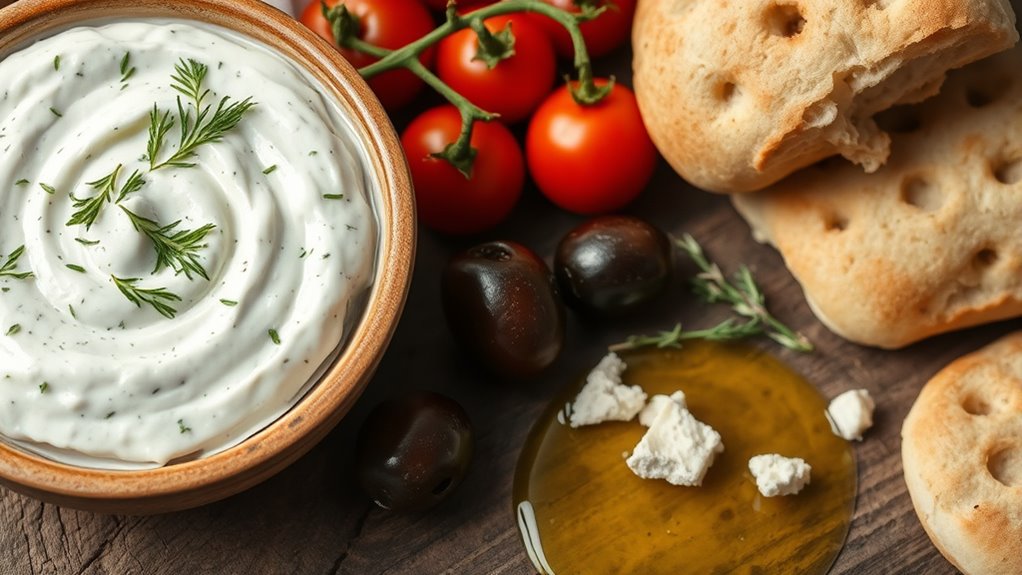
Greek cuisine relies heavily on a few key ingredients that define its vibrant flavors. You’ll find olive oil at the heart of most dishes, used for sautéing, drizzling, and dipping. Feta cheese, brined and tangy, adds a salty creaminess to salads, pies, and grilled foods. Fresh vegetables like tomatoes, cucumbers, peppers, and zucchini provide crisp textures and bright flavors, especially in salads and stews. Aromatic herbs such as oregano, thyme, parsley, mint, and dill infuse dishes with distinctive aromas and tastes. Lemon and orange juice brighten both savory and sweet recipes, adding zest and acidity. These ingredients combine to create the fresh, bold, and balanced flavor profile that makes Greek food so appealing and unique. Additionally, the use of antioxidants in ingredients like olive oil and herbs contributes to health benefits and enhances the nutritional value of traditional dishes.

Athenos Chunk Traditional Feta Cheese (8 oz Tub)
One 8.0 oz. tub of Athenos Traditional Feta Cheese Chunks
As an affiliate, we earn on qualifying purchases.
As an affiliate, we earn on qualifying purchases.
Traditional Bread, Grains, and Legumes of Greece
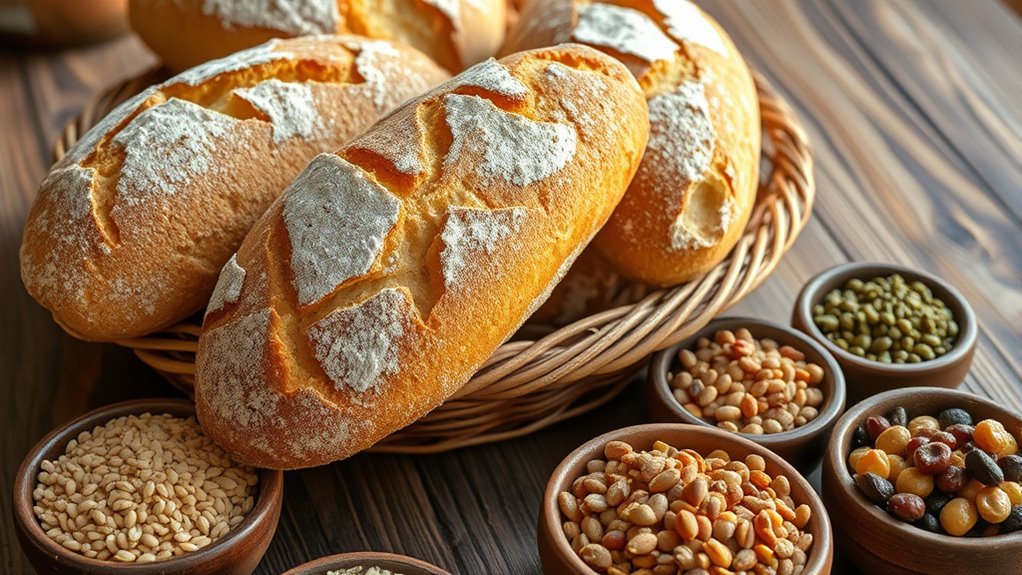
Greek cuisine features a variety of traditional grains, legumes, and bread that form the foundation of many dishes. You’ll find ingredients like bulgur, orzo, and white beans used in soups, pilafs, and stuffed vegetables. These staples not only add flavor and texture but also reflect Greece’s long-standing Mediterranean culinary heritage.
Essential Greek Grains
In Greek cuisine, traditional grains and legumes play a vital role, providing both nourishment and distinctive textures to countless dishes. You’ll find bulgur, wheat, and trahana used as rice substitutes in pilafs and stuffed vegetables, giving hearty flavor and substance. White beans are staples in soups like fasolada, offering creamy richness, while orzo adds a tender bite to soups such as avgolemono and casseroles like youvetsi. Legumes like lentils feature prominently in salads and stews, valued for their protein and hearty consistency. These grains and legumes are versatile, often combined with herbs and olive oil to create simple, satisfying dishes. Their rich history and regional variations make them essential ingredients that reflect Greece’s agricultural traditions and culinary identity.
Legumes in Mediterranean Diet
Legumes are a cornerstone of the Mediterranean diet, offering a nutritious and versatile component of Greek cuisine. You’ll find lentils, beans, and chickpeas used in many traditional dishes, providing essential protein and fiber. Staples like fasolada, a hearty bean soup, and fakes, a lentil salad, showcase their importance. White beans are common in stews and vegetarian mains, while chickpeas feature in dips like hummus and salads. Legumes also appear in baked dishes and stuffed vegetables, adding depth and richness. Their ability to absorb flavors makes them ideal for slow-cooked stews and savory pies. Additionally, the use of hydrocolloid technology in some pimple patches highlights the innovative ways skincare targets blemishes effectively. By incorporating legumes, Greek cuisine maintains its focus on wholesome, plant-based ingredients that fuel the body and preserve age-old culinary traditions.

Greek Salad Dressing Blend – Mediterranean Seasoning – Authentic Greek Herb & Spice Blend Perfect for Chicken, Potatoes, Salads, Gyros, Pasta, and Pizza. Created by experienced Chefs
GREEK BLEND: This blend bursts with flavor and perks up even the simplest dish. Easily whip up dressing…
As an affiliate, we earn on qualifying purchases.
As an affiliate, we earn on qualifying purchases.
Key Proteins: Meat, Seafood, and Dairy Products

Greek cuisine features a variety of proteins that highlight regional flavors and traditions. You’ll find lamb, pork, and beef in hearty dishes, while seafood plays a key role in coastal areas and islands. Dairy products like Greek yogurt and cheese also add unique richness to many recipes. Additionally, traditional cooking methods emphasize fresh ingredients, which are essential to authentic Greek flavors.
Traditional Meat Dishes
Have you ever tasted the rich flavors of Greek meat dishes? Greek cuisine features hearty, flavorful options like roasted lamb, slow-cooked stifado, and savory keftedes. These dishes often highlight simple ingredients elevated by herbs, lemon, and olive oil. Traditional preparations emphasize communal eating and festive gatherings. To understand their significance, consider this table:
| Dish | Main Protein | Special Feature |
|---|---|---|
| Moussaka | Minced meat | Layered with eggplant and béchamel |
| Souvlaki | Pork or chicken | Grilled on skewers, served with pita |
| Gemista | Minced meat or vegetarian | Stuffed vegetables with herbs |
Each dish reflects regional flavors and cultural traditions, showcasing Greece’s love for meat-centered recipes. Incorporating authentic ingredients is essential to achieving the true taste and atmosphere of Greek culinary traditions.
Seafood Specialties of Greece
Are you curious about the vibrant seafood dishes that define Greece’s coastal cuisine? Greek seafood is celebrated for its freshness and simplicity, highlighting the natural flavors of the Mediterranean. You’ll find dishes that showcase fish, octopus, calamari, and shellfish, often grilled, baked, or marinated. The use of lemon, oregano, and olive oil enhances these dishes, adding brightness and aroma. Seafood is central to many regional specialties, especially in islands and seaside villages. Enjoy classics like grilled swordfish souvlaki, marinated octopus, or fried calamari. These dishes are often served with fresh vegetables, lemon wedges, and crusty bread, making for a light, flavorful experience. Plunge into Greece’s seafood tradition and savor the taste of its pristine waters. Seafood preparation techniques are essential to achieving authentic flavors in these dishes.

Cerez Pazari Baklava Pastry 8.5oz, Baklava Gift Box with Rich Pistachios, Walnuts, Hazelnuts and Cashews, Halal Shatila Baklava, Traditional Turkish Arabic Dessert Gift Box, Sweet Food Gifts for Women
EXPERIENCE THE DELICIOUS TASTE OF GOURMET BAKLAVA SWEETS ASSORTMENT : Witness The Original, Mouth Watering And Pure Baklava…
As an affiliate, we earn on qualifying purchases.
As an affiliate, we earn on qualifying purchases.
Iconic Greek Dishes and Regional Specialties
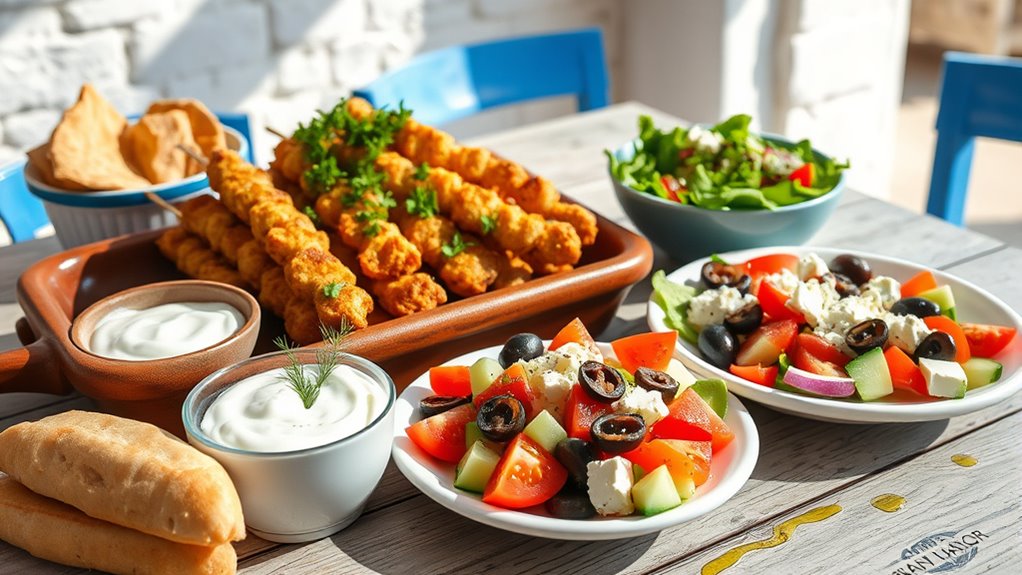
Iconic Greek dishes and regional specialties showcase the diverse flavors and culinary traditions that vary across the country’s landscapes. You’ll find moussaka, a hearty casserole of eggplant, potatoes, minced meat, and béchamel, loved nationwide. Gemista, stuffed tomatoes, peppers, or zucchini with rice and herbs, highlight summer produce. On the streets, souvlaki and gyros—skewered or spit-roasted meats—are popular fast foods, often served with pita and tzatziki. Spanakopita, a savory spinach and feta pie wrapped in phyllo, is a staple across Greece. Regional specialties add local flair: Santorini’s tomato fritters, Crete’s lamb with wild greens, and Rhodes’ honey-rinsed baklava. These dishes reflect Greece’s rich culinary history, rooted in fresh ingredients and bold flavors. Embracing cultural intelligence enhances understanding of Greece’s diverse regional cuisines and traditions.
Vegetables, Salads, and Meze: Celebrating Fresh Flavors
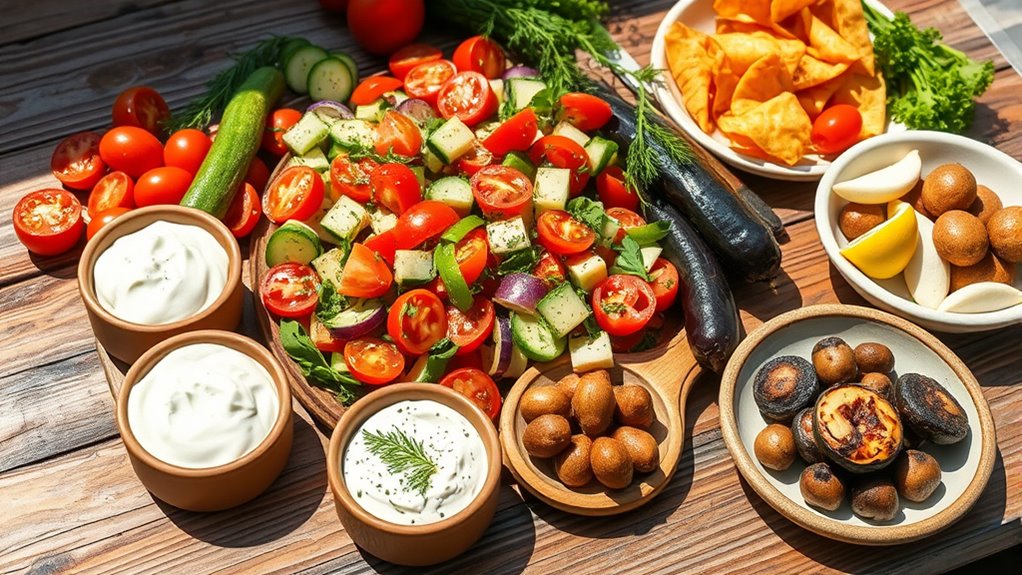
Greek cuisine celebrates its rich agricultural heritage through vibrant vegetables, fresh salads, and flavorful meze. You’ll find that local produce shines in simple, yet delicious dishes. The iconic horiatiki (village salad) combines juicy tomatoes, crisp cucumbers, red onion, salty feta, olives, and oregano, drizzled with extra virgin olive oil. You might also enjoy zucchini and tomato fritters—kolokithokeftedes and tomatokeftedes—as tasty appetizers. Roasted vegetables like briam and braised greens (horta) highlight seasonal bounty. Meze platters often feature stuffed grape leaves (dolmades) and cabbage leaves (lahanodolmades), usually meatless but bursting with flavor. You’ll appreciate how fresh, seasonal ingredients and aromatic herbs create vibrant, healthy bites that celebrate Greece’s land and traditions.
Classic Greek Desserts and Sweet Traditions

Sweet traditions run deep in Greece, where desserts are crafted with a harmonious blend of honey, nuts, and flaky pastry. You’ll find baklava at the heart of Greek sweets, layers of crisp phyllo filled with walnuts or pistachios, soaked in fragrant honey syrup. Galaktoboureko offers a creamy custard encased in golden phyllo, drizzled with honey for richness. Mastic-flavored ice creams and candies highlight the unique aroma of Chios, while loukoumades—deep-fried dough balls—are drizzled with honey and sprinkled with cinnamon. Simple yet delightful, Greek desserts often feature fresh fruit, thick yogurt with honey, and rice pudding. These treats showcase Greece’s love for natural ingredients and tradition, reflecting centuries of culinary artistry passed down through generations. Incorporating traditional ingredients such as honey, nuts, and fresh fruits emphasizes the country’s dedication to authentic flavors and time-honored recipes.
Cooking Techniques and Culinary Methods
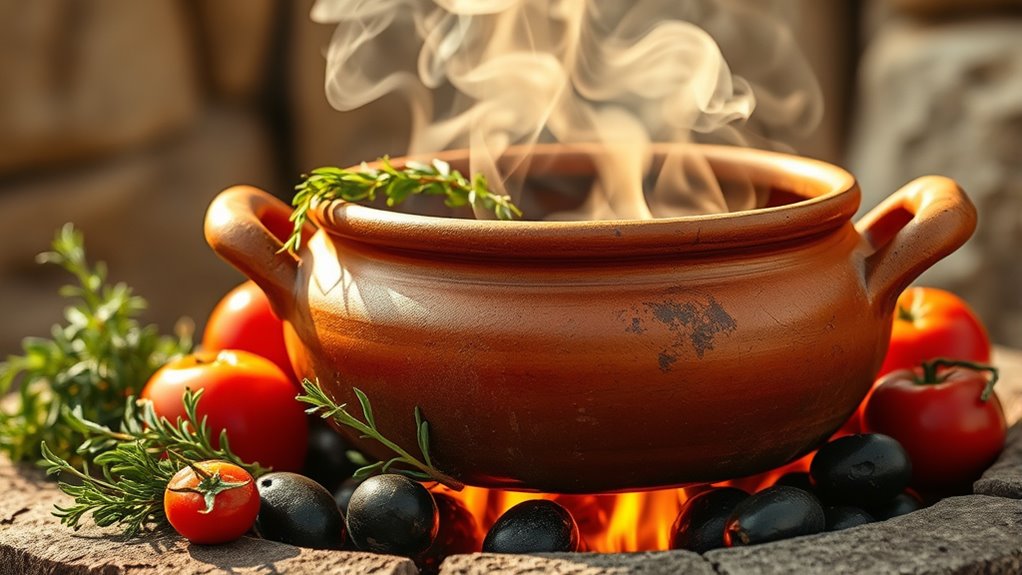
Greek cooking employs a variety of techniques that emphasize fresh ingredients, simple preparations, and depth of flavor. You’ll find grilling, roasting, and braising commonly used to bring out the natural qualities of meats and vegetables. Slow cooking helps develop rich, layered flavors, especially in stews like stifado. You’ll also notice the skillful use of layering and baking, especially with phyllo dough for pastries like spanakopita. Additionally, traditional methods like water-based cooking play a significant role in developing authentic Greek flavors. These methods highlight Greek ingredients and create dishes with vibrant, authentic taste, making Greek cuisine both flavorful and straightforward to prepare.
The Cultural Significance of Food in Greek Society

Food in Greek society goes beyond sustenance; it serves as a vital expression of identity, tradition, and community. You participate in gatherings where sharing dishes like moussaka or tzatziki strengthens bonds. Meals symbolize heritage, linking generations through recipes and rituals. Consider this table illustrating food’s role:
| Tradition | Community Connection |
|---|---|
| Family Sunday feasts | Celebrating religious festivals |
| Recipes passed down | Neighborhood gatherings |
| Festive lamb roasts | Village events and weddings |
| Homemade pastries | Sharing stories over coffee |
| Seasonal produce | Supporting local farmers |
Food creates a sense of belonging and continuity. It’s a language expressing pride, history, and social ties that define Greek culture. Additionally, cultural significance underscores how food acts as a medium for transmitting values and fostering social cohesion across generations.
Contemporary Trends and Modern Interpretations of Greek Cuisine
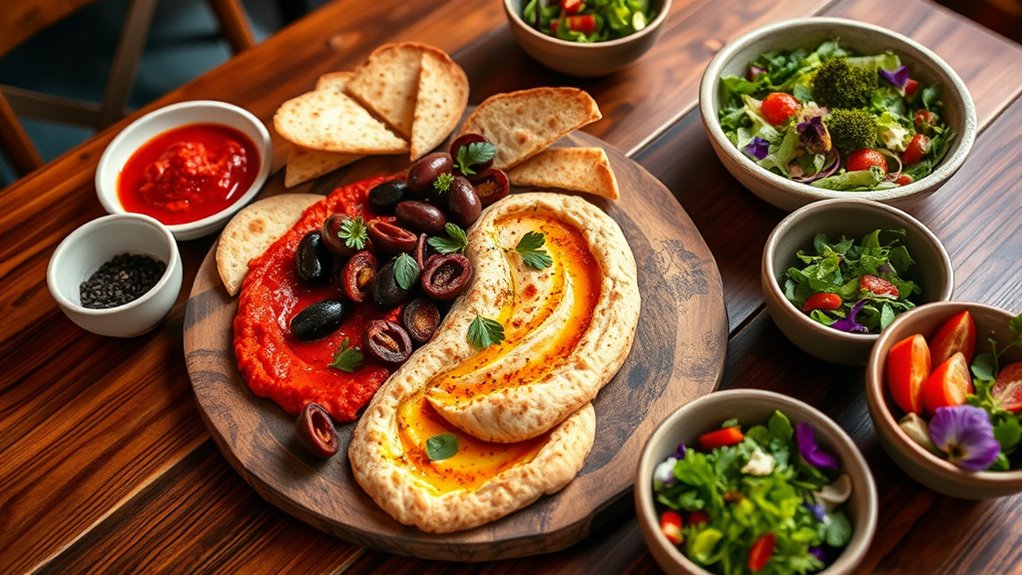
Modern interpretations of Greek cuisine blend traditional ingredients and techniques with innovative approaches, reflecting changing tastes and global influences. You’ll find chefs reimagining classic dishes with modern plating, fusion flavors, and health-conscious tweaks. This evolution brings a fresh perspective to familiar favorites. Embracing change is essential as Greek cuisine continues to evolve, ensuring it remains vibrant and appealing to contemporary palates. These trends honor Greece’s culinary roots while embracing creativity and sustainability. As a result, Greek cuisine remains dynamic and relevant, attracting a new generation of food lovers enthusiastic to explore its rich heritage through modern lenses.
Frequently Asked Questions
How Has Greek Cuisine Evolved in Modern International Restaurants?
In modern international restaurants, you’ll find Greek cuisine evolving by blending traditional ingredients with global flavors. Chefs often experiment with presentation and incorporate contemporary techniques, making dishes like moussaka or souvlaki more visually appealing. You might also see fusion dishes that combine Greek staples with other cuisines, such as Mediterranean or Middle Eastern. Despite these innovations, they retain core elements like fresh herbs, olive oil, and feta, preserving the authentic taste.
What Are Traditional Greek Cooking Methods Passed Down Through Generations?
You learn that traditional Greek cooking relies heavily on methods like roasting, grilling, and slow braising, which preserve natural flavors. About 80% of recipes are passed down orally, ensuring authenticity. You might prepare dishes by grilling meats for souvlaki or slow-cooking legumes for soups like fasolada. These techniques emphasize simplicity, fresh ingredients, and time-honored practices, helping you create dishes rich in history and flavor.
How Does Regional Geography Influence Greek Culinary Ingredients?
You’ll notice that Greece’s diverse geography shapes its ingredients deeply. Coastal areas supply fresh seafood like fish and octopus, while mountainous regions provide hearty grains, wild greens, and herbs. In fertile plains, you find abundant vegetables, fruits, and olive groves. Islands favor unique produce like cherry tomatoes and capers. So, your cooking reflects this landscape, using local, seasonal ingredients that tell a regional story with every dish you prepare.
What Role Do Festivals and Celebrations Play in Greek Food Traditions?
Imagine you’re attending a Greek festival in ancient times, but with a twist—you have a smartwatch. Festivals and celebrations play a crucial role in Greek food traditions, bringing communities together to share special dishes like baklava, lamb, and meze. These events honor gods, seasons, and history, encouraging the preparation of traditional recipes passed down through generations. Food becomes a symbol of unity, gratitude, and cultural identity during these festive moments.
Are There Health Benefits Associated With Traditional Greek Ingredients?
You’ll find that traditional Greek ingredients offer numerous health benefits. Olive oil provides healthy monounsaturated fats that support heart health. Feta cheese supplies calcium and protein, while fresh vegetables give you essential vitamins and fiber. Herbs like oregano and mint have antioxidant properties. Citrus adds vitamin C, boosting immunity. Legumes and grains provide fiber and plant-based protein. Overall, Greek ingredients promote balanced nutrition and can help improve your overall well-being.
Conclusion
As you explore Greek cuisine, you’ll see it’s deeply rooted in fresh ingredients and timeless traditions. Some believe the Mediterranean climate naturally fosters healthy eating habits, but recent studies suggest it’s more about cultural practices than climate alone. Embrace the flavors, techniques, and stories behind each dish, and you’ll discover that Greek food isn’t just about taste—it’s a reflection of a rich, communal history that continues to inspire modern interpretations.