Dutch cuisine features hearty dishes like stamppot and erwtensoep, influenced by historical trade and local ingredients such as dairy, fish, and vegetables. You’ll find a mix of traditional comfort foods and modern twists, with spices and tropical fruits added through trade routes. Festive foods like oliebollen mark celebrations, while contemporary chefs blend old flavors with new techniques. Stay tuned to discover the rich cultural stories behind these delicious traditions.
Key Takeaways
- Dutch cuisine features hearty dishes like stamppot, erwtensoep, and hutspot, often accompanied by smoked sausage or rookworst.
- Trade and historical influences introduced spices, sugar, and tropical fruits, enriching traditional Dutch recipes.
- Local ingredients such as dairy, fish, and vegetables form the foundation of regional dishes.
- Modern Dutch cuisine blends traditional flavors with international influences, emphasizing innovation and fusion.
- Food plays a vital cultural role in festivals and community gatherings, symbolizing warmth and social bonds.
Traditional Dutch Dishes and Comfort Foods

Dutch cuisine is well-known for its hearty and comforting dishes that have been enjoyed for generations. You’ll find classics like stamppot, a mashed potato dish mixed with vegetables such as kale or sauerkraut, often served with smoked sausage. Hutspot combines mashed parsnips, carrots, and onions, sometimes accompanied by rookworst. Erwtensoep, or Snert, is a thick split pea soup filled with pork and vegetables, typically paired with rookworst sausages. Bitterballen are crispy fried meatballs made from leftover ragout, perfect for snacking with mustard. Kibbeling features battered, fried fish chunks, popular along the coast. These dishes reflect the Dutch love of simple, filling, and flavorful ingredients, offering warmth and familiarity in every bite. Traditional Dutch dishes often highlight the importance of hearty, comfort foods that bring people together around the table.
Historical Influences Shaping Dutch Cuisine

Several historical events and cultural exchanges have profoundly shaped the culinary landscape of the Netherlands. You can see this in how Dutch cuisine incorporates influences from European trends, especially during the 14th to 16th centuries, and the introduction of potatoes from the Americas in the 16th century, which became a staple. The Dutch’s strong dairy tradition, with milk and butter, set their dishes apart from other European cuisines. Trade played a crucial role, with the Dutch East India Company bringing exotic spices, sugar, and tropical fruits, expanding their culinary options. Early cookbooks, like *Een notabel boecxken van cokeryen*, reflect ties with northern French cuisine. Over time, these influences blended, shaping the hearty and diverse dishes that define Dutch cuisine today. Additionally, the Dutch emphasis on food preservation techniques contributed to the development of traditional methods like pickling and drying, which are still used in regional specialties.
The Role of Local Ingredients and Trade in Dutch Food

Local ingredients form the backbone of Dutch cuisine, and trade has played an essential role in expanding the variety and quality of these foods. You benefit from a rich array of locally sourced items like dairy, fish, and vegetables, which define traditional dishes. Trade introduced exotic spices, sugar, and tropical fruits, broadening culinary horizons. The Dutch East India Company, for example, brought spices and Asian ingredients, influencing recipes. Technological advancements in trade and transportation have further facilitated the import of diverse foods, enriching Dutch culinary traditions. Below is a table highlighting key local ingredients and traded items:
| Local Ingredients | Traded Items |
|---|---|
| Dairy (milk, cheese) | Spices from Asia |
| Fish (herring, cod) | Sugar and tropical fruits |
| Vegetables (kale, carrots) | Coffee and tea |
| Potatoes | Exotic spices |
| Meat (sausages, pork) | Imported grains |
Modern Trends and Innovations in Dutch Culinary Arts
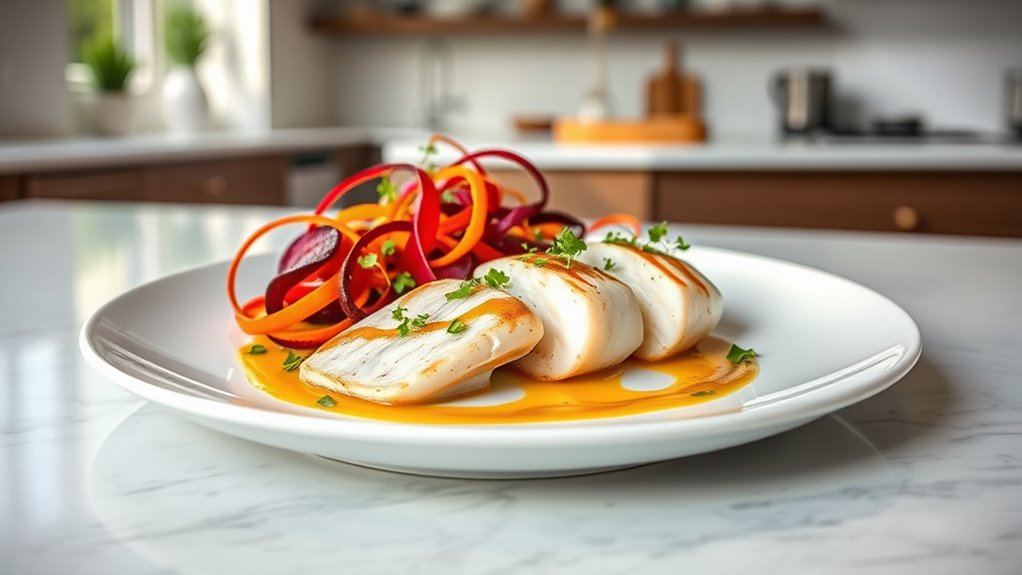
Modern Dutch culinary arts are embracing innovation by blending traditional flavors with international influences and contemporary techniques. You’ll see chefs experimenting with classic dishes like stamppot, adding global spices or modern presentation styles to elevate them. Fusion cuisine is flourishing, combining Dutch ingredients with flavors from Asia, the Middle East, and beyond. Chefs also focus on innovative uses of local ingredients, such as reimagining dairy or seafood in new ways. The rise of gastropubs and fine dining establishments highlights a shift toward sophisticated, creative menus. Additionally, plant-based and sustainable options are gaining popularity, reflecting a broader global trend. Sustainable ingredient use is increasingly integrated into Dutch culinary practices, emphasizing environmentally friendly sourcing and preparation. Dutch cuisine is becoming more dynamic and diverse, appealing to a wider, international audience while maintaining its roots.
Cultural Significance and Festive Food Traditions

Food plays a vital role in Dutch cultural identity, serving as a way to bring people together and celebrate traditions. You might participate in festive gatherings where shared dishes like stamppot or erwtensoep symbolize community and warmth. These events often feature specific foods that mark special occasions, such as oliebollen and appeltaart during New Year’s or Sinterklaas festivities.
Food unites Dutch communities through festive dishes like stamppot, erwtensoep, oliebollen, and appeltaart.
Additionally, traditional drinks and beverages are integral to Dutch celebrations, complementing the festive foods and enhancing the communal experience.
- Celebratory foods strengthen social bonds during holidays
- Traditional treats like speculaas and poffertjes evoke seasonal joy
- Food customs reflect regional identities and history
- Festive dishes promote cultural continuity
- Food is central to rituals and community celebrations
Frequently Asked Questions
How Has Dutch Cuisine Evolved in the 21ST Century?
In the 21st century, you see Dutch cuisine embracing international flavors and modern twists on traditional dishes like stamppot. Chefs experiment with innovative ingredients and fusion cuisine, making the food more diverse and globally recognized. You’ll notice a focus on sustainable, local sourcing and healthier options. Dutch restaurants abroad are expanding, and food festivals celebrate both heritage and innovation, reflecting a dynamic, evolving culinary scene that balances tradition with modern trends.
What Are Unique Regional Specialties Within the Netherlands?
You’ll find regional specialties like Limburg’s vlaai, a fruit-filled pie, and Zeeland’s mussels, renowned for their quality. In Friesland, you’ll enjoy fersk, a type of cheese, while Groningen offers sikke, a hearty rye bread. In the east, look for Twente’s traditional baked goods, and in the north, enjoy the local eel dishes. Exploring these specialties gives you a delicious taste of the Netherlands’ diverse culinary landscape.
How Does Dutch Culinary Culture Influence Social Gatherings?
You’ll find that food plays a central role in Dutch social gatherings, with about 80% of Dutch people participating in communal meals. You’re encouraged to join stamppotavonden, where friends and family share hearty dishes like stamppot. The Dutch emphasize gezelligheid—a cozy, friendly atmosphere—often centered around simple, hearty foods like cheese, bread, or seafood. These gatherings foster community and warmth, making food a key part of Dutch social life.
Are There Any Famous Dutch Chefs Internationally Recognized?
Yes, you’ll find Dutch chefs gaining international recognition. Chefs like Jonnie Boer, renowned for his restaurant De Librije, have earned Michelin stars and global acclaim. You might also hear about Sergio Herman, known for innovative cuisine and his influence on modern Dutch gastronomy. These chefs showcase Dutch culinary talent, blending traditional flavors with modern techniques, and help put Dutch cuisine on the world map, inspiring aspiring chefs worldwide.
How Accessible Are Traditional Dutch Ingredients Outside the Netherlands?
You’ll find Dutch ingredients reasonably reachable, especially in larger supermarkets or specialty stores abroad. Spreads like Gouda cheese, fragrant spices, and flavorful fish often pop up in international markets. However, rarer items like authentic Dutch herring or specific regional products might be tricky to track down outside the Netherlands. Still, with a little effort, you can gather many traditional treats, making it easier to emulate Dutch dishes and delight in Dutch culinary culture.
Conclusion
As you explore Dutch cuisine, you’ll discover a rich tapestry woven from history, local ingredients, and innovative trends. Each dish tells a story as vibrant as a tulip field in full bloom, showcasing the Netherlands’ unique culinary heritage. Embrace these traditions, and you’ll experience flavors that are as comforting as a warm wind sweeping across the landscape. Dutch food isn’t just eaten—it’s a celebration that leaves an everlasting impression on your palate and soul.