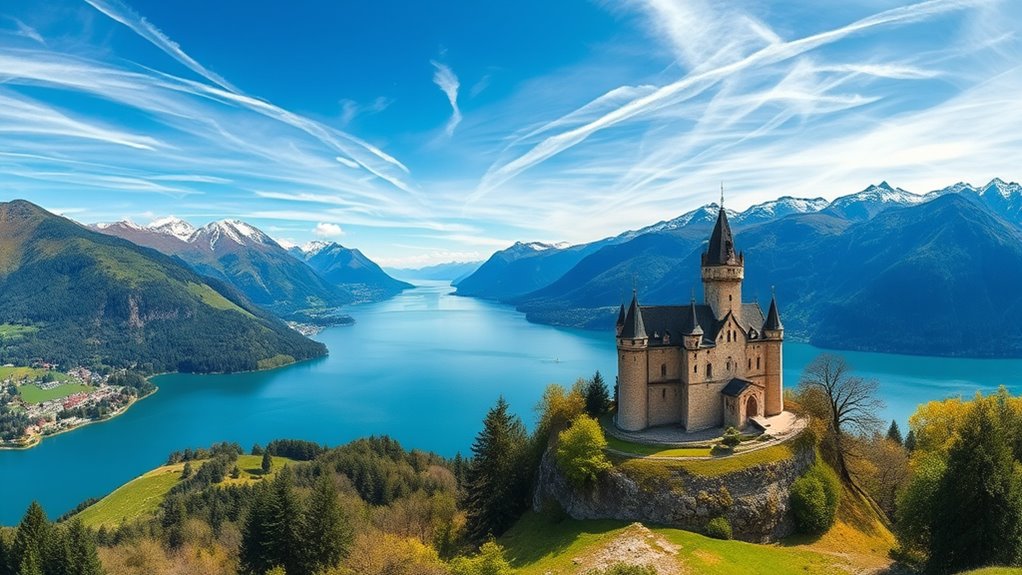
Switzerland’s top attractions include exploring the historic Old Town of Bern, with its medieval charm and iconic Zytglogge clock tower. You can witness the majestic Jungfrau-Aletsch Glacier and stunning Alpine peaks or ride on the Rhaetian Railway through breathtaking mountain routes. Discover medieval castles in Bellinzona or wander through the scenic Lavaux vineyards along Lake Geneva. If you want to see more hidden gems and cultural highlights, keep exploring what Switzerland has to offer.
Key Takeaways
- The Historic Old Town of Bern, a UNESCO World Heritage site with medieval architecture and the iconic Zytglogge clock tower.
- The medieval fortresses of Bellinzona, featuring castles that highlight Switzerland’s turbulent history.
- The Jungfrau-Aletsch Glacier and Swiss Alps, offering breathtaking mountain scenery and glacier landscapes.
- Lavaux vineyard terraces along Lake Geneva, renowned for centuries-old winemaking and scenic views.
- The Rhaetian Railway routes, including Bernina and Glacier Express, showcasing engineering marvels through stunning alpine landscapes.
The Historic Old Town of Bern
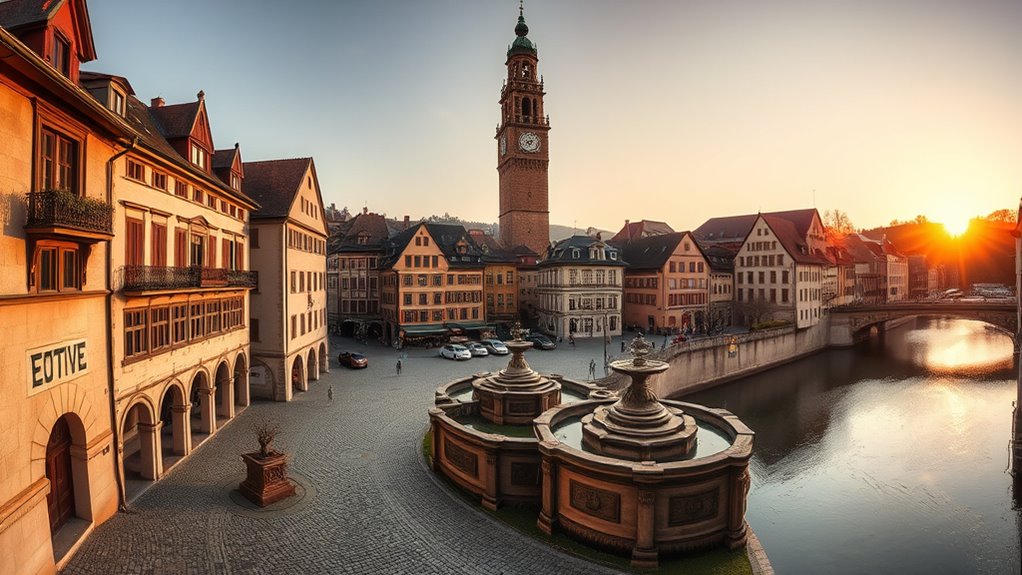
The Historic Old Town of Bern is a beautifully preserved medieval core that invites you to step back in time. As you walk through its narrow, winding streets, you’ll notice the well-preserved sandstone buildings and charming arcades that have remained unchanged for centuries. Climb the iconic Zytglogge clock tower to see its ornate astronomical clock and experience the lively hourly show. Stroll past the Münster Cathedral with its impressive spire and stained-glass windows, or browse the bustling markets along the main pedestrian street. The town’s layout reflects medieval urban planning, with covered walkways providing shelter and a sense of intimacy. This UNESCO site offers a unique glimpse into Switzerland’s rich history, blending architectural beauty with vibrant local life. Additionally, the historical use of seeds in ancient societies influenced the development of local agriculture and trade practices that shaped the region’s cultural landscape.
Majestic Jungfrau-Aletsch Glacier and the Swiss Alps

You’ll be awestruck by the stunning glaciers and towering peaks of the Swiss Alps, with the Jungfrau-Aletsch Glacier leading the way. As you explore, you’ll see how climate change is reshaping these icy landscapes and affecting the region’s climate. Don’t miss the incredible hiking trails and panoramic viewpoints that offer unforgettable alpine vistas. To deepen your appreciation, consider learning about vibrational energy and how it influences the natural environment and our experiences within it.
Glacial Features and Climate Impact
Majestic glaciers like the Aletsch Glacier in the Jungfrau-Aletsch region serve as powerful symbols of climate change, revealing how rapidly our planet’s climate is transforming. As you observe its vast, flowing ice, you can see firsthand how glaciers are retreating and thinning due to rising temperatures. The Swiss Alps’ glacial features—U-shaped valleys, cirques, and moraines—highlight ongoing geological shifts driven by climate impacts. These changes threaten ecosystems, water supplies, and local communities that depend on glacial meltwater. By studying these features, scientists gain critical insights into climate patterns and future risks. Witnessing the glacier’s diminishing mass emphasizes the urgency of reducing global carbon emissions to preserve these natural wonders for future generations. Additionally, the impact of climate change on these glaciers underscores the importance of global efforts to mitigate environmental damage.
Alpine Hiking and Panorama
Starting on alpine hikes in the Swiss Alps offers breathtaking views of glaciers, rugged peaks, and lush valleys that change with every step. As you ascend, you’ll encounter the majestic Jungfrau-Aletsch Glacier, Europe’s largest, stretching across dramatic landscapes. Trails wind through UNESCO World Heritage sites, revealing glacial cirques, U-shaped valleys, and pristine alpine flora. The panoramic vistas from viewpoints like Jungfraujoch or Schynige Platte are awe-inspiring, offering sweeping views of snow-capped summits and sparkling glaciers. You can also explore the Eiger, Mönch, and Jungfrau peaks, feeling the crisp mountain air and hearing the distant roar of ice calving. These hikes not only challenge you but immerse you in Switzerland’s natural grandeur, making every step an unforgettable experience. Exploring the mountain terrain further enhances your appreciation of Switzerland’s diverse landscapes.
Ingenious Rhaetian Railway and Mountain Train Routes

The Rhaetian Railway and mountain train routes in Switzerland exemplify engineering brilliance and scenic splendor, seamlessly connecting remote alpine regions with vibrant cities. You’ll ride through tunnels, across viaducts, and along dramatic mountain cliffs, experiencing breathtaking views at every turn. The Albula and Bernina lines, both UNESCO World Heritage Sites, showcase innovative construction techniques designed to navigate challenging terrain. As you travel on the Bernina Express or Glacier Express, you witness the perfect blend of engineering ingenuity and natural beauty—glacial valleys, alpine lakes, and snow-capped peaks. These routes aren’t just transportation; they’re immersive journeys through Switzerland’s stunning landscapes. They highlight how technology and nature work together to create unforgettable experiences, making your visit both convenient and awe-inspiring.
Medieval Fortresses of Bellinzona
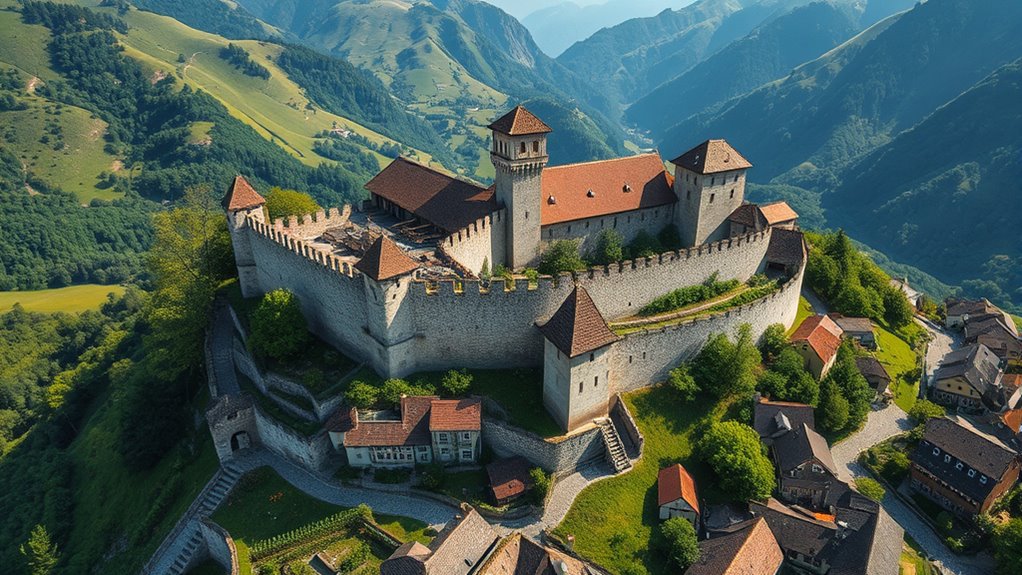
Bellinzona’s three medieval castles—Castelgrande, Montebello, and Sasso Corbaro—stand as a remarkable example of military architecture from the Middle Ages. These fortresses once protected strategic Alpine passes and now offer a glimpse into Switzerland’s turbulent history. As you explore, you’ll walk through towering walls, hidden courtyards, and battlements that tell stories of battles and alliances. Feel the weight of history in the stone structures that have withstood centuries. Exploring the medieval architecture of these castles provides insight into the defensive strategies of the era.
Explore Bellinzona’s medieval castles—timeless stone fortresses echoing Switzerland’s turbulent past and legendary battles.
- Imagine standing atop the walls, overlooking the lush valleys below, feeling the echoes of ancient conflicts.
- Picture yourself wandering through narrow passageways, discovering secret corners and panoramic views.
- Experience the thrill of imagining medieval warriors defending this mighty fortress.
Scenic Lavaux Vineyard Terraces
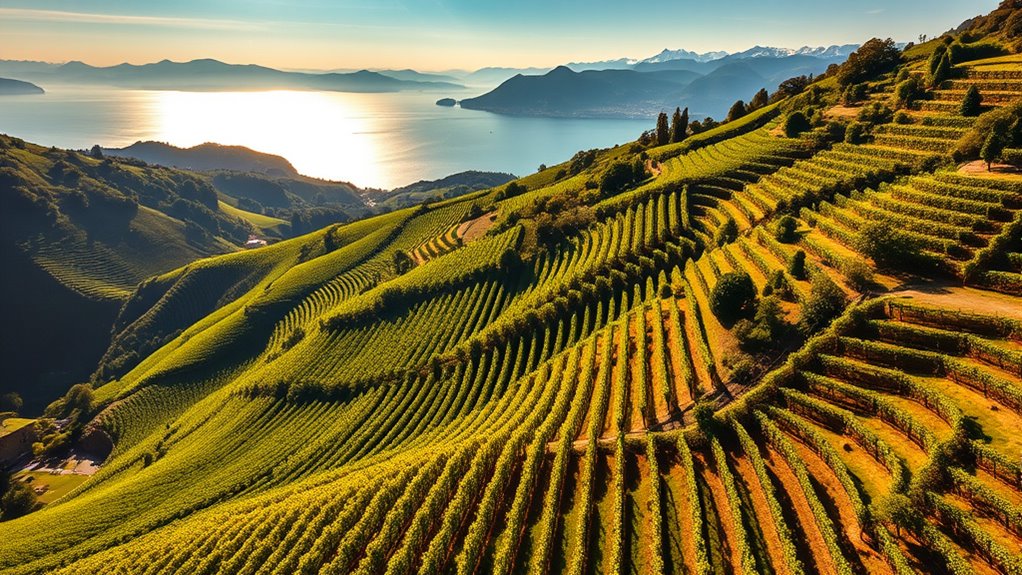
As you explore Switzerland’s rich heritage, the Lavaux Vineyard Terraces stand out as a stunning example of how culture and landscape intertwine. Perched along the northern shore of Lake Geneva, these terraced vineyards stretch over 800 hectares, offering breathtaking views and a glimpse into centuries-old winemaking traditions. You’ll walk along winding paths that connect charming villages and enjoy the aroma of locally produced wines. The terraces, shaped by generations of farmers, showcase innovative techniques that adapt to the steep terrain. As you gaze over the shimmering lake and lush hills, you’ll appreciate how this landscape embodies the harmony between human effort and nature’s beauty. Recognized as a UNESCO World Heritage Site, Lavaux invites you to experience its scenic charm and rich cultural history firsthand. The well-maintained paths allow visitors to explore the terraces safely and enjoy the stunning scenery.
The Rich Heritage of Abbey of St Gall

Nestled in the heart of Switzerland, the Abbey of St Gall stands as a proof of early medieval monastic life and architectural innovation. As you explore, you’ll discover its ancient library, home to some of Europe’s oldest manuscripts, and marvel at the well-preserved Carolingian architecture. The abbey reveals centuries of religious and cultural history, offering insight into monastic traditions and craftsmanship. You can also learn about the automation in business that has transformed modern industries, reflecting the long history of technological advancement influencing society. Feel the weight of history in its sacred halls, be inspired by the artistry of medieval murals, and appreciate the harmony between spirituality and architecture.
- Experience the awe of its centuries-old library, filled with priceless manuscripts.
- Admire the intricate design of the Carolingian-era buildings.
- Connect with Switzerland’s rich monastic past through its preserved art and architecture.
Primeval Beech Forests and Natural Ecosystems

The Primeval Beech Forests in Switzerland represent some of the most pristine and undisturbed natural ecosystems in Europe. You’ll walk through towering beech trees, their leaves creating a shimmering canopy, and feel the quiet of untouched wilderness. These forests host rich biodiversity, from moss-covered trunks to elusive forest creatures. Imagine a landscape shaped over centuries, where every branch and root tells a story. Here’s a visual snapshot:
| Tree Height | Age Range | Forest Density |
|---|---|---|
| 40 meters | 300-400 years | Dense canopy |
| 35 meters | 250-350 years | Thick undergrowth |
| 45 meters | 350-400 years | Sparse floor |
| 30 meters | 200-300 years | Open glades |
| 50 meters | 400+ years | Twisting trunks |
This ecosystem offers a glimpse into prehistoric forests, preserved in their natural state. Natural ecosystems are vital for maintaining biodiversity and ecological balance, showcasing the importance of conserving such pristine environments.
Iconic Pile Dwellings and Prehistoric Settlements

You can explore Switzerland’s ancient lakeside habitats, where early humans built remarkable pile dwellings. These prehistoric settlements reveal patterns of human life and adaptation thousands of years ago. Recent archaeological discoveries and artwork found at these sites offer unique insights into ancient cultures and their connection to the landscape. Additionally, some of these sites are now designated as Preppy Dog Names and are protected as UNESCO World Heritage sites, highlighting their global cultural significance.
Ancient Lakeside Habitats
Ancient lakeside habitats in Switzerland reveal fascinating insights into prehistoric human life through well-preserved pile dwellings. These remarkable structures, built on stilts over lakes, showcase how early communities adapted to their environment. Exploring these sites, you can imagine life surrounded by shimmering waters and lush landscapes, fostering a deep connection to our ancestors. The UNESCO World Heritage Sites of prehistoric settlements offer a glimpse into early craftsmanship, social organization, and resilience. As you wander through these ancient habitats, you’ll feel a sense of wonder and reverence for human ingenuity.
- Experience the tranquility of lakeside landscapes that cradle ancient homes, stirring your sense of history.
- See vividly preserved artifacts that reveal daily life, sparking curiosity and awe.
- Imagine the peaceful coexistence of humans and nature in these timeless waterside communities.
Early Human Settlement Patterns
Switzerland’s prehistoric settlements reveal how early humans strategically chose lakeside locations for their communities, leaving behind remarkable pile dwellings that have withstood the test of time. These ancient structures, built on stilts over lakes and wetlands, provided safety from floods and predators while offering access to water, food, and transportation routes. You can explore these well-preserved settlements, like those in Lake Neuchâtel and Lake Morat, which date back over 5,000 years. These sites give you a glimpse into early human ingenuity and adaptation. By studying the remains, you learn how communities organized themselves, hunted, fished, and gathered resources in their environment. The pile dwellings stand as enduring symbols of Switzerland’s rich prehistoric heritage and human resilience. Additionally, data analytics can help archaeologists uncover patterns in settlement locations and resource use, deepening our understanding of these ancient societies.
Archaeological Discoveries and Art
Archaeological discoveries in Switzerland have revealed a wealth of prehistoric art and iconic pile dwellings that illuminate early human life. These ancient sites, built on lakeshores and wetlands, offer a glimpse into the ingenuity of our ancestors. You can marvel at well-preserved wooden platforms and settlements that date back thousands of years, showcasing early craftsmanship and community life. Exploring these sites connects you directly to human history and resilience.
- Discover the submerged remains of prehistoric villages, revealing how early people adapted to their environment
- Admire ancient tools, pottery, and murals that tell stories of daily life and spiritual beliefs
- Walk through UNESCO-listed pile dwellings, feeling the timeless connection to our distant past
The Art and Architecture of La Chaux-de-Fonds and Le Locle
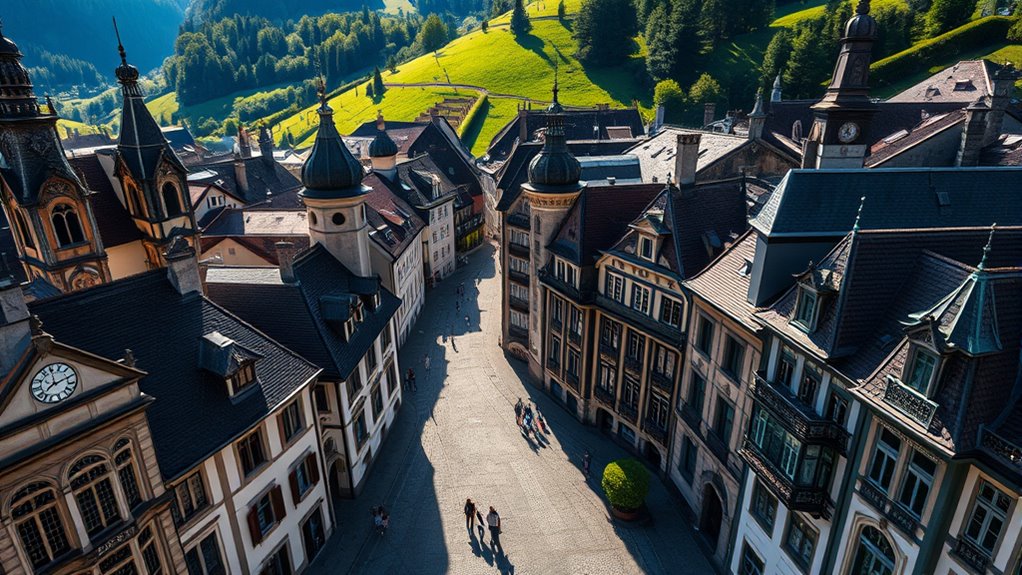
If you’re interested in understanding how industry shapes urban design, the towns of La Chaux-de-Fonds and Le Locle offer a fascinating example. You’ll notice their unique architecture reflects their watchmaking heritage, with grid-like layouts designed for efficiency and craftsmanship. The towns feature innovative, functional buildings that blend form and purpose, showcasing modernist influences. La Chaux-de-Fonds is renowned for its well-preserved watchmaker’s workshops and urban planning, recognized as a UNESCO World Heritage Site in 2009. Le Locle complements it with historic clockmaker’s houses and town squares. Both towns highlight how industry-driven needs fostered distinctive architectural styles, emphasizing harmony between workspaces and living areas. Walking through these towns, you experience a seamless integration of industrial history with innovative urban design.
The Enchanting Lake Geneva and Its Lakeside Towns
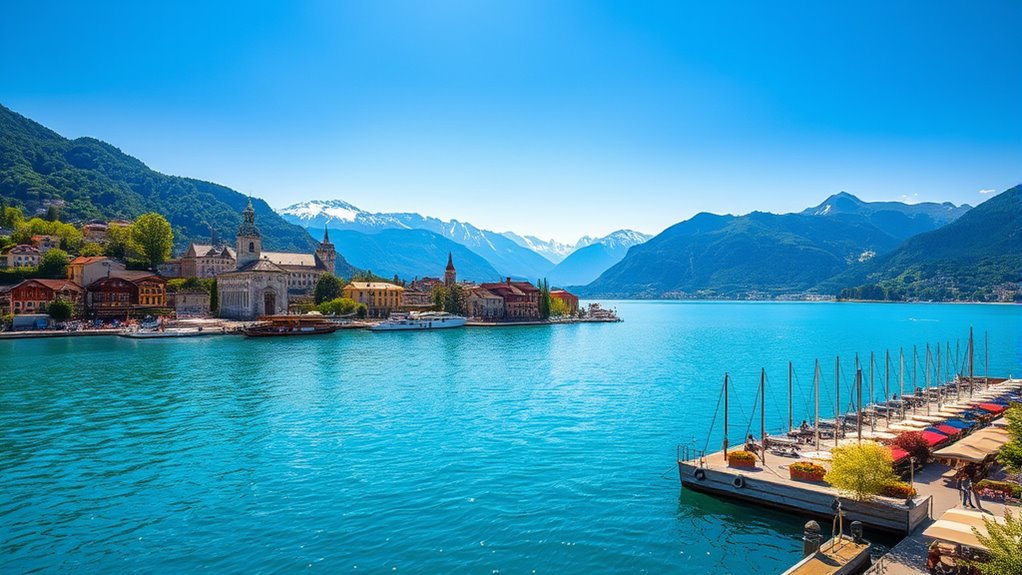
As you explore Lake Geneva, you’ll notice the stunning vineyard landscapes along its shores, offering both scenic beauty and rich wine traditions. The charming lakeside towns invite you to stroll through historic streets and enjoy breathtaking views of the surrounding mountains. These destinations blend natural splendor with cultural heritage, making them must-visit spots on your Swiss journey.
Scenic Vineyard Landscapes
The scenic vineyard landscapes along Lake Geneva captivate visitors with their stunning combination of natural beauty and cultural heritage. As you stroll through the terraced hills of Lavaux, you’ll feel immersed in a centuries-old tradition of winemaking that defines this region. The vibrant rows of vines cascade down the slopes, offering breathtaking views of the lake and surrounding mountains. You’ll experience a sense of harmony between nature and human craftsmanship, making every moment memorable.
- Feel the warmth of the sun as you wander through lush vineyards, tasting local wines.
- Gaze out over sparkling Lake Geneva, framed by rolling green terraces and distant peaks.
- Discover charming lakeside villages where history and tradition blend seamlessly.
Historic Lakeside Towns
Strolling along the shores of Lake Geneva reveals a string of picturesque lakeside towns that perfectly blend natural beauty with rich history. You can explore towns like Montreux, famous for its jazz festival and lakeside promenades, or Évian-les-Bains, known for its mineral springs and elegant architecture. These towns boast charming streets, historic sites, and scenic views that invite you to relax and immerse yourself in local culture. To highlight their appeal, consider this comparison:
| Town | Notable Feature |
|---|---|
| Montreux | Jazz Festival and lakeside promenade |
| Évian-les-Bains | Mineral springs and spa culture |
| Lausanne | University city with historic old town |
| Nyon | Roman ruins and medieval castle |
Whether you’re sightseeing, enjoying local cuisine, or simply soaking in the scenery, these lakeside towns offer timeless charm.
Frequently Asked Questions
Which UNESCO Site in Switzerland Is the Oldest?
You’ll find the Abbey of St Gall is the oldest UNESCO site in Switzerland, dating back to the 8th century. As you explore, you’ll notice its stunning Carolingian architecture and one of Europe’s oldest libraries. Walking through its historic halls, you’ll feel connected to early medieval monastic life. This site beautifully combines religious history, art, and architecture, offering a deep glimpse into Switzerland’s ancient cultural heritage.
Are There Any UNESCO Natural Sites Easily Accessible for Hiking?
You’ll love the Swiss Alps Jungfrau-Aletsch, a UNESCO natural site with Europe’s longest glacier, stretching over 23 km. It’s easily accessible for hiking, offering stunning U-shaped valleys, cirques, and diverse glacial features. You can trek through scenic trails that showcase breathtaking mountain vistas and alpine flora. This site is perfect for outdoor adventurers seeking an immersive natural experience, all while exploring one of Switzerland’s most iconic and accessible glacial landscapes.
How Do Swiss UNESCO Sites Reflect the Country’s Cultural Diversity?
You’ll see Switzerland’s UNESCO sites reflecting its cultural diversity through towns like La Chaux-de-Fonds and Le Locle, known for watchmaking, and Bellinzona’s medieval castles. The Abbey of St Gall showcases early Christian architecture, while Lavaux vineyards highlight centuries-old wine traditions. The Rhaetian Railway embodies engineering marvels across diverse landscapes. These sites celebrate the country’s rich blend of languages, history, and traditions, giving you a true taste of Swiss multicultural heritage.
Can Visitors Experience Local Traditions at UNESCO World Heritage Sites?
Yes, you can experience local traditions at UNESCO World Heritage Sites in Switzerland. You’ll witness centuries-old wine-making practices along the Lavaux Vineyard Terraces or enjoy medieval festivals at Bellinzona’s castles. Visiting historic towns like Bern or St. Gall lets you explore traditional crafts, local cuisine, and cultural events. These sites offer authentic glimpses into Swiss heritage, allowing you to immerse yourself in the country’s rich and diverse cultural traditions firsthand.
What Are the Best Times of Year to Visit Swiss UNESCO Sites?
You should visit Swiss UNESCO sites during spring (April to June) or early fall (September to October) for mild weather and fewer crowds. Summer (July and August) offers great opportunities for outdoor activities like hiking and sightseeing, while winter (December to February) provides stunning snowy landscapes, especially in the Alps. These seasons let you enjoy scenic views, cultural experiences, and the natural beauty of sites like glaciers, historic towns, and mountain routes.
Conclusion
As you explore Switzerland’s incredible attractions, remember that beauty often lies in the details and every place has its story. From historic towns to breathtaking natural wonders, each experience enriches your journey. Keep an open mind and embrace the adventure, for as the saying goes, “The journey is the reward.” No matter where you go, these sights will leave lasting memories—so go ahead, discover all that Switzerland has to offer.