

Discover Turkey’s rich history and vibrant culture by exploring must-see sites like Hagia Sophia, Ephesus, and Cappadocia’s fairy chimneys. Visit during spring or fall for pleasant weather, and use public transit or domestic flights to get around affordably. For adventure, try hot air balloon rides, hiking, or sailing along the coast. With budget-friendly options and unforgettable experiences, Turkey awaits—continue on for detailed tips to make your trip truly memorable.
Key Takeaways
- Explore iconic landmarks like Hagia Sophia, Topkapi Palace, and ancient ruins in Ephesus and Troy.
- Visit Cappadocia for surreal landscapes, hot air balloon rides, and cave dwellings, best in spring or fall.
- Enjoy Mediterranean beaches in Antalya, and experience Turkish cuisine, traditional music, and local crafts for cultural immersion.
- Navigate Turkey’s cities using public transit, and travel between destinations via buses, trains, or domestic flights for convenience.
- Plan your trip around seasonal highlights, such as summer festivals, winter skiing in Cappadocia, or spring outdoor markets for budget-friendly travel.
Top Must-See Attractions and Cultural Experiences
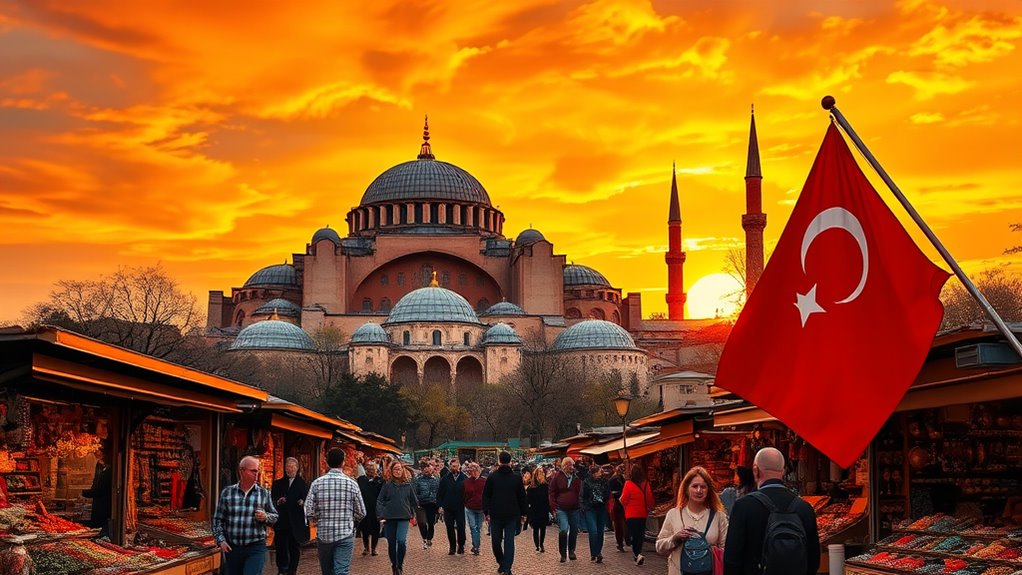
Turkey’s rich history and vibrant culture make it a must-visit destination for travelers seeking unforgettable experiences. You’ll want to explore Istanbul’s iconic landmarks like Hagia Sophia, Topkapi Palace, and the bustling Grand Bazaar, where history and commerce intertwine. Venture to ancient cities like Ephesus and Troy to walk through centuries-old ruins that tell stories of bygone civilizations. Don’t miss the surreal landscapes of Cappadocia, with its fairy chimneys and hot air balloon rides, or relax on the Mediterranean beaches of Antalya. Immerse yourself in Turkish culture through delicious cuisine, traditional music, and lively festivals. For outdoor enthusiasts, hiking in the Kaçkar Mountains or sailing along the Turquoise Coast offers adventure and natural beauty, making Turkey a diverse and mesmerizing destination. Exploring local crafts and traditional artisan techniques can deepen your appreciation of Turkey’s cultural heritage.
Best Time to Visit and Seasonal Highlights

The best time to visit Turkey depends on your interests and preferred activities, as the country offers distinct seasonal highlights throughout the year. Spring (April to June) is ideal if you want pleasant weather for exploring historical sites, hiking, or enjoying outdoor markets. Summer (July to August) is perfect for relaxing on Mediterranean beaches, sailing, and attending festivals, though it can get hot inland. Fall (September to November) offers cooler temperatures, making it great for sightseeing, wine tasting, and cultural festivals. Winter (December to February) attracts visitors to ski resorts in Cappadocia and eastern Turkey, with fewer crowds at major attractions. Additionally, seasonal climate variations can influence your travel plans, ensuring you choose the most suitable time for your activities. No matter when you go, Turkey’s diverse landscapes and vibrant culture ensure a memorable experience year-round.
Navigating Transportation and Accessibility Options
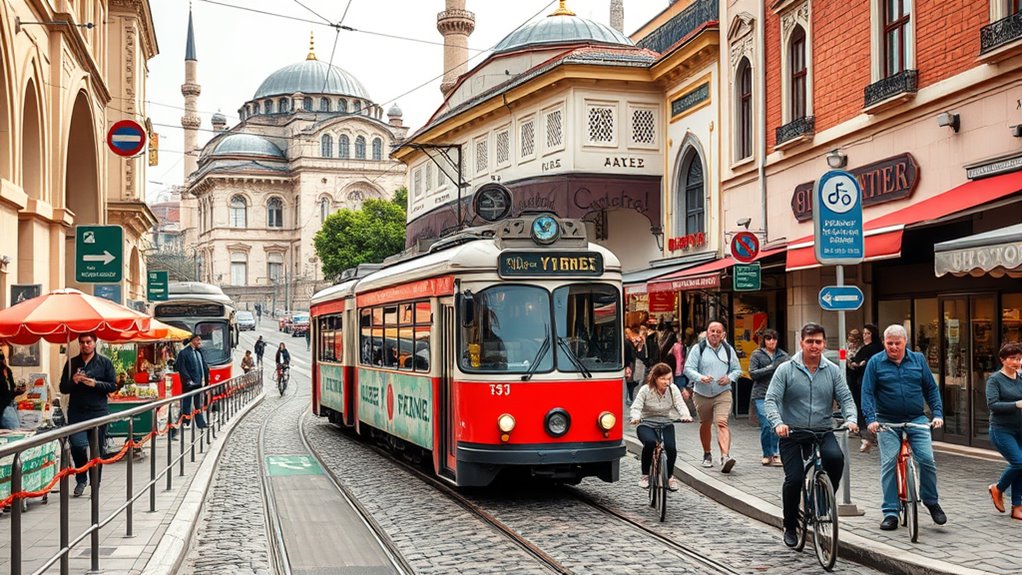
Getting around Turkey is straightforward thanks to its well-developed transportation network. Major cities like Istanbul, Ankara, and Izmir boast international airports offering frequent flights and connections. Public buses, trams, and metro systems make city travel easy and affordable. Intercity travel is convenient with an extensive bus network and high-speed trains linking key destinations such as Istanbul to Ankara and Konya. Taxis and ride-sharing services are available in urban centers, providing flexible options for short trips. For exploring regions like Cappadocia or the Turquoise Coast, domestic flights and shuttle services simplify access. Major tourist sites are often connected by well-maintained roads, making self-driving or guided tours practical. Additionally, Turkey’s transportation infrastructure supports accessible travel options for all visitors, including those with mobility needs. Overall, Turkey’s transportation infrastructure guarantees smooth travel between cities and attractions, even amid economic and regional challenges.
Tips for Budget-Friendly Travel and Saving Costs
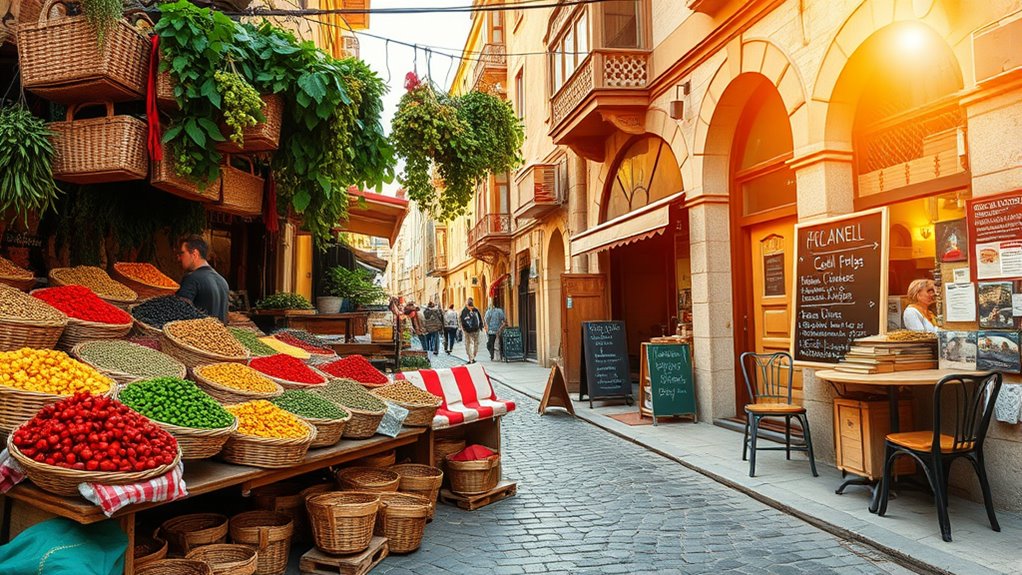
Traveling on a budget in Turkey is entirely possible if you plan smartly and take advantage of cost-saving tips. Start by choosing affordable accommodation options like hostels, guesthouses, or Airbnb rentals. Eat at local markets and street vendors instead of touristy restaurants to save money and enjoy authentic flavors. Use public transportation, such as buses and trams, instead of taxis or car rentals. Book flights and activities in advance for discounts. Here’s a quick overview:
| Tip | Cost-Saving Strategy | Benefits |
|---|---|---|
| Stay in local guesthouses | Affordable lodging with cultural charm | Saves money, authentic experience |
| Dine at markets and street stalls | Cheapest, freshest local food | Culinary adventure, budget-friendly |
| Use public transit | Cheap, eco-friendly, widespread | Easy access, saves on taxis |
| Book tours early | Discounted rates, fewer last-minute costs | Better deals, less stress |
Unique Activities and Adventure Opportunities

Turkey offers a wealth of unique activities and adventure opportunities that cater to thrill-seekers and nature lovers alike. You can soar above the surreal landscapes of Cappadocia on a hot air balloon ride, witnessing sunrise over fairy chimneys and valleys. For adrenaline junkies, paragliding along the Lycian coast offers breathtaking views of turquoise waters and rugged cliffs. Hiking enthusiasts can explore the Kackar Mountains, discovering remote villages and scenic trails. Sailing along the Turquoise Coast lets you anchor at hidden coves and snorkel in crystal-clear waters. Additionally, canyoning in Saklikent Gorge challenges you to navigate rushing streams and narrow passages. These adventures provide unforgettable experiences, immersing you in Turkey’s diverse terrain and cultural richness. Incorporating portable energy solutions such as solar-powered equipment can enhance your travel experience by providing sustainable power in remote areas.
Frequently Asked Questions
What Currency Should I Carry for Seamless Transactions in Turkey?
You should carry Turkish Lira (TRY) for seamless transactions in Turkey. While some places accept euros or US dollars, using the local currency guarantees better exchange rates and avoids extra fees. You can withdraw cash at ATMs easily, especially in urban centers and tourist hotspots. Carry a small amount of cash for minor expenses, but also use credit or debit cards, which are widely accepted in hotels, restaurants, and shops.
Are There Any Travel Restrictions or Visa Requirements for Visiting Turkey?
An ounce of prevention is worth a pound of cure. When visiting Turkey, you’ll need a valid visa or e-visa depending on your nationality. Many travelers can apply online easily, but verify specific requirements for your country beforehand. No major travel restrictions are in place currently, but it’s wise to stay updated on local regulations and health protocols to ensure a smooth trip. Planning ahead helps you enjoy your journey stress-free.
How Safe Is Turkey for Solo Travelers and Female Tourists?
Turkey is generally safe for solo travelers and female tourists, especially in popular tourist areas like Istanbul, Cappadocia, and coastal resorts. You should stay aware of your surroundings, avoid risky neighborhoods at night, and follow local advice. Use reliable transportation, dress modestly in conservative areas, and keep your belongings secure. With common sense precautions, you’ll enjoy Turkey’s rich culture, stunning sights, and friendly locals without major concerns.
What Are the Local Tipping Customs and Etiquette in Turkey?
In Turkey, you should tip around 10% in restaurants if service isn’t included, and rounding up your fare is standard for taxis. When visiting cafes or cafes, leave small change or a few lira. For hotel staff, bellhops and housekeepers appreciate a tip of a few lira daily. Tipping is a sign of appreciation, so be generous with those who provide good service, and always carry small bills.
Which Health Precautions or Vaccinations Are Recommended Before Traveling?
Think of your health as a precious treasure. Before traveling to Turkey, make certain your vaccinations are up-to-date—consider Hepatitis A and B, typhoid, and tetanus to shield yourself from common risks. If you’re visiting rural areas or staying long, consult your doctor about rabies and yellow fever. Carry a basic first aid kit, stay hydrated, and practice good hygiene to keep your journey safe and enjoyable.
Conclusion
As you journey through Turkey’s vibrant tapestry, remember that every moment offers a gentle nudge towards deeper understanding and connection. Embrace each experience with open curiosity, for the true essence of travel lies in the quiet lessons learned along the way. Let your adventures guide you softly toward newfound perspectives, leaving behind only cherished memories and a subtle transformation that lingers long after your footsteps fade.