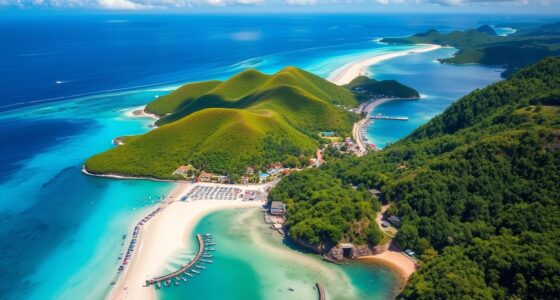
Grenada’s history is shaped by its indigenous Carib inhabitants, colonial struggles between France and Britain, and the legacy of slavery and rebellions. Its vibrant culture reflects this mix through music, festivals, cuisine, and art influenced by African, European, and Caribbean traditions. The island’s path to independence, revolutions, and modernization continues to influence its identity today. Want to explore how these diverse elements come together to create Grenada’s unique heritage? Keep going to discover more.
Key Takeaways
- Grenada’s history is shaped by indigenous Caribs, European colonial powers, and the legacy of slavery and emancipation.
- The island’s culture reflects African, European, and Caribbean influences through music, dance, cuisine, and crafts.
- Key historical events include colonization by France and Britain, the 1795 Fédon Rebellion, and independence in 1974.
- Traditional festivals like Carnival and folk arts celebrate Grenada’s diverse heritage and cultural resilience.
- Modern challenges focus on sustainable development, tourism, and preserving cultural identity amid economic and environmental pressures.

vmcoatdu Grenada Flag Bracelet Elastic Rope Beaded Bracelet Support Your Country Travel Souvenir Gifts for Men Women (Grenada)
Look at the picture,Perimeter:about 7.1inch/18cm,One size,Elastic rope can be adjusted to fit most people
As an affiliate, we earn on qualifying purchases.
As an affiliate, we earn on qualifying purchases.
Early Inhabitants and European Discovery
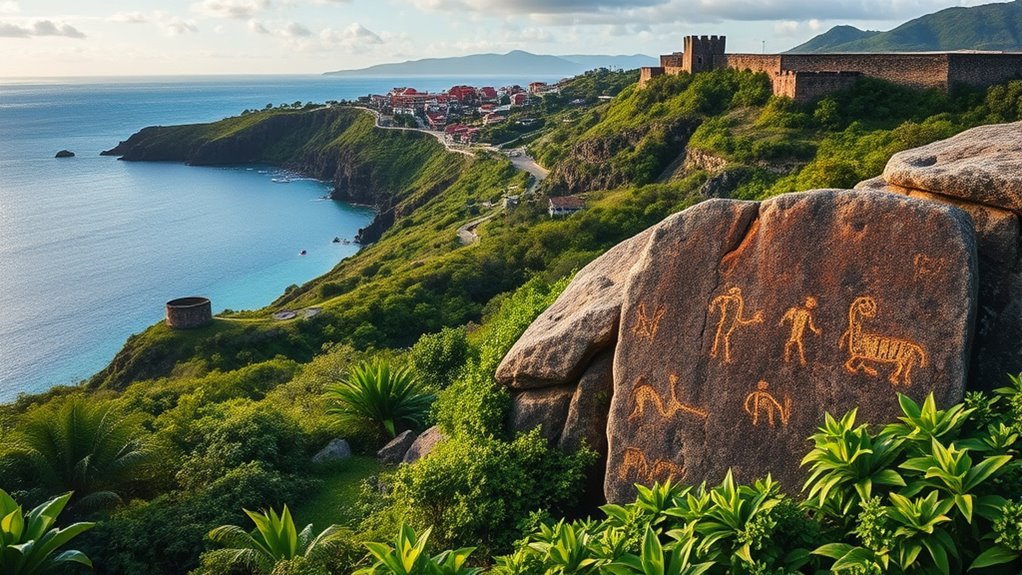
Before European explorers arrived, Grenada was inhabited by the indigenous Caribs, who lived on the island long before any European contact. You can imagine their daily lives, fishing, hunting, and cultivating the land. When Christopher Columbus first sighted Grenada in 1498, he named it “Concepcion,” unaware of its rich native history. The Caribs fiercely resisted European intrusion, maintaining their independence for years. The island’s lush landscape hid their settlements, which were often targeted during conflicts with early explorers. Despite European landing attempts, native resistance kept outsiders at bay for some time. These early inhabitants shaped Grenada’s cultural roots, leaving behind artifacts and traditions that would influence the island’s future. Their presence reminds you of Grenada’s deep indigenous heritage before colonization reshaped its destiny. Additionally, their enduring resistance contributed significantly to the island’s native history and cultural identity.

Puerto Rico Güiro Musical Instrument with Scraper – Traditional Caribbean Percussion Guiro for Latin Music, Parrandas & Cultural Events 8" x 3" – Latin Guiro for Salsa Merengue, Cumbia, Latin Jazz
Authentic Latin Percussion Sound – Crafted from high-quality stainless steel, this guiro shaker delivers bright, crisp, and rhythmic…
As an affiliate, we earn on qualifying purchases.
As an affiliate, we earn on qualifying purchases.
Colonial Powers and Territorial Changes
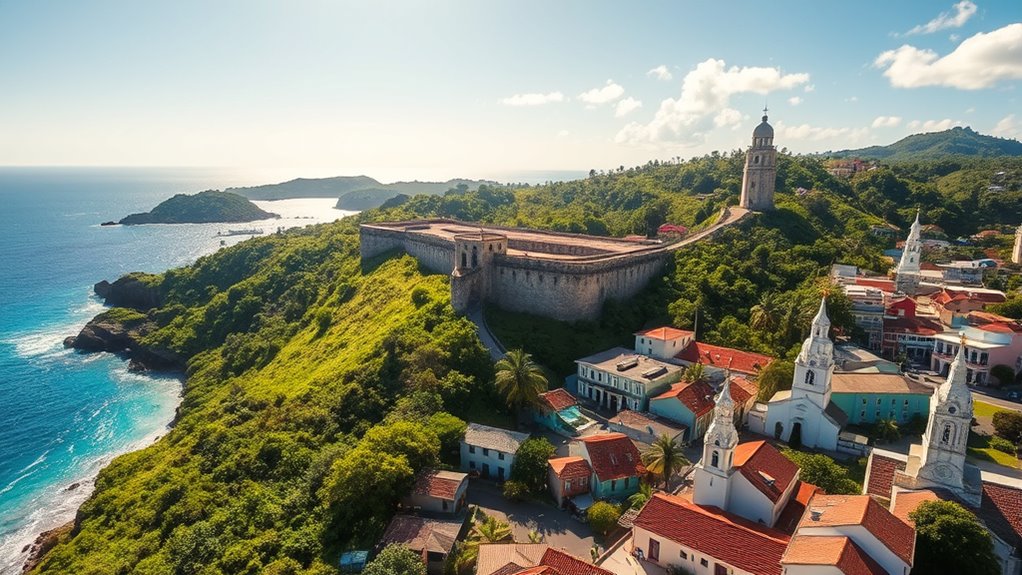
Grenada’s colonial history is marked by a series of territorial shifts between European powers, primarily France and Britain, which considerably shaped the island’s development. You see, the French first gained control in 1650, establishing settlements and influencing local culture. However, the British captured it in 1763, then briefly regained it in 1779 during the American Revolutionary War. The Treaty of Versailles in 1783 officially restored British rule. These changes impacted governance, economy, and societal structure. The table below summarizes these key shifts:
| Year | Power | Event | Impact |
|---|---|---|---|
| 1650 | France | French settlement begins | Cultural influence grows |
| 1763 | Britain | Ceded by France | British control solidified |
| 1779 | France | French recapture | Temporary French resurgence |
| 1783 | Britain | Restored by Treaty | Reinforced British dominance |
| 1800s | Britain | Continued colonial rule | Economy based on sugar and slavery |

Motique Accessories Large Cotton Bandanas – Grenada Flag with Green Name
100% cotton comfort – Soft, breathable bandanas made from natural cotton for all-day wear.
As an affiliate, we earn on qualifying purchases.
As an affiliate, we earn on qualifying purchases.
The Impact of Slavery and Rebellions

The legacy of colonial rule in Grenada is deeply shaped by the impact of slavery and the rebellions it sparked. You see, enslaved Africans made up most of the population by 1785, enduring harsh conditions on sugar plantations. Rebellions like Fédon’s in 1795 challenged British authority and inspired hopes for freedom. These uprisings:
- Highlighted resistance against oppression and fueled anti-slavery sentiments.
- Led to the abolition of the slave trade in 1807 and emancipation in 1838.
- Prompted a shift towards migrant labor from India to sustain the economy.
- The enduring effects of these events continue to influence Grenada’s social fabric and political consciousness.
These events left a lasting mark on Grenada’s social fabric and political consciousness, shaping its path toward independence and forging a resilient cultural identity rooted in struggle and liberation.

Thai for Two Cooking Kit by Verve CULTURE | USDA-Organic Panang Curry Cooking Kit | Authentic Thai Cuisine | Unique Cooking Gift Set | Vegan, Gluten-Free | Made in Thailand | Pack of 3
PANANG CURRY We love the big, bold flavors of exotic Thai food, and now you can enjoy it…
As an affiliate, we earn on qualifying purchases.
As an affiliate, we earn on qualifying purchases.
Path to Independence and Political Evolution
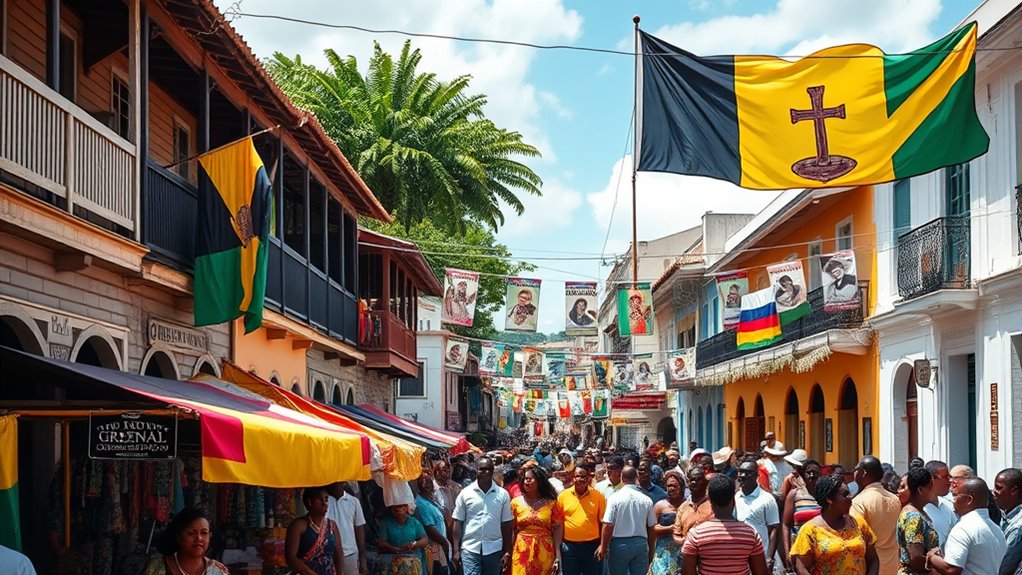
As demands for self-governance grew in the mid-20th century, Grenada began shifting toward independence by establishing its own political institutions and asserting greater control over local affairs. You would notice that in 1951, Grenada formed its first elected legislative council, marking a step toward autonomy. Over the next two decades, political leaders pushed for full independence, emphasizing national identity and self-determination. In 1967, Grenada gained associated statehood, gaining more control over internal affairs while remaining linked to Britain. By 1974, Grenadians successfully achieved full independence, with Eric Gairy as prime minister. This progression marked a pivotal moment in Grenada’s history, laying the foundation for its modern political landscape and fostering a sense of pride and self-determination among its people.
The 1979 Revolution and Its Aftermath

In 1979, a group of revolutionary activists led by Maurice Bishop toppled the government in a coup, seeking to establish a socialist state and address widespread inequality. This upheaval dramatically changed Grenada’s political landscape, leading to a brief period of radical change. During this time, you’d notice:
- The implementation of socialist policies aimed at reducing poverty and redistributing wealth.
- The rise of military influence within the government, causing internal conflicts.
- Increasing tensions with the United States, which viewed the regime as a threat during the Cold War.
- The role of inspirational quotes about fatherhood and shared experiences in shaping leadership and resilience during times of upheaval.
The revolution’s aftermath was tumultuous, culminating in the 1983 U.S. invasion that restored a more stable government. The events left a lasting impact on Grenada’s political and social fabric.
Modern Challenges and Economic Development
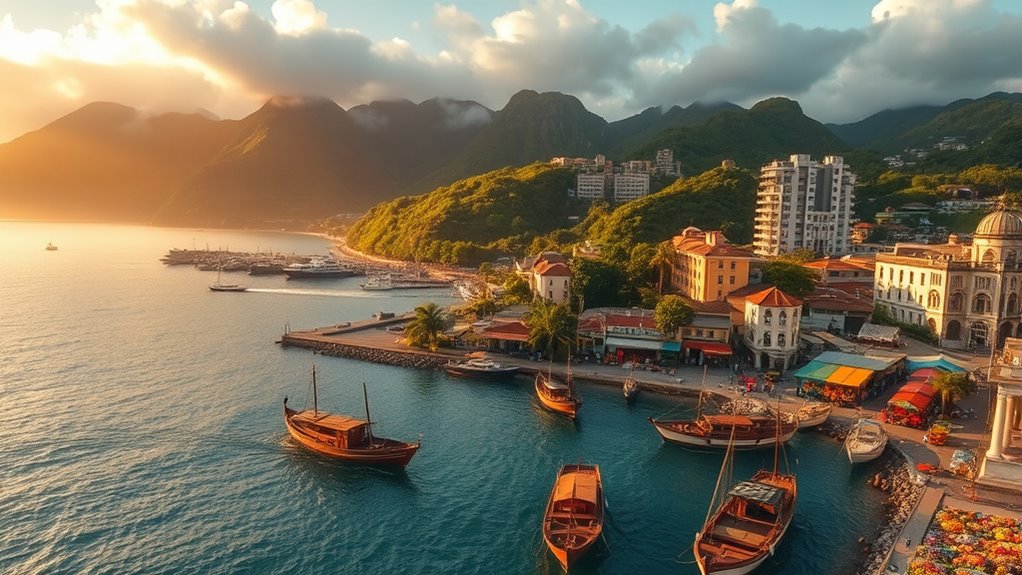
Grenada faces a range of modern challenges that impact its economic development, including vulnerability to natural disasters and limited resources. Hurricanes like Ivan caused severe damage, disrupting agriculture, especially the essential nutmeg industry. Climate change worsens these threats, increasing storm frequency and intensity. The island’s small size limits resource availability, making sustainable development difficult. Economic diversification remains a challenge; while tourism and agriculture drive growth, over-reliance on these sectors leaves the economy exposed. Limited infrastructure and access to capital hinder new industries and innovation. Additionally, global economic fluctuations affect export markets and foreign investment. Despite these obstacles, Grenada continues to pursue recovery and resilience strategies, emphasizing sustainable tourism, renewable energy, and agricultural modernization to foster long-term growth and stability. Efforts to enhance cybersecurity infrastructure are also vital to protect critical sectors from digital threats.
Cultural Influences and Heritage
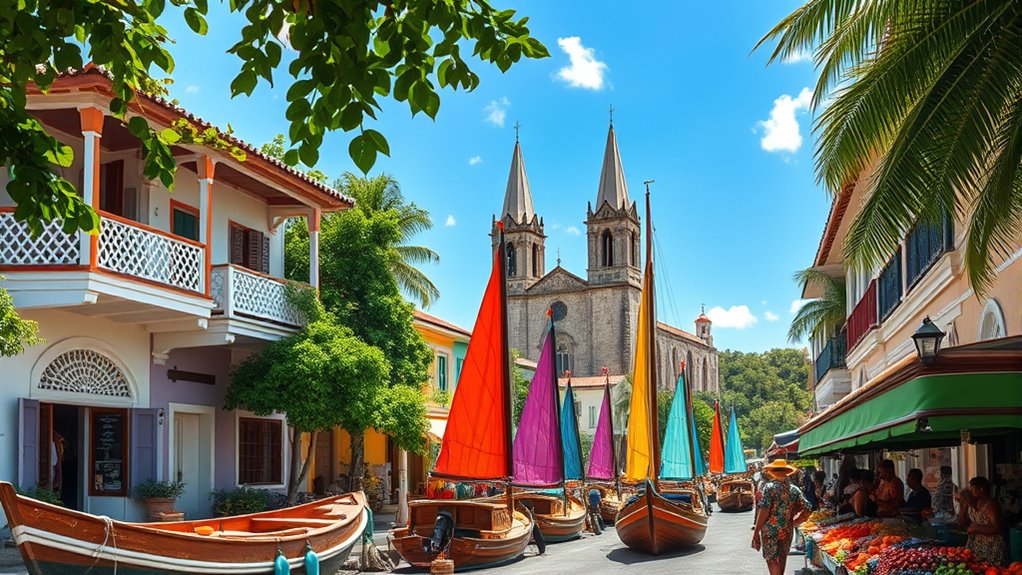
You can see how Grenada’s culture reflects its diverse roots, from indigenous Caribs and African heritage to French and British influences. These cultural layers come alive in vibrant festivals, lively music, and unique crafts. Together, they create a rich heritage that shapes Grenada’s identity today. Additionally, the island’s cultural influences continue to evolve as new trends and interactions influence local traditions.
Indigenous and African Roots
The indigenous Caribs and the African descendants form the heart of Grenada’s cultural heritage, shaping its vibrant traditions and identity. You feel their influence in music, dance, and everyday life. Here are three key aspects of this heritage:
- Music and Dance: You’ll notice the drum rhythms and dance styles rooted in African traditions, like the tassa drums and drumming circles.
- Languages and Oral Traditions: Patois, a Creole language blending African, French, and English elements, is part of daily communication and storytelling.
- Cuisine and Crafts: You’ll taste dishes like oil-down, inspired by African flavors, and see craftwork reflecting African artistry, from basketry to wood carvings.
Additionally, traditional folk festivals often feature performances and crafts that celebrate these deep-rooted cultural influences.
Colonial Cultural Legacy
How did colonial powers shape Grenada’s cultural landscape? They left a profound mark through language, architecture, and customs. You’ll notice the influence of French and British rule in the island’s place names, legal systems, and colonial buildings. The French introduced their language, cuisine, and social practices, which blended with local traditions. The British left their mark through the parliamentary system, education, and the widespread use of English. You can see colonial architecture in historic forts and plantation houses, symbolizing the island’s plantation economy. Religious practices, such as Anglican and Catholic traditions, also reflect colonial influence. Over time, these cultural elements merged with indigenous and African roots, creating a unique, layered heritage that continues to shape Grenada’s identity today. Colonial legacy has deeply embedded itself in the island’s societal fabric, influencing its modern cultural expressions.
Vibrant Festivals and Arts
Grenada’s rich colonial history has woven a vibrant tapestry of cultural expressions that come alive through its festivals and arts. You’ll find lively celebrations that reflect the island’s diverse heritage. Traditional music genres like calypso, reggae, and soca fill the air during festivals, celebrating freedom, history, and community. Artisans craft intricate woodwork, textiles, and pottery, blending indigenous skills with colonial aesthetics, which you can see in markets and galleries across the island. The influence of cultural heritage can be seen in the continuation of traditional dance and storytelling that are passed down through generations. These vibrant festivals and arts not only honor Grenada’s past but also keep its cultural spirit alive today.
Traditional Music, Festivals, and Cuisine
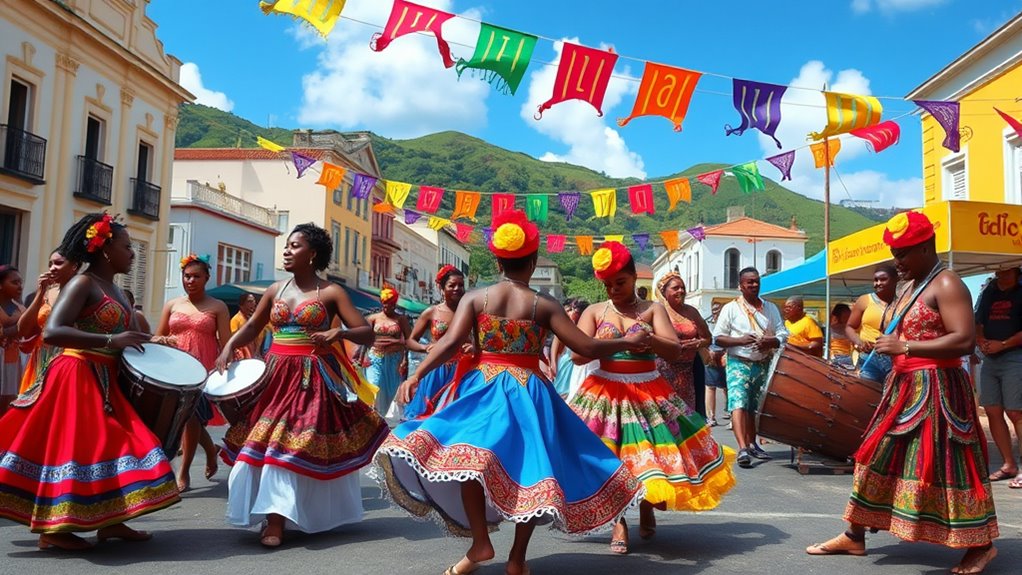
Ever wonder what makes Grenada’s cultural identity so vibrant? It’s the lively music, colorful festivals, and delicious cuisine that truly showcase its spirit. You’ll hear calypso, reggae, and soca rhythms at local events, where dance and song bring people together. The annual Grenada Carnival, or Spicemas, bursts with costumes, parades, and lively street parties, celebrating heritage and community. When it comes to food, you’ll savor dishes like oil-down, a hearty stew with breadfruit, salted meat, and vegetables, and pepper pot soup, rich with spices. These culinary traditions blend African, European, and Caribbean influences, creating flavors that are both unique and deeply rooted in history. The use of traditional musical instruments further enhances the authentic sound of Grenadian music. Together, music, festivals, and cuisine form the heartbeat of Grenada’s vibrant cultural identity.
Artistic Expressions and Literary Contributions
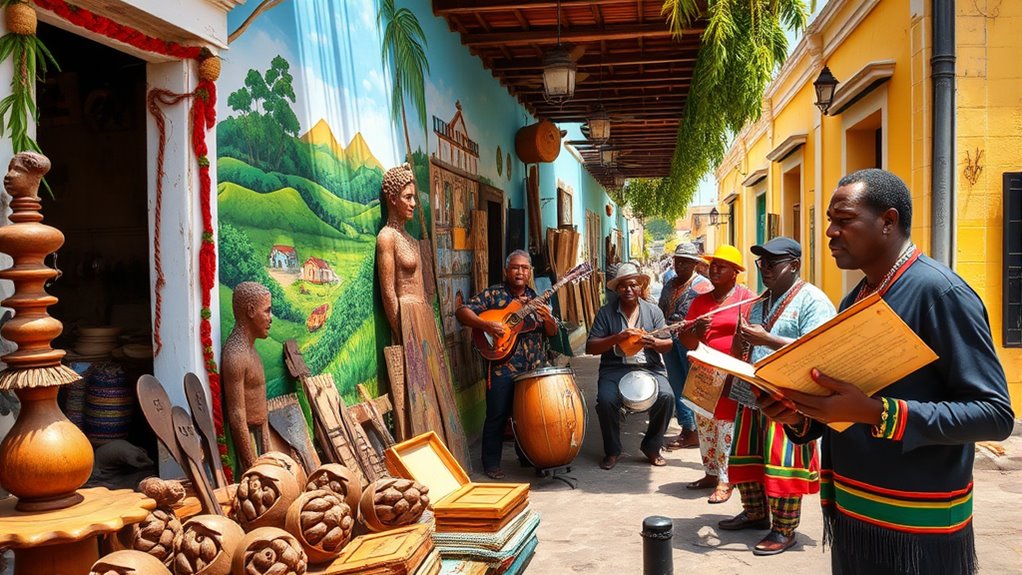
Artistic expressions and literary contributions in Grenada reflect a rich tapestry of influences from its diverse history, blending African, European, and Caribbean traditions. You’ll find vibrant art forms that showcase local stories and cultural pride. The island’s writers have shaped Caribbean literature by exploring themes of resistance, identity, and heritage. To deepen your understanding, consider these key aspects:
- Traditional crafts like woodwork and textiles, which depict ancestral stories and daily life.
- Literary works from Grenadian authors such as Sir V. S. Naipaul and Kamau Brathwaite, highlighting post-colonial themes.
- Music and dance, including calypso and reggae, that express social commentary and cultural resilience.
- The use of color accuracy in visual arts to authentically represent cultural motifs and traditional costumes.
These artistic and literary expressions serve as powerful tools for preserving Grenada’s history and shaping its identity today.
The Role of Tourism in Shaping Contemporary Culture
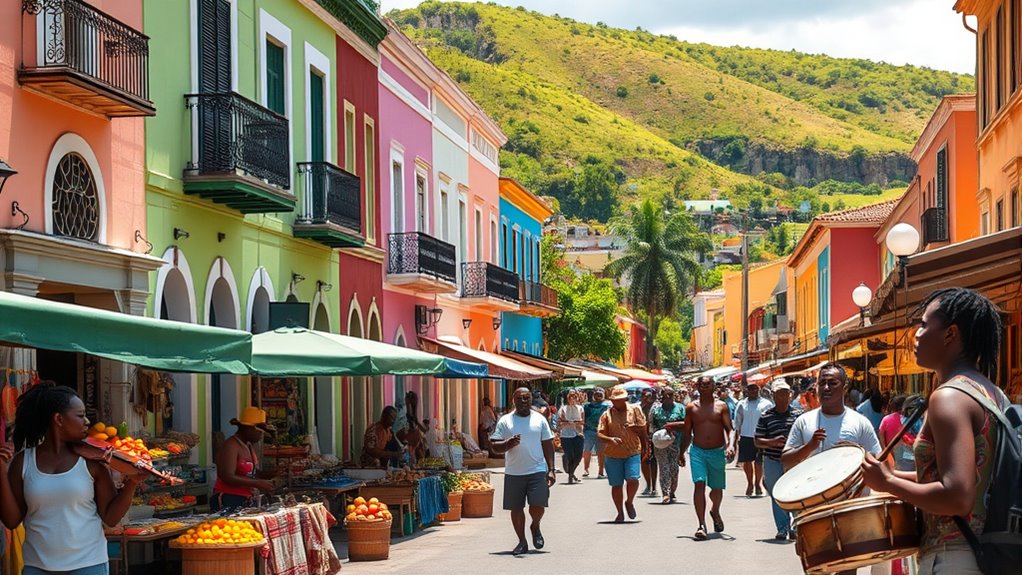
Tourism has become a vital force shaping Grenada’s contemporary culture by showcasing its rich heritage and vibrant traditions to visitors from around the world. You experience firsthand how festivals like Carnival highlight the island’s lively music, dance, and colorful costumes, connecting visitors to local roots. Tourists explore historical sites, such as plantation houses and forts, deepening their understanding of Grenada’s colonial past. You also discover how local artisans promote traditional crafts like woodwork and textiles, blending heritage with modern appreciation. As tourism grows, it influences local cuisine, encouraging the preservation of traditional dishes like oil-down. Ultimately, your engagement with Grenada’s tourism sector helps sustain its cultural identity, fostering pride among residents while sharing their unique heritage globally.
Frequently Asked Questions
How Did Indigenous Caribs Influence Grenada’s Early Culture?
You can see the indigenous Caribs’ influence in Grenada’s early culture through their traditions, language, and social structures. They shaped local customs, farming practices, and spiritual beliefs that persisted even after European contact. Their artistry and crafts, like pottery and weaving, also contributed to the island’s cultural foundation. By respecting their legacy, you recognize how their resilience and traditions helped shape Grenada’s unique cultural identity today.
What Role Did the Sugar Plantation Economy Play in Shaping Society?
You see, the sugar plantation economy shaped your society by creating a hierarchy with plantation owners at the top and enslaved Africans at the bottom. It drove economic growth but also caused social divisions and reliance on slave labor. This system influenced cultural practices, community life, and even the island’s demographics, leaving a lasting impact on Grenada’s social structure and development that you can still observe today.
How Did the U.S. Invasion Impact Grenada’s Political Stability?
The U.S. invasion in 1983 destabilized Grenada’s political landscape, overthrowing the Marxist government and leading to a period of uncertainty. You see a shift towards more democratic governance, but the invasion also created divisions and skepticism about foreign intervention. While it restored order, it temporarily interrupted local political processes, making citizens more cautious about future political changes. Overall, it marked a significant turning point in Grenada’s political stability.
In What Ways Does Grenada’s Multicultural History Shape Its Festivals?
Your festivals in Grenada showcase its multicultural history through vibrant music, colorful costumes, and diverse traditions. You’ll notice influences from African, French, and British cultures blending into celebrations like the Grenada Carnival, which features lively parades and rhythmic drumming. These festivals allow you to experience the island’s rich cultural tapestry firsthand, highlighting its history of resilience, unity, and vibrant diversity that continues to shape Grenadian identity today.
What Are the Main Challenges Facing Grenada’s Tourism Industry Today?
You face challenges like economic dependence on tourism, making it vulnerable to global shifts and natural disasters. Competition from other Caribbean destinations pressures you to innovate and improve services. Environmental issues, such as climate change and hurricanes, threaten infrastructure and natural attractions. Additionally, you must address sustainable tourism practices to preserve Grenada’s cultural and natural heritage while balancing growth. Overcoming these hurdles is essential for a resilient, thriving tourism industry.
Conclusion
You now see how Grenada’s history is like a vibrant tapestry woven with diverse threads of culture, struggle, and resilience. From its early inhabitants to its lively festivals, each chapter adds depth and color to its identity. Embracing its past, Grenada continues to shine like a bright star in the Caribbean sky, inspiring you with its rich heritage and lively spirit. It’s a place where history and culture dance together beautifully, inviting you to explore and celebrate.