Michigan’s cuisine combines hearty regional dishes like the iconic Coney Dog and pasties with influences from Native American, Scandinavian, Italian, and German traditions. You’ll find fresh local ingredients like cherries, apples, and freshwater fish, often showcased at festivals and markets. The city of Detroit adds its own modern twists with unique regional favorites and innovative food scenes. Explore further to discover how Michigan’s rich heritage and agricultural bounty shape its dynamic culinary landscape.
Key Takeaways
- Michigan’s cuisine features signature dishes like Detroit Coney Dogs, Pasties, and Mackinac Island Fudge, emphasizing local ingredients and traditions.
- The state’s culinary heritage is shaped by diverse influences from Native Americans, Finnish, Scandinavian, Italian, German, Dutch, and Chinese-American communities.
- Detroit’s vibrant food scene blends multicultural flavors with modern farm-to-table practices, showcasing regional ingredients like cherries, apples, and freshwater fish.
- Festivals such as the Traverse City Cherry Festival and Mackinac Island Fudge Festival celebrate Michigan’s agricultural bounty and culinary heritage.
- Michigan’s evolving cuisine incorporates fusion dishes and sustainable practices, highlighting local produce, freshwater fish, and innovative culinary trends.

BROWNWOOD FARMS Michigan Cherry Pie Filling, 18 OZ
120 calories
As an affiliate, we earn on qualifying purchases.
As an affiliate, we earn on qualifying purchases.
Signature Dishes of Michigan
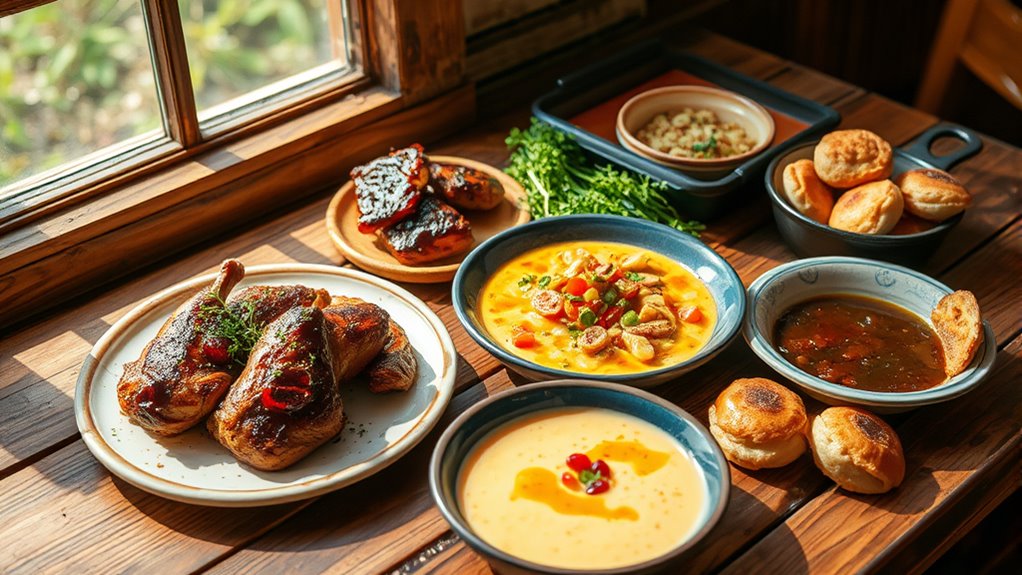
Michigan boasts a variety of signature dishes that reflect its rich cultural heritage and local ingredients. One of the most iconic is the Detroit Coney Dog, a hot dog topped with chili, onions, and mustard, enjoyed at local spots like American and Lafayette Coney Islands. You’ll also find Michigan Pasties, savory meat and vegetable pies that originated in Cornwall and are popular in the Upper Peninsula. For a sweet treat, Mackinac Island Fudge offers a rich, smooth texture that draws tourists and locals alike. Additionally, smoked freshwater fish, like trout and whitefish, highlights the state’s abundant Great Lakes resources. Finally, Michigan cherries, especially tart ones, are celebrated in desserts like cherry crisps and are central to the state’s agricultural identity. The state’s commitment to sustainability initiatives can also be seen in its efforts to promote local produce and environmentally friendly farming practices.

Detroit Style Hot Dog Funny Coney Dog Lover T-Shirt
Funny design.
As an affiliate, we earn on qualifying purchases.
As an affiliate, we earn on qualifying purchases.
Regional Culinary Influences

Michigan’s regional culinary influences showcase a rich tapestry of cultural heritage. In the Upper Peninsula, you’ll find traditions like pasties and local sausage, reflecting its diverse immigrant roots. Meanwhile, Detroit’s food scene blends international flavors, creating a vibrant fusion that highlights its multicultural identity. Additionally, the integration of machine learning algorithms in food production and culinary innovation is beginning to shape new trends in Michigan’s gastronomy.
Upper Peninsula Heritage
Have you ever wondered how the Upper Peninsula’s unique history shapes its culinary traditions? You’ll find influences from Native Americans, Finnish, Scandinavian, and Italian communities. These cultures have contributed dishes like pasties, hearty soups, and spicy cudighi sausage. The region’s remote location and natural resources also promote smoked fish and wild game. Its rugged landscape fosters simple, filling foods that sustain residents through harsh winters. To visualize these influences, consider the table below:
| Culture | Signature Food | Culinary Influence |
|---|---|---|
| Native Americans | Wild berries and fish | Traditional foraging and fishing |
| Finnish | Karelian pies, rye bread | Baking techniques and grains |
| Scandinavian | Smoked fish, hearty stews | Preservation and preservation methods |
| Italian | Cudighi sausage, pasta | Meat curing and pasta dishes |
Additionally, the cultural heritage of the region continues to inspire local chefs and home cooks, ensuring these traditions are preserved and adapted for modern tastes.
Detroit Cultural Fusion
Detroit’s vibrant culinary scene reflects a rich tapestry of cultural influences that have shaped the region over the years. You’ll find a diverse mix of flavors from immigrant communities, including Chinese-American dishes like Almond Boneless Chicken, and traditional German foods from Frankenmuth. The city’s historic neighborhoods, like Chinatown, showcase this blend of international cuisines. You can enjoy Detroit-style square pizza, known for its thick crust and caramelized cheese edges, or indulge in Coney Dogs, which highlight regional chili variations. Local festivals celebrate Michigan’s agricultural roots, especially cherries and apples, incorporated into desserts and beverages. This cultural fusion creates a dynamic food landscape where traditional recipes meet innovative twists, reflecting Detroit’s ongoing story of diversity, resilience, and culinary creativity. Additionally, the hours of local beauty stores influence the timing and availability of ingredients and supplies used by local chefs and restaurants.

French Tart Baking Set | Mothers Day Unique Baking Gifts Kitchen Baking Supplies Present Food Making Kit For Adults & Parisian Cooking Tools for Pastry Dessert
Baking Kits for Adults – Baking doesn't have to be intimidating. With our easy instructions and meticulously tested…
As an affiliate, we earn on qualifying purchases.
As an affiliate, we earn on qualifying purchases.
Iconic Michigan Foods
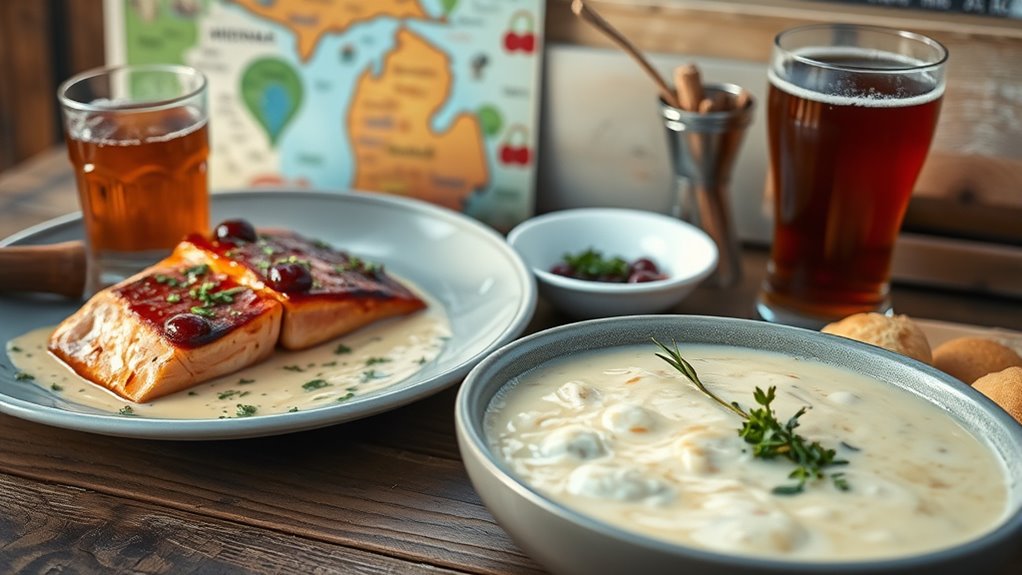
Among Michigan’s most recognizable foods are the Coney Dog and the famous cherry products, which embody the state’s rich culinary heritage. The Coney Dog features a hot dog smothered in savory chili, topped with onions and mustard, with regional variations like Detroit and Flint styles. Cherry products, especially tart cherries from Traverse City, are celebrated through jams, juices, and the iconic cherry pie. Michigan’s local farms produce vast quantities of cherries, making them central to many dishes and festivals. Additionally, Michigan is known for its rich, creamy Mackinac Island fudge, a favorite treat for tourists. Smoked freshwater fish from the Great Lakes also holds a special place in local cuisine, reflecting the state’s abundant natural resources. These foods showcase Michigan’s diverse culinary traditions and regional influences.

Marshall's Fudge Mackinac Island Fudge Four Slice Assortment (2 Pounds)
As an affiliate, we earn on qualifying purchases.
As an affiliate, we earn on qualifying purchases.
Cultural Heritage in Local Cuisine
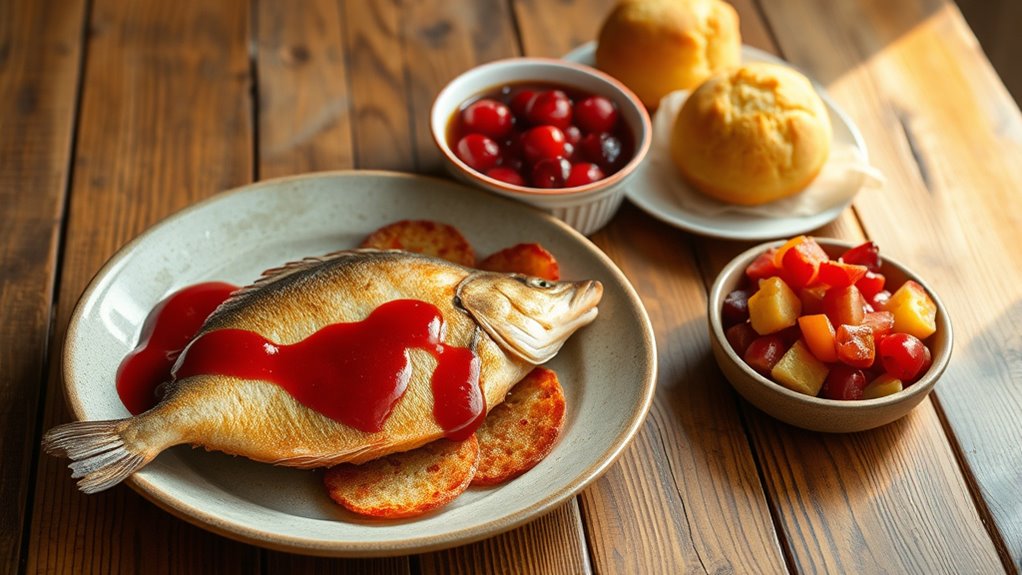
Michigan’s diverse immigrant communities have profoundly shaped its culinary landscape, infusing traditional recipes with new flavors and techniques. From Italian, Dutch, German, and Chinese influences, you see this blend in dishes like pasties, Dutch baked goods, and almond boneless chicken. These foods reflect historical migration patterns and cultural exchanges, preserving customs while adapting to local ingredients. Here’s a snapshot of cultural influences shaping Michigan cuisine:
| Community | Signature Dishes | Cultural Impact |
|---|---|---|
| Italian (U.P.) | Cudighi sausage | Spicy flavors and recipes |
| Dutch | Baked goods | Traditional baking and festivals |
| German | Sausages, pretzels | Beer gardens and hearty meals |
| Chinese-American | Almond Boneless Chicken | Fusion cuisine in Detroit |
| Scandinavian | Lefse, lutefisk | Preservation of Northern traditions |
Michigan’s culinary diversity also reflects regional culinary traditions, which continue to evolve through modern influences.
Michigan’s Food Products and Brands

The rich culinary heritage of Michigan is also reflected in its signature food products and local brands that have gained recognition beyond the state. You’ll find McClure’s Pickles, renowned for their family recipe and bold flavors, representing Detroit’s vibrant food scene. Michigan cherries are celebrated nationwide, especially through products like cherry pies, jams, and juices, thanks to Traverse City’s extensive orchards. Local cheese, particularly Pinconning cheese, showcases Michigan’s dairy craftsmanship. Smoked freshwater fish, a regional specialty, highlights the state’s access to Great Lakes resources. Additionally, Michigan-grown apples are used in a variety of products, from crisps to ciders, emphasizing the state’s agricultural strength. These brands and products embody Michigan’s commitment to quality, tradition, and local pride. Culinary traditions continue to evolve, blending historic recipes with modern influences to preserve Michigan’s unique food identity.
Festivals Celebrating Michigan Flavors
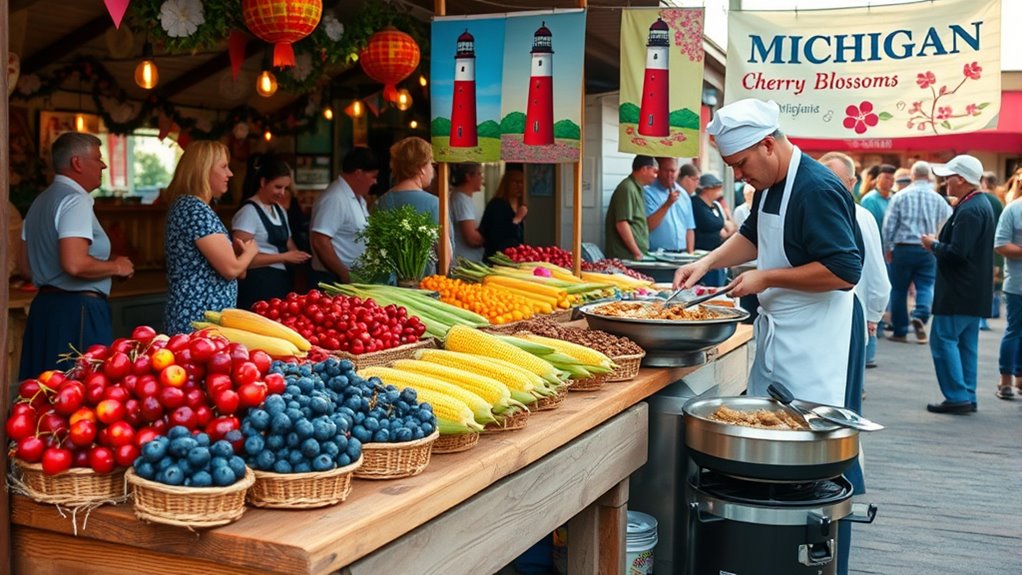
Michigan hosts lively festivals that highlight its rich culinary heritage, like the annual Cherry Festival in Traverse City. These events celebrate local flavors through tastings, cooking demonstrations, and cultural activities. Attending them offers a firsthand experience of Michigan’s beloved foods, from tart cherries to decadent fudge. They also foster a sense of community and joyful connection among residents and visitors alike.
Cherry Festival Celebrations
Every summer, the Cherry Festival in Traverse City draws thousands of visitors enthusiastic to celebrate Michigan’s rich cherry harvest. You’ll find vibrant parades, cherry-picking events, and tastings of fresh and processed cherries. Local vendors offer cherry pies, jams, wines, and candies, showcasing the region’s bounty. You can watch cherry pit-spitting contests or join fun runs through orchards, immersing yourself in the festive atmosphere. The festival also features live music, arts and crafts, and family activities, making it a lively celebration of Michigan’s agricultural heritage. As you explore, you’ll learn about the importance of cherries to the local economy and culture. This event highlights Michigan’s dedication to its signature fruit and provides a delicious, immersive experience rooted in tradition. Understanding the harvesting process can deepen your appreciation for the effort behind each cherry enjoyed at the festival.
Fudge and Food Fests
Have you ever tasted the rich, velvety goodness of Michigan fudge? If not, you’re missing out on a sweet tradition. Fudge festivals, like those on Mackinac Island, celebrate this iconic treat with tastings, demonstrations, and contests. These events draw visitors from all over, enthusiastic to sample the famous fudge in various flavors—from classic vanilla and chocolate to unique options like maple or cherry. Food festivals across Michigan highlight local flavors too, showcasing regional specialties like cherries, apples, and freshwater fish. These celebrations foster community spirit and promote local artisans. Whether you’re indulging in a fudge tasting or exploring diverse culinary offerings, food fests offer a delicious way to experience Michigan’s rich culinary heritage.
The Evolution of Michigan’s Food Scene
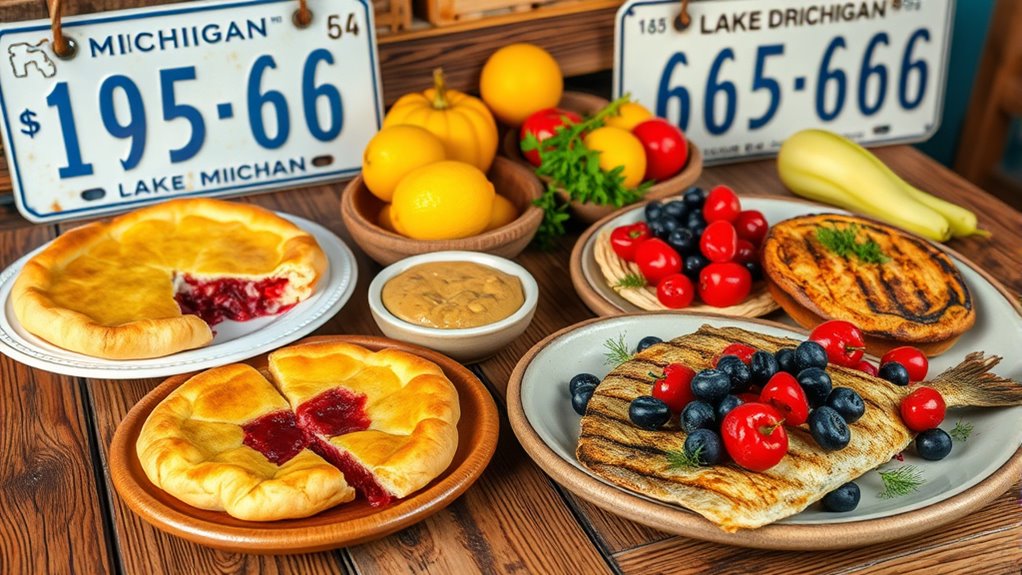
The food scene in Michigan has undergone a dynamic transformation, blending traditional recipes with innovative trends to reflect changing tastes and cultural influences. You’ll notice how chefs now incorporate local ingredients like cherries, apples, and freshwater fish into modern dishes, elevating classic flavors. The farm-to-table movement has gained momentum, emphasizing sustainability and supporting local farmers. Meanwhile, Detroit’s culinary landscape continues to evolve with new restaurants, showcasing diverse cuisines and creative twists on familiar favorites. Craft beverages, including craft beers and ciders, have become integral to the scene, complementing the state’s evolving palate. Food festivals celebrate Michigan’s rich agricultural heritage while encouraging experimentation. Additionally, affiliate partnerships have played a role in promoting local food products and culinary experiences. Overall, Michigan’s food scene seamlessly merges its historic roots with contemporary innovations, making it both authentic and exciting for residents and visitors alike.
Fusion and Innovation in Michigan Cooking

Michigan’s culinary scene is thriving with fusion and innovation, as chefs blend traditional ingredients with international flavors to create exciting new dishes. You might taste a sushi roll infused with Michigan cherries, or a spicy Italian sausage pizza topped with locally sourced vegetables. Chefs are experimenting with bold flavors and modern techniques to elevate classic recipes, making every bite memorable. Imagine:
Michigan’s chefs fuse global flavors with local ingredients for innovative, memorable dishes.
- A Korean-inspired smoked fish taco with tangy kimchi and Michigan trout
- An Asian-Italian fusion pasta with pistachios and a hint of wasabi
- A Middle Eastern twist on the Michigan pasty filled with spiced lamb and herbs
These inventive dishes showcase Michigan’s openness to culinary experimentation, blending cultural influences into a vibrant, contemporary food scene that keeps evolving with each new creation. The use of local ingredients plays a pivotal role in inspiring chefs to innovate and craft unique flavors that reflect Michigan’s diverse agricultural heritage.
The Role of Agriculture in Michigan’s Cuisine
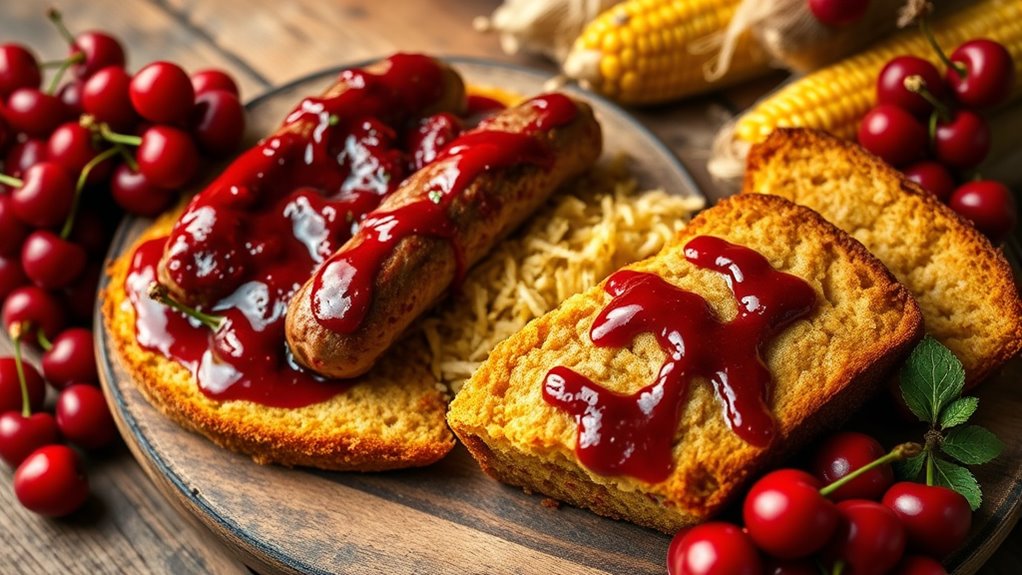
Agriculture plays an essential role in shaping Michigan’s culinary landscape, providing the fresh ingredients that define many local dishes. You’ll find Michigan’s fertile soil and favorable climate produce abundant cherries, apples, and blueberries, which feature prominently in desserts and beverages. The state’s lakes and rivers supply high-quality freshwater fish like trout and whitefish, often smoked or grilled in regional recipes. Michigan’s farms also grow potatoes, cabbage, and onions that serve as key ingredients in traditional dishes like pasties. Local dairies produce cheese varieties, including Pinconning cheese, adding distinct flavors to the cuisine. The farm-to-table movement emphasizes seasonal, locally sourced ingredients, ensuring that Michigan’s culinary identity remains connected to its agricultural roots. This symbiotic relationship enriches dishes and sustains the state’s food traditions.
Frequently Asked Questions
How Do Michigan’s Immigrant Communities Influence Its Regional Cuisines?
You can see Michigan’s immigrant communities shaping regional cuisines through iconic dishes like Detroit’s Almond Boneless Chicken, a Chinese-American favorite, and German-inspired foods in Frankenmuth, like hearty sausages and baked goods. These communities introduce new flavors, cooking techniques, and recipes that blend with local ingredients. Their contributions create a diverse culinary scene, reflecting Michigan’s rich cultural history and making its food uniquely vibrant and authentic.
What Are the Traditional Methods Used in Making Michigan’s Famous Fudge?
You might think making Michigan’s famous fudge is simple, but it’s an art. Typically, you heat sugar, butter, and milk to a precise temperature, then stir in rich chocolate or vanilla. Patience is key—once cooked, you pour it into molds and let it cool without rushing. Ironically, the hardest part is resisting the temptation to eat it all before it’s set, ensuring that perfect, velvety texture.
How Has the Farm-To-Table Movement Impacted Michigan’s Local Food Practices?
You’ve probably noticed that the farm-to-table movement has transformed Michigan’s food scene by emphasizing local ingredients. You now see more restaurants sourcing produce, dairy, and meats directly from nearby farms, which supports local farmers and guarantees freshness. This shift encourages sustainable practices and keeps traditional flavors alive. As a result, you get authentic, seasonal dishes that reflect Michigan’s agricultural bounty, making your dining experience more meaningful and connected to the land.
What Role Do Festivals Play in Preserving Michigan’s Culinary Heritage?
Festivals play a crucial role in preserving Michigan’s culinary heritage by celebrating local foods, traditions, and artisans. You get to experience regional specialties like cherries, pasties, and fudge firsthand, which helps keep these recipes alive. These events foster community pride, encourage cultural exchange, and attract tourists. By participating in festivals, you support local producers and guarantee Michigan’s rich food traditions continue to thrive for future generations.
How Are Modern Chefs Innovating With Traditional Michigan Ingredients?
Modern chefs are transforming Michigan’s culinary scene by creatively reimagining traditional ingredients like cherries, apples, and freshwater fish. They experiment with new flavors, techniques, and presentation styles, blending local flavors with international influences. You’ll see innovative dishes that highlight Michigan’s rich produce, such as cherry-infused desserts or smoked fish tapas. This approach preserves local heritage while appealing to contemporary tastes, making Michigan’s cuisine both innovative and rooted in tradition.
Conclusion
As you explore Michigan’s culinary landscape, you’re savoring a rich tapestry woven with diverse influences and deep-rooted traditions. Like a vibrant quilt, its flavors blend history, innovation, and local pride into a unique mosaic. By embracing these culinary gems, you become part of a living story—one that celebrates Michigan’s heritage while inspiring future tastes. So, immerse yourself and let Michigan’s food scene be your flavorful compass guiding you through its culinary soul.