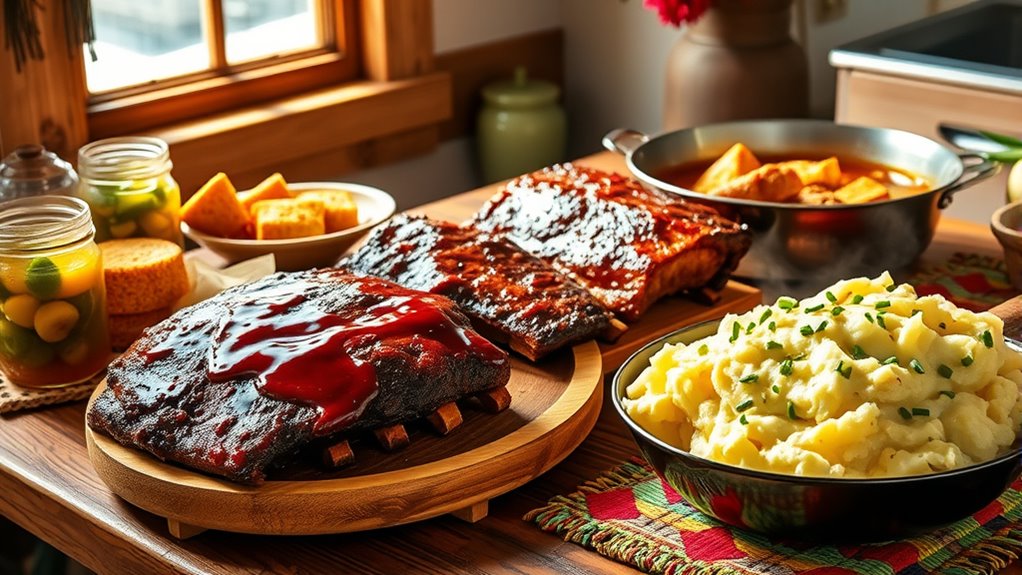

Midwestern cuisine is hearty and practical, rooted in staple ingredients like beef, pork, potatoes, and corn from the region’s farms. You’ll find comforting casseroles, loose meat sandwiches, deep-dish pizza, and gelatin salads that bring communities together. Influences from German and Scandinavian immigrants add unique flavors like rye bread and pickles. If you continue exploring, you’ll discover how these traditions create warm, delicious dishes that reflect the region’s rich heritage.

Get travel and outdoor gear delivered free with Prime
- Fast, free delivery on millions of items
- Prime Video, Amazon Music and more included
- Member-only deals all year
Key Takeaways
- Midwestern cuisine centers on hearty dishes featuring beef, pork, potatoes, corn, and dairy, reflecting the region’s agricultural roots.
- Signature foods include casseroles, hot dish, loose meat sandwiches, deep-dish pizza, and gelatin salads, emphasizing comfort and practicality.
- Cultural influences from German, Scandinavian, and European immigrants introduce sausages, rye bread, baked goods, and pickles.
- Community-focused traditions showcase potlucks with casseroles, cheesy soups, and gelatin molds, fostering warmth and shared heritage.
- Beverages like German beers, spiced coffee, and regional soft drinks complement filling side dishes of potatoes, noodles, and bread.
Midwestern casserole baking dish
As an affiliate, we earn on qualifying purchases.
As an affiliate, we earn on qualifying purchases.
Foundations of Midwestern Flavors: Staple Ingredients and Regional Staples
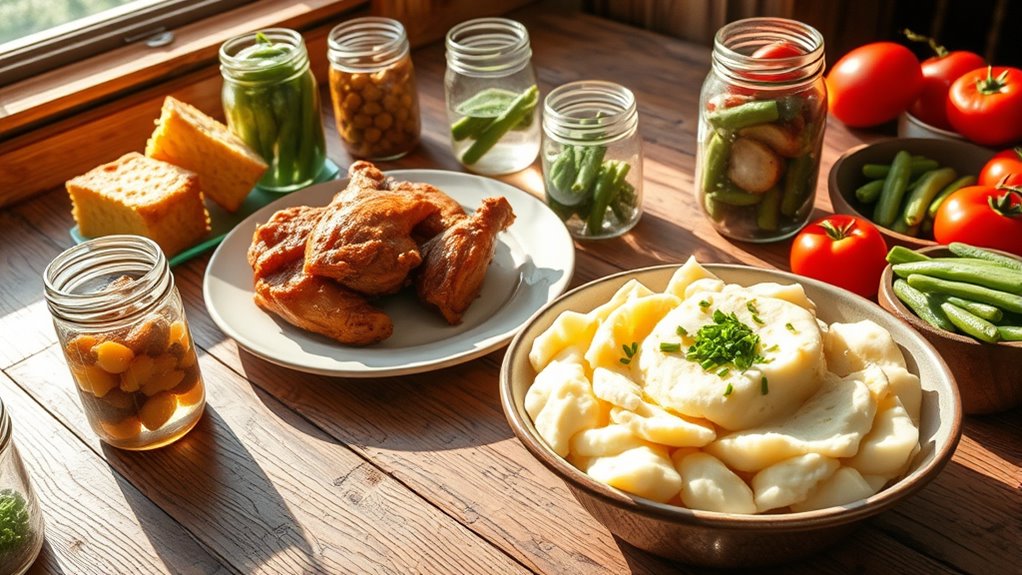
The heart of Midwestern flavors lies in its key ingredients, which reflect the region’s rich agricultural heritage. You’ll find beef, pork, potatoes, and corn at the core of many dishes, showcasing the area’s farming abundance. Dairy products like cheese and cream are heavily used, especially in comforting casseroles such as hot dish. Influences from German and Scandinavian immigrants introduce ingredients like dill pickles, cream cheese, and rye bread, adding unique regional flavors. Preservation methods, including canned vegetables and soups, support hearty, practical cooking. You’ll notice a resourceful use of different meat cuts, like ground beef for sandwiches or leftover roasts for hot beef dishes. These staples form the foundation of the region’s comforting, filling cuisine that celebrates its agricultural roots.
As an affiliate, we earn on qualifying purchases.
Signature Dishes and Cooking Styles Unique to the Midwest
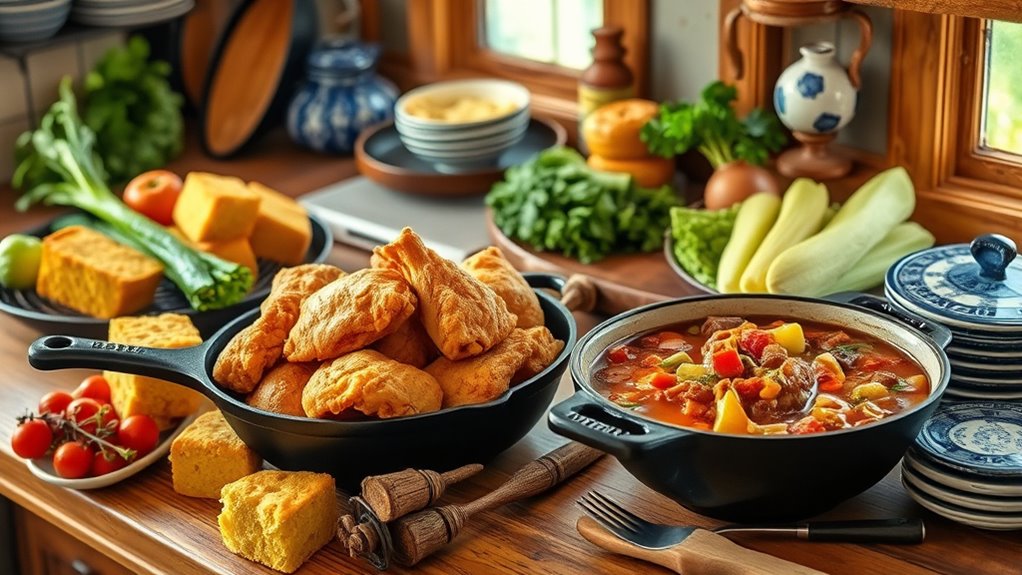
Midwestern cuisine is defined by its signature dishes and distinctive cooking styles that emphasize hearty, practical, and comforting flavors. You’ll find casseroles like the classic hot dish, layered with canned soups, potatoes, and cheese, offering easy, satisfying meals. The loose meat sandwich, originating in Iowa, combines seasoned ground beef on a bun, sometimes topped with cheese or unique local twists. Deep-dish pizza, a Chicago specialty, features a thick crust packed with toppings, showcasing bold regional style. Taco salads often use crushed Doritos as a base, topped with beef, veggies, and dressing. Gelatin salads, both sweet and savory, are common at potlucks, reflecting regional traditions. These dishes highlight resourcefulness, community, and a love for filling, flavorful comfort foods that define Midwestern cooking. Additionally, diversity in ingredients and preparation methods demonstrates how regional influences shape the unique culinary landscape of the Midwest.
As an affiliate, we earn on qualifying purchases.
Cultural Influences: Immigrant Contributions and Heritage Foods

Immigrant communities have left a lasting mark on the region’s culinary landscape, shaping traditional dishes and flavor profiles. Their influence is evident in many ways:
Immigrant communities have profoundly shaped the region’s hearty and diverse culinary traditions.
- German traditions bring hearty foods like sausages, rye bread, and sliced pickle wraps.
- Scandinavian immigrants introduced Trenary toast and baked goods, spreading regional specialties.
- Finnish influences shine through in Scandinavian-style baked goods and regional treats.
- European heritage, especially German and Scandinavian, contributed beverages like German beers and spiced coffee.
- Developing cultural intelligence enhances understanding of these diverse culinary influences helps appreciate how immigrant heritage continuously shapes regional food traditions.
These influences blend seamlessly with local ingredients, creating unique Midwestern flavors. You’ll notice their legacy in the hearty, comforting dishes, baked goods, and drinks that define the region’s food culture. Their contributions add depth and diversity, enriching Midwestern cuisine with a rich tapestry of immigrant heritage.
As an affiliate, we earn on qualifying purchases.
Comfort Foods and Community Celebrations in Midwestern Cuisine
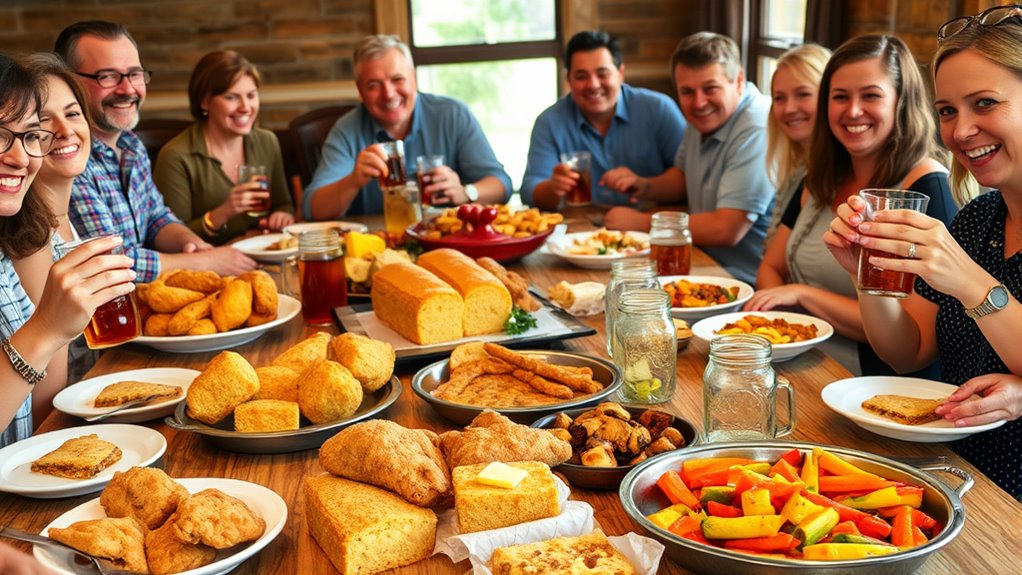
Comfort foods and community celebrations play a central role in shaping Midwestern cuisine, bringing families and neighbors together around hearty, familiar dishes. You’ll find casseroles like funeral potatoes and tater tot hot dish at potlucks, embodying practicality and shared tradition. Hot beef sandwiches and loose meat sandwiches offer warm, satisfying meals made from accessible ingredients, perfect for gatherings. Cheesy, cream-based dishes like cauliflower-cheddar soup provide comfort and showcase regional dairy abundance. Salads and gelatin molds—both sweet and savory—are staples at community events, evoking nostalgia. These dishes emphasize warmth, affordability, and togetherness, reflecting the region’s agricultural roots. Whether at family reunions or local festivals, Midwestern comfort foods foster a sense of belonging and shared heritage that defines the region’s culinary identity. Tableware also plays a vital role in enhancing the presentation and enjoyment of these traditional dishes.
Meat, Beverages, and Side Dishes That Define the Region

Meat plays a central role in defining the region’s culinary identity, shaping many of its most iconic dishes. You’ll find 1) hearty beef dishes like loose meat sandwiches and hot dish casseroles, emphasizing local cattle. 2) Pork is often featured in sausages, bratwursts, and smoked meats, reflecting European influences. 3) Side dishes complement these proteins with potatoes, noodles, and bread, creating filling meals. 4) Beverages like German beers, cinnamon-spiced coffee, and regional soft drinks enhance the experience. You might enjoy a cold apple-mint tea or a cold beer alongside a slice of rye bread or a gelatin salad. These elements showcase the region’s resourcefulness, its agricultural abundance, and its immigrant heritage, making meat, drinks, and sides integral to Midwestern culinary traditions.
Frequently Asked Questions
How Has Midwestern Agriculture Shaped Its Traditional Dishes?
Midwestern agriculture directly influences your traditional dishes by providing abundant beef, pork, potatoes, and corn, which form the foundation of many hearty meals. You’ll find these ingredients in casseroles like hot dish, meat sandwiches, and regional favorites like deep-dish pizza. The region’s dairy production also enriches your dishes with cheese and cream-based soups. This agricultural bounty encourages resourceful cooking, emphasizing filling, practical, and comforting foods rooted in local farming traditions.
What Role Do Dairy Products Play in Regional Comfort Foods?
Dairy acts as the heart and soul of Midwestern comfort foods, like a warm hug wrapped in cheese and cream. You’ll find it in bubbly casseroles, creamy soups, and cheesy salads, soothing your cravings with rich textures. Dairy’s golden touch transforms simple ingredients into hearty, nostalgic dishes that bring people together, turning everyday meals into cozy gatherings where the flavors of butter, cheese, and cream create lasting memories.
How Do Immigrant Influences Influence Contemporary Midwestern Cuisine?
Immigrant influences shape your contemporary Midwestern cuisine by introducing hearty, familiar ingredients and dishes. German and Scandinavian immigrants bring rye bread, pickles, and cinnamon-sugar bread, while Mexican-inspired dishes add vibrant flavors. These influences blend with local staples like beef, potatoes, and dairy, creating a diverse, comforting food scene. You’ll find traditional recipes adapted with regional ingredients, reflecting the region’s rich heritage and immigrant legacy in every hearty bite.
What Are the Regional Variations of the Iconic Hot Dish?
You’ll find that regional variations of hot dish in the Midwest reflect local ingredients and cultural influences. In Minnesota, you might see Tater Tot hot dish with cream of mushroom soup, cheese, and ground beef, while Iowa versions often include shredded pork or chicken. Wisconsin adds extra cheese or dairy, and Chicago-style hot dish may feature Italian sausage or unique toppings. Each area makes it their own, highlighting regional tastes and traditions.
How Do Regional Beverages Complement Midwestern Meal Traditions?
You’ll find regional beverages like German-style beers and cinnamon-spiced coffee act as the perfect dance partners for Midwestern meals. These drinks complement hearty dishes by balancing richness and adding warmth, much like a good tune sets the mood. Whether it’s a cold apple-mint tea or a citrusy soft drink, these beverages enhance communal dining, making every bite feel like a toast to regional pride and tradition.
Conclusion
Just like a hearty pot of Midwest stew, this cuisine blends diverse ingredients—immigrant roots, local staples, and community spirit—into a comforting, flavorful whole. Think of each dish as a story, simmered over generations, inviting you to taste history and tradition in every bite. When you explore Midwestern flavors, you’re savoring more than food—you’re experiencing a region that feeds both body and soul, one warm, satisfying dish at a time.
Halloween Picks
halloween
As an affiliate, we earn on qualifying purchases.