
Minnesota’s culinary traditions blend Native American ingredients like wild rice and game meats with influences from Scandinavian, German, Hmong, and Indian communities. You’ll find iconic dishes like hotdish, lutefisk, and frybread, often crafted with preserved and local ingredients. The food scene celebrates multicultural festivals, heritage preserves recipes, and innovative chefs create fusion dishes. If you explore further, you’ll discover how these diverse influences shape Minnesota’s vibrant and evolving food landscape.
Key Takeaways
- Minnesota’s cuisine features iconic dishes like hotdish, lutefisk, wild rice, and Juicy Lucy, reflecting its Native, Scandinavian, and immigrant heritage.
- Cultural communities such as Scandinavians, Germans, Hmong, Native Americans, and Indians influence regional flavors through traditional recipes and festivals.
- Native American culinary traditions emphasize wild rice harvesting and native ingredients, maintaining cultural identity and sustainable practices.
- The state’s food scene celebrates diversity with festivals, ethnic restaurants, and fusion cuisine, preserving heritage and fostering community bonds.
- Emerging trends include farm-to-table initiatives, food trucks, fusion dishes, and smart indoor gardens, enhancing Minnesota’s innovative culinary landscape.

It's Not A Casserole It's A Hotdish: Minnesota Favorites for Potlucks, Snow Days & Sunday Suppers
As an affiliate, we earn on qualifying purchases.
As an affiliate, we earn on qualifying purchases.
Iconic Minnesota Dishes and Their Origins

Have you ever wondered what makes Minnesota’s culinary landscape uniquely its own? It’s the combination of hearty, practical dishes that reflect the state’s history and environment. Take hotdish, for example. Originating in the 1930s, it’s a baked casserole with meat, vegetables, and canned soup, perfect for warming up during long winters. Then there’s lutefisk, a Scandinavian staple made from dried whitefish treated with lye, showcasing Nordic roots. Indigenous grains like wild rice also play an essential role, often found in soups and stuffing, highlighting Native American influence. The Juicy Lucy, a cheese-stuffed burger from Minneapolis, exemplifies local innovation. These dishes tell stories of Minnesota’s climate, heritage, and resourcefulness, forming a culinary identity rooted in traditional cuisine and practicality.
Lutefisk cooking kit
As an affiliate, we earn on qualifying purchases.
As an affiliate, we earn on qualifying purchases.
The Influence of Immigrant Communities on Local Cuisine

Immigrant communities have profoundly shaped Minnesota’s culinary landscape, infusing it with diverse flavors and traditions. You’ll find Hmong dishes like hot curries, papaya salad, and crispy pork, which have become staples at local markets and restaurants. Scandinavian influences, such as lefse, meatballs, and pickled herring, are common in the Twin Cities and reflect Nordic heritage. German immigrants introduced sausages, sauerkraut, and pastries, enriching regional food options. Indian communities have expanded the palette with curries and sweets like gulab jamun, often featured at festivals and food fairs. These diverse groups contribute to Minnesota’s vibrant, multicultural food scene, with festivals like the Festival of Nations showcasing their culinary traditions. Their influence creates a rich tapestry of flavors that define the state’s unique culinary identity. Additionally, the importance of networking within these communities has facilitated the sharing and preservation of culinary techniques across generations.

Bear Creek Soup Mix, Creamy Wild Rice, 9.6 Ounce
Loaded with hearty long grain wild rice
As an affiliate, we earn on qualifying purchases.
As an affiliate, we earn on qualifying purchases.
Native American Culinary Traditions and Their Role Today

You can see how wild rice remains a crucial part of Native American cuisine and cultural identity in Minnesota. Traditional food practices, like harvesting and preparing native ingredients, continue to honor these roots. These customs shape contemporary dishes and preserve a deep connection to the region’s Native heritage. Incorporating cultural preservation techniques ensures that these culinary traditions are maintained for future generations.
Wild Rice Significance
Why does wild rice hold such deep cultural and culinary significance for Native American communities in Minnesota? It’s more than just a food—it’s a sacred gift tied to traditions, spirituality, and identity. Wild rice, known as “manoomin,” is harvested during specific seasons and used in ceremonies that honor nature and ancestors. It provides nutrition and sustains communities both physically and spiritually. Today, wild rice remains central to Native American cuisine and cultural expression. You might see it in:
- Traditional harvest ceremonies
- Sacred offerings and rituals
- Celebratory dishes during festivals
- Modern recipes like soups and pilafs
- Cultural education programs emphasizing its importance
Wild rice embodies resilience, heritage, and respect for the land, making it a powerful symbol of Native American life in Minnesota.
Traditional Food Practices
Native American food practices in Minnesota continue to shape the region’s culinary landscape, honoring centuries-old traditions that emphasize sustainability and respect for nature. You’ll find wild rice harvesting still central to Ojibwe culture, celebrated through ceremonies and meals. Corn and beans, cultivated for generations, remain staples in soups and stews. Maple syrup, used historically for sweetness, continues to flavor many dishes. Modern Native cuisine incorporates frybread and locally caught walleye, blending tradition with innovation. Game meats like venison are also common, reflecting hunting roots. These practices influence contemporary food scenes, inspiring community events and menus that honor Native heritage. By preserving these traditions, you help keep Native American culinary identity alive, fostering awareness and respect for Minnesota’s indigenous roots.

JoyAmigo Cheese Burger Plush Toy – 7.8 Inch Soft Hamburger Stuffed Animal for Kids and Toddlers, Squishy Food Plushie for Children Room Decor, Gift for Kids and Lovers, Easter Basket Stuffers
STAYS FLUFFY & DEFORM-FREE: Unlike vacuum-packed toys that arrive flat, our 7.8" cheese burger plush uses non-compressed packaging….
As an affiliate, we earn on qualifying purchases.
As an affiliate, we earn on qualifying purchases.
The Role of Food in Minnesota’s Cultural Identity and Celebrations
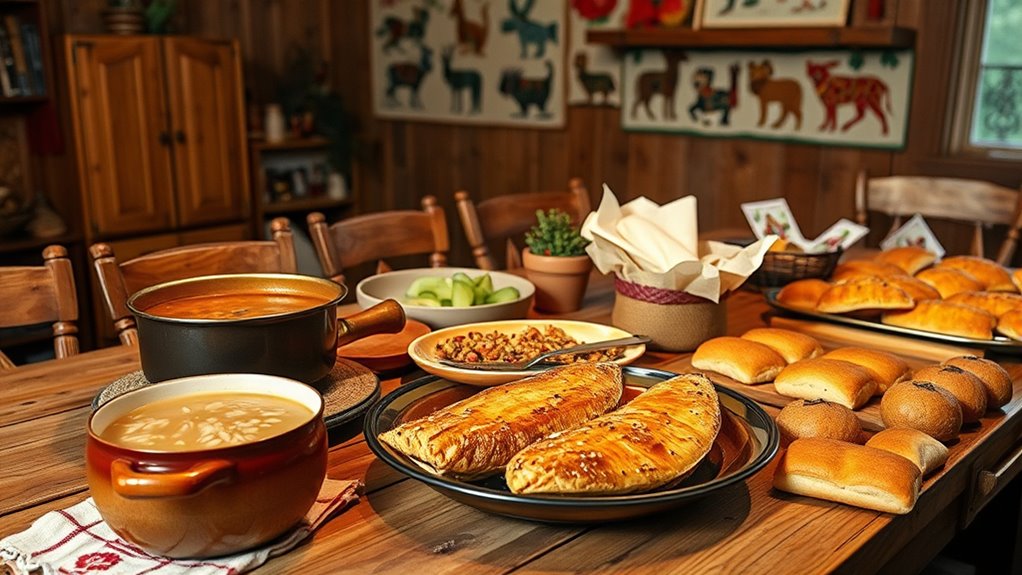
Food plays a crucial role in shaping Minnesota’s cultural identity and bringing communities together during celebrations. Through traditional dishes and festivals, locals honor their heritage and share diverse culinary stories. These events and recipes strengthen bonds and keep cultural traditions alive for future generations.
Cultural Festivals Celebrate Diversity
Cultural festivals in Minnesota play an essential role in celebrating the state’s diverse heritage through vibrant food experiences. These events bring communities together, showcasing a rich tapestry of immigrant and Native American cuisines. When you attend, you might enjoy:
- Authentic Scandinavian dishes like lefse and lutefisk
- Spicy Hmong specialties such as hot curries and papaya salad
- Traditional German fare including sausages and sauerkraut
- Native American staples like wild rice dishes and frybread
- Indian treats like gulab jamun and flavorful street foods
These festivals highlight the unique flavors that define Minnesota’s multicultural identity. They serve as a platform for preserving culinary traditions, fostering understanding, and creating a sense of belonging among diverse communities. Food becomes a bridge uniting everyone in celebration. Additionally, the diverse cuisine offerings are often presented with creative and unique presentation, enhancing the cultural experience for attendees.
Traditional Dishes Preserve Heritage
Celebrations and festivals in Minnesota often revolve around traditional dishes that carry deep cultural significance, serving as living links to the past. You can see how these recipes embody the region’s history, from Scandinavian lefse and lutefisk to Native American wild rice dishes. These foods preserve heritage by passing down techniques, ingredients, and stories through generations. Immigrant communities, like the Hmong, German, and Scandinavian groups, keep their culinary traditions alive during cultural events, reinforcing identity. Native American foods, such as frybread and walleye, also honor ancestral practices. When you indulge in these dishes, you’re participating in a living tradition that connects you to Minnesota’s diverse history. Food becomes more than sustenance — it’s a powerful way to honor, remember, and celebrate cultural roots. Food preservation methods also play a crucial role in maintaining these culinary traditions over time.
The Food Industry’s Impact on Minnesota’s Culinary Scene
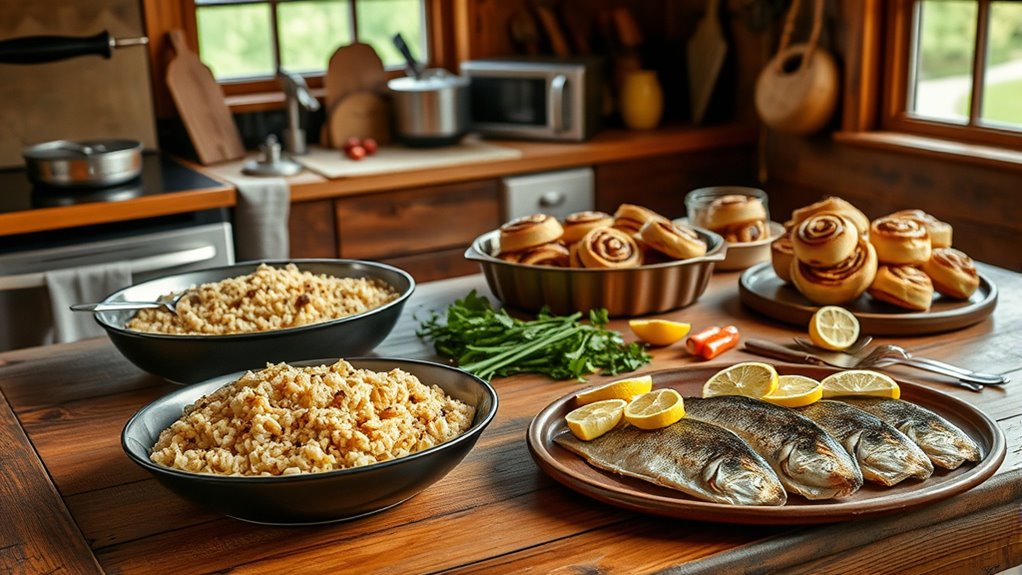
The food industry has considerably shaped Minnesota’s culinary landscape by driving innovation and expanding access to diverse cuisines. You’ll notice this in the rise of ethnic restaurants, from Hmong and Indian eateries to Scandinavian bakeries, bringing authentic flavors to the forefront. Food festivals showcase multicultural dishes, boosting tourism and local pride. Chefs like Ann Kim blend global techniques with regional ingredients, creating new culinary trends. Convenience foods like canned soups and frozen meals helped popularize hotdish, a Minnesota staple, while fast-food chains and regional BBQ spots reflect evolving tastes. You might also see:
- Ethnic restaurants expanding culinary diversity
- Food festivals celebrating multicultural heritage
- Chefs experimenting with fusion cuisine
- Convenience products shaping traditional dishes
- Local ingredients inspiring innovative menus
Furthermore, the integration of Smart Indoor Gardens is beginning to influence local restaurants and home cooking by providing fresh, sustainable herbs and vegetables year-round.
Traditional Ingredients and Cooking Practices Unique to Minnesota
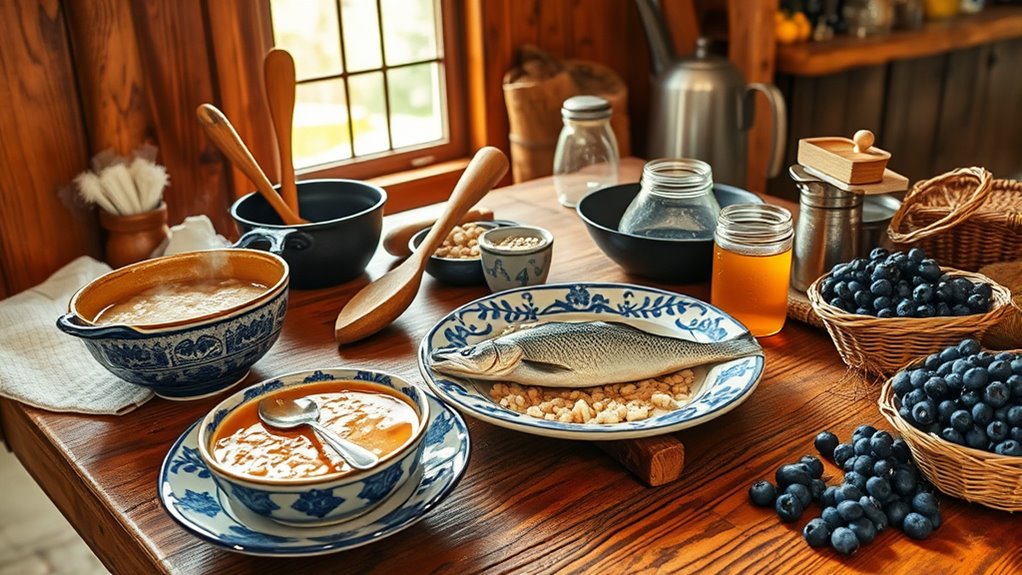
Minnesota’s culinary identity is deeply rooted in its native ingredients and traditional cooking practices that have been passed down through generations. You’ll find wild rice, a staple harvested by Native Americans, often used in soups, stuffing, and side dishes. Potatoes and berries, especially chokecherries and wild blueberries, are common in pies, jams, and preserves. Freshwater fish like walleye and northern pike feature prominently in local meals, often smoked or fried. Preservation methods such as smoking, curing, and pickling help extend ingredients’ shelf life and add flavor. Seasonal eating plays a crucial role, with foods like maple syrup in spring and wild game in winter. Baking traditional Scandinavian breads and pastries, like lefse and krumkake, also reflects Minnesota’s cultural heritage, emphasizing simple, hearty, and resourceful cooking practices. Additionally, the use of local ingredients highlights the importance of sustainable and community-based food traditions in Minnesota’s culinary scene.
Fusion and Innovation: Evolving Flavors in Minnesota’s Food Scene
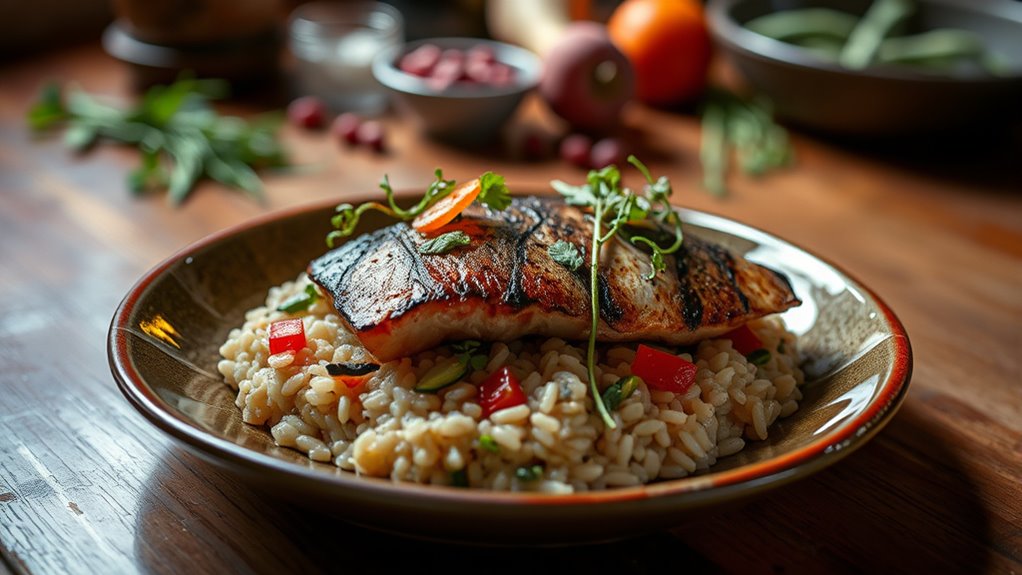
As the culinary landscape continues to evolve, chefs and food enthusiasts in Minnesota are blending traditional flavors with global influences to create innovative dishes. You’ll find local ingredients like wild rice, walleye, and berries reimagined with international techniques and spices. This fusion results in exciting new flavors and textures that reflect Minnesota’s diverse communities. You might taste a Korean-inspired kimchi hotdish or a Scandinavian twist on Asian dumplings. Chefs experiment with cross-cultural dishes, incorporating ingredients like curry, miso, or fresh herbs. Developing strong communication skills enables chefs to effectively share their culinary inspirations and collaborate across cultures.
Frequently Asked Questions
How Does Minnesota Incorporate Local Wild Game Into Modern Cuisine?
You can incorporate local wild game into modern Minnesota cuisine by preparing venison steaks or ground venison in hearty stews and burgers, highlighting the region’s hunting traditions. Walleye and other freshwater fish are often grilled or pan-fried, while game meats like duck or pheasant find their way into upscale dishes. Chefs blend these ingredients with contemporary techniques, creating flavorful and sustainable meals that honor Minnesota’s hunting and gathering heritage.
What Are Lesser-Known Native American Dishes Still Prepared Today?
Ever wonder what lesser-known Native American dishes are still prepared today? You might not realize that dishes like wild rice salads, traditional frybread topped with savory ingredients, and smoked fish remain favorites. Many Native chefs incorporate these timeless recipes into modern menus, celebrating their cultural roots. These dishes evoke the spirit of Minnesota’s indigenous heritage, blending history and flavor, keeping Native culinary traditions alive and thriving in contemporary food scenes.
How Do Festivals Promote Preservation of Diverse Culinary Traditions?
You see festivals promote preservation of diverse culinary traditions by showcasing authentic dishes from different cultures, encouraging community participation and cultural pride. You can taste traditional foods, learn their history, and watch cooking demonstrations that keep recipes alive. Festivals also foster intergenerational sharing, ensuring that younger generations understand and carry forward their culinary heritage. By celebrating these foods publicly, festivals help maintain cultural identity and inspire continued culinary innovation.
What Role Do Immigrant-Owned Restaurants Play in Minnesota’s Economy?
Immigrant-owned restaurants are the heartbeat of Minnesota’s diverse economy, fueling cultural exchange and creating jobs. They act like vibrant bridges connecting traditions to the local community, inviting everyone to taste the world without leaving their neighborhood. By drawing in food lovers and tourists alike, these eateries boost local spending and promote culinary innovation. Their presence keeps Minnesota’s food scene dynamic, colorful, and thriving, enriching both culture and economy simultaneously.
How Have Regional Ingredients Influenced Contemporary Minnesota Fusion Dishes?
You see how regional ingredients shape Minnesota fusion dishes by inspiring chefs to blend local flavors with global cuisine. Wild rice, freshwater fish, berries, and game meats serve as the foundation for innovative recipes like wild rice tacos or walleye sushi. These ingredients add authenticity and regional pride, making your dishes unique. By incorporating Minnesota’s native ingredients, you create vibrant, memorable fusion dishes that celebrate local heritage while appealing to diverse tastes.
Conclusion
So, next time you savor a Minnesota dish, remember it’s more than just comfort food—it’s a tasty blend of history, culture, and immigrant tales. Ironically, despite its reputation for cold winters, Minnesotans warm up with flavors that have traveled across oceans and centuries. Your plate tells a story of resilience and innovation, proving that even in the frost, Minnesota’s culinary scene continues to surprise and unite. Bon appétit to the land of hearty, unexpected flavors!