Pennsylvania’s cuisine reflects its German immigrant roots, with hearty dishes like scrapple and Lebanon bologna at its heart. You’ll find traditional techniques like smoking, fermenting, and pickling still in use, preserving flavors and resources. Regional influences add unique touches, blending German, Italian, and local ingredients. From festive gatherings to food festivals, Pennsylvania celebrates its culinary heritage through authentic recipes and modern twists. Keep exploring to uncover more about these timeless food traditions.
Key Takeaways
- Pennsylvania cuisine is shaped by German, Italian, and local influences, featuring hearty dishes like scrapple, Lebanon bologna, and pretzels.
- Preservation techniques such as smoking, fermenting, and pickling are integral, creating distinctive flavors in regional foods.
- Traditional dishes vary by region, with influences from German settlers, Philadelphia’s Italian-American fare, and local ingredients.
- Food festivals, farmers’ markets, and family gatherings celebrate regional specialties and culinary heritage.
- Modern adaptations and culinary tourism help preserve and promote Pennsylvania’s rich culinary traditions.
As an affiliate, we earn on qualifying purchases.
The Roots of Pennsylvania Dutch Cuisine

The roots of Pennsylvania Dutch cuisine trace back to German settlers who arrived in the 17th and 18th centuries, bringing their culinary traditions and preservation techniques with them. You’ll notice how they adapted familiar recipes to fit the resources available in the New World. For example, they used local grains and meats, substituting beef for pork in some sausage recipes. Preservation methods like smoking, fermenting, and pickling became essential for surviving harsh winters. These techniques helped them make the most of every part of the animal and leftover ingredients, emphasizing thrift and practicality. Their cuisine reflects a focus on simplicity and resourcefulness, with dishes rooted in their German heritage but shaped by the environment and needs of frontier life. This blend created a hearty, enduring food culture. Additionally, knowledge of food preservation techniques played a crucial role in maintaining their food supply during long winters.
As an affiliate, we earn on qualifying purchases.
Iconic Dishes and Key Ingredients
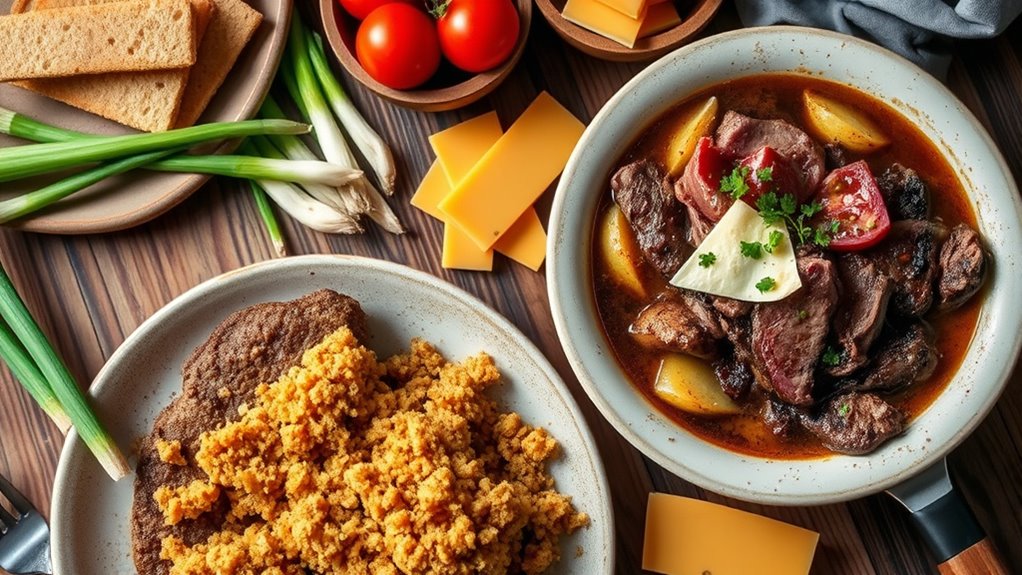
Pennsylvania Dutch cuisine features several iconic dishes and ingredients that reflect its German roots and resourcefulness. You’ll find hearty favorites like scrapple, made from pork scraps and cornmeal, pan-fried for breakfast. Lebanon bologna, a sweet-tangy smoked sausage, is a regional staple. Baking traditions include shoofly pie with molasses and sand tarts, crisp cookies rooted in German heritage. These dishes highlight simple, local ingredients and preservation methods like smoking and fermenting. The use of filtration technology in food preservation techniques showcases the ingenuity of traditional methods.
As an affiliate, we earn on qualifying purchases.
Historical Influences and Regional Variations

Many Pennsylvania Dutch dishes have evolved by adapting German culinary techniques to local ingredients and conditions. You’ll notice how recipes like scrapple incorporate cornmeal instead of traditional grains, reflecting available resources. Regional variations also develop based on local produce and meats; Lebanon County’s Lebanon bologna is a prime example, with its unique curing process. In Philadelphia, immigrant influences introduced soft pretzels and hoagies, blending German and Italian traditions. You’ll find that preservation methods like smoking, fermenting, and pickling became essential for surviving harsh winters, shaping regional flavors. Different areas emphasize specific dishes—such as chow-chow in the south or dandelion salads in rural communities—highlighting how geography and local resources influence culinary identities. These variations showcase Pennsylvania’s diverse cultural roots and adaptation over generations. Additionally, remote hackathons have become a popular platform for fostering innovation and collaboration among diverse teams, even across great distances.
food preservation fermentation kit
As an affiliate, we earn on qualifying purchases.
As an affiliate, we earn on qualifying purchases.
Traditional Food Preservation and Cooking Techniques
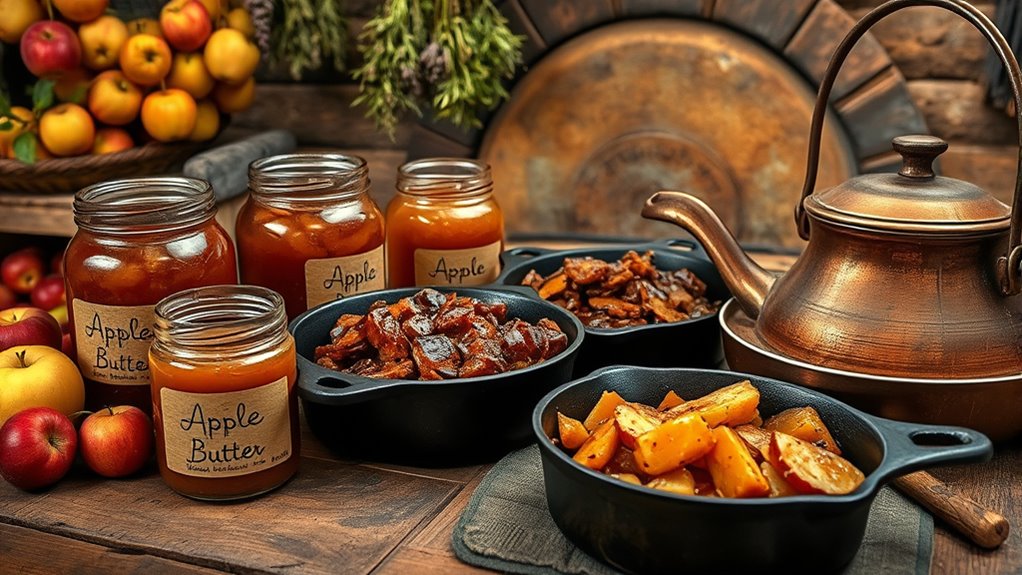
Traditional Pennsylvania Dutch cooking relies heavily on preservation techniques like smoking, fermenting, and pickling to guarantee food lasts through harsh winters and scarce seasons. You’ll find smoking in products like Lebanon bologna, which develops its flavor over time. Fermentation creates tangy condiments such as chow-chow, a sweet relish of tomatoes and vegetables. Pickling preserves seasonal vegetables, ensuring fresh flavors year-round. These methods maximize ingredients and reduce waste, reflecting resourcefulness and tradition. The table below highlights common techniques and their uses:
| Technique | Food Examples | Purpose |
|---|---|---|
| Smoking | Lebanon bologna, meats | Flavor, preservation |
| Fermenting | Sauerkraut, chow-chow | Tanginess, extending shelf-life |
| Pickling | Vegetables, cucumbers | Food preservation, flavor |
| Canning | Fruits, jams | Long-term storage |
Additionally, these techniques are integral to food preservation and have been passed down through generations, maintaining cultural identity and culinary heritage.
Modern Celebrations and Present-Day Foodways
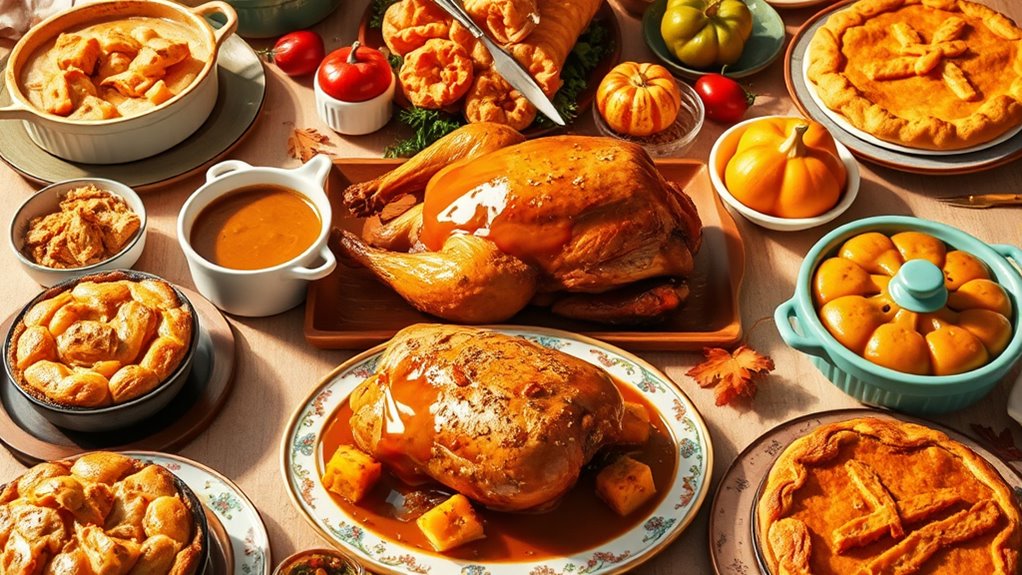
Today, Pennsylvania Dutch culinary traditions continue to thrive through modern celebrations and foodways that honor the past while embracing new influences. You’ll find traditional dishes like scrapple and Lebanon bologna served at festivals, family gatherings, and community events, often with contemporary twists. Farmers’ markets and food festivals showcase regional specialties alongside innovative recipes that incorporate local ingredients and global flavors. Many families still prepare classic favorites for holidays, but they also experiment with healthier options or fusion dishes to reflect current tastes. Social media and culinary tourism help share these traditions with a broader audience, ensuring they stay relevant. Restaurants and cookbooks highlight both authentic recipes and modern adaptations, keeping Pennsylvania Dutch foodways vibrant and connected to both history and today’s dining trends. Incorporating cultural preservation efforts helps maintain these culinary traditions for future generations.
Frequently Asked Questions
How Has Pennsylvania Dutch Cuisine Influenced Modern Pennsylvania Food Culture?
Pennsylvania Dutch cuisine influences your modern Pennsylvania food culture through its hearty, communal dishes like scrapple, Lebanon bologna, and pickled toppings, which you find at local markets and restaurants. These traditional recipes promote family gatherings and celebrate local ingredients. You also see German-inspired baking, such as shoofly pie and sand tarts, integrated into contemporary baking. This rich heritage shapes your appreciation for regional flavors and culinary traditions that continue to thrive today.
Are There Vegetarian or Vegan Adaptations of Traditional Pennsylvania Dutch Dishes?
Yes, you can find vegetarian and vegan adaptations of Pennsylvania Dutch dishes. For example, veggie scrapple uses plant-based proteins and spices, while vegan shoofly pie replaces molasses with maple syrup or agave. You might also enjoy plant-based chow-chow or salads substituting for foraged greens. Many local chefs and home cooks are creative, making traditional flavors accessible to those following vegetarian or vegan lifestyles.
What Are Some Lesser-Known Regional Specialties Within Pennsylvania Dutch Cuisine?
You’ll find lesser-known regional specialties like Dandelion salad with hot bacon dressing, which highlights foraged greens and springtime flavors unique to Pennsylvania Dutch areas. In Berks County, you might discover regional variations of chow-chow, a tangy relish, or local take on corn pie, emphasizing seasonal ingredients. Exploring small towns and county fairs reveals these hidden gems, letting you experience authentic, lesser-known Pennsylvania Dutch dishes rooted in local traditions and seasonal bounty.
How Do Contemporary Chefs Incorporate Traditional Pennsylvania Dutch Flavors Into New Dishes?
Contemporary chefs incorporate Pennsylvania Dutch flavors by blending traditional ingredients like Lebanon bologna, scrapple, and chow-chow into modern dishes. They experiment with plating and presentation, turning hearty classics into gourmet fare. You might find scrapple served as a crispy appetizer or chow-chow as a vibrant condiment. Chefs also fuse these flavors with global cuisines, creating innovative dishes that honor tradition while appealing to today’s palates, making the heritage both accessible and exciting.
Where Can Visitors Experience Authentic Pennsylvania Dutch Food Outside of Pennsylvania?
You can find authentic Pennsylvania Dutch flavors outside Pennsylvania at specialty gourmet shops, regional food festivals, and ethnic markets in the Midwest and South. Think of these places as bridges, connecting you to a rich cultural heritage through familiar tastes like Lebanon bologna, scrapple, and shoofly pie. Local restaurants embracing traditional recipes also serve as culinary storytellers, inviting you to experience the warmth and history of Pennsylvania Dutch food wherever you are.
Conclusion
As you explore Pennsylvania’s culinary landscape, you step into a vibrant tapestry woven with history and tradition. Each bite tells a story, like a flavorful bridge connecting generations. Embrace the rich flavors and timeless techniques that make Pennsylvania Dutch cuisine unique—it’s a delicious reminder that food is more than sustenance; it’s a celebration of culture, history, and community. So, savor every moment—your journey through Pennsylvania’s foodways is a feast for the senses.