
Vermont’s history is shaped by ancient geology, indigenous peoples, and a fierce independence that started with its fight for self-governance in the Revolutionary War. Its culture reflects immigrant influences, progressive policies, and a love for arts, crafts, and traditions. From historic sites to vibrant festivals, Vermont values preserving its unique heritage while embracing social change. If you want to explore how its past continues to influence its vibrant community today, there’s much more to discover.
Key Takeaways
- Vermont’s history includes indigenous settlements, revolutionary independence, and a culture rooted in resilience and self-governance.
- The state’s diverse immigrant communities contributed to industrial growth and shaped social and cultural movements.
- Vermont pioneered progressive policies like civil unions, same-sex marriage, and recreational cannabis legalization.
- Its rich artistic traditions are inspired by natural landscapes, including folk crafts, music festivals, and literary figures.
- Preservation of historic sites and customs maintains Vermont’s cultural identity and connects residents to its heritage.
Geological Foundations and Native American Heritage
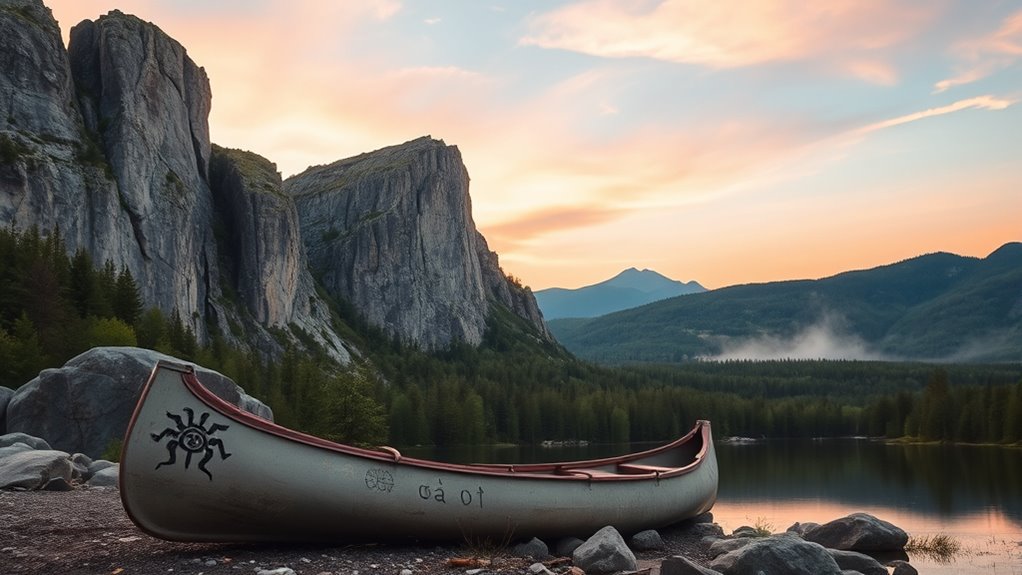
Vermont’s geological history begins over 450 million years ago during the Cambrian and Devonian periods, shaping the rugged landscape you see today. This ancient history created the hills, valleys, and mineral-rich soils that early inhabitants relied on. Native Americans, including the Archaic hunter-gatherers and Woodland communities, settled here thousands of years ago, utilizing the land’s resources for survival. They hunted, fished, and gathered plants, respecting the natural environment. The landscape’s natural features, like lakes and forests, influenced where tribes established settlements and how they lived. These early connections to the land laid the foundation for Vermont’s cultural heritage, blending natural history with the traditions and stories of its first peoples. Their presence and respect for the environment remain integral to Vermont’s identity today. Additionally, the region’s geological foundations continue to influence the soil fertility and landscape features that shape local culture and traditions.
Colonial Roots and Revolutionary Spirit

Have you ever wondered how Vermont’s early history shaped its unique identity? Vermont’s colonial roots and revolutionary spirit set it apart. You can picture the rugged landscape where the Green Mountain Boys fought for independence, symbolized by this table:
| Patriots’ Courage | Land of Resistance |
|---|---|
| Militia defending | Against land disputes |
| their homes | and British control |
| Revolutionary | Spirit of independence |
Vermont declared itself an independent republic in 1777, resisting New York and New Hampshire claims. Its leaders prioritized self-governance, fostering a fierce sense of autonomy. This revolutionary spirit still echoes today in Vermont’s identity as a state born from resilience, shaping its values of independence and community. Vermont’s independence remains a core part of its cultural legacy.
Demographic Shifts and Social Movements of the 19th Century
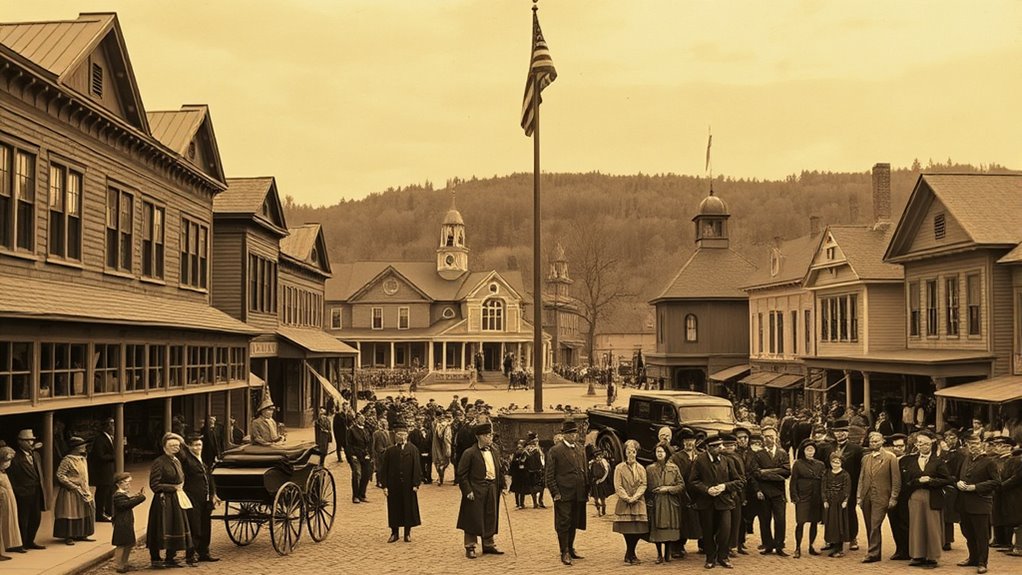
During the 19th century, Vermont saw a surge in immigrant populations, including Irish, Scottish, and Italian communities, changing its social fabric. These newcomers often worked in industries like granite and operated boarding houses, shaping local economies and cultures. At the same time, abolitionist movements gained momentum, reflecting growing social activism and a push toward ending slavery. The influence of these diverse groups can still be seen in the region’s cultural heritage, which is celebrated through local festivals and preserved historic sites.
Immigrant Population Growth
The 19th century brought significant demographic shifts to Vermont as waves of Irish, Scottish, and Italian immigrants arrived to fill labor shortages and seek new opportunities. You’ll notice these newcomers primarily settled in towns like Barre, working in granite quarries and running boarding houses. They contributed to Vermont’s growing industries and cultural diversity. These groups often faced social tensions, especially with native-born Protestants wary of Catholic influence. To understand this, consider the following:
| Immigrant Group | Key Contributions / Challenges |
|---|---|
| Irish | Worked in mills, faced discrimination |
| Scottish | Contributed to local industry, community ties |
| Italian | Labor in quarries, small businesses |
| Social Tensions | Religious conflicts, cultural shifts |
This influx reshaped Vermont’s social fabric, fueling change across the state. Cybersecurity concerns during the 19th century also reflected the evolving societal landscape, illustrating the importance of adaptive security measures.
Abolitionist Movements Rise
As Vermont’s population grew more diverse with Irish, Scottish, and Italian immigrants in the 19th century, social movements surrounding issues like slavery and civil rights gained momentum. You see, local abolitionists passionately fought to end slavery, inspired by religious and moral convictions. Prominent figures, like Reverend Joshua Young, supported John Brown’s cause, fueling anti-slavery efforts. Vermont’s leaders debated the morality of slavery, pushing for emancipation and equal rights. The movement wasn’t just about freeing slaves; it challenged societal norms and inspired activism across communities. These efforts fostered a sense of justice and progressive values within the state. As you explore Vermont’s history, you’ll recognize how these social movements shaped its identity as a leader in civil rights and abolitionist ideals.
Industrial Growth and Early 20th Century Changes
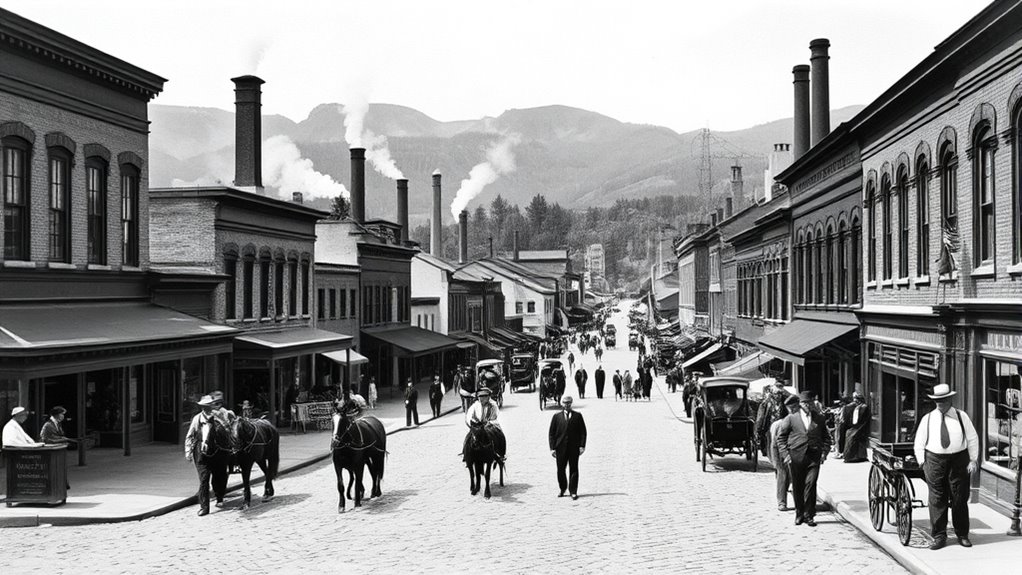
Industrial growth in Vermont accelerated in the early 20th century, driven primarily by the booming granite industry and small-scale manufacturing enterprises. You see, towns like Barre became centers for granite extraction, fueling economic expansion. Transportation improvements, like the Lake Champlain steamboat launched in 1906, boosted trade and movement. During this period, social tensions arose around urbanization and immigration, shaping local communities. To illustrate, here’s a snapshot:
| Industry | Key Development | Impact |
|---|---|---|
| Granite Quarrying | Rapid expansion in Barre | Employment growth |
| Manufacturing | Small-scale workshops flourish | Local economy diversification |
| Transportation | Steamboats and railroads | Market reach extension |
| Social Changes | Urbanization and migration | Cultural shifts |
These changes marked Vermont’s progression toward modern industry and society. Water transportation also played a vital role in connecting communities and facilitating commerce across the state.
Political Milestones and Progressive Legislation
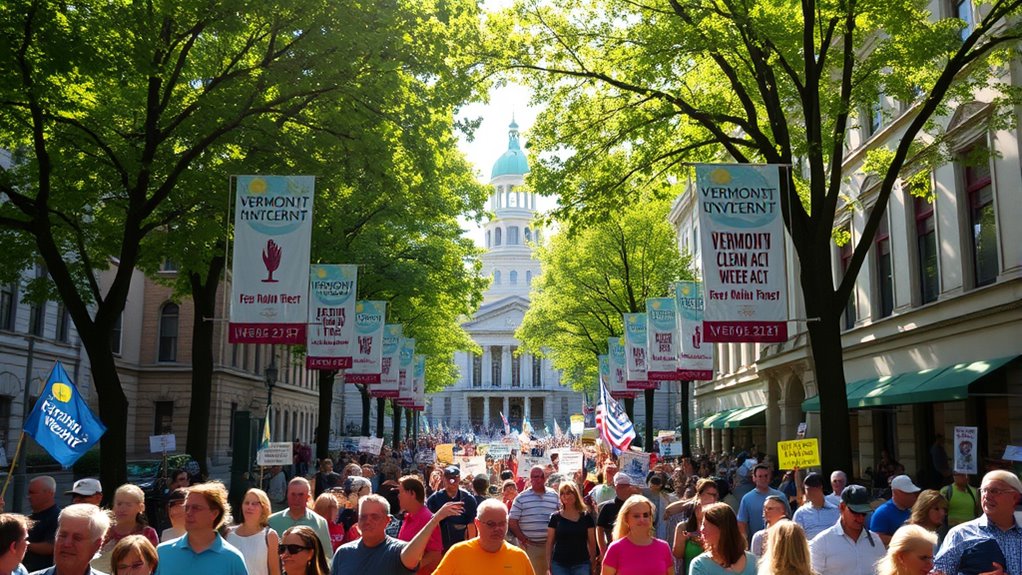
Vermont has led the way with groundbreaking policies that reflect its progressive spirit. You’ll see how the state became the first to legalize civil unions and then same-sex marriage, setting national standards. Recently, Vermont also became the first to legalize recreational marijuana through legislation, demonstrating its ongoing commitment to personal freedoms. This dedication to social justice underscores Vermont’s role as a pioneer in advancing equality and individual rights.
First Civil Unions
Did you know that Vermont led the way in recognizing same-sex relationships with the nation’s first civil unions? In 2000, Vermont became the first state to legalize civil unions, granting same-sex couples legal rights comparable to marriage. This groundbreaking legislation reflected Vermont’s progressive stance on civil rights and personal freedoms. The law allowed couples to establish legal relationships without redefining marriage itself, which was still illegal for same-sex partners elsewhere. The move sparked national attention and inspired other states to contemplate similar laws. Vermont’s civil unions marked a significant milestone in LGBTQ+ rights, emphasizing equality and inclusion. It demonstrated the state’s commitment to social justice and set a precedent for future advancements in marriage equality across the United States. Additionally, the legislation played a key role in shaping public opinion and fostering acceptance of LGBTQ+ individuals nationwide.
Marijuana Legalization Milestone
In 2018, Vermont made a historic move by becoming the first state in the U.S. to legalize recreational marijuana through legislative action. This milestone reflected Vermont’s progressive stance on personal freedoms and social justice. The legislation aimed to reduce criminal justice disparities, generate tax revenue, and regulate safe use. The decision marked a shift in statewide attitudes toward drug policy, emphasizing public health and personal choice. The table below highlights Vermont’s core principles driving this change:
| Justice | Economy | Public Health |
|---|---|---|
| Reduce disparities | Tax revenue growth | Safe consumption |
| Fair enforcement | Support local businesses | Education campaigns |
| Equal access | Job creation | Prevent misuse |
This milestone underscores Vermont’s commitment to balancing individual rights with responsible governance. Notably, the legalization process involved careful consideration of electric bike safety regulations and community impact to ensure sustainable implementation.
Progressive State Policies
Throughout its history, Vermont has consistently led the way in enacting progressive policies that reflect a commitment to social justice, individual rights, and innovative governance. You see this in how Vermont pioneered civil unions in 2000, becoming the first state to recognize same-sex partnerships legally. In 2009, it voluntarily legalized same-sex marriage, affirming its dedication to equality. Additionally, Vermont became the first state to legalize recreational cannabis in 2018, setting a national precedent. The state’s policies often emphasize personal freedoms, social equity, and environmental sustainability. Vermont’s leadership in progressive legislation demonstrates its ongoing effort to balance tradition with modern values, shaping a reputation as a trailblazer for social reform and inclusive governance across the nation. All Waterparks
Cultural Identity and Artistic Influences
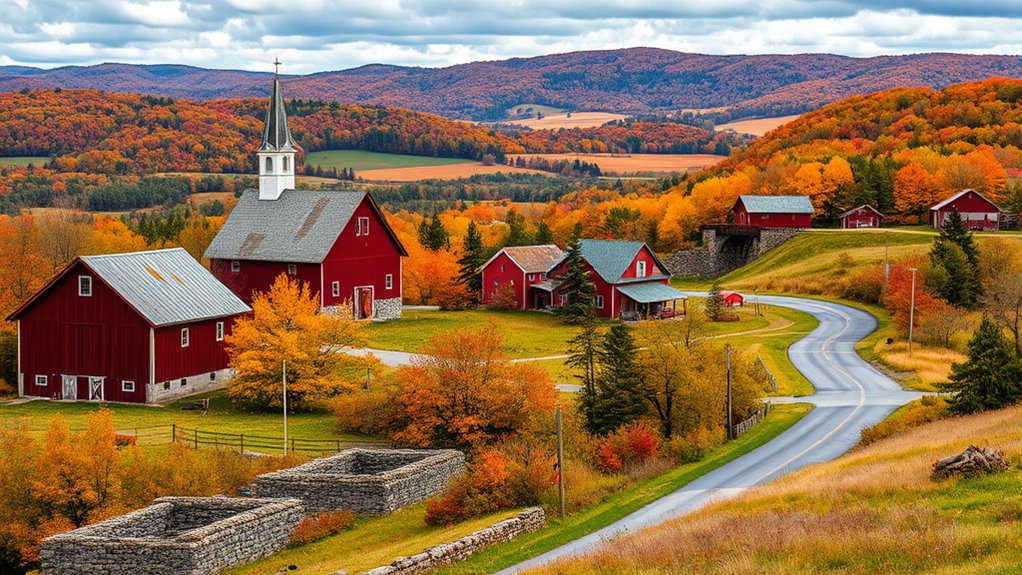
Vermont’s cultural identity is deeply shaped by its natural landscape and history, which inspire a vibrant artistic scene that celebrates its rural roots and progressive spirit. You’ll find that the state’s scenic beauty fuels creativity across various art forms. Here are four key influences:
- Landscape Inspiration: The Green Mountains and lakes inspire painters, photographers, and writers to capture Vermont’s natural beauty.
- Folk Traditions: Local crafts like quilting, pottery, and woodworking reflect rural life and craftsmanship.
- Literary Heritage: Writers like Robert Frost and Rudyard Kipling draw from Vermont’s quiet landscapes and rural communities.
- Music and Festivals: Folk and bluegrass music thrive during community festivals, emphasizing Vermont’s communal and artistic spirit.
Additionally, the use of natural materials such as wood and stone in local architecture and art further underscores the connection between Vermont’s environment and its cultural expression.
Together, these influences create a rich cultural fabric rooted in both tradition and innovation.
Preserving Heritage and Celebrating Local Traditions
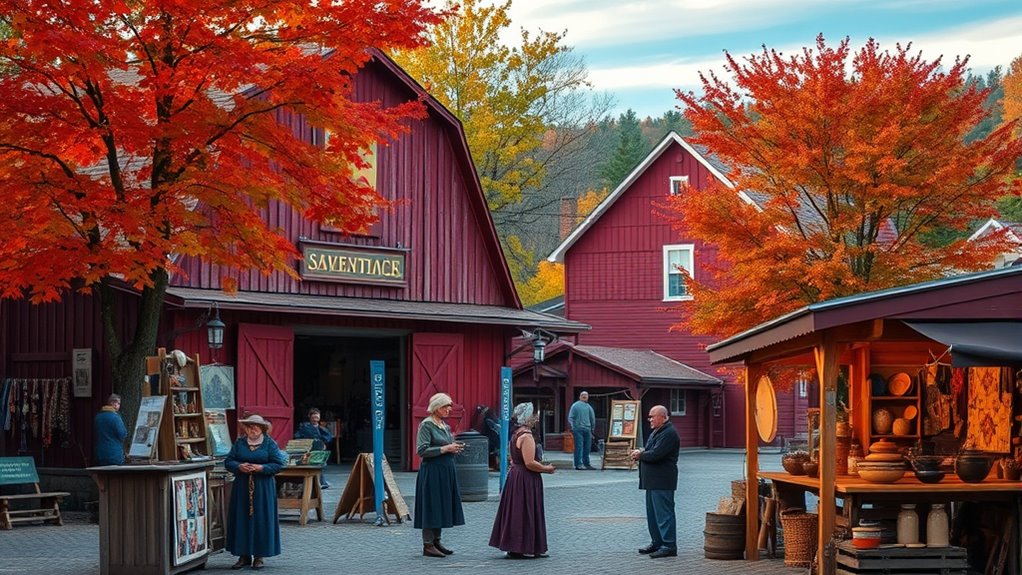
Preserving Vermont’s heritage and celebrating its local traditions are essential to maintaining the state’s unique cultural identity. You can participate in festivals that honor Vermont’s history, like the Vermont Maple Festival or the Shelburne Museum’s heritage events. Supporting local artisans and craftspeople helps keep traditional skills alive, from woodworking to quilting. Visiting historic sites such as Fort Dummer or exploring museums reinforces your connection to the past. You might also learn traditional Vermont recipes or participate in community events that celebrate regional music and dance. By engaging with these activities, you contribute to the ongoing effort to honor the stories, skills, and customs that define Vermont’s character. Your involvement guarantees that future generations will continue to appreciate and preserve Vermont’s rich cultural heritage.
Frequently Asked Questions
How Did Vermont’s Independent History Influence Its Modern Identity?
Your Vermont’s independent history shapes your modern identity by fostering a strong sense of self-reliance and progressive values. You value the state’s history of self-governance, like its brief independence and pioneering legislation, which inspire civic activism today. This legacy encourages you to prioritize civil rights, environmental preservation, and community involvement. Vermont’s unique past reminds you to embrace individuality and social progress, making independence a core part of your state’s character.
What Role Did Vermont Play in the Abolitionist Movement?
You see Vermont as a beacon shining brightly in the abolitionist movement. You’re inspired by local leaders like Reverend Joshua Young, whose voice echoed against slavery’s darkness. Vermont’s unwavering stance against slavery and its active support for abolitionists made it a sanctuary of hope. Your pride grows knowing Vermont’s spirit fueled the fight for freedom, turning its rugged landscape into a symbol of justice and moral courage.
How Has Vermont’s Geology Affected Its Economic Development?
Vermont’s geology has markedly shaped its economic development by providing abundant natural resources like granite, which fueled the state’s quarrying industry. You’ll find that the landscape’s rugged terrain also supported logging and farming, while lakes and rivers boosted transportation and trade. The rich mineral deposits attracted industries and settlers, helping Vermont grow economically. This geological foundation continues to influence the state’s economy today, especially in tourism and natural resource-based industries.
What Are Key Indigenous Influences on Vermont’s Culture Today?
You can see indigenous influences woven into Vermont’s culture today through vibrant traditions, art, and respect for natural landscapes. Native stories and crafts often inspire local artisans, while Powwows and cultural events celebrate their enduring heritage. Indigenous values foster a deep connection to the land, shaping conservation efforts and community practices. By honoring their ancestors, Vermonters keep these cultural threads alive, enriching the state’s unique identity and fostering ongoing respect and understanding.
How Does Vermont Celebrate Its Historical Landmarks and Traditions?
You can experience Vermont’s history through festivals, museums, and preserved sites. Attend events like the Vermont History Expo or visit landmarks such as Fort Dummer and the Shelburne Museum. You might explore local heritage trails, participate in reenactments, or support preservation efforts. These activities help you connect with Vermont’s past, celebrate its traditions, and honor the stories that shaped the state’s unique identity and cultural landscape today.
Conclusion
As you explore Vermont’s rich tapestry, imagine yourself walking through an ancient forest, each tree representing a chapter of its history and culture. You’re a guardian of this legacy, carrying its stories of resilience, innovation, and community. Just as the forest endures through seasons, Vermont’s spirit persists, inspiring you to honor its past and nurture its future. Embrace this heritage, and let it guide your journey forward with pride and purpose.