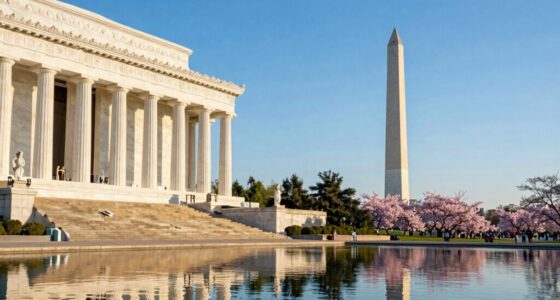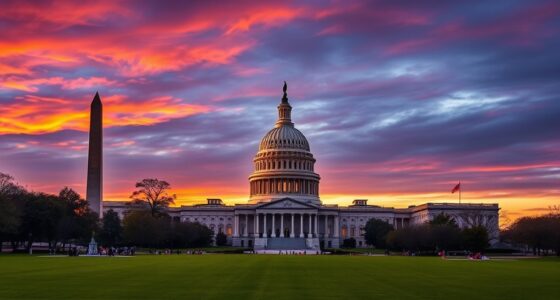
Discover Washington D.C.’s iconic landmarks like the Washington Monument, Lincoln Memorial, and the Capitol building, along with vibrant neighborhoods such as Georgetown and Adams Morgan. Explore world-class museums including the Smithsonian and the National Gallery of Art, and enjoy seasonal events like the Cherry Blossom Festival and Fourth of July fireworks. Savor diverse cuisines and shop at markets and boutiques. Whether visiting in peak or off-peak seasons, you’ll find plenty to explore—keep going to learn more tips and secrets.

Get travel and outdoor gear delivered free with Prime
- Fast, free delivery on millions of items
- Prime Video, Amazon Music and more included
- Member-only deals all year
Key Takeaways
- Explore iconic landmarks like the Washington Monument, Lincoln Memorial, and U.S. Capitol on the National Mall.
- Visit Smithsonian museums, National Gallery of Art, and vibrant neighborhoods such as Georgetown and Adams Morgan.
- Experience seasonal events like the Cherry Blossom Festival and Fourth of July fireworks, plus outdoor parks and activities.
- Enjoy diverse dining options, including historic eateries and international cuisines, with convenient transportation like the Metro and biking.
- Plan visits during peak spring or fall for major events or winter for fewer crowds and better deals.
Washington D.C. travel guide book
As an affiliate, we earn on qualifying purchases.
As an affiliate, we earn on qualifying purchases.
Must-See Landmarks and Monuments
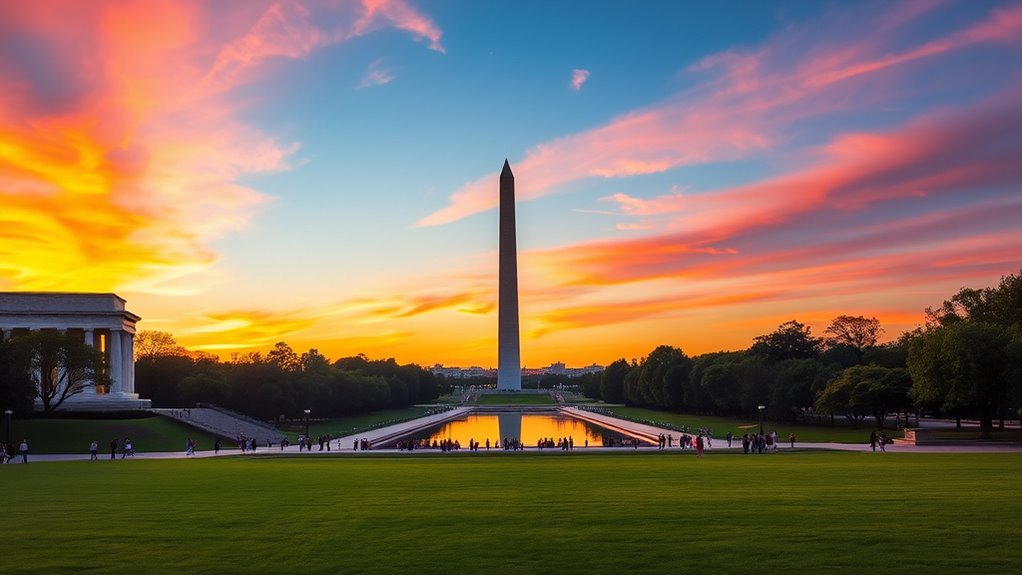
Washington D.C. is renowned for its iconic landmarks and monuments that define the city’s historic and political significance. As you explore, you’ll want to start at the National Mall, where landmarks like the Washington Monument rise majestically. Nearby, the Lincoln Memorial offers a reflective spot and stunning views of the reflecting pool. The U.S. Capitol stands as a symbol of democracy, hosting legislative sessions. Don’t miss the World War II Memorial, honoring American soldiers, or the Martin Luther King Jr. Memorial, celebrating civil rights. These monuments are central to D.C.’s identity, and visiting them offers a powerful glimpse into the nation’s history. Walking between these sites, you’ll experience the city’s grandeur and deep-rooted stories firsthand. Incorporating monument preservation efforts ensures these historic sites remain accessible and meaningful for future generations.
best portable phone charger for travel
As an affiliate, we earn on qualifying purchases.
As an affiliate, we earn on qualifying purchases.
Top Museums and Cultural Attractions
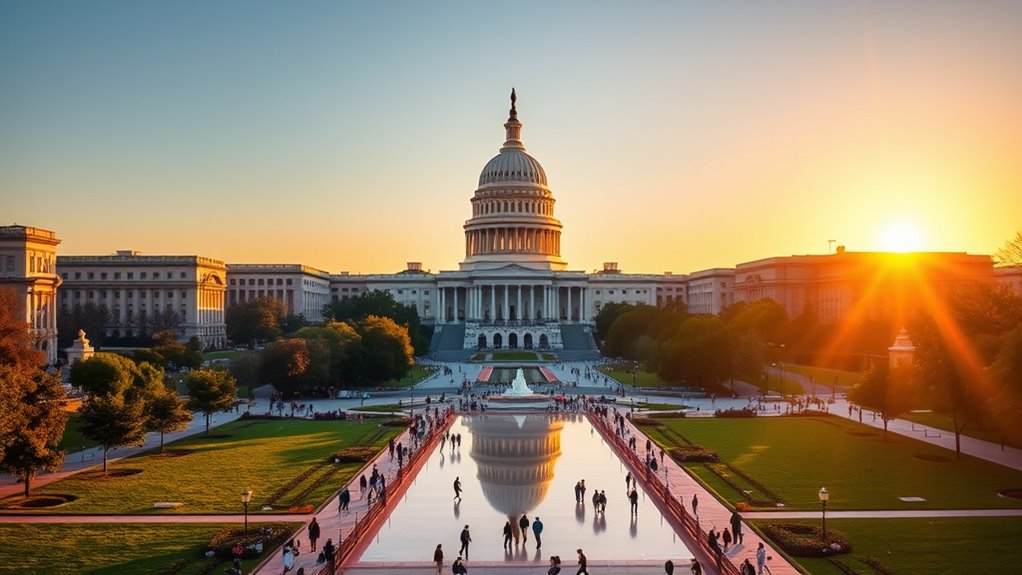
Among the city’s top cultural attractions, the Smithsonian museums stand out as must-visit destinations that offer a wide range of exhibits and immersive experiences. You can explore world-renowned collections like the National Air and Space Museum, where history and technology take flight, or the National Museum of American History, showcasing pivotal moments in U.S. culture. The National Gallery of Art provides stunning masterpieces from classic to contemporary. Many museums are free, making it easy to visit multiple sites without extra cost. Walking through the National Mall, you’ll find these museums clustered around iconic monuments, creating a vibrant cultural hub. Whether you’re into science, history, art, or culture, these museums give you an in-depth exploration of the stories that shape Washington D.C. and the nation. Additionally, the deep product research behind these attractions ensures you’ll find engaging exhibits that cater to diverse interests.
As an affiliate, we earn on qualifying purchases.
Best Neighborhoods to Explore
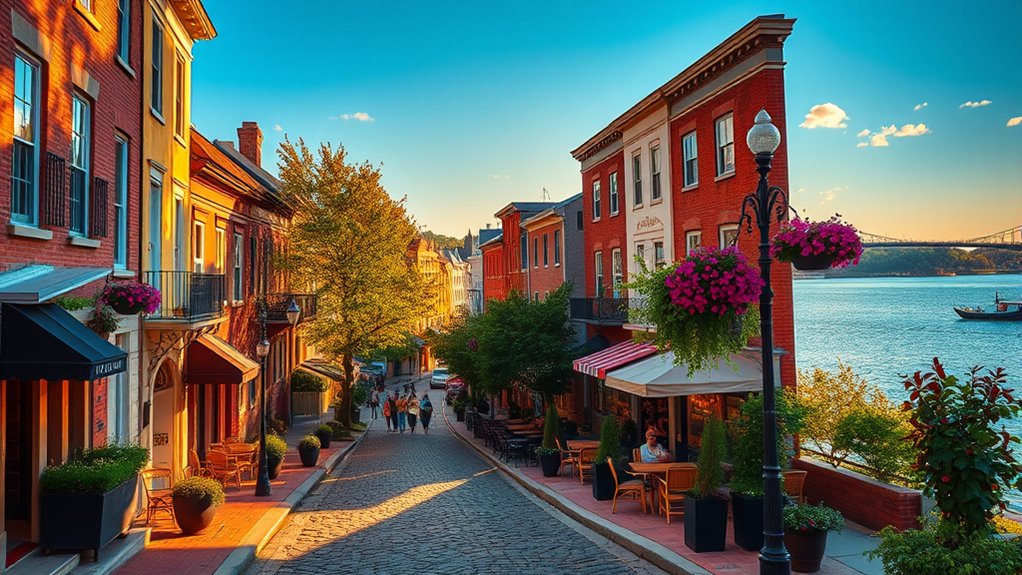
Exploring the city’s vibrant neighborhoods offers a perfect complement to visiting its renowned museums and cultural sites. In neighborhoods like Georgetown, you’ll find charming cobblestone streets, upscale shops, and waterfront views. Adams Morgan offers eclectic nightlife, diverse cuisine, and lively street art. Capitol Hill combines historic charm with political significance, featuring the U.S. Capitol and local cafes. Dupont Circle boasts trendy boutiques, bookstores, and vibrant cafes. Here’s a quick look:
| Neighborhood | Highlights |
|---|---|
| Georgetown | Historic architecture, waterfront, shopping |
| Adams Morgan | Nightlife, international eateries, street art |
| Capitol Hill | Government landmarks, historic homes, cafes |
| Dupont Circle | Boutiques, cultural events, lively parks |
You’ll enjoy each area’s unique vibe, making exploration rich and rewarding. Neighborhoods offer diverse cultural experiences that enrich your visit.
compact travel umbrella for Washington D.C.
As an affiliate, we earn on qualifying purchases.
As an affiliate, we earn on qualifying purchases.
Seasonal Events and Festivals
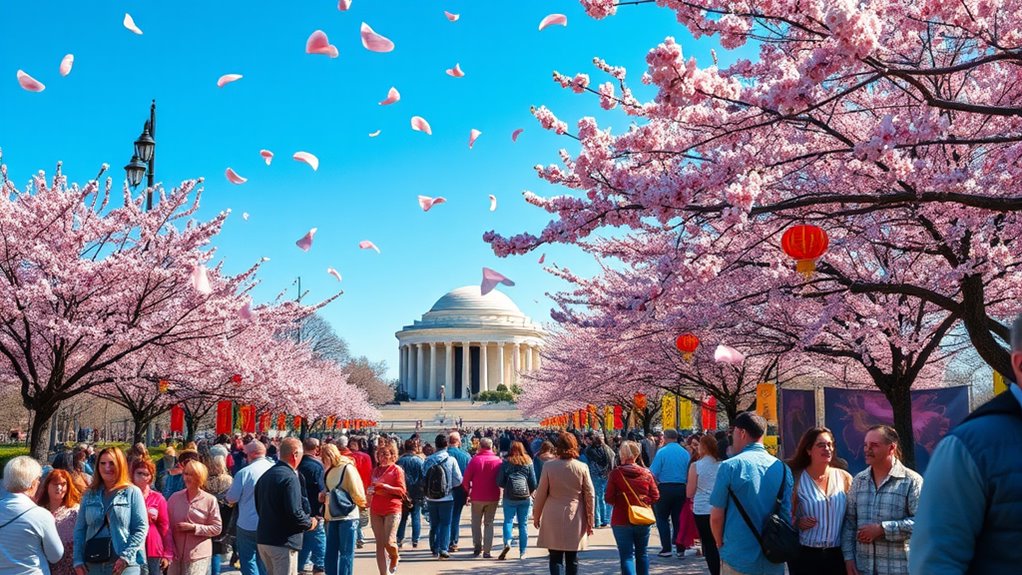
Seasonal events and festivals transform Washington D.C. into a lively hub of activity throughout the year, attracting both locals and visitors enthusiastic to experience its vibrant culture. These events highlight the city’s rich history, diverse communities, and artistic spirit. During cherry blossom season, the National Mall blooms with pink petals and cultural celebrations. The Fourth of July fireworks illuminate the skyline, drawing huge crowds. In spring and fall, museum exhibitions and outdoor markets thrive, showcasing local crafts and food. Additionally, Midwest cultural influences can sometimes be seen in the city’s diverse culinary offerings and community events, reflecting the broader regional heritage. You’ll also find lively parades, cultural festivals, and themed events that celebrate D.C.’s diversity and history. These festivities create unforgettable moments, connecting you with the city’s traditions and community spirit.
Dining and Culinary Hotspots
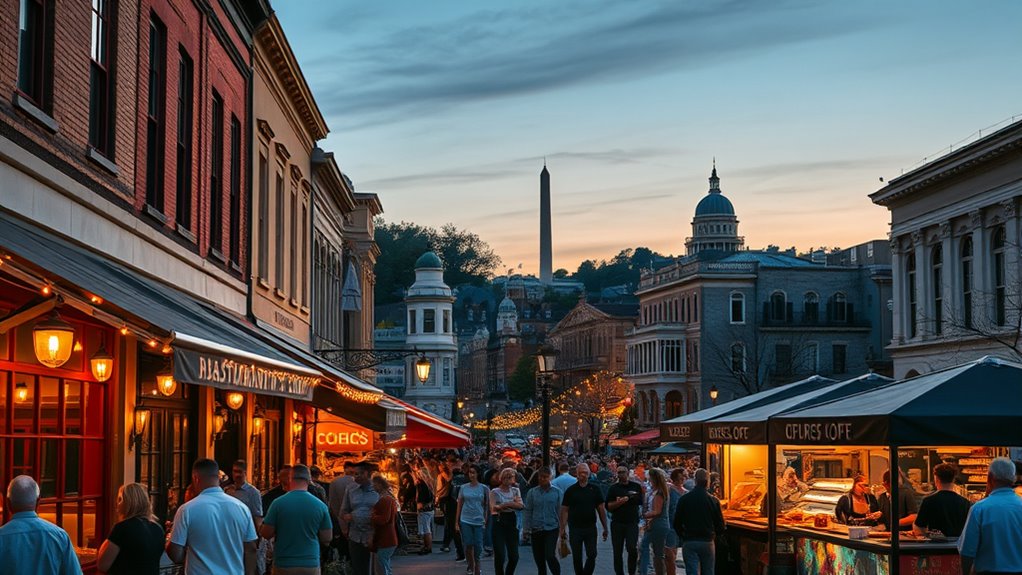
Washington D.C. offers a vibrant culinary scene, featuring iconic local eateries that have become city landmarks. You can also explore international cuisine destinations that reflect the city’s diverse community. Don’t miss the trendy food markets where fresh, innovative dishes await you at every turn. Additionally, many of these venues prioritize supportive and practical content, ensuring a welcoming atmosphere for all visitors.
Iconic Local Eateries
You can’t visit D.C. without indulging in its iconic local eateries that showcase the city’s diverse culinary scene. These spots reflect the city’s history, culture, and flavors. For a true taste of D.C., consider trying:
- Ben’s Chili Bowl, famous for its half-smokes and historic significance
- Old Ebbitt Grill, a historic tavern serving classic American comfort food
- Farmers & Distillers, blending farm-fresh ingredients with innovative dishes
These eateries offer more than just food—they’re part of the city’s identity. Many have been around for decades and continue to attract both locals and visitors. Whether you prefer casual bites or a sit-down experience, these spots provide a delicious snapshot of D.C.’s culinary roots.
International Cuisine Destinations
Exploring D.C.’s culinary landscape reveals a vibrant array of international cuisine destinations that reflect the city’s diverse population and global connections. You can indulge in authentic Ethiopian dishes in Adams Morgan, savor Vietnamese pho in Eden Center, or enjoy flavorful Middle Eastern mezze in DuPont Circle. The city’s multicultural neighborhoods offer a rich tapestry of flavors, from Indian curries to Latin American tacos. Many restaurants feature regional specialties, showcasing ingredients and cooking styles from around the world. International food festivals and culinary events further highlight D.C.’s global palate. Whether you’re craving sushi, Moroccan tagine, or Nigerian jollof rice, the city’s international hotspots deliver a diverse and immersive dining experience that celebrates its worldwide influences. Additionally, some establishments incorporate local ingredients to create fusion dishes that honor both global traditions and regional flavors.
Trendy Food Markets
Are you craving a vibrant culinary experience? Washington D.C.’s trendy food markets are the perfect place to indulge. These bustling hotspots showcase innovative vendors and diverse cuisines, making every visit exciting. You can also explore seasonal checklists to plan your visits for peak freshness and variety.
You’ll find:
- Union Market: A gourmet haven with artisanal foods, international bites, and local produce.
- Eastern Market: Historic charm meets fresh farm-to-table offerings and handcrafted goods.
- The Wharf: Waterfront views paired with seafood stalls, trendy cafes, and food trucks.
Exploring these markets lets you taste D.C.’s culinary creativity firsthand. Whether you’re craving spicy tacos, handcrafted cheeses, or exotic desserts, these markets offer something for every palate. plunge into the local food scene and savor the city’s dynamic flavors.
Navigating Transportation and Getting Around
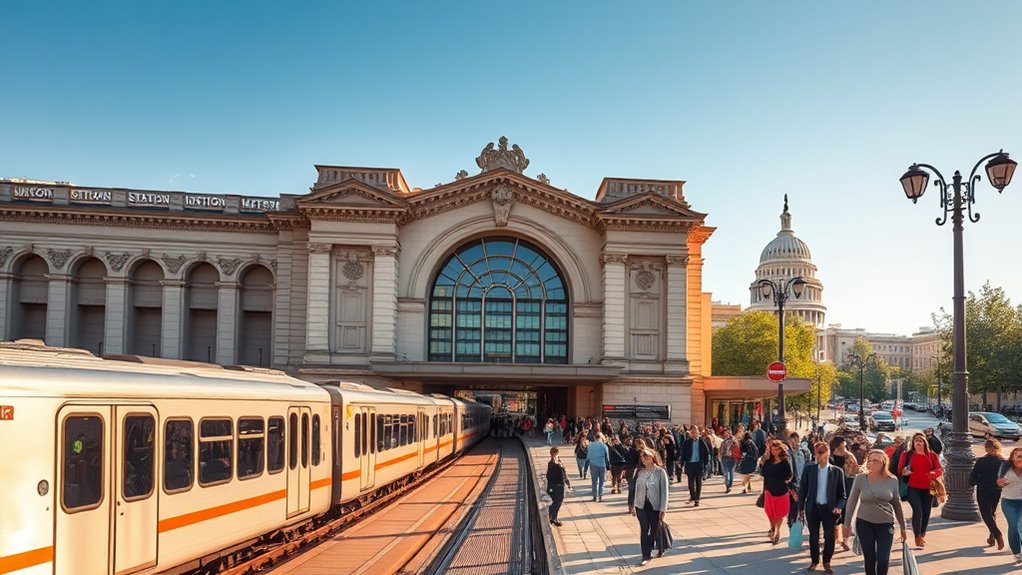
Getting around Washington D.C. is convenient thanks to its extensive transportation network. The Metro system is your best option for quick, affordable travel across the city, connecting major sites, neighborhoods, and airports. Buses complement the Metro, reaching areas outside the subway lines. For short distances, walking is often the easiest way to explore, especially around the National Mall and museum district, which are highly walkable. Capital Bikeshare offers a flexible, eco-friendly alternative, with stations throughout downtown. Taxis and ride-sharing services like Uber and Lyft provide door-to-door convenience when needed. Parking can be challenging and costly downtown, so public transit is usually your best bet. With these options, you’ll find it easy to navigate and enjoy all the city’s attractions without hassle.
Tips for International Visitors

When visiting D.C. as an international traveler, understanding local cultural etiquette can help you connect more easily with residents and enjoy your trip. Learning a few key phrases in English can also make communication smoother, especially in busy areas. Being mindful of these tips will guarantee your experience is respectful and enjoyable. Developing cultural awareness can further enhance your interactions and open doors to more meaningful connections during your stay.
Cultural Etiquette Tips
Understanding local customs and social norms can greatly enhance your experience visiting Washington D.C. Respect for politeness and professionalism is key. When greeting, a simple handshake is customary, especially with officials or in formal settings. Be mindful of the city’s focus on history and patriotism—avoid overly casual attire when visiting government buildings or monuments. Remember, tipping is expected in restaurants (15-20%), taxis, and for guides. Also, be aware of these etiquette tips:
- Keep conversations respectful, especially on political or sensitive topics.
- Avoid loud voices or disruptive behavior in museums and public spaces.
- Photograph monuments and sites only where permitted, and ask permission before photographing individuals.
- Being aware of ethical hacking principles can help you understand the importance of cybersecurity, even as a visitor in a digital age.
Following these tips shows respect for local customs and helps you enjoy D.C. smoothly.
Language and Communication Tips
Are language differences a concern when visiting Washington D.C.? Not really. While English is the primary language, many staff at museums, hotels, and tourist spots speak some level of other languages, especially Spanish. Learning a few basic phrases like “hello,” “please,” and “thank you” can go a long way. If you need help, don’t hesitate to ask politely; most people are keen to assist visitors. Using clear, simple language helps ensure smooth communication. Signage at major attractions is mostly in English, with some providing translations. Mobile apps and translation tools are handy if you get stuck. Remember, a friendly attitude and patience are universal. Being aware of local language nuances can further enhance your experience. With a little preparation, communicating in D.C. can be easy and enjoyable.
Shopping and Local Markets
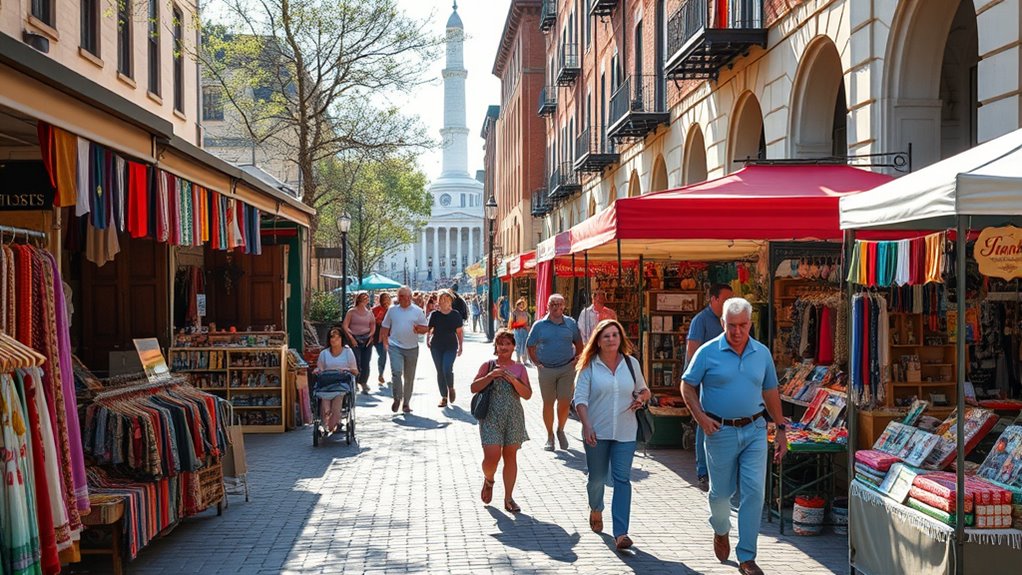
Shopping and local markets are at the heart of Washington D.C.’s vibrant visitor experience, offering a mix of historic charm and modern flair. You can explore bustling markets filled with unique crafts, vintage finds, and local produce. The city’s shopping districts combine iconic landmarks with trendy boutiques, making it easy to find one-of-a-kind souvenirs.
- Visit Eastern Market for handmade art, fresh food, and local vendors.
- Browse Georgetown’s historic streets lined with boutique shops and designer stores.
- Check out CityCenterDC for luxury brands and modern retail experiences.
Whether you’re hunting for souvenirs or indulging in local flavors, D.C.’s markets and shopping districts give you a taste of the city’s culture, history, and innovation all in one place.
Outdoor Activities and Parks
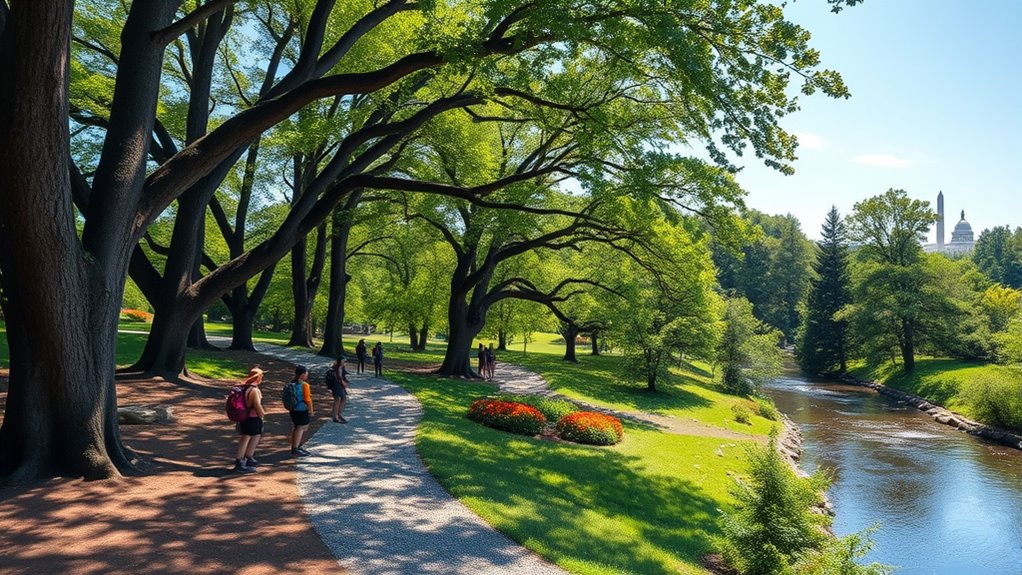
After exploring Washington D.C.’s vibrant markets and shopping districts, stepping outside into its outdoor spaces reveals a city alive with greenery and scenic spots. You can stroll through the National Mall, where lush lawns surround iconic monuments like the Lincoln Memorial and Washington Monument. Rock Creek Park offers hiking, biking, and picnicking amid forested trails and peaceful streams. The Tidal Basin is perfect for paddle boating and enjoying cherry blossoms in spring. For outdoor art, visit the Yards Park with its waterfront gardens and fountains. The city’s numerous small parks, like Lafayette Square and Meridian Hill Park, provide quiet retreats. Whether you’re biking, jogging, or simply relaxing, Washington D.C.’s parks and outdoor venues let you experience the city’s natural beauty firsthand.
Planning Your Visit During Peak and Off-Peak Seasons
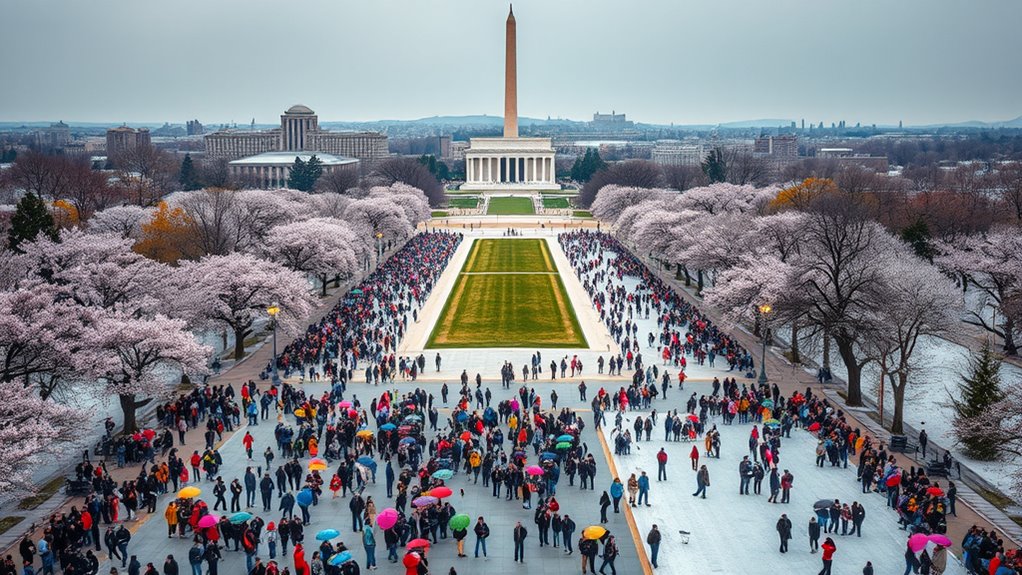
Planning your visit to Washington D.C. involves choosing the right time of year to maximize your experience and avoid crowds. Peak seasons, from March to June and September to November, attract large crowds for cherry blossoms, national holidays, and festivals. During these times, attractions are busier, hotel rates rise, and tours may require reservations. Conversely, off-peak months like winter (January and February) and late summer offer quieter experiences, better prices, and shorter lines. Consider visiting during these periods if you prefer a more relaxed pace.
Visit in winter or late summer for fewer crowds, lower prices, and a more relaxed experience in Washington D.C.
- Visit in winter for fewer crowds and lower prices.
- Explore during late summer for less busy museums and monuments.
- Attend events like the National Cherry Blossom Festival in early spring for a vibrant experience.
Frequently Asked Questions
How Has Recent Political Climate Affected Tourism in D.C.?
You might notice that the recent political climate has negatively impacted tourism in D.C. by shaping visitor perceptions. Federal law enforcement visibility and political tensions have deterred some travelers, leading to reduced foot traffic at key sites. Additionally, the city’s reputation has suffered, affecting marketing efforts. As a result, fewer international visitors and lower attendance at major events reflect how politics influence your overall experience in D.C.
What Are the Current Safety Measures at Major Tourist Sites?
You’ll notice increased security measures at major sites like the National Mall and the White House. Authorities conduct regular patrols, install surveillance cameras, and implement bag checks to guarantee safety. During peak events, you’ll see visible law enforcement presence and temporary barriers. These precautions, combined with clear signage and staff guidance, help create a secure environment so you can enjoy your visit with peace of mind.
How Is D.C. Accommodating Increased International Visitors?
Washington D.C. actively welcomes international visitors by expanding multilingual signage, increasing airport assistance, and offering cultural orientation programs. You’ll find dedicated international visitor desks at major attractions and more staff trained to assist non-English speakers. The city also promotes international events and partnerships to make your stay smoother. With these efforts, D.C. guarantees you feel comfortable exploring its historic sites, museums, and vibrant neighborhoods, no matter where you’re from.
What Transportation Options Are Best During Busy Federal Holidays?
During busy federal holidays, you should prioritize public transportation like the Metro system, buses, and Capital Bikeshare to avoid traffic and parking hassles. The Metro often runs extended hours and provides easy access to key attractions on the National Mall. Walking is also a great option since many sites are within close proximity. Consider arriving early or later in the day to dodge peak crowds and enjoy a smoother experience.
Are There Upcoming Major Events That Could Impact Visitor Experience?
Upcoming major events like the Fourth of July celebrations, National Cherry Blossom Festival, and Smithsonian festivals can both boost and challenge your visitor experience. These events attract large crowds, causing traffic congestion, crowded attractions, and limited accommodations. Plan ahead by booking tickets early, arriving early, and using public transportation to avoid delays. While these events offer unique experiences, be prepared for busy conditions that may impact your visit.
Conclusion
So, after all that, you’re finally ready to conquer Washington D.C.—or at least pretend you know your way around. Just don’t forget your camera, comfy shoes, and a thick skin for the crowds. Remember, this city’s charm is as fleeting as a fleeting politician’s promise. So go ahead, enjoy the chaos, snap some photos, and maybe, just maybe, leave with more than just a souvenir mug. Happy exploring!
Halloween Picks
halloween
As an affiliate, we earn on qualifying purchases.