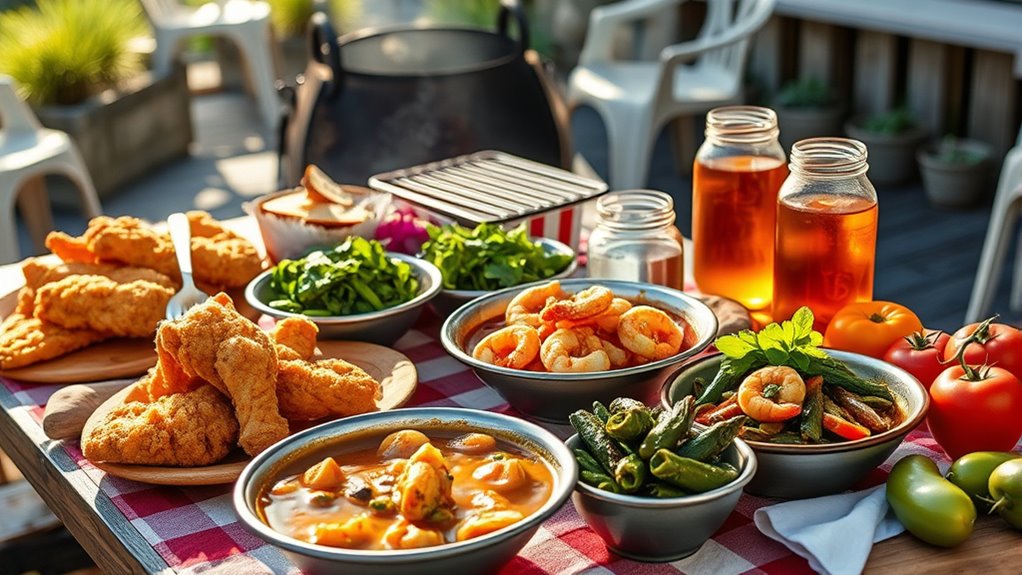

Alabama’s cuisine blends Native American, European, and African influences, shaping a flavorful and diverse food culture. You’ll find iconic dishes like fried chicken, seafood gumbo, and pecan pie that showcase regional specialties. Deep-frying, smoking, and traditional techniques highlight the state’s rich culinary history. Food is central to community celebrations, festivals, and preserving traditions. If you explore further, you’ll uncover more about Alabama’s unique culinary heritage and vibrant food scene.
Key Takeaways
- Alabama’s cuisine is shaped by Native American, European, and African influences, emphasizing flavorful spices, deep-frying, and one-pot cooking traditions.
- Iconic dishes include fried chicken, pecan pie, Gulf Coast seafood, and Mardi Gras king cake, reflecting regional and cultural diversity.
- Traditional cooking techniques such as deep-frying, smoking, and barbecuing are central to Alabama’s culinary heritage.
- Food festivals and community events celebrate local dishes, promoting cultural pride and supporting regional economies through food tourism.
- Preservation efforts focus on reviving historic recipes and techniques, maintaining Alabama’s rich culinary history and cultural identity.

Lodge 3 Quart Pre-Seasoned Cast Iron Deep Skillet with Lid
YOUR NEW GO-TO PAN: Lodge cast iron cookware is the perfect kitchen tool for beginners, home cooks and…
As an affiliate, we earn on qualifying purchases.
As an affiliate, we earn on qualifying purchases.
Historical Roots of Alabama’s Food Culture
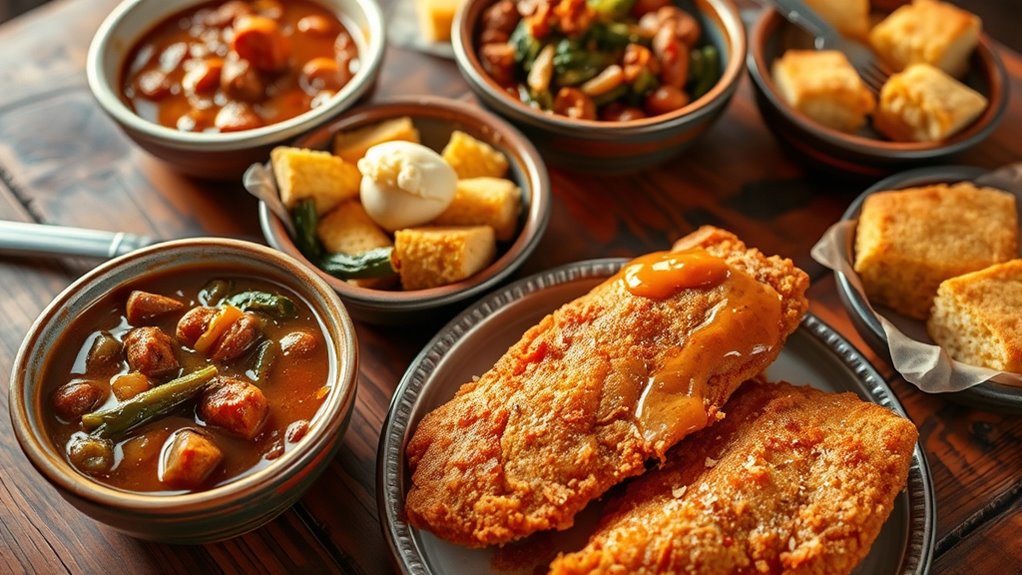
Alabama’s food culture is deeply rooted in its diverse history, shaped by the influences of Native Americans, Europeans, and Africans. You’ll see how Native Americans introduced staples like cornmeal and wild game, which still influence local dishes today. European settlers from Scotland, England, and France brought their recipes and cooking styles, enriching Alabama’s culinary landscape. Enslaved Africans played a vital role, introducing spices, deep-frying techniques, and one-pot cooking, which became central to Southern cuisine. These traditions blended over time, creating unique dishes and flavor profiles that define Alabama’s food scene. The rich history reflects a meld of ingredients and techniques, revealing how different cultures contributed to the state’s vibrant culinary identity. Additionally, the use of spices and seasonings introduced by enslaved Africans has become a hallmark of Alabama’s flavorful cuisine, further showcasing the cultural fusion that characterizes the region’s culinary traditions. This fusion continues to influence Alabama’s food traditions today.

LE TAUCI Ceramic Pie Pans for Baking, 9 Inches Pie Plate for Apple Pie, Pecan Pie, 36 Ounce Deep Dish Pie Pan, Set of 2, Red
A Versatile Dish You Worth It: 9 inch in diameter, 1.7-inch in height; Our fluted stoneware pie dish…
As an affiliate, we earn on qualifying purchases.
As an affiliate, we earn on qualifying purchases.
Iconic Alabama Dishes and Culinary Staples
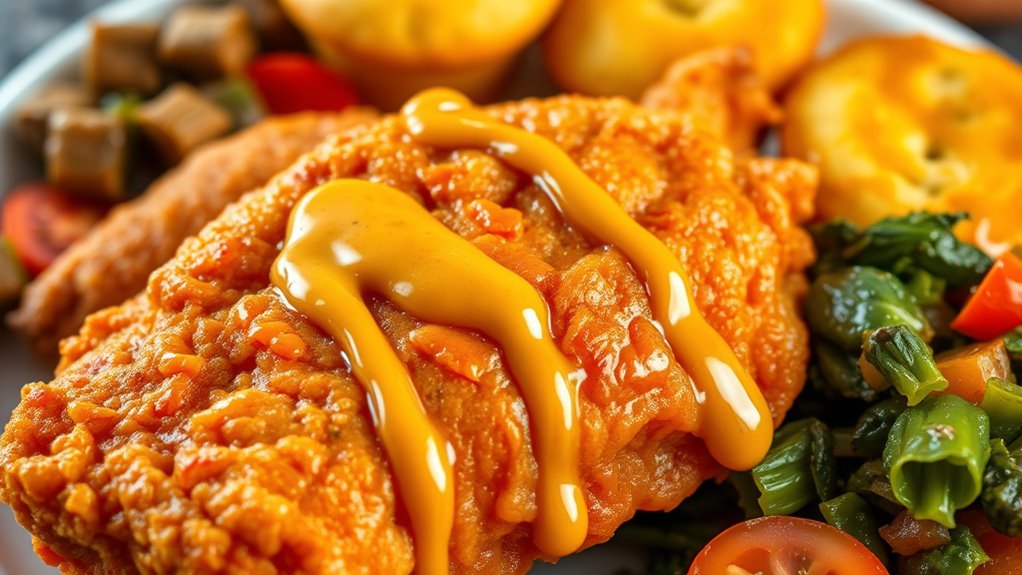
You’ll find classic Southern favorites like fried chicken and pecan pie at the heart of Alabama’s cuisine, showcasing comfort and tradition. Coastal seafood delights, including oysters and shrimp, highlight the region’s rich access to fresh catches. Together, these dishes define the flavors that make Alabama’s culinary scene unique and memorable. Incorporating local ingredients is key to maintaining authentic flavors in these regional dishes.
Classic Southern Favorites
What makes a dish truly iconic in Alabama’s culinary landscape? It’s the blend of history, local ingredients, and community traditions that create lasting favorites. These dishes tell stories of generations and reflect Alabama’s diverse roots. Classic Southern staples like fried chicken, gumbo, and pecan pie stand out for their flavor and cultural significance. They’re often featured at family gatherings and festivals, symbolizing unity and celebration. To highlight their importance, consider this table:
| Dish | Key Ingredient | Cultural Roots | Typical Preparation |
|---|---|---|---|
| Fried Green Tomatoes | Green tomatoes | Native American & Southern | Fried, topped or plain |
| Gumbo | Seafood, okra, spices | African, European, Native | One-pot stew |
| Pecan Pie | Pecans | Native American & Southern | Baked, sweet filling |
| Fried Chicken | Chicken | African, European traditions | Deep-fried, crispy |
Additionally, understanding the culinary traditions behind these dishes helps appreciate their enduring popularity and cultural significance in Alabama.
Coastal Seafood Delights
Have you ever tasted the fresh bounty of Alabama’s Gulf Coast? If so, you know the seafood here is unbeatable. Oysters, shrimp, and fish are staples, enjoyed grilled, fried, or steamed. Oysters shine in dishes like oysters Rockefeller or simply on the half shell, showcasing the region’s freshness. Shrimp is often boiled with spices or fried to golden perfection, perfect for shrimp po’boys or seafood platters. Gumbo, a signature dish, combines local seafood with African, European, and Native American flavors, simmered in a rich, flavorful broth. Coastal restaurants often feature these staples, highlighting Alabama’s maritime heritage. Whether you’re enjoying a casual seafood boil or a refined oyster dinner, Alabama’s coastal delights celebrate the region’s rich, diverse culinary traditions rooted in the Gulf’s abundant waters. Regularly checking the integrity of seafood sources can ensure the freshness and quality of these coastal delights.

Louisiana Fish Fry Gumbo Base 5 oz. (Pack of 2) – Authentic Cajun Flavor in a Delicious Gumbo Base – Just Add Your Choice of Meat and or Seafood
Authentic Louisiana Cajun Flavor: Every 5 oz. (pack of 2) Gumbo Base is perfect for creating delicious and…
As an affiliate, we earn on qualifying purchases.
As an affiliate, we earn on qualifying purchases.
Traditional Cooking Techniques and Methods
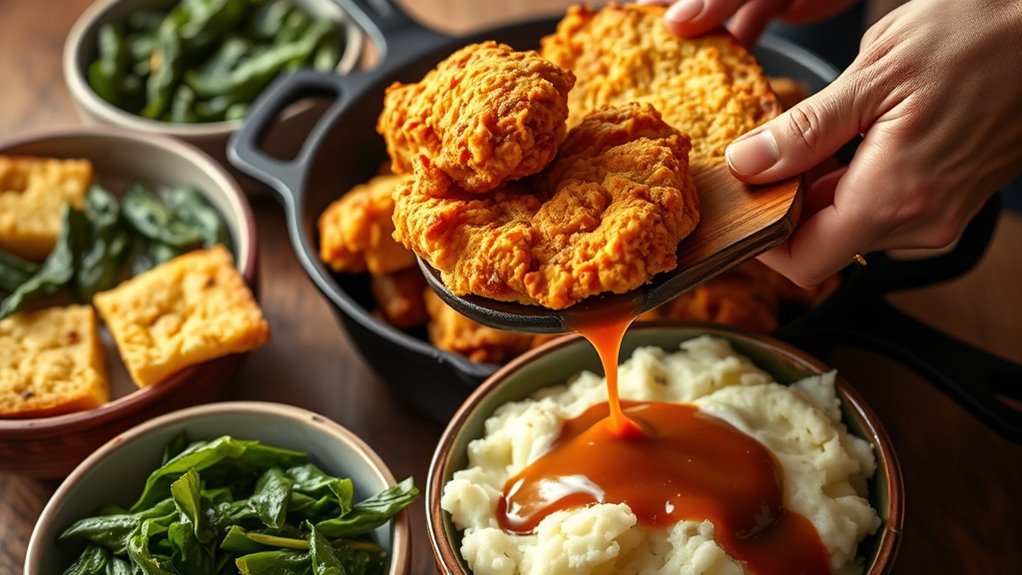
You’ll find that deep-frying is a cornerstone of Alabama cuisine, used for dishes like chicken and green tomatoes. Smoking and barbecue methods bring out rich flavors in pork and other meats, often cooked low and slow over wood or charcoal. These techniques reflect the state’s culinary history and continue to shape its food traditions today. Additionally, Halloween-inspired cooking techniques, such as creating spooky-themed treats, are popular during festive seasons, showcasing the region’s creative approach to food presentation.
Deep-Frying Techniques
Deep-frying stands out as a cornerstone of Alabama’s culinary heritage, a technique brought to prominence through African influences and widely adopted across Southern cooking. You’ll see it used to prepare everything from crispy fried chicken to golden green tomatoes. The process involves submerging food in hot oil, which creates a crisp exterior while locking in flavor and moisture. Alabama cooks often use cast-iron skillets or deep-fryers, maintaining precise temperature control for even cooking. Seasonings and batter recipes vary by family but typically include flour, cornmeal, and spices. Deep-frying is efficient, producing flavorful results quickly, making it ideal for gatherings and festivals. This technique not only highlights Alabama’s rich cultural roots but also continues to define its cherished comfort foods.
Smoking and Barbecue Methods
Smoking and barbecue are fundamental to Alabama’s culinary tradition, emphasizing slow, low-temperature cooking that enhances flavor and tenderness. You’ll find that pitmasters carefully control heat and smoke, often using hickory or oak wood to infuse rich, smoky notes into pork, brisket, and ribs. These methods require patience, sometimes taking several hours to achieve perfect tenderness. You might also notice the use of dry rubs and marinades to deepen flavor before cooking. In Alabama, barbecue is more than just a meal; it’s a social event, often enjoyed at community gatherings or festivals. Whether you’re grilling outdoors or slow-smoking in a smoker, these techniques highlight Alabama’s dedication to preserving authentic Southern taste and craftsmanship. Proper wood selection is essential for achieving the signature smoky flavor that defines Alabama barbecue.

TempPro TP509 Candy Thermometer with Pot Clip, 10" Long Probe Instant Read Meat Food Thermometer with LCD, Cooking Oil Deep Frying Thermometer for Candy Syrup Sugar Brewing (Previously ThermoPro)
【High Accuracy & Fast Reading】Digital candy thermometer get precise temperature readings in just 1-3 seconds with accuracy ±0.9°F,…
As an affiliate, we earn on qualifying purchases.
As an affiliate, we earn on qualifying purchases.
Regional Food Specialties and Influences
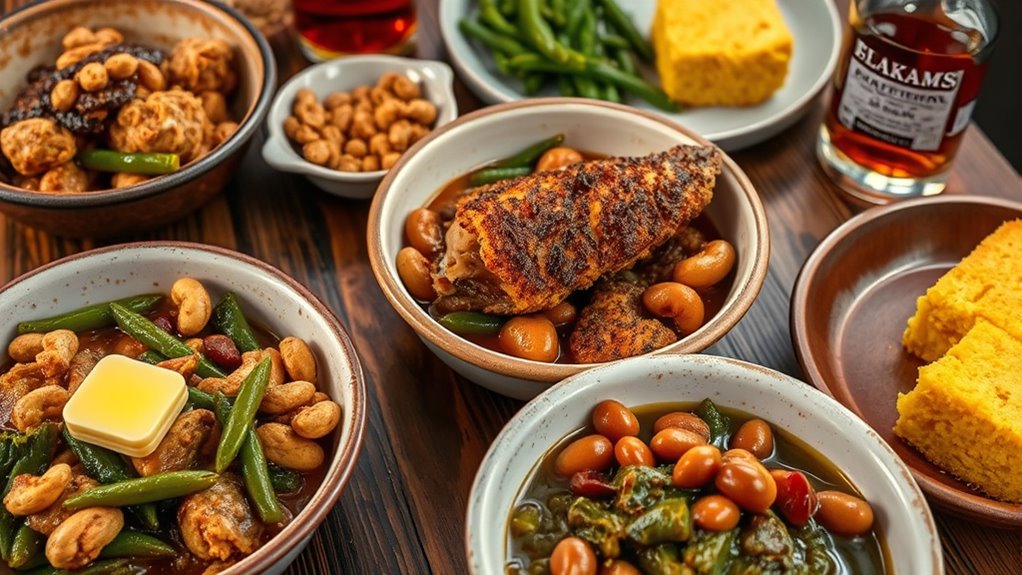
Alabama’s diverse geography creates distinct regional food specialties that reflect local flavors and cultural influences. In coastal areas, you’ll find seafood like shrimp and oysters prepared with African and European touches. The Montgomery region offers hearty Southern classics such as fried chicken and collard greens, emphasizing traditional flavors. Mobile’s culinary scene is vibrant, showcasing gumbo and Mardi Gras-inspired dishes, blending African, Native American, and European influences. Meanwhile, the Appalachian region brings Scottish and British traditions to life with dishes like cornbread and wild game. To enhance your understanding, exploring sleep hygiene can help ensure you enjoy your culinary experiences with restful nights afterward.
Here are four vivid regional specialties you might encounter:
- Juicy Gulf Coast oysters grilled or fried
- Spicy gumbo with seafood and sausage
- Smoky Appalachian cornbread and stew
- Festive Mardi Gras king cake
Cultural Significance and Community Celebrations
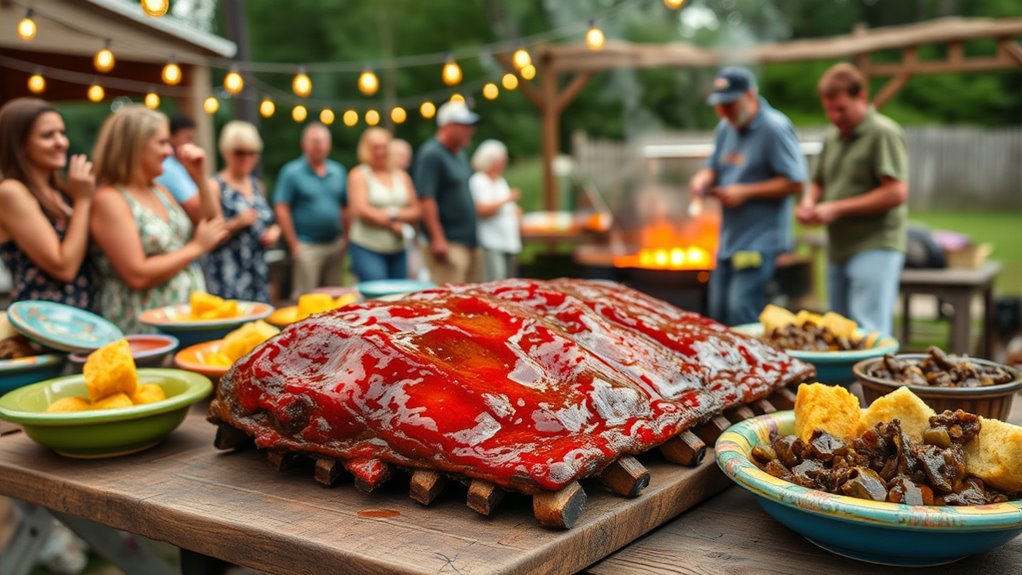
Food in Alabama isn’t just about sustenance; it’s a powerful way communities come together to celebrate their shared heritage. You’ll find gatherings at family reunions, church events, and festivals where food plays a central role. Events like Mardi Gras and the Fried Green Tomato Festival bring people together to enjoy traditional dishes and honor local customs. Sharing a meal strengthens bonds and preserves cultural identity, passing recipes and traditions from generation to generation. Food becomes a symbol of pride, representing Alabama’s diverse history and regional influences. Whether it’s seafood on the coast or fried chicken in the mountains, these celebrations highlight the importance of culinary heritage in fostering community and unity. Through food, you connect with Alabama’s rich cultural fabric, which is often expressed through regional cuisine and culinary traditions.
Economic Impact and Preservation of Culinary Heritage
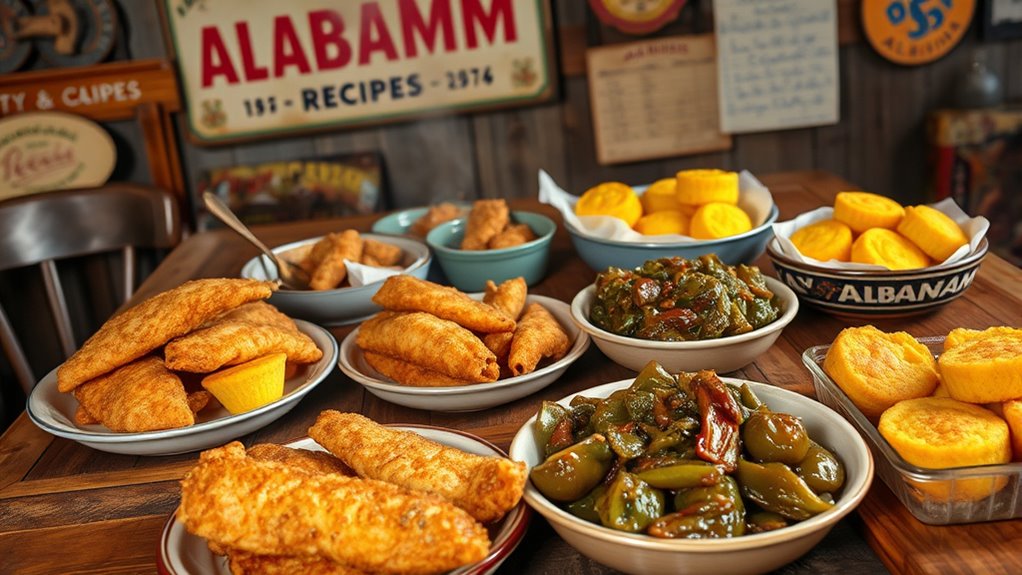
The culinary traditions of Alabama generate significant economic benefits through food tourism, local markets, and festivals that attract visitors from across the region. You can imagine:
- Crowds gathering at the Fried Green Tomato Festival, sampling crispy slices topped with spicy remoulade.
- Tourists exploring bustling farmers’ markets, selecting fresh okra, peanuts, and seafood.
- Families enjoying lively Mardi Gras parades with flavorful gumbo and seafood boils.
- Chefs at historic restaurants reviving classic recipes, preserving Alabama’s culinary heritage.
- The rich supernatural lore surrounding certain historic dining locations adds an intriguing layer to Alabama’s culinary history.
These experiences boost local businesses and support farmers, vendors, and artisans. By celebrating traditional dishes and techniques, you help preserve Alabama’s unique culinary identity for future generations. The ongoing appreciation and promotion of these food traditions keep the heritage alive and thriving economically.
Frequently Asked Questions
How Have Modern Chefs in Alabama Adapted Traditional Recipes?
Modern chefs in Alabama adapt traditional recipes by infusing them with contemporary flavors and techniques, making them appealing to today’s palate. They experiment with local ingredients, incorporate global influences, and present dishes in creative ways. You’ll see classic favorites like gumbo or fried chicken reimagined with new spices, healthier options, or stylish plating, helping preserve the culinary heritage while appealing to modern tastes and dietary preferences.
What Role Do Local Farmers Play in Alabama’s Culinary Scene?
You see, local farmers play a essential role in Alabama’s culinary scene by providing fresh, regional ingredients that keep traditional dishes authentic and flavorful. They supply produce, meats, and seafood, which chefs use to craft both classic and innovative recipes. By supporting local farms, you help preserve Alabama’s culinary heritage, boost the economy, and promote sustainable practices that benefit the community and the environment.
Are There Any Unique Alabama Food Festivals Beyond Mardi Gras?
Yes, Alabama hosts unique food festivals beyond Mardi Gras. You can experience the Fried Green Tomato Festival, celebrating a Southern classic, or enjoy the Alabama Pecan Festival, highlighting local nut harvests. The Mobile Bay Seafood Festival showcases fresh Gulf seafood, while the BBQ Fest in Birmingham offers smoky, slow-cooked meats. These events let you indulge in regional flavors, connect with local communities, and celebrate Alabama’s rich culinary heritage.
How Does Alabama Incorporate International Cuisines Into Its Food Culture?
You’ll find Alabama embracing international cuisines through local festivals, diverse restaurants, and community events. As you explore, you notice how flavors from Italy, Mexico, and Asia blend with traditional Southern dishes, creating a rich culinary tapestry. Chefs experiment with spices, techniques, and ingredients from around the world, making Alabama’s food scene vibrant and inclusive. This fusion celebrates the state’s diverse heritage and offers you a unique, flavorful experience.
What Sustainable Practices Are Emerging in Alabama’s Food Industry?
You’ll notice Alabama’s food industry embracing sustainability through local sourcing and farm-to-table initiatives, reducing transportation emissions and supporting local farmers. Many restaurants are composting, recycling, and using eco-friendly packaging. Community-supported agriculture (CSA) programs help connect consumers with fresh, regional produce. Additionally, some vendors focus on sustainable seafood practices, ensuring marine resources are preserved. These practices help protect Alabama’s environment while enhancing the quality and authenticity of your food experiences.
Conclusion
As you explore Alabama’s rich culinary heritage, remember it’s like a story woven through generations, much like the tales of the past that shape our identity. By savoring its iconic dishes and honoring traditional techniques, you help keep this vibrant culture alive—ensuring its legacy endures, much like a timeless song passed from one heart to another. Embrace this heritage, and let it inspire your own journey through Alabama’s flavorful history.