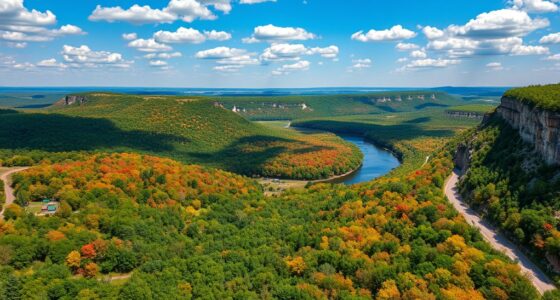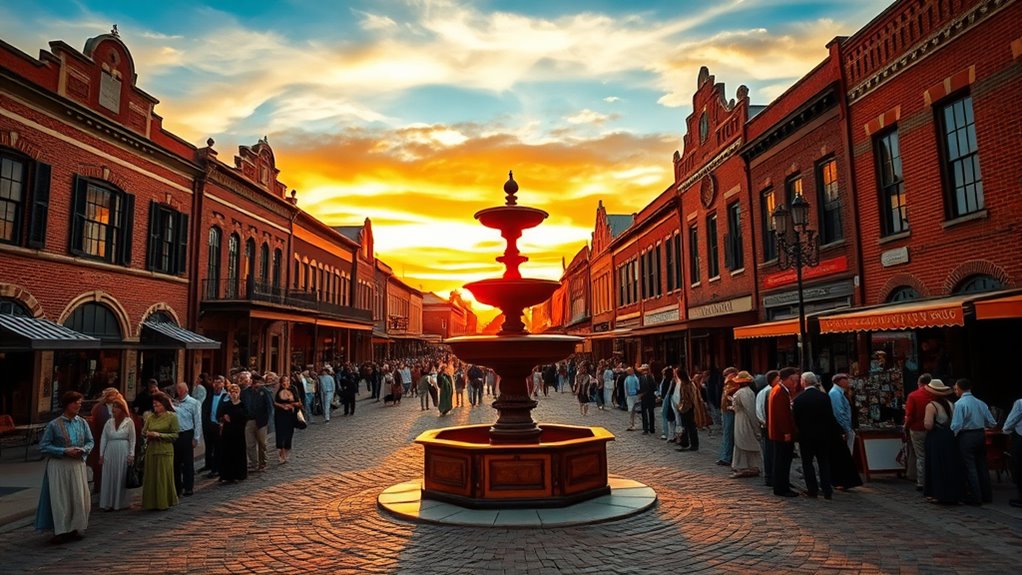

Arkansas’s history and culture are shaped by Native American tribes like the Quapaw and Osage, European explorers, and waves of settlers. The state grew from a territory in 1819 to joining the Union in 1836, experiencing economic booms with diamonds, oil, and railroads. Its vibrant arts scene blends Native, European, and African influences through music, literature, and food. To uncover more about Arkansas’s rich heritage and evolving society, keep exploring the stories that make this state unique.
Key Takeaways
- Indigenous tribes like Quapaw, Caddo, and Osage inhabited Arkansas long before European contact, shaping its cultural heritage.
- Arkansas became a U.S. state in 1836, marked by early governance, territorial development, and regional independence.
- The state’s economy grew through resource discoveries, including diamonds, oil, and railroad infrastructure, fostering industrial growth.
- Cultural influences include Native American, European, and African-American traditions, reflected in music, art, cuisine, and festivals.
- Modern challenges involve flood control, economic diversification, civil rights progress, and political leadership, shaping Arkansas’s contemporary identity.

FINGERINSPIRE Native American Symbols Painting Stencil 11.8×11.8 inch Reusable Tribal Symbols Stencil Tribal Theme Template for Painting on Wood, Floor, Wall, Tile, Canvas, Fabric and Furniture
Native American Symbols Stencil: You will receive a creative hollow out painting template with a tribal theme. The…
As an affiliate, we earn on qualifying purchases.
As an affiliate, we earn on qualifying purchases.
Early Exploration and Indigenous Heritage
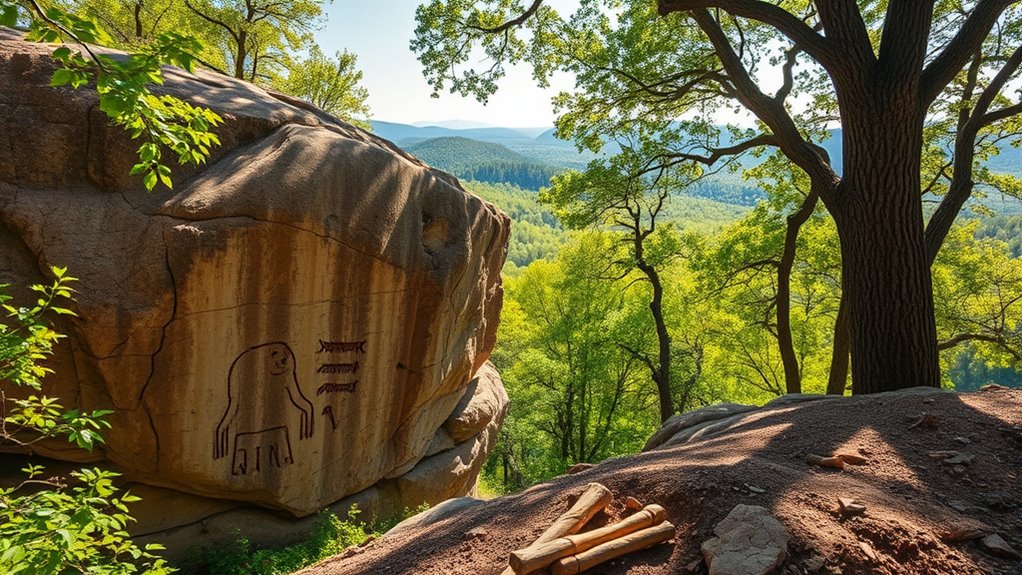
Long before European explorers arrived, Indigenous peoples inhabited the Arkansas region, shaping its history and culture. You should know that tribes like the Quapaw, Caddo, and Osage lived here long before Europeans set foot on the land. They used the area for hunting, fishing, and gathering, establishing vibrant communities and rich traditions. These tribes developed complex social structures, spiritual beliefs, and artistic expressions that continue to influence the region today. When explorers like Hernando de Soto and La Salle arrived, they encountered well-established Native societies. Unfortunately, European contact brought diseases and displacement, drastically reducing Native populations. Despite these hardships, Indigenous heritage remains an essential part of Arkansas’s identity, with reservations and cultural sites honoring their enduring presence. Their history is also reflected in Indigenous languages, which continue to be spoken and revitalized by descendants.

Forgotten Tales of Arkansas
As an affiliate, we earn on qualifying purchases.
As an affiliate, we earn on qualifying purchases.
From Territory to Statehood
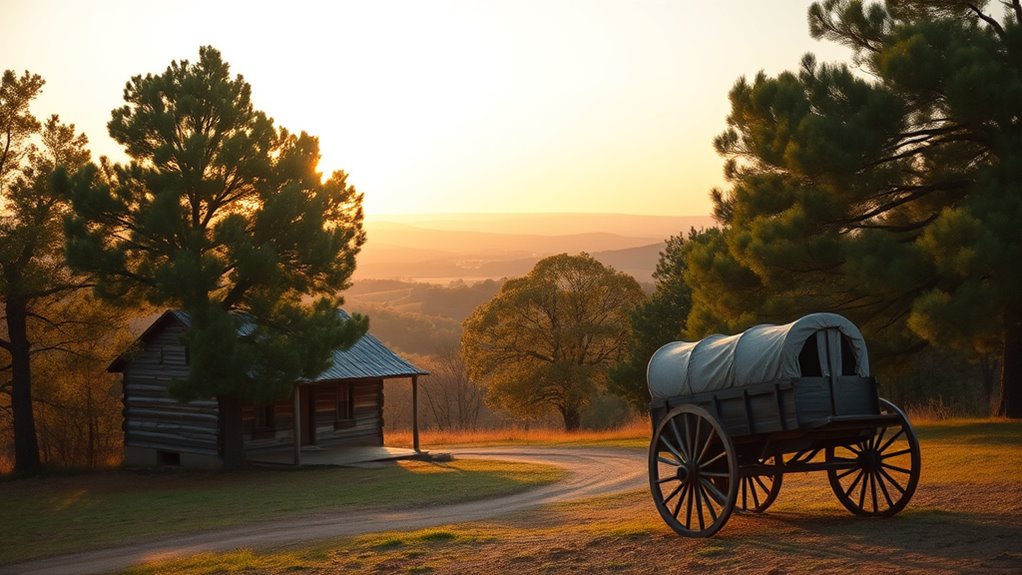
How did Arkansas shift from a territorial region to the 25th state of the United States? It happened through a series of steps. First, Congress created the Arkansas Territory in 1819, setting the stage for statehood. By 1831, debates about becoming a state intensified. In 1836, Arkansas officially joined the Union as the 25th state. This conversion involved drafting a constitution, establishing government institutions, and gaining approval from Congress. The process reflected Arkansas’s growth and desire for self-governance. The table below highlights key milestones:
| Year | Event | Significance |
|---|---|---|
| 1819 | Territory established | Organized governance begins |
| 1831 | Statehood debates start | Push for independence intensifies |
| 1836 | Arkansas joins the Union | Official recognition as a state |

Fun Express 96 Pieces Native American Gifts Heritage Handout Kit – Educational Native American Crafts for Kids Classroom Activities | Teacher Kit for Kids with Bookmarks, Pencils & Slap Bracelets
Celebrate Native American Heritage Month with this comprehensive 96-piece educational handout kit featuring culturally inspired designs perfect for…
As an affiliate, we earn on qualifying purchases.
As an affiliate, we earn on qualifying purchases.
Economic Growth and Development
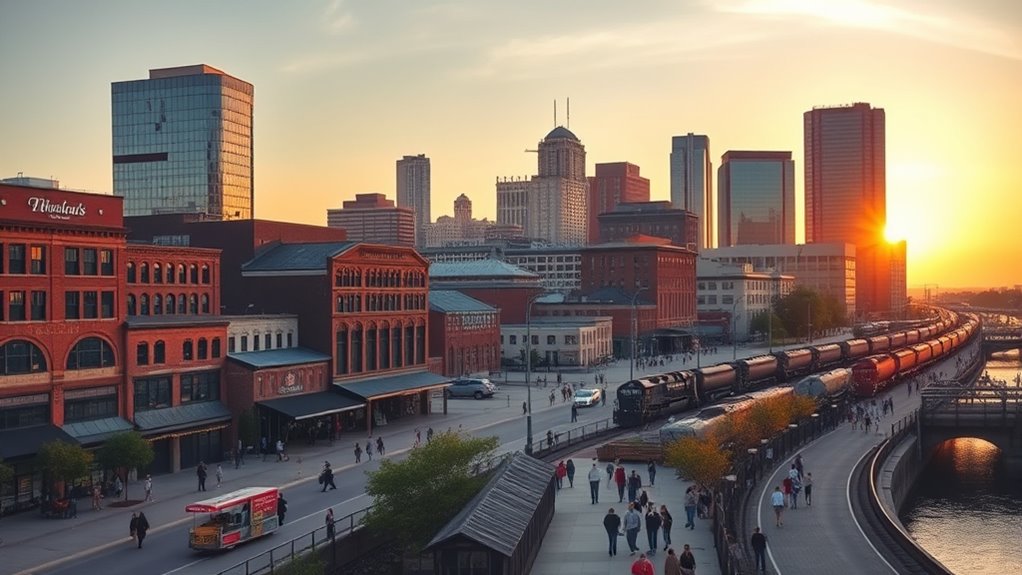
Arkansas’s economy has experienced significant growth driven by resource discoveries and infrastructure development. In 1858, the first railroad opened, transforming transportation and trade. The discovery of diamonds in Pike County in 1906 attracted tourism and mineral exploration, boosting local economies. Oil discoveries near El Dorado and Smackover in the 1920s further fueled growth, creating jobs and industry opportunities. Despite setbacks during the Great Depression, Arkansas recovered in the post-war era, experiencing steady economic expansion in the 1950s. Today, the state continues to diversify its economy with manufacturing, agriculture, and tourism. Infrastructure investments, including transportation networks and regional development projects, support ongoing growth. Additionally, the development of arcade machines and gaming technology has contributed to the entertainment industry and local businesses. These advancements have helped Arkansas evolve from resource-dependent to a more balanced and resilient economy.

The Ticket Gurus-roll of 2000 Red Star Tickets Single Roll Consecutively Numbered Raffle Tickets
2000 Red Star Single Roll Consecutively Numbered Raffle Tickets
As an affiliate, we earn on qualifying purchases.
As an affiliate, we earn on qualifying purchases.
Cultural Influences and Artistic Legacy

Arkansas has cultivated a rich cultural landscape shaped by its diverse history and creative people. Your experiences here are influenced by the blending of Native American traditions, European settlers, and African-American heritage. Music plays a essential role, with blues, jazz, and country rooted in the state’s roots, inspiring local artists and musicians. Literary figures like Maya Angelou reflect Arkansas’s storytelling legacy, while culinary traditions highlight Southern flavors, barbecue, and fresh fish. Visual arts and crafts, from pottery to folk art, showcase local talent. Festivals and cultural events celebrate this diversity, bringing communities together. Your exposure to Arkansas’s artistic legacy reveals a state proud of its history, creative spirit, and ongoing contributions to American culture. Additionally, the state’s artistic legacy is continually evolving through contemporary art movements and innovative cultural expressions.
Modern Society and Ongoing Challenges

Despite its rich history, modern society in Arkansas faces ongoing challenges that shape its future. Flooding remains a concern, especially after the devastating 1927 flood, prompting efforts for better flood control infrastructure. Economic shifts, like the decline of traditional industries such as textiles and agriculture, require adaptation and diversification. Civil rights progress in the 1950s-60s brought change, but disparities persist in education, healthcare, and economic opportunities. Rural areas often struggle with access to services and job growth, while urban centers work to revitalize and attract investment. Political dynamics, exemplified by Sarah Huckabee Sanders becoming the state’s first female governor in 2022, influence policy directions. Addressing these issues is *vital* for Arkansas’s continued growth, resilience, and ensuring a better quality of life for all residents. The promotion of indoor gardening and sustainable practices can also contribute to community well-being and environmental resilience.
Frequently Asked Questions
What Role Did Arkansas Play in Early American Frontier Expansion?
Arkansas played a key role in early American frontier expansion by serving as a gateway for explorers and settlers moving west. You can see this through Hernando de Soto’s expedition and La Salle’s claim for France, which opened the region to European influence. The establishment of Arkansas Post and the development of transportation like railroads further connected Arkansas to the expanding frontier, helping settlers settle and develop the land.
How Have Native American Tribes Influenced Arkansas’s Modern Identity?
Native American tribes have left indelible footprints on Arkansas’s soul, shaping its modern identity like intricate beadwork. Their vibrant traditions, stories, and cultural sites weave through the state’s fabric, reminding you of a deep-rooted connection to the land. Reservations and festivals honor their heritage, inspiring pride and resilience. You can still feel their influence in art, place names, and community spirit, making Arkansas a living tapestry of Native American legacy.
What Are Some Lesser-Known Cultural Festivals Unique to Arkansas?
You should check out lesser-known festivals like the Arkansas Strawberry Festival in Baldwin and the Arkansas Hot Air Balloon Festival in Searcy. These events celebrate local agriculture and community spirit through vibrant parades, music, and unique activities. Participating in these festivals lets you experience Arkansas’s diverse traditions beyond the popular events, offering a genuine taste of the state’s rich cultural heritage and local pride.
How Did Arkansas’s Economy Pivot After the Decline of Traditional Industries?
You see, Arkansas’s economy transformed like a chameleon changing colors after traditional industries declined. You pivoted towards tourism, emphasizing natural attractions, festivals, and cultural heritage to attract visitors. The state also invested in healthcare, education, and technology sectors, creating new opportunities. Small businesses flourished by offering local crafts and cuisine, helping Arkansas reinvent itself and thrive beyond its historic industries, proving resilience can be as mighty as the mountains.
What Are Current Initiatives to Preserve Arkansas’s Historical Sites?
You can participate in Arkansas’s efforts to preserve historical sites through various initiatives. State and local agencies, like the Arkansas Historic Preservation Program, actively restore and maintain landmarks. You might volunteer for preservation projects, support funding campaigns, or visit historic sites to promote awareness. These efforts aim to protect Arkansas’s rich heritage, ensuring future generations can learn from and enjoy its cultural and historical treasures.
Conclusion
As you explore Arkansas’s rich history, you see a tapestry woven with Indigenous roots, pioneering spirits, and vibrant culture. This land, like a resilient river, has shaped its people through challenges and triumphs, flowing forward with strength and pride. Remember, Arkansas’s story is not just in its past but in the enduring spirit that continues to shape its future—an unbreakable thread that beckons you to witness its ongoing journey.