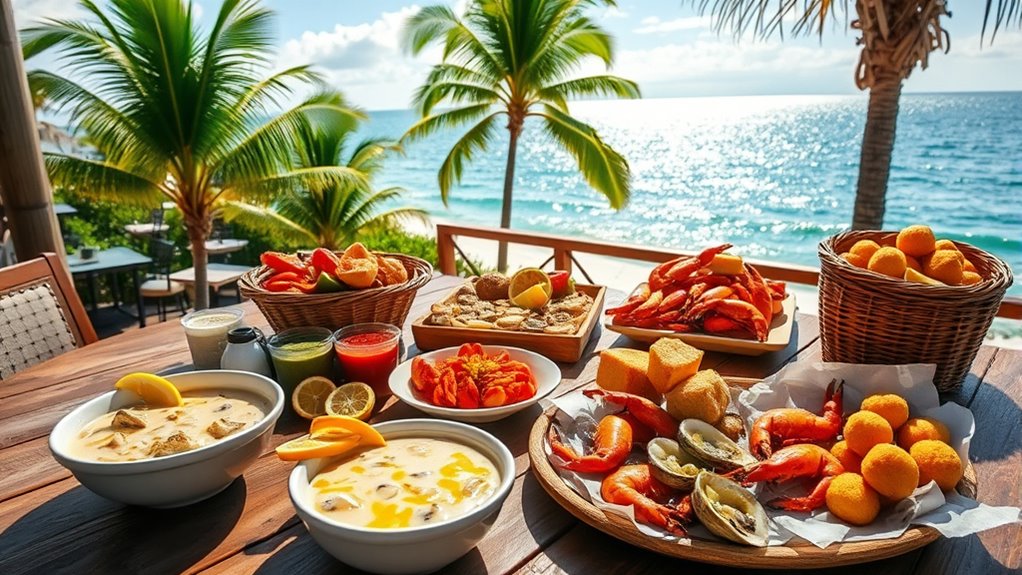

Florida’s cuisine is a vibrant mix of Native American, Caribbean, Spanish, and immigrant influences. You’ll find fresh seafood, tropical fruits, and bold spices shaping signature dishes like conch fritters, Key lime pie, and Cuban sandwiches. Coastal towns like Key West and Tampa showcase unique flavors, blending traditional ingredients with modern twists. If you want to explore how history and culture create Florida’s flavorful culinary scene, there’s plenty more to discover.
Key Takeaways
- Florida’s cuisine is a vibrant blend of Native American, Caribbean, Spanish, and immigrant influences, emphasizing seafood, tropical fruits, and spices.
- Indigenous ingredients like coontie seeds, berries, nuts, and palm fruits formed the foundation of early Florida foodways and cultural practices.
- Signature dishes include Key lime pie, stone crab claws, conch fritters, and regional specialties like the Cuban sandwich.
- Florida’s culinary scene has evolved through fusion and innovation, incorporating multicultural flavors and modern techniques.
- Coastal communities prioritize sustainable seafood preparation, reflecting resilience, cultural heritage, and ongoing culinary innovation.

Edward's, Single Serve Key Lime Pie, 6.5 oz (Frozen)
Made with real key west lime juice
As an affiliate, we earn on qualifying purchases.
As an affiliate, we earn on qualifying purchases.
The Roots of Floribbean Cuisine
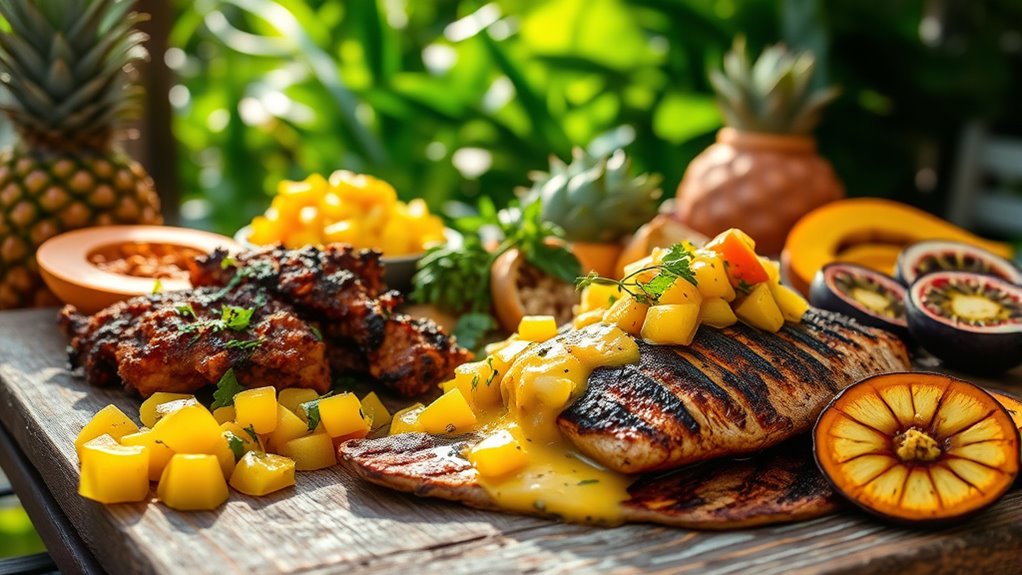
The roots of Floribbean cuisine trace back to a rich blend of Native American, Caribbean, Spanish, and immigrant influences that have shaped Florida’s culinary landscape over centuries. You’ll find that early Native tribes, like the Timucua and Seminoles, used local ingredients such as coontie seeds, berries, and palm nuts, creatively turning them into traditional foods. Spanish explorers introduced citrus fruits in the 16th century, establishing a lasting agricultural legacy. Waves of Caribbean immigrants, especially Cubans, Jamaicans, and Bahamians, brought bold flavors and cooking techniques that remain central today. These diverse influences fused over time, giving rise to a vibrant culinary culture that celebrates seafood, tropical fruits, and spicy seasonings, forming the foundation of what we now recognize as Floribbean cuisine. Additionally, understanding diversification strategies can enrich the cultural fusion by highlighting the importance of blending various culinary traditions to create unique regional flavors.

IMUSA Stainless Steel Panini Press Electric with Adjustable Temperature Settings and Nonstick Plates, 1200W
COMPACT AND CONVENIENT: Measuring 11” x 6.5”, this panini press fits perfectly on any kitchen counter, offering a…
As an affiliate, we earn on qualifying purchases.
As an affiliate, we earn on qualifying purchases.
Native Culinary Traditions and Indigenous Ingredients

You can see how indigenous food practices shaped Florida’s early culinary landscape through the use of local ingredients like coontie seeds, berries, and nuts. Native peoples prepared these resources into calorie-dense breads and flavorful, ceremonial drinks. Their innovative use of available plants and game laid a foundation that still influences Florida’s regional flavors today.
Indigenous Food Practices
Indigenous food practices in Florida showcase a deep connection between native peoples and their environment, utilizing locally sourced ingredients for both sustenance and ceremonial purposes. You learn that tribes like the Seminole and Timucua relied on resources such as coontie seeds, berries, nuts, and cabbage palms to create nutrient-dense foods. The Seminoles, for example, made bread from coontie, a starchy root, while gathering wild fruits and nuts for energy. These ingredients weren’t only eaten; they played a essential role in rituals and community gatherings. You also discover that native culinary techniques emphasized preservation and resourcefulness, ensuring food security in a challenging landscape. Their practices reflect a harmonious relationship with nature, emphasizing sustainability and respect for the land’s offerings. Additionally, traditional food preparation often involved ceremonial significance, highlighting the cultural importance of these practices beyond sustenance.
Native Ingredient Uses
Native peoples in Florida harnessed local ingredients to create flavorful and resourceful dishes that suited their environment. They used plants like coontie seeds to make dense bread and gathered berries, nuts, and palm fruits for nourishment. The Timucua brewed a highly caffeinated black drink from yaupon holly leaves, which played a ceremonial role. Seminoles utilized the cabbage palm for food and crafted tools from animal parts. They also relied on local fish and shellfish, such as oysters and shrimp, from Florida’s waterways. These indigenous ingredients and techniques formed the foundation of native cuisine, emphasizing sustainability and resourcefulness. Today, these traditional practices influence regional cooking, highlighting a deep connection to Florida’s natural landscape and its rich cultural history. Additionally, the use of indigenous ingredients continues to inspire modern chefs seeking authentic regional flavors.

suoundey Seafood Cracker Tool Set With Lobster Sheller Stainless Steel Crab Crackers Crab Leg Fork Seafood Scissors And Storage Bag, Crab Leg Pick Utensils Set Crab Eating Tools (9Pcs)
Seafood Tools Kit: The crab tongs and crab leg fork are made of zinc alloy, will not corrode…
As an affiliate, we earn on qualifying purchases.
As an affiliate, we earn on qualifying purchases.
Influences of Spanish and Caribbean Immigrants
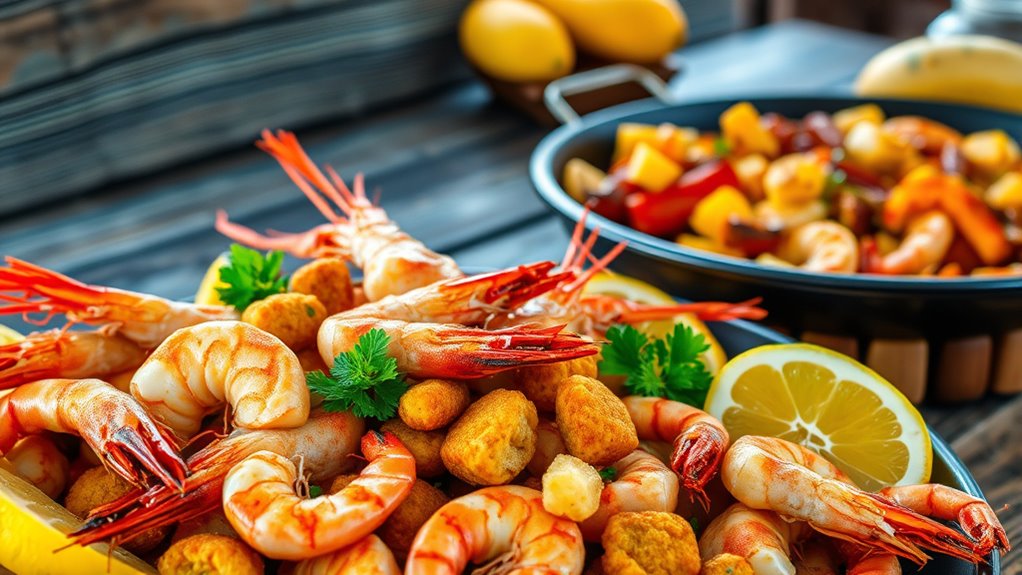
You can see how Spanish roots have shaped Florida’s cuisine through dishes like the Cuban sandwich and paella, which highlight ingredients like pork, rice, and olive oil. Caribbean immigrants have added bold flavors with jerk spices, conch fritters, and tropical fruits, creating a vibrant fusion. Together, these influences form the colorful culinary landscape that makes Florida’s food unique. The diverse ingredients and techniques reflect the cultural blending that defines the state’s culinary traditions.
Spanish Culinary Roots
Spanish and Caribbean immigrants have profoundly shaped Florida’s culinary landscape, blending their rich traditions to create vibrant, flavorful dishes. You’ll notice Spanish influences in staple ingredients like garlic, olive oil, and pork, which form the basis of many local recipes. Dishes such as paella and tapas reflect Spanish roots, often adapted with fresh Florida seafood and tropical fruits. The Cuban sandwich, a symbol of Florida’s Spanish heritage, combines ham, roast pork, pickles, and mustard on Cuban bread, showcasing the fusion of Spanish and Caribbean flavors. Additionally, Spanish-style croquetas and red snapper dishes highlight the longstanding culinary ties. This rich heritage continues to influence Florida’s cuisine, adding depth and diversity to its vibrant food scene today. Incorporating traditional preparation methods and local ingredients, these dishes demonstrate how culinary traditions adapt and evolve in the region.
Caribbean Flavor Impact
How have Spanish and Caribbean immigrants shaped Florida’s vibrant culinary landscape? You’ll notice their influence in the bold flavors and diverse dishes that define Floridian cuisine. Caribbean spices, jerk seasoning, and tropical fruits like mangoes and pineapples appear in many recipes, enhancing seafood, grilled meats, and sauces. Spanish immigrants introduced staples like pork, garlic, and olive oil, blending seamlessly with Caribbean ingredients to create vibrant fusion dishes. You can taste this fusion in iconic foods such as conch fritters, stone crab, and Key lime pie, which highlight regional flavors. The Caribbean’s lively culinary traditions, combined with Spanish staples, have made Florida’s food scene uniquely colorful and dynamic, reflecting the rich cultural tapestry that continues to shape its culinary identity today. Additionally, the use of vetted ingredients ensures these dishes are both authentic and safe for all diners.

Magiware Paring Knife, 8PCS Paring Knife Set with Cover, Small Kitchen Vegetable Fruit Knives, 3.5 Inch Ultra Sharp PP Handle
【Superior Paring Knife Set】: Made with ultra-sharp stainless steel blades( 3Cr13MoV) and lithtweight plastic handles, Featuring a short…
As an affiliate, we earn on qualifying purchases.
As an affiliate, we earn on qualifying purchases.
The Role of Seafood in Florida’s Food Culture
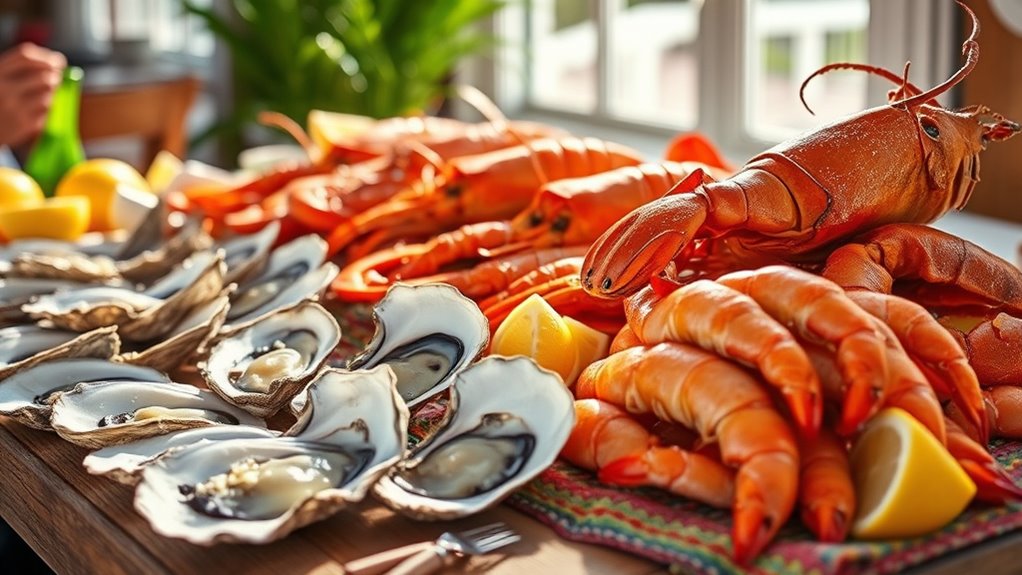
Seafood stands at the heart of Florida’s culinary identity, reflecting the state’s extensive coastline and rich marine resources. You’ll find it featured in countless dishes, from conch fritters to stone crab claws. The abundance of local fish and shellfish shapes regional specialties, emphasizing freshness and flavor. Seafood’s essential role is evident in iconic dishes like Key West pink shrimp and Florida’s signature ceviche. It also influences fusion cuisine, blending Caribbean spices with local catches. The table below highlights key seafood varieties and their culinary uses:
| Seafood Type | Common Preparation |
|---|---|
| Stone Crab | Cold steamed with mustard sauce |
| Conch | Fritters or salads |
| Shrimp | Grilled, boiled, or fried |
| Grouper | Baked, blackened, or grilled |
| Oysters | Raw, Rockefeller, or baked |
This diversity underscores seafood’s enduring importance in Florida’s food culture. The variety of seafood available contributes significantly to the state’s unique culinary traditions.
Signature Dishes and Regional Specialties
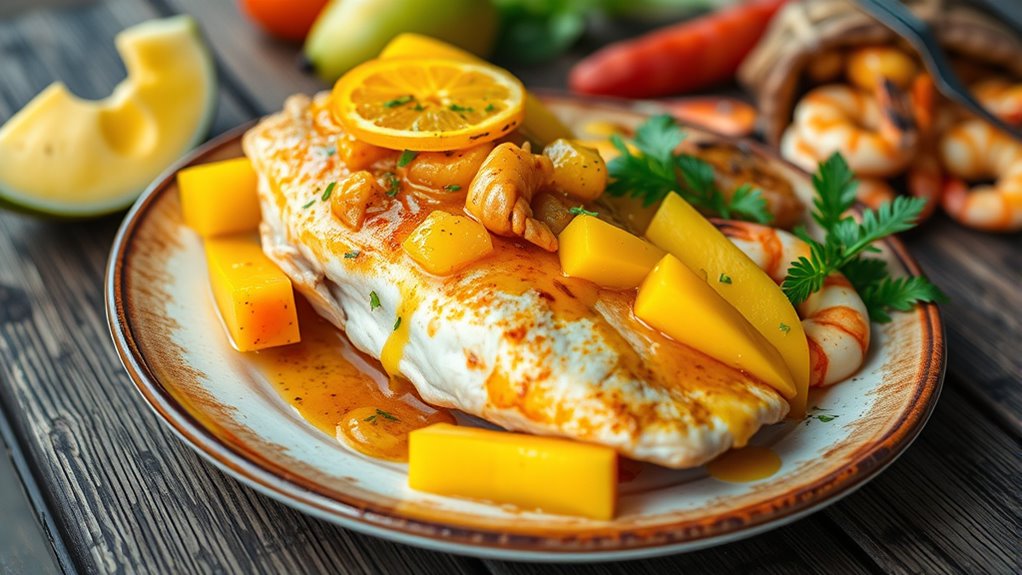
Florida’s diverse landscape and cultural influences have given rise to a variety of signature dishes and regional specialties that define its culinary identity. You’ll find flavorful staples rooted in Caribbean, Spanish, and Southern traditions, showcasing local ingredients and rich histories. These dishes highlight Florida’s coastal bounty and multicultural heritage. For example:
Florida’s rich landscape blends Caribbean, Spanish, and Southern flavors into vibrant, coastal-inspired dishes celebrating local heritage.
- Key lime pie, with its tart Key limes, is a sweet Florida icon.
- Stone crab claws, prized for their sweet, tender meat, are a regional seafood specialty.
- Cuban sandwiches, layered with ham, roasted pork, and pickles, reflect Cuban influence.
- Conch fritters, crispy and savory, are a Caribbean favorite often found along the coast.
- Incorporating local ingredients such as fresh seafood and tropical fruits is essential to authentic Florida cuisine.
The Evolution of Key West’s Culinary Scene
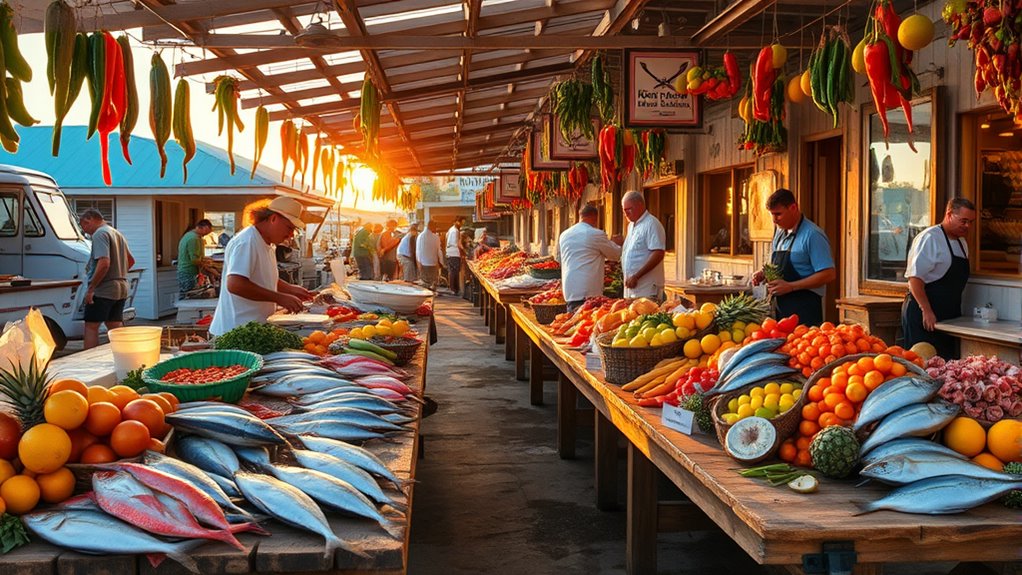
Key West’s culinary scene has transformed dramatically since its early days as a Caribbean port, shaped by waves of immigrant communities and evolving trade routes. You’ll notice how Cuban, Bahamian, and African influences blend into the local food culture, creating a vibrant mosaic of flavors. The introduction of the railroad in 1912 brought fresh seafood and produce, fueling culinary innovation. Over time, iconic dishes like conch fritters, Key lime pie, and the famous pink shrimp became staples. Today, you’ll find a thriving restaurant scene that celebrates these traditions while embracing modern twists. The island’s culinary evolution reflects its rich multicultural history and its ongoing connection to the sea, making Key West a true melting pot of flavors and culinary creativity. Incorporating local ingredients and traditional cooking techniques continues to define its distinctive culinary identity.
Fusion Cuisine and Multicultural Flavors
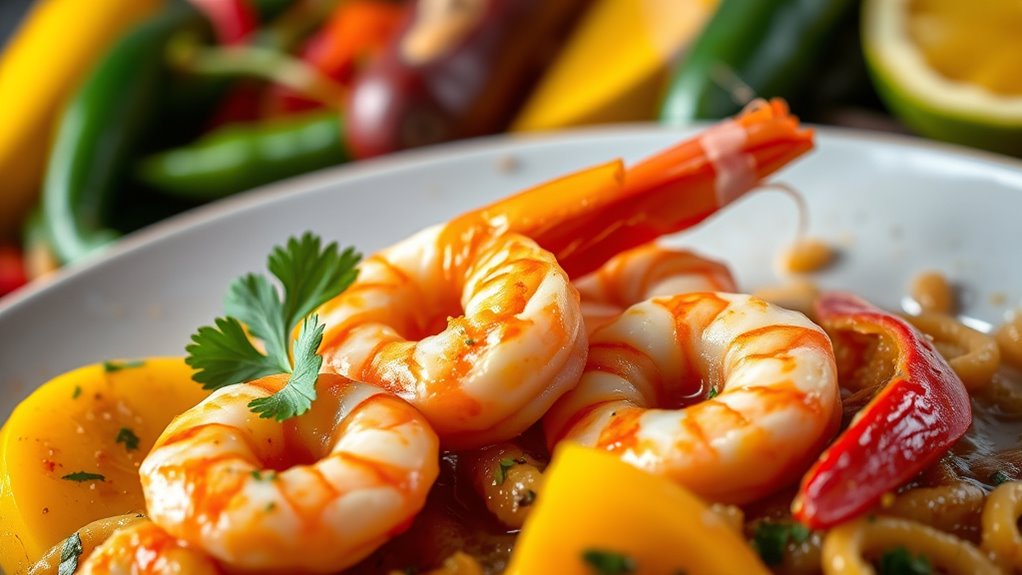
Fusion cuisine in Florida emerges from a rich history of cultural exchange, where diverse immigrant communities and indigenous traditions blend seamlessly to create innovative flavors. You’ll discover how Spanish staples like pork, garlic, and olive oil combine with Caribbean spices and Latin American ingredients, forming vibrant dishes. The state’s multicultural waves from the Caribbean, Latin America, and Asia continually reshape its food scene, making it dynamic and exciting. Fresh seafood from coastlines pairs with tropical fruits and spices to craft bold, unique flavors. This culinary diversity reflects Florida’s subtropical climate and extensive coastline, supporting both land- and sea-based ingredients. You’ll notice how tradition and innovation merge in every bite, showcasing Florida’s ongoing culinary evolution. Smart toilets demonstrate the importance of advanced hygiene practices that can also influence food safety standards in modern kitchens.
Iconic Foods and Culinary Landmarks
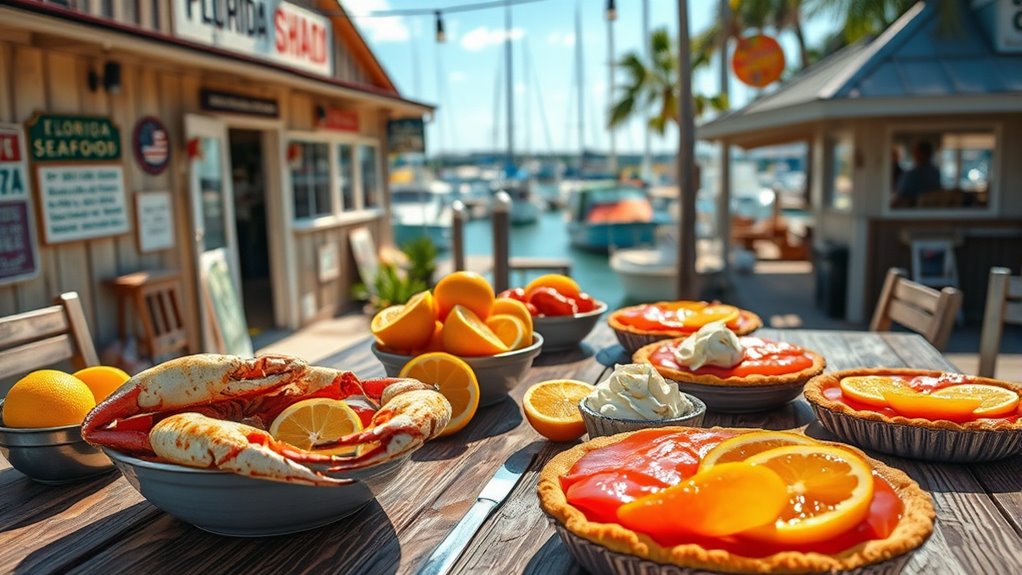
Among Florida’s most recognizable culinary symbols is the iconic Cuban sandwich, which has become a staple throughout the state. You’ll find it in cafes and delis, especially in Tampa and Miami, where Cuban immigrants established roots. This pressed sandwich features roasted pork, ham, Swiss cheese, pickles, mustard, and Cuban bread, perfectly blending flavors. Another landmark is the Columbia Restaurant in Tampa, Florida’s oldest restaurant, renowned for its Spanish cuisine and traditional dishes like paella and red snapper. Seafood also plays a crucial role, with stone crab claws and conch fritters representing local bounty. No visit is complete without tasting Key lime pie, a tart, creamy dessert made from native Key limes. These foods and landmarks embody Florida’s rich culinary history and vibrant cultural influences.
The Dynamic and Resilient Foodways of Florida
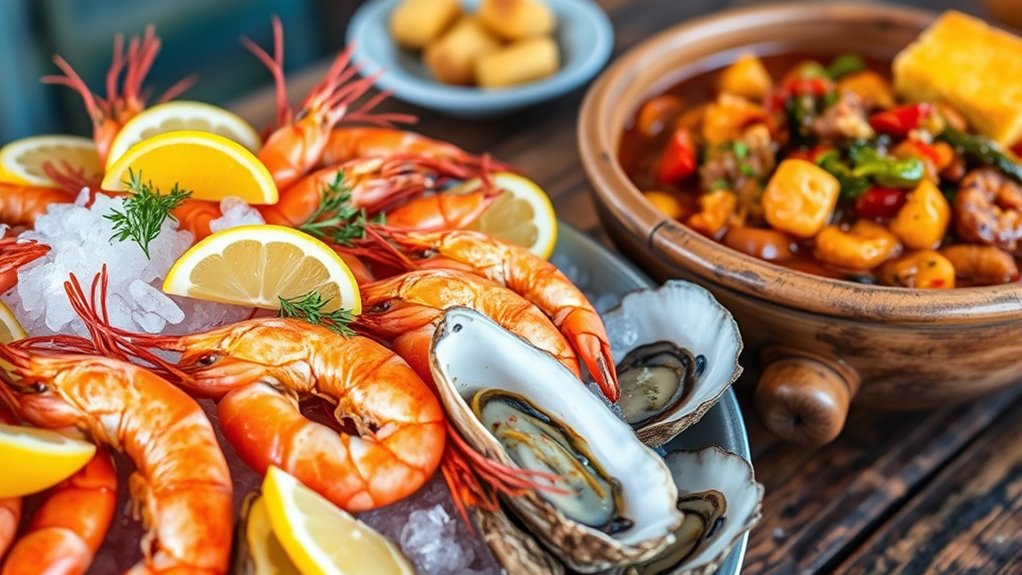
Florida’s foodways demonstrate remarkable resilience and adaptability, continually evolving through cultural exchanges, economic shifts, and environmental changes. You’ll find that this flexibility keeps the cuisine vibrant and relevant, blending traditional flavors with modern influences. The state’s diverse communities contribute unique recipes and techniques, ensuring culinary traditions stay alive. You might notice how seafood remains central, yet is prepared in innovative ways. Local ingredients like key limes and tropical fruits are reimagined in new sauces and dishes. Cultural resilience is evident in how communities preserve recipes despite challenges. This dynamic nature fosters a culinary landscape that honors heritage while embracing progress.
- Incorporation of Caribbean, Latin, and African influences
- Innovation with local seafood and tropical ingredients
- Preservation of traditional recipes amid change
- Fusion of cultural flavors in contemporary dishes
Frequently Asked Questions
How Has Florida’s Climate Influenced Its Culinary Diversity?
Your Florida climate directly shapes its culinary diversity by providing a warm, tropical environment that supports a wide variety of fresh seafood, fruits, and vegetables. You can enjoy abundant seafood like shrimp, grouper, and stone crab, alongside tropical fruits such as mangoes, pineapples, and key limes. This climate encourages outdoor cooking, fishing, and farming, fostering a vibrant, fusion-driven cuisine that reflects the state’s rich multicultural influences and natural resources.
What Are Some Lesser-Known Indigenous Ingredients Used in Florida Cuisine?
You might not know that Florida uses indigenous ingredients like yaupon holly, which Native Americans brewed into a highly caffeinated black drink. Coontie seeds were ground into calorie-dense bread, and cabbage palms provided nuts and berries. Berries like mayhaw and native wild fruits add flavor, while wild herbs and roots, such as arrowroot, are used in traditional dishes. These lesser-known ingredients showcase Florida’s rich Native American culinary heritage.
How Did the Cuban Sandwich Become a Symbol of Florida’s Food Culture?
Imagine you’re in the 1880s, where a black-and-white TV might still be decades away. The Cuban sandwich became Florida’s symbol because Cuban immigrants in Tampa and Miami crafted it for cigar workers, blending roast pork, ham, Swiss cheese, pickles, and mustard on Cuban bread. Its hearty, portable nature made it perfect for laborers, and today, it embodies Florida’s multicultural roots, proudly representing the state’s vibrant culinary identity.
What Role Do Food Festivals Play in Preserving Florida’s Culinary Heritage?
Food festivals play a essential role in preserving Florida’s culinary heritage by celebrating diverse traditions and showcasing local dishes. You get to experience authentic flavors, learn about cultural histories, and connect with communities that keep these foodways alive. Festivals encourage the sharing of recipes, techniques, and stories, ensuring that Florida’s rich culinary diversity remains vibrant and relevant for future generations. They’re a lively way to honor the state’s multicultural food identity.
How Has Florida’s Fusion Cuisine Evolved With Modern Culinary Trends?
Florida’s fusion cuisine has blossomed like a vibrant garden, blending traditional flavors with modern trends. You’ll find innovative dishes that marry tropical fruits, fresh seafood, and global spices, reflecting multicultural influences. Chefs experiment with techniques like sous-vide and molecular gastronomy while honoring classic recipes. This ongoing evolution keeps Florida’s culinary scene fresh and exciting, like a constantly shifting tapestry woven from its diverse cultural threads.
Conclusion
As you explore Florida’s vibrant culinary landscape, you’ll find it’s a tapestry woven with history, culture, and coastal treasures. Like a lively dance, its flavors blend native ingredients with Caribbean and Spanish influences, creating a symphony that’s both dynamic and resilient. Embrace the diversity, and you’ll taste Florida’s spirit—a melting pot where every dish tells a story, inviting you to savor the rich, ever-evolving heartbeat of this flavorful state.