
North Carolina’s cuisine blends Southern comfort with coastal seafood and Appalachian mountain traditions. You’ll find iconic dishes like fried chicken, Brunswick stew, and Calabash-style seafood, all rich in history and local ingredients. From barbecue to regional snacks like Cheerwine, the state’s food reflects diverse cultural influences. If you explore further, you’ll discover how agriculture, heritage, and creative food trends shape North Carolina’s vibrant culinary scene.
Key Takeaways
- North Carolina’s cuisine features regional specialties like Brunswick stew, Calabash seafood, and fried chicken influenced by Appalachian, European, and African traditions.
- Coastal areas emphasize fresh seafood, including fried fish, oysters, and shrimp, often served with hushpuppies and coleslaw.
- Traditional beverages such as Cheerwine, sweet tea, and regional fruit wines reflect local flavors and cultural heritage.
- Culinary practices include preservation techniques like canning, fermenting, and smoking, rooted in Indigenous, European, and African methods.
- Food culture emphasizes resourcefulness, community, and local ingredients, with a growing farm-to-table movement and fusion cuisine innovations.

Uncle Lou's Fried Chicken Corruption Seasoning (7oz)
VERSATILE SEASONING: Corruption Seasoning delivers bold, savory flavor that enhances fried chicken, grilled meats, vegetables, and more with…
As an affiliate, we earn on qualifying purchases.
As an affiliate, we earn on qualifying purchases.
Iconic Foods Originating From North Carolina
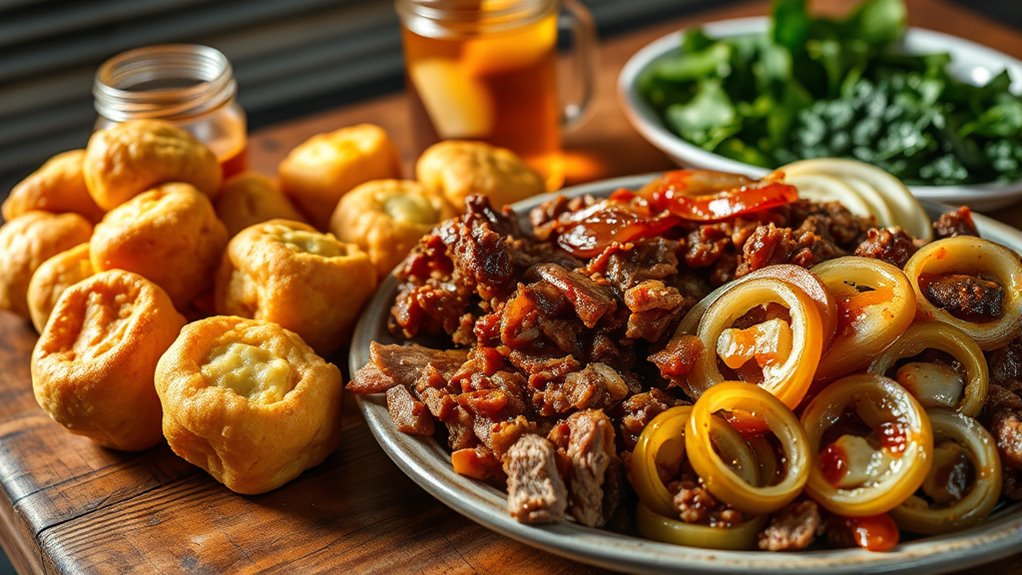
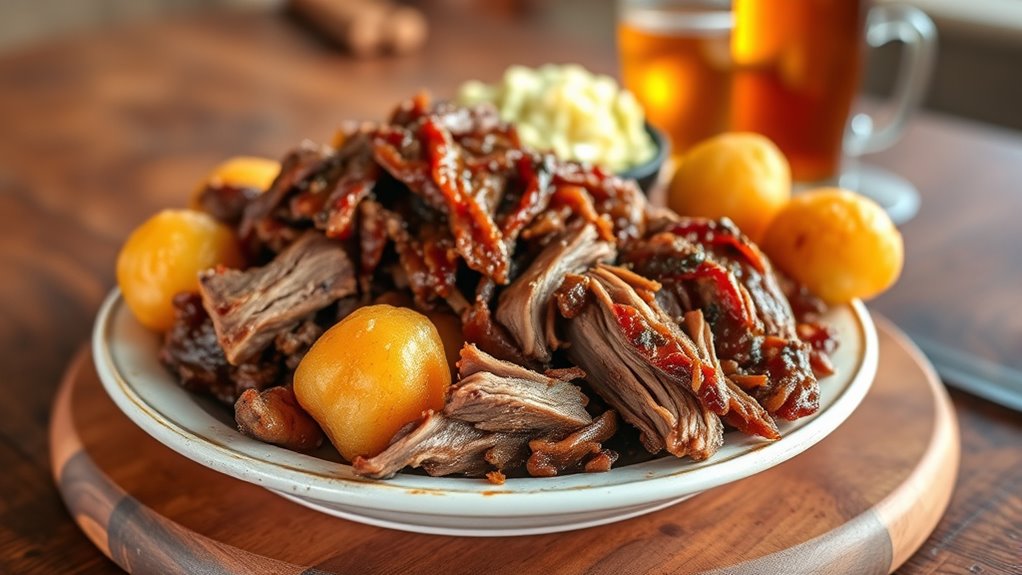
North Carolina has given the world several iconic foods that reflect its rich culinary heritage. You might already know about Brunswick stew, a hearty tomato-based dish packed with meats and vegetables, perfect for family gatherings. Calabash-style seafood is another regional treasure; light, crispy, and fresh, it captures the essence of coastal North Carolina. The state also boasts fast-food giants like Hardee’s and Bojangles’, both founded here and famous for their biscuits and fried chicken. Cheerwine, a cherry-flavored soda introduced in Salisbury in 1917, remains a regional favorite. Finally, the Golden Corral buffet chain, originating in Fayetteville, emphasizes variety and affordability, showcasing the state’s diverse culinary influences. These foods highlight North Carolina’s unique and flavorful contributions to American cuisine. Additionally, North Carolina’s culinary diversity is supported by its rich agricultural lands and access to fresh seafood, which help sustain its vibrant food traditions.

Hiware 20-piece Seafood Tools Set includes 6 Crab Crackers, 6 Lobster Shellers, 6 Crab Leg Forks/Picks and 2 Seafood Scissors & Storage Bag – Nut Cracker Set
Professional Seafood Tools Set includes 6 zinc alloy crab crackers, 6 Food-Grade plastic lobster shellers, 6 stainless steel…
As an affiliate, we earn on qualifying purchases.
As an affiliate, we earn on qualifying purchases.
The Tradition of Fried Chicken in North Carolina

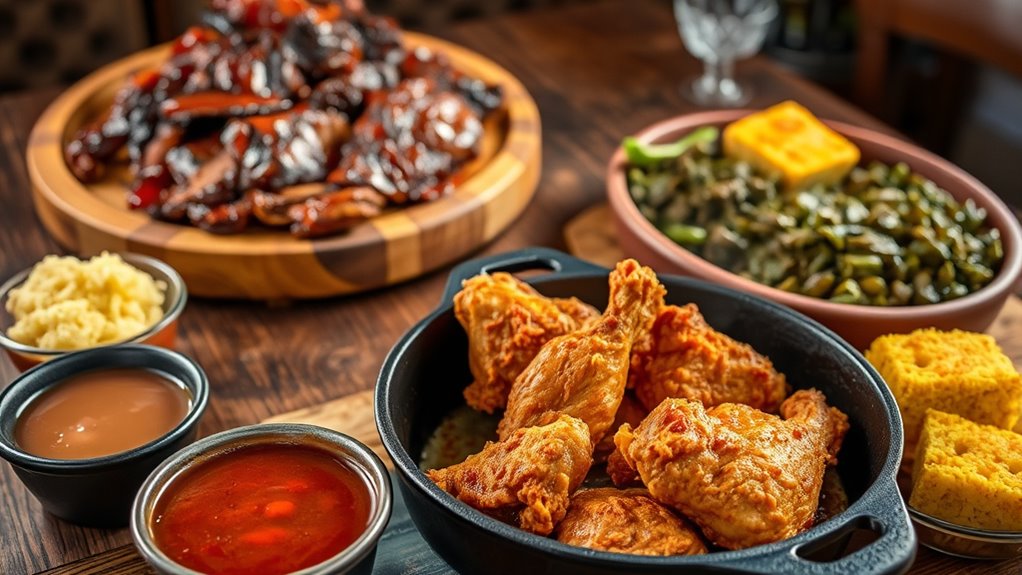
Fried chicken holds a special place in North Carolina’s culinary heritage, embodying a blend of cultural influences and regional traditions. You’ll find family recipes passed down through generations, each with unique seasoning blends and cooking techniques. Bojangles’ popularized a spicy style of fried chicken, often enjoyed during tailgating and community events. North Carolina’s version features a spicy vinegar or hot sauce drizzle, giving it a distinctive kick. The roots of this dish combine Scottish frying methods with African American seasoning traditions, creating a rich flavor profile. Variants like pecan-crusted chicken showcase local ingredients, adding texture and regional character. Additionally, the use of recycled materials in some regional cookware reflects North Carolina’s commitment to sustainable practices. Whether cooked simply or with bold, spicy dips, fried chicken remains a beloved, integral part of North Carolina’s culinary identity, reflecting its history and diverse cultural influences.

Lodge 7 Quart Enameled Cast Iron Oval Dutch Oven with Lid – Dual Handles – Oven Safe up to 500° F or on Stovetop – Use to Marinate, Cook, Bake, Refrigerate and Serve – Red
YOUR GO-TO DUTCH OVEN: A flawless pairing of form and function that doesn't quit. The Lodge Dutch Oven…
As an affiliate, we earn on qualifying purchases.
As an affiliate, we earn on qualifying purchases.
Appalachian and Mountain Culinary Influences
In North Carolina’s mountains, you’ll find foraged ingredients like ramps, sassafras, and wild ginger shaping local dishes. Traditional preservation methods, such as pickling and fermenting native plants, help families maintain flavors year-round. These culinary practices reflect deep cultural roots, blending Indigenous, European, and African influences into mountain cuisine. Developing a cultural intelligence enhances understanding of these diverse culinary traditions and their significance.
Foraged Ingredients and Wild Flavors
The Appalachian and mountain regions of North Carolina are rich with foraged ingredients that have shaped local culinary traditions. You might gather ramps in early spring, adding their pungent flavor to soups or pestos. Sassafras leaves are used to make traditional teas and flavor dishes, while wild ginger adds a spicy note to stews. Mushrooms like chanterelles and morels are harvested in forests, enhancing risottos and sautés. Berries such as blackberries and huckleberries are picked for jams, desserts, and beverages. These foraged ingredients reflect a deep connection to the land, with recipes developed over generations. You’ll find that wild flavors are woven into dishes that highlight regional ingenuity, preserving the mountain’s natural bounty and cultural heritage in every bite.
Traditional Preservation Techniques
Traditional preservation techniques play an essential role in Appalachian and mountain North Carolina cuisine, allowing communities to extend the shelf life of seasonal foods and maintain their culinary heritage. You’ll find methods like canning fruits and vegetables, which lock in freshness for year-round use. Fermentation is also common, used to create tangy sauerkrauts, pickles, and other preserved vegetables that add flavor and health benefits. Smoking and drying meats are traditional ways to preserve game, poultry, and fish, especially in remote mountain areas. You might also come across salt-curing and root cellaring, which keep produce and meats edible without refrigeration. These techniques reflect practical ingenuity and a deep connection to the land, ensuring that mountain families can enjoy their local ingredients long after harvest. Additionally, these traditional methods are often complemented by modern safety practices to prevent food safety concerns and ensure preservation quality.
Cultural Culinary Influences
Appalachian and mountain communities in North Carolina have shaped the region’s culinary landscape through a rich tapestry of cultural influences. You’ll find that Indigenous, European, and African traditions blend seamlessly in mountain dishes. Native ingredients like ramps, sassafras, and wild ginger play key roles, often foraged from local landscapes. You might prepare hearty stews using native herbs or preserve vegetables through pickling and fermenting. Scottish and Irish settlers introduced techniques like frying chicken and baking bread, while African American communities contributed bold seasonings and cooking methods. These influences combine to create distinctive flavors, such as spicy, seasoned fried chicken and homemade jams from wild fruits. Your culinary experience reflects a deep-rooted heritage of resourcefulness, community, and respect for local ingredients. Additionally, understanding regional culinary influences can deepen your appreciation for the diverse flavors found throughout North Carolina’s mountain regions.

Lipton Southern Sweet Iced Tea Bags, Family Size Zero Calories, 132 Total Bags (22ct – Pack of 6)
FLAVORFUL & AROMATIC black tea leaves plus the perfect amount of sweetness brew up a smooth and crisp…
As an affiliate, we earn on qualifying purchases.
As an affiliate, we earn on qualifying purchases.
Agricultural Roots and Food Accessibility
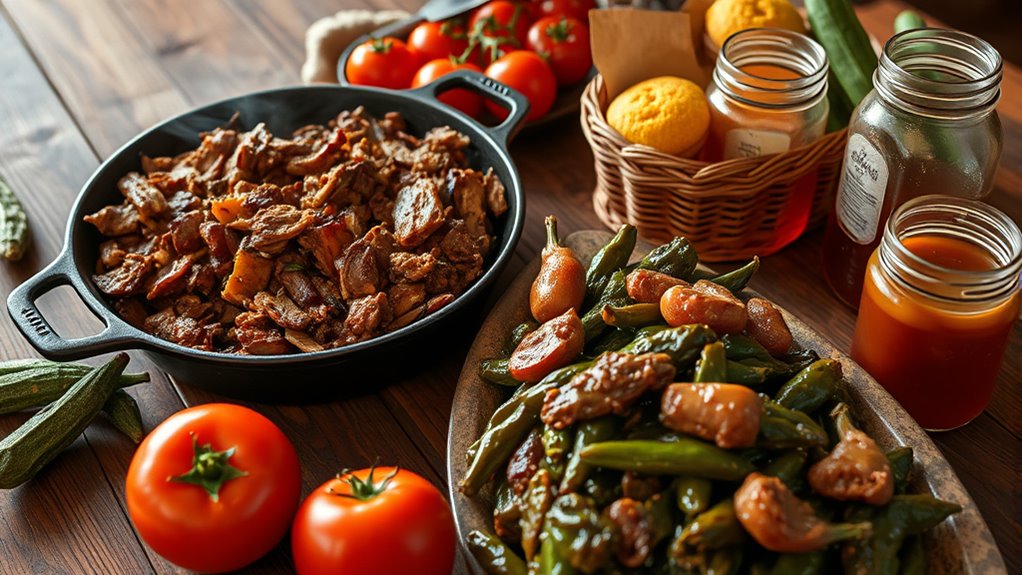
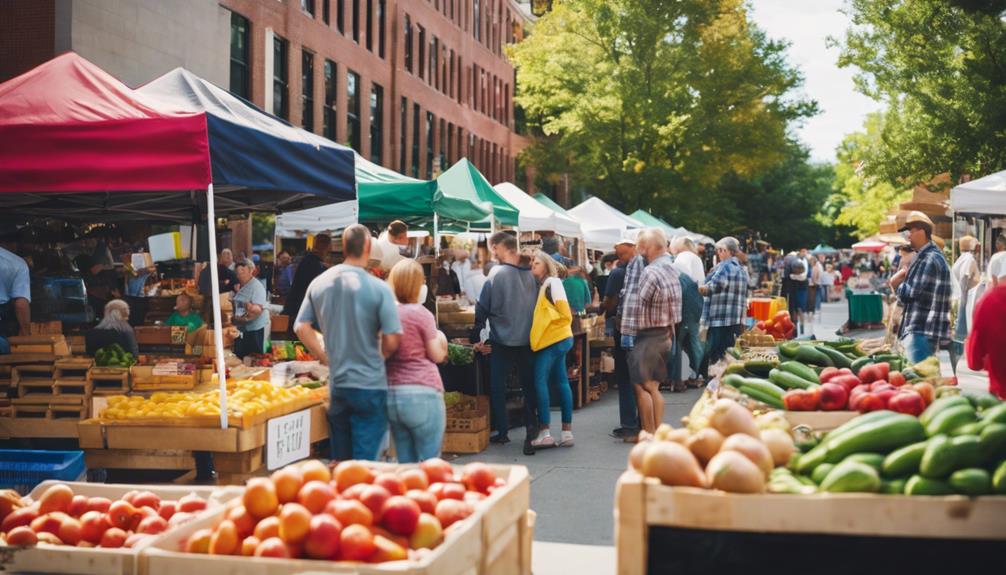
You see that rural farming practices have shaped North Carolina’s food landscape, but they also create challenges for food access. Many families depend on small-scale gardens or local markets because large-scale distribution isn’t always reliable. As a result, community efforts often focus on improving food availability for everyone, especially in underserved areas promoting local food systems.
Rural Farming Practices
Rural farming practices in North Carolina have shaped the state’s culinary landscape by emphasizing small-scale, diverse agriculture that sustains local communities. You’ll find many families grow vegetables, herbs, and fruits in home gardens, supplementing their diets and preserving seasonal flavors. Farmers often rotate crops like sweet potatoes, corn, and beans, promoting soil health and food variety. Many rely on traditional methods such as hand planting, harvesting, and preserving foods through canning or drying. These practices guarantee fresh, accessible ingredients for daily meals, especially in remote areas. Because large-scale industrial farms are less common, you’ll notice a strong connection between land, community, and food. This farming approach fosters culinary traditions rooted in local ingredients, making North Carolina’s cuisine deeply personal and regionally distinct.
Food Access Challenges
Despite North Carolina’s rich agricultural history, many communities still face significant barriers to accessing fresh, healthy food. Rural areas often lack grocery stores, making it hard to find fresh produce and nutritious options. Food deserts are common in low-income neighborhoods, where transportation options are limited, and stores with healthy choices are scarce. Economic disparities further restrict access, forcing families to rely on convenience stores with processed, less nutritious foods. Agricultural land is sometimes limited by urban development, reducing local food production. Additionally, systemic inequalities mean marginalized communities experience higher rates of food insecurity. These challenges prevent many North Carolinians from enjoying the benefits of fresh, local foods, impacting health and well-being across the state. The presence of food access challenges is compounded by the limited availability of local food sources, which could otherwise help mitigate these issues.
Cultural Contributions Shaping North Carolina Cuisine
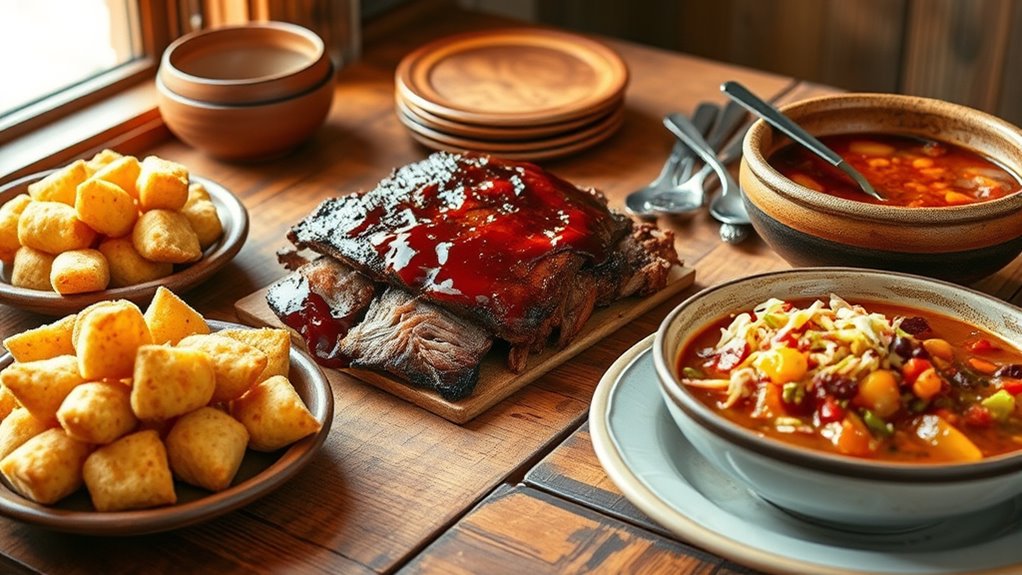
North Carolina’s cuisine has been profoundly shaped by a rich tapestry of cultural influences, reflecting its diverse history and regional identities. You’ll find Scottish and Irish traditions evident in Appalachian dishes, with frying techniques and hearty use of local ingredients. African American communities have contributed bold seasonings, frying methods, and flavorful staples like fried chicken, highlighting a legacy of culinary innovation. Native American ingredients, such as corn and native plants, form foundational elements of many recipes. European settlers, especially Moravians, introduced baking and sugar confections, while German influences add to the variety. These cultural contributions blend to create a uniquely North Carolinian culinary identity, emphasizing regional flavors, traditional techniques, and a history of adaptation that continues to influence modern dishes. Additionally, understanding the importance of Cultural Intelligence in preserving and evolving culinary traditions helps communities adapt recipes for contemporary tastes while honoring their heritage.
Regional Snacks and Popular Food Brands
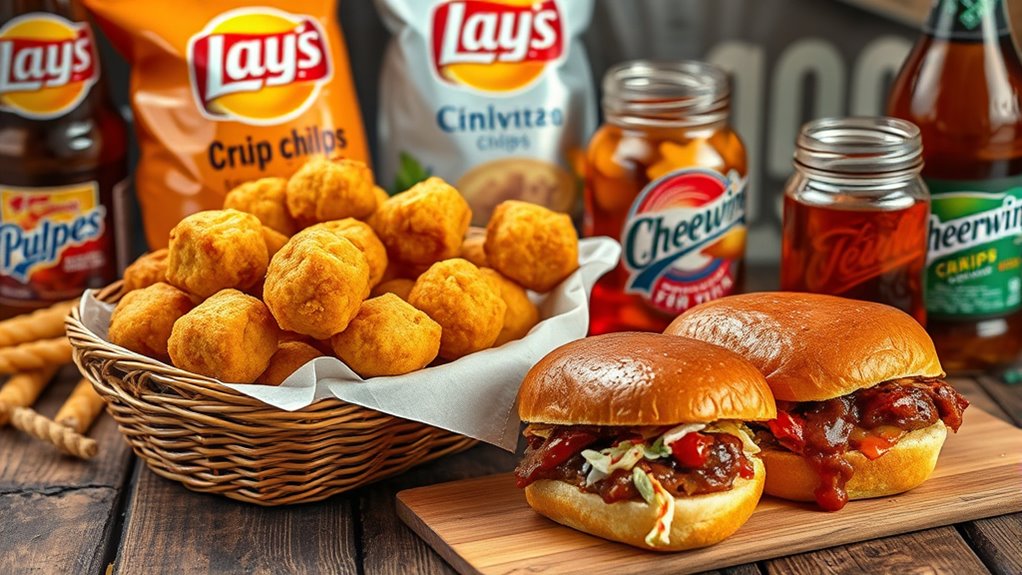
North Carolina boasts a variety of regional snacks and iconic food brands that reflect its rich culinary heritage. From beloved treats like Aunt Ruby’s Peanuts to popular seafood dishes along the coast, these favorites showcase local flavors and traditions. Exploring these snacks and brands reveals how regional identity continues to shape North Carolina’s food scene. Many of these local specialties are celebrated through regional food brands, which help preserve and promote the state’s unique culinary identity.
Regional Snack Favorites
Have you ever enjoyed a handful of Aunt Ruby’s Peanuts or sipped on a cold Cheerwine during a summer picnic? North Carolina’s regional snack favorites reflect its agricultural roots and cultural heritage. Aunt Ruby’s Peanuts are a beloved snack, showcasing the state’s peanut farming legacy with roasted, seasoned nuts. Cheerwine, a cherry-flavored soda since 1917, offers a unique regional refreshment enjoyed at gatherings or on its own. Another favorite is boiled peanuts, a Southern staple, prized for their salty, tender texture, often sold at roadside stands. Dried apple chips, made from local orchards, provide a sweet, crunchy treat. These snacks highlight North Carolina’s farm-to-table traditions and regional pride, offering flavorful, nostalgic bites that connect you to the state’s culinary history. By exploring these regional favorites, you can deepen your appreciation for North Carolina’s culinary heritage and its connection to local agriculture.
Iconic North Carolina Brands
Several iconic brands have shaped North Carolina’s culinary identity, from regional snacks to beloved fast-food chains. Cheerwine, a cherry-flavored soft drink, has been a regional favorite since 1917, often enjoyed at gatherings and celebrations. Aunt Ruby’s Peanuts highlights the state’s peanut farming heritage, offering locally grown, roasted nuts that are perfect for snacking. Fast-food chains like Bojangles’ and Hardee’s originated here, known for their signature biscuits and fried chicken, serving as Southern comfort staples. Calabash seafood represents the state’s coastal culinary tradition, emphasizing fresh, lightly fried fish. Golden Corral, founded in Fayetteville, offers a buffet experience that emphasizes variety and value, spreading North Carolina’s hospitality nationwide. These brands reflect the state’s rich flavors and regional pride.
Coastal Seafood Specialties
Coastal North Carolina is renowned for its seafood specialties that capture the essence of its maritime heritage. You’ll find that Calabash-style seafood is a regional favorite, featuring lightly fried, crispy fish and shellfish served with tangy sauce or lemon. This style was developed in Calabash, NC, and remains a cornerstone of local cuisine. Fresh oysters, shrimp, and blue crabs are also popular, often enjoyed steamed with Old Bay or seasoned with local spices. Many seafood restaurants emphasize freshness, reflecting the region’s connection to the Atlantic. Coastal snacks like fried clam strips and fish tacos showcase the area’s seafood abundance. Popular food brands such as Calabash Seafood and local fish markets help keep these traditions alive, making seafood a crucial part of North Carolina’s culinary identity.
Coastal Seafood and Calabash-style Dishes
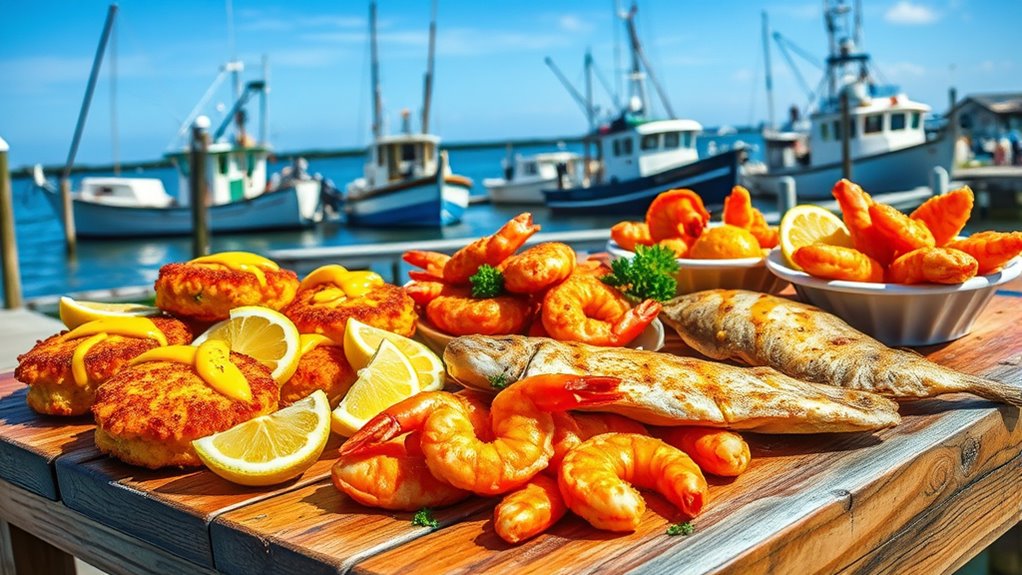
North Carolina’s seafood scene showcases a rich tradition of fresh, flavorful dishes rooted in the state’s coastal communities. You’ll find that Calabash-style seafood is iconic here, known for its crispy, lightly fried fish and shellfish. This style emphasizes simplicity and freshness, often served with tangy sides like hushpuppies and coleslaw. When you order Calabash seafood, you experience a taste of local history, as this method was developed in Calabash, NC, over generations. The focus is on quality, with seafood lightly coated in seasoned batter and fried to perfection. Coastal towns also serve up shrimp, oysters, and crab cakes that highlight the region’s bounty. These dishes celebrate North Carolina’s maritime heritage, offering a delicious, authentic taste of the Atlantic’s freshest catches.
Traditional Soups and Stews of the State
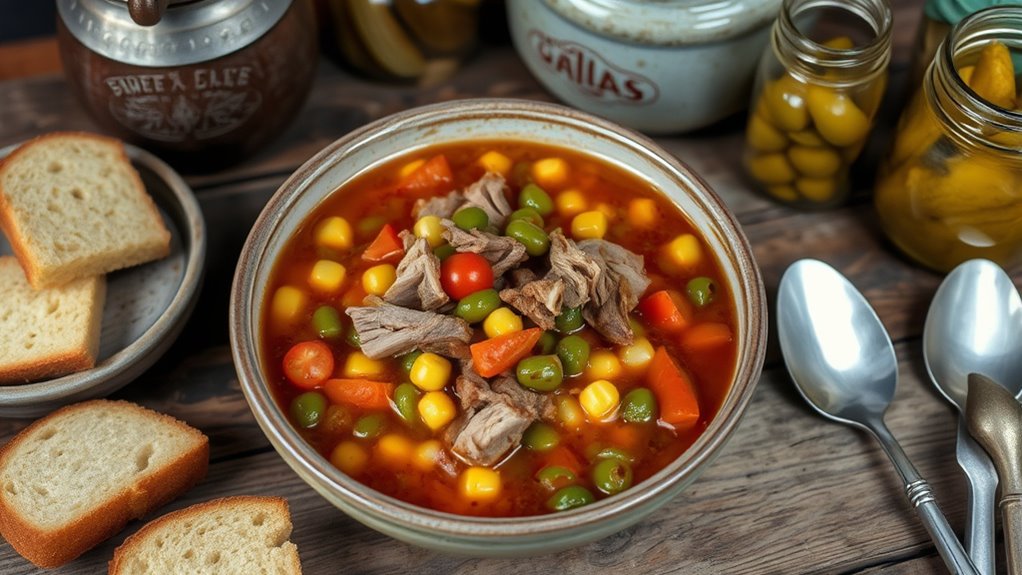
Soups and stews hold a special place in North Carolina’s culinary traditions, offering hearty, flavorful dishes that reflect the state’s diverse cultural influences and agricultural roots. You’ll find classics like Brunswick stew, a comforting blend of meats and vegetables cooked slowly to develop rich flavors. You might also enjoy chicken and dumplings, a soul-warming favorite with tender meat and fluffy dumplings soaking in savory broth. For coastal flavor, seafood chowders highlight fresh catches, lightly seasoned and thickened to perfection. Ultimately, spicy chili demonstrates the influence of Southern and Appalachian tastes, with bold seasonings and local ingredients.
- Indulge in Brunswick stew, a soul-satisfying staple that embodies tradition.
- Savor chicken and dumplings, a comforting taste of home.
- Relish seafood chowders, capturing the coast’s freshness.
- Feel the heat of spicy chili, a bold regional favorite.
Beverages That Define North Carolina’s Flavor Profile
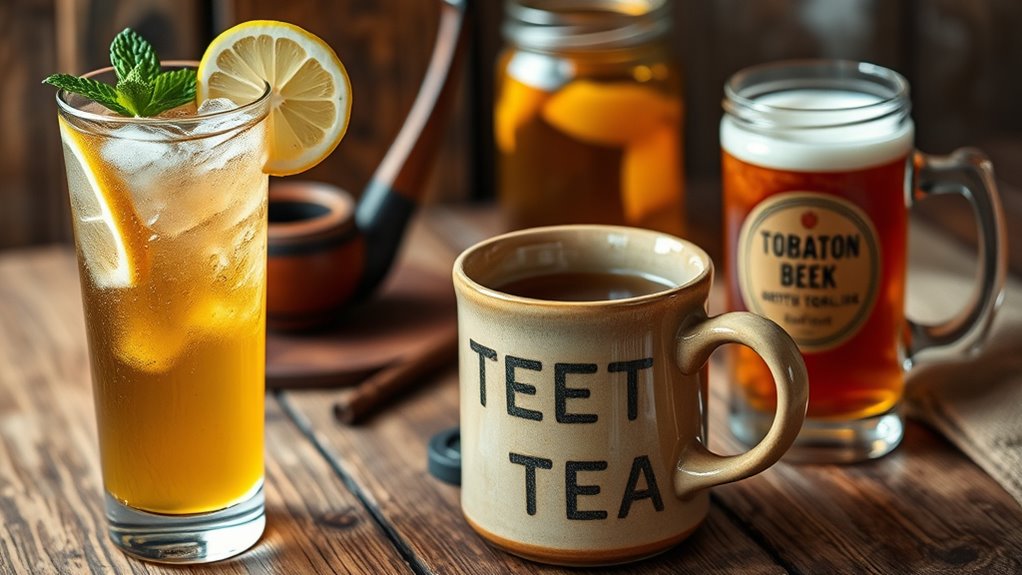
Beverages play a pivotal role in shaping North Carolina’s unique flavor profile, reflecting its rich cultural history and regional ingredients. You’ll find regional drinks that highlight local flavors and traditions. Cheerwine, a cherry-flavored soft drink since 1917, remains a regional icon enjoyed at gatherings and meals. Sweet tea is a staple, often brewed strong with a splash of lemon, embodying Southern hospitality. Craft beers and local moonshine also contribute to the state’s beverage scene, blending innovation with tradition. Here’s a visual overview:
| Traditional Beverages | Modern Favorites |
|---|---|
| Cheerwine | Craft beers from local breweries |
| Sweet tea | Artisanal moonshine |
| Locally brewed sodas | Regional fruit wines |
These drinks encapsulate North Carolina’s diverse beverage heritage.
Modern Food Trends and Culinary Innovation
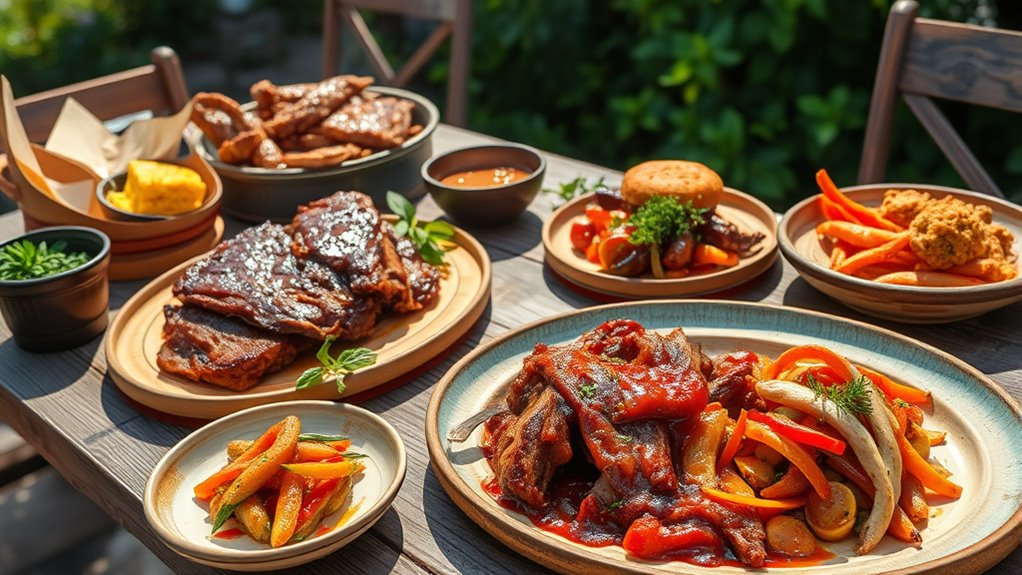
As culinary traditions evolve, North Carolina’s food scene is embracing innovative trends that blend its rich heritage with modern tastes. You’ll find chefs experimenting with local ingredients and new techniques to create exciting dishes.
- Farm-to-Table Movements: Sourcing fresh, seasonal produce from nearby farms, elevating classic dishes with vibrant flavors.
- Fusion Cuisine: Combining Appalachian, African American, and Indigenous influences into unique, boundary-pushing meals.
- Plant-Based Innovations: Embracing vegetarian and vegan options that honor local produce and sustainable practices.
- Craft Beverages: Developing innovative craft beers, spirits, and non-alcoholic drinks inspired by regional flavors, like Cheerwine-infused cocktails.
These trends keep North Carolina’s culinary scene dynamic and deeply rooted in its history, inviting you to experience its evolving flavor story.
Frequently Asked Questions
How Does North Carolina’s History Influence Its Current Food Culture?
Your food culture in North Carolina is shaped by its history of diverse influences, from Indigenous ingredients and European settlers to African American traditions. You’ll find recipes that blend Scottish frying techniques, African seasoning methods, and native plants, creating rich flavors. Economic hardships encouraged reliance on local, seasonal foods, while regional farming and fishing shaped staples like fried chicken and Calabash seafood, making current dishes a reflection of this vibrant history.
What Are the Regional Differences in North Carolina’s Fried Chicken Recipes?
You’ll notice regional differences in North Carolina’s fried chicken recipes. In the Piedmont, you might enjoy spicy, crispy chicken seasoned with Texas Pete or molasses, reflecting Southern flavors. In the Appalachian areas, expect dishes with foraged herbs or mountain-style seasonings, emphasizing local ingredients. Coastal regions favor lighter, Calabash-style frying with a crispy crust and fresh seafood influences. Overall, each area adapts fried chicken to local tastes and traditions, creating delicious regional variations.
How Do Native American Ingredients Shape North Carolina’s Traditional Dishes?
Native American ingredients deeply influence North Carolina’s traditional dishes by providing foundational elements like corn, beans, and native plants. You’ll find dishes incorporating cornmeal for porridge or bread, and wild foraged herbs and greens add unique flavors. These ingredients blend with regional techniques, creating dishes that celebrate indigenous roots. By using native plants and staples, you connect with the land’s history and enrich your meals with authentic, locally-sourced flavors.
In What Ways Do Economic Disparities Affect Food Access Across the State?
You see economic disparities in North Carolina create stark contrasts in food access, where wealthier areas enjoy fresh produce, quality meats, and diverse options, while poorer communities often rely on processed foods or food assistance programs. These gaps limit healthy choices, perpetuating health issues and food insecurity. Despite local farms and markets, economic barriers prevent equitable access, making it harder for some residents to enjoy the nutritious, traditional dishes that define the state’s culinary heritage.
What Role Do Immigrant Communities Play in North Carolina’s Culinary Traditions?
Immigrant communities play a crucial role in shaping North Carolina’s culinary traditions by bringing diverse ingredients, cooking techniques, and flavors. You’ll notice influences from West African, German, and European cuisines, which blend with local ingredients to create unique dishes. These communities introduce new spices, preservation methods, and recipes that enrich regional food culture, helping it evolve continuously and fostering a vibrant, multicultural culinary scene across the state.
Conclusion
North Carolina’s cuisine beautifully blends tradition with innovation, offering rich flavors rooted in history and local ingredients. While some might think modern trends overshadow classic dishes, they actually enhance the state’s culinary diversity. Embrace both the timeless fried chicken and coastal seafood, and you’ll discover a vibrant food scene that respects its past while exploring new tastes. North Carolina’s culinary tapestry invites you to savor its heritage and embrace its evolving flavors.