
Arizona’s history and culture are rich and diverse, shaped by ancient Indigenous communities like the Hohokam and Ancestral Puebloans who developed advanced farming and architecture. You’ll find that Native tribes, Spanish explorers, and Mexican rulers each left lasting influences. Statehood brought growth through mining, farming, and tourism. Today, tribes maintain cultural traditions amidst modern challenges, demonstrating resilience. Stay curious to discover how Arizona’s vibrant past continues to influence its unique identity today.
Key Takeaways
- Arizona’s history includes Native American civilizations like Hohokam and Ancestral Puebloans, who developed irrigation and architectural innovations.
- Spanish explorers and Mexican rule influenced the region’s culture, religion, and land use before Arizona became a U.S. state.
- Statehood in 1912 spurred economic growth through mining, agriculture, and infrastructure development, shaping modern Arizona.
- The state hosts 22 tribes, preserving cultural traditions through arts, ceremonies, and efforts to maintain sovereignty and environmental rights.
- Arizona’s rich cultural heritage is reflected in its arts, festivals, and ongoing efforts to balance historical preservation with contemporary growth.

INCOK Aztec Diamond Art Coasters – 8 PCS DIY American Native Diamond Painting Coasters Kits for Drinks Coffee Abstract Boho Indian Art Craft Supplies Gift for Mexican Beginners
Package Contents : Including 8pcs diamond art coasters, a handy holder, packs of 5D diamonds, a diamond tray,…
As an affiliate, we earn on qualifying purchases.
As an affiliate, we earn on qualifying purchases.
Early Inhabitants and Ancient Cultures
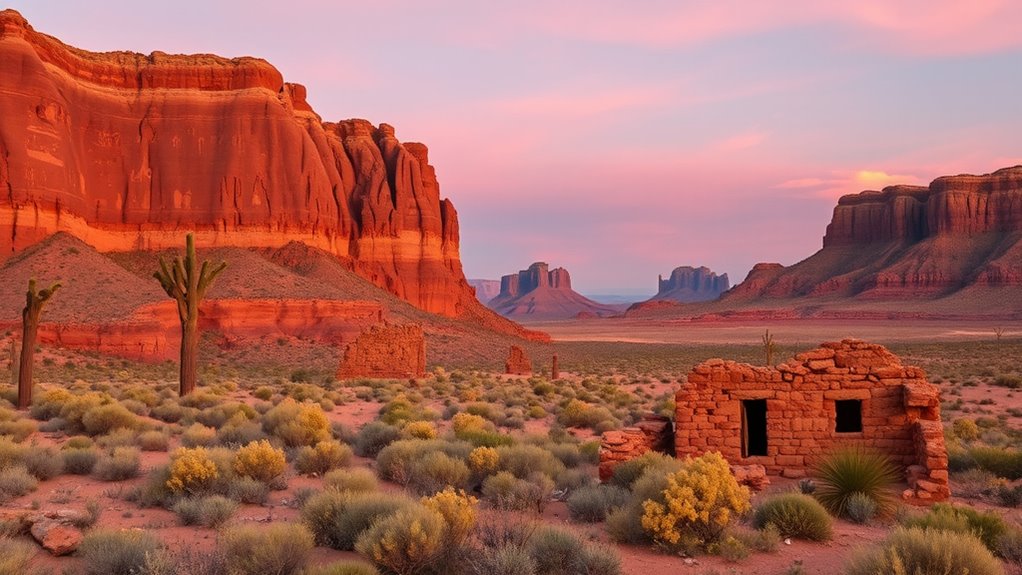
Arizona’s ancient history begins with the Paleo-Indians, who arrived in the region around 12,000 to 15,000 years ago. You can imagine them as early hunters and gatherers steering the arid landscape, relying on stone tools and tracking game. Over thousands of years, these early inhabitants developed more complex societies, leaving behind evidence of their presence through artifacts and dwelling sites. Among the most notable cultures are the Hohokam, who engineered sophisticated canal systems for agriculture around 500 AD, and the Ancestral Puebloans, who built impressive cliff dwellings like Montezuma’s Castle. These civilizations thrived by adapting to the environment, creating innovations that laid the foundation for Arizona’s rich cultural history. Their legacy endures through archaeological sites and ongoing traditions. The development of advanced irrigation techniques by the Hohokam exemplifies their ingenuity in making the desert landscape productive.
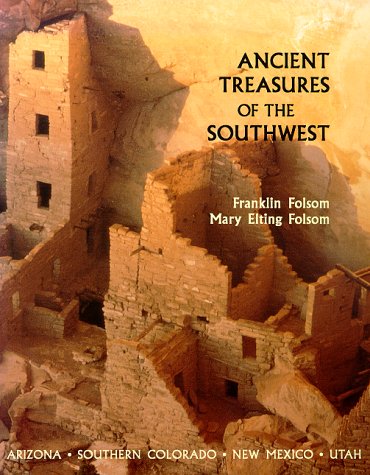
Ancient Treasures of the Southwest: A Guide to Archeological Sites and Museums in Arizona, Southern Colorado, New Mexico, and Utah
As an affiliate, we earn on qualifying purchases.
As an affiliate, we earn on qualifying purchases.
Native Tribes and Contemporary Communities
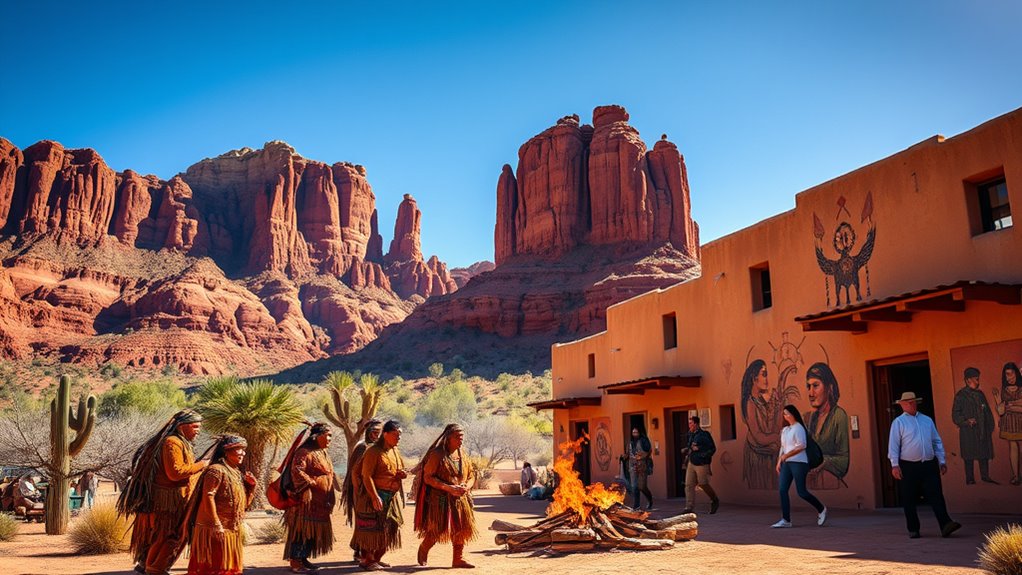
Today, Arizona is home to 22 federally recognized Native American tribes, each with unique traditions, languages, and governance structures. You’ll find vibrant communities like the Navajo Nation, Hopi, and Tohono Oʼodham, who actively preserve their cultural practices. Many tribes engage in traditional crafts like basket weaving, pottery, and farming, which remain essential to their identities. Economically, tribes participate in gaming, agriculture, and tourism, supporting their communities. You might visit tribal museums, attend ceremonies, or explore reservations to experience their rich heritage firsthand. Despite modern challenges like health disparities and water rights issues, these communities demonstrate resilience and a strong sense of sovereignty. Their ongoing efforts ensure cultural preservation while adapting to contemporary life. Additionally, many tribes incorporate textile art techniques into their traditional crafts, reflecting their cultural stories and history.

Kaskaskia Tribe Native American Indian Pride Respect Retro T-Shirt
Kaskaskia Be proud of who you are and where you come from. Celebrate and support Native American History…
As an affiliate, we earn on qualifying purchases.
As an affiliate, we earn on qualifying purchases.
Spanish Exploration and Colonial Foundations
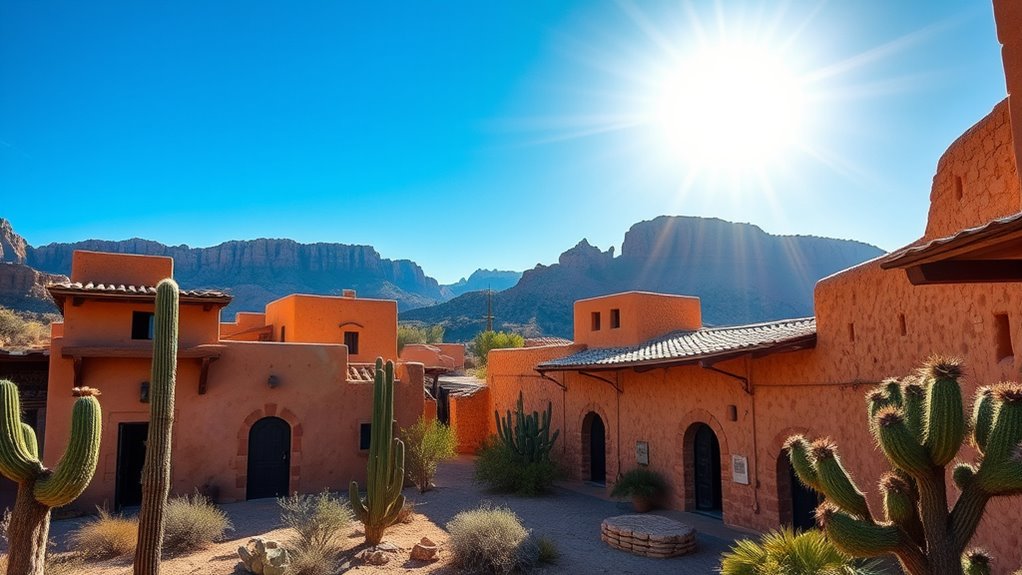
European explorers arrived in the region in the early 16th century, seeking new routes and riches. You might have heard of Marcos de Niza and Francisco Vázquez de Coronado, who led expeditions through Arizona in search of wealth and new territories. The Spanish established over 20 missions in Pimería Alta by the late 17th century, aiming to convert and control Native populations like the Akimel and Tohono Oʼodham. These missions helped spread Christianity and Spanish influence across the land. Spanish settlers also built presidios, or military forts, to defend their interests and expand their reach. The period marked the beginning of European presence, shaping Arizona’s cultural landscape and laying the groundwork for future colonial development. Additionally, the introduction of European agricultural practices significantly impacted the local environment and indigenous ways of life.

Great American Eclipse
As an affiliate, we earn on qualifying purchases.
As an affiliate, we earn on qualifying purchases.
Mexican Rule and Territorial Changes
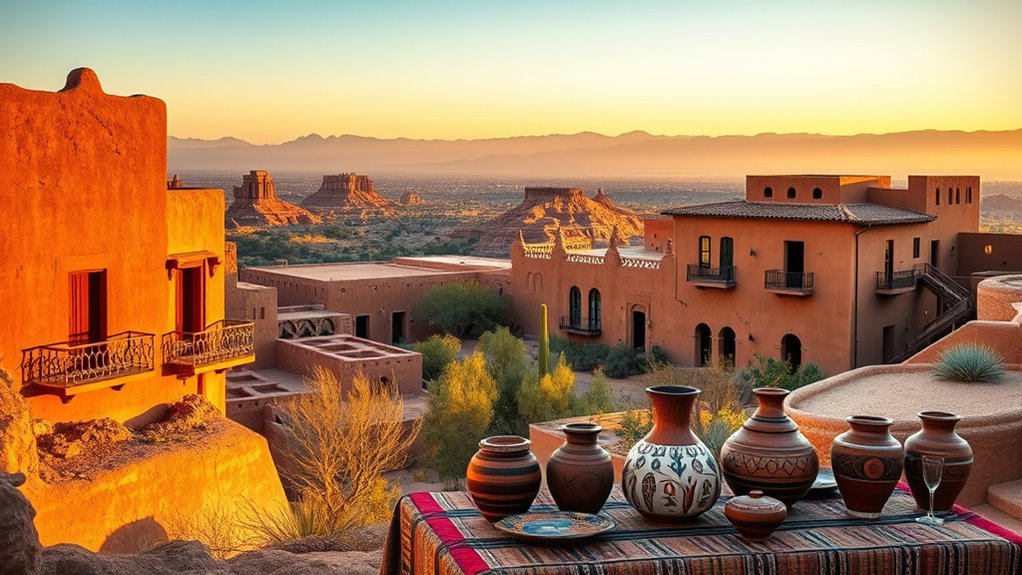
When Mexico gained independence in 1821, control of Arizona shifted from Spain, leading to new political and cultural dynamics. You’ll see how this change sparked conflicts with Apache tribes and altered land use. Eventually, Arizona’s territory was transferred to the United States after the Mexican-American War, shaping its modern borders. Adoption from shelters played a role in the region’s evolving demographics and community development.
Spanish Colonial Influence
Following the decline of Spanish rule, Arizona became part of Mexico in 1821, shifting control from Spanish authorities to Mexican governance. During this period, Mexican authorities continued to influence local culture and land use, especially through land grants and ranching. Mission systems expanded, fostering the spread of Christianity and Spanish customs among Native tribes like the Tohono Oʼodham and Pima. These missions served as centers for religious, cultural, and economic activities. Mexican rule also introduced new architectural styles, including adobe missions and haciendas, which still influence Arizona’s landscape. Trade routes between Mexico and the region flourished, shaping early economic development. However, conflicts arose as Native tribes resisted colonization efforts, maintaining their cultural practices amid increasing Spanish and Mexican influence.
Transition to U.S. Control
As Mexico took control of Arizona in 1821, the region experienced significant political and social shifts. You might notice increased conflicts with Native tribes like the Apache, as Mexico’s authority struggled to hold the territory. The economy shifted toward ranching and trade, influenced by Mexican policies. Continued resistance from tribes and local settlers led to border skirmishes and territorial instability. The table below highlights key changes during this period:
| Event | Impact | Notable Figures |
|---|---|---|
| Mexican Independence | Transfer of control from Spain to Mexico | Agustín de Iturbide |
| Pima Revolt | Native resistance against colonial policies | Luis Oacpicagigua |
| Apache Resistance | Expansion of Spanish presidios | Geronimo |
| Land Policies | Redistribution and conflicts | Mexican authorities |
| Economic Shift | Ranching and trade growth | Mexican settlers |
Furthermore, the influence of philosophical insights on governance and social organization shaped how policies were implemented during this era.
Statehood and Economic Development
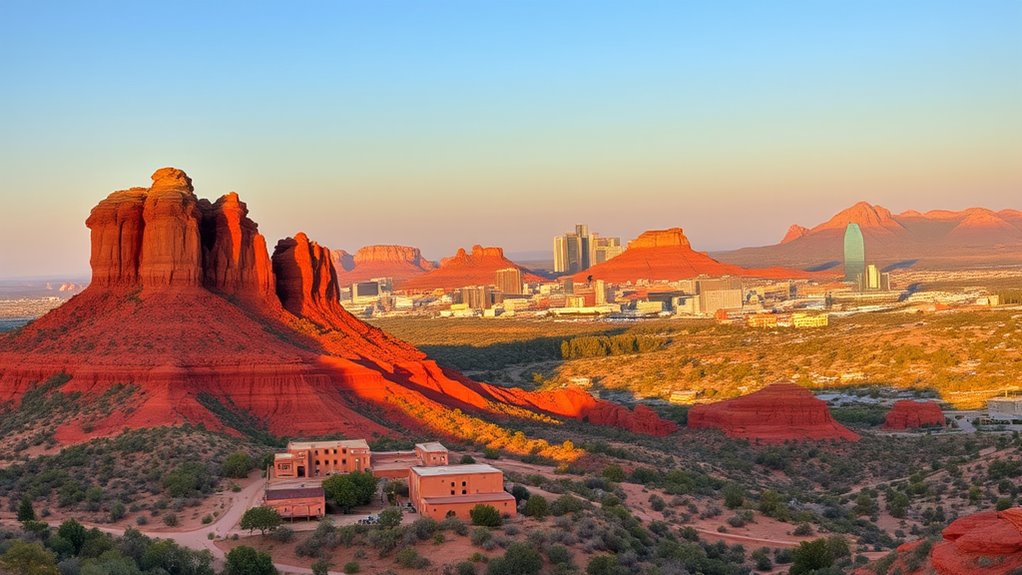
As Arizona changes to statehood, its economy shifts from resource-based industries to diverse sectors like manufacturing, tourism, and gaming. You’ll see how growth has shaped the state’s infrastructure and opportunities, often influenced by historic developments. Meanwhile, tribal nations are actively advancing their sovereignty, asserting control over resources and cultural preservation. The state’s unique cowboy heritage continues to influence its cultural identity and tourism industry.
Transition to Statehood
How did Arizona change from a territory into a state, and what impact did this shift had on its economic development? When Arizona achieved statehood in 1912, it gained political stability, attracting investments in agriculture, mining, and infrastructure. Statehood enabled better transportation networks and resource management, boosting economic growth. You see, the population grew, and with it, industries expanded, especially in copper mining and ranching. This progression also allowed Arizona to establish its own government, focusing on economic policies suited to its needs. Additionally, the transition to statehood facilitated the development of transportation infrastructure, which was crucial for economic expansion.
Economic Shifts & Growth
Arizona’s journey into statehood laid the groundwork for significant economic shifts and growth across the region. As you explore this era, you’ll recognize three key developments:
- The expansion of agriculture through dam projects like the Coolidge Dam, which revived farming in arid areas.
- The rise of tourism, fueled by scenic landscapes, national parks, and historic sites that attracted visitors.
- The growth of industries such as mining, manufacturing, and military installations, boosting employment and infrastructure.
- Embracing private equity strategies has further fueled investments and economic diversification within the state.
These changes transformed Arizona from a frontier territory into a thriving economic hub. You’ll see how statehood spurred investments, infrastructure, and new opportunities, laying a foundation for the modern economy that continues to evolve today.
Tribal Sovereignty Advances
The advancement of tribal sovereignty in Arizona has gained momentum alongside the state’s economic development and move toward greater self-determination. Tribes are actively asserting their rights over water, land, and cultural resources, shaping policies that benefit their communities. Legal victories have strengthened tribal authority, allowing tribes to negotiate gaming compacts and manage natural resources independently. Economic ventures like gaming, tourism, and agriculture bolster tribal budgets, supporting infrastructure, healthcare, and education. These efforts demonstrate a commitment to preserving cultural identity while fostering economic resilience. Tribes also collaborate with state and federal governments on environmental preservation and resource management. As sovereignty advances, tribes become more empowered to control their futures, ensuring their traditions and sovereignty endure amid Arizona’s evolving landscape. Legal victories have further solidified tribal authority and expanded their capacity for self-governance.
Indigenous Innovations and Cultural Heritage

Indigenous peoples in Arizona have pioneered innovative techniques that continue to influence the region’s culture and landscape. Your ancestors developed methods that shaped agriculture, architecture, and art. For example:
- They created sophisticated canal systems, like those built by the Hohokam around 500 AD, which transformed desert agriculture.
- Tohono Oʼodham floodwater farming techniques harness seasonal rains to grow crops efficiently.
- Traditional arts such as basket weaving, pottery, and beadwork preserve cultural stories and craftsmanship.
- These innovations often relied on raw food preservation methods to sustain their communities during harsh desert conditions.
Challenges Facing Tribal Nations Today
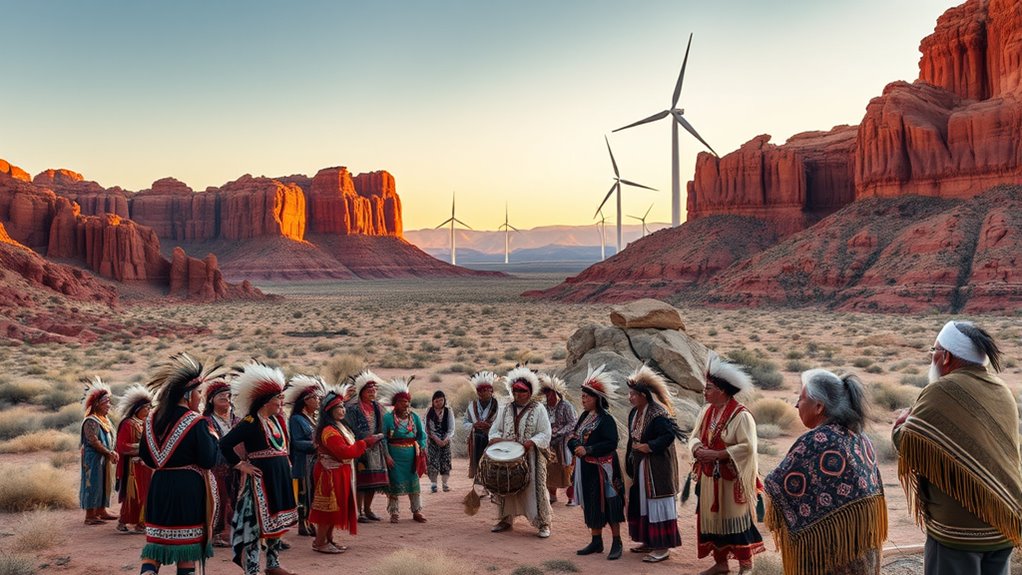
Many tribal nations in Arizona face ongoing challenges related to water rights and resource management, which are essential for their communities’ sustainability and sovereignty. Water access remains a critical issue, as non-native users divert and control waterways, limiting tribes’ ability to sustain agriculture, livestock, and daily needs. Legal battles over water rights are ongoing, requiring tribes to assert their sovereignty in state and federal courts. Climate change exacerbates these issues, causing droughts and unpredictable rainfall that threaten water supplies. Resource management also involves balancing economic development with environmental preservation, often amid limited funding and infrastructure. Despite these obstacles, tribes continue advocating for their rights, developing sustainable projects, and collaborating with government agencies to protect their resources and future generations.
Preserving Traditions and Promoting Resilience
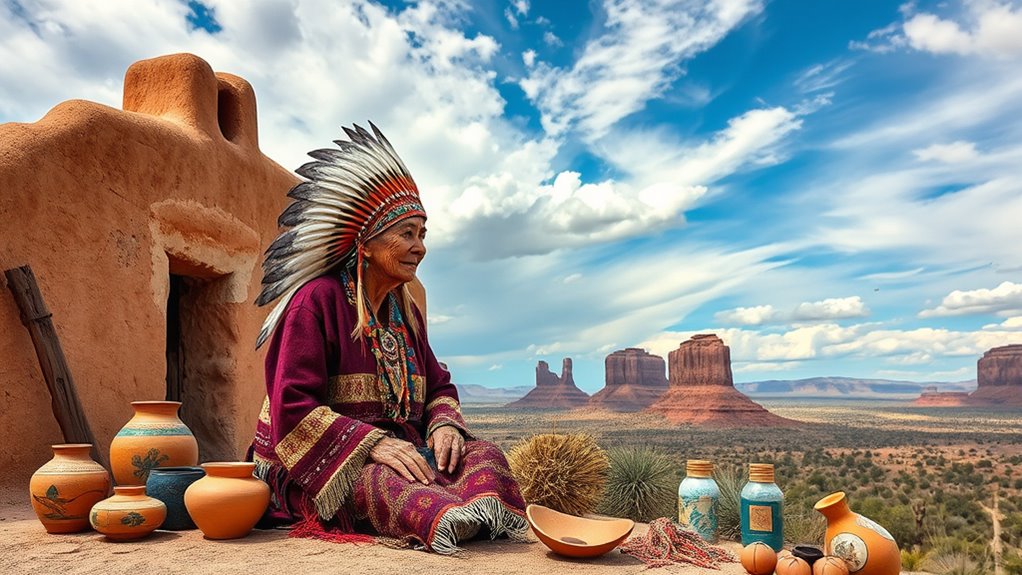
Preserving traditions and promoting resilience are essential for Arizona’s tribal communities as they navigate modern challenges. You can see this in how tribes actively maintain cultural practices like:
- Teaching languages and oral histories to younger generations to keep their heritage alive.
- Reviving traditional arts, such as basket weaving and pottery, to sustain cultural identity.
- Hosting ceremonies and festivals that strengthen community bonds and honor ancestral customs.
Tribal members adapt by blending old and new methods, ensuring traditions stay relevant. They also lead environmental efforts to protect sacred lands and water rights. Through education, cultural programs, and activism, tribes demonstrate resilience—keeping their unique identities vibrant amid change.
Frequently Asked Questions
How Have Native Languages Been Preserved Amid Modern Challenges?
You can help preserve Native languages by supporting tribal efforts to teach and document their languages through schools, workshops, and technology. Many tribes actively promote language revitalization programs, include language classes in community events, and create digital resources. Your involvement in respecting and learning these languages encourages cultural pride and helps make sure they remain alive for future generations amidst modern challenges.
What Are the Current Efforts to Protect Tribal Water Rights?
Think of tribal water rights as a fragile stream that must be safeguarded. You can see tribes actively defending these rights through legal battles, negotiations, and advocacy. They work with federal and state agencies to secure water access, enforce treaties, and develop sustainable management plans. By raising awareness and participating in policymaking, tribes ensure their water resources flow freely, preserving their traditions and sovereignty for future generations.
How Do Tribes Participate in Arizona’s Tourism Industry?
You can participate in Arizona’s tourism industry by visiting tribal-owned businesses, cultural sites, and participating in traditional events. Many tribes offer tours of historic sites, craft workshops, and authentic cuisine experiences, allowing you to learn about their heritage firsthand. Supporting tribal tourism not only enriches your visit but also helps sustain their economies and preserves their cultural practices for future generations. Your engagement fosters mutual understanding and respect.
What Role Do Traditional Arts Play in Tribal Communities Today?
Traditional arts play a crucial role in your tribal community today by preserving cultural identity and passing down skills like basket weaving, pottery, and beadwork. You actively participate in creating and showcasing these crafts through festivals, markets, and museums, which also attract visitors and boost the local economy. These arts help you connect with your heritage, strengthen community bonds, and guarantee that your cultural stories and practices continue for future generations.
How Are Tribes Addressing Health Disparities Like Diabetes and Obesity?
Imagine your tribe as a resilient river, constantly adapting to obstacles. To combat health disparities like diabetes and obesity, you’re embracing traditional foods rich in nutrients, revitalizing cultural practices around healthy living, and promoting education on wellness. You’re partnering with healthcare providers, increasing access to clinics, and encouraging community-led programs. By blending ancestral wisdom with modern medicine, your tribe flows stronger, healthier, and more united, safeguarding future generations.
Conclusion
As you explore Arizona’s rich history, remember that its story is like a resilient cactus, thriving through storms and droughts. Just as Native communities preserve their traditions amid modern challenges, Arizona’s culture continues to grow strong and vibrant. Your journey through its past reveals a tapestry of resilience, innovation, and spirit. Embrace this legacy, knowing that like the desert’s enduring flora, Arizona’s history shapes a future full of hope and resilience.