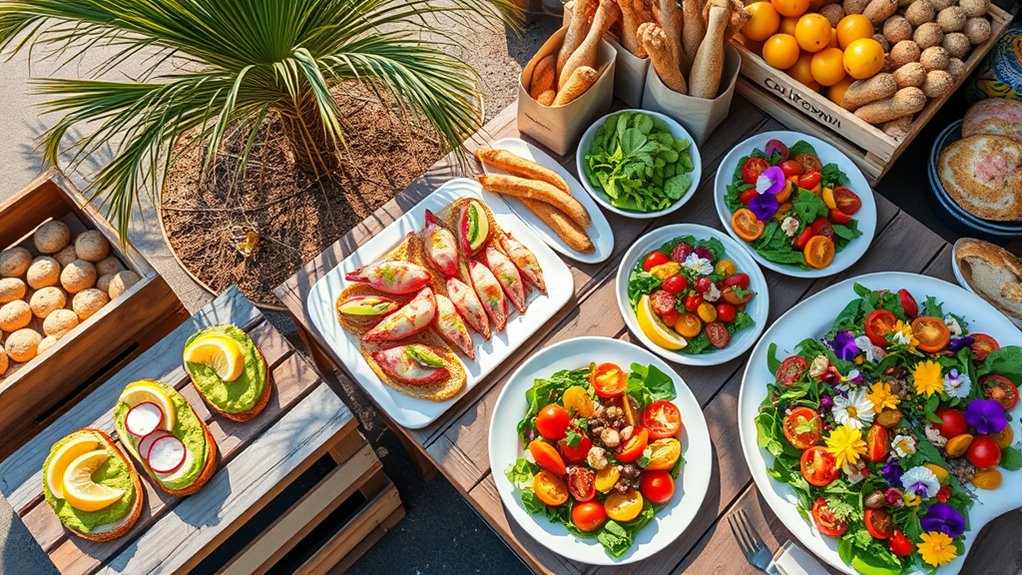

California’s cuisine is a vibrant mix of fresh, local ingredients, and multicultural influences. You’ll find innovative techniques like grilling, smoking, and simple presentation that highlight natural flavors. From Northern farm-rich dishes to Southern coastal seafood and Santa Maria barbecue, the state offers diverse regional styles. The culinary scene continues to evolve with sustainable practices, plant-based options, and groundbreaking local farming. Explore further to discover how California’s rich history shapes its dynamic food culture.
Key Takeaways
- California cuisine emphasizes fresh, local, and seasonal ingredients inspired by diverse cultural influences.
- It originated in the 1970s with pioneers like Alice Waters, promoting farm-to-table practices and organic foods.
- Regional styles include Northern California’s produce focus, Southern California’s seafood and coastal dishes, and Santa Maria’s barbecue.
- Fusion of Japanese, French, Latin, and other cuisines reflects California’s multicultural population.
- The future trends involve sustainability, plant-based ingredients, innovative farming, and ethical culinary practices.

Cuisinart Chef’s Classic 11-Piece Stainless Steel Pots and Pans Set, Cookware Set Compatible with Induction, Electric, Gas Cooktops, Aluminum Core for Even Heat, Cool Grip Handles, Dishwasher Safe
KITCHEN COOKWARE SET: This Cuisinart stainless steel cookware set includes 1.5 qt. & 2.5 qt. saucepans w/glass covers,…
As an affiliate, we earn on qualifying purchases.
As an affiliate, we earn on qualifying purchases.
The Roots and Evolution of California Cuisine
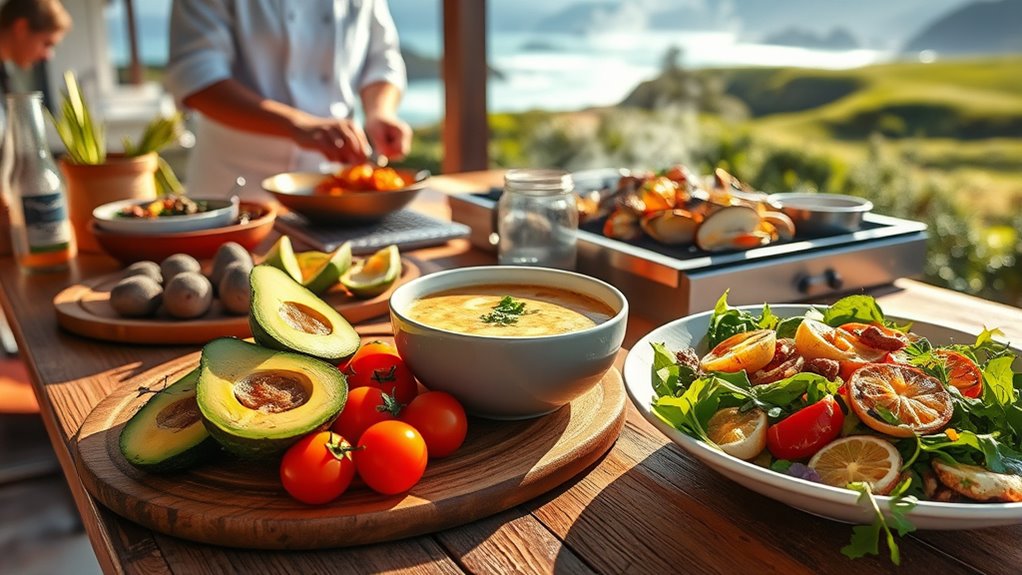
California cuisine has its roots in the 1970s, when pioneering chefs like Alice Waters and Jeremiah Tower began emphasizing fresh, local ingredients. You’ll find that this movement focused on simplicity, allowing the natural flavors of seasonal produce to shine through. Chez Panisse, opened in 1971, became a landmark, championing organic and locally sourced foods. As the movement grew, it absorbed influences from California’s diverse population, blending various cultural flavors and cooking techniques. Inspired partly by French Nouvelle Cuisine, California cuisine prioritized freshness, presentation, and innovation. Over time, it evolved, incorporating new trends while staying true to its core principles of sustainability and regional ingredients. Today, it continues to influence American dining, emphasizing a sense of place and culinary creativity. Additionally, the popularity of local ingredients has helped shape California’s reputation for innovative and sustainable food practices.

RT&BS Handwoven Utensil Basket, Artisan Mini Bread Basket, Flatware Storage Narrow Baskets for Farmhouse Kitchen, Rustic Dining Table Decor (3pcs, Rectangle)
【Please kindly check the basket size in the second image before buying.】- We have baskets in different sizes…
As an affiliate, we earn on qualifying purchases.
As an affiliate, we earn on qualifying purchases.
Signature Ingredients and Cooking Techniques
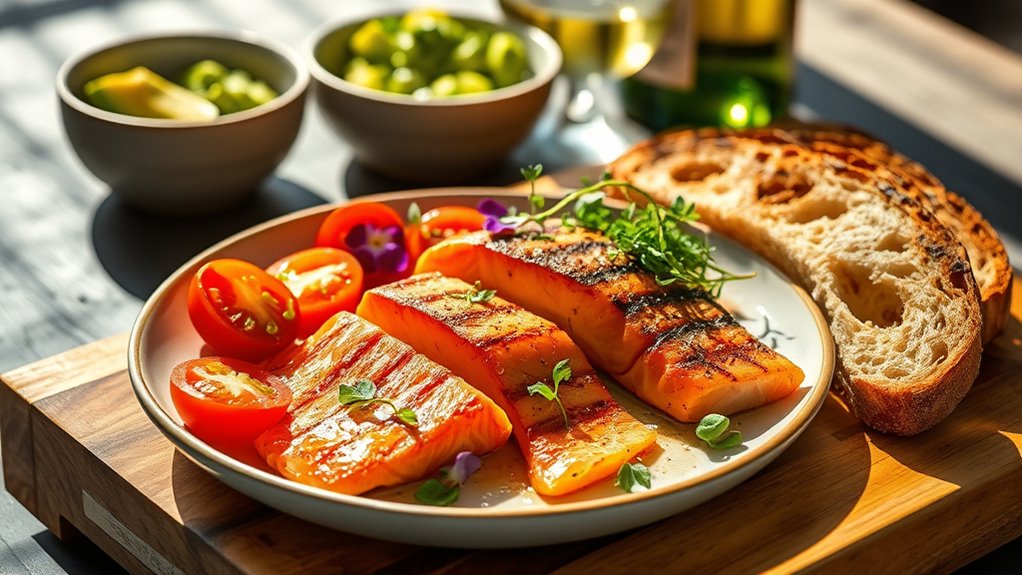
A key aspect of California cuisine lies in its emphasis on fresh, seasonal ingredients and innovative cooking techniques that highlight their natural flavors. You’ll find chefs prioritize local produce, sourcing directly from nearby farms to guarantee peak freshness. Techniques like grilling and mesquite smoking infuse dishes with smoky, bold flavors, while simplicity in presentation allows the ingredients’ beauty to shine. Ethnic fusion plays a crucial role, blending Japanese, French, and Latin influences to create unique, vibrant profiles. You’ll notice dishes often feature vibrant vegetables, fresh seafood, and herbs that reflect the region’s diversity. This approach celebrates purity and taste, encouraging you to appreciate food’s natural essence while embracing creative, skillful preparation. Additionally, understanding data management enhances chefs’ ability to curate menus that reflect seasonal availability and regional specialties.

Cocktail Smoker, Wancle Smoking Gun Smoke Infuser for Food Portable Cold Smoker for Food, Cheese & Cocktails,Portable Whiskey Smoker Infuser Smoker Gun for Indoor Kitchen & Outdoor Smoke(Silver)
【Natural and Thick Smoky Flavor】Wancle Smoking Gun can quickly add faster, thicker and more natural smoky flavor to…
As an affiliate, we earn on qualifying purchases.
As an affiliate, we earn on qualifying purchases.
Regional Culinary Styles Across the State

Different regions within the state showcase distinct culinary styles that reflect their unique landscapes, cultures, and local ingredients. In Northern California, you’ll find a focus on farm-fresh produce, organic ingredients, and innovative dining, with places like Berkeley leading the way. Southern California’s vibrant scene emphasizes wood-fired dishes, seafood, and a laid-back vibe, influenced by its coastal access and entertainment industry. Santa Maria-style barbecue stands out with its signature red oak smoke and beef cuts, offering a hearty regional flavor. The Central Coast highlights seafood, vineyards, and farm-to-table practices, blending ocean and agricultural bounty. Meanwhile, the Bay Area is known for its culinary experimentation, fusion cuisines, and sustainability efforts, making it a hub for creativity and forward-thinking dining experiences. These regional styles often incorporate local ingredients and sustainable practices, further defining California’s diverse culinary identity.

The Sunday Dinner Cookbook: Over 250 Modern American Classics to Share with Family and Friends
As an affiliate, we earn on qualifying purchases.
As an affiliate, we earn on qualifying purchases.
Cultural and Social Influences Shaping the Food Scene

The diverse cultural makeup of the state plays a pivotal role in shaping its vibrant food scene, as communities bring their unique flavors, techniques, and traditions to the table. You’ll notice how ethnic cuisines like Mexican, Japanese, Chinese, and Mediterranean seamlessly blend into California’s culinary landscape, creating exciting fusion dishes. Social movements, such as the farm-to-table trend, emphasize sustainability and local sourcing, reflecting community values. Celebrity chefs and innovative food festivals also influence popular tastes, making California a hub for culinary experimentation. Additionally, the state’s multicultural population fosters an environment of open-mindedness, encouraging chefs to explore new ideas and push boundaries. This dynamic mix of cultural and social forces fuels California’s reputation as a leader in culinary creativity and inclusivity. The halal food industry in California also exemplifies how diverse culinary influences can be adapted to meet the needs of Muslim communities and promote halal living.
The Future of California Culinary Practices
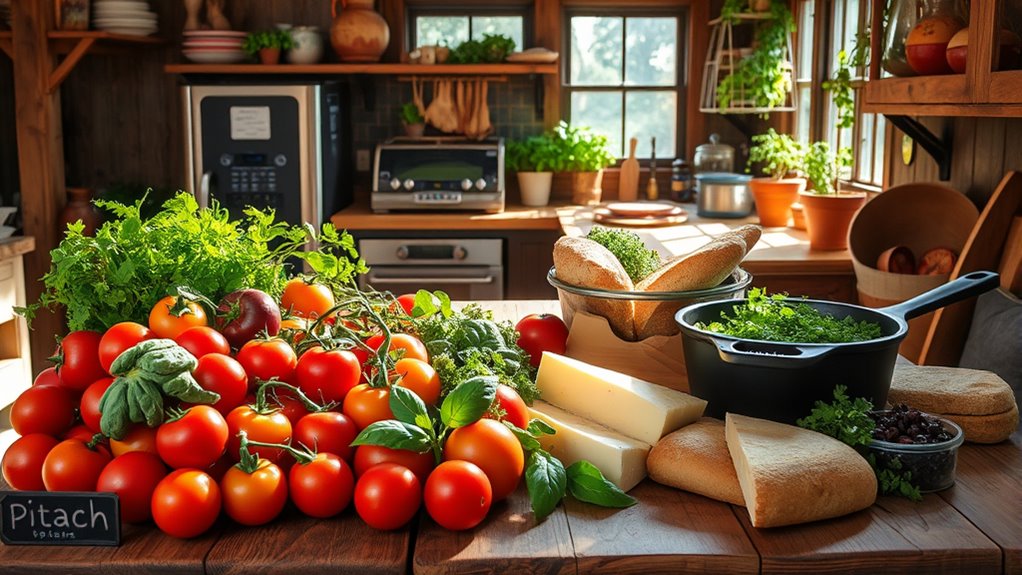
Looking ahead, California’s culinary scene is set to become even more innovative and sustainable as chefs embrace new technologies and ethical practices. You’ll see a stronger focus on plant-based ingredients, driven by environmental concerns and health trends. Lab-grown meats and alternative proteins will likely become staples, offering sustainable options without sacrificing flavor. Chefs will leverage advanced farming techniques like vertical and hydroponic farming to ensure year-round freshness. Technology will also streamline sourcing, reducing waste and carbon footprints. Ethical practices will be at the forefront, with increased transparency about ingredient origins. Expect more collaborations between chefs, farmers, and environmentalists to create dishes that celebrate local, seasonal, and sustainable ingredients, shaping a future that’s both delicious and responsible. Reliable backup power solutions will also become increasingly important to maintain continuous service during power outages, supporting the resilience of culinary operations.
Frequently Asked Questions
How Does California Cuisine Influence Global Culinary Trends?
California cuisine influences global culinary trends by championing local, sustainable ingredients and innovative techniques that many chefs worldwide adopt. You see its impact in the rise of farm-to-table movements, ethnic fusion dishes, and emphasis on freshness and simplicity. Chefs everywhere now prioritize seasonal sourcing, creative presentation, and blending diverse flavors, inspired by California’s pioneering approach. This movement encourages sustainability, pushing the global culinary scene toward more ethical, environmentally conscious practices.
What Role Do Local Farmers Play in California’s Culinary Scene?
Think of local farmers as the roots of California’s culinary tree, grounding and nourishing the vibrant canopy. You rely on them to provide fresh, seasonal ingredients that define the flavor of your dishes. By sourcing directly from these farmers, you support sustainable practices and strengthen community ties. Their dedication fuels innovation, ensuring California’s cuisine remains authentic, creative, and constantly evolving—truly the backbone of your culinary success.
How Has California Cuisine Impacted Dietary and Health Trends?
California cuisine has profoundly influenced dietary and health trends by emphasizing fresh, seasonal, and locally sourced ingredients. You’re encouraged to eat more fruits, vegetables, and lean proteins, supporting your overall wellness. The focus on sustainability and ethical sourcing also promotes mindful eating habits. As a result, you’re inspired to make healthier choices, incorporate diverse flavors, and enjoy balanced meals that prioritize both flavor and nutrition—shaping a more health-conscious culinary culture.
What Are Innovative Techniques Currently Shaping California Cooking?
Like a modern painter blending colors on a canvas, California chefs innovate with techniques that push boundaries. You’ll see sous-vide cooking for precision, nitrogen to create dramatic textures, and fermentation to develop complex flavors. Smoke infusions and open-fire grilling add depth and character. These methods, inspired by both tradition and experimentation, shape California’s culinary future, making every dish a bold statement of creativity and craftsmanship.
How Do Cultural Festivals Celebrate California’s Diverse Food Heritage?
You attend cultural festivals that celebrate California’s diverse food heritage, where vibrant displays of dishes showcase different ethnic influences. You get to sample authentic cuisines like Mexican, Asian, and Mediterranean, often prepared with traditional techniques. These festivals highlight local ingredients and fusion flavors, giving you an immersive experience. You also see cooking demonstrations and participate in tastings, which deepen your appreciation for California’s rich culinary mosaic and its vibrant, multicultural community.
Conclusion
So, as you plunge into California’s vibrant food scene, you might think it’s all fresh, innovative, and perfectly balanced. Ironically, with so many influences and eclectic styles, it’s almost impossible to pin down a single tradition. But that’s the magic, isn’t it? You get a taste of everywhere, and somehow, it all feels like home. California’s culinary future? Just another delicious adventure—unexpected, diverse, and endlessly inspiring.