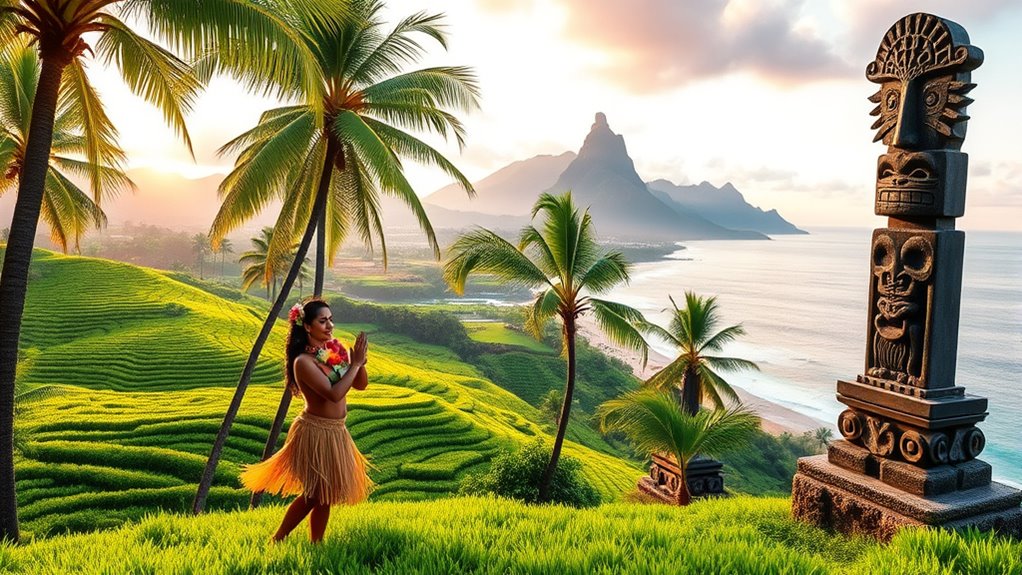

Hawaii’s history begins with Polynesian explorers who settled the islands, developing navigation skills, land management, and rich cultural practices that still thrive today. European contact brought change, leading to a monarchy that was eventually overthrown, with Hawaii becoming a U.S. territory and later a state. Modern efforts focus on reviving native language and traditions, while the islands’ strategic importance during World War II shaped their identity. Explore further to uncover the full story behind Hawaii’s unique legacy.
Key Takeaways
- Polynesian settlers established Hawaii’s indigenous society with advanced navigation, land management, and cultural practices emphasizing respect for nature.
- European contact in 1778 led to significant political, social, and cultural shifts, including the overthrow of the Hawaiian monarchy.
- Hawaii was annexed by the U.S. in 1898, transitioning from a sovereign kingdom to a U.S. territory and eventually achieving statehood in 1959.
- Modern cultural revival efforts include Hawaiian language revitalization, traditional arts, and festivals like Merrie Monarch and Lei Day.
- Hawaii’s strategic military importance, especially after the 1941 Pearl Harbor attack, shaped its history and integration into U.S. national defense.

WATINC 60pcs Hawaiian Scratch Cards Art Set for Kids Adults, DIY Color Card Art Craft Kit, Decorations Favor Ornaments for Birthday Party Home School, 6 Styles with Ribbon Wood Stylus
PACKAGE INCLUDES: 6 pack of Hawaiian scratch cards with 6 style, each pack has 10pcs cards; a roll…
As an affiliate, we earn on qualifying purchases.
As an affiliate, we earn on qualifying purchases.
Polynesian Beginnings and Indigenous Society

Polynesians first arrived in Hawaiʻi between 940 and 1200 AD, bringing with them a rich cultural tradition that would shape the islands’ indigenous society. You can imagine them steering vast ocean distances using stars, winds, and waves, establishing a deep connection with the land and sea. They developed sophisticated land management systems like *ahupuaʻa*, dividing the islands from mountain to sea to sustainably manage resources. The early Hawaiians built fishponds for aquaculture and created complex religious and social structures centered around chiefs (*aliʻi*) and sacred practices like *ʻAi Kapu*. These innovations reflected their deep respect for nature and community, laying the foundation for the vibrant culture that still thrives in Hawaiʻi today. Additionally, their navigation techniques incorporate celestial navigation, enabling them to traverse the vast Pacific with remarkable precision.

Learn Hawaiian: English to Hawaiian Words and 1,001 Phrases for Beginners. E aʻo i ka ʻŌlelo Hawaiʻi
As an affiliate, we earn on qualifying purchases.
As an affiliate, we earn on qualifying purchases.
First Encounters and Early Western Contact
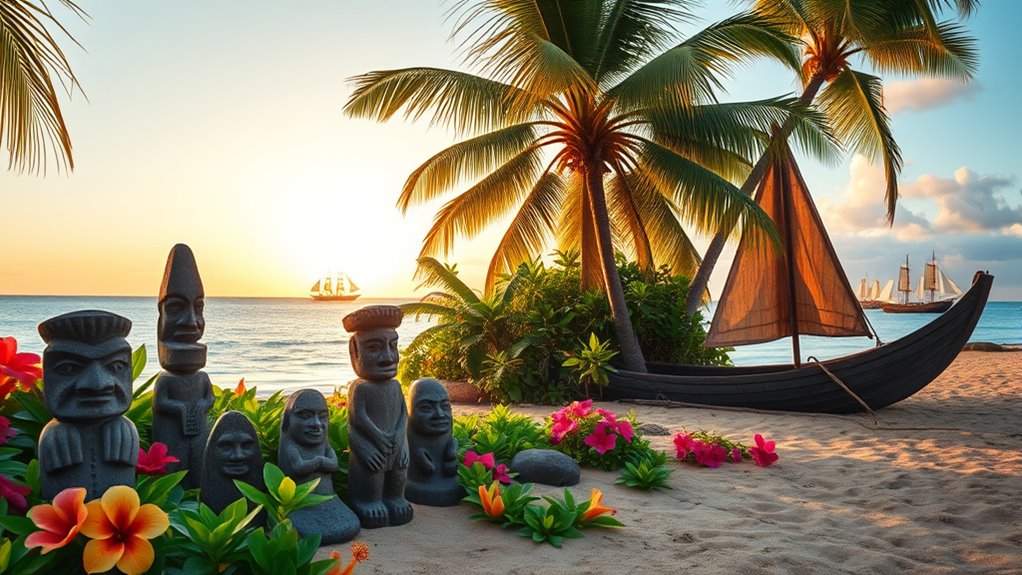
In 1778, European explorers made their first landing in Hawaiʻi, marking a pivotal moment that would change the islands forever. Captain James Cook arrived at Kauaʻi, bringing new sights and ideas that the Hawaiians had never encountered. His arrival opened the door to ongoing contact with Westerners, including traders, missionaries, and explorers. These interactions introduced new goods, technologies, and diseases that devastated native populations. Cook’s crew’s presence also sparked curiosity and caution among Hawaiians, who observed unfamiliar ships and customs. Over time, these early encounters laid the groundwork for significant political, cultural, and social shifts. Although initially characterized by curiosity and trade, Western influence increasingly affected Hawaiian society, leading to profound changes in governance, religion, and daily life. The introduction of Western technologies and ideas significantly impacted traditional Hawaiian practices and social structures.

Kaiolbly 9 Pcs Lei Needle Kit, 4 Pcs 14 Inch Stainless Steel Long Lei Needle to Make Hawaiian Leis 4 Lei String 1 Sewing Scissors Lei Making Kit for DIY Graduation Hawaiian Flower Lei Wreath Accessory
Packaging Includes: You will receive a lei making kit, including 4 pieces long lei needle to make Hawaiian…
As an affiliate, we earn on qualifying purchases.
As an affiliate, we earn on qualifying purchases.
The Hawaiian Kingdom and Political Evolution
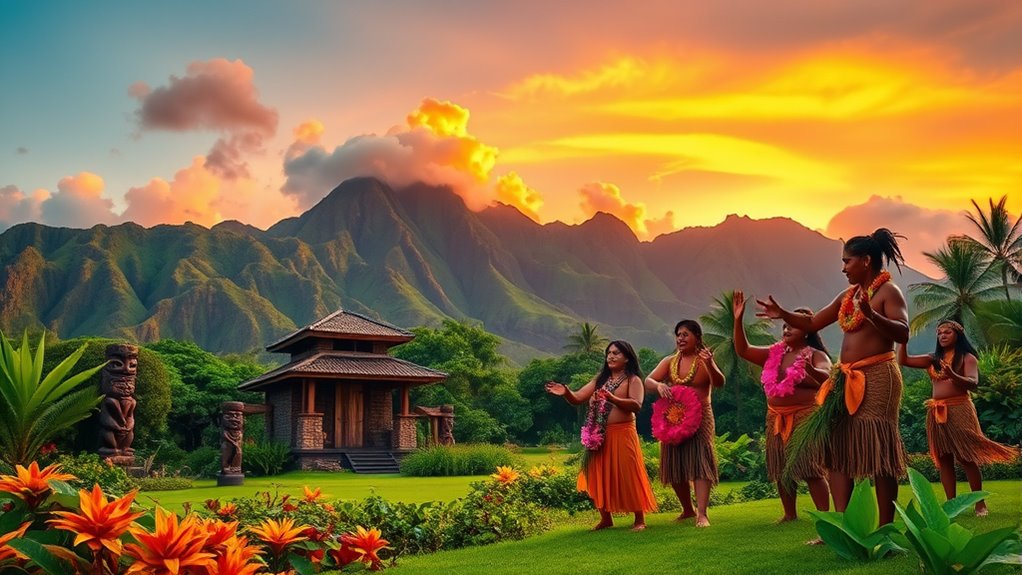
You see how the Hawaiian monarchy evolved from a strong, recognized kingdom to a system heavily influenced by foreign interests. As U.S. political interventions increased, the monarchy’s authority weakened, culminating in its overthrow in 1893. This changeover marked a dramatic shift from native rule to U.S. control, shaping Hawaii’s modern political landscape. The entire process was also affected by asset division considerations, as external powers sought to control valuable resources and territories.
Monarchic Governance Changes
The Hawaiian Kingdom underwent significant political changes from the early 19th century through the late 1800s, transforming from a traditional chiefdom into a constitutional monarchy. In 1840, Hawaiʻi established its first constitution, limiting the king’s power and creating a parliamentary system. Recognition by the U.S. in 1842 cemented its sovereignty. However, foreign influence grew, culminating in the 1887 Bayonet Constitution, which drastically reduced the monarch’s authority and increased legislative power, under pressure from American and European interests. King David Kalākaua reigned until 1891, when Queen Liliʻuokalani took over and attempted to restore royal powers. Her efforts led to political unrest, and in 1893, a coalition of businessmen and U.S. forces overthrew the monarchy, ending Hawaii’s independent governance. The political landscape was also shaped by dog names, which often reflected cultural significance and tradition.
U.S. Political Interventions
U.S. political interventions in Hawaii dramatically reshaped its sovereignty and governance. You’ll see these interventions unfold in four key ways:
- The 1898 annexation ended the Hawaiian monarchy, establishing Hawaii as a U.S. territory.
- The Organic Act of 1900 created a territorial government, shifting power from native rulers to U.S. officials.
- Military priorities, especially after Pearl Harbor in 1941, increased U.S. control over strategic sites.
- Statehood in 1959 finalized Hawaii’s integration, making it the 50th U.S. state, reinforcing federal authority.
These actions diminished native sovereignty, replaced traditional governance structures, and integrated Hawaii firmly into U.S. political and military systems, fundamentally transforming its political landscape.
Overthrow and Transition
The overthrow of the Hawaiian Kingdom marked a turning point in the islands’ political history, ending centuries of native rule and sovereignty. In 1893, a group of American and European businessmen, supported by the U.S. military, deposed Queen Liliʻuokalani. They installed a provisional government, aiming to annex Hawaii to the United States. Despite protests from native Hawaiians and some diplomats, the U.S. quickly moved to annex the islands in 1898 through the Newlands Resolution. This shift ended the monarchy’s independence and established Hawaii as a U.S. territory. The changeover sparked ongoing debates about sovereignty, cultural preservation, and the legitimacy of the annexation. Today, many Hawaiians continue to seek acknowledgment and redress for this historic overthrow. Self Watering Plant Pots
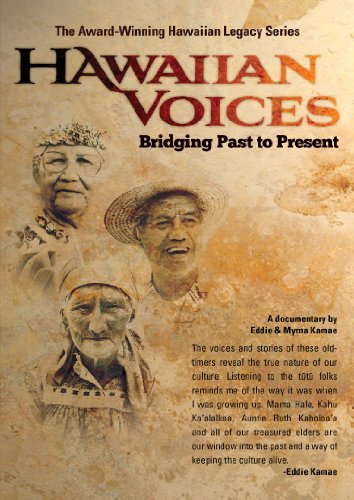
Hawaiian Voices: Bridging Past to Present
As an affiliate, we earn on qualifying purchases.
As an affiliate, we earn on qualifying purchases.
Transition to U.S. Territory and Modernization
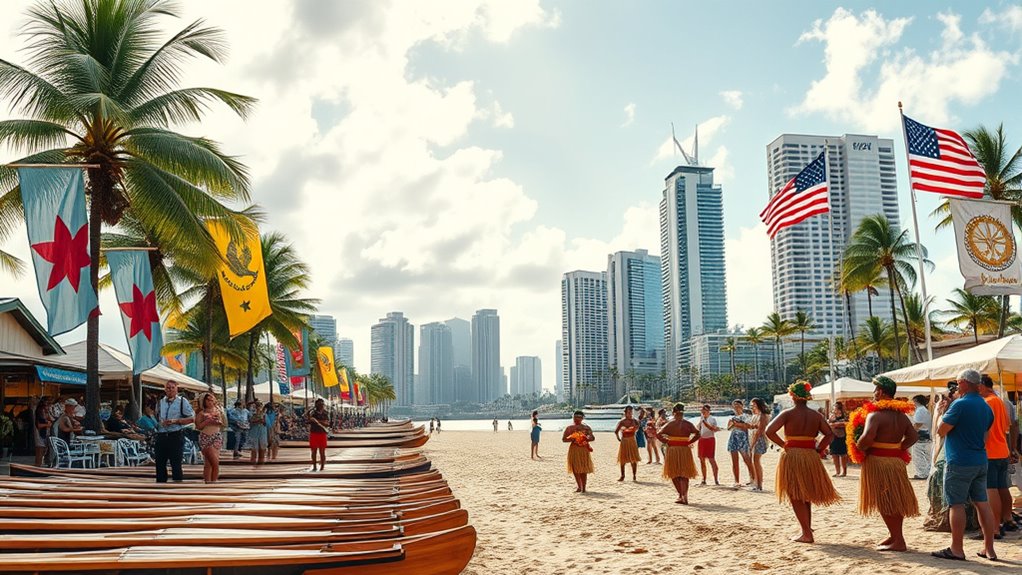
As Hawaiʻi shifted from an independent kingdom to a U.S. territory, significant political, economic, and social changes reshaped its identity. You experience the transformation firsthand as power shifted away from the monarchy. 1. The 1898 annexation, driven by strategic interests like Pearl Harbor, officially made Hawaiʻi a U.S. territory. 2. The Hawaiian Organic Act of 1900 set up a territorial government, with Sanford B. Dole as governor. 3. Infrastructure expanded, with hotels like The Moana opening in 1901, fueling tourism. 4. Military importance grew after the attack on Pearl Harbor in 1941, solidifying Hawaiʻi’s role in national defense. These shifts ushered in modernization, integrating Hawaiʻi into the American economic and political system while transforming its society. Historical transformation
Cultural Heritage and Revival Movements
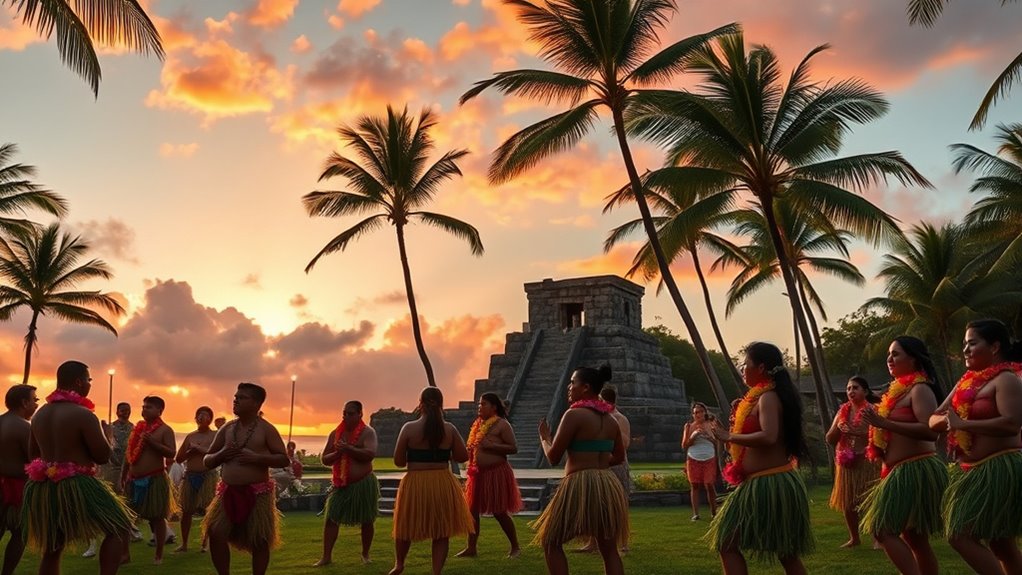
You can see how efforts to revive Hawaiian language, arts, and cultural festivals are shaping a strong sense of identity today. These movements connect communities to their roots and celebrate traditional practices. By participating, you help keep Hawaii’s rich heritage alive for future generations. Recognizing the importance of cultural heritage ensures that these traditions continue to thrive and evolve.
Hawaiian Language Revitalization
Have efforts to revitalize the Hawaiian language gained significant momentum in recent decades, reflecting a deep desire to preserve cultural heritage? You can see this in various initiatives.
- Schools now offer Hawaiian language immersion programs, encouraging young speakers.
- The Hawaiian language was officially recognized as an official state language in 1978.
- New media, like radio stations and social platforms, broadcast in Hawaiian, making it more accessible.
- You’ll find community-led workshops and language classes that strengthen everyday use.
- The integration of technology and digital resources has further supported language revitalization efforts, making learning tools more widely available.
These efforts foster a sense of pride and cultural identity, helping the language thrive once more. Despite past suppression, Hawaiian is slowly reclaiming its place in daily life and education, ensuring future generations can connect with their heritage.
Traditional Arts and Crafts
Traditional arts and crafts play an essential role in preserving Hawaii’s rich cultural heritage, serving as a bridge between past and present. When you engage in activities like making lauhala woven mats or carving *kīpuka* (wooden figures), you connect with ancient practices that Hawaiians have cherished for generations. You’ll find traditional techniques passed down through families, helping keep the islands’ unique identity alive. Tapa cloths, made from bark, showcase intricate designs that tell stories of Hawaiian mythology and history. Usi*ng natural materials such as shells, bones, and plant fibers, artisans create jewelry and tools that honor traditional craftsmanship. These arts aren’t just decorative—they embody the values, stories, and resilience of Hawaiian culture, inspiring ongoing revival movements to preserve these timeless skills. Additionally, learning about the cultural significance of each craft deepens appreciation for the traditions that continue to thrive in Hawaii today.
Cultural Festivals and Events
Cultural festivals and events in Hawaii serve as vibrant expressions of the islands’ rich heritage and ongoing revival efforts. These celebrations honor Hawaiian history, language, and traditions, keeping them alive today. When you participate, you’ll experience lively music, dance, and authentic foods. Here are four key aspects of these events:
- Hula Festivals: Showcase traditional dance and storytelling, connecting you to ancient customs.
- Lei Day: Celebrates Hawaiian floral art, where you can create and wear beautiful leis.
- Merrie Monarch Festival: Highlights hula mastery, preserving this essential cultural practice.
- Queen Liliʻuokalani Festival: Honors Hawaiian royalty and political history through performances and reenactments.
These festivals strengthen cultural identity and invite you to immerse yourself in Hawaii’s vibrant revival movements. Many of these celebrations also incorporate unique and wicked planters and other traditional practices to deepen cultural appreciation.
Military Significance and World War II Impact

Why did Pearl Harbor become such a essential military hub during World War II? Its natural deep harbor and strategic location in the Pacific made it ideal for naval operations. When Japan attacked on December 7, 1941, it changed everything. Hawaii shifted from a peaceful paradise to a frontline military zone overnight. The attack damaged ships, killed many, and forced the U.S. to respond. Pearl Harbor’s significance grew, symbolizing resilience and defiance.
| Impact | Emotional Response | Future Consequences |
|---|---|---|
| Devastation and loss | Shock and grief | U.S. entry into WWII |
| Strengthening military presence | Pride in resilience | Enhanced defense strategies |
| National unity | Hope for recovery | Hawaii’s strategic importance |
| Memorials and remembrance | Reflection and reverence | Long-lasting military legacy |
| Transformation of Hawaii | Pride in its role in history | Path to statehood in 1959 |
Hawaii’s Path to Statehood

What led Hawaii to become the 50th state of the United States in 1959? Several key factors pushed Hawaii toward statehood. First, its strategic military importance grew after WWII, especially with the attack on Pearl Harbor. Second, the territory’s population increased with military personnel, immigrants, and workers, creating a strong, diverse community. Third, economic development, especially tourism, made Hawaii more integrated into national interests. Fourth, political efforts, including popular votes in 1954 and 1959, showed overwhelming support for statehood. These steps culminated in Congress passing the Hawaii Admission Act, which President Eisenhower signed into law. On August 21, 1959, Hawaii officially became the 50th state, marking a new chapter in its history and strengthening its connection to the United States.
Frequently Asked Questions
How Did Ancient Hawaiians Sustainably Manage Their Land and Resources?
You can see how ancient Hawaiians sustainably managed their land and resources through the *ahupuaʻa* system, which divided land from mountains to sea into pie-shaped sections. This allowed them to harvest a variety of resources like fish, taro, and other crops without depleting them. They also built fishponds and practiced aquaculture, maintaining a balance with nature and ensuring long-term food security.
What Were the Main Cultural Practices and Religious Beliefs of Early Hawaiians?
You learn that early Hawaiians practiced complex cultural traditions and believed in gods like Kane, Ku, and Lono, who governed natural elements and daily life. They held ceremonies, danced hula, and used chants to honor their gods and ancestors. The *ʻAi Kapu* system guided social rules and taboos, shaping their spiritual and community life. These practices connected them deeply to nature and reinforced their cultural identity.
How Did Western Contact Influence Hawaiian Society and Governance?
Western contact hit Hawaiian society like a storm, transforming it forever. You see, it introduced new governance structures, like the constitutional monarchy, which reshaped traditional leadership. Foreign influence also brought Christianity, replacing old religious practices, and shifted power towards foreign businessmen, culminating in the overthrow of the monarchy. These changes paved the way for Hawaii’s annexation by the U.S., altering its political landscape and cultural identity dramatically.
What Role Did Hawaiian Language and Traditions Play During Territorial Rule?
During territorial rule, Hawaiian language and traditions played a crucial role in preserving identity amid suppression. You can see efforts to revive and promote Hawaiian culture through language revitalization programs, cultural festivals, and education initiatives. Despite restrictions, Hawaiians kept their traditions alive, passing down stories, chants, and customs. Today, these practices foster a sense of pride and help restore their cultural heritage, ensuring that Hawaiian identity remains strong and visible.
How Did Hawaii’s Strategic Military Importance Develop During World War II?
You can see Hawaii’s strategic military importance grow vividly during World War II, especially at Pearl Harbor. Imagine the harbor’s calm waters suddenly turning into a battleground as Japanese planes descend, releasing chaos. This attack transformed Hawaii into a essential military hub, with its deep, protected waters becoming a critical naval base. The devastation and urgency pushed Hawaii into the center of U.S. defense efforts, shaping its future as a key military and strategic location.
Conclusion
As you explore Hawaii’s rich history, think of it as a mighty canoe steering through vast oceans. Its journey reflects resilience, adapting through storms and calm waters alike. Every wave of change, from ancient Polynesian roots to modern statehood, shapes its enduring spirit. Remember, just like the ocean’s depths hold hidden treasures, Hawaii’s culture keeps its soul alive, inviting you to discover the timeless beauty beneath the surface and carry its story forward.