
Discover New Mexico’s rich culinary traditions, shaped by indigenous ingredients like corn, beans, squash, and chile peppers, blended with Spanish influences. You’ll find iconic dishes such as carne adovada, green chile stew, and posole that celebrate community and history. Each region offers unique flavors, from hearty stews to roasted chiles, reflecting the land’s natural bounty. Keep exploring to learn more about how these flavors and traditions remain essential today.
Key Takeaways
- New Mexico cuisine blends Indigenous ingredients like corn, beans, and squash with Spanish influences such as chiles, meats, and traditional cooking techniques.
- Signature dishes include green and red chile stews, carne adovada, and posole, reflecting regional flavors and cultural heritage.
- Chile peppers are a cultural symbol, central to festivals, traditional recipes, and community celebrations like the Hatch Chile Festival.
- Food traditions emphasize communal gatherings, celebrations, and preserving ancient farming practices, especially with the “Three Sisters” crops.
- Rustic decor and community feasts highlight New Mexico’s rich history, indigenous roots, and proud culinary identity.

Original New Mexico Hatch Green Chile By Zia Green Chile Company – Delicious Flame-Roasted, Peeled & Diced Southwestern Certified Green Peppers For Salsas, Stews & More, Vegan & Gluten-Free – 6 Pack
Original New Mexico Hatch Green Chile By Zia Green Chile Company, Hot Heat Level, Delicious Flame-Roasted, Peeled &…
As an affiliate, we earn on qualifying purchases.
As an affiliate, we earn on qualifying purchases.
Indigenous and Spanish Roots Shaping Flavor

The unique flavor profile of New Mexican cuisine results from the deep roots of Indigenous and Spanish traditions. You’ll notice how Native American tribes, like the Pueblo, cultivated corn, beans, and squash—the “Three Sisters”—which form the foundation of many dishes. When Spanish settlers arrived, they introduced livestock, fruits, and especially, chile peppers, which quickly became central to the cuisine. This blending created a distinct culinary identity, where Native ingredients intertwine with Spanish techniques and flavors. Additionally, the use of traditional seed-based ingredients reflects ancient agricultural practices that have influenced local recipes. Isolations in the region encouraged innovation using local resources. Over time, this cultural exchange shaped recipes that honor both heritages. The influence of indigenous farming practices and Spanish culinary methods continues to define the vibrant, flavorful foods that make New Mexican cuisine truly unique.

Pfaltzgraff Callie Stoneware Corn Dishes, Set Of 4, White
CHARMING CORN DISHES: these charming Callie White dishes are detailed to look like ears of corn
As an affiliate, we earn on qualifying purchases.
As an affiliate, we earn on qualifying purchases.
Essential Ingredients and Their Cultural Significance

Native ingredients like chile peppers, corn, beans, and squash form the backbone of New Mexican cuisine, reflecting centuries of cultural blending. These ingredients carry deep cultural significance, representing both tradition and adaptation. You’ll find that each one tells a story:
- Chile Peppers – Essential for flavor, they symbolize warmth and community, often used in sauces and stews.
- Corn, Beans, and Squash – The “Three Sisters” are crucial staples, honoring Native agricultural practices and sustaining local diets.
- Local Herbs and Nuts – Foraged ingredients like piñon nuts and juniper berries add unique flavors and connect you to the land’s natural bounty.
- Understanding the refrigeration cycle used in storing and preserving these ingredients has also contributed to the development of New Mexican culinary traditions, ensuring freshness and safety.
Together, these ingredients define the rich culinary identity of New Mexico, blending history, culture, and land into every bite.

Original New Mexico Hatch Green Chile By Zia Green Chile Company – Delicious Flame-Roasted, Peeled & Diced Southwestern Certified Green Peppers For Salsas, Stews & More, Vegan & Gluten-Free – 16oz
Original New Mexico Hatch Green Chile By Zia Green Chile Company – Delicious Flame-Roasted, Peeled & Diced Southwestern…
As an affiliate, we earn on qualifying purchases.
As an affiliate, we earn on qualifying purchases.
Traditional Dishes Reflecting Regional Heritage

You’ll find that iconic chili stews like carne adovada and green chile stew showcase New Mexico’s bold flavors and regional pride. Native-inspired corn dishes, such as calabacitas and roasted chicos, connect you to the area’s agricultural roots. Celebratory food traditions, like community feasts, highlight how food reflects the state’s cultural heritage and unites its people. To enhance the authentic experience, many households incorporate traditional farmstead decor into their dining and gathering spaces, emphasizing the region’s rustic and communal spirit.
Iconic Chili Stews
Iconic chili stews stand as heartwarming symbols of New Mexican culinary heritage, showcasing the region’s rich blend of indigenous and Spanish influences. These stews highlight local ingredients like Hatch chiles, pork, and native beans, creating bold, flavorful dishes. You’ll find several regional variations reflecting local traditions. Recognizing these regional specialties can deepen appreciation for their cultural significance recognizing regional variations.
Here are three key types to explore:
- Green Chile Stew – Made with roasted green chiles, potatoes, and often pork, it’s a comforting, spicy favorite.
- Red Chile Stew – Slow-cooked with red chile, beef or pork, and vegetables, offering a smoky depth.
- Posole – A hearty soup with hominy, pork, and red or green chile, often enjoyed during celebrations.
These stews embody New Mexico’s culinary soul and regional pride.
Native-Inspired Corn Dishes
Corn holds a sacred place in New Mexico’s culinary heritage, serving as the foundation for many traditional dishes that celebrate the region’s indigenous roots. You might enjoy dishes like posole, a hearty soup made with hominy and tender meats, or calabacitas, a summer squash medley flavored with roasted corn and chile. These dishes honor the “Three Sisters”—corn, beans, and squash—central to Native American farming. The following table captures the emotional connection to corn in New Mexico’s culture:
| Heritage | Dish |
|---|---|
| Ancestral Pride | Posole, roasted corn salads |
| Cultural Heart | Calabacitas, corn tortillas |
| Indigenous Spirit | Hominy stews, corn-based tamales |
| Regional Strength | Cornbread, maize-based salsas |
Additionally, the importance of cultural preservation is reflected in community efforts to keep traditional corn recipes and farming practices alive for future generations.
Celebratory Food Traditions
Celebratory food traditions in New Mexico highlight the deep cultural pride and community spirit that define the region. During festivals and gatherings, you’ll find hearty dishes that showcase local ingredients and heritage. Here are three key examples:
- Matanza Feasts – These communal events feature roasting pigs, making chorizo, and serving traditional dishes like carne adovada, celebrating Spanish and Pueblo roots.
- Chile Roast Festivals – In Hatch and other regions, people gather to roast and share Hatch chile peppers, turning them into salsas, stews, and sauces that mark the harvest season.
- Posole Celebrations – This hominy-based soup often takes center stage during holidays and special occasions, symbolizing unity and regional identity.
These traditions connect you to New Mexico’s history, blending flavors and community pride in every bite.
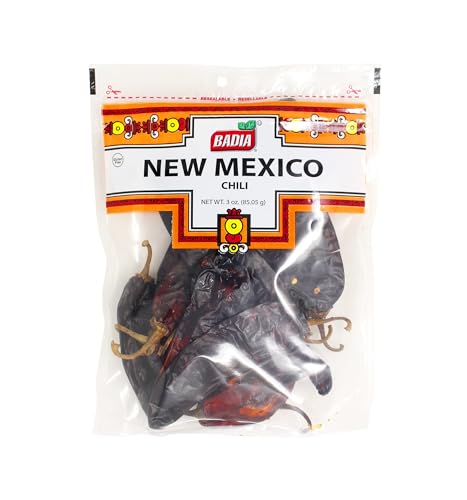
Badia New Mexico Chili Pods, 3 oz – Mild and Earthy Dried Peppers for Authentic Southwestern Dishes, Sauces, and Stews
Mild Southwestern Flavor: Offers a gentle spice with earthy, slightly sweet notes ideal for adding depth to everyday…
As an affiliate, we earn on qualifying purchases.
As an affiliate, we earn on qualifying purchases.
Variations Across New Mexico’s Distinct Areas

New Mexico’s diverse regions each showcase unique culinary styles shaped by their history, geography, and cultural influences. In Santa Fe, you’ll find refined dishes like carne adovada, emphasizing traditional flavors. Albuquerque blends local ingredients with modern twists, creating a vibrant food scene. Las Cruces offers a mix of New Mexican and Mexican cuisine, highlighting regional produce. The Hatch region is renowned for its chile peppers, central to many dishes. Northern New Mexico features heavier use of red chile, often in hearty stews and enchiladas. This regional diversity reflects the rich culinary traditions that have been passed down through generations. Here’s a quick overview:
| Region | Signature Dish | Unique Ingredient |
|---|---|---|
| Santa Fe | Carne Adovada | Roasted red chile |
| Albuquerque | Green Chile Stew | Local green chiles |
| Las Cruces | Fusion Tacos | Anasazi beans |
| Hatch | Hatch Chile-based dishes | Hatch chiles |
The Role of Chile Peppers in Cultural Identity
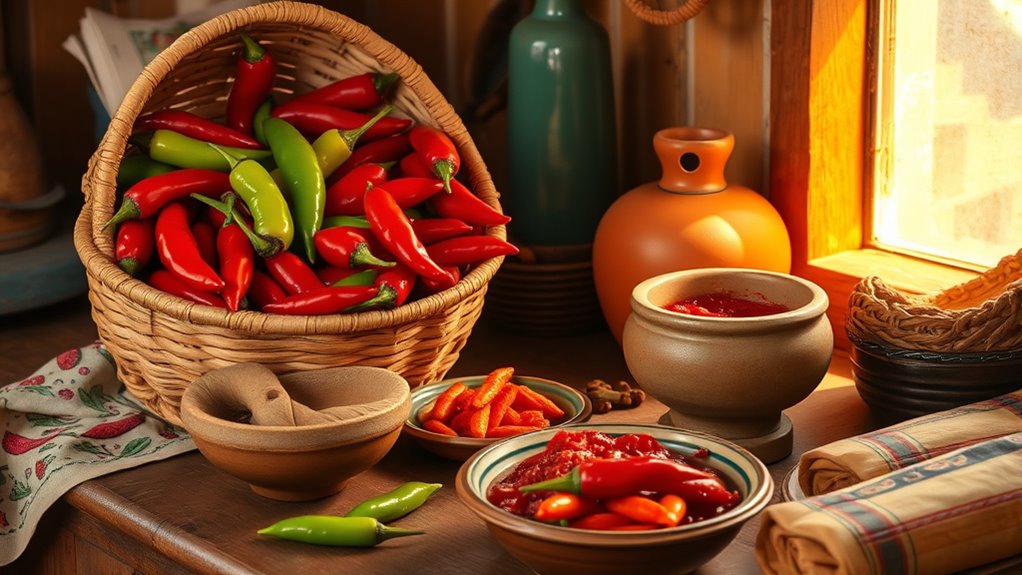
You see, chile peppers are more than just an ingredient in New Mexican cuisine—they’re a symbol of heritage and tradition. Their bold flavors connect communities during celebrations and gatherings, reinforcing cultural identity. By embracing these peppers, you keep alive the history and spirit that define New Mexico’s unique culinary landscape. Additionally, the cultural significance of chile peppers extends beyond the kitchen, influencing local festivals and social customs.
Symbol of Heritage
Have you ever wondered why chile peppers hold such a revered place in New Mexican culture? They’re more than just ingredients; they symbolize heritage, resilience, and community. Chile peppers reflect the blending of indigenous and Spanish traditions, making them a powerful cultural icon. During periods of cybersecurity vulnerabilities, the significance of chile peppers as a symbol of adaptability and strength has become even more apparent. Here are three ways they serve as a symbol of heritage:
- Cultural Identity: Chile peppers connect generations, preserving history and customs.
- Community Celebrations: Festivals like chile roasts bring people together to honor tradition.
- Historical Significance: The cultivation and use of chile peppers showcase adaptability and survival through centuries.
Flavor and Tradition
Chile peppers are more than just a key ingredient in New Mexican cuisine; they embody the region’s deep-rooted cultural identity. You’ll notice how their vibrant red and green colors reflect local traditions and history. These peppers aren’t just for flavor—they symbolize resilience, community, and heritage passed down through generations. When you taste a bowl of green chile stew or Carne Adovada, you experience centuries of cultural blending between Native American, Spanish, and Mexican influences. Chile peppers influence every aspect of the cuisine, from everyday meals to festive celebrations. They serve as a culinary badge of pride, connecting you to the land, history, and people who have preserved these flavors through centuries of adaptation and innovation. Cultural significance plays a vital role in maintaining the authenticity of these culinary traditions.
Community Celebrations
Community celebrations in New Mexico often revolve around the vibrant presence of chile peppers, which serve as a powerful symbol of cultural identity. During festivals like the Hatch Chile Festival, you’ll see locals and visitors alike celebrating with colorful parades, cooking contests, and chile roasting events. Chile peppers symbolize tradition, pride, and unity within the community. Here’s what you can expect:
- Chile Roasting: Stalls and fires where you can witness and participate in roasting Hatch chiles, a cherished local tradition.
- Food Festivals: Events showcasing dishes like green chile stew and carne adovada, highlighting the peppers’ importance.
- Cultural Parades: Processions featuring vibrant costumes and music that celebrate the history and significance of chile peppers in New Mexico’s identity. These festivities often incorporate traditional techniques, emphasizing their role in preserving cultural heritage.
These celebrations deepen your connection to local heritage and culinary pride.
Celebrating Culinary Heritage Through Community Events

Community events are essential to preserving and celebrating New Mexico’s rich culinary heritage, bringing people together to honor traditional dishes and food customs. These gatherings showcase regional flavors like Hatch chiles, carne adovada, and posole, creating a sense of belonging. At festivals and cook-offs, you can see a vibrant display of ingredients and techniques passed down through generations. Imagine:
| Food Item | Event Type | Atmosphere |
|---|---|---|
| Green Chile Stew | Annual Chili Fest | Laughter, music, spicy aromas |
| Roasted Corn | Harvest Celebration | Warmth, community cheers |
| Piñon Nuts | Cultural Heritage Fair | Traditional dances, stories |
These events keep the culinary traditions alive, blending history with community spirit, and ensuring that New Mexico’s flavors are passed on to future generations.
Frequently Asked Questions
How Did Indigenous and Spanish Cuisines Blend to Form New Mexican Food?
You see, indigenous and Spanish cuisines blend through shared ingredients and cooking techniques. Native Americans brought staples like corn, beans, and squash, while Spaniards introduced livestock, fruits, and chile peppers. Together, you get dishes infused with local flavors and new influences, creating a unique culinary identity. The cultural exchange shaped traditional recipes like carne adovada and green chile stew, reflecting both heritages and fostering innovation in New Mexican food.
What Are the Unique Local Herbs Used in Traditional Recipes?
You find piñon nuts, juniper berries, and local herbs like oregano and thyme in traditional recipes. You use piñon nuts for crunch, juniper berries for aromatic depth, and herbs like oregano and thyme to enhance flavor. These ingredients, foraged or cultivated locally, add unique regional character, creating a layered taste experience. They connect you to the land, tradition, and the rich culinary history that defines New Mexican cuisine.
How Do Regional Differences Influence the Flavor Profiles of Dishes?
Regional differences shape New Mexican dishes’ flavor profiles by emphasizing local ingredients and culinary influences. In Santa Fe, you’ll notice richer flavors with red chile, reflecting Pueblo traditions. Albuquerque offers a modern twist on classic recipes, while Las Cruces blends local and Mexican influences. The Hatch region’s dishes highlight their famous chile peppers, giving each area a distinct taste. These variations make every dish unique, rooted in local culture and available ingredients.
Why Are Hatch Chile Peppers Considered a Culinary Symbol of New Mexico?
You see, Hatch chile peppers are a culinary symbol of New Mexico because they’re deeply rooted in local culture and history. Grown exclusively in the Hatch Valley, these peppers have a unique flavor that defines the state’s cuisine. When you taste dishes made with Hatch chiles, you’re experiencing a regional treasure that represents New Mexico’s rich agricultural heritage and the blending of indigenous and Spanish influences.
In What Ways Do Community Festivals Celebrate and Preserve Culinary Traditions?
You can see community festivals celebrate and preserve culinary traditions through lively events that showcase traditional dishes, like chile roasts and tamale contests. These festivals bring people together to share recipes, cook together, and pass down techniques. You’ll also find demonstrations, storytelling, and local music that highlight cultural heritage. By participating, you help keep these culinary practices alive, strengthening community bonds and honoring the rich history behind New Mexico’s unique flavors.
Conclusion
So, next time you savor New Mexico’s spicy dishes, remember it’s not just about flavor but a colorful tapestry of history and culture. Ironically, what started as humble indigenous and Spanish roots now defines a vibrant identity, celebrated in lively festivals and fiery chiles. You might think you’re just enjoying a meal, but in reality, you’re tasting centuries of tradition, community, and a fiery spirit that’s as bold as the state itself.