The history and culture of the Dominican Republic are shaped by centuries of exploration, colonial rule, and fierce independence struggles. Spanish, African, and indigenous influences blend into vibrant music, art, and festivals that celebrate resilience and pride. From early landmarks to modern developments, the nation’s journey through political upheaval and economic change has forged a unique identity. Exploring its rich past and lively traditions provides an exciting glimpse into what makes the country truly special.

Get travel and outdoor gear delivered free with Prime
- Fast, free delivery on millions of items
- Prime Video, Amazon Music and more included
- Member-only deals all year
Key Takeaways
- The Dominican Republic’s history is marked by early Spanish colonization, independence struggles, Haitian occupation, and political upheavals.
- Cultural influences include indigenous, African, and European elements, reflected in music like merengue and bachata.
- Landmarks such as Santo Domingo’s Cathedral highlight its colonial heritage and historical significance.
- Socioeconomic development has historically centered on sugar, cacao, and agriculture, now diversifying into tourism and modern industries.
- Society emphasizes community, family, tradition, and sports like baseball, blending vibrant cultural pride with modern progress.
Products Worth Considering

Sony WH-1000XM4C Wireless Noise-Cancelling Headphones, Black

GoPro MAX Waterproof 360 and Traditional Action Camera with Touch Screen, 5.6K Video, 16.6MP Photos, Live Streaming, Stabilization

Amazon Kindle Paperwhite (2024), 16 GB, 7-inch Display, Jade
As an affiliate, we earn on qualifying purchases.
Early Exploration and Colonial Foundations
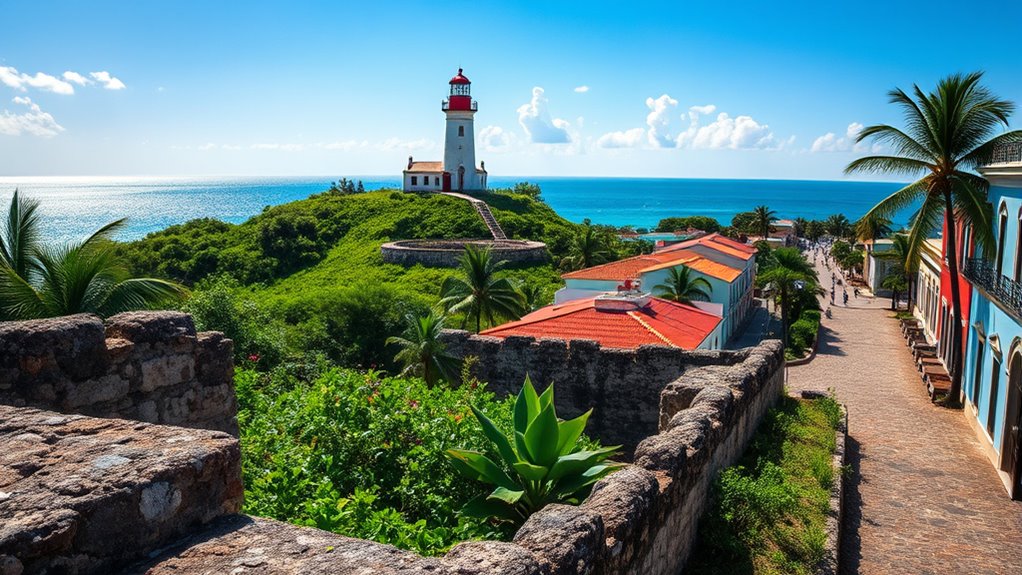
The history of the Dominican Republic begins with European exploration, when Christopher Columbus arrived on the island of Hispaniola in 1492 and named it “Little Spain.” Soon after, the Spanish established the first colony in the Western Hemisphere at Santo Domingo in 1496, laying the foundations for Spanish influence in the region. As you explore this history, you’ll see how Santo Domingo became a key hub for colonization, spreading Spanish culture and religion. The construction of important landmarks like the Cathedral of Santo Domingo in 1541 highlights the significance of these early years. The Treaty of Ryswick in 1697 divided the island between France and Spain, shaping future borders. These early explorations and settlements set the stage for the country’s complex history of colonization and development. Spanish influence also played a crucial role in shaping the island’s cultural and religious landscape.
Struggles for Independence and Sovereignty
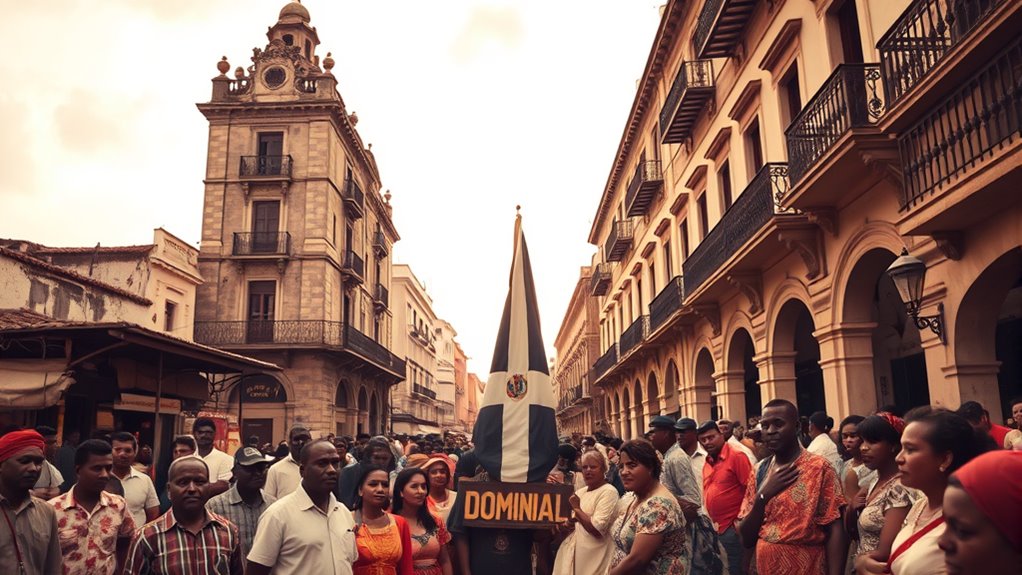
You see, the Dominican Republic’s fight for independence involved overcoming Haitian rule and numerous uprisings. These struggles marked key moments in establishing sovereignty and shaping national identity. Understanding these events reveals how resilience and resistance fueled the country’s quest for freedom. The journey was further supported by the development of a national identity, which helped unify diverse groups within the country.
Haitian Rule and Uprising
Haitian rule marked a tumultuous chapter in the Dominican Republic’s history, as the neighboring nation’s occupation from 1822 to 1844 challenged the island’s sovereignty. During this period, Haitians sought to unify the island under their control, imposing their laws and culture on the eastern part. You might notice that many Dominicans resisted this dominance, viewing it as an infringement on their identity and independence. The resistance grew over time, fueled by local leaders and communities yearning for self-rule. Uprisings and protests intensified, ultimately leading to the declaration of independence in 1844. This struggle for sovereignty cemented a fierce desire for independence among Dominicans, shaping their national identity and fueling future efforts to maintain their autonomy against external threats and internal divisions. The conflict also fostered a strong sense of national pride that remains central to Dominican identity today.
Key Independence Moments
The fight for independence defined the Dominican Republic’s national identity, marking pivotal moments when the island’s people rejected foreign dominance and fought to establish their sovereignty. In 1821, they declared independence from Spain, but Haiti quickly annexed Santo Domingo in 1822, beginning a period of Haitian rule. Determined, Dominicans declared independence again in 1844, fighting to free themselves from Haitian control. They faced repeated conflicts, including Spanish re-colonization from 1861 to 1865, which they resisted and ultimately ended with the restoration of sovereignty. These struggles reinforced their desire for autonomy. Each event fueled a sense of unity and pride, shaping the nation’s identity. Today, these moments are celebrated as symbols of resilience and the relentless pursuit of independence.
Socioeconomic Evolution and Economic Drivers
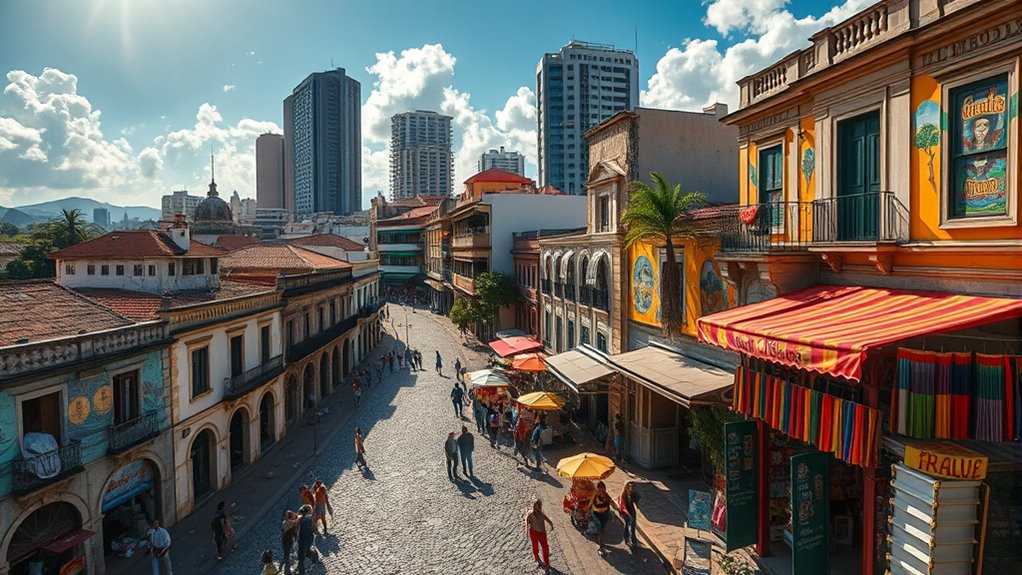
You’ll see that sugar and cacao exports have shaped the Dominican economy for over a century, heavily influenced by U.S. interests. These industries drove growth but also created economic dependencies. Understanding this relationship helps explain the country’s ongoing socioeconomic evolution. Additionally, the development of agricultural products has been pivotal in sustaining economic stability and growth over the years.
Sugar and Cacao Economy
During the late 19th and early 20th centuries, sugar and cacao became the backbone of the Dominican Republic’s economy, fueling economic growth and attracting international interest. You’d see large plantations emerge, dominating the landscape and creating jobs for many locals. The sugar industry, in particular, drew significant investments from the United States, making it a central driver of national wealth. Cacao, though less prominent, also gained importance as global demand increased. These crops shaped the country’s socioeconomic structure, with plantation owners amassing wealth and influencing politics. However, this reliance on export agriculture made the economy vulnerable to global market fluctuations. Despite challenges, sugar and cacao exports remained vital, laying the foundation for future economic developments and helping the country integrate into the international market. Additionally, the rise of sustainable practices in agriculture is beginning to influence how these crops are cultivated today, emphasizing environmental and social responsibility.
U.S. Economic Influence
As sugar and cacao exports grew, the United States became increasingly involved in shaping the Dominican Republic’s economy. During the early 20th century, U.S. interests gained control over key sectors, especially sugar, which became the backbone of the economy. From 1916 to 1924, U.S. troops occupied the country, establishing a modern military and economic presence. Even after military withdrawal in 1924, American financial influence persisted, with U.S. banks and companies controlling significant industries. This control shaped economic policies and contributed to economic dependency. U.S. investment fueled infrastructure projects, but also created vulnerabilities. Today, U.S. economic influence continues through trade, remittances, and foreign investment, maintaining a close economic relationship that impacts the country’s growth and stability. Additionally, the ongoing reliance on foreign economic influence highlights the importance of diversifying the nation’s economic strategies.
U.S. Influence and Political Turmoil
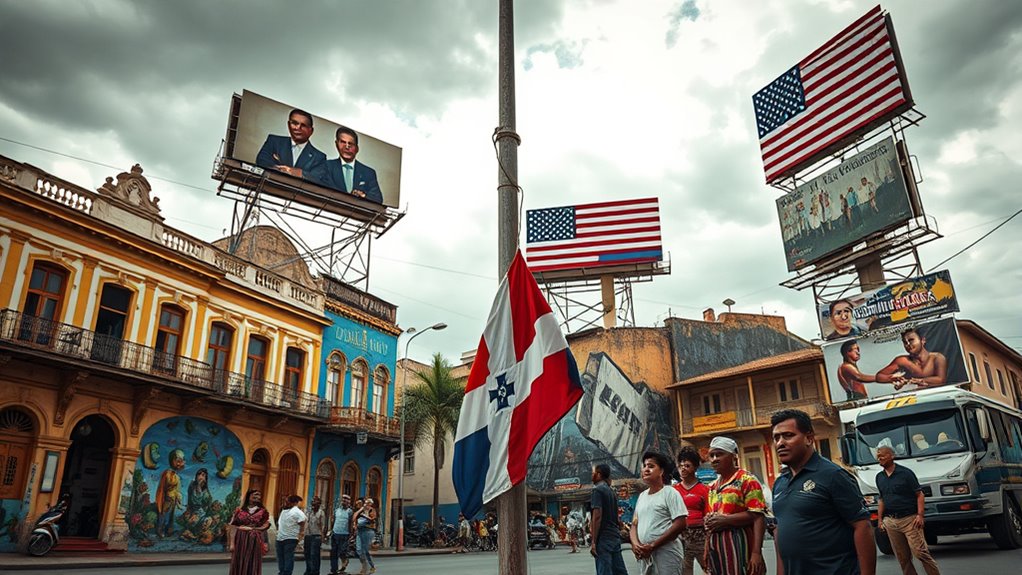
U.S. influence deeply shaped the political landscape of the Dominican Republic, especially through military interventions and economic control. Between 1916 and 1924, U.S. troops occupied the country, establishing a military government that suppressed local resistance. This period also saw U.S. companies dominating key sectors like sugar and mining, reinforcing economic dependence. After the military withdrawal, U.S. influence persisted through financial control and political interference, often supporting leaders aligned with American interests. Rafael Trujillo’s rise to power in 1930 was facilitated by U.S. backing, yet his brutal dictatorship sparked widespread unrest. Subsequent decades saw recurring instability, military coups, and civil conflicts, often influenced by U.S. policies. These interventions left a legacy of political turmoil, shaping the nation’s struggle for sovereignty and stable governance. Additionally, the ongoing presence of foreign influence continued to impact the country’s political development long after formal interventions ended.
Key Events Shaping Modern Society
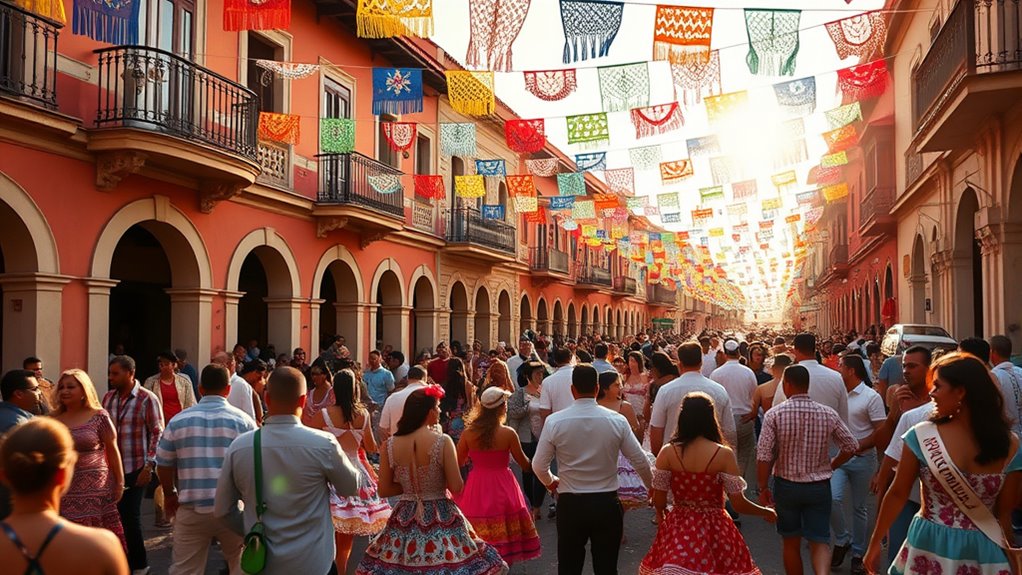
Several key events have shaped modern Dominican society, influencing its political stability, economic development, and cultural identity. The assassination of Rafael Trujillo in 1961 marked the end of his oppressive rule, opening doors for democratic reforms. The civil war of 1965, prompted by political unrest, led to U.S. intervention, underscoring the nation’s vulnerability but also its resilience. In 1978, Antonio Guzmán’s election signaled a shift towards democracy, fostering political stability. Economic growth accelerated in the 2000s, driven by infrastructure projects and tourism. The 2010s brought increased focus on modernization and international relations, especially with neighboring Haiti. Additionally, the development of unique and wicked planters has contributed to the country’s agricultural diversity and self-sufficiency. These events collectively shaped a society that balances its turbulent history with aspirations for stability, development, and national progress.
Contemporary Culture and National Identity
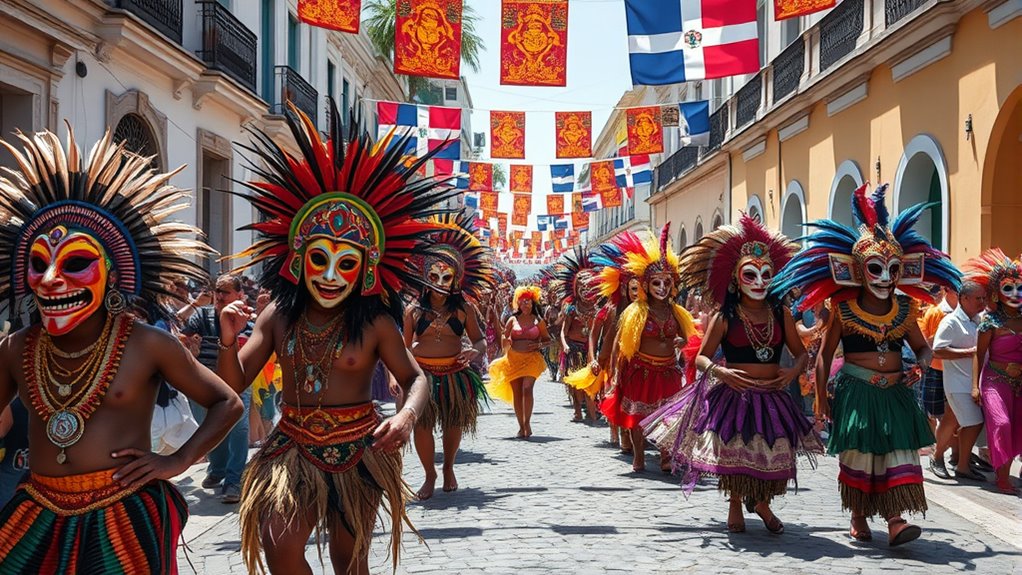
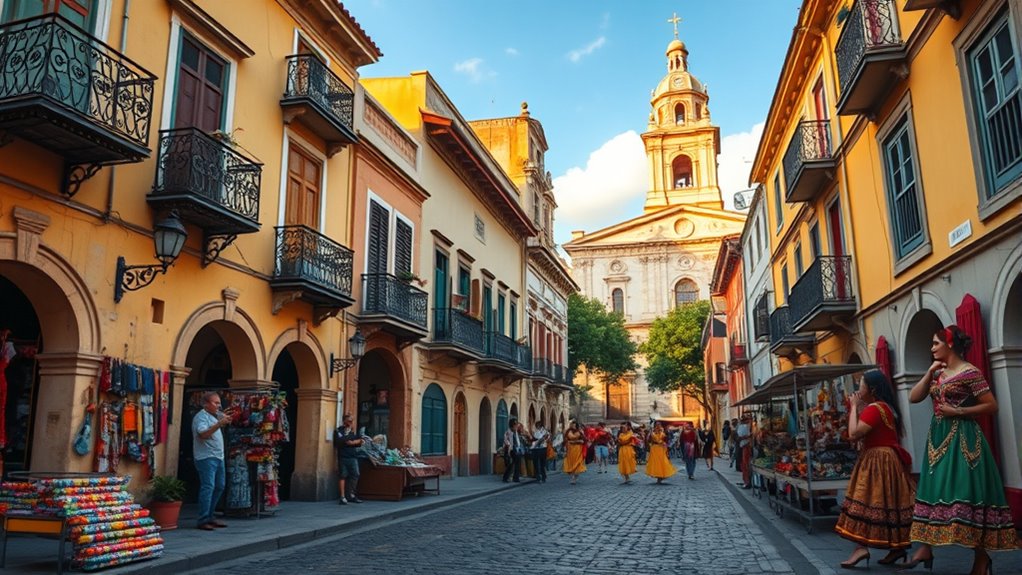
Contemporary Dominican culture reflects a vibrant blend of indigenous, African, and European influences that continue to shape the nation’s identity. You’ll notice this mix in music genres like merengue and bachata, which express joyful resilience and cultural pride. The arts thrive with colorful murals, dance, and literature that echo the country’s diverse roots. You might also see strong community bonds and a deep appreciation for family, tradition, and religion. Sports, especially baseball, play a key role in uniting people and fostering national pride. As the country modernizes, it balances economic growth with preserving cultural heritage. Your experience of Dominican culture reveals a resilient identity rooted in history yet dynamically evolving to embrace the future. Additionally, cultural expression through festivals and local customs showcases the vibrant spirit of the Dominican people.
Frequently Asked Questions
How Did Indigenous Cultures Influence Dominican Traditions?
You can see indigenous influences in Dominican traditions through music, dance, and cuisine. You might notice the use of African rhythms and indigenous elements in merengue and bachata, reflecting native cultural roots. Traditional foods often incorporate native ingredients like yuca and plantains. Celebrations and crafts also echo indigenous practices, showing how these ancient cultures shape the country’s vibrant cultural identity today.
What Role Does Music Play in Dominican Cultural Identity?
Music plays a crucial role in shaping your Dominican cultural identity, blending African, European, and indigenous influences into vibrant rhythms. You experience this every day through merengue and bachata, which express your history, emotions, and social issues. These genres bring people together, celebrating your heritage and resilience. Some theories suggest music even helped unify diverse communities, making it more than entertainment—it’s a symbol of your nation’s spirit and pride.
How Has Tourism Impacted the Dominican Republic’s Culture?
Tourism has profoundly shaped your experience of the Dominican Republic’s culture by promoting local traditions, music, and cuisine worldwide. You’re likely to see vibrant festivals, dance, and art showcased to visitors, fostering pride among locals. While tourism boosts the economy, it also influences cultural preservation, sometimes blending or even diluting authentic customs. Overall, it helps you connect with the country’s lively spirit and diverse heritage while supporting its growth.
What Are Traditional Dominican Festivals and Their Origins?
You’ll love experiencing festivals like Carnival, which bursts with vibrant costumes and lively music, symbolizing Dominican resilience and joy. The Merengue Festival celebrates the country’s national dance, reflecting its rich cultural roots. As you walk through these events, imagine history coming alive—festivals rooted in African, Spanish, and indigenous traditions—each parade and dance a living story of the Dominican spirit and its colorful origins.
How Do Dominican Culinary Practices Reflect Its History?
Your culinary practices in the Dominican Republic reflect its history through a mix of Spanish, African, and Taino influences. You’ll notice dishes like sancocho, a hearty stew blending native ingredients with Spanish techniques. You also enjoy fried plantains and rice with beans, showcasing African roots. Spices and cooking methods reveal the blending of diverse cultures, creating a unique cuisine that celebrates the country’s rich past and cultural diversity.
Conclusion
Just like Columbus’s voyage marked a new chapter, the Dominican Republic’s history shapes its vibrant culture today. You see echoes of its struggles for freedom, resilience, and identity in every dance, song, and tradition. As the island continues to evolve, it reminds you that history isn’t just in the past—it’s the foundation that fuels its bright, lively future. Embrace its story, and you’ll discover a nation proud of its roots and enthusiastic to shine.