
Nebraska’s history and culture mix Native traditions, frontier settlement, and modern growth. You’ll see how indigenous tribes like the Omaha and Pawnee thrived for centuries before European contact disrupted their ways. The state’s development sped up with railroads and farming, attracting diverse settlers. Native displacement, social movements, and vibrant communities shaped Nebraska’s identity. If you keep exploring, you’ll discover how these influences continue to shape the state today.
Key Takeaways
- Nebraska’s history includes Native tribes’ land use, European contact, territorial expansion, and statehood in 1867.
- The state developed through railroad growth, agriculture, and urbanization, becoming a key transportation and economic hub.
- Displacement of Native peoples and social movements like populism and women’s suffrage shaped Nebraska’s cultural and political landscape.
- Immigrant communities, especially German and Scandinavian, contributed to Nebraska’s diverse cultural heritage.
- The Nebraska State Historical Society and University of Nebraska preserve and promote the state’s historical and cultural legacy.

Native American Style Bone Choker Necklace, Red/Black/Beige (3 Row)
- Tribal Style Design: Native American inspired buffalo bone beads
- Elegant Accents: Carved buffalo bone hairpipe beads
- Natural Material: Made from real buffalo bones
As an affiliate, we earn on qualifying purchases.
As an affiliate, we earn on qualifying purchases.
Indigenous Peoples and Early Cultures
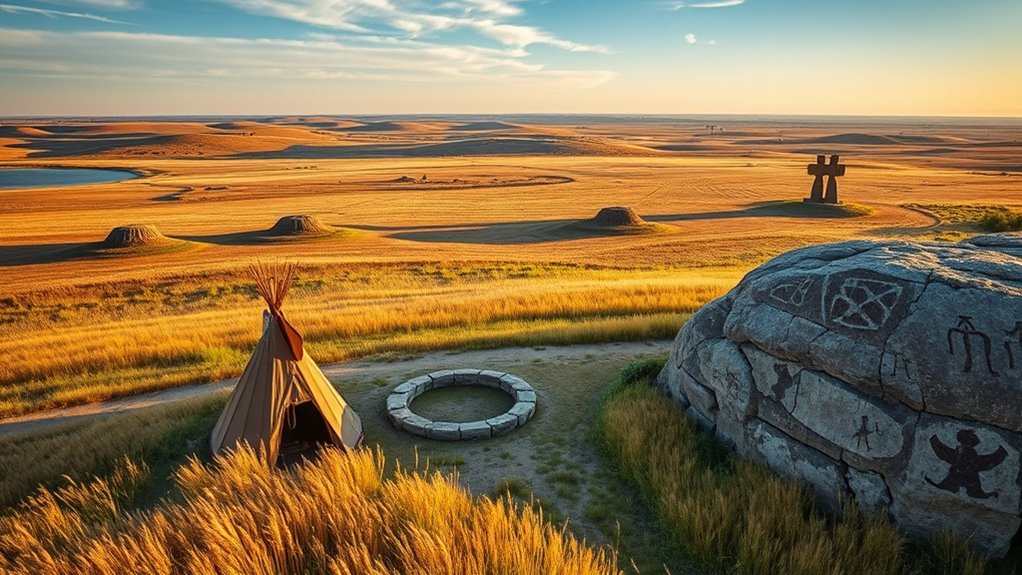
Long before European explorers arrived, Native American tribes such as the Omaha, Pawnee, Ponca, Lakota, and Otoe inhabited Nebraska for thousands of years. You can see their legacy in archaeological sites that reveal successive cultures adapting to the Great Plains environment. The Omaha and Pawnee established semi-permanent villages along the Missouri and Platte Rivers, practicing agriculture and seasonal hunting. These societies thrived on the land, developing unique traditions and social structures. However, their way of life was disrupted in the 19th century by disease, warfare, and forced relocations. The Ponca Trail of Tears and the surrender of Chief Crazy Horse marked the decline of major resistance. Today, their descendants preserve these histories, honoring a rich cultural heritage that predates European contact. Advances in archaeological techniques continue to uncover new insights into their ancient ways of life.

Excavations at Wickliffe Mounds
- Condition: Used Book in Good Condition
As an affiliate, we earn on qualifying purchases.
As an affiliate, we earn on qualifying purchases.
European Contact and Territorial Expansion
When Europeans arrived, they challenged the land use practices of Nebraska’s indigenous peoples, disrupting their traditional hunting and farming. The Louisiana Purchase in 1803 brought Nebraska into the United States, setting the stage for territorial expansion and settlement. This process ultimately led Nebraska to attain statehood in 1867, after years of political debates and adjustments to meet national requirements. Additionally, the influence of anime movies and animated films that touch hearts played a role in shaping cultural interests during this period.
Indigenous Peoples’ Land Use
European contact and territorial expansion dramatically transformed the land use of Nebraska’s indigenous peoples. Before Europeans arrived, tribes like the Omaha and Pawnee practiced seasonal hunting, fishing, and agriculture, shaping the land sustainably. Their land use focused on resource management, moving between river valleys and plains to follow game and grow crops. As settlers pushed west, indigenous territories shrank, and their traditional practices were disrupted. Land was increasingly privatized, and farming replaced hunting in many areas. The influx of settlers also introduced new land ownership concepts that conflicted with indigenous communal land practices. Land was often privatized, and farming replaced hunting in many areas. The table below highlights key aspects of indigenous land use:
| Traditional Practices | European Impact |
|---|---|
| Seasonal hunting | Land privatization |
| Agriculture along rivers | Displacement and reservations |
| Resource management | Commercial farming |
| Community-based land use | Loss of ancestral lands |
Louisiana Purchase Impact
The Louisiana Purchase in 1803 dramatically transformed Nebraska’s landscape, opening it up to American expansion and altering its indigenous cultures. You’ll see that this vast land became part of the United States, setting the stage for future settlement and change.
Here are three key impacts:
- Native tribes faced displacement as settlers moved westward, disrupting their traditional ways.
- European contact introduced new diseases, causing devastating population declines among indigenous peoples.
- The purchase encouraged exploration, leading to the creation of territories like Nebraska, which eventually paved the way for statehood.
This event marked the beginning of a profound shift, transforming Nebraska from a land of native cultures into an expanding frontier for American settlers.
Nebraska Statehood Path
How did territorial expansion shape Nebraska’s journey toward statehood? As you explore Nebraska’s history, you see how land acquisition and migration fueled its development. The Louisiana Purchase in 1803 brought Nebraska into U.S. territory, setting the stage for future expansion. The Kansas-Nebraska Act of 1854 created the Nebraska Territory, opening the region to settlers and ending Missouri Compromise restrictions. Trails like Oregon and California drew thousands through Nebraska’s Platte Valley, making it a essential corridor for westward migration. The Homestead Act of 1862 encouraged settlers to claim land, accelerating population growth. Nebraska achieved statehood in 1867, after overcoming political hurdles, including constitutional restrictions on voting. The expansion and migration efforts transformed Nebraska from a frontier into a thriving state, shaping its identity and economy.
Native tribes Omaha Pawnee artifacts
As an affiliate, we earn on qualifying purchases.
As an affiliate, we earn on qualifying purchases.
The Path to Statehood

What challenges did Nebraska face on its journey to statehood? You’d find that political debates, racial restrictions, and presidential vetoes slowed its admission. First, Nebraska’s 1866 constitution limited voting to white males, prompting Congress to demand changes before granting statehood. Second, Nebraska is the only state admitted over a presidential veto—by Andrew Johnson—highlighting its political significance. Third, the state’s early leaders had to navigate the balance between regional interests and national concerns, ensuring Nebraska met federal requirements. Additionally, the influence of emerging sneaker culture and popular trends in apparel and accessories during that period played a role in shaping regional identity. These hurdles delayed progress, but Nebraska persevered, ultimately becoming the 37th state on March 1, 1867. The move from territorial status to statehood marked a major milestone, solidifying Nebraska’s place in the Union and paving the way for growth and development.

Wild Towns of Nebraska
- Condition: Used Book in Good Condition
As an affiliate, we earn on qualifying purchases.
As an affiliate, we earn on qualifying purchases.
Development of Transportation and Economy

The expansion of the railroad transformed Nebraska into a crucial transportation hub, connecting farmers to national markets and fueling economic growth. As the railroads grew, so did the agricultural economy, especially in corn and wheat production. This development laid the foundation for Nebraska’s prosperity and shaped its modern landscape. Additionally, the growth of these industries increased the demand for reliable heating solutions in rural areas, prompting the adoption of advanced heat pump technology to ensure efficient climate control year-round.
Railroad Expansion Impact
Railroad expansion transformed Nebraska’s transportation network and fueled its economic growth. It connected rural communities to national markets, boosting trade and migration. As the Union Pacific Railroad extended westward, it opened new opportunities for settlers and businesses. The development of reliable transportation infrastructure also facilitated the movement of goods with high-speed rail technologies, further enhancing commerce. Here are three key impacts: 1. Rapid Population Growth: Towns like Omaha and Lincoln prospered as rail hubs, attracting workers and entrepreneurs. 2. Agricultural Expansion: Farmers gained access to distant markets, increasing crop sales and land value. 3. Economic Diversification: Urban centers developed manufacturing, food processing, and service industries, creating jobs and stimulating local economies. These developments laid the foundation for Nebraska’s modern economy, transforming it from a frontier into a essential commercial corridor.
Agricultural Economy Growth
As Nebraska’s transportation infrastructure expanded with the completion of the transcontinental railroad, the state’s agricultural economy experienced rapid growth. The railroad connected Nebraska’s farms to national markets, making it easier to sell crops like corn and wheat. Omaha’s rise as a transportation hub further boosted this growth, facilitating the movement of goods and people. Telegraph lines also linked Nebraska to eastern markets, accelerating communication and commerce. The development of these transportation systems encouraged large-scale farming and attracted settlers seeking land and opportunity. Urban centers like Lincoln grew alongside agricultural prosperity, supporting food processing industries. The advent of cold-pressed vegetable juice exemplifies how modern innovations continue to influence agricultural and health industries. As a result, Nebraska shifted from a frontier to a thriving agricultural state, with transportation innovations fueling economic expansion and helping establish its reputation as one of the nation’s leading grain producers.
Population Growth and Demographic Shifts
Nebraska’s population experienced a significant surge after the Civil War, driven largely by waves of European immigrants and settlers from the eastern United States seeking land and opportunity. This influx transformed the state’s demographic landscape and fueled economic growth. Here’s what you should know:
- Immigrants from Germany and Scandinavia settled in towns, shaping local culture and traditions.
- The population doubled between 1870 and 1890, thanks to homesteading and the expansion of the railroad network.
- African American “Exodusters” arrived in the late 1870s, seeking new land and escape from oppression.
- The development of traditional farming practices contributed to the economic stability and growth of these diverse communities.
These demographic shifts created diverse communities, impacted politics, and laid the foundation for Nebraska’s evolving cultural identity.
Native American Displacement and Resettlement
The rapid population growth and influx of European and eastern U.S. settlers had profound effects on Nebraska’s indigenous peoples. As settlers moved west, Native tribes faced displacement from their ancestral lands, often forced onto reservations through treaties and military pressure. Diseases brought by newcomers decimated populations, weakening tribes’ ability to resist. The Ponca Trail of Tears in 1877 exemplifies forced removal, as Ponca people were driven from their homeland to Indian Territory. Native communities experienced cultural disruption, losing access to traditional hunting and farming grounds. Government policies aimed to cultural assimilation, eroding their languages and customs. This displacement caused lasting trauma, reshaping the social fabric of Nebraska’s indigenous peoples and marking a tragic chapter in the state’s history.
Social Movements and Political Changes

Social movements and political changes have played a crucial role in shaping Nebraska’s history, especially during the late 19th and early 20th centuries. You’ll see how grassroots efforts and reform-minded leaders pushed for progress.
Grassroots efforts and reform leaders significantly shaped Nebraska’s history in the late 19th and early 20th centuries.
- The rise of populism fueled farmers’ demands for fair prices, currency reform, and government intervention, leading to the formation of the Nebraska Farmers Alliance.
- The fight for women’s suffrage gained momentum, culminating in Nebraska granting women voting rights in 1917.
- Progressive reforms, like anti-corruption measures and regulation of railroads and utilities, gained ground, transforming Nebraska’s political landscape.
- The influence of AI technology and innovation, such as data analytics and AI-driven campaigns, began to impact political strategies and social movements in the state.
These movements helped shape the state’s identity, emphasizing fairness, representation, and modernization.
Cultural Institutions and Literary Heritage

Cultural institutions in Nebraska play an essential role in preserving the state’s diverse heritage and fostering community identity. The Nebraska State Historical Society safeguards artifacts, documents, and stories that highlight Nebraska’s Native, pioneer, and immigrant histories. The University of Nebraska serves as a hub for research, education, and cultural exchange, shaping the state’s intellectual landscape. Literary figures like Willa Cather drew inspiration from Nebraska’s plains, influencing American literature. Events such as the Nebraska State Fair and Arbor Day celebrate agricultural roots and environmental stewardship. Here’s a quick look at some key institutions and their focus areas:
| Institution | Focus Area |
|---|---|
| Nebraska State Historical Society | Heritage preservation |
| University of Nebraska | Education and research |
| Nebraska Writers’ Guild | Literary development |
| Nebraska State Fair | Agriculture and community events |
Celebrations, Traditions, and Environmental Awareness

Celebrations and traditions are at the heart of Nebraska’s community life, reflecting its agricultural roots and diverse heritage. You’ll find that many events celebrate the state’s farming legacy and environmental efforts. Here are three key examples:
- Nebraska State Fair – A lively event showcasing agriculture, crafts, and local food, emphasizing the importance of farming traditions.
- Arbor Day – Founded in Nebraska in 1872, this annual celebration promotes tree planting and environmental awareness across the state.
- Farmers’ Markets and Festivals – Regular markets and harvest festivals honor Nebraska’s rural lifestyle while encouraging sustainable practices and community involvement.
Through these traditions, Nebraskans honor their history, promote environmental stewardship, and strengthen community bonds.
Frequently Asked Questions
How Did Nebraska’s Native Tribes Influence Modern State Culture?
You can see Nebraska’s native tribes influence the state’s culture through traditions, place names, and community celebrations. Indigenous stories, art, and crafts inspire local artists and cultural events. Many towns and natural landmarks bear Native American names, honoring their heritage. Additionally, events like powwows and educational programs promote understanding of tribal history. Their contributions shape Nebraska’s identity, fostering respect and recognition for Native American history and ongoing cultural practices.
What Role Did Women Play in Nebraska’s Early Political History?
Women in Nebraska’s early political history played a crucial role, often being trailblazers despite the odds. You might say they paved the way for progress, participating in local governance, advocating for rights, and supporting community development. While voting was initially denied, women pushed for reforms and became active in social movements. Their efforts laid the groundwork for future advancements, showing that even in rough waters, women’s influence helped shape the state’s political landscape.
How Has Nebraska’s Landscape Shaped Its Cultural Identity?
You see Nebraska’s landscape shaping its cultural identity through the vast prairies, fertile plains, and rolling hills that define its rural character. The open spaces inspire your appreciation for agriculture, outdoor activities, and community traditions like State Fair and Arbor Day. You feel connected to the land through stories of pioneers, Native tribes, and the enduring importance of farming, which remain central to Nebraska’s spirit and way of life.
What Are Some Lesser-Known Native American Traditions Still Practiced Today?
You might not realize it, but some Native American traditions still thrive today. For example, the Omaha and Lakota peoples continue to hold powwows, celebrating their heritage through dance, music, and storytelling. Many tribes practice traditional crafts like beadwork and pottery, passing these skills to younger generations. Sacred ceremonies, such as sweat lodges and sun dances, remain essential for spiritual renewal and community bonding, preserving their rich cultural legacy.
How Did Immigration Specifically Impact Nebraska’s Urban Development?
Immigration transformed Nebraska’s urban landscape by fueling population growth and shaping city development. You’ll see how European and eastern U.S. immigrants settled in urban centers like Omaha and Lincoln, creating diverse neighborhoods and introducing new businesses. They built infrastructure, established industries, and contributed to cultural institutions. Their efforts fueled economic expansion, making Nebraska’s cities vibrant hubs of commerce, labor, and cultural exchange that still define the state today.
Conclusion
As you explore Nebraska’s history, imagine standing on land where over 60 Native tribes once thrived, shaping its rich cultural tapestry. From early indigenous roots to modern celebrations, the state’s journey is filled with resilience and transformation. With a population that has grown over 15% in the last decade, Nebraska continues to evolve while honoring its diverse past. Embrace its stories of heritage, progress, and environmental pride that define this remarkable state.