
Virginia’s history is packed with early colonial beginnings, from the founding of Jamestown in 1607, to its role in the American Revolution led by figures like Thomas Jefferson, who authored the Declaration of Independence. Its culture has been shaped by Native American roots, African heritage, and English traditions. The state endured the Civil War and transformed into a hub of innovation, combining its historic past with modern growth. Explore further to discover how Virginia’s diverse heritage continues to influence its vibrant identity today.
Key Takeaways
- Virginia was the first successful English colony in North America, founded in 1607, with a rich history of settlement, governance, and conflicts.
- The state played a central role in American independence, with figures like Thomas Jefferson and key battles shaping the Revolutionary War.
- Virginia’s society evolved from Native American roots and African influences, with a culture rooted in tobacco agriculture and hierarchical landownership.
- It was part of the Confederacy during the Civil War, with a history shaped by slavery, regional loyalties, and post-war modernization.
- Today, Virginia balances its historic heritage with modern innovation, fostering cultural diversity, preservation, and sustainable growth.

History of Virginia: A Captivating Guide to the History of the Mother of States, Starting from Jamestown through the American Revolution and the … Court House to the Present (U.S. States)
As an affiliate, we earn on qualifying purchases.
As an affiliate, we earn on qualifying purchases.
Early Foundations and Settlement Milestones
Virginia’s early foundations began with the founding of Jamestown in 1607 by the London Company, marking the first successful English settlement in North America. You witness the challenges settlers faced, from harsh weather to scarce resources, as they endeavor to establish a foothold. The 144-day Atlantic voyage tested their resolve, but they finally arrived, eager to build a new life. In 1619, the first General Assembly convened, giving colonists a voice in governance. You also learn about conflicts with Native Americans, with attacks like the 1622 raid killing over 300 settlers. During this period, laws began to distinguish between indentured servants and African slaves, shaping Virginia’s social structure. These milestones laid the groundwork for Virginia’s future development as a colony and a pivotal part of American history. The introduction of early technological innovations like the printing press and improved shipbuilding techniques facilitated communication and expansion in the colony.

Sands Original Products CSS Virginia Ironclad Model Ship – 10 Inch Civil War Replica – Confederate Navy Warship – Historical Naval Decor, Military History Gift & Collectible Nautical Display
The Ironclad Revolution: A precision 10-inch scale model of the CSS Virginia, the legendary Confederate powerhouse built from…
As an affiliate, we earn on qualifying purchases.
As an affiliate, we earn on qualifying purchases.
Development of Colonial Society and Economy
The development of colonial society and economy in Virginia was driven by the rise of tobacco as a major cash crop, transforming the region into a vital agricultural hub. Tobacco cultivation increased demand for land and labor, leading to expansion and social hierarchy formation. You’ll notice the economy relied heavily on indentured servants and, later, enslaved Africans. This shift shaped social classes and land ownership patterns. To illustrate, consider the table below:
| Aspect | Impact | Key Development |
|---|---|---|
| Agriculture | Growth of tobacco industry | Major economic driver |
| Labor System | Shift from indentured servants | Rise of slavery |
| Society Structure | Hierarchical community | Landownership and power |
This economy fostered a society centered on farming, landownership, and labor systems that defined Virginia’s colonial identity. Additionally, the value of silver tableware reflects the material wealth and social status of colonial elites, contributing to their display of prosperity.

SMS Gifts Civil War in Virginia Souvenir Playing Cards
Civil War in Virginia Souvenir Playing Cards
As an affiliate, we earn on qualifying purchases.
As an affiliate, we earn on qualifying purchases.
The American Revolution and Independence
Virginia played a vital role in the fight for independence, with leaders like Thomas Jefferson shaping the nation’s founding principles. You’ll explore how Virginia’s Declaration of Independence influenced the broader revolutionary movement and inspired other colonies. Key battles such as Yorktown ultimately secured the victory that made independence a reality. Recognizing the significance of angel number meanings can deepen understanding of the symbolic messages that guided many during this pivotal time.
Virginia’s Declaration Role
During the American Revolution, Virginia played a pivotal role in shaping the fight for independence. You can see this through its leaders and their influence on the nation’s founding documents. Thomas Jefferson, a Virginian, drafted the Declaration of Independence, asserting the colonies’ desire for freedom. This document inspired others and became a cornerstone of American identity. Virginia also hosted key debates and events that rallied support for independence. The table below highlights some critical aspects:
| Contribution | Impact |
|---|---|
| Declaration of Independence | Laid out the colonies’ reasons for breaking away |
| Virginia leaders | Influenced national strategies and policies |
| Key speeches | Motivated colonists to pursue liberty |
| Political gatherings | United colonists in their quest for independence |
Virginia’s role was essential in shaping the nation’s fight for freedom. Furthermore, Virginia’s early adoption of independent governance demonstrated its commitment to self-rule and influenced other colonies to follow suit.
Key Revolutionary Battles
Have you ever wondered which battles decided the fate of the American Revolution? The Battle of Yorktown in 1781 was the turning point, where American and French forces cornered the British, leading to surrender and ending the war. Before that, the Battle of Saratoga in 1777 was essential—it boosted American morale and secured French support. The Battle of Trenton in 1776 gave Patriot forces a much-needed victory after a tough winter, boosting confidence. At Kings Mountain in 1780, Patriot militia defeated Loyalist forces, weakening British control. These battles, fought across Virginia and beyond, shaped the fight for independence, ultimately leading to the signing of the Treaty of Paris in 1783. Your understanding of these key moments highlights Virginia’s critical role in securing American freedom.

otdlle US President Founding Fathers Bust Head Sculpture Historical Statue Collectible Figurine Desk Table Top Memorabilia Home Decor (Thomas Jefferson, 4" Hx2.5 Wx2 D)
Historical Busts Parameters:①L size: 10×6.5×5 inches (10in/25cm tall including base) , Weighs about 0.9 pounds (400g) ②M size:…
As an affiliate, we earn on qualifying purchases.
As an affiliate, we earn on qualifying purchases.
Cultural Influences and Economic Growth

How did the diverse cultural influences shape Virginia’s identity and drive its economic development? You can see how English traditions, African cultural heritage, and Native American roots blend to create Virginia’s unique society. English values and governance laid the foundation for political stability and legal systems that attract settlers and investors. African influences, brought through the slave trade, contributed to the development of labor systems and cultural practices that shaped agriculture and community life. Native American knowledge of the land influenced farming techniques and trade routes. This cultural mix fueled economic growth, especially in tobacco and later cotton farming, which became Virginia’s main industries. Over time, these influences fostered innovation, trade, and a resilient community that helped Virginia thrive economically and culturally. Additionally, the integration of AI in Business has started to influence modern economic strategies in the region, promoting growth and efficiency.
Civil War, Emancipation, and Reconstruction
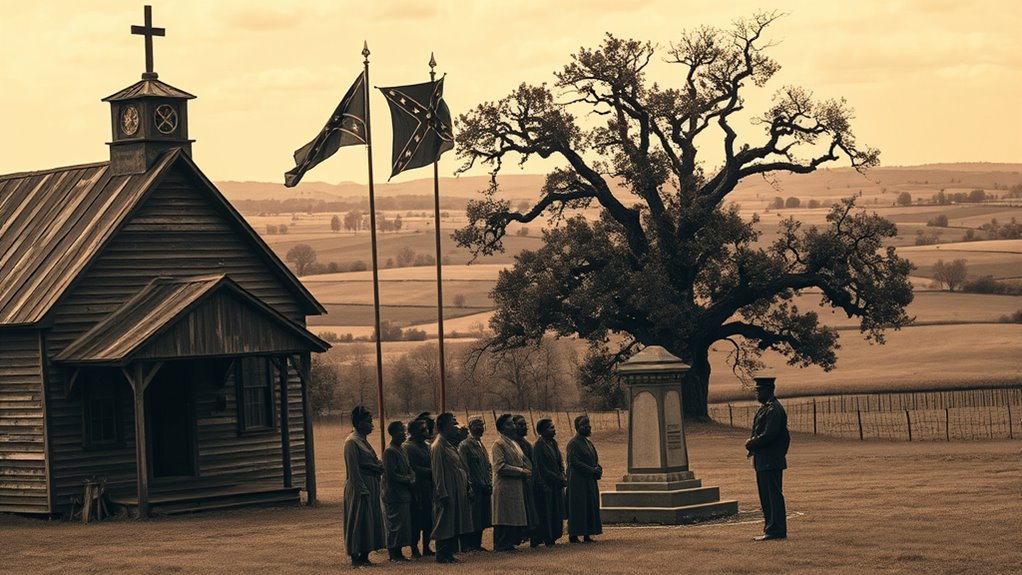
What led Virginia to join the Confederacy in 1861? Virginia’s economy depended heavily on slavery and plantation agriculture, which aligned with the Confederacy’s defense of states’ rights. When Lincoln called for troops to preserve the Union, many Virginians saw secession as necessary to protect their way of life. The decision was also influenced by regional loyalties and political debates about slavery. Additionally, understanding market research could have helped Virginians grasp the national sentiment and tailor their responses accordingly.
Modern Era: Growth, Innovation, and Preservation

Virginia has experienced remarkable growth and innovation in the modern era, transforming from a largely agricultural state into a hub for technology, tourism, and cultural preservation. You can see this shift in many ways, including:
- The development of technology sectors like cybersecurity and defense, exemplified by the presence of the Pentagon in Arlington.
- The thriving tourism industry that attracts visitors to historic sites, national parks, and vibrant cities.
- Efforts to preserve cultural heritage, such as restoring historic landmarks and promoting Virginia’s diverse history.
- A focus on education and innovation, with universities like William & Mary leading research initiatives.
- The increasing emphasis on maintaining a healthy environment to support sustainable growth and quality of life.
This evolution reflects Virginia’s ability to honor its past while embracing the future, shaping a dynamic and resilient state.
Frequently Asked Questions
What Native American Tribes Originally Inhabited Virginia?
You should know that the Powhatan Confederacy was the primary Native American tribe inhabiting Virginia. They consisted of over 30 tribes, including the Powhatan, who led them. The Powhatans lived along the James River and surrounding areas, practicing farming, fishing, and hunting. They had complex social and political structures and interacted with early European settlers, sometimes peacefully and other times through conflict.
How Did Virginia’s Role in the Triangular Trade Impact Its Development?
Virginia’s role in the triangular trade boosted its economy by facilitating the exchange of enslaved Africans, sugar, and rum, which made the colony prosperous. You benefit from this trade through the growth of plantation agriculture, especially tobacco and cotton, which shaped society and wealth. This trade also increased reliance on enslaved labor, influencing Virginia’s social structure and economic development for centuries.
What Were Virginia’s Major Contributions During the Civil Rights Movement?
Virginia’s major contributions during the Civil Rights Movement act like a lighthouse guiding the way to equality. You see, Virginians fought fiercely for desegregation, voting rights, and social justice, pushing boundaries and challenging injustice. Leaders like Barbara Johns and organizations like the NAACP sparked change, making Virginia a symbol of resilience. Their efforts helped illuminate the path toward a more equal society, inspiring both the state and the nation to stand up for justice.
How Has Virginia’s Economy Shifted in the 21ST Century?
In the 21st century, Virginia’s economy has shifted from traditional industries to technology, defense, and tourism. You see a growing tech sector in Northern Virginia, driven by proximity to Washington, D.C., and expanding federal contracts. Tourism thrives through historical sites and natural attractions. You also notice a focus on innovation and education, with universities and research centers fueling economic growth and creating new job opportunities across the state.
What Are Some Key Historical Sites Preserved in Virginia Today?
You can visit historical sites like Jamestown, where the first English settlers landed, and explore Williamsburg’s preserved colonial buildings that feel like stepping back in time. You might stand on the battlefield at Manassas, witnessing the echoes of Civil War clashes. These sites act as living stories, showing Virginia’s rich history like pages in a book, waiting for you to turn and discover its deep roots.
Conclusion
As you explore Virginia’s history, remember it’s like a sturdy oak tree—its roots run deep with stories of resilience, growth, and change. Each branch symbolizes the enduring spirit of its people, reaching toward innovation while honoring tradition. The leaves whisper lessons of freedom and unity. Embrace this symbol, and you’ll see how Virginia’s past continues to shape its future, standing strong and vibrant, just like the mighty oak that has weathered every storm.