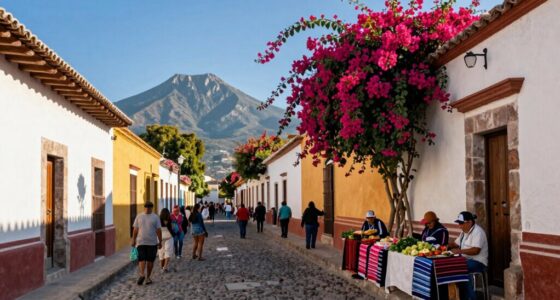
Mexican cuisine blends indigenous ingredients like corn, chili peppers, and beans with Spanish influences such as spices, baking, and frying. Regional flavors vary from hearty meats in the north to Mayan-inspired dishes in the Yucatán. Traditional foods like tamales, mole, and pozole are rich in cultural significance, often enhanced with spices like cumin and cinnamon. Modern fusion and community celebrations keep these culinary traditions vibrant—discover more about this delicious, diverse heritage as you explore further.

Get travel and outdoor gear delivered free with Prime
- Fast, free delivery on millions of items
- Prime Video, Amazon Music and more included
- Member-only deals all year
Key Takeaways
- Mexico’s cuisine is rooted in indigenous ingredients like corn, beans, chili peppers, and squash, symbolizing cultural identity and community.
- Spanish colonial influences introduced new cooking techniques, spices, and fusion styles, enriching traditional Mexican dishes.
- Regional variations highlight diverse flavors, from Northern meat and dairy emphasis to Yucatán’s Mayan-Middle Eastern fusion and coastal seafood specialties.
- Traditional foods such as tamales, mole, and pozole hold cultural and ritual significance, often featured in festivals and family celebrations.
- Modern fusion cuisine blends indigenous flavors with global influences, promoting innovation while preserving culinary heritage.
Indigenous Roots and Early Ingredients
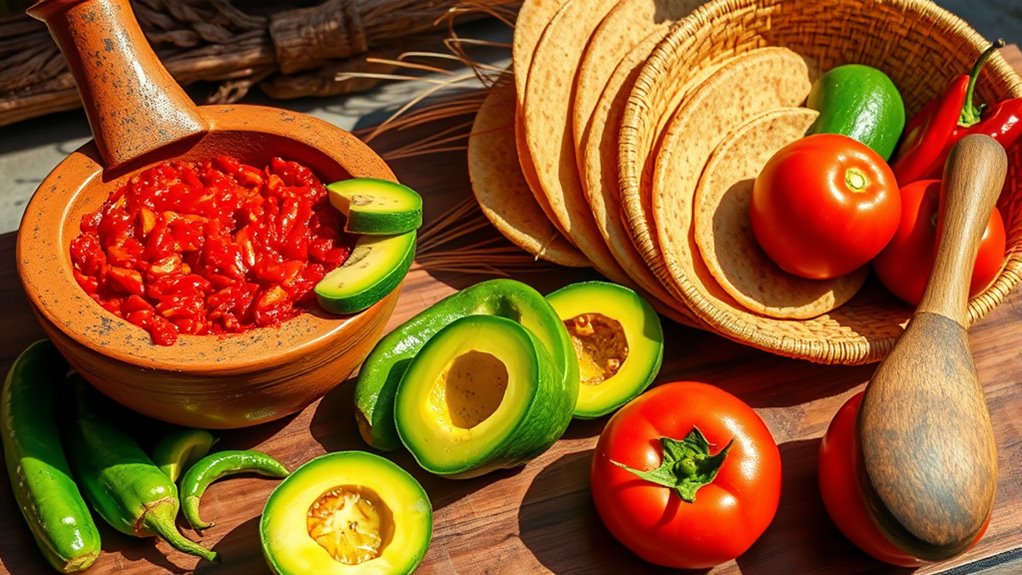
Mexican cuisine has deep indigenous roots that shape its core ingredients and flavors. You’ll find that staples like corn, beans, and squash form the foundation of many traditional dishes. The Aztec and Mayan cultures cultivated these crops using advanced farming techniques, ensuring a diverse and sustainable food supply. Corn, especially in the form of tortillas made from nixtamalized maize, is central to everyday meals. Chili peppers and tomatoes were already essential, adding heat and acidity to dishes long before European contact. Fruits like avocados, guavas, and cacao also played important roles. These ingredients weren’t just food—they carried cultural significance and were preserved through traditional methods. This rich indigenous legacy continues to influence Mexican cuisine today, laying the groundwork for its vibrant flavors.
Spanish Colonial Influences and Culinary Techniques
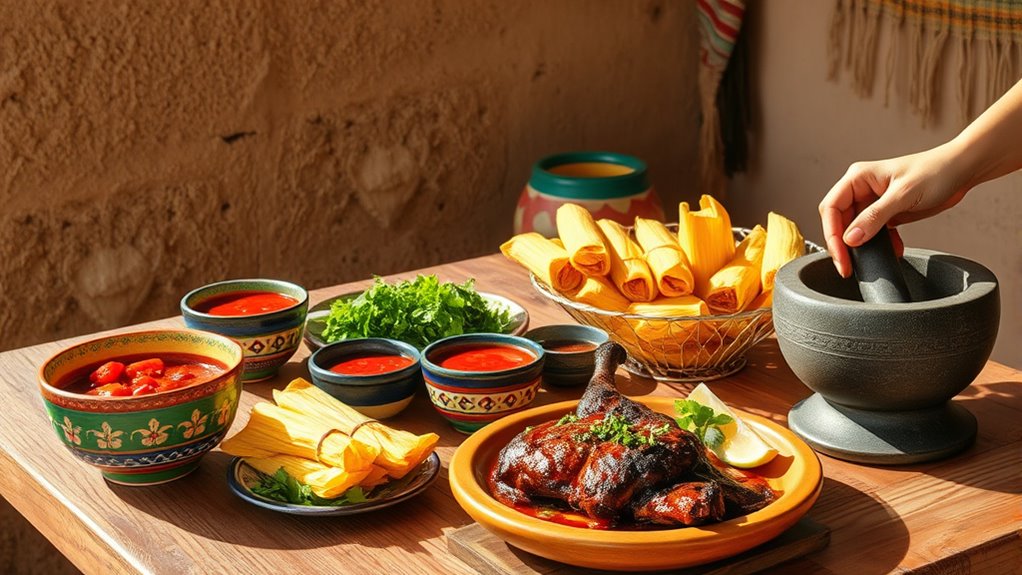
Spanish colonization introduced new cooking methods like baking, frying, and grilling, transforming traditional Mexican techniques. They also brought in imported spices and herbs such as garlic, cumin, and oregano, which enriched local flavors. This blending of culinary styles created a vibrant fusion that continues to shape Mexican cuisine today. Additionally, the integration of rustic kitchen tools and cooking practices from Spain helped establish authentic regional flavors and cooking traditions across Mexico.
New Cooking Methods
The arrival of Spanish colonizers introduced new culinary techniques that transformed traditional cooking practices in Mexico. You now have access to methods like baking, frying, and grilling, which were not part of indigenous traditions. These techniques allowed for new textures and flavors, making dishes more diverse. You might use a cast-iron skillet for frying or an oven for baking bread and pastries, blending Spanish methods with local ingredients. Grilling meats over open flames became common, adding smoky notes to dishes like carne asada. These techniques also led to the development of new preparation styles, such as roasting and broiling, which complemented native ingredients like corn, beans, and chili peppers. This fusion of methods enriched Mexican cuisine, creating a vibrant culinary landscape that continues to evolve today. Additionally, the incorporation of European cooking tools and utensils further expanded the range of culinary techniques used in Mexico.
Imported Spices and Herbs
Have you ever wondered how imported spices and herbs transformed Mexican cuisine during the colonial period? When the Spanish arrived, they brought new ingredients like garlic, cumin, cinnamon, and cloves, which quickly became essential in Mexican cooking. These spices added depth, warmth, and complexity to traditional dishes, elevating flavors that were previously more straightforward. You’ll notice how cinnamon is used in desserts like arroz con leche, while cumin and garlic enhance meat preparations such as carnitas and chiles en nogada. Herbs like oregano, introduced during this period, also became staples, used in salsas and stews. These imported spices and herbs not only enriched the flavor profile but also reflected a blending of indigenous ingredients with global influences, shaping Mexico’s culinary identity today. Additionally, the use of exotic spices contributed to the development of unique regional flavors that continue to define Mexican cuisine.
Fusion of Culinary Styles
The fusion of culinary styles in Mexico emerged as indigenous cooking techniques blended seamlessly with Spanish innovations introduced during colonization. You’ll notice how traditional methods like nixtamalization for corn are combined with new techniques like baking and frying, brought by the Spanish. They introduced livestock such as cattle, pigs, and sheep, transforming protein sources and flavor profiles. Spices like garlic and cumin became staples, enriching indigenous recipes. This blending gave rise to dishes like tacos al pastor, which combines native corn tortillas with Spanish-style marinated pork. You’ll also see how culinary techniques from other parts of the world—Caribbean, French, Middle Eastern—intermingle with local traditions, creating a vibrant, diverse cuisine. This dynamic fusion reflects Mexico’s history of cultural exchange, innovation, and adaptation. Understanding the relationship between cultural influences and culinary evolution reveals the depth of Mexico’s gastronomic heritage.
Regional Variations Across Mexico
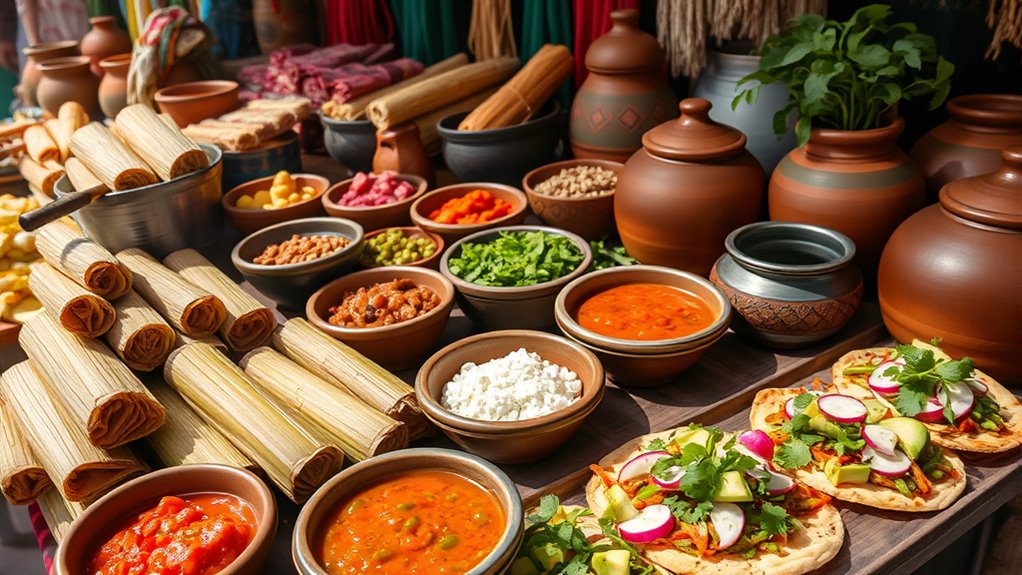
You’ll notice that Mexico’s regions each have their own distinct flavors and ingredients. In the north, meat and dairy dominate, reflecting ranching traditions, while the Yucatán features Mayan recipes fused with Middle Eastern spices. Along the coast, fresh seafood offers a vibrant taste of local waters and culinary creativity. The use of regional ingredients varies widely, showcasing the diverse agricultural and cultural landscape of the country.
Northern Meat and Dairy
Why do Northern Mexican dishes stand out for their hearty meats and robust flavors? It’s because of the region’s reliance on livestock and dairy, influenced by proximity to the U.S. and Caribbean. Here’s what makes these dishes unique:
- Beef and Pork: Dominant protein sources, often used in barbacoa, carne asada, and chorizo.
- Dairy Products: Rich cheeses like queso fresco and creamy butter enhance flavors.
- Meat Preservation: Techniques like drying and smoking create shelf-stable, smoky flavors.
- Traditional Dishes: Tacos de carne asada, machaca, and quesadillas reflect the region’s meat focus.
- Regional Techniques: Methods such as drying and smoking are rooted in traditional meat preservation practices that extend shelf life and develop bold flavors.
These elements combine to give Northern cuisine its distinctive, bold character, emphasizing hearty, satisfying flavors that stand apart from other Mexican regions.
Yucatán Mayan and Middle Eastern Flavors
In the Yucatán Peninsula, Mayan culinary traditions blend seamlessly with Middle Eastern influences, creating a vibrant regional cuisine that stands out across Mexico. You’ll notice dishes that incorporate local ingredients like achiote, lime, and habanero peppers, combined with Middle Eastern spices such as cumin and cinnamon. For example, cochinita pibil features tender pork marinated in achiote and citrus, while dishes like papadzules use pumpkin seeds and hard-boiled eggs, reflecting Mayan roots. Middle Eastern flavors appear in the use of pickled vegetables and savory spices, adding depth. The region’s culinary identity also includes dishes like kibbeh and baklava, which have been adapted through local ingredients. This fusion results in a unique, bold flavor profile that honors both Mayan heritage and Middle Eastern influences. Embracing cultural fusion in cuisine highlights the region’s rich history of trade and migration, enriching its culinary landscape even further.
Coastal Seafood Abundance
Mexico’s extensive coastlines unchain a bounty of fresh seafood that defines regional culinary traditions. You’ll find diverse seafood dishes across the country, each reflecting local flavors and ingredients. For example:
- In Sinaloa and Nayarit, you’ll savor ceviche and grilled fish, emphasizing freshness.
- The Gulf Coast offers rich preparations like shrimp cocktails and fish stews, often flavored with tropical fruits.
- Baja California is famous for its fish tacos and clam chowder, showcasing innovative coastal techniques.
- The Yucatán Peninsula features dishes with conch, octopus, and fish, often combined with Mayan spices and citrus.
This abundance of seafood shapes the identity of coastal regions, blending traditional methods with local ingredients to create vibrant, flavorful dishes that celebrate Mexico’s maritime heritage.
Key Ingredients and Flavor Profiles
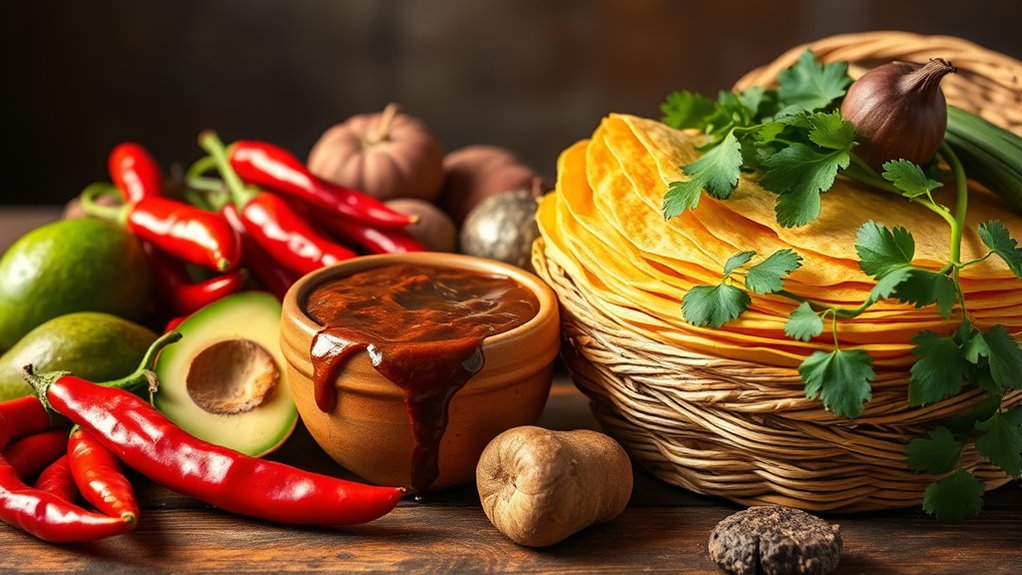
Key ingredients form the foundation of Mexican cuisine, creating bold and vibrant flavor profiles that are instantly recognizable. Chili peppers are essential, bringing heat and depth to dishes, from salsas to stews. Corn and beans serve as dietary staples, offering versatility and nourishment, often appearing in tortillas, tamales, and side dishes. Avocados add creamy richness, while tomatoes provide acidity and freshness that balance flavors. Meat proteins like beef, pork, chicken, and turkey are commonly used, imparting hearty notes. Sweets such as chocolate and vanilla highlight the use of rich, aromatic ingredients in desserts. Fresh produce like squash, cactus, and tropical fruits contribute unique textures and flavors. Together, these ingredients define the complex, layered taste profiles that make Mexican cuisine so distinctive and beloved worldwide.
Traditional Foods and Their Cultural Significance

Traditional foods in Mexico carry deep cultural significance, serving as symbols of identity, history, and community. You’ll find that dishes like tamales, mole, and pozole are more than just meals—they represent traditions, celebrations, and ancestral roots. Here’s what makes them special:
- They often mark important festivals and rituals.
- Recipes are passed down through generations, preserving cultural heritage.
- Ingredients reflect regional diversity and history.
- Food practices foster community bonds during family gatherings.
- Incorporating mindful decluttering strategies into culinary traditions can help preserve authentic recipes and reduce clutter in the kitchen.
Modern Developments and Fusion Cuisine
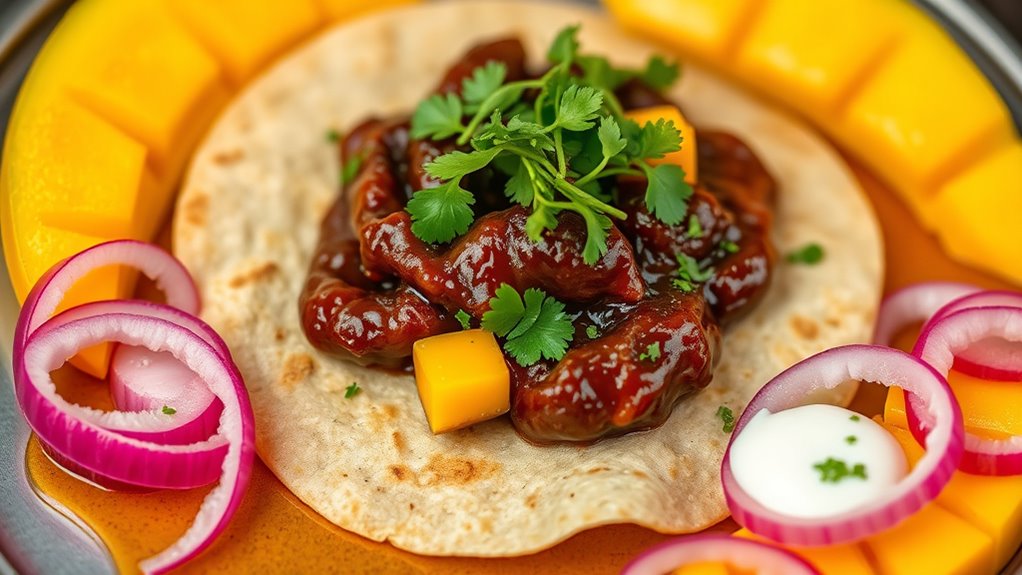
Modern developments and fusion cuisine have transformed Mexican culinary practices, blending traditional flavors with global influences to create innovative dishes. You now find street tacos topped with Korean kimchi or sushi-inspired ceviche in urban Mexico. Chefs experiment by combining classic ingredients like chiles and corn with Asian, Middle Eastern, or African spices. This fusion reflects Mexico’s dynamic food scene, where tradition meets innovation. Imagine:
| Traditional Mexican Dish | Modern Fusion Variation |
|---|---|
| Tacos al pastor | Tacos with Thai peanut sauce |
| Chiles en nogada | Stuffed peppers with Mediterranean herbs |
| Mole sauce | Mole with chocolate and Moroccan spices |
| Pozole | Pozole with Asian noodles |
These dishes showcase how Mexico’s cuisine evolves while honoring roots.
Additionally, culinary innovation continues to inspire chefs to create exciting new flavors that respect tradition while embracing modern tastes.
The Role of Food in Mexican Community and Celebrations
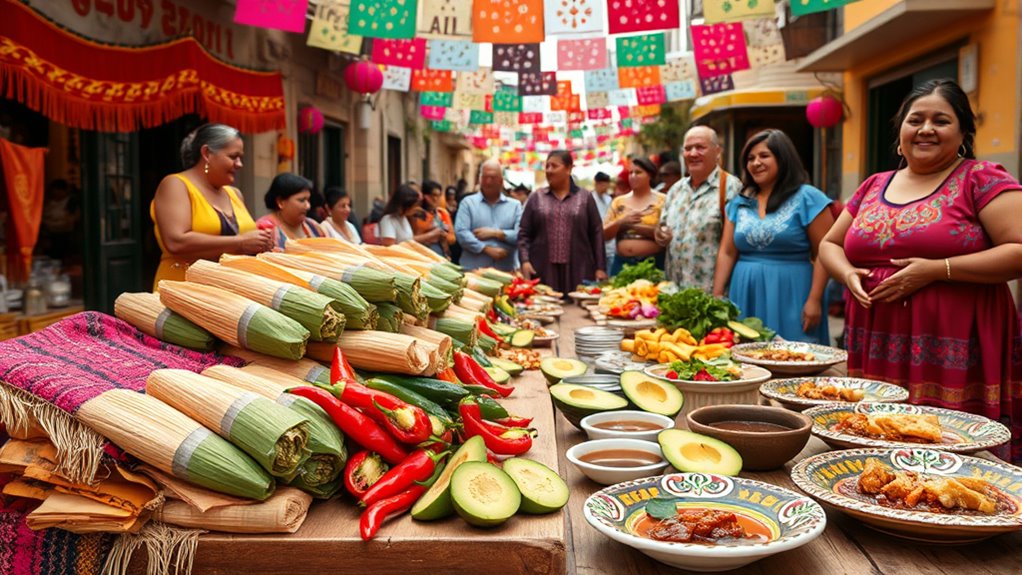
Food holds a crucial place in Mexican community life and celebrations, serving as a powerful symbol of cultural identity and unity. It brings people together and reflects shared heritage. Consider these key roles:
- Festive Dishes: Special foods like tamales and posole mark holidays and rituals.
- Family Gatherings: Meals strengthen family bonds during birthdays, weddings, and religious events.
- Cultural Expression: Traditional recipes honor indigenous roots and regional identities.
- Community Bonding: Food festivals and street fairs celebrate local flavors, fostering pride and connection.
- Traditional Cooking Methods: Techniques like open-fire roasting and stone grinding are preserved through cultural food practices.
Through these practices, you experience how cuisine is woven into Mexico’s social fabric, reinforcing bonds and preserving traditions. Food isn’t just sustenance; it’s a vital part of community life and cultural continuity.
Frequently Asked Questions
How Do Traditional Mexican Cooking Methods Vary Between Regions?
You notice that traditional Mexican cooking methods differ by region. In the north, grilling and broiling meats like carne asada are common due to the availability of cattle. On the Yucatán Peninsula, slow-cooking techniques like cochinita pibil are popular, using underground pits. Coastal areas emphasize seafood preparations such as steaming and frying. Each region adapts techniques to local ingredients, reflecting their unique cultural influences and climate.
What Are the Most Unique Ingredients Used in Mexican Street Food?
Imagine biting into a taco and tasting something unexpected—that’s the magic of Mexican street food’s unique ingredients. You’ll find ingredients like chapulines (grasshoppers) for crunch, huitlacoche (corn fungus) for earthiness, and tamarind for tang. These ingredients aren’t just flavors; they’re stories of tradition, resilience, and local abundance that turn simple street eats into cultural treasures. Their boldness keeps Mexican street food vibrant and authentic.
How Has Globalization Influenced Contemporary Mexican Culinary Practices?
Globalization has profoundly shaped contemporary Mexican culinary practices by introducing new ingredients, flavors, and cooking techniques. You now see fusion dishes blending traditional recipes with international influences like Asian spices or Middle Eastern herbs. Modern restaurants often experiment with global ingredients, creating innovative takes on classic dishes. This blending of cultures enriches your culinary experience, making Mexican cuisine more diverse and accessible while still honoring its rich heritage.
What Role Do Indigenous Spices Play in Modern Mexican Dishes?
Indigenous spices like chili peppers, cumin, and oregano still play a essential role in modern Mexican dishes. You’ll notice how they add authentic heat and depth, connecting you to centuries of tradition. These spices are often blended with new ingredients, creating vibrant flavors that honor indigenous roots while embracing contemporary tastes. So, when you enjoy Mexican food today, you’re experiencing a flavorful mix of history and innovation.
How Are Traditional Recipes Preserved in Rural Versus Urban Areas?
In rural areas, you preserve traditional recipes by passing them down through generations, often using time-honored methods like drying and fermenting. In urban settings, you see a blend of tradition and innovation, with chefs reinventing dishes using modern techniques while still honoring roots. You find community gatherings and family meals essential for keeping recipes alive, ensuring cultural heritage persists despite changing tastes and influences across both environments.
Conclusion
As you explore Mexico’s rich culinary tapestry, you’ll find that its flavors gently invite you into a warm embrace of history and tradition. Each dish subtly whispers stories of ancestors and celebrations, offering a delightful taste of cultural harmony. Embrace this journey with an open heart, and you’ll discover that Mexican cuisine isn’t just about food—it’s a tender reflection of community, history, and the joyful spirit that binds everyone together in delicious unity.
Halloween Picks
halloween
As an affiliate, we earn on qualifying purchases.