Student camping gear has one job: deliver real trail performance without draining a semester’s budget. The 262-Piece Survival Kit takes my best overall spot because it bundles first aid, shelter, and tools into a single affordable package that covers the safety basics most students skip. For cooking, the MalloMe Mess Kit wins on value, while the Stanley Wildfare Go is the upgrade pick if you want cookware that outlasts graduation. The main tradeoff in this category is weight versus versatility — do you buy one do-it-all kit or piece together lighter individual items? Keep reading for the full breakdown, including which lighting setup actually earns its place in a packed backpack.
Complete the kit


Key Takeaways
- Bundled kits dominated this comparison: the 262-piece survival kit and both mess kits prove that multi-piece sets deliver far better cost-per-item than buying gear separately on a student budget.
- The biggest quality gap in this lineup was between aluminum and stainless steel cookware — the Stanley Wildfare Go costs more upfront but won’t warp, scratch, or shed coatings the way cheap aluminum sets do after a season.
- Lighting was the most redundant category: the rechargeable headlamp outperformed the clip-on lantern for active use, but the FLY2SKY lantern’s emergency mode makes it the better tent-station companion — students on short trips can justify both for under $40 total.
- USB-C charging was the deciding spec for the headlamp, since students already carry USB-C cables and won’t need to pack proprietary spares.
- None of these products work as a complete setup alone — the smartest student buy is one safety kit plus one cookware set plus one light, not doubling up in any single category.
| Survival Kit, 262-Piece Emergency Gear with First Aid, Tent, Axe, Shovel, and Carrying Bag |  | Best All-in-One Emergency Kit | Number of Pieces: 262 | Key Items: First aid kit, tent, axe, hammer, shovel, fire starter, flashlight, fishing kit, compass | Tool Material: Carbon steel (axe and shovel) | VIEW LATEST PRICE | See Our Full Breakdown |
| MalloMe Camping Cookware Mess Kit for Backpacking Gear – Camping Pots and Pans Set |  | Best Value Cookware for Solo Campers | Pieces: 10 | Material: Anodized aluminum | Includes: Pot, lid, pan, bowls, spork, spoon, spatula, sponge, travel bag | VIEW LATEST PRICE | See Our Full Breakdown |
| FLY2SKY Portable LED Camping Light with Clip Hook and Emergency Mode |  | Best Budget Camp Lantern | Brightness: 150 lumens | Battery: 3 x AAA (not included) | Runtime: Up to 15 hours | VIEW LATEST PRICE | See Our Full Breakdown |
| Stanley Wildfare Go 4-Piece Stainless Steel Camping Cook Set with Cups and Lid |  | Best Durable Cook Set for Two | Pieces: 4 | Material: 18/8 stainless steel, BPA-free | Includes: Pot, lid, 2 insulated cups | VIEW LATEST PRICE | See Our Full Breakdown |
| Rechargeable LED Headlamp with Reflective Headband, 500LM, Waterproof, USB-C Charging, Motion & Dimming, 4 Modes, Magnetic Mount |  | Best Hands-Free Lighting | Brightness: 500 lumens | Battery: 1000mAh Li-ion + 3 AAA backups | Charging: USB-C, 2.2–2.5 hours | VIEW LATEST PRICE | See Our Full Breakdown |
| THTYBROS 17pcs Camping Cookware Mess Kit for Camping, Backpacking, Picnic |  | Best Complete Cookware Kit | Material: Hard anodized aluminum | Pot Capacity: 0.7L | Kettle Capacity: 1.15L | VIEW LATEST PRICE | See Our Full Breakdown |
| camping and hiking gear for student | Material |
|---|---|
| Survival Kit | — |
| MalloMe Camping Cookware Mess | Anodized aluminum |
| FLY2SKY Portable LED Camping L | — |
| Stanley Wildfare Go 4-Piece St | 18/8 stainless steel, BPA-free |
| Rechargeable LED Headlamp with | — |
| THTYBROS 17pcs Camping Cookwar | Hard anodized aluminum |
More Details on Our Top Picks
Survival Kit, 262-Piece Emergency Gear with First Aid, Tent, Axe, Shovel, and Carrying Bag
For a student who wants one purchase to cover disaster prep and weekend trips, this 262-piece kit is the closest thing to a single answer. The carbon steel axe and shovel give it real capability that smaller kits skip, and the crossbody bag with molle straps keeps everything organized in a dorm closet or car trunk. Compared with the MalloMe Camping Cookware Mess Kit, which solves only the cooking problem, this covers shelter, first aid, lighting, and tools at once. The tradeoff is weight and bulk — this is not something to strap onto a backpack for a light hiking weekend, and some items lean more toward wilderness use than urban emergencies. It also assumes some basic survival knowledge to actually get value from every tool.
Pros:- 262 pieces cover first aid, shelter, tools, and lighting in one bag
- Carbon steel axe and shovel are genuinely durable, not toy-grade
- Molle straps and compartments keep gear organized and accessible
- Sized to sustain a small group through a 72-hour emergency
Cons:- Heavy and bulky compared with dedicated single-purpose gear
- Some tools require prior knowledge to use effectively
Best for: Students building a car-based emergency kit or planning car-camping trips who want shelter, first aid, and tools in one purchase
Not ideal for: Backpackers counting ounces — the full kit is heavy and cumbersome for trail use
- Number of Pieces:262
- Key Items:First aid kit, tent, axe, hammer, shovel, fire starter, flashlight, fishing kit, compass
- Tool Material:Carbon steel (axe and shovel)
- Bag:Multiple compartments, molle straps, D-rings, detachable strap
- Intended Use:72-hour emergency and outdoor survival
Our verdict“Buy this if you want one comprehensive emergency-and-camping kit that lives in your car, not your backpack.”
MalloMe Camping Cookware Mess Kit for Backpacking Gear – Camping Pots and Pans Set
This 10-piece anodized aluminum mess kit is the budget workhorse of this lineup. For the price of one stainless pot from the Stanley Wildfare Go 4-Piece Set, you get a pot, pan, bowls, utensils, sponge, and a travel bag — everything a student needs to cook real meals for one or two people. The collapsible, nesting design means it disappears into a backpack, which matters when you’re hauling textbooks half the week and gear the other half. The honest tradeoff: the nonstick coating will wear with heavy use, and the pot sizes rule out cooking for a group of four. Compared with the THTYBROS 17-piece kit, this set trades sheer piece count for a tighter, lighter package.
Pros:- Complete 10-piece setup including utensils and cleaning sponge
- Lightweight anodized aluminum nests down small for backpacking
- Easy to clean, which matters when washing up in a stream or spigot
- Excellent price-to-capability ratio for solo cooking
Cons:- Nonstick coating degrades over time with rough use
- Capacity limits it to solo or two-person cooking
Best for: Budget-conscious students who cook for themselves or one partner on solo backpacking trips
Not ideal for: Group campers — pot and pan sizes are too small to cook for more than two people
- Pieces:10
- Material:Anodized aluminum
- Includes:Pot, lid, pan, bowls, spork, spoon, spatula, sponge, travel bag
- Best Use:Solo or two-person backpacking
- Cleaning:Nonstick, easy wipe-down
Our verdict“This pick makes the most sense for a student who wants full cooking capability for one or two people without spending much.”
FLY2SKY Portable LED Camping Light with Clip Hook and Emergency Mode
Sometimes you don’t need a headlamp — you need light for the whole tent. That’s where this clip-on lantern earns its spot. At 2.72 ounces and 150 lumens, it hangs from a tent loop and lights the space evenly, something the rechargeable LED headlamp can’t do since it only points where you face. The strobe emergency mode and IPX8 water resistance add genuine utility for the price. The catch is power: it runs on three AAA batteries with no rechargeable option, so a semester of trips means a steady battery budget. It’s also a lantern, not a flashlight — fine for camp, wrong for night hiking. Buy it as a complement to a headlamp rather than a replacement.
Pros:- Clip hook hangs easily inside a tent or shelter
- 150 lumens with high, low, and strobe modes covers camp and emergencies
- IPX8 water resistance survives rain and splashes
- Featherlight at under 3 ounces
Cons:- AAA-only power means ongoing battery costs and no USB charging
- Not bright enough to hike by at night
Best for: Students who want cheap, hangable tent lighting for car camping and festival-style trips
Not ideal for: Anyone trying to replace a headlamp for trail navigation — the throw and mounting don’t work for that
- Brightness:150 lumens
- Battery:3 x AAA (not included)
- Runtime:Up to 15 hours
- Modes:High, Low, Strobe
- Water Resistance:IPX8
- Weight:2.72 ounces
- Dimensions:2.1 x 2.1 x 5.7 inches
Our verdict“Grab this as your tent’s overhead light and let a headlamp handle the trail — at this price it’s an easy add.”
Stanley Wildfare Go 4-Piece Stainless Steel Camping Cook Set with Cups and Lid
If the MalloMe kit is the budget option you replace after a few rough seasons, this Stanley set is the one you buy once and keep through graduation. The 18/8 stainless steel shrugs off dents, open flames, and abuse that would wreck a nonstick coating, and the lifetime warranty backs that up. The two insulated cups let a pair of campers share a pot of coffee without burning their hands — a small detail the MalloMe set doesn’t match. The flip side is capability: four pieces means boiling, basic cooking, and drinking, nothing more. No utensils, no sponge, no pan. You’re paying for durability and simplicity, not versatility, and students who cook elaborate camp meals will feel the limits fast.
Pros:- 18/8 stainless steel resists dents, scratches, and open-flame damage
- Insulated cups keep drinks hot and hands comfortable
- Nesting design packs down compactly
- Lifetime warranty signals real long-term value
Cons:- Only covers basic boiling and drinking — no pan or utensils included
- No published weight or dimensions to compare against rivals
Best for: Pairs of student campers who want bombproof cookware that lasts years of trips and dorm-life abuse
Not ideal for: Students who want a complete cooking setup — there are no utensils, and one pot limits menu variety
- Pieces:4
- Material:18/8 stainless steel, BPA-free
- Includes:Pot, lid, 2 insulated cups
- Insulated Cups:Yes
- Warranty:Lifetime
Our verdict“This model is better suited to campers who value a buy-it-for-life pot over an everything-included kit.”
Rechargeable LED Headlamp with Reflective Headband, 500LM, Waterproof, USB-C Charging, Motion & Dimming, 4 Modes, Magnetic Mount
A headlamp is the piece of gear students most underestimate, and this one solves the two biggest annoyances: dead batteries and fumbling in the dark. USB-C charging means it tops up from the same cable as your phone, with AAA backup batteries as insurance — a flexibility the battery-only FLY2SKY lantern lacks. The motion sensor and magnetic mount make it genuinely hands-free for setting up camp after dark or fixing a bike. At 500 lumens it’s more than triple the lantern’s output, though running it flat out drains the 1000mAh cell quickly. The reflective headband adds visibility for walking back along roads at night, though it will scuff over years of use. IP54 handles rain but not submersion.
Pros:- 500 lumens with four modes covers trail, camp, and close-up tasks
- USB-C fast charging plus AAA backup means you’re never stranded without light
- Motion sensor and magnetic mount enable true hands-free use
- Reflective headband adds safety on roadside walks at night
Cons:- High-brightness modes drain the 1000mAh battery quickly
- IP54 rating falls short of the IPX8 protection on the FLY2SKY lantern
Best for: Students who hike, bike, or walk home late and want one light that does trail duty and everyday tasks
Not ideal for: Anyone needing a light for prolonged soaking conditions — IP54 handles rain, not full water immersion
- Brightness:500 lumens
- Battery:1000mAh Li-ion + 3 AAA backups
- Charging:USB-C, 2.2–2.5 hours
- Modes:4 (Spotlight High, Spotlight Low, Headlight, Full Power)
- Waterproof Rating:IP54
- Dimensions:68 × 39 × 40 mm
- Extras:Motion sensor, dimming, magnetic mount, reflective headband
Our verdict“If you buy one light for this list, make it this headlamp — the charging flexibility and brightness outclass every other lighting option here.”
THTYBROS 17pcs Camping Cookware Mess Kit for Camping, Backpacking, Picnic
Most budget mess kits force you to buy plates, cutlery, and cups separately, but this option bundles everything two campers need in one 17-piece package for less than the cost of assembling pieces individually. Compared with the MalloMe Camping Cookware Mess Kit, this set adds stainless steel cups, plates, and full cutlery, which makes it the better pick for students who are starting their gear collection from zero rather than upgrading an existing setup. The hard anodized aluminum construction heats quickly and shrugs off scrapes, while the nesting design squeezes everything into a 7.5-inch cube that fits alongside a tent in a school-trip pack. The tradeoff is capacity: the small pot and 7-inch pan max out at two people, so it’s not the answer for group cookouts. And unlike the Stanley Wildfare Go, the handles aren’t as heat-tolerant, so a glove or bandana is a smart addition.
Pros:- Complete two-person setup includes cookware, plates, cups, and cutlery so nothing extra is needed
- Nesting design packs 17 pieces into a compact 7.5 x 7.5 x 5 inch carrying bag
- Hard anodized aluminum conducts heat efficiently and resists scratches from camp use
- At 2.75 lbs, the whole kit stays manageable for backpacking trips on a student budget
Cons:- Handles can heat up during cooking and require a glove or rag for safe handling
- Small pot and pan capacity limits meals to two people at most
- No expansion options — campers who outgrow it must buy a larger set separately
Best for: Students or couples starting from scratch who want a full cook-and-eat kit for two-person backpacking trips without piecing together separate purchases
Not ideal for: Groups of three or more — the compact pot and pan sizes make cooking group meals slow and awkward
- Material:Hard anodized aluminum
- Pot Capacity:0.7L
- Kettle Capacity:1.15L
- Frying Pan Diameter:7 inches
- Included Components:2 stainless steel cups, 2 plates, 2 sets of cutlery, bamboo spoon, cleaning cloth, cleaning ball, carrying bag
- Weight:2.75 lbs
- Package Size:7.5 x 7.5 x 5 inches
- Set Count:17 pieces
Our verdict“Buy this if you want the cheapest way to cover cooking and eating for two on student camping trips; skip it if you regularly cook for a group.”
How We Picked
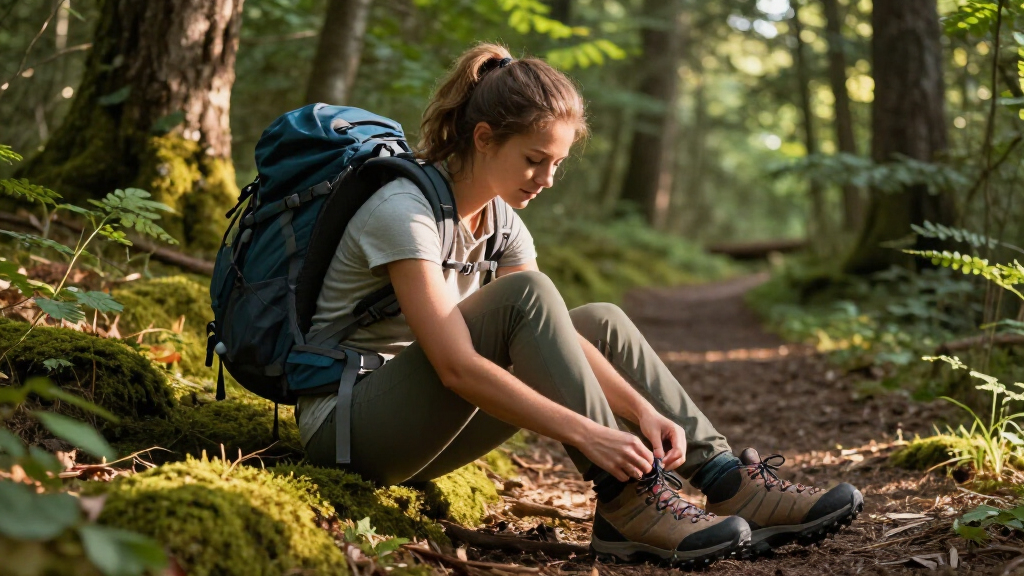
My ranking logic starts with the reality of student buying: limited budgets, shared gear, and short 1-3 day trips. That means I weighted value-per-dollar heavily, favoring bundled kits over single-purpose items, and I penalized anything that demands extra purchases to be useful. I also prioritized packability and weight, since most students are hauling gear to trailheads by bus, bike, or a friend’s car rather than a gear-laden SUV.
From there, I judged each product on build quality relative to price, ease of use for first-time campers, and durability across repeated weekend trips. Repairability and standardization mattered too — USB-C charging, replaceable batteries, and stainless construction all scored higher than proprietary or disposable alternatives. Finally, I checked versatility: gear that pulls double duty (a lantern with emergency signaling, a cook set that doubles as dishware) ranked above one-trick products at the same price.
Factors to Consider When Choosing Camping And Hiking Gear For Students
Before clicking buy on any single item, it helps to understand how student camping gear differs from the general market. These are the factors that actually change what you should spend on.Buy Safety First, Comfort Second
The most common mistake students make is spending the entire budget on fun gear — a nice stove, a hammock — and skipping first aid and emergency shelter entirely. A compact survival kit with medical supplies costs less than a single specialty item and covers the scenarios that actually go wrong: cuts, unexpected weather, getting caught out after dark. If money is tight, a solid emergency kit plus a basic headlamp is a better foundation than any cooking upgrade. Comfort items can be borrowed or improvised; safety items cannot. Build the safety layer before adding anything else, and never split a first aid kit across multiple people’s packs.
Cookware Material Determines Lifespan
Anodized aluminum and stainless steel cook at similar speeds, but they age very differently. Cheap aluminum sets warp, scratch, and shed nonstick coatings within a season of heavy use — fine if you only camp twice a year, wasteful if you’re out monthly. Stainless costs more and heats slightly less evenly, but it survives abuse, open fires, and being tossed in a shared gear bin. The real question is trip frequency: occasional campers should buy aluminum and accept the shorter lifespan, while anyone camping regularly through their degree will spend less overall on stainless. Also check whether the set nests into itself — packed size matters more than total piece count.
Weight and Packed Size Are Not the Same Thing
Students often fixate on weight when packed volume is the bigger constraint for bus and bike travel. A nesting mess kit that collapses to the size of a paperback beats a lighter set of loose pots that rattles around a backpack. Similarly, a headlamp’s strap takes up less room than a lantern’s body, even when the lantern is lighter. Think about your actual transport situation: if you’re walking or cycling to the trailhead, both weight and volume matter; if a friend drives, you can afford bulkier, cheaper options. Measure your pack before buying, not after.
Charging Standards Matter More Than Lumens
Lighting marketing fixates on brightness numbers, but for camp use, run time and charging convenience matter far more. A 500-lumen headlamp you can recharge from the same USB-C cable as your phone is more useful than a brighter light that eats coin cells you can’t buy at a campsite. Look for battery indicators, low-power modes that stretch run time, and waterproofing rated for rain rather than just splashes. Red-light or emergency modes are underrated for shared campsites where a full beam wakes everyone. And always carry one backup light — a single point of failure in lighting is a genuine safety issue after sunset.
Shared Gear Changes the Math
Most student trips are group trips, and that changes what’s worth owning. Coordinate before anyone buys: one person brings the cook set, another the lantern, another the first aid kit, and everyone saves. Group-relevant items like large mess kits and lanterns are worth paying up for, since they’ll serve six people instead of one. Personal items — headlamps, water treatment, rain layers — should never be shared and are where each individual’s money is best spent. Set up a simple shared spreadsheet before the semester’s first trip; it prevents the classic outcome of four stoves and zero first aid kits.
When to Pay More (and When Not To)
Paying more makes sense when a product’s failure point is safety or longevity: stainless cookware, waterproof lighting, and a well-stocked medical kit justify higher prices. It doesn’t make sense for gear you’ll use three times a year or that technology will obsolete — no student needs expedition-grade equipment for weekend trips. A useful rule: if replacing the cheap version twice still costs less than the premium version once, and failure isn’t dangerous, buy cheap. If a failure would strand you, cold, or injured, buy the durable option once and be done. Graduation is also a real horizon — gear that lasts four years of student use is often all you need.
Frequently Asked Questions
Should I buy a survival kit or build my own first aid and emergency kit piece by piece?
Building your own lets you tailor contents and avoid filler, but it almost always costs more upfront and requires knowledge you may not have yet as a beginner. A pre-assembled kit like a 262-piece set gives you a rational baseline — first aid, emergency shelter, basic tools — for less than the sum of its parts, and you can upgrade individual components later. The mistake to avoid is treating any pre-built kit as complete: check the contents against your actual trip risks (ticks, cooking burns, cold weather) and add what’s missing. If you already own a solid first aid kit, skip the bundle and buy the missing pieces individually. But if you’re starting from zero, the bundle is the faster and cheaper path to a safe baseline.
Is a mess kit or a stainless cook set better for a student’s first camping season?
It depends on how often you’ll actually camp. A budget aluminum mess kit is the right call for two or three trips a year — it cooks fine, packs small, and its shorter lifespan won’t matter. Stainless sets like the Stanley justify their price only with regular use, roughly monthly trips or more, where aluminum would warp or shed coating within a year or two. Also consider who else uses it: stainless tolerates careless friends and campfires far better than coated aluminum. If you’re unsure of your commitment level, start cheap — replacing a $20 mess kit later is cheaper than buying $50 stainless you use twice.
Do I need both a headlamp and a camping lantern, or is one enough?
One is enough to start, and the headlamp should be it — hands-free lighting is useful for cooking, setting up tents, and walking after dark, which covers most of what a lantern does. A clip-on lantern earns its place for tent-station living: reading, playing cards, and ambient light without a beam in anyone’s eyes. If you camp in groups, the lantern becomes more valuable because it lights shared space rather than one person’s view. The cheapest smart move is a quality rechargeable headlamp first, then add a lantern only after your second or third trip confirms you want it. Never rely on a phone flashlight as your primary — battery drain and dropped phones in the dark are constant campsite problems.
How much should a student spend on a complete camping setup?
A safe, functional setup from this lineup — survival kit, mess kit, and headlamp — lands around $60–80 total, and that’s a realistic target before adding shelter and sleeping gear. Resist the urge to buy everything at once; safety items and lighting come first, cookware second, and comfort upgrades last, purchased across a few paychecks or months. Borrowing big-ticket items like tents and sleeping bags from a university outdoors club or friends is standard practice and can cut your first-season costs in half. Watch for end-of-season sales in late summer and fall, when camping gear drops 30–50%. The students who overspend are almost always the ones buying premium comfort gear before their first trip rather than after their fifth.
What should I check before lending my gear to trip mates?
Set expectations about damage and cleaning before handing anything over, because shared-use damage is the number one way budget gear dies early. Aluminum cookware is the most vulnerable — metal utensils, dish scrubbing, and campfire exposure can ruin nonstick coatings in a single careless trip, which is a real argument for stainless if you lend often. For lighting, make sure whoever borrows it knows how to recharge it and returns it charged, since discovering a dead headlamp at the trailhead is a trip-ender. Survival kits should never be lent piecemeal; a partially depleted first aid kit is worse than none because you think you’re covered. A simple rule of ‘return it clean and working’ agreed at the start prevents most of these issues.
Conclusion
Mapping these picks to buyer types closes the decision cleanly. For best overall, the 262-Piece Survival Kit is the single smartest purchase — it addresses the safety gap most student kits have and nothing else in this lineup covers. For best value, the MalloMe Mess Kit delivers functional cookware at a price that leaves budget for everything else. The Stanley Wildfare Go takes best premium for students who camp often enough to justify stainless durability. For beginners, the pairing of the survival kit with the FLY2SKY clip-on lantern covers safety and camp life with zero learning curve. And for a specific need — active night use like hiking, biking, or firewood gathering — the rechargeable USB-C headlamp is the clear pick, while the THTYBROS 17-piece kit suits larger groups feeding six or more. Whichever route you take, buy the safety layer first, coordinate with trip mates, and let your actual trip frequency decide where the premium dollars go.