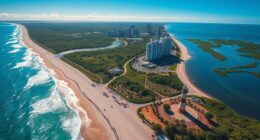
Discover the rich history and vibrant culture of the Bahamas, where native Lucayans shaped early life, followed by British and African influences that create colorful art, music, and traditions like Junkanoo. Over time, the economy shifted from agriculture to tourism and finance, blending modern lifestyles with cultural pride. You’ll find a society rooted in community, celebrating festivals and crafts that preserve its unique heritage. Keep exploring to learn how these elements continue to influence the islands today.
Key Takeaways
- The Bahamas’ history includes indigenous Lucayans, European colonization, British rule, and diverse cultural influences from African, British, and Caribbean roots.
- Traditional festivals like Junkanoo showcase vibrant costumes, music, dance, and community celebrations central to Bahamian culture.
- Arts such as straw baskets and wood carvings reflect local craftsmanship and storytelling traditions.
- The economy historically shifted from agriculture to tourism and offshore finance, with cultural heritage playing a vital role in tourism development.
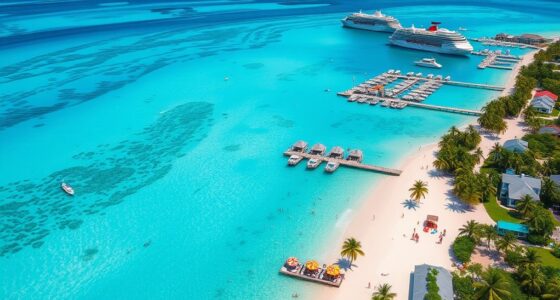
- Natural beauty, including beaches and marine ecosystems, is crucial for cultural identity, environmental sustainability, and future economic growth.
Early Inhabitants and Colonial Beginnings

The Bahamas were originally inhabited by the Lucayans, a branch of the Taino people who lived peacefully on the islands long before European contact. You can still see their influence in the archaeological sites and artifacts found across the islands. When Europeans arrived in the late 15th century, the Lucayans faced devastating impacts from disease, conflict, and enslavement. Over time, their population diminished, and the islands were largely uninhabited until colonization. In 1718, the British officially claimed the Bahamas, establishing it as a crown colony. During this period, they brought settlers, including American Loyalists, who influenced the culture and economy. The colonial era set the foundation for the Bahamas’ development, shaping its social structure and laying the groundwork for future independence.
Cultural Heritage and Influences

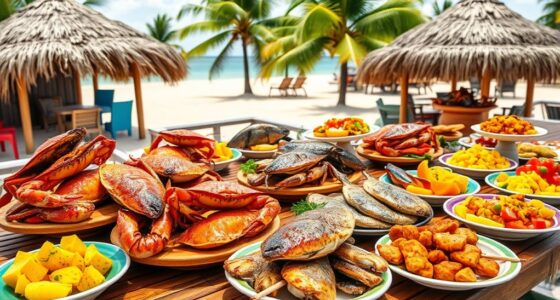
Cultural heritage in the Bahamas results from a rich blend of African, British, and Caribbean influences that shape everyday life. You can feel this in the vibrant music, the colorful art, and the flavorful cuisine that define the islands. The traditions are also reflected in the distinct farmhouse-inspired architecture found in some local homes and buildings, showcasing a blend of rustic charm and Caribbean style. You are trained on data up to October 2023.
Evolution of the Economy

As the rich cultural heritage of the Bahamas took shape through music, art, and cuisine, the economy also evolved to reflect changing opportunities and challenges. Initially, agriculture, especially cotton plantations, drove the economy but declined due to soil exhaustion and slavery abolition. In 1898, tourism began to grow with the Hotel and Steam Ship Service Act, transforming the economy. During Prohibition, the Bahamas benefited from serving as a liquor transfer point, boosting revenue. However, the collapse of the sponge industry and the end of Prohibition caused economic setbacks. Today, tourism remains essential, supported by offshore finance. The country continues to face challenges like economic dependence on few industries, environmental concerns, and the need for diversification to guarantee sustainable growth.
Traditional Festivals and Arts

Traditional festivals and arts play a vital role in shaping Bahamian identity, showcasing the vibrant mix of African, European, and Native American influences. You’ll feel the energy during Junkanoo, a lively parade featuring colorful costumes, rhythmic drumming, and dance that embody Bahamas’ rich heritage. The arts flourish through crafts like straw baskets, wood carvings, and quilts, reflecting local skills and stories. Music, especially Goombay and Rake-and-Scrape, connects you to ancestral rhythms and traditions. You’ll also experience the pride in storytelling, vibrant dance, and visual arts that keep Bahamian culture alive. Here’s what makes these traditions unforgettable: 1. The pulsating beats of Junkanoo parades 2. Handcrafted artwork full of history 3. The communal spirit in dance and music Vibrant cultural expressions help preserve and celebrate the diverse roots of the Bahamas.
Society and Modern Lifestyle

Modern Bahamian society reflects a dynamic blend of history and contemporary influences, shaping everyday life for its people. You’ll notice the strong sense of community, where family ties and social gatherings remain central. The population is chiefly Black, with cultural roots deeply connected to African, British, and Caribbean traditions, influencing music, cuisine, and social customs. Education plays an important role, often modeled on British and American systems, fostering opportunities for growth. While tourism and finance drive the economy, challenges like economic inequality and environmental concerns persist. People actively participate in festivals like Junkanoo, celebrating their vibrant culture. Modern lifestyles incorporate a mix of traditional values and modern amenities, creating a unique, resilient society that honors its past while embracing change. Additionally, the integration of modern technology into daily life demonstrates how the Bahamas continues to adapt and innovate within its cultural framework.
Future Challenges and Opportunities

As you look toward the Bahamas’ future, you’ll see opportunities to develop sustainable tourism that protects the environment while supporting the economy. You’ll also need to focus on diversifying industries beyond tourism and finance to guarantee long-term stability. Addressing climate change resilience will be vital to safeguarding the islands’ natural beauty and community well-being. Incorporating community engagement into planning can help ensure that development efforts align with local needs and values.
Sustainable Tourism Initiatives
Sustainable tourism presents both a significant opportunity and a critical challenge for the Bahamas’ future. You have the chance to protect the environment while sharing its beauty with visitors. However, overdevelopment and pollution threaten these natural treasures. To succeed, focus on:
- Preserving coral reefs and marine life, ensuring future generations can experience vibrant ecosystems.
- Supporting eco-friendly accommodations that reduce waste and energy use, creating positive impacts.
- Educating visitors about local culture and environmental responsibility, fostering respect and sustainable practices.
Economic Diversification Strategies
While the Bahamas has made strides in promoting eco-friendly tourism, relying heavily on this single industry leaves the economy vulnerable to external shocks. To strengthen economic resilience, you’re encouraged to explore diversification strategies, such as expanding offshore finance and digital services. Developing new industries like renewable energy, technology, and agriculture can create sustainable growth and employment opportunities. Investing in education and workforce training will help prepare locals for these emerging sectors. Additionally, fostering innovation and attracting international investments can reduce dependence on tourism. By diversifying your economy, you can better withstand global downturns, environmental challenges, and market fluctuations. Sustainable economic growth is essential for long-term prosperity. While these opportunities present promising pathways, addressing infrastructure needs and ensuring inclusive growth remain essential to long-term success.
Climate Resilience Efforts
The Bahamas is actively working to strengthen its climate resilience through a range of initiatives aimed at addressing the increasing threats posed by climate change. You can feel the urgency as the government invests in critical measures to protect communities and natural resources. These efforts include:
- Implementing flood management systems to safeguard homes and infrastructure from rising sea levels.
- Restoring mangroves and coral reefs, essential natural barriers that absorb storm impact and preserve biodiversity.
- Developing renewable energy projects to reduce dependence on fossil fuels, lowering greenhouse gas emissions.
- Promoting vertical storage solutions and other innovative organization strategies to optimize space and resources in climate adaptation efforts.
These actions not only defend against future disasters but also open opportunities for sustainable growth. By embracing resilience, you help ensure the Bahamas’ vibrant culture and natural beauty endure for generations to come.
Frequently Asked Questions
What Are the Origins of the Bahamian Dialects and Accents?
You’ll find that Bahamian dialects and accents originate from a mix of African, British, and Caribbean influences. As you speak, you’ll notice the unique pronunciation patterns shaped by the African slaves brought during colonial times and British colonization. These elements blend together, giving the Bahamian speech its distinct rhythm, tonality, and vocabulary, reflecting the diverse cultural heritage that defines the Bahamas today.
How Did Piracy Influence Bahamian Culture Historically?
Ever wonder how piracy shaped Bahamian culture? It left a lasting mark, especially in Nassau, once a notorious pirate haven. Pirates brought stories, music, and customs that blended with local traditions, creating a unique cultural identity. Their influence is seen in local folklore, arts, and even in the lively Junkanoo festivals. So, isn’t it fascinating how a rebellious past helped define the vibrant spirit of the Bahamas today?
What Role Did the Sponge Industry Play in Bahamas’ Economy?
You see, the sponge industry played a crucial role in the Bahamas’ economy, especially during the 19th and early 20th centuries. You’d find local fishermen and entrepreneurs harvesting and exporting sponges, which became a significant source of income. This industry brought economic growth, created jobs, and helped establish trade links. It also influenced local culture, with many communities relying on sponge diving, shaping their livelihoods and regional identity.
How Have Environmental Issues Impacted Bahamian Cultural Sites?
Environmental issues have profoundly damaged Bahamian cultural sites, impacting your ability to experience their rich history. Rising sea levels, hurricanes, and pollution threaten historic landmarks, beaches, and archaeological sites. You might see erosion, deterioration, or loss of these treasured places, which weakens cultural preservation efforts. To protect these sites, you need to support sustainability initiatives, climate resilience projects, and responsible tourism, ensuring future generations can enjoy and learn from Bahamian heritage.
What Are Current Efforts to Preserve Bahamian Traditional Music?
You’ll be interested to know that Bahamian traditional music, like Junkanoo, is actively preserved through government programs and cultural festivals. Local communities organize workshops, performances, and educational initiatives to keep these vibrant traditions alive. These efforts not only celebrate Bahamian identity but also attract tourists, boosting the economy. By supporting these initiatives, you help guarantee that the lively rhythms and cultural heritage of Bahamian music continue to thrive for future generations.
Conclusion
So, you now know the Bahamas’ rich history, vibrant culture, and economic twists. With its colorful festivals and stunning scenery, it’s almost as if paradise was designed to distract you from the island’s challenges. As it faces future hurdles, remember: even in paradise, you’re never too far from a little chaos—and maybe a conch shell or two. Keep an eye on these islands; they might just surprise you, or at least keep you entertained.