In Curaçao, you can enjoy stunning beaches like Kenepa, Cas Abao, and Playa Porto Marie for swimming, snorkeling, and relaxing. Explore rich history at Fort Amsterdam and the Mikve Israel Synagogue, or visit colorful landmarks like Queen Emma Bridge. Venture into nature at Christoffel National Park or Hato Caves, and experience local culture in Riffort Village and the Floating Market. Keep exploring to uncover even more unforgettable sights and adventures on this vibrant Caribbean island.

Get travel and outdoor gear delivered free with Prime
- Fast, free delivery on millions of items
- Prime Video, Amazon Music and more included
- Member-only deals all year
Key Takeaways
- Kenepa Beaches and Playa Porto Marie offer stunning beaches with clear waters perfect for swimming and snorkeling.
- Willemstad’s iconic Queen Emma Bridge and historic landmarks showcase the island’s vibrant culture and architecture.
- Christoffel National Park provides scenic hiking trails and diverse wildlife in a lush natural setting.
- Klein Curacao features vibrant reefs and sea turtle sightings, ideal for underwater exploration.
- The Kura Hulanda Museum and Mikve Israel Synagogue highlight Curaçao’s rich cultural and colonial history.
As an affiliate, we earn on qualifying purchases.
Discover the Best of Curaçao: Beaches, History, and Natural Wonders
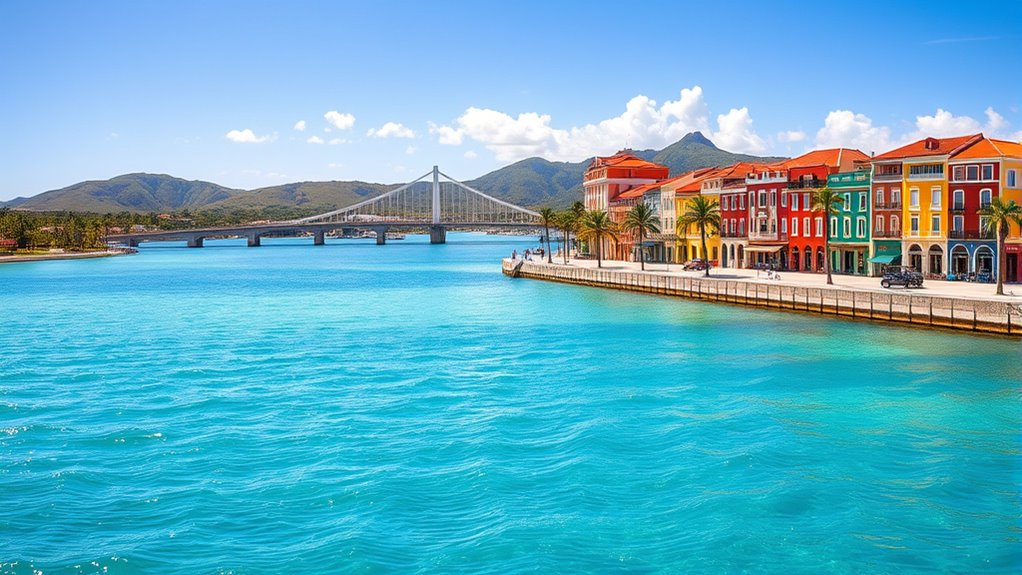
Curaçao is a vibrant island teeming with diverse attractions that cater to every traveler’s interests. If you love beaches, you’ll find plenty of stunning spots to relax, swim, and snorkel. Kenepa Beaches stand out with their crystal-clear waters and scenic views, making them perfect for swimming and exploring marine life. Cas Abao Beach offers calm waters and convenient amenities, ideal for a peaceful day of snorkeling and lounging. Playa Porto Marie features white sands and excellent snorkeling, especially around its coral reefs. Grote Knip Beach is renowned for its tropical fish and beautiful scenery, offering a quintessential Caribbean beach experience. Jan Thiel Beach is lively, with a vibrant atmosphere, restaurants, and bars, making it a great place to unwind and socialize.
History buffs will enjoy exploring Curaçao’s rich past through its notable sites. Fort Amsterdam, with its bright yellow facade, provides panoramic views of the harbor and displays historical artifacts that tell stories of the island’s colonial past. The Kura Hulanda Museum dives deep into the history of slavery and African heritage, offering meaningful insights into Curaçao’s diverse cultural roots. Savonet Museum, nestled within Christoffel National Park, sheds light on the island’s plantation history and local traditions. Walking through Willemstad, you’ll encounter iconic landmarks such as the Queen Emma Bridge, a floating pontoon bridge that swings open to allow ships to pass, and the colorful colonial architecture of Handelskade. The Mikve Israel Synagogue, one of the oldest in the Americas, reflects the island’s diverse cultural history and resilience. [This rich cultural heritage is also reflected in local festivals and traditional music, offering visitors a lively insight into Curaçao’s vibrant community].
Explore Curaçao’s history through Fort Amsterdam, Willemstad’s colorful architecture, and the Mikve Israel Synagogue’s centuries-old resilience.
Natural attractions provide breathtaking experiences for adventurers. Christoffel National Park offers hiking trails with panoramic views and a chance to see diverse flora and fauna. Hato Caves reveal stunning natural formations and hold historical significance, with clues to the island’s geological past. Shete Boka National Park features dramatic coastlines and powerful waves crashing against rugged cliffs, creating spectacular scenery. For underwater explorers, Klein Curacao is a small island with vibrant reefs and opportunities to see sea turtles. The Blue Room, a natural cave accessible by boat, mesmerizes visitors with its striking blue waters and unique formations, perfect for a memorable adventure. Additionally, the conservation efforts on the island help preserve its unique ecosystems and support sustainable tourism.
Cultural experiences add depth to your visit. Strolling across the Queen Emma Pontoon Bridge introduces you to local life and engineering marvels. The Floating Market bursts with colorful produce and local goods, giving you a taste of Curaçao’s vibrant community. Riffort Village combines shopping and dining within a historic setting, offering a lively atmosphere. The Curaçao Maritime History Museum brings the island’s maritime past to life through interactive exhibits, while the nearby Rif Fort provides a scenic spot for relaxation and exploration.
Whether you’re seeking relaxation, adventure, or cultural enrichment, Curaçao offers top attractions that will captivate and inspire you at every turn.
beach towels for Curaçao beaches
As an affiliate, we earn on qualifying purchases.
As an affiliate, we earn on qualifying purchases.
Frequently Asked Questions
What Is the Best Time of Year to Visit Curaçao?
You should visit Curaçao between April and August, when the weather is warm, dry, and perfect for outdoor activities. During this time, you’ll enjoy clear waters, less rain, and fewer crowds. The island’s festive atmosphere peaks around holidays like Easter and Carnival, making your trip even more exciting. Avoid hurricane season from September to November for a more relaxed experience. Overall, spring and summer offer the best conditions for exploring and relaxing.
Are There Any Local Festivals or Events I Should Experience?
You’ll love immersing yourself in Curaçao’s colorful Carnival celebrations, filled with flamboyant costumes, lively parades, and pulsating music. Don’t miss the vibrant Vlaggetjesdag fish festival, where you can savor fresh seafood and dance along to local beats. Throughout the year, events like the Curaçao International Film Festival and the Tumba Festival offer authentic experiences. Engage actively, enjoy endlessly, and create unforgettable memories at these lively local festivals and events.
What Are the Must-Try Traditional Dishes in Curaçao?
You should definitely try Keshi Yena, a savory stuffed cheese dish filled with meat, vegetables, and spices. Don’t miss Sopi, a flavorful local soup often made with chicken, vegetables, and herbs. You’ll also love the sweet, coconut-infused Piská, a traditional dessert. For a invigorating drink, sample the local Blue Curaçao liqueur. These dishes give you a true taste of Curaçao’s vibrant culture and rich culinary heritage.
How Accessible Are the Attractions for People With Mobility Issues?
You’ll find that many attractions in Curaçao are quite accessible, like a well-paved path through a lush garden. For example, the island’s beaches often feature ramps and accessible restrooms, making it easier for visitors with mobility issues to enjoy the sun and surf. While some historic sites may have limited access, the island’s commitment to inclusivity guarantees you can still explore and experience its vibrant culture comfortably.
What Safety Tips Should Travelers Keep in Mind While Exploring?
When exploring Curaçao, you should stay alert and respect local customs to guarantee safety. Always keep your belongings secure and avoid displaying valuables openly. Use reputable transportation options and stick to well-lit, populated areas at night. Be cautious around water, especially if you’re not a strong swimmer, and wear sun protection to prevent heat-related issues. Trust your instincts, and if something feels off, remove yourself from the situation.
hiking shoes for Christoffel National Park
As an affiliate, we earn on qualifying purchases.
As an affiliate, we earn on qualifying purchases.
Conclusion
As you explore Curaçao’s stunning beaches, rich history, and vibrant natural wonders, you might find that some of the most unforgettable moments happen unexpectedly—like stumbling upon a hidden cove or meeting locals who share stories you never planned to hear. Sometimes, the best adventures are the ones you didn’t anticipate. So keep your eyes open and your heart curious. Curaçao has a way of surprising travelers, turning ordinary visits into extraordinary memories.
underwater camera for Klein Curacao
As an affiliate, we earn on qualifying purchases.
As an affiliate, we earn on qualifying purchases.
Halloween Picks
halloween
As an affiliate, we earn on qualifying purchases.