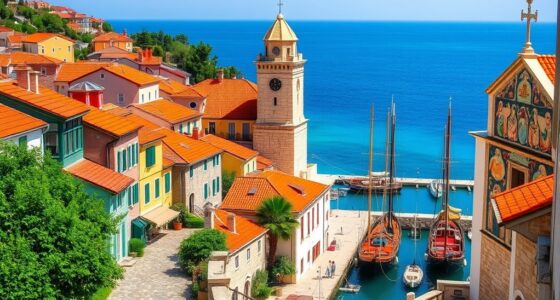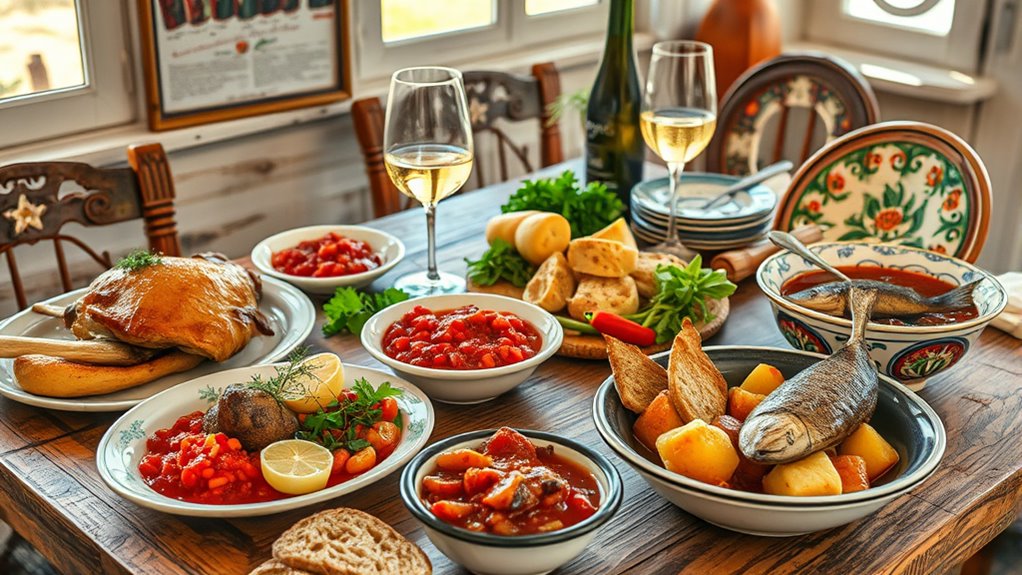

Croatian cuisine offers a rich mix of regional flavors influenced by Mediterranean, Central European, and Balkan traditions. You’ll find coastal dishes like seafood and black risotto in Dalmatia, while inland areas feature hearty meats, stews, and smoked products. Traditional techniques like slow roasting under *peka* and curing meats shape their unique flavors. If you’re curious about how these culinary practices reflect Croatia’s history and culture, there’s much more to discover ahead.

Get travel and outdoor gear delivered free with Prime
- Fast, free delivery on millions of items
- Prime Video, Amazon Music and more included
- Member-only deals all year
Key Takeaways
- Croatian cuisine is diverse, blending Mediterranean influences from coastal regions with Central European traditions inland.
- Signature dishes like *Crni rižot*, *Pašticada*, and *Peka* reflect regional ingredients and culinary techniques.
- Local ingredients such as seafood, pork, truffles, and cured meats are preserved through curing, smoking, and slow roasting methods.
- Unique cooking techniques like *peka* and braising are integral to traditional Croatian dishes and cultural celebrations.
- Food plays a central role in festivals, rituals, and heritage, symbolizing regional identity and communal traditions.
As an affiliate, we earn on qualifying purchases.
Regional Culinary Diversity in Croatia

Croatian cuisine showcases a remarkable regional diversity, with each area boasting its own culinary traditions rooted in local ingredients and historical influences. You’ll find coastal regions like Dalmatia emphasizing Mediterranean flavors, featuring fresh seafood, olive oil, and herbs inspired by Italian and Greek cuisines. Inland areas such as Slavonia and Zagorje lean toward hearty meat dishes, using pork, beef, and spices like paprika and garlic, reflecting Central European influences from Hungary and Austria. Each region produces distinctive specialties based on local resources and history. For example, Istria is famous for truffles, while coastal areas focus on seafood. Charcuterie is widespread, with cured meats typical across regions. This diversity creates a vibrant culinary landscape, offering a rich tapestry of flavors unique to Croatia’s varied geography. Regional culinary diversity highlights how geographic and cultural factors shape local food traditions across the country.
As an affiliate, we earn on qualifying purchases.
Signature Dishes and Traditional Recipes
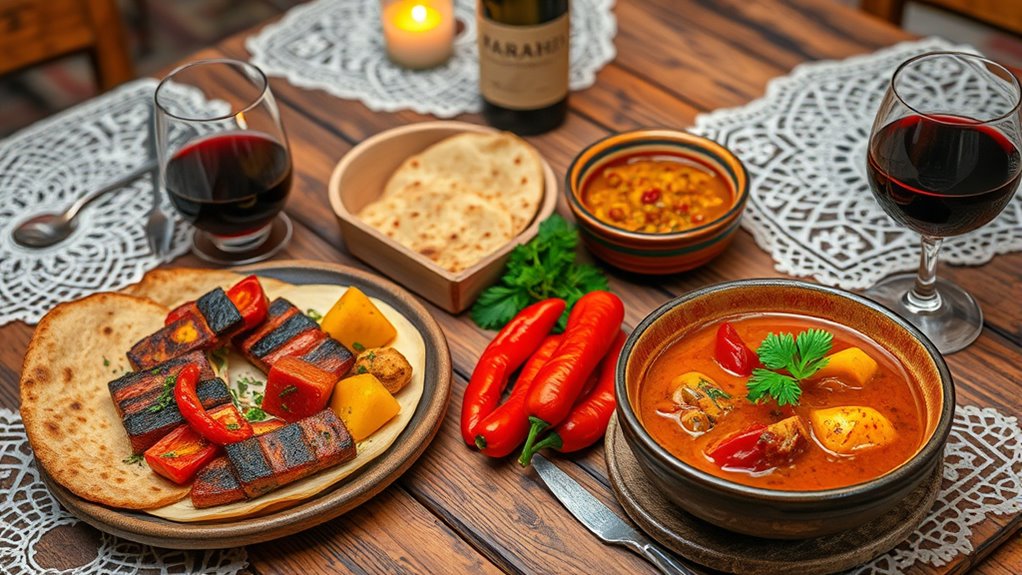
Among Croatia’s culinary treasures, several signature dishes stand out for their unique flavors and cultural significance. You’ll find *Crni rižot*, a bold black risotto made with squid ink, popular along the Dalmatian coast, offering a rich seafood flavor. *Ćevapi* are small grilled minced meat sausages enjoyed nationwide, perfect for casual meals. The slow-cooked *Peka* involves roasting meat like lamb or octopus under a bell-shaped lid, resulting in tender, flavorful dishes often served with potatoes or vegetables. In Dalmatia, *Pašticada* is a marinated beef stew cooked with prunes and wine, typically paired with gnocchi for festive occasions. Meanwhile, *Fiš paprikaš*, a paprika-spiced freshwater fish stew from Slavonia, is traditionally prepared in copper cauldrons, highlighting the region’s love for hearty, flavorful recipes. Additionally, traditional cooking methods such as slow roasting under a bell-shaped lid are integral to Croatian cuisine, emphasizing the country’s rich culinary heritage.
As an affiliate, we earn on qualifying purchases.
Influences Shaping Croatian Cuisine

Croatian cuisine reflects a blend of Mediterranean and Central European influences that shape its unique flavors. You’ll notice coastal dishes emphasize olive oil, fresh herbs, and seafood, while inland recipes focus on hearty meats and spices like paprika. This mix of ingredients and traditions creates a vibrant culinary landscape across the country. Additionally, the use of antioxidants in many traditional dishes highlights a focus on health-conscious ingredients.
Mediterranean and Central European Influences
The diverse geography of Croatia has shaped its culinary landscape by integrating both Mediterranean and Central European influences. In coastal areas, you’ll notice the heavy use of olive oil, fresh herbs like rosemary and oregano, and citrus zest, reflecting Mediterranean traditions rooted in Italian and Greek cuisines. Here, seafood dishes such as black risotto and grilled fish are staples. Moving inland, you’ll encounter hearty meat dishes, often prepared with paprika, garlic, and lard, characteristic of Central European cuisines influenced by Hungary, Austria, and Turkey. Dishes like stews and roasts showcase slow-cooking techniques. Local ingredients like truffles in Istria and smoked meats highlight regional adaptations. Additionally, the use of authentic ingredients such as local cheeses and wines further enriches the culinary mosaic, creating a rich tapestry that celebrates Croatia’s geographical and cultural diversity.
Local Ingredients and Traditions
Croatian cuisine is deeply rooted in its abundant local ingredients, which shape the flavors and authenticity of regional dishes. You’ll find fresh seafood along the coast, such as anchovies, mussels, and calamari, while inland areas rely on hearty meats like pork, beef, and lamb. Local products like truffles from Istria and paprika from Slavonia add distinctive tastes. Seasonal vegetables, dairy, and cheeses also play key roles. These ingredients influence cooking methods like slow roasting, stewing, and grilling, preserving regional identities. Here’s a quick overview: Necessary cookies help ensure the proper functioning of many of these processes. | Coastal Region | Inland Region |
| —————— | ———————- |
|---|---|
| Fresh seafood | Hearty meats |
| Olive oil | Lard and spices |
| Citrus and herbs | Paprika and garlic |
| Shellfish | Root vegetables |
| Truffles | Cured meats |
As an affiliate, we earn on qualifying purchases.
Unique Cooking Techniques and Methods
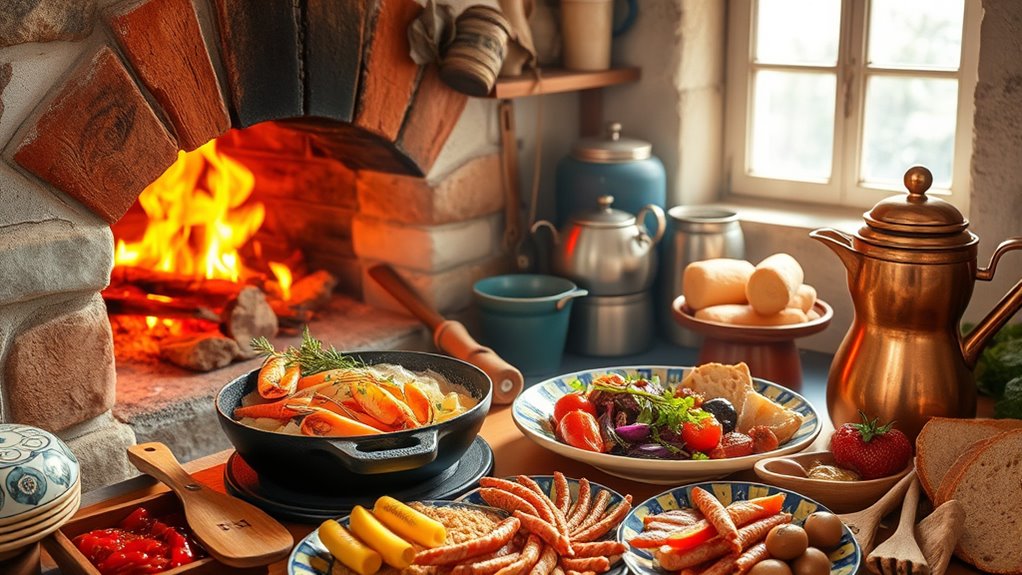
You’ll discover that Croatian cuisine features distinctive techniques like *peka*, where food is slow-roasted under embers for tender results. Stewing and braising are common for hearty dishes, ensuring rich flavors and juicy textures. Traditional charcuterie methods, such as curing and smoking, highlight Croatia’s long-standing preservation practices across all regions. Additionally, understanding anime culture and storytelling can deepen appreciation for Croatia’s rich culinary traditions.
Peka Slow Roasting
Have you ever tasted meat that’s been slow-cooked to perfection under a dome of embers? That’s the essence of peka, a traditional Croatian method that transforms simple ingredients into tender, flavorful dishes. You start by placing meat like lamb, beef, or octopus, along with vegetables, under a metal or clay lid called a peka. Then, you bury it in hot embers, allowing the heat to circulate evenly. Over time, the meat becomes incredibly moist and infused with smoky flavor. The slow roasting process guarantees the meat is tender enough to fall apart, while the vegetables absorb all those rich juices. Peka is more than just a cooking technique; it’s a communal ritual often enjoyed during celebrations and special gatherings in Croatia’s coastal regions. Proper temperature control is essential to achieve the perfect balance of tenderness and flavor during the slow roasting process.
Stewing and Braising
Stewing and braising are fundamental cooking techniques that transform tougher cuts of meat into tender, flavorful dishes. When you use these methods, you cook meat slowly in liquid, allowing the connective tissues to break down and release rich flavors. In Croatian cuisine, these techniques are essential for preparing hearty inland dishes like *pašticada* and *fiš paprikaš*. You’ll often see meat simmered gently with vegetables, herbs, and spices for hours, developing deep, complex tastes. Braising is ideal for cuts like beef, pork, and lamb, which benefit from slow heat. The moisture keeps the meat tender and juicy, making the dishes perfect for special occasions or everyday comfort food. These methods highlight the Croatian emphasis on robust flavors and regional ingredients. Additionally, mastering these techniques can enhance your understanding of culinary methods that emphasize regional ingredients and traditional flavors.
Traditional Charcuterie Methods
Traditional Croatian charcuterie methods involve carefully curing, smoking, and preserving meats using age-old techniques passed down through generations. You’ll find that each region has its own signature practices, reflecting local ingredients and climate. In inland areas, you might cure pork or beef with salt, garlic, and paprika, then hang the meats in cool, airy spaces for weeks. Smoking is common, especially in mountain regions, adding depth and flavor. Coastal communities often prepare dried and cured ham, like pršut, using salt and air-drying processes. These methods guarantee meats last for months without refrigeration and develop rich, complex flavors. Charcuterie is a crucial part of Croatian culinary heritage, often enjoyed during festivals, family gatherings, and special occasions, embodying a deep respect for tradition and local ingredients. Traditional curing techniques play a vital role in ensuring the safety and quality of these preserved meats.
Seafood and Meat Specialties by Region
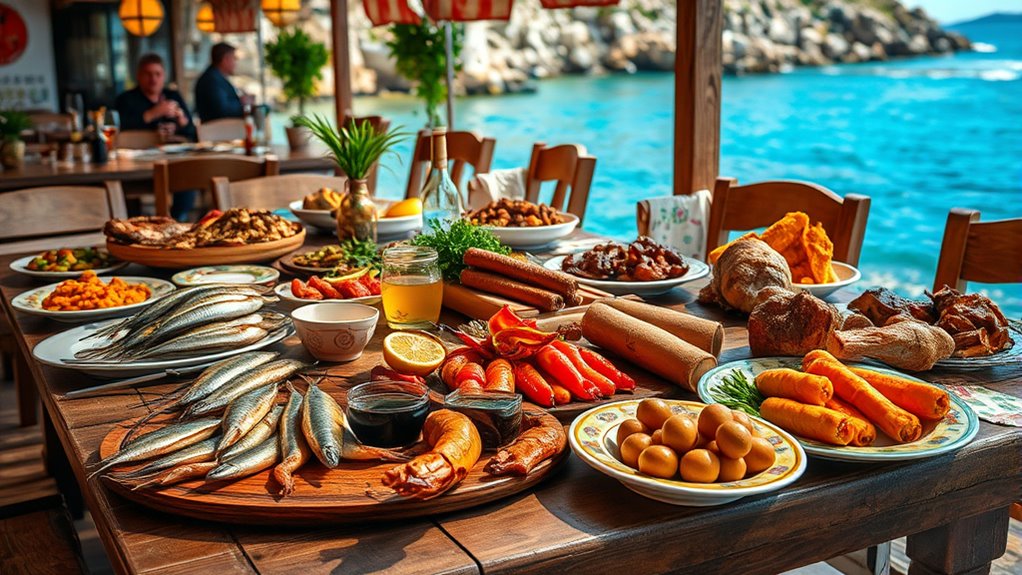
| Region | Seafood Specialties | Meat Dishes | Signature Techniques |
|---|---|---|---|
| Dalmatia | Black risotto, grilled octopus | Peka lamb, beef stew | Slow roasting under *peka* |
| Istria | Shellfish, tuna | Truffle-infused meats | Use of truffles |
| Slavonia | Fish stew (*fiš paprikaš*) | Roasted pork, sausages | Copper cauldron cooking |
| Zagorje | Rarely seafood, hearty meat dishes | Cured meats, stews | Braising and curing |
| Coastal | Fresh seafood, calamari, mussels | Fish roasts | Grilling and simple prep |
Croatian cuisine often incorporates symbol recognition, utilizing local ingredients to highlight regional flavors.
The Role of Local Ingredients and Products
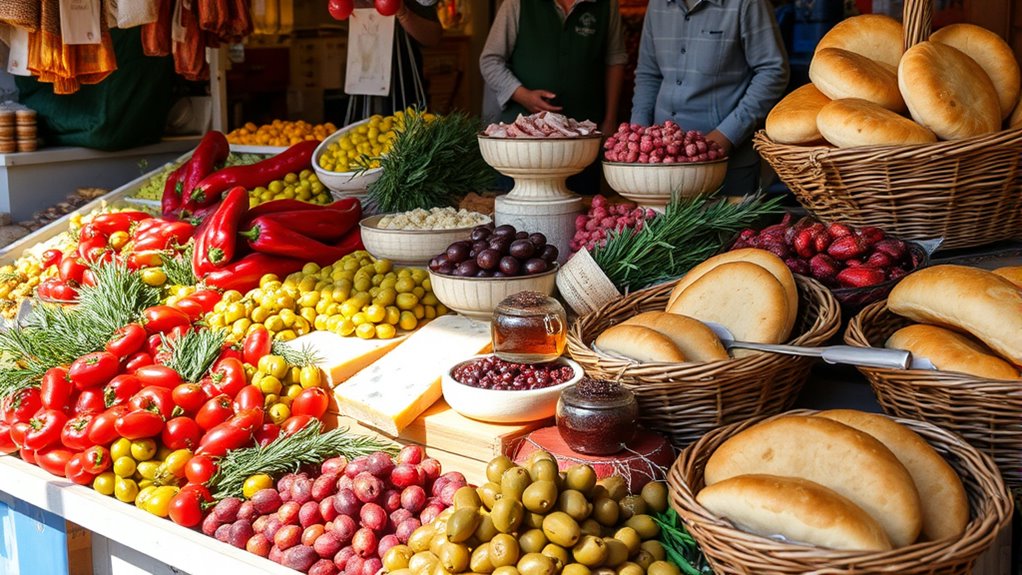
Croatian cuisine deeply depends on the use of fresh, locally sourced ingredients that highlight the region’s natural abundance. You’ll find that each area emphasizes produce, seafood, and meats from nearby farms and waters. In coastal regions, olive oil, fresh seafood, and herbs like rosemary and oregano define dishes, making use of the Mediterranean’s richness. Inland, you’ll notice hearty vegetables, paprika, garlic, and cured meats, reflecting Central European influences. Truffles from Istria are prized ingredients, often featured in pasta and sauces. Dairy products, cheeses, and pastries like štrukli rely on regional farms’ fresh milk and cheese. This focus on local ingredients guarantees authentic flavors, preserves culinary traditions, and supports regional economies, making Croatian cooking vibrant and rooted in its natural landscape.
Culinary Heritage and Cultural Significance

The rich array of local ingredients in Croatian cuisine reflects more than just flavor; it embodies centuries of cultural history and regional identity. You’ll find that traditional dishes often serve as symbols of local pride, passed down through generations. For example, *pašticada* and *štrukli* are tied to specific celebrations and rituals, anchoring community bonds. Food preparation methods like slow roasting under *peka* or curing meats preserve ancient techniques, honoring Croatia’s diverse influences. Regional dishes, such as seafood in Dalmatia or hearty stews in Slavonia, reveal unique cultural narratives. These culinary traditions aren’t just about sustenance—they represent a living connection to Croatia’s history, customs, and collective identity that continues to thrive today.
The Role of Food in Croatian Celebrations
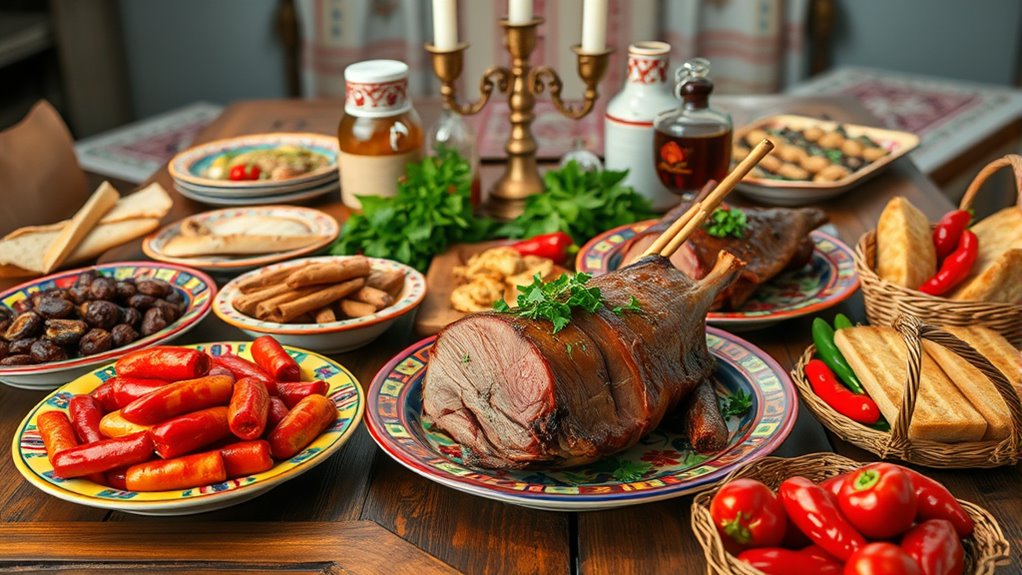
| Occasion | Typical Dish | Region |
|---|---|---|
| Weddings | *Štrukli* | Zagorje |
| Religious | *Ribarska juha* (fish soup) | Dalmatia |
| Festivals | *Peka* (slow-roasted meat) | Dalmatia & inland |
Food in Croatian celebrations embodies history, community, and regional pride.
Frequently Asked Questions
How Has Croatian Cuisine Evolved Over Centuries?
You see Croatian cuisine evolve over centuries by blending diverse influences from Mediterranean, Central European, and Balkan traditions. As you explore, you’ll notice how regional ingredients and techniques adapt, like coastal seafood dishes or inland hearty stews. Trade, invasions, and cultural exchanges shape recipes, making Croatian food rich and layered. Over time, these traditions have preserved local flavors while embracing new methods, creating a dynamic culinary heritage that continues to thrive today.
Are There Any Unique Regional Food Preservation Methods in Croatia?
You’ll find Croatian preservation methods like a treasure chest of time-honored secrets. Drying, smoking, and curing meats are your culinary armor, protecting flavors through seasons. In coastal areas, fish are salted and sun-dried, like capturing sunlight for future feasts. Inland, smoky charcuterie whispers stories of tradition. These techniques are more than preservation; they’re a living melody, keeping Croatia’s rich culinary soul alive for generations to come.
What Are the Most Popular Croatian Desserts and Pastries?
You’ll love Croatian desserts and pastries like *štrukli*, which are cheese-filled dough treats often baked or boiled, and *fritule*, small fried dough balls dusted with powdered sugar perfect for festivals. Don’t miss *rožata*, a creamy caramel custard, or *Kroštule*, crispy fried pastries enjoyed during holidays. These sweet delights showcase regional influences, local ingredients, and Croatia’s rich culinary heritage, making them favorites across the country.
How Do Croatian Culinary Traditions Influence Modern Gastronomy?
Croatian culinary traditions influence modern gastronomy like a vibrant tapestry woven with history and local flavors. You’ll notice chefs blending old techniques with contemporary styles, using regional ingredients like olive oil, truffles, and fresh seafood. They embrace slow cooking and grilling, creating dishes that honor Croatia’s diverse heritage. This fusion results in innovative menus that celebrate authenticity while appealing to today’s global palate, making Croatian influences a flavorful cornerstone in modern cuisine.
Which Croatian Dishes Are Best for Food Tourism Experiences?
You should try dishes like *Crni rižot* for its bold flavors and coastal charm, and *Peka* to experience traditional slow-roasted meats under embers. Sampling *Pašticada* offers a taste of Dalmatian celebrations, while *Fiš paprikaš* showcases Slavonia’s freshwater fish stew. These dishes highlight regional diversity, use local ingredients, and provide authentic culinary experiences that truly capture Croatia’s rich food culture.
Conclusion
You explore Croatia’s rich culinary tapestry, savor its diverse flavors, and appreciate its deep cultural roots. You taste the influence of history, the freshness of local ingredients, and the artistry of traditional techniques. You celebrate the vibrant food scene, honor age-old recipes, and embrace the passion woven into every dish. You experience Croatia’s culinary heritage not just with your palate but with your heart, creating memories that linger long after the last bite.
Halloween Picks
halloween
As an affiliate, we earn on qualifying purchases.