Spain’s top attractions include stunning architectural marvels like La Sagrada Familia and the Alhambra, vibrant historic cities such as Barcelona and Madrid, and picturesque coastlines on Majorca and Costa del Sol. You’ll find UNESCO sites, beautiful islands, natural parks, and lively festivals that showcase Spain’s rich culture. Whether you’re interested in history, nature, or beach relaxation, there’s plenty to explore. Keep going to discover more about these amazing destinations.
Key Takeaways
- Iconic UNESCO World Heritage Sites like La Sagrada Familia, Alhambra, and Córdoba’s Great Mosque showcase Spain’s rich architectural heritage.
- Historic cities such as Barcelona, Madrid, Seville, and Granada offer cultural landmarks, museums, and vibrant neighborhoods.
- Beautiful coastal destinations including Majorca, Ibiza, and Costa del Sol provide stunning beaches and scenic landscapes.
- Family-friendly accommodations and accessible attractions ensure enjoyable visits for travelers of all ages and abilities.
- Natural parks like Picos de Europa and Doñana National Park offer opportunities for ecotourism, wildlife viewing, and outdoor adventures.
Iconic Architectural Marvels
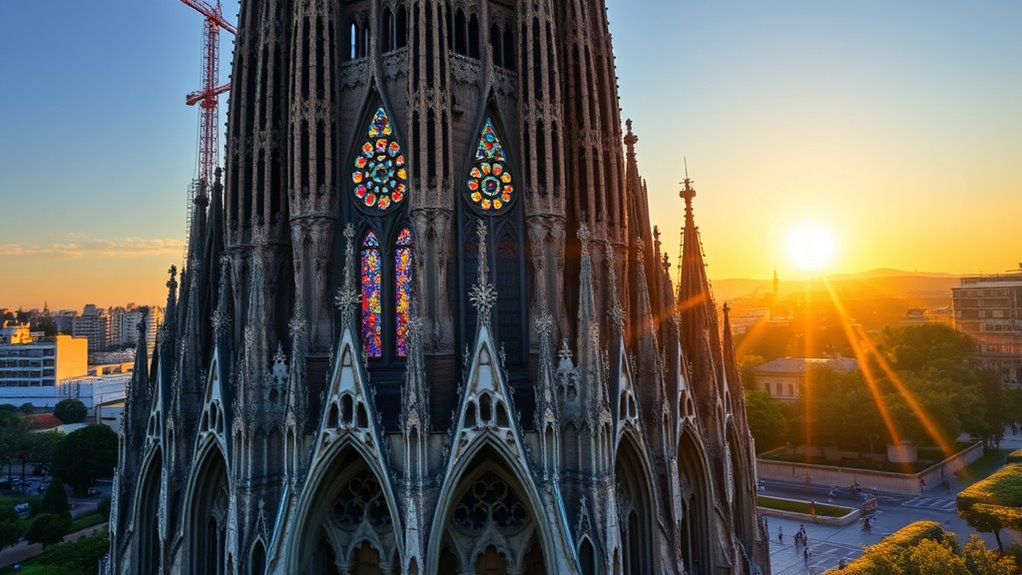
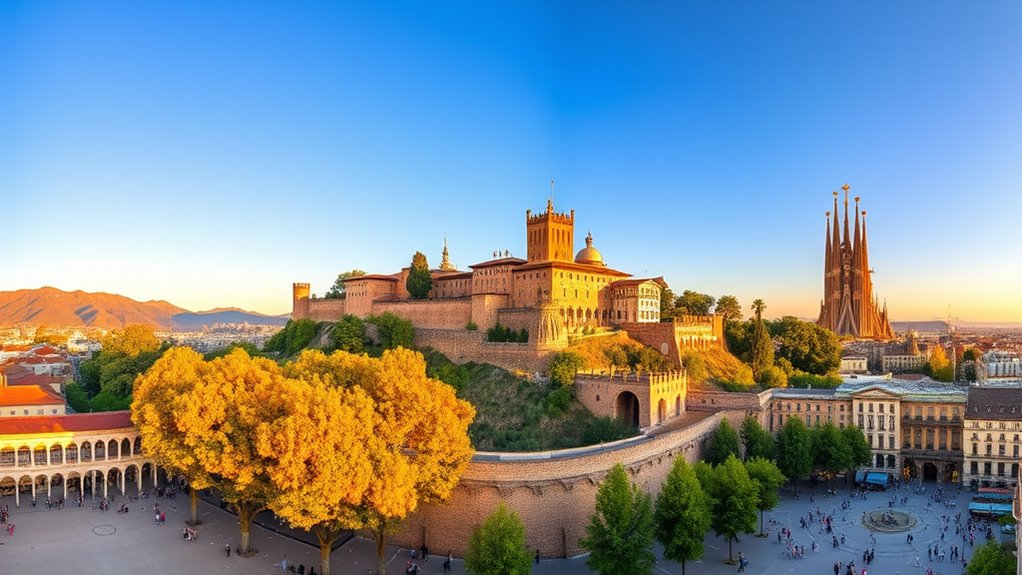
Spain is home to some of the world’s most stunning architectural marvels, drawing visitors from around the globe. You’ll marvel at La Sagrada Familia in Barcelona, an unfinished basilica designed by Antoni Gaudí, whose intricate details captivate every visitor. Park Güell, also by Gaudí, offers colorful mosaics and whimsical structures set amidst lush gardens, perfect for exploring. In Madrid, the Royal Palace stands as an impressive symbol of Spain’s regal history, with its grand façade and opulent interiors. The Alcázar of Seville enchants with its blend of Moorish, Gothic, and Renaissance styles, while the Alhambra in Granada offers stunning Islamic architecture set against the Sierra Nevada. These iconic sites showcase Spain’s rich architectural diversity and artistic mastery, making them must-see landmarks.
Historic Cities and Cultural Landmarks
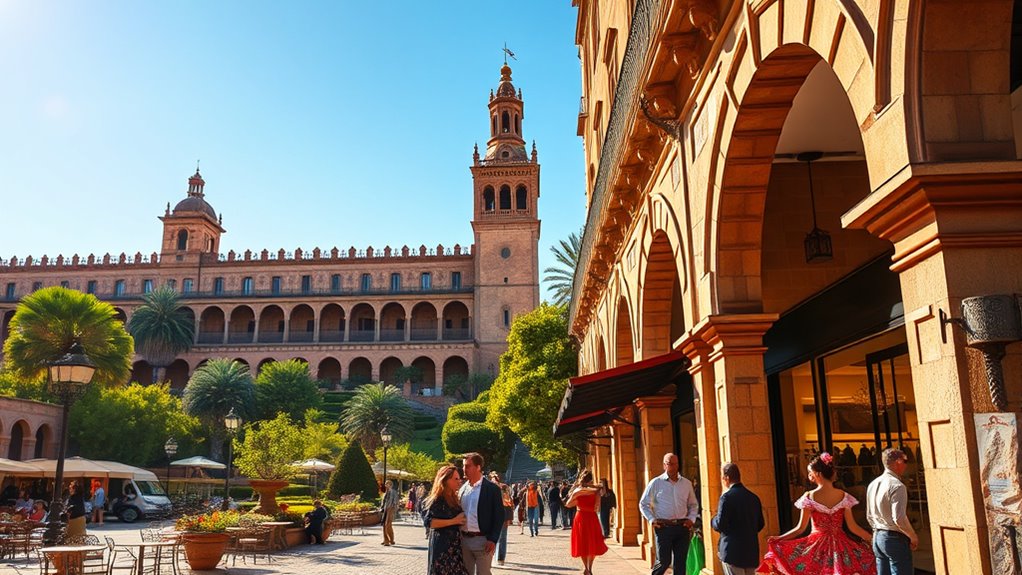
Exploring Spain’s historic cities reveals a tapestry of centuries-old architecture, vibrant traditions, and cultural treasures. You’ll walk through Barcelona’s Gothic Quarter, where narrow alleys lead to stunning landmarks like the Cathedral of Barcelona. In Madrid, the Prado Museum and Royal Palace showcase Spain’s artistic and regal history. Seville’s Alcázar palace and Gothic Seville Cathedral highlight Moorish and Christian influences. Granada’s Alhambra, a UNESCO World Heritage site, immerses you in Moorish splendor. Santiago de Compostela’s cathedral attracts pilgrims and history enthusiasts alike. Each city offers unique stories, from medieval fortresses to Renaissance palaces. These cultural landmarks are not just relics; they’re living symbols of Spain’s rich heritage, inviting you to explore, learn, and experience the country’s diverse historical legacy firsthand. Additionally, engaging with historical insights can deepen your understanding of the significance behind these landmarks and their stories.
Stunning Coastal and Island Destinations
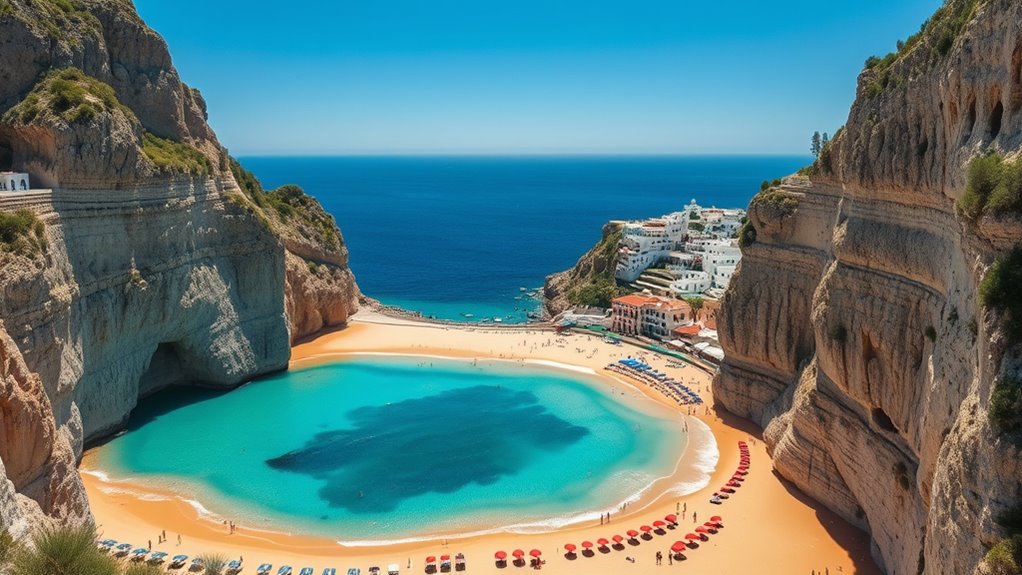
With its diverse coastline and islands, Spain offers some of Europe’s most stunning seaside destinations. You can relax on pristine beaches, explore volcanic landscapes, or enjoy vibrant nightlife by the sea. The Balearic Islands, including Majorca and Ibiza, are perfect for sunbathing, water sports, and lively parties. The Canary Islands, like Tenerife and Lanzarote, feature volcanic scenery, lush forests, and warm weather year-round, ideal for outdoor adventures. Costa del Sol and Costa Blanca are famous for their resorts, sandy beaches, and seaside promenades. Here are three top spots to contemplate:
Discover Spain’s stunning coastlines: from Majorca’s beaches to Tenerife’s volcanic landscapes and Ibiza’s lively nightlife.
- Majorca – Beautiful beaches and scenic mountains
- Tenerife – Volcanic landscapes and whale watching
- Ibiza – Nightlife and crystal-clear waters
UNESCO World Heritage Sites
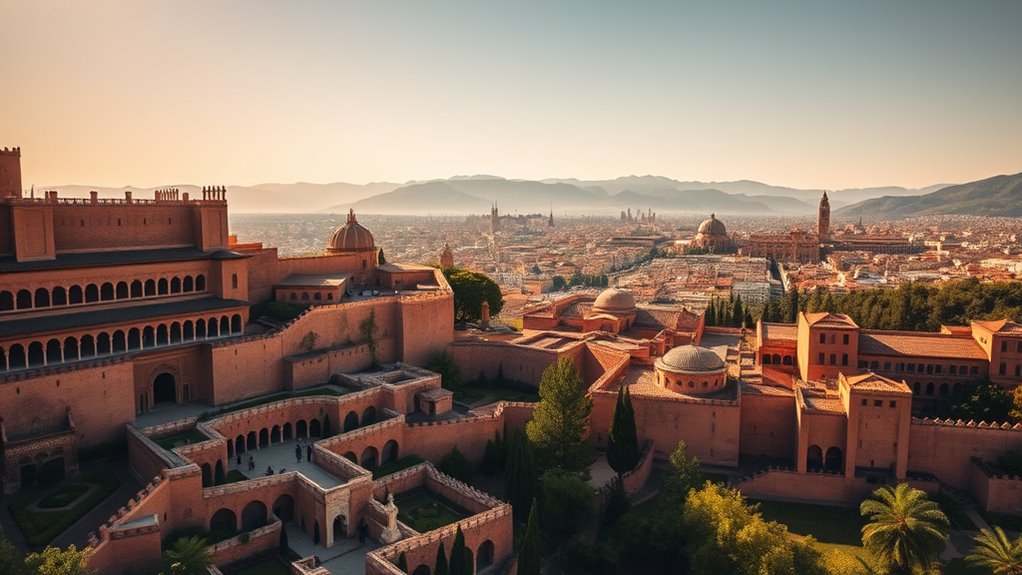
Spain’s rich cultural heritage is highlighted by its impressive collection of UNESCO World Heritage Sites, which draw millions of visitors each year. These sites showcase the country’s diverse history, architecture, and artistry. Among the most famous is the Great Mosque of Córdoba, blending Islamic and Christian influences. The Burgos Cathedral and Alcázar of Segovia stand out for their medieval grandeur. These sites encompass historic cities, monuments, and natural landscapes celebrated worldwide. They contribute markedly to Spain’s tourism and economy, offering unique insights into its cultural evolution. Additionally, many of these sites are protected by heritage conservation efforts that ensure their preservation for future generations. Below is a visual overview of key UNESCO sites:
| Site | Location | Significance |
|---|---|---|
| Great Mosque of Córdoba | Córdoba | Islamic-Christian architectural fusion |
| Burgos Cathedral | Burgos | Gothic religious masterpiece |
| Alcázar of Segovia | Segovia | Fortress and royal palace |
| La Rioja Vineyards | La Rioja | Historic wine-producing region |
Natural Parks and Ecotourism Hotspots
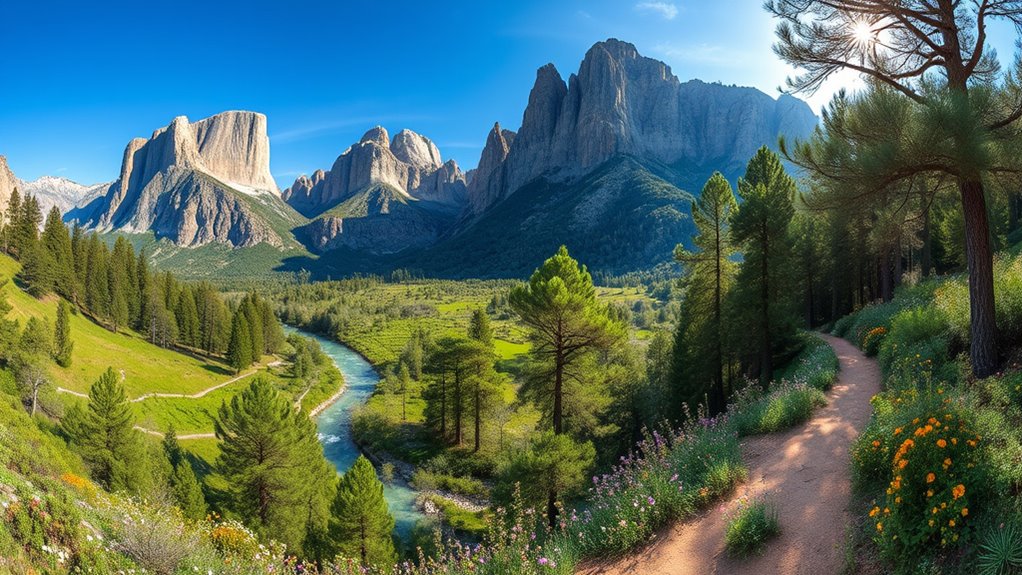
Spain’s natural parks offer breathtaking landscapes and diverse ecosystems that attract eco-conscious travelers. Iconic spots like Teide National Park boast volcanic scenery, while coastal areas provide pristine beaches and rugged cliffs. Exploring these ecotourism hotspots lets you experience Spain’s natural beauty firsthand. Incorporating sustainable practices like rainwater capture techniques can enhance eco-friendly visits and reduce environmental impact.
Iconic National Parks
Among Spain’s natural parks, Teide National Park on Tenerife stands out as an iconic ecotourism hotspot. It draws over 3 million visitors annually, thanks to its stunning volcanic landscapes and the majestic Mount Teide. When exploring Spain’s national parks, consider these highlights:
- Picos de Europa: Located in northern Spain, this rugged mountain range offers breathtaking scenery and challenging hikes.
- Doñana National Park: A essential wetlands area in Andalusia, perfect for birdwatching and wildlife observation.
- Aigüestortes i Estany de Sant Maurici: In Catalonia, this park features glacial lakes, lush forests, and diverse flora and fauna. Exploring these parks provides outdoor adventures, ecological insights, and unforgettable landscapes that enhance your travel experience, especially through mindful observation of nature’s delicate ecosystems.
Coastal Ecotourism Spots
Coastal ecotourism hotspots in Spain showcase a stunning variety of natural landscapes that attract eco-conscious travelers. You can explore the rugged cliffs of Costa Brava or relax on the pristine beaches of the Balearic Islands, known for their clear waters and vibrant marine life. In the Canary Islands, Teide National Park offers volcanic scenery perfect for hiking and wildlife observation. The Costa del Sol features protected coastal areas with blue flag beaches, ideal for snorkeling and birdwatching. These spots emphasize sustainability, with many parks implementing eco-friendly practices. Whether hiking scenic trails, observing native species, or enjoying untouched beaches, you’ll find Spain’s coastal ecotourism spots provide a perfect blend of nature, adventure, and conservation. Effective conservation efforts help preserve these beautiful environments for future generations.
Exciting Festivals, Theme Parks, and Entertainment

Festivals, theme parks, and entertainment options bring vibrant energy and unforgettable experiences to visitors across Spain. You can enjoy thrilling rides, lively parades, and cultural celebrations that showcase Spain’s rich heritage. Here are three must-visit spots:
Experience Spain’s vibrant festivals, thrilling theme parks, and lively entertainment for unforgettable cultural adventures.
- PortAventura World – A massive theme park with adrenaline-pumping rides, shows, and themed zones, perfect for family fun.
- La Tomatina – The famous tomato fight festival in Buñol, where you’ll join thousands in a messy, exhilarating battle.
- San Fermín (Running of the Bulls) – Held in Pamplona, this adrenaline-filled event combines tradition with excitement, attracting daring visitors.
Additionally, many of these attractions incorporate family-friendly activities and accommodations, ensuring that families with loved ones of all ages can enjoy the excitement together.
Frequently Asked Questions
What Are the Best Times of Year to Visit Spain’s Top Attractions?
You should visit Spain’s top attractions in spring (March to June) or fall (September to November). During these seasons, the weather is pleasant, avoiding the intense summer heat and winter chill. You’ll enjoy fewer crowds, making sightseeing more comfortable. Plus, spring and fall offer vibrant festivals, blooming landscapes, and mild temperatures ideal for exploring cities, beaches, and natural parks without the overwhelming summer tourist rush.
How Accessible Are Spain’s Major Cultural Landmarks for Travelers With Disabilities?
You’re in luck; Spain’s major cultural landmarks are increasingly accessible for travelers with disabilities. Many sites, like La Sagrada Familia and the Prado Museum, have ramps, lifts, and adapted facilities. While some historic buildings might pose challenges, tour operators often offer specialized services. Don’t be afraid to ask ahead, as Spain’s tourism industry is working hard to make sure everyone can enjoy its rich cultural tapestry—every cloud has a silver lining!
Which Regions in Spain Offer the Most Diverse Natural Landscapes?
You’ll find the most diverse natural landscapes in Spain in regions like Andalusia, with its rugged Sierra Nevada mountains and vast deserts, and the Canary Islands, offering volcanic terrains and lush forests. The Balearic Islands provide stunning coastlines and rocky coves, while the Picos de Europa features dramatic peaks and deep gorges. Each region offers a unique mix of mountains, beaches, forests, and volcanic landscapes, perfect for outdoor adventures and nature exploration.
Are There Any Hidden or Lesser-Known Attractions Worth Exploring?
You’ll find hidden gems worth exploring all around Spain if you look beneath the surface. Venture to the white villages of Andalusia, like Ronda, with their dramatic cliffs and rich history. Discover the stunning Cueva de Nerja caves in Málaga or hike through the lush Picos de Europa. These lesser-known spots prove that sometimes the best things are kept under wraps, waiting for curious explorers like you.
How Can Visitors Experience Local Cuisine at Spain’s Top Tourist Sites?
You can experience local cuisine at Spain’s top sites by visiting nearby markets, tapas bars, and traditional restaurants. Seek out regional specialties like paella in Valencia or pintxos in Basque Country. Join food tours or cooking classes to learn recipes firsthand. Don’t miss local festivals where food plays a central role. Exploring these culinary spots immerses you in authentic flavors and enhances your cultural experience while sightseeing.
Conclusion
Spain’s attractions are a treasure chest of unforgettable experiences, from jaw-dropping architecture to vibrant festivals. You’ll discover a country bursting with history, culture, and natural beauty that’s truly one-of-a-kind—like a jewel shining brighter than any other. Whether exploring iconic landmarks or relaxing on stunning beaches, Spain promises adventures that’ll leave you breathless. So, immerse yourself and let this incredible destination transform your travel dreams into unforgettable memories that last a lifetime!