
Indiana’s history is a rich tapestry of indigenous tribes like the Miami and Shawnee, European settlement, and statehood in 1816. The state’s culture is deeply rooted in frontier pride, symbolized by the nickname “Hoosier,” and shaped by early urban growth and transportation. Indiana also played a significant role in the Civil War, with memorials honoring its soldiers. Exploring more will reveal how these diverse influences continue to define Indiana’s unique identity today.
Key Takeaways
- Indiana’s history includes Native tribes like Miami and Shawnee, European settlement beginning with Vincennes in 1732, and land cessions through treaties.
- The state’s formation involved transitioning from Indiana Territory to statehood in 1816, with Indianapolis becoming the capital in 1825.
- Indiana’s population growth was driven by land opportunities, transportation routes, and urban development, especially in Indianapolis.
- The nickname “The Hoosier State” symbolizes resilience and community pride, shaping Indiana’s cultural identity.
- Indiana contributed significantly to the Civil War, mobilizing over 210,000 Union soldiers and honoring their legacy through memorials and reenactments.

The Native Americans (Peopling Indiana)
As an affiliate, we earn on qualifying purchases.
As an affiliate, we earn on qualifying purchases.
Early Settlement and Indigenous Heritage

Did you know that Indiana’s earliest history is deeply rooted in Native American heritage? Before European settlers arrived, tribes like the Miami, Delaware, Shawnee, and Potawatomi thrived across the land. Vincennes, established as the first European settlement, served as a key trading post and was fortified by 1732. Native Americans fiercely resisted settlement until treaties like St. Mary’s (1818) and Fort Wayne (1809) forced land cessions. Kekionga, now Fort Wayne, was a crucial Miami village and trading hub. The Miami’s “Big Miami Reserve” became the largest reservation in Indiana’s history. These indigenous communities shaped the land’s history, culture, and identity long before Indiana became a state. Their legacy remains embedded in the region’s history and place names today. Additionally, the indigenous tribes played a significant role in shaping early trade routes and cultural exchanges that influenced the development of the region.

Gallant Fourteenth: The Story of an Indiana Civil War Regiment
As an affiliate, we earn on qualifying purchases.
As an affiliate, we earn on qualifying purchases.
The Territorial Era and State Formation

The Indiana Territory was established in 1800, marking the beginning of formal governance and organized settlement in the region. You see Vincennes as the first capital, serving as the political center. In 1809, the Illinois Territory split off, shrinking Indiana’s size and shaping its borders. When Indiana achieved statehood on December 11, 1816, it became the 19th state in the Union. Corydon served as the initial capital until 1825, when Indianapolis was selected for its central location, planned by Alexander Ralston. Early leaders like Governor Jonathan Jennings emphasized the abolition of slavery, which was fully banned by 1830. This era laid the groundwork for Indiana’s growth, shifting from territorial governance to a developing state focused on expansion and infrastructure. The transition from territorial to state governance involved establishing a structured legal system to support its expanding population and economy.

Introduction to Documentary, Third Edition
As an affiliate, we earn on qualifying purchases.
As an affiliate, we earn on qualifying purchases.
Population Growth and Urban Development

As Indiana shifted from its early frontier days, its population surged rapidly, especially after statehood in 1816. You’ll see how towns expanded, driven by new land opportunities and transportation routes. The growth centered around Indianapolis, which became a hub of commerce and government. Urban areas started to develop infrastructure, including roads, railroads, and public buildings, shaping the state’s landscape. Migration from eastern states and Europe fueled this expansion, transforming Indiana from rural farmland to a more urbanized society. You’ll notice how population density increased in cities, prompting suburban growth. This shift laid the foundation for Indiana’s modern cities and regional economies. Additionally, transportation development played a crucial role in connecting communities and fostering economic growth throughout the state.
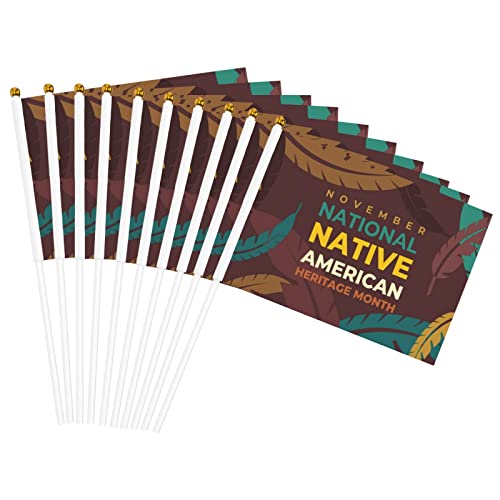
Native American Heritage Month Indigenous Pride Small Mini Flags Hand Held Flag Decoration For Party Parades Festival Celebration 10 PCS
High Quality:Show Them With Your Support And Pride!Small Flags Made Of 100% Polyester. The Mini And Lightweight Design…
As an affiliate, we earn on qualifying purchases.
As an affiliate, we earn on qualifying purchases.
Cultural Identity and Regional Nicknames

Indiana’s nickname, “The Hoosier State,” has become a defining part of its cultural identity, but its origins are still debated. Some believe it comes from early settlers called “Hooshers,” while others think it may derive from Native American terms or regional slang. This nickname reflects pride in resilience and community. You might notice the term used in local businesses, sports teams, and festivals, reinforcing Indiana’s unique character. The nickname also symbolizes a shared heritage rooted in frontier life and perseverance. Additionally, the regional dialect has played a role in shaping the local identity and expressions associated with “Hoosier.” Below, the table explores the different meanings and perceptions tied to “Hoosier”:
| Origin Theories | Cultural Significance | Regional Impact |
|---|---|---|
| Early settlers’ term | Pride and identity | Unifying the state |
| Native language roots | Heritage recognition | Tourism and branding |
| Regional slang | Community spirit | Sports and events |
| “Hooshers” nickname | Historical pride | Local storytelling |
| Mid-19th century use | State branding | Cultural symbol |
Indiana’s Military Contributions and Civil War Legacy

Indiana cemented its reputation as a formidable military force during the Civil War, mobilizing more than 210,000 soldiers to fight for the Union. You can see this legacy in the numerous battles where Hoosiers played key roles, like the Battle of Tippecanoe. Indiana’s soldiers contributed considerably to Union victories, helping secure crucial supply routes and strategic positions. The state’s farmland provided essential food and resources, fueling the war effort. You’ll find memorials honoring fallen soldiers across Indiana, and historic sites tell stories of bravery. The Civil War also shaped Indiana’s identity as a stalwart supporter of liberty and Union preservation. Its military legacy continues to be celebrated through reenactments, museums, and annual commemorations that honor the sacrifices made. Additionally, modern advancements in AI security are helping protect these historical sites and digital archives from cyber threats, ensuring that Indiana’s history remains preserved for future generations.
Frequently Asked Questions
How Did Native American Tribes Influence Indiana’s Early Culture?
Native American tribes greatly influenced Indiana’s early culture by shaping its land, traditions, and social structures. You can see their impact in place names like Kekionga and Fort Wayne, and in local customs and crafts that persist today. Tribes like the Miami, Delaware, Shawnee, and Potawatomi contributed their languages, stories, and ways of life, which blended with European settlers’ traditions, creating a unique cultural tapestry still evident in Indiana’s heritage.
What Role Did Indiana Play in the Underground Railroad?
You should know Indiana played a crucial role in the Underground Railroad, with over 30,000 enslaved people escaping through the state. As a key route, it offered numerous safe houses and secret networks, especially in cities like Indianapolis and Evansville. Many abolitionists and free African Americans risked their lives to help others reach freedom. Indiana’s strategic location and supportive communities made it a vital hub for those seeking liberation.
How Did Indiana’s Economy Evolve From Agriculture to Industry?
Indiana’s economy shifted from agriculture to industry as railroads expanded, making transportation easier and more efficient. You see, towns grew around manufacturing hubs, especially in cities like Indianapolis and Gary. Factories produced steel, automobiles, and machinery, creating jobs and attracting workers. This industrial growth transformed Indiana into a manufacturing state, boosting its economy and diversifying beyond farming. Today, industry remains essential, building on this historical shift.
What Are Some Unique Traditions Associated With Indiana’s Regional Identities?
You’ll find that Indiana’s regional identities are tied to unique traditions like the Hoosier hospitality, which emphasizes friendliness and community spirit. In southern Indiana, you might enjoy the vibrant Amish and Mennonite crafts and foods. The northern region celebrates its manufacturing history with festivals honoring auto racing, especially at the Indianapolis 500. Throughout the state, you’ll notice local fairs, folk music, and culinary specialties that reflect each area’s cultural heritage and pride.
How Did Indiana’s Civil War Experiences Shape Its Modern Identity?
Like a sturdy oak rooted deep in the ground, Indiana’s Civil War experiences greatly shaped its modern identity. You can see this in how the state’s strong Union loyalty fostered a sense of unity and resilience. The contributions of over 210,000 Hoosiers in the war instilled pride, while the focus on reconstruction and industry afterward laid the foundation for Indiana’s progressive spirit and commitment to national service today.
Conclusion
As you explore Indiana’s rich history, you realize there’s more beneath the surface—stories of resilience, innovation, and tradition waiting to be uncovered. The state’s past is a tapestry woven with unexpected twists and secrets that shape its identity today. But what surprises lie ahead in Indiana’s next chapter? Keep digging, because the story of Indiana isn’t finished yet, and the next revelation could change everything you thought you knew.