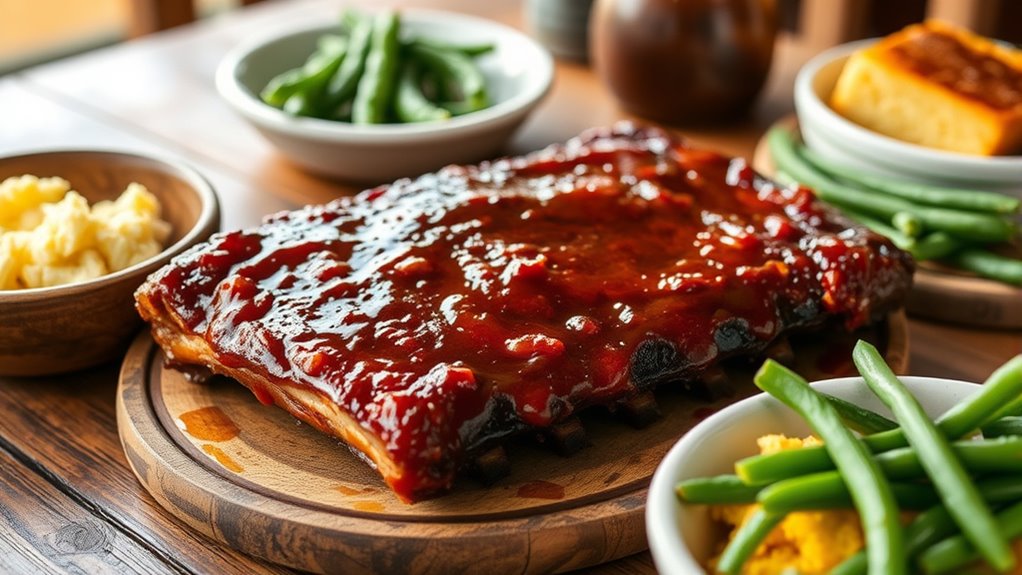

Kansas’s cuisine reflects its diverse immigrant roots and strong agricultural heritage. You’ll find traditional dishes like bierocks, barbecue, steaks, and hearty stews that celebrate local ingredients like beef, corn, and wheat. Regional variations showcase German, Irish, and ethnic influences, blending old recipes with modern twists. Food plays a key role in community bonds and cultural pride. To discover how these traditions continue to evolve and shape Kansas’s culinary scene, explore further.
Key Takeaways
- Kansas cuisine reflects its diverse immigrant communities, with traditional dishes like bierocks and barbecue symbolizing cultural heritage.
- Regional variations include German-inspired foods in Western Kansas and Kansas City-style barbecue renowned for its slow-smoked meats.
- Agriculture, especially beef, wheat, and corn, heavily influences local flavors and hearty, straightforward cooking styles.
- Modern culinary trends incorporate fusion techniques, craft beverages, and innovative ingredients, blending tradition with contemporary innovation.
- Food serves as a cultural expression, fostering community bonds through festivals, shared recipes, and preservation of culinary traditions.

True Made Foods Pitmaster Original (Kansas City-Style) Barbecue Sauce, Thick and Sweet, Low Sugar, Gluten Free, Ideal for Ribs, Pork, Chicken or any BBQ-Style (18oz, 2 Pack)
TRUE PITMASTER BBQ FLAVOR: True Pitmaster BBQ Flavor from a True Pitmaster, Ed Mitchell, made from 100% true,…
As an affiliate, we earn on qualifying purchases.
As an affiliate, we earn on qualifying purchases.
The Roots of Kansas Cuisine: Immigrant Influences and Historic Recipes

Kansas cuisine is deeply shaped by the diverse immigrant communities that settled in the state, bringing their unique flavors and recipes with them. You can see this influence in dishes like bierocks, introduced by Volga German immigrants in 1876, which remain a Kansas staple. Community cookbooks from the 1870s reveal a tapestry of multicultural recipes, reflecting Mennonite, Irish, Greek, and Jewish traditions. Oysters, imported by rail from the East Coast, featured prominently in 19th-century Kansas cookbooks, with entire sections dedicated to oyster dishes. Early recipes also included alcohol, such as cordials and wine, which disappeared during Prohibition. German-inspired scrapple evolved into modern meatloaf, showcasing how immigrant flavors adapted over time to local ingredients and tastes. Additionally, traditional preservation methods like canning and pickling played a significant role in extending the shelf life of various ingredients, influencing the development of regional recipes.
German bierocks baking kit
As an affiliate, we earn on qualifying purchases.
As an affiliate, we earn on qualifying purchases.
Iconic Dishes and Staples: From Bierocks to Barbecue
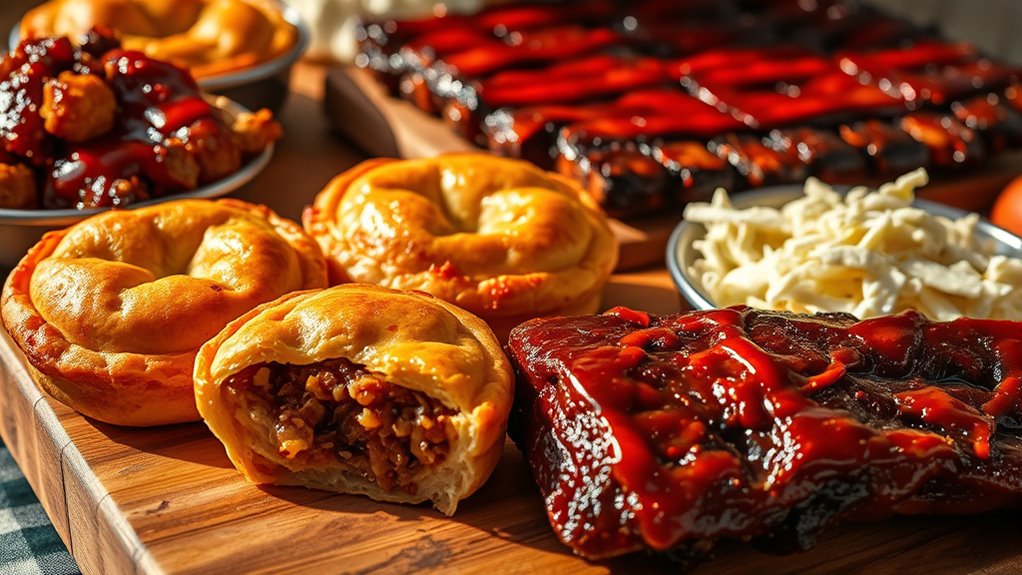
Among the diverse culinary traditions that shaped Kansas, certain dishes have become symbols of local identity and pride. Bierocks, a staple in Hays and Ellis County, showcase Volga German heritage with their cabbage, onion, and ground beef filling wrapped in soft bread. Kansas City-style barbecue, renowned statewide, features slow-smoked meats and a signature sweet, tangy sauce, reflecting the region’s cattle industry roots. Burnt ends, once discarded, now define Kansas City barbecue’s bold flavor. The Kansas City strip steak highlights the state’s cattle history, while cheesy corn and Kansas City-style fried tacos demonstrate local innovation. These dishes connect Kansas’s immigrant roots and agricultural past, uniting communities and celebrating the flavors that make Kansas cuisine uniquely memorable.

Lodge Square Cast Iron Grill Pan – Pre-Seasoned Square Skillet – Ridged Burger Grill Pan – Even Heat Distribution – PFAS-Free Non-Toxic Cookware – 10.5 Inches
Steakhouse Sear At Home: The Lodge Square Cast Iron Grill Pan delivers high-heat searing and bold grill marks…
As an affiliate, we earn on qualifying purchases.
As an affiliate, we earn on qualifying purchases.
Agriculture’s Role in Shaping Kansas Flavors

The fertile plains and vast farmland of the region directly influence the flavors that define Kansas cuisine. You’ll notice how beef, wheat, and corn dominate dishes, reflecting the state’s agricultural roots. These ingredients shape everything from hearty stews to iconic barbecue. Kansas’s farmers provide the foundation for local flavors, making meat and grain-based dishes staples. To see this clearly, consider the table below:
| Ingredient | Culinary Use |
|---|---|
| Beef | Barbecue, steaks, meatloaf |
| Wheat | Breads, biscuits, pastries |
| Corn | Side dishes, sauces, snacks |
This agricultural influence isn’t just in ingredients but also in the methods of preparation, emphasizing simplicity and heartiness. Additionally, the community-oriented nature of Kansas’s culinary traditions fosters a sense of spiritual fulfillment through shared meals and local festivities. Your experience of Kansas flavors is rooted in its rich farming landscape, which continues to define its culinary identity.

Supa Ant Canning Supplies – Water Bath Canning Pot with Rack & Lid – Starter Kits Set for Beginners – Stainless Steel Water Bath Canner Kit & Rack – Rack, XL Ladle, Measuring Cups, Kitchen Funnel
The canning pot and rack in the market that comes with a food-grade stainless steel canning kit +…
As an affiliate, we earn on qualifying purchases.
As an affiliate, we earn on qualifying purchases.
Regional Variations and Local Specialties Across the State

Regional variations in Kansas cuisine reflect the state’s diverse cultural roots and geographic influences. In western Kansas, you’ll find German-inspired dishes like grebble and potato dumplings, alongside bierocks, highlighting Volga German heritage. Moving east, Kansas City dominates with its smoky barbecue, featuring burnt ends and sweet sauces that define local taste. The Italian-American community in Kansas City offers unique creations like chicken spiedini, adding variety. In rural areas, you’ll notice simpler, hearty meals such as stews, salted meats, and bread, shaped by agricultural abundance. Ethnic enclaves preserve recipes from their homelands, creating a mosaic of food traditions across the state. Whether it’s German, Italian, or local barbecue, each region’s specialties showcase Kansas’s cultural diversity and geographic influences shaping its culinary identity. Additionally, foraging practices in Kansas contribute to the local food scene by incorporating wild edibles like ramps and berries into traditional recipes.
Evolution of Kansas Culinary Traditions Over Time

As Kansas’s culinary traditions have evolved, you’ll notice shifts in ingredient use and flavor profiles, reflecting changing tastes and available resources. You might see how immigrant influences have been adapted over time, transforming traditional recipes into local favorites. These culinary adaptations highlight how Kansas’s food culture continually responds to new influences and evolving preferences. Additionally, understanding the cultural significance of regional dishes can deepen appreciation for Kansas’s diverse food heritage.
Shifts in Ingredient Use
Over time, ingredient use in Kansas cuisine has evolved considerably, reflecting broader social, economic, and cultural shifts. You’ve seen how early settlers relied on preserved meats, grains, and locally available produce. As transportation improved, imports like oysters and spices entered kitchens, broadening flavor profiles. Post-Prohibition, alcohol disappeared from many recipes, only to reemerge in modern cooking. Today, ingredients like cheese, sugar, and specialty meats dominate, showcasing a blend of tradition and innovation. The table below highlights these changes:
| Era | Common Ingredients | Notable Changes |
|---|---|---|
| Early Settlers | Salted meats, grains, root vegetables | Local, preserved foods |
| 19th Century | Oysters, imported spices | Increased imports, diverse flavors |
| Prohibition Era | Alcohol in recipes | Disappearance, later resurgence |
| Modern | Cheese, sugar, smoked meats | Fusion of traditional and modern |
Cultural and Culinary Adaptation
Kansas’ culinary landscape has continually evolved by blending traditional ingredients with new influences, reflecting the state’s dynamic history. You see this in how immigrant communities adapted their recipes using local produce and available ingredients. For example, German immigrants transformed their traditional scrapple into modern meatloaf, while Kansas City’s barbecue styles incorporated regional tastes, creating iconic dishes like burnt ends and smoked brisket. Over time, recipes shifted from heavily alcohol-based dishes before Prohibition to comfort foods like cheesy corn and fried tacos, which emerged from local innovation. Community cookbooks preserved these adaptations, showcasing how Kansas residents maintained cultural ties while embracing new flavors. This ongoing culinary evolution highlights Kansas’s ability to honor its diverse roots while continuously shaping its food traditions.
Cultural Significance and Community Through Food

Food in Kansas isn’t just about nourishment; it’s a way to express your cultural identity and connect with others. Sharing traditional dishes like bierocks or barbecue helps build community and preserve local heritage. Through these meals, you’re part of a larger story that unites generations and diverse backgrounds. Additionally, Halloween-inspired treats have become popular during festive gatherings, showcasing local culinary creativity.
Food as Cultural Identity
Have you ever noticed how certain dishes in Kansas serve as more than just meals—they embody the state’s history, values, and community spirit? When you enjoy a bierock, you’re tasting a piece of Volga German heritage that reflects immigrant resilience and agricultural roots. Barbecue, especially Kansas City-style, symbolizes the region’s cattle industry and social gatherings, uniting communities around shared traditions. Food in Kansas connects you to diverse ethnic roots, from Mennonite to Irish and Greek influences, preserving cultural identities through recipes. Community cookbooks and local festivals celebrate these culinary traditions, reinforcing a collective sense of pride and history. The use of traditional ingredients and cooking methods also highlights the importance of cultural preservation in maintaining these identities. Every bite tells a story, reminding you that Kansas cuisine isn’t just about flavor—it’s a living reflection of the people and their collective journey.
Community Bonding Through Cuisine
Cuisine in Kansas acts as a powerful bond that brings communities together, creating shared experiences and reinforcing cultural identities. When you gather for a barbecue or cook a traditional dish like bierocks, you’re participating in a tradition that links generations and celebrates heritage. Community cookbooks, festivals, and local events showcase these foods, strengthening social ties and fostering pride. Food becomes a way to honor your roots, connect with neighbors, and pass down stories. Whether you’re enjoying a Kansas City-style meal or a regional specialty, you’re part of a collective identity rooted in collaboration and shared history. These culinary traditions serve as a unifying force, reminding you that food isn’t just sustenance—it’s an essential thread in Kansas’s community fabric. Embracing traditional recipes often involves preserving cultural heritage and passing it on to future generations.
Modern Innovations and Contemporary Food Trends

How are Kansas’ traditional flavors evolving to meet modern tastes? You’ll notice contemporary chefs and home cooks blending classic ingredients with innovative techniques. Cheesy corn, once a simple BBQ side, now features gourmet cheeses and fresh herbs, elevating its flavor. Kansas City-style fried tacos have gained popularity, combining traditional flavors with trendy toppings like avocado and spicy aioli. Meatloaf, once inspired by immigrant scrapple, now incorporates plant-based proteins or unique spices for a modern twist. Barbecue remains central, but techniques like sous-vide smoking and craft rubs add sophistication. Local breweries and distilleries have revived historic recipes, creating craft beers and spirits inspired by the state’s heritage. Additionally, size restrictions influence how chefs and home cooks plan their culinary spaces, encouraging innovative use of smaller kitchens and multi-functional appliances. These innovations honor Kansas’ past while embracing contemporary culinary trends, making the state’s food scene dynamic and exciting.
Frequently Asked Questions
How Have Kansas Recipes Been Influenced by Native American Culinary Traditions?
You might not realize it, but Kansas recipes have been influenced by Native American traditions through ingredients like corn, beans, squash, and game meats. These staples appear in early settler dishes, blending indigenous flavors with immigrant influences. Native methods, such as roasting and using natural herbs, also shaped cooking styles. This cultural exchange created a culinary foundation that still subtly influences Kansas’s hearty, farm-based dishes today.
What Role Did Prohibition Play in Shaping Kansas’s Food and Drink Culture?
Prohibition notably impacted Kansas’s food and drink culture by removing alcohol from recipes and social settings, shifting focus to non-alcoholic ingredients and dishes. You might notice the absence of cordials, wines, and alcohol-based recipes in community cookbooks after the 1920s. This period encouraged more creative use of herbs, spices, and other flavorings, leading to a culinary shift that emphasized hearty, alcohol-free fare, which persists in local traditions today.
Are There Any Unique Kansas Desserts or Sweet Treats Tied to Local History?
You’ll find that Kansas’s sweets tell stories as rich as the plains themselves. Iconic treats like sunflower-shaped sunflower seed brittle reflect the state’s sunflower fields, while honey-infused pies honor early beekeeping traditions. Bierocks, though savory, often come with sweet variations, blending history and flavor. These desserts act as edible landmarks, connecting you to Kansas’s multicultural roots, agricultural bounty, and community spirit—making every bite a journey through the state’s vibrant past.
How Do Kansas’s Immigrant Communities Preserve Their Traditional Cooking Methods Today?
You can preserve Kansas’s immigrant cooking methods today by sharing traditional recipes through community cookbooks, participating in cultural festivals, and passing stories down in family gatherings. Many immigrant communities adapt recipes with local ingredients, maintaining their culinary heritage. You might also join cultural clubs or attend cooking classes focused on authentic techniques, ensuring these rich traditions continue to thrive amid Kansas’s evolving food scene.
What Are Some Lesser-Known Regional Dishes Specific to Kansas’s Rural Areas?
In Kansas’s rural areas, you’ll find lesser-known regional dishes like grebble, a fried dough treat, alongside hearty potato dumplings, and savory pot roasts seasoned with local herbs. You might also encounter potatoes with dumplings, a filling comfort food, or homemade sausage recipes passed down through generations. These dishes celebrate the land’s bounty, reflect the community’s resilience, and preserve a rustic culinary heritage rooted in simplicity and tradition.
Conclusion
Think of Kansas’s culinary landscape as a vast, rolling prairie, where each dish is a wildflower rooted in history and culture. As you explore its flavors, you’re wandering through fields shaped by immigrant hands, historic recipes, and modern innovations. Embrace this delicious journey, knowing that every bite is part of a living tapestry—an ongoing story of community, tradition, and hope, blooming anew with each savory discovery.