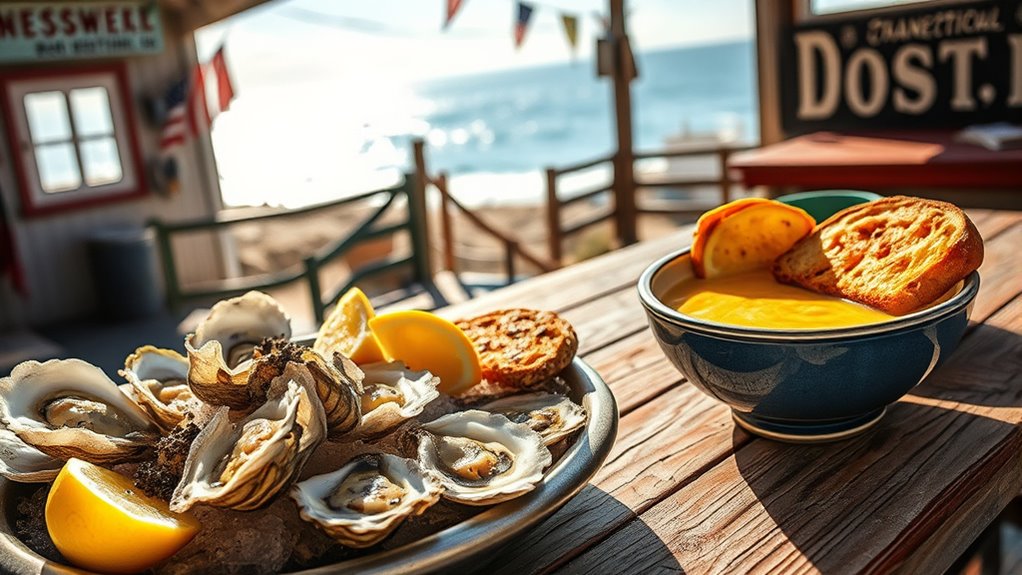

Connecticut’s cuisine combines Native American ingredients with colonial recipes and diverse immigrant influences. You’ll find fresh seafood like clam chowder and clam pies, along with classic dishes such as chicken potpie and steamed cheeseburgers. The state’s farming roots shine through in hearty meats, dairy, and seasonal produce. Its food scene balances tradition and innovation, creating a vibrant culinary landscape. Keep exploring to discover how history and culture shape Connecticut’s delicious, unique flavors.
Key Takeaways
- Connecticut cuisine has Native American origins, incorporating ingredients like corn, beans, squash, and local seafood such as clams and oysters.
- Signature dishes include Connecticut-style clam chowder, steamed cheeseburgers, and Grape-Nuts pudding, reflecting regional flavors and innovation.
- Immigrant communities, especially Italian, Portuguese, and Jewish, have significantly influenced local food with dishes like clam pies, stuffed clams, and knishes.
- Historically, small-scale farming and livestock, especially pigs fed on corn, shaped regional food traditions and seasonal festivals.
- The modern culinary scene blends traditional seafood and comfort foods with multicultural influences, emphasizing fresh ingredients and culinary creativity.
Historical Foundations of Connecticut Cuisine
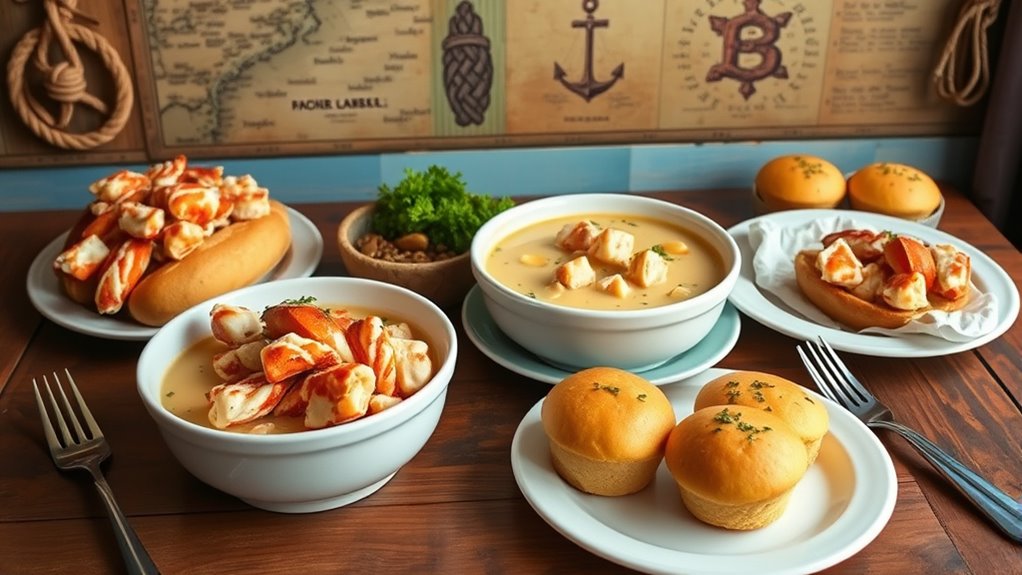
The historical foundations of Connecticut cuisine are rooted in a blend of Native American food traditions and early English colonial practices. You’ll find that early settlers incorporated Native ingredients like corn, beans, squash, and venison into their diets, blending them with British meat and bread staples. Meat, fish, and bread formed the core of daily meals, with meats such as beef, lamb, pork, and wild game, while seafood like salt cod, clams, oysters, and shad thrived thanks to local waters and fishing laws. Pigs raised on corn became a prized export, and community butchering and seasonal festivals reflected the importance of livestock and harvests. This fusion of native resources and colonial customs laid the groundwork for Connecticut’s evolving culinary identity. Additionally, the automation of food preservation techniques helped communities extend the shelf life of their harvests and seafood, further shaping regional food practices.
Signature Dishes and Regional Specialties
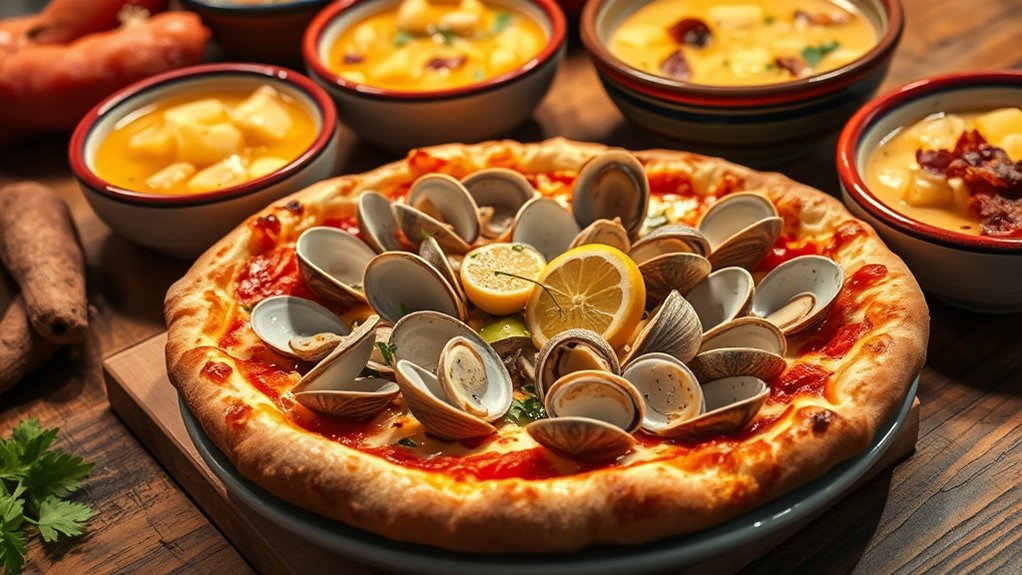
Connecticut’s culinary identity shines through its signature dishes and regional specialties that have evolved over centuries. You’ll find classic comfort foods like chicken potpie and fried oysters, reflecting the state’s coastal and agricultural roots. Regional favorites include Connecticut-style clam chowder, made with local seafood, and steamed cheeseburgers, a unique regional creation from the 1920s. The table below highlights some key specialties:
| Dish | Origin/Region | Notable Ingredients |
|---|---|---|
| Connecticut Clam Chowder | Coastal, New Haven area | Clams, potatoes, cream |
| Steamed Cheeseburgers | Central Connecticut | Beef patties, steamed bun |
| Grape-Nuts Pudding | Historical, statewide | Grape-Nuts cereal, milk pudding |
These dishes showcase Connecticut’s rich, diverse food history rooted in local resources and tradition. Additionally, understanding the offensive security techniques used by ethical hackers can provide deeper insight into how vulnerabilities are exploited and mitigated in cybersecurity.
Immigrant Influences and Culinary Fusion
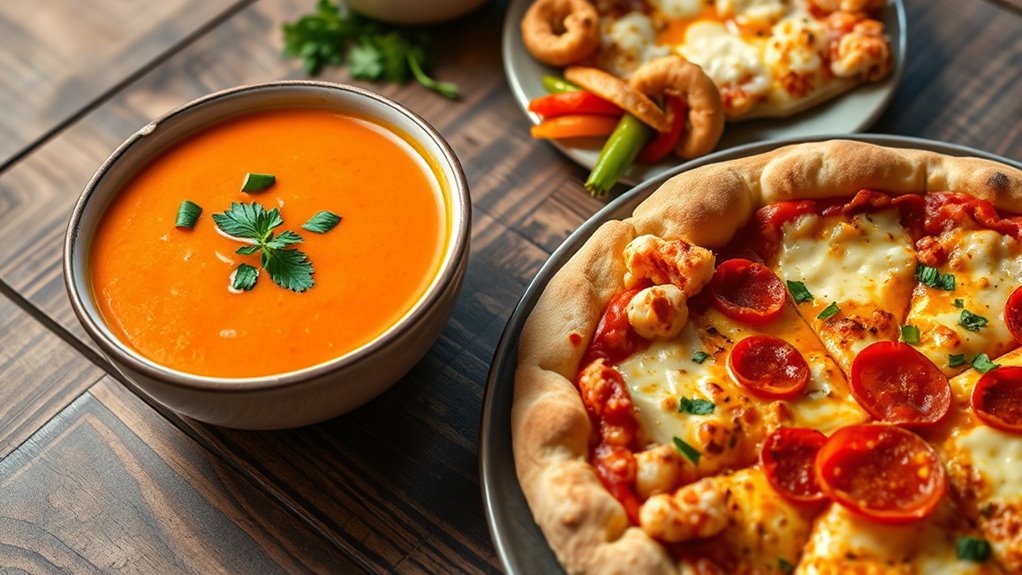
Immigration has played a pivotal role in shaping Connecticut’s culinary landscape, bringing new flavors and techniques that blend seamlessly with local traditions. You’ll find Italian-American immigrants introducing clam pies and scali bread, which add European flair to coastal ingredients. Portuguese communities contribute stuffed clams, or “stuffies,” combining regional shellfish with traditional flavors. Jewish immigrants brought adaptations like beef knishes, reflecting cultural integration. These diverse groups transformed regional cuisine by melding their authentic dishes with local seafood, meats, and produce. As waves of newcomers arrived, Connecticut’s food scene evolved into a melting pot of influences, fostering culinary fusion. You’ll notice this blend in everything from casual seafood shacks to fine dining, creating a vibrant, multicultural food heritage rooted in both tradition and innovation.
Agricultural Roots and Local Livestock Traditions
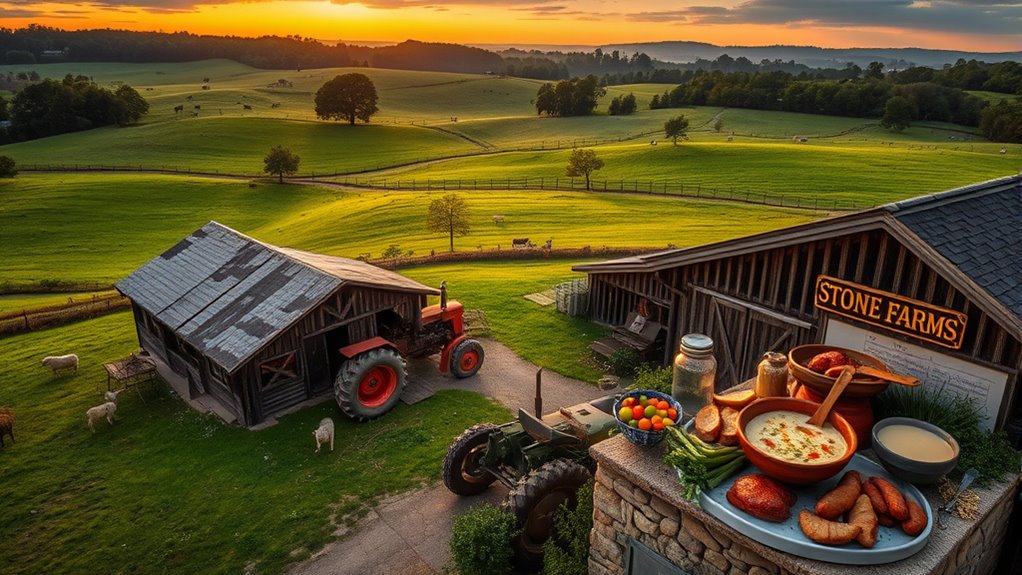
Since early settlers arrived, small-scale farming and livestock raising have been central to Connecticut’s culinary roots. You’ll find that families raised cattle, pigs, and chickens, providing essential proteins and dairy products. Corn-fed pigs became especially important, often leading to seasonal pork festivals and serving as a key export during colonial times. Crops like rye, pumpkins, and corn supported both sustenance and local markets. Farming was community-oriented, with butchering and harvest festivals marking seasonal cycles. By the mid-1800s, dairy farming flourished, making Connecticut a major milk and egg producer. This agricultural foundation shaped regional dishes and supported coastal fishing, creating a balanced food economy rooted in local livestock, crops, and seafood, which continues to influence Connecticut’s culinary identity today. Additionally, the region’s agricultural practices evolved to include new techniques and crops, further enriching the local cuisine and supporting diverse food traditions.
Evolution of Food Industry and Contemporary Food Culture

As Connecticut’s rich agricultural and fishing traditions grew, the landscape of its food industry began to change in the 20th century. You’ll notice the rise of food corporations like Pepperidge Farm and the first Subway, transforming local food production into a broader commercial enterprise. Industrial innovations, such as specialized steamers, helped create unique regional dishes like the steamed cheeseburger. You’ll also see how specialty products, blending tradition and modernity, gained popularity beyond the state’s borders. Meanwhile, the coastal fishing industry remains essential, supplying fresh seafood for local dishes like clam chowder and clam pies. Today’s food culture balances honoring historical staples with embracing contemporary trends—fusion cuisine, seasonal eating, and diverse immigrant influences—creating a vibrant, evolving culinary scene rooted in Connecticut’s rich traditions. Additionally, the ongoing emphasis on positive thinking encourages chefs and restaurateurs to innovate and adapt, fostering resilience and creativity in the culinary community.
Frequently Asked Questions
How Have Native American Ingredients Influenced Modern Connecticut Dishes?
You’ll notice Native American ingredients like corn, beans, squash, and venison still influence modern Connecticut dishes. These staples appear in dishes like corn-based salads, hearty stews, and farm-to-table recipes highlighting local produce. Chefs often incorporate Native ingredients to honor tradition, blending them with contemporary techniques. Seafood remains prominent, but the use of native crops adds authenticity and a connection to Connecticut’s rich indigenous culinary history.
What Role Do Seasonal Festivals Play in Connecticut’s Food Traditions?
Seasonal festivals in Connecticut celebrate the state’s rich food traditions by highlighting harvests, seafood, and regional specialties. You get to experience local produce, seafood, and traditional dishes during these events, which foster community and preserve heritage. These festivals often feature cooking demonstrations, tastings, and rituals rooted in colonial and indigenous practices, making them a lively way for you to connect with Connecticut’s culinary history and enjoy seasonal flavors in a festive atmosphere.
How Do Contemporary Chefs Incorporate Historical Recipes Into Modern Cuisine?
You’ll find that contemporary chefs often incorporate historical recipes into modern cuisine by blending traditional techniques with current flavors and presentation styles. They might reinterpret a colonial clam chowder with fresh herbs or elevate a steamed cheeseburger using artisanal ingredients. It’s like discovering a coincidence—honoring the past while creatively transforming it to appeal to today’s palate. This approach keeps Connecticut’s culinary history alive, engaging diners with a delicious sense of heritage and innovation.
What Are the Regional Differences Within Connecticut’s Culinary Landscape?
You’ll notice regional differences in Connecticut’s culinary landscape, especially between coastal and inland areas. Coastal regions emphasize fresh seafood like clams, oysters, and lobster, reflecting their maritime heritage. Inland areas focus more on farm-to-table ingredients, such as pork, dairy, and seasonal vegetables. You might find traditional dishes like clam chowder and seafood pies along the coast, while inland communities enjoy hearty meats and locally grown produce, showcasing diverse local food cultures.
How Has Connecticut’s Food Culture Evolved With Recent Immigrant Communities?
You see Connecticut’s food culture evolving as immigrant communities bring new flavors and techniques. Italian-Americans introduce clam pies and scali bread, while Portuguese immigrants add stuffed clams or “stuffies.” Jewish communities contribute beef knishes, blending traditions. These groups adapt and fuse their foods with local ingredients, enriching Connecticut’s culinary scene. As a result, you experience a diverse tapestry of flavors that reflect ongoing cultural exchange and a dynamic, multicultural food landscape.
Conclusion
You might think Connecticut’s cuisine is just traditional, but it’s a vibrant mix of history, innovation, and diverse influences. From farm-fresh ingredients to exciting fusion dishes, the state’s food scene constantly evolves. Don’t overlook its culinary roots—embracing both the old and new makes every meal memorable. So, next time you dine in Connecticut, savor not just the flavors but the rich stories behind them. Taste the history, and enjoy the adventure.