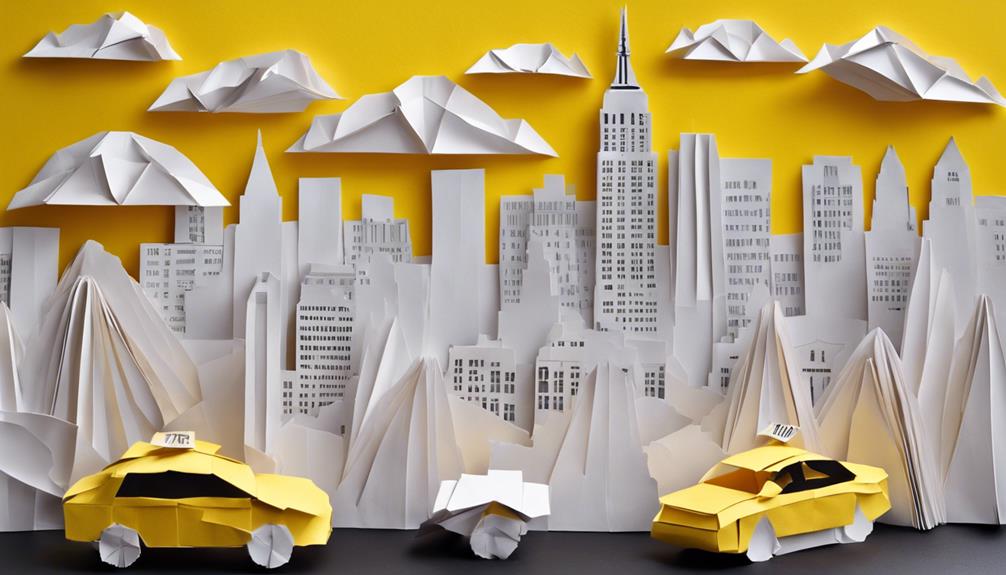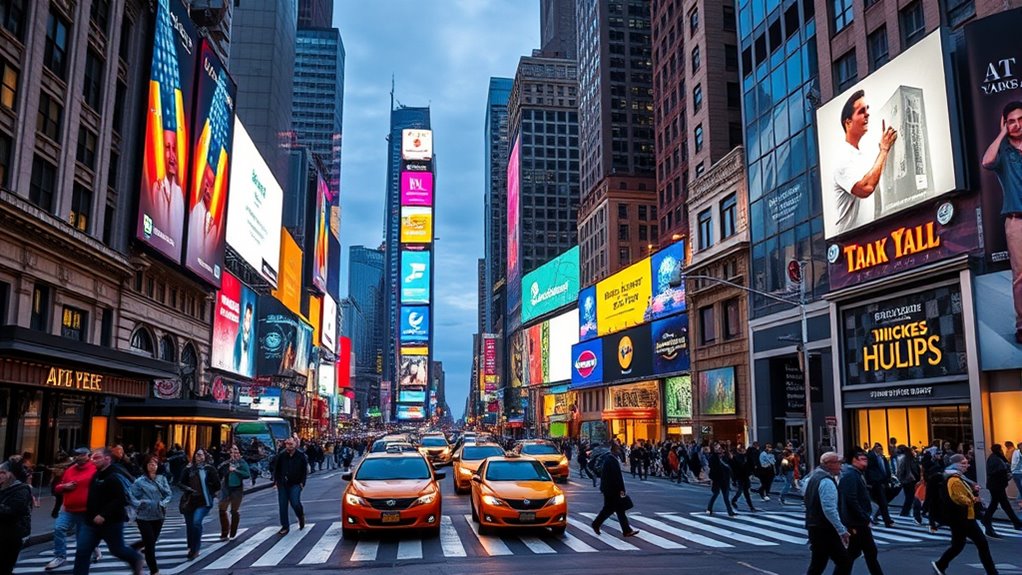

You can explore how New York’s history begins with Dutch trading posts and colonial roots, then shifts through British control and revolutionary independence. The city grew rapidly in the 19th century, modernizing with skyscrapers, new neighborhoods, and diverse communities. Its culture flourished with iconic landmarks like the Statue of Liberty and Empire State Building. Despite challenges like 9/11 and COVID-19, New York displayed resilience. If you continue, you’ll uncover the rich stories behind its vibrant evolution.
Key Takeaways
- New York’s history began with Dutch settlement in 1624, later becoming British-controlled and evolving into a global metropolis after 1898.
- The city is renowned for iconic landmarks like the Statue of Liberty, Empire State Building, and cultural institutions such as the Met and MoMA.
- Immigrant waves shaped New York’s diverse neighborhoods, enriching its cultural landscape and culinary scene.
- Major events like 9/11 and the COVID-19 pandemic demonstrated the city’s resilience and capacity for renewal.
- Its cultural influence extends worldwide through festivals, arts, fashion, and being a hub for innovation and global commerce.

Hidden Landmarks of New York: A Tour of the City's Most Overlooked Buildings
As an affiliate, we earn on qualifying purchases.
As an affiliate, we earn on qualifying purchases.
Early Settlements and Colonial Foundations
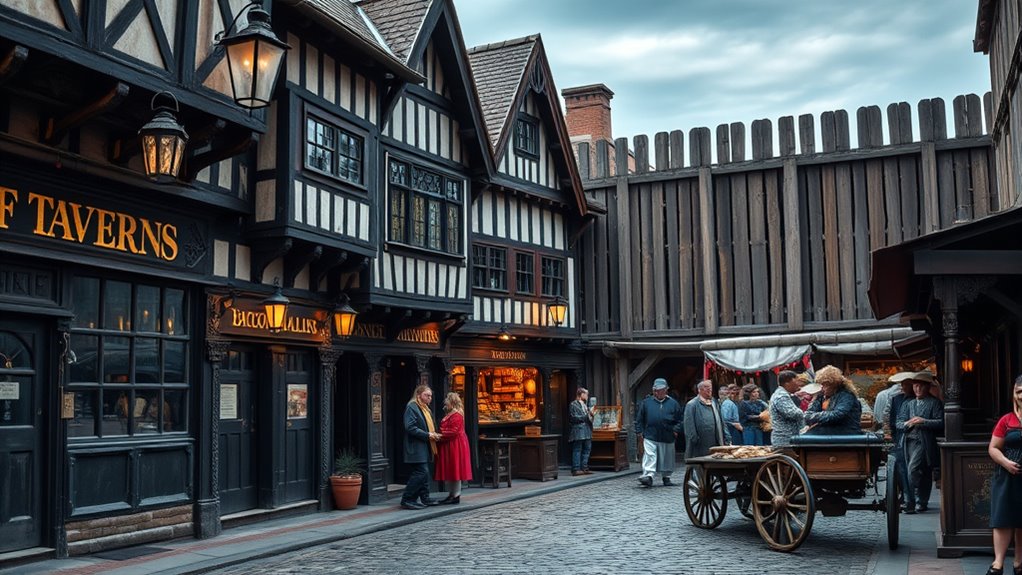
Have you ever wondered how New York City first came to be? It all started with Dutch explorers in 1624 when they set up a trading post at the southern tip of Manhattan. The next year, they named it Nieuw Amsterdam and made it the seat of their colony, Nieuw Netherland. Peter Minuit, the first Director-General, famously bought Manhattan Island from local indigenous peoples in 1626, paying with trade goods. The Dutch built Fort Amsterdam in 1635 to protect their interests. Over the next decades, they expanded the colony by founding towns like Breukelen (now Brooklyn), Vlissingen (Flushing), and Nieuw Harlem (Harlem). These early settlements laid the foundation for what would become a vibrant, diverse city. Additionally, the early development of cultural diversity contributed to the city’s dynamic character and growth.

ASUNFO 7.1 Inch Empire State Building Statue Figurine New York City Souvenirs for Home Office Decor(Antique Copper)
Size:1.57×2.4×7.1 inch(4x6x18cm).
As an affiliate, we earn on qualifying purchases.
As an affiliate, we earn on qualifying purchases.
Transition to British Control and Revolutionary Roots

In 1664, the Dutch colony of Nieuw Amsterdam fell to the British, marking a significant shift in New York’s control. You might imagine how this change impacted residents who had grown accustomed to Dutch laws and customs. The British renamed the city New York, after the Duke of York, and took control of key ports and trade routes. Briefly, the Dutch recaptured the city in 1673, but the Treaty of Westminster in 1674 returned it to British hands. This changeover set the stage for future conflicts and revolutionary ideas. As the 18th century unfolded, New Yorkers began to develop a distinct identity, influenced by both British rule and growing resentment toward imperial policies. These roots would fuel the revolutionary movement, shaping the city’s future independence, highlighting the importance of cultural identity in colonial America.

DS. DISTINCTIVE STYLE Statue of Liberty Model – Metallic Statue – Figurine for Souvenirs (5.9 Inch)
Magnificent metal mini-model
As an affiliate, we earn on qualifying purchases.
As an affiliate, we earn on qualifying purchases.
Growth During the 19th Century and Urban Development

After coming under British control, New York began transforming rapidly throughout the 19th century. You see, the city expanded both physically and economically. The introduction of steam-powered ferries in 1817 linked Staten Island and Manhattan, boosting trade and mobility. As waves of immigrants arrived, they filled neighborhoods and fueled industrial growth, transforming the city’s identity. The abolition of slavery in 1827 marked a step toward progress, shaping a more inclusive society. Urban infrastructure improved with the opening of Central Park in 1858, offering residents a crucial green space amid rapid development. Skyscrapers like the Flatiron Building emerged in the late 1800s, symbolizing modernization. This era laid the foundation for New York’s rise as a major global metropolis, blending expanding industries, diverse communities, and innovative architecture.

New York City Adventure Bucket List: 50 Scratch-Off Cards for Outdoor Activities, Tourist Attractions, and Road Trips – Perfect Travel Gift and Guide for Exploring New York City
50 NEW YORK CITY ADVENTURES – Explore exciting adventures in & around New York City with this unique…
As an affiliate, we earn on qualifying purchases.
As an affiliate, we earn on qualifying purchases.
The Birth of Modern New York and Consolidation

What transformed New York into the sprawling metropolis we recognize today was its bold move to consolidate its separate boroughs into a single city in 1898. This unification created the modern five-borough metropolis, combining Manhattan, Brooklyn, Queens, the Bronx, and Staten Island. The decision aimed to streamline governance and boost economic growth, fueling urban development. You’d see the city’s boundaries expand, allowing for coordinated planning and infrastructure projects. This consolidation marked the beginning of New York’s rise as a global hub of finance, culture, and innovation. It also laid the groundwork for rapid population growth and industrialization. As a result, New York began to develop a distinct identity as a unified, dynamic city rather than a collection of independent communities, with urban planning playing a critical role in shaping its growth.
The City’s Cultural Flourishing and Architectural Landmarks

The consolidation of New York in 1898 set the stage for the city’s extraordinary cultural and architectural development. You can’t explore New York’s vibrancy without noticing its iconic landmarks. The Empire State Building and Chrysler Building define the skyline’s Art Deco elegance, while the Statue of Liberty symbolizes hope and freedom. Central Park offers a lush oasis amid urban hustle, and museums like the Met and MoMA showcase world-class art. Broadway’s theaters epitomize entertainment excellence, drawing millions for performances. The Brooklyn Bridge connects neighborhoods and stands as a marvel of engineering. These landmarks reflect New York’s innovation, resilience, and cultural diversity. You’ll find that each structure and cultural institution contributes to a city that continually redefines itself as a global hub of art, architecture, and creativity. Additionally, the city’s architectural landmarks serve as symbols of its evolving identity and influence worldwide design trends.
Challenges and Transformations in the 20th Century
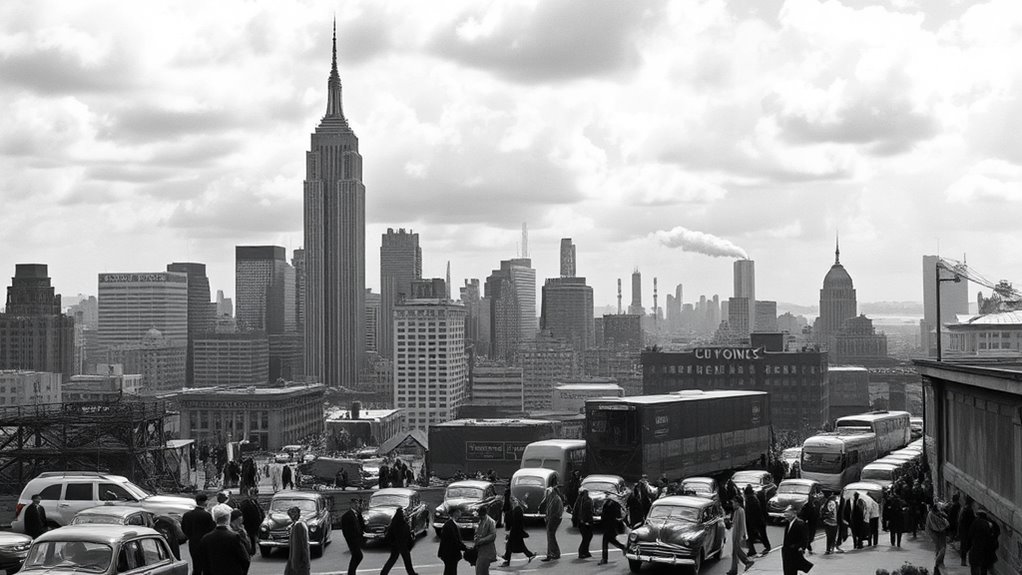
Did you know that the 20th century brought both remarkable growth and significant struggles to New York City? You experienced rapid expansion, becoming a global financial and cultural hub, especially in the 1920s with skyscrapers like the Empire State Building. But the century also challenged the city’s resilience. The Great Depression hit hard, leading to unemployment and social unrest, such as the Harlem Riot in 1935. During World War II, NYC was a essential industrial center, yet post-war suburbanization drained resources and population. The 1970s nearly bankrupted the city, with headlines like “Ford to City: Drop Dead.” Crime soared, but later declined thanks to tough policies. Throughout the century, NYC faced economic, racial, and social upheavals, transforming into a resilient, diverse metropolis. Additionally, efforts to improve appliance maintenance plans and energy efficiency have become part of the city’s modern sustainability initiatives.
Resilience Through Crises and Global Influence
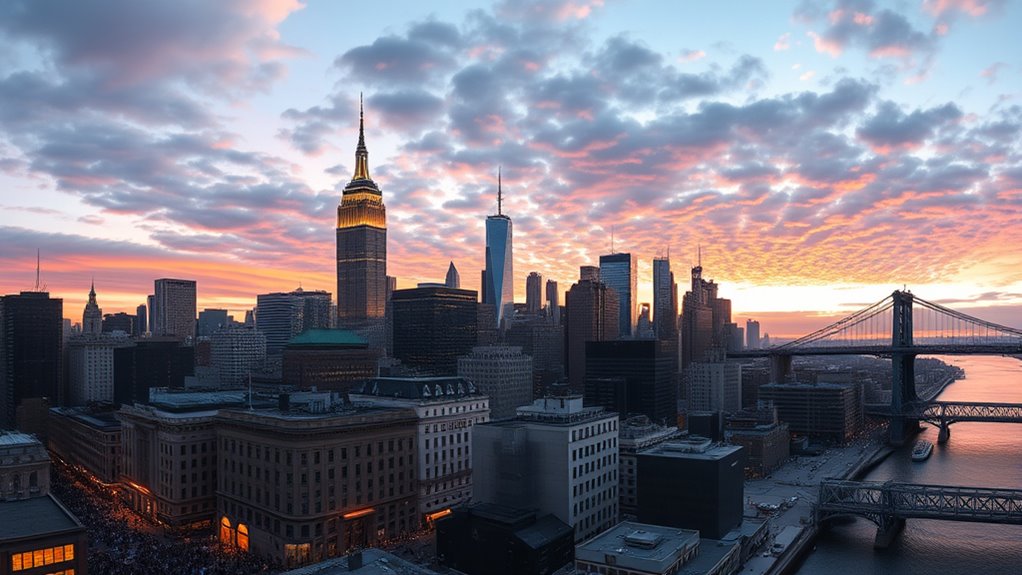
You see how New York has faced economic downturns, natural disasters, and terrorist attacks, yet always manages to bounce back stronger. The city’s ability to rebuild after the 2001 September 11 attacks shows its resilience and determination. Today, its recovery from the COVID-19 pandemic demonstrates how New York continues to adapt and maintain its global influence. The use of essential oils in holistic health practices reflects a broader cultural appreciation for natural remedies and resilience.
Overcoming Economic Crises
Despite facing numerous economic crises over the centuries, New York City has consistently demonstrated remarkable resilience by adapting its financial systems, diversifying its economy, and mobilizing collective effort. During the Great Depression, the city launched public works projects like the Triborough Bridge and infrastructure improvements that created jobs and stimulated growth. In the 1970s, when facing near bankruptcy, city leaders implemented austerity measures and sought federal assistance, ultimately stabilizing finances. The 2008 financial crisis tested the city’s economy again, but its diversified sectors—finance, technology, healthcare, and media—helped it rebound quickly. Post-9/11, New York rebuilt its financial district and reinforced security. Today, ongoing innovation, a strong civic spirit, and global connections ensure the city remains a resilient economic powerhouse. Additionally, the city’s ability to foster creative expression and imagination in art has played a vital role in inspiring societal change and cultural evolution, contributing to its enduring vitality.
Post-9/11 Rebuilding
How did New York City rise from the devastation of September 11, 2001, to reaffirm its resilience and global influence? You witnessed the city come together, transforming grief into action. The rebuilding process focused on honoring those lost while creating new symbols of strength, like the One World Trade Center, now a beacon of hope. Urban renewal projects, including the 9/11 Memorial and the revitalization of Lower Manhattan, restored confidence and economic vitality. You saw financial institutions, cultural venues, and businesses reestablish themselves, reinforcing New York’s position as a global hub. The city’s unwavering spirit drove it to redefine itself, demonstrating resilience through innovation, unity, and determination. Today, New York stands as a testament to endurance, inspiring the world with its ability to recover and thrive. Resilience and recovery
Pandemic Resilience
After rebuilding from the devastation of September 11, New York City faced its next major challenge: the COVID-19 pandemic. You saw how the city’s resilience kicked in, with rapid efforts to protect public health and support the economy. Businesses adapted through remote work, and healthcare workers worked tirelessly on the front lines. Community organizations and volunteers stepped up, providing food and resources to those in need. The city’s innovation shone through in the development of testing sites, vaccination centers, and digital tools to keep residents informed. Despite setbacks, New Yorkers demonstrated their strength, unity, and ability to recover quickly. This resilience not only helped the city survive but also reinforced its global influence as a leader in crisis response and recovery. Additionally, the city’s Halloween celebrations continued to adapt, embracing new traditions and community events that fostered a sense of normalcy and unity amidst ongoing challenges.
The 21st Century: Innovation, Recovery, and Cultural Diversity
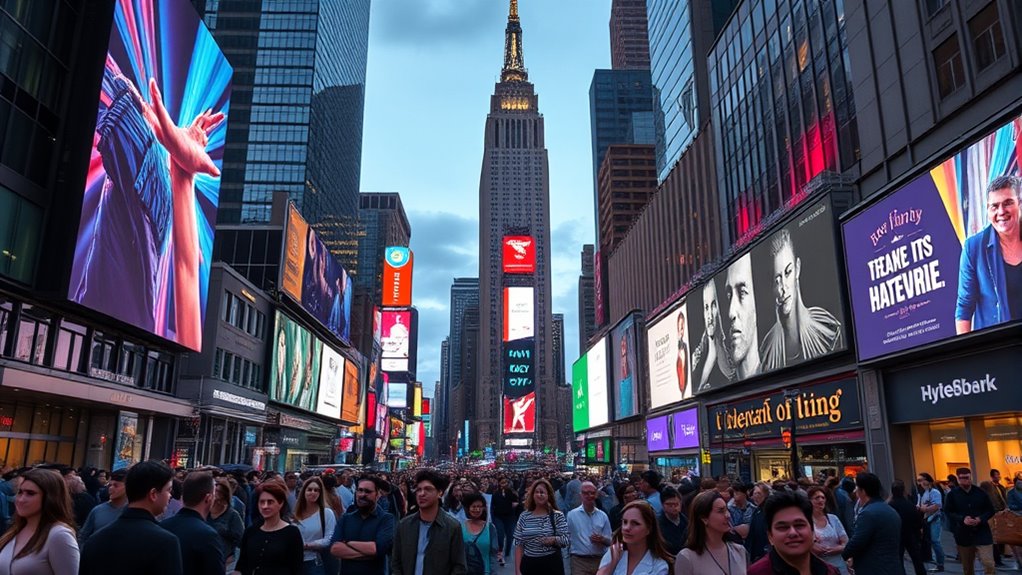
The 21st century has transformed New York City into a hub of innovation, resilience, and cultural diversity. You see it in the skyline with new skyscrapers like One World Trade Center and the High Line park revitalizing neighborhoods. The city rebounds from challenges like the COVID-19 pandemic through vaccination efforts and economic recovery. You experience its vibrant arts scene at institutions like the Met and MoMA, and its diverse communities shape a dynamic cultural landscape. Tech startups flourish in Brooklyn, and sustainability initiatives drive change. This ongoing evolution keeps NYC at the forefront of global finance, media, and culture. Here’s a snapshot of recent milestones:
| Innovation | Recovery | Cultural Diversity |
|---|---|---|
| Skyscrapers like One World | Post-pandemic growth | Celebrations of global festivals |
| Tech hubs in Brooklyn | Economic revitalization | Multilingual communities |
| Hudson Yards development | Infrastructure upgrades | Diverse culinary scenes |
| Green energy projects | Support for small businesses | Artistic expressions from around the world |
| Smart city initiatives | Public health advancements | Cultural institutions’ global influence |
Furthermore, the integration of Design Thinking principles in urban planning and community engagement initiatives fosters innovative solutions to complex city challenges.
Frequently Asked Questions
How Did Indigenous Peoples Influence Early New York Settlements?
You should recognize that indigenous peoples greatly influenced early New York settlements by sharing vital knowledge about the land, waterways, and resources. They introduced you to techniques for fishing, farming, and steering the region, which helped settlers survive and thrive. Their trade networks and cultural practices shaped the development of communities like Manhattan, and their interactions laid the groundwork for the complex relationships that would evolve over time.
What Role Did New York Play in the American Revolution?
You might be surprised to learn that New York played a vital role in the American Revolution. As a strategic port and key city, it became a battleground and rallying point for revolutionaries fighting for independence. You can imagine how the city’s location and resources helped shape the fight, serving as a hub for Patriot activities, and later, welcoming victory celebrations when the British finally surrendered in 1783.
How Did Immigration Shape New York’s Cultural Diversity?
Immigration transformed New York into a vibrant melting pot. You see waves of newcomers from Europe, Asia, and beyond, bringing diverse languages, traditions, and cuisines. These groups settle in neighborhoods like Little Italy and Chinatown, shaping the city’s culture. As an immigrant yourself, you contribute to this rich tapestry, fostering innovation, resilience, and a unique identity that makes New York truly global and ever-evolving.
What Impact Did the 20th-Century Infrastructure Projects Have on the City?
The 20th-century infrastructure projects transformed New York City by improving transportation, connecting neighborhoods, and supporting economic growth. You benefit from the Triborough Bridge, Lincoln Tunnel, and subway expansions, which make commuting easier. These projects also spurred urban development, boosted commerce, and enhanced access to cultural and recreational sites. As a result, the city became more connected, dynamic, and resilient, laying the foundation for its continued status as a global metropolis.
How Has New York’s Identity Evolved Post-9/11?
After 9/11, your New York City’s identity shifted from vulnerability to resilience. You see it in how the city rebuilt the World Trade Center, with the new One World Trade Center now standing as the tallest building in the Western Hemisphere. More than that, you feel a renewed sense of unity and strength, as communities come together and the city continues to symbolize hope, perseverance, and innovation on a global scale.
Conclusion
You’ve explored New York’s rich history and vibrant culture, from its colonial roots to its status as a global hub. Did you know that over 8 million people speak more than 200 languages in the city? This diversity fuels its innovation and resilience. As you see, New York continues to evolve, overcoming challenges and shaping the world stage. Its story proves that with perseverance, the city’s spirit remains unstoppable.