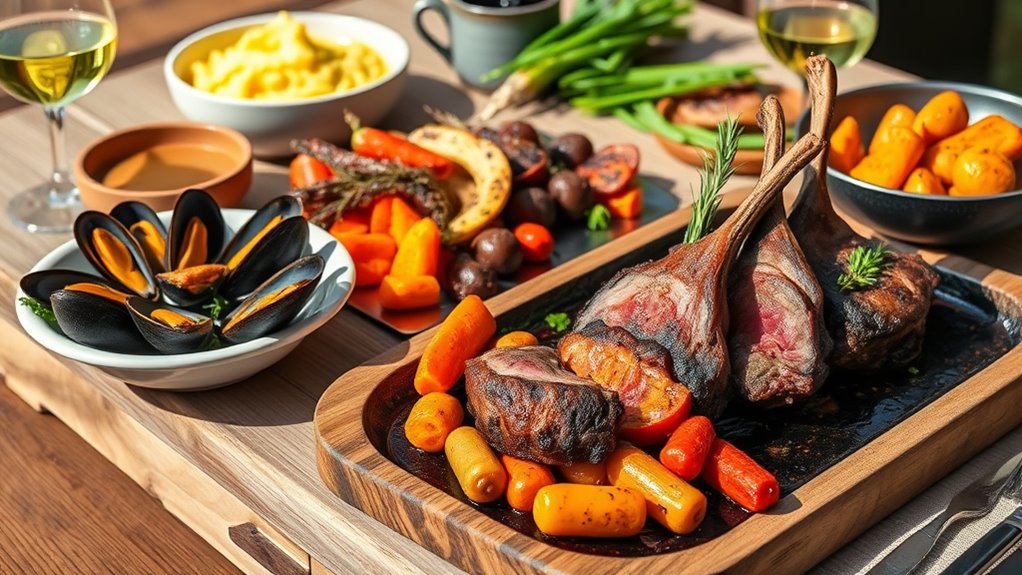

You’ll discover that New Zealand’s cuisine blends Māori traditions with British and European influences, creating a rich, diverse food scene. You’ll enjoy dishes cooked in traditional methods like hāngī, as well as fusion creations by chefs combining local ingredients with global flavors. Iconic foods like kūmara, Bluff oysters, and mānuka honey highlight the country’s commitment to sustainability and regional tastes. Explore further to uncover the cultural significance and innovative approaches shaping New Zealand’s culinary landscape.
Key Takeaways
- Māori traditional foods like hāngī, kūmara, and seafood reflect land and sea connections, emphasizing sustainable, communal practices.
- Fusion cuisine blends Māori ingredients with European and Asian influences, incorporating innovative techniques like geothermal cooking and sous-vide.
- Iconic local ingredients include Bluff oysters, mānuka honey, and native flora, highlighting regional specialties and sustainable harvesting.
- Regional variations feature seafood-centric coastal communities and inland lamb and venison dishes, shaped by local environments and seasonal festivals.
- The industry emphasizes sustainability, with regulated fishing, eco-friendly farming, and globally exported high-quality products like lamb, honey, and wines.
Māori hāngī cooking kit
As an affiliate, we earn on qualifying purchases.
As an affiliate, we earn on qualifying purchases.
Māori Traditional Foods and Cooking Methods
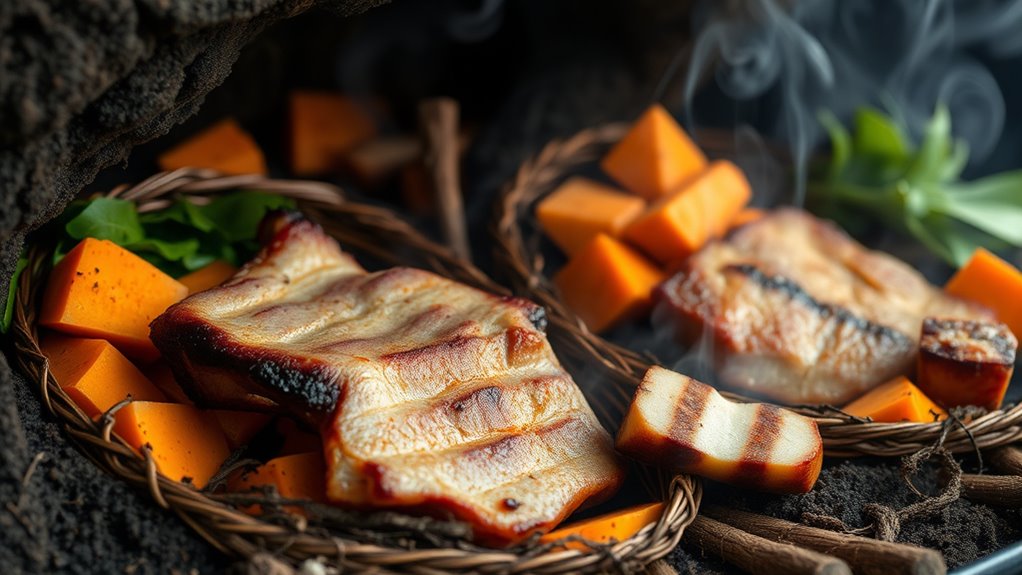
Māori traditional foods and cooking methods reflect a deep connection to the land and sea, with techniques that have been passed down through generations. One of the most iconic methods is hāngī, where you dig a pit about three feet deep, line it with heated stones, and place your food—like chicken, pork, lamb, pumpkin, potatoes, or kūmara—on top. You then cover everything with wet sacks and earth, trapping steam and heat to cook the food slowly. Kūmara, introduced by Polynesian settlers, remains a staple, grown in various vibrant colors. Seafood like pāua, oysters, and crayfish features prominently, but overfishing has become a concern. These traditional practices showcase a sustainable relationship with nature, emphasizing communal sharing and respect for natural resources. Additionally, the traditional Māori cooking techniques highlight an enduring respect for environmental balance and resource conservation.
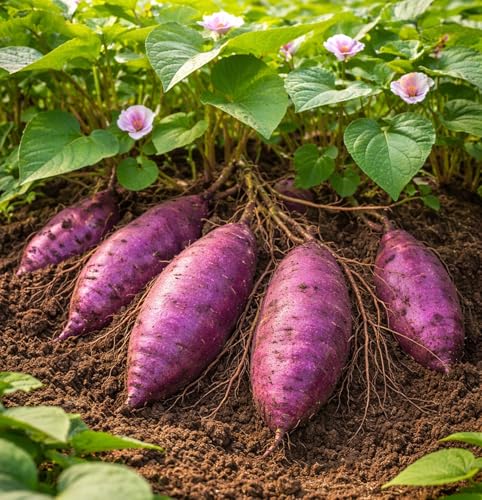
Purple Majesty Sweet Potato Slips for Growing – Purpley Skin & Purple Flesh Variety – Non-GMO Heirloom – High Yield Garden Starts for Planting – Make Delicious Kitchen Sweet Potatoes (6 Slips)
🌱 LIVE SWEET POTATO SLIPS – READY TO PLANT: Healthy, well-rooted Purple Majesty slips shipped fresh and ready…
As an affiliate, we earn on qualifying purchases.
As an affiliate, we earn on qualifying purchases.
Influences of British and European Cuisine
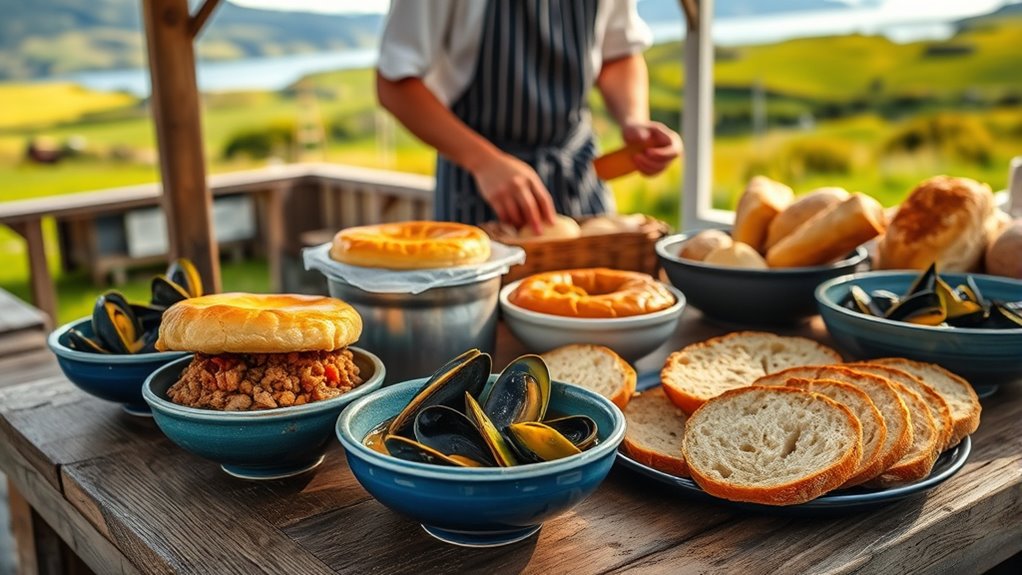
British and European influences have profoundly shaped New Zealand’s culinary landscape, blending traditional techniques with local ingredients. You’ll find classic dishes like fish and chips, a staple takeaway enjoyed nationwide, and meat pies filled with minced meat as a popular snack. Roast lamb, often prepared with rosemary and seasonal vegetables, stands as a national favorite and export. Rēwena bread, a Māori sourdough made with potato starter, reflects European baking traditions fused with indigenous methods. Whitebait fritters, derived from European settler practices, showcase the use of juvenile fish in local cuisine. These influences introduced a variety of cooking styles and dishes that have become integral to New Zealand’s food scene, while maintaining a distinctive identity rooted in its multicultural history. Additionally, cybersecurity vulnerabilities, such as phishing scams and data breaches, have become concerns even in the culinary industry, prompting establishments to adopt better security practices.

Dexter-Russell New Haven Style Oyster Knife | Sani-Safe | S121 | High-Carbon Stainless Steel
PROFESSIONAL OYSTER KNIFE PERFORMANCE – Designed for professional shuckers and home cooks, this Dexter-Russell oyster knife delivers control,…
As an affiliate, we earn on qualifying purchases.
As an affiliate, we earn on qualifying purchases.
Iconic Ingredients and Local Produce
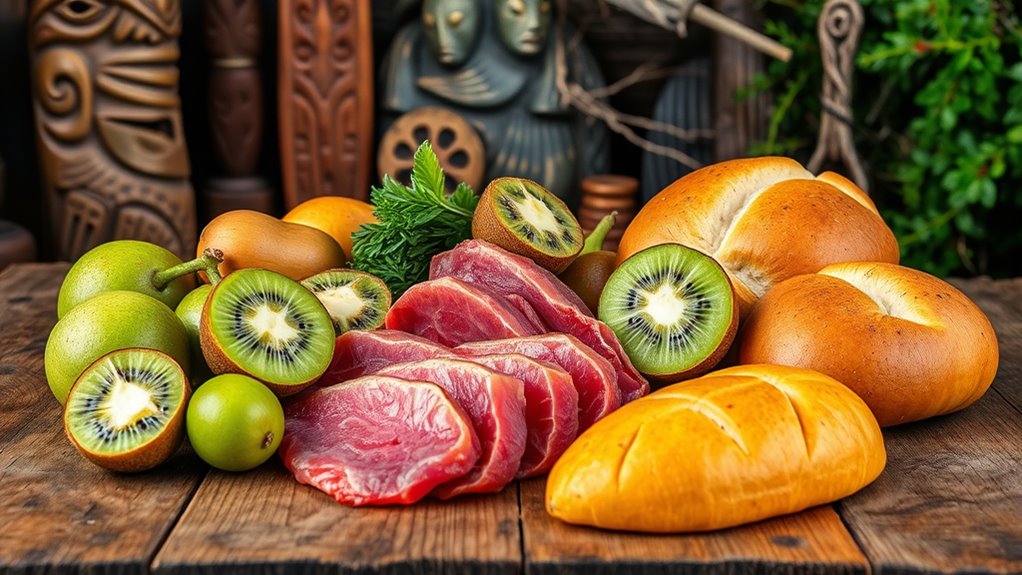
New Zealand’s culinary identity is strongly shaped by its iconic ingredients and local produce, which are celebrated both within the country and around the world. You’ll find that these ingredients define many traditional and modern dishes. For example, you can enjoy:
- Kūmara (Sweet Potato): A staple crop used in salads, curries, and fries, with vibrant colors and rich flavor.
- Bluff Oysters: Harvested seasonally from Foveaux Strait, prized for their delicate taste.
- Mānuka Honey: Made from native mānuka trees, renowned for its unique flavor and medicinal properties.
This connection to native flora and sustainable harvesting practices emphasizes the importance of sound design in promoting authentic culinary experiences.

Manuka Hunters Raw New Zealand Honey Gift Set 4-Pack Honey Sampler with UMF 5+,10+,15+,20+ (125g = 85ml Each) – 100% Pure Natural Sweetener – Ideal for Tea, Coffee, Smoothies, Baking – Sustainable
4 Unique Grades of Pure Manuka Honey in One Set: Experience the full spectrum of premium New Zealand…
As an affiliate, we earn on qualifying purchases.
As an affiliate, we earn on qualifying purchases.
Fusion Cuisine and Culinary Innovation
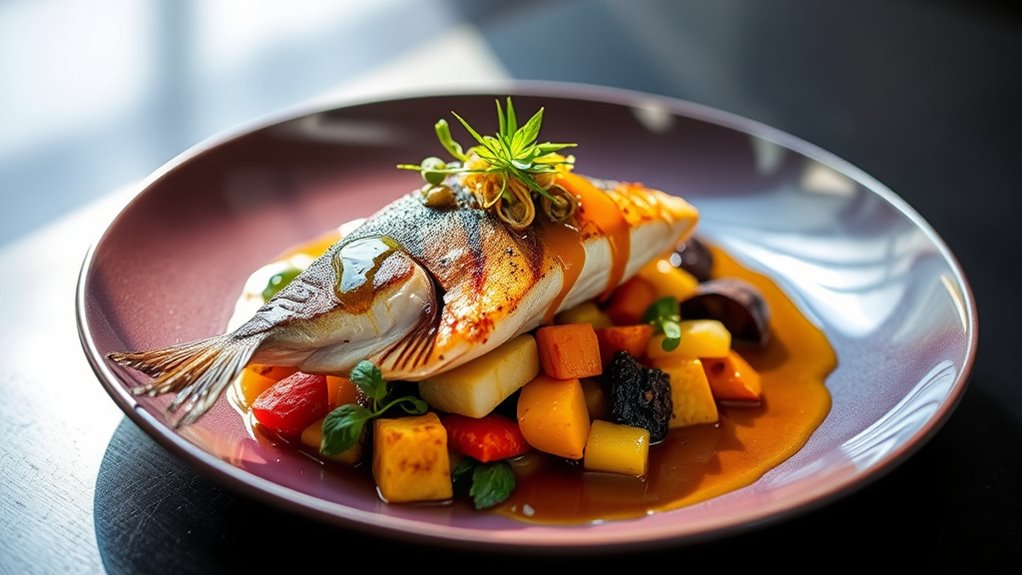
You’ll notice how New Zealand chefs blend multicultural influences, combining Māori, European, and Asian flavors in innovative ways. They use techniques like geothermal cooking and modern plating to create exciting dishes that reflect the country’s diverse heritage. These culinary innovations showcase how tradition and creativity come together to define contemporary Kiwi cuisine, often incorporating fusion cuisine principles to develop unique flavor profiles.
Multicultural Culinary Influences
As a country shaped by diverse cultural influences, New Zealand has become a vibrant hub for fusion cuisine and culinary innovation. You’ll find chefs blending Māori traditions with British, Asian, and Mediterranean flavors, creating exciting new dishes. Here’s what stands out:
- Many restaurants incorporate native ingredients like mānuka honey, Bluff oysters, and kūmara into modern recipes, adding depth and local character.
- Fusion dishes such as seafood curries with Asian spices or lamb with Mediterranean herbs reflect New Zealand’s multicultural identity.
- Innovative techniques like farm-to-table sourcing and geothermal cooking showcase the country’s commitment to fresh, sustainable, and unique culinary experiences.
- The integration of culinary laws and regulations ensures food safety and authenticity, contributing to the country’s reputation for quality.
Innovative Cooking Techniques
How have New Zealand chefs pushed culinary boundaries through fusion and innovation? They combine Māori traditions with global influences, creating exciting new flavors. Peter Gordon, for example, blends Asian, Mediterranean, and indigenous ingredients in his dishes, showcasing culinary creativity. Chefs also experiment with local produce, like mānuka honey and Bluff oysters, in modern techniques such as sous-vide, smoking, and geothermal cooking. The farm-to-table movement emphasizes fresh, seasonal ingredients prepared with innovative methods. Some restaurants cook over geothermal pools in Rotorua, offering a unique experience. These techniques push beyond traditional boundaries, making New Zealand cuisine dynamic and globally recognized. By fusing diverse culinary cultures with cutting-edge methods, chefs elevate New Zealand’s food scene and attract international acclaim. Additionally, the use of culinary innovation continues to drive the country’s reputation as a hub for creative gastronomy.
Cultural Significance of Shared Meals and Gatherings
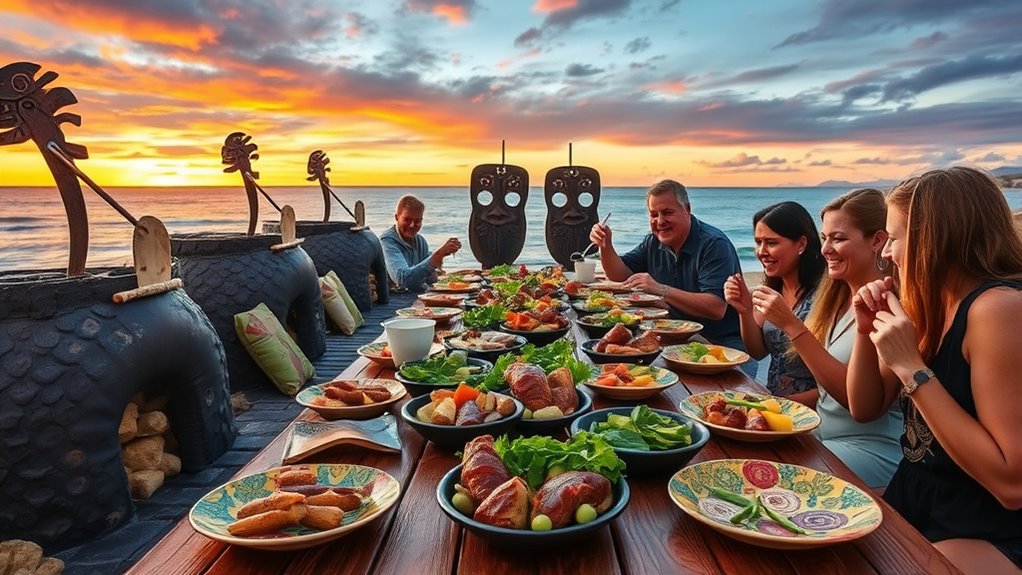
Shared meals and gatherings hold deep cultural importance in New Zealand, serving as essential moments for connection and community. When you participate in these moments, you embrace a tradition that fosters unity and sharing. Māori hāngī showcases this, where community members gather to prepare and enjoy food together, strengthening bonds. You’ll also find that:
Participating in shared meals in New Zealand strengthens community bonds and celebrates cultural unity.
- Food is a way to celebrate achievements or milestones, like birthdays or festivals.
- Hospitality is central; inviting others to share a meal reflects respect and generosity.
- Seasonal and regional dishes bring people together, emphasizing local pride and identity.
- The countryside setting of many gatherings enhances the sense of tradition and closeness, highlighting the importance of communal spaces.
Whether at a family barbecue or a community event, these gatherings reinforce social ties and cultural values, making shared meals a crucial part of New Zealand’s social fabric.
Regional Variations and Seasonal Delights
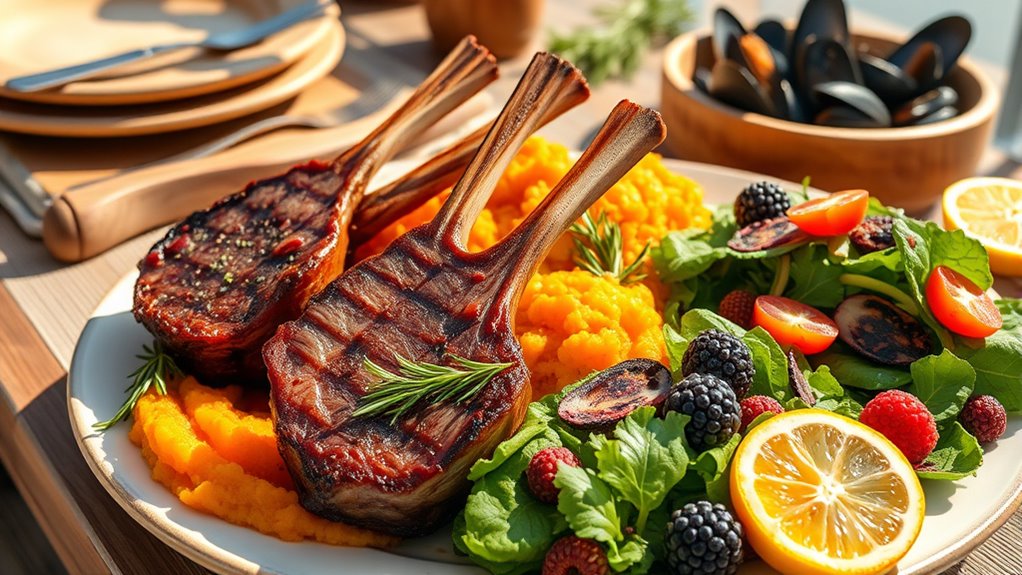
In New Zealand, your culinary experience varies greatly depending on where you are, with coastal areas offering fresh seafood like pāua and Bluff oysters, while inland regions focus on hearty lamb and venison dishes. Seasonal Māori harvests, such as kūmara and native plants, also influence local menus throughout the year. These regional and seasonal differences highlight the country’s diverse ingredients and culinary traditions. Incorporating local ingredients into dishes further emphasizes the unique flavors of each region.
Coastal Seafood Specialties
Coastal regions of New Zealand boast a rich variety of seafood specialties that reflect their unique environments and seasonal changes. You’ll find that each area offers distinct tastes and techniques. For example:
- In the South, Bluff oysters shine during their season, celebrated for their rich, briny flavor and served fresh or as part of gourmet dishes.
- Along the North Island, pāua (abalone) is prized for its colorful shell and tender meat, often enjoyed raw or lightly cooked.
- In the Marlborough region, whitebait is a seasonal delicacy, with fritters made from juvenile fish capturing the local flavor.
- Many coastal communities also feature specialized fishing methods that enhance the freshness and quality of their seafood, emphasizing traditional techniques passed down through generations.
Inland Lamb and Venison
While coastal seafood offers vibrant flavors, inland regions of New Zealand shine with their own culinary treasures—lamb and venison. You’ll find these meats featured in hearty roasts, stews, and grilling dishes, especially during seasonal peaks. Lamb, often raised on lush pastures, is a national favorite, enjoyed with rosemary or mint. Venison, sourced from wild or farmed deer, delivers a rich, gamey flavor perfect for slow-cooked meals. Regional variations include Canterbury’s roasted lamb and Otago’s venison steaks. The table below highlights key differences:
| Region | Specialty Focus |
|---|---|
| Canterbury | Lamb, especially roasts |
| Otago | Venison, game meats |
| Waikato | Lamb and mixed farm produce |
| Marlborough | Lamb and wine pairing |
| Southland | Venison and hearty stews |
Enjoy these seasonal delights for authentic inland flavors, where regional culinary traditions play a key role in shaping the local cuisine.
Seasonal Māori Harvests
Seasonal Māori harvests showcase the rich diversity of New Zealand’s indigenous food traditions, with each region celebrating its unique bounty throughout the year. You’ll find that different areas harvest specific foods at various times, reflecting local environments and customs.
- In spring, you might gather fernroot and huhu grubs, which are essential traditional ingredients.
- Summer brings the abundance of kūmara, especially in warmer regions, often enjoyed roasted or in stews.
- Autumn is prime time for harvesting seafood like pāua and whitebait, which are enjoyed fresh or preserved for later.
These seasonal variations highlight the Māori connection to nature, emphasizing respect and sustainability in their food practices. Your experience of these harvests reveals a deep-rooted harmony between land, sea, and community.
Celebratory Food Festivals and Events

Celebratory food festivals and events play a vital role in showcasing New Zealand’s rich culinary heritage and diverse local produce. When you attend these festivals, you experience firsthand the vibrant flavors and cultural traditions that define the country’s cuisine. Events like the Bluff Oyster Festival highlight seasonal delicacies, while food shows in major cities celebrate local ingredients like mānuka honey and kiwifruit. You’ll find farmers’ markets, seafood festivals, and wine tastings that emphasize farm-to-table practices and regional specialties. These gatherings foster community spirit, encourage local artisans, and promote sustainable practices. Whether sampling fresh seafood, savoring traditional Māori dishes, or enjoying modern fusion creations, you gain a deeper appreciation of New Zealand’s culinary diversity through these lively celebrations.
Sustainability and Conservation in Food Practices
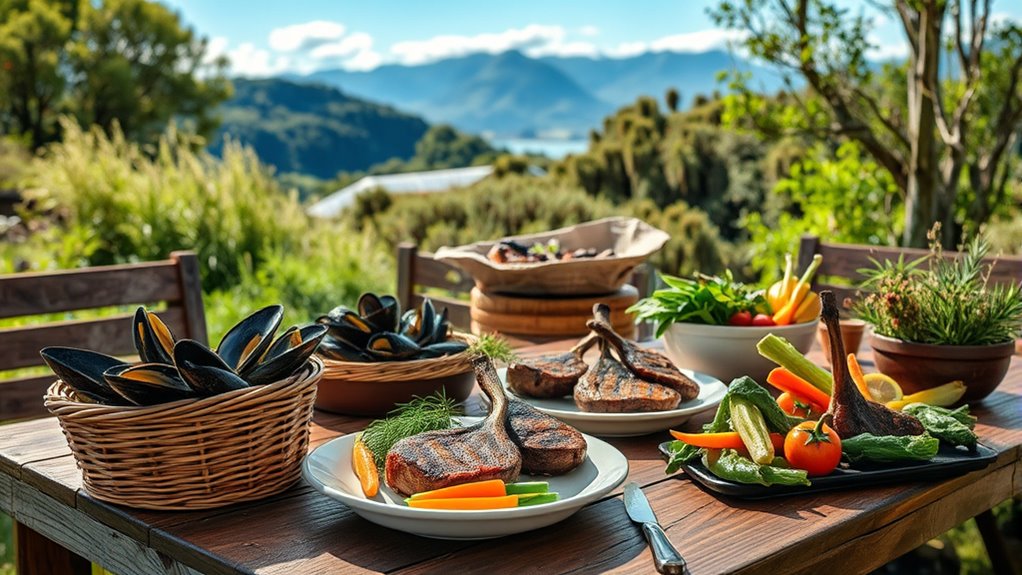
Sustainability and conservation are central to New Zealand’s food practices, as the country actively works to protect its unique natural resources. You can see this in how they manage fisheries, farm responsibly, and preserve native ecosystems.
- They regulate fishing seasons and quotas to prevent overfishing, especially for species like pāua and whitebait.
- Farmers adopt eco-friendly methods, such as rotational grazing and organic practices, to reduce environmental impact.
- Conservation efforts safeguard native plants and insects, with rāhui (resource restrictions) helping maintain biodiversity.
Exporting New Zealand’s Culinary Treasures
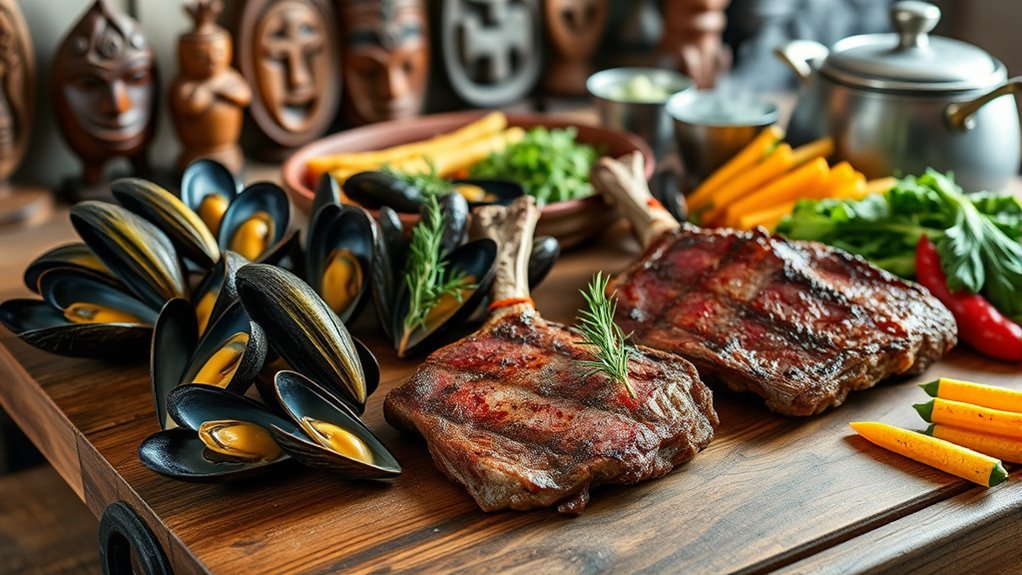
New Zealand has established a reputation for its high-quality culinary products, which are in demand worldwide. You can find our lamb, seafood, honey, and kiwifruit featured in international markets and gourmet restaurants. Our lamb, renowned for its tenderness and flavor, is a major export, appearing on menus from Tokyo to London. Mānuka honey commands premium prices due to its medicinal properties and unique flavor, making it a sought-after natural remedy globally. Kiwifruit, originally native to China, now thrives as a major export, with Zespri leading the market. Our wines, especially Sauvignon Blanc from Marlborough, win awards and are popular worldwide. By prioritizing quality and sustainability, you help guarantee that New Zealand’s culinary treasures continue to be celebrated across the globe.
Frequently Asked Questions
How Has MāOri Cuisine Influenced Modern New Zealand Dishes?
You can see Māori cuisine’s influence in New Zealand dishes through the use of traditional ingredients like kūmara, seafood, and native plants. Modern chefs incorporate hāngī techniques, and Māori flavors often blend with European and Asian styles, creating fusion dishes. You’ll notice community-focused meals and the importance of shared kai, reflecting Māori cultural values. This rich heritage shapes contemporary food experiences, celebrating history while embracing innovation across the country’s culinary scene.
What Role Do Indigenous Ingredients Play in Contemporary Fusion Recipes?
Indigenous ingredients play a essential role in contemporary fusion recipes by adding authentic flavors and cultural depth. You’ll see mānuka honey, kūmara, and native seafood like pāua incorporated into modern dishes, creating unique taste profiles. Chefs blend these ingredients with Asian, European, and Pacific influences, making each dish a celebration of New Zealand’s diverse heritage. This approach honors tradition while innovating, offering a distinctive culinary experience that reflects the country’s rich cultural tapestry.
How Do Seasonal Variations Impact Traditional and Modern New Zealand Menus?
Did you know that New Zealand’s seasonal produce varies markedly, influencing menus year-round? You’ll find fresh seafood like Bluff oysters in winter and vibrant kūmara in summer, shaping both traditional and modern dishes. As seasons change, chefs adapt by highlighting ingredients at their peak, creating a dynamic dining experience. This seasonal shift keeps menus fresh, celebrates local harvests, and reflects the country’s commitment to sustainability and regional flavors.
In What Ways Are New Zealand’s Culinary Practices Sustainable and Environmentally Friendly?
You’ll find that New Zealand’s culinary practices prioritize sustainability by emphasizing local, seasonal ingredients, reducing food miles and supporting local farmers. The government enforces fishing regulations to protect endangered species like whitebait, and many chefs adopt farm-to-table approaches. Additionally, geothermal cooking methods in Rotorua showcase eco-friendly techniques. These efforts help preserve natural resources, minimize waste, and promote environmentally responsible cuisine, ensuring the land and sea remain healthy for future generations.
How Do Food Festivals Promote Cultural Heritage and Local Produce?
You’ll find that food festivals boost cultural heritage and local produce by drawing thousands—Bluff Oyster Festival attracts over 10,000 visitors annually. You get to celebrate traditions, share stories, and enjoy regional flavors firsthand. These events encourage farmers and artisans to showcase their best, fostering pride and sustainability. By highlighting local ingredients and customs, festivals strengthen community ties and preserve unique culinary identities for future generations.
Conclusion
By exploring New Zealand’s cuisine, you’ll discover a world of flavors so vivid and diverse, it’s like tasting the soul of a nation. From ancient Māori delicacies to innovative fusion dishes, every bite offers a journey through breathtaking landscapes and rich traditions. Your palate will be forever transformed, craving the extraordinary, unforgettable tastes that make New Zealand’s culinary scene truly legendary. Prepare to be amazed beyond your wildest dreams—this is food like you’ve never known before.