
Colombian cuisine is a vibrant mix of indigenous, African, and colonial influences that shape diverse regional flavors and iconic dishes. From hearty soups like ajiaco in the highlands to seafood-rich coastal fare, each area highlights local ingredients like potatoes, corn, and tropical fruits. Staples like arepas, bandeja paisa, and sweets such as bocadillo symbolize cultural pride and history. Exploring these culinary traditions reveals Colombia’s rich heritage—if you keep exploring, you’ll uncover even more delicious stories behind its food.
Key Takeaways
- Colombia’s cuisine is a blend of Indigenous, Spanish, African, and Arab influences, shaping diverse regional flavors and dishes.
- Corn-based foods like arepas and empanadas play a central role in Colombian culinary identity.
- Regional specialties include hearty ajiaco in the Andes, bandeja paisa in Antioquia, and seafood in coastal areas.
- Traditional beverages such as coffee, fruit juices, and aguapanela are integral to Colombian culinary culture.
- Colombian sweets like arequipe and bocadillo highlight the country’s love for bold, tropical flavors and desserts.

Electric Arepa Maker and Mini Pancake Maker by StarBlue with FREE Arepa Recipes eBook – Quick and making 5 Venezuela and Colombia styles Arepas in 6 minutes AC 120V 60Hz 1200W
✔️ NON-STICK AREPA MAKER: Our Arepa maker is designed to ease the everyday Arepa making task for users,…
As an affiliate, we earn on qualifying purchases.
As an affiliate, we earn on qualifying purchases.
The Roots of Colombian Culinary Heritage

The roots of Colombian culinary heritage run deep, shaped by a rich history of Indigenous, Spanish, African, and Arab influences. You can see this blend in the ingredients used today, like rice, pork, chicken, plantains, and tropical fruits, which arrived through colonization and trade. Indigenous peoples relied on roots, fish, and local fruits, creating traditional dishes rooted in their environment. When Spanish conquistadors arrived, they introduced new crops such as yams and sweet potatoes, which were incorporated into local diets. African and Arab influences added spices and cooking techniques that enriched Colombia’s food culture. Over time, these diverse legacies merged, forming a culinary foundation that reflects Colombia’s complex history, regional variations, and cultural identity, making its cuisine uniquely vibrant and deeply rooted. The cultural diversity of Colombia is also evident in its regional specialties, which showcase local ingredients and traditional cooking methods.

IMUSA USA 4 Piece 0.5Qt Traditional Colombian Mini Calderos (Dutch Oven) for Cooking and Serving, Silver
4 PIECE CALDERO SET: This set Include 4 calderos with 0.5 quarts, providing exceptional flexibility for all your…
As an affiliate, we earn on qualifying purchases.
As an affiliate, we earn on qualifying purchases.
Regional Flavors and Traditional Dishes
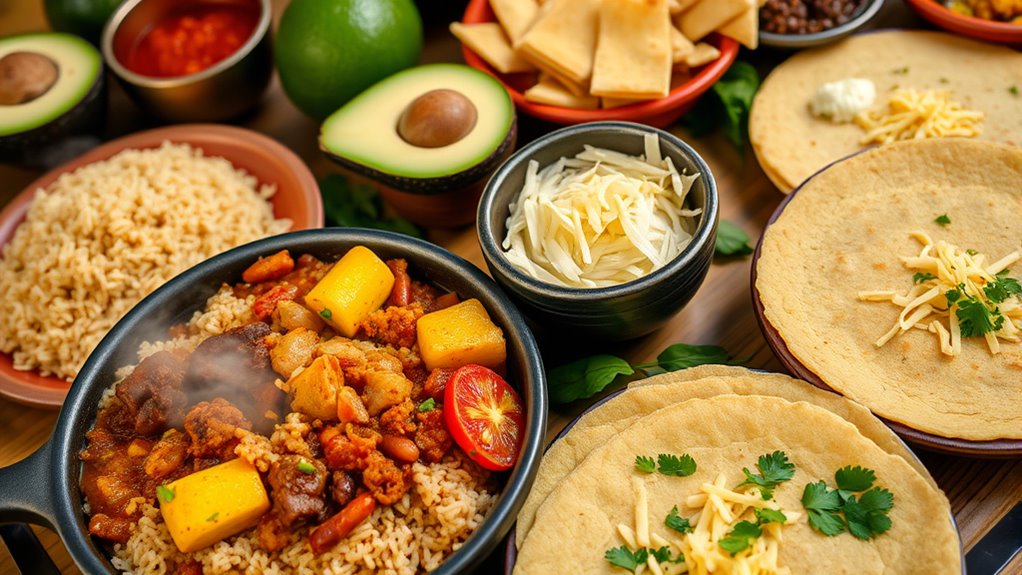
Colombia’s diverse geography and rich cultural tapestry give rise to distinct regional flavors and traditional dishes that showcase local ingredients and culinary techniques. In the Andean highlands, you’ll find hearty soups like ajiaco, made with chicken, potatoes, and guasca herbs, highlighting the region’s staple ingredients. Antioquia’s bandeja paisa reflects abundance, with beans, rice, grilled meats, fried eggs, and plantains. On the coast, seafood dominates, with dishes like sancocho de gallina featuring chicken, plantains, and yucca, flavored by Afro-Colombian spices. Each region’s climate influences ingredient use, from tropical fruits in Cali’s empanadas to mountain potatoes in the Andes. Proper shifting gears when cooking or preparing ingredients can enhance the flavors and textures of these dishes, ensuring a delicious result. These dishes embody local culture, history, and land, creating a vibrant mosaic of Colombian culinary identity.
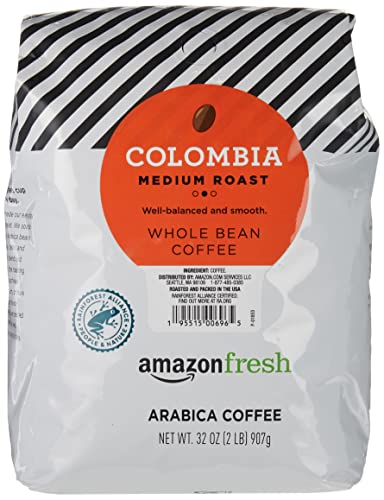
Amazon Fresh, Colombia Whole Bean Coffee Medium Roast, 32 Oz
Balanced, full-bodied medium roast with a smooth finish
As an affiliate, we earn on qualifying purchases.
As an affiliate, we earn on qualifying purchases.
The Significance of Arepas and Corn-Based Foods
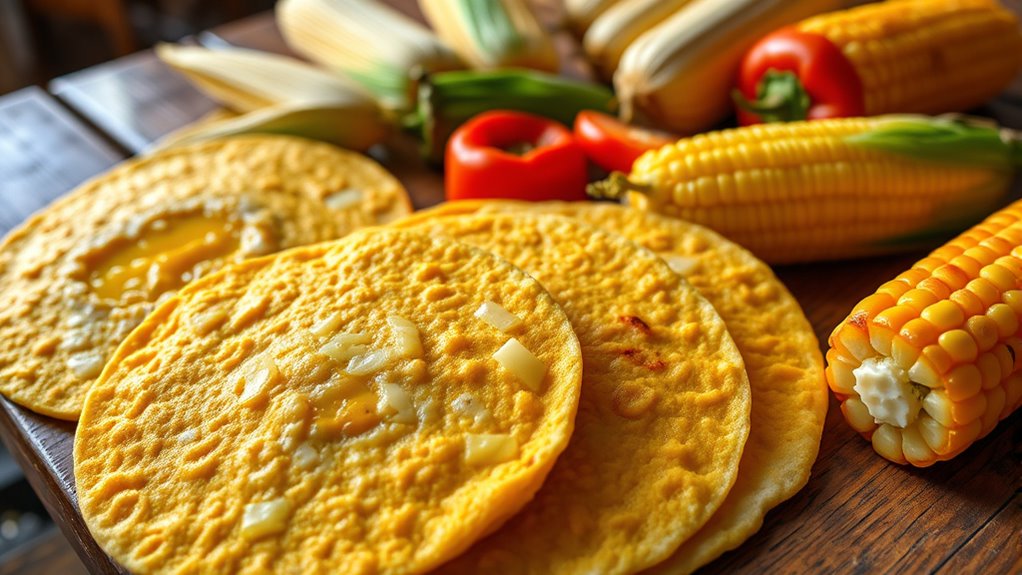
Arepas and other corn-based foods are incredibly versatile, fitting into breakfast, lunch, dinner, and snacks across Colombia. They serve as a symbol of cultural identity, representing regional traditions and shared history. By exploring their recipes and significance, you’ll see how corn unites diverse communities and culinary practices. Additionally, understanding the building an email marketing database process can help promote regional food traditions and culinary events more effectively.
Versatility in Recipes
Because corn holds a central place in Colombian cuisine, its versatility shines through in countless recipes across the country. You can enjoy corn in many forms, from crispy arepas to tender tamales and flavorful empanadas. Arepas, for example, vary regionally—sometimes filled with cheese, eggs, or meats—showing how adaptable corn dough can be. Cornmeal also forms the base for pandebono, a popular cheese bread, or for making atoles and porridges, especially in colder highland areas. Additionally, corn is used to prepare traditional stews like sancocho, where dried or fresh kernels add richness and texture. Its ability to serve as a main ingredient, side dish, or snack highlights just how integral corn is to Colombia’s culinary diversity. Natural materials are often incorporated into traditional cooking utensils and serving ware, further emphasizing the cultural importance of corn in Colombian traditions.
Cultural Identity Significance
Have you ever wondered why corn-based foods hold such a special place in Colombian culture? Arepas and other corn dishes symbolize regional identity, resilience, and shared history. These foods connect you to indigenous roots and colonial influences, reflecting Colombia’s diverse heritage. They’re more than sustenance—they embody community, pride, and tradition. The table below shows how different regions adapt corn into their culinary identity:
| Region | Signature Corn Dish | Cultural Significance |
|---|---|---|
| Andean | Arepa Boyacense | Indigenous legacy, daily life |
| Caribbean | Arepa de Huevo | Afro-Colombian heritage, festive occasions |
| Antioquia | Arepa Antioqueña | Regional pride, rural roots |
| Pacific | Corn tamales | Afro-Colombian traditions |
| Orinoquía | Arepa de Choclo | Livelihood, local customs |
Corn-based foods unite communities, embodying Colombia’s vibrant cultural identity. Additionally, traditional cooking methods play a crucial role in preserving these culinary traditions across generations.

Colombian Cookbook: Traditional Colombian Recipes Made Easy
As an affiliate, we earn on qualifying purchases.
As an affiliate, we earn on qualifying purchases.
Iconic Colombian Meals and Ingredients

Colombian cuisine is renowned for its signature dishes that showcase the country’s rich cultural tapestry and diverse regional flavors. You’ll find arepas, versatile cornmeal cakes, in almost every meal, with regional variations like Arepa de Queso and Arepa Boyacense. Bandeja paisa stands out as a hearty platter with grilled meats, beans, rice, fried pork rind, avocado, and sweet plantains, symbolizing abundance. Ajiaco, a thick chicken and potato soup with guasca herb, is popular in Bogotá’s highlands. Coastal regions emphasize seafood dishes like sancocho de gallina, a flavorful chicken and plantain stew. Tropical fruits such as guava and pineapple enrich desserts and beverages, while staples like corn, plantains, potatoes, and yuca form the backbone of many traditional recipes. The use of specialized ingredients and regional cooking techniques further highlight Colombia’s rich culinary diversity.
Cultural Symbols and Social Meanings in Food
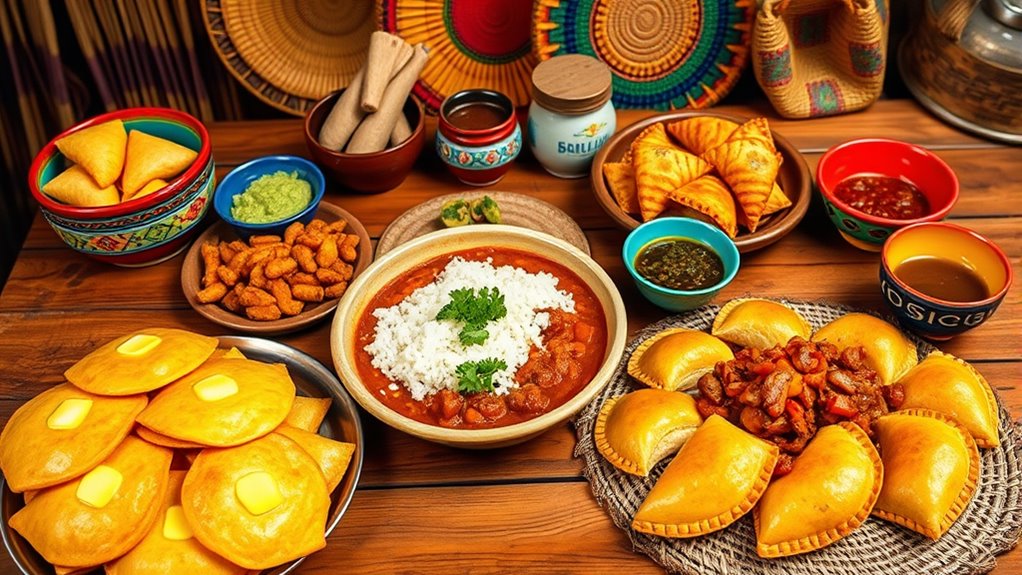
You can see how Colombian foods serve as powerful symbols of regional identity, reflecting local history and culture. Certain dishes and ingredients also indicate social status, with hearty platters like bandeja paisa embodying community pride but sometimes challenging nutritional ideals. Food traditions, thus, carry deeper meanings, representing cultural heritage and social distinctions across the country. Additionally, vetted traditional recipes often incorporate ingredients that are unique to specific regions, further emphasizing the cultural significance of local culinary practices.
Regional Identity Expressions
Regional dishes in Colombia serve as powerful symbols of local identity and cultural pride, reflecting centuries of history, migration, and social dynamics. You can see this in the vibrant colors and hearty portions that tell stories of land and people. Imagine:
| Region | Signature Dish | Social Meaning |
|---|---|---|
| Andean | Ajiaco | Heritage of indigenous roots |
| Antioquia | Bandeja Paisa | Prosperity and hard work |
| Coastal | Sancocho de Gallina | Connection to seafood and Afro roots |
| Caribbean | Arepas de Queso | Unity and adaptability |
| Pacific | Coconut Rice and Fish | Afro-Colombian cultural expression |
These dishes embody regional pride, social status, and cultural memory, creating a vivid tapestry of Colombia’s diverse identity. Cultural Significance also plays a crucial role in how these foods are celebrated and preserved across generations.
Social Status Indicators
Food in Colombia often functions as a powerful symbol of social status and cultural identity. When you serve or enjoy certain dishes, you convey your place within society and your regional roots. For example, a hearty bandeja paisa signifies regional pride and abundance, often associated with rural workers and hard work. Conversely, refined or elaborately prepared dishes, like gourmet empanadas or specialty desserts, can indicate higher social standing or wealth. Presentation matters too; carefully plated meals and premium ingredients send messages about sophistication and economic comfort. Traditional foods also serve as markers of ethnic heritage, reflecting indigenous, African, or Spanish influences. In social gatherings, sharing abundant, hearty meals demonstrates hospitality and social cohesion, reinforcing cultural values and community bonds. Recognizing the cultural symbolism in Colombian cuisine helps to understand the social dynamics and identities expressed through food.
Cultural Heritage Symbols
Cultural symbols embedded in Colombian cuisine reveal deeper social meanings and collective identities. You’ll notice how dishes like bandeja paisa embody regional pride, symbolizing abundance and hard work in Antioquia’s rural communities. Arepas represent unity across diverse regions, with variations reflecting local identities. Traditional ingredients such as yuca, plantains, and corn serve as symbols of resilience and adaptation, linking communities to their land and history. Food presentation and portion sizes often mirror cultural values—hearty, shared meals emphasize community and hospitality. In coastal areas, seafood and tropical fruits highlight Afro-Caribbean influences, showcasing cultural blending. These culinary symbols serve as markers of identity, history, and social cohesion, reinforcing Colombia’s rich, layered heritage through everyday food practices. Additionally, understanding cultural symbols in cuisine helps reveal how food functions as a form of social communication and collective memory.
Staples and Popular Ingredients Across the Country
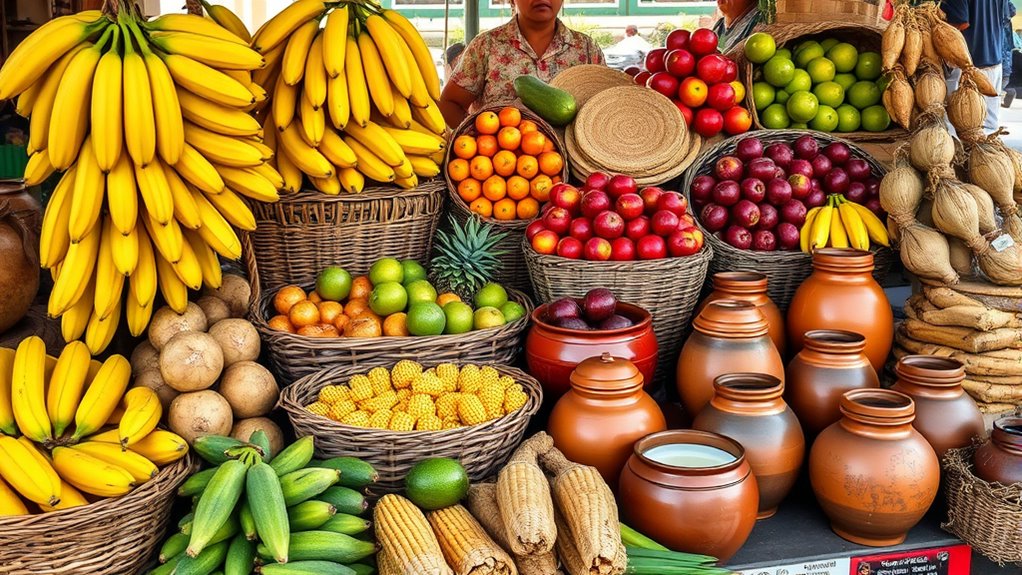
Have you ever noticed how certain ingredients serve as the backbone of Colombian cuisine across the entire country? These staples shape the flavors and dishes you’ll find everywhere.
- Corn (maize) is essential, used in arepas, tamales, and empanadas.
- Plantains, whether green or ripe, add sweetness or starch to stews, fried snacks, or side dishes.
- Potatoes and yuca provide carbohydrates, featured prominently in soups and hearty stews.
- Beans, like red and kidney, are common in regional meals such as bandeja paisa and other traditional plates.
Beyond these, tropical fruits like guava, pineapple, and lulo enrich desserts and beverages. These ingredients reflect Colombia’s rich agricultural diversity and cultural influences.
Beverages and Sweets That Define Colombian Cuisine

Colombian beverages and sweets are integral to the country’s vibrant culinary identity, offering a taste of its diverse regions and cultural influences. You’ll find invigorating fruit juices made from local fruits like guava, lulo, and passionfruit, popular for their natural sweetness and vibrant flavors. Coffee holds a special place in Colombian culture, enjoyed daily and renowned worldwide for its quality. Traditional drinks like aguapanela, made from panela and lime, provide warmth and comfort, especially in cooler highland areas. When it comes to sweets, you’ll indulge in arequipe (a caramel spread), bocadillo (guava paste), and perfect cheese-filled pandebono. These treats reflect Colombia’s love for bold, sweet, and tropical flavors, making them essential parts of everyday life and celebrations alike.
Indigenous, African, and Colonial Influences on Food

The rich tapestry of Colombia’s cuisine results from the blending of Indigenous, African, and Colonial influences, each shaping the flavors and ingredients you encounter in traditional dishes. You’ll find that colonial rule introduced ingredients like rice, pork, and chicken, while Indigenous peoples relied on roots, tropical fruits, and local meats. African influences brought vibrant spices, cooking techniques, and ingredients such as plantains and seafood. To understand this fusion, consider:
Colombia’s cuisine reflects Indigenous roots, African spices, and Colonial ingredients creating a vibrant, diverse culinary tradition.
- Indigenous roots, with staples like yuca, native fruits, and game meats
- African contributions of spices, fried plantains, and seafood dishes
- Colonial introductions like rice, pork, and European herbs
- The blending of these elements creating iconic dishes like ajiaco and bandeja paisa
These influences combine to give Colombian cuisine its unique, diverse character.
Contemporary Trends and Food as Cultural Identity
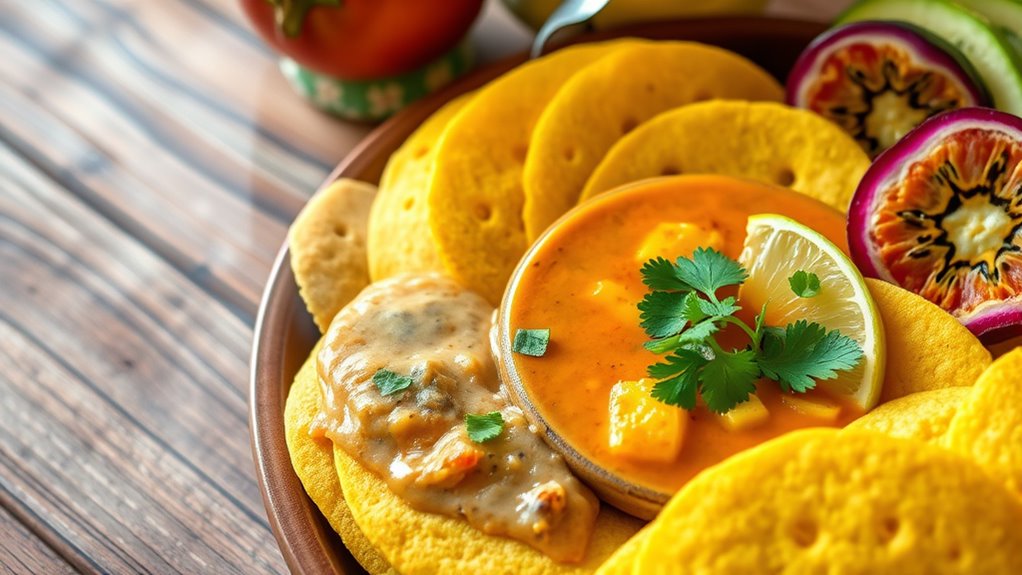
Contemporary trends in Colombian cuisine reflect a dynamic blend of tradition and innovation, as chefs and home cooks alike experiment with new ingredients, techniques, and presentation styles. You’re likely to see modern takes on classic dishes like bandeja paisa or ajiaco, often incorporating international influences or local superfoods. Food as cultural identity remains essential, with many Colombians embracing regional flavors while also exploring fusion cuisines that highlight Colombia’s diversity. Restaurants and street vendors now showcase contemporary plating and creative ingredient pairings, making traditional foods more appealing to younger generations and tourists. This evolution fosters pride in Colombia’s culinary heritage while encouraging innovation. Ultimately, food continues to serve as a powerful symbol of identity, connecting past traditions with present-day creativity.
Frequently Asked Questions
How Do Regional Climates Influence Colombian Culinary Traditions?
You’ll notice that Colombia’s regional climates shape its culinary traditions by dictating available ingredients and cooking styles. In coastal areas, warm weather fosters seafood dishes like sancocho, while cooler highlands favor hearty soups like ajiaco. The tropical climate supports fruits and plantains, used in many regional recipes. You’ll find that each climate influences the flavor profiles, ingredients, and meal types, creating diverse, region-specific Colombian cuisines.
What Role Does Indigenous Cuisine Play in Modern Colombian Dishes?
Indigenous cuisine substantially influences modern Colombian dishes by providing foundational ingredients and traditional cooking techniques. You’ll find roots, yams, and tropical fruits incorporated into contemporary recipes, especially in rural areas and coastal regions. Indigenous herbs like guasca and methods like slow cooking still shape dishes like ajiaco and tamales. By embracing these elements, you connect with Colombia’s rich cultural heritage and preserve ancient flavors within your everyday meals.
How Has Colombian Cuisine Evolved With Urbanization and Globalization?
You might think Colombian cuisine stayed traditional, but urbanization and globalization have transformed it dramatically. As cities grew, innovative chefs blended old flavors with new techniques, creating fusion dishes that surprise your palate. International ingredients now appear alongside classic staples, making the cuisine more diverse and accessible. This evolution keeps your taste buds excited, reflecting Colombia’s dynamic culture while honoring its rich culinary roots—proving that tradition and modernity can beautifully coexist.
Are There Specific Food Customs Associated With Colombian Festivals?
You’ll notice that Colombian festivals feature vibrant food customs that celebrate local culture. During these celebrations, you often enjoy traditional dishes like empanadas, arepas, and hearty stews such as sancocho. Street vendors sell tropical fruits and sweet treats like guava paste and cheese. Sharing these foods with family and community members strengthens bonds, highlights regional flavors, and keeps cultural heritage alive through colorful, delicious festivities that bring everyone together.
How Do Social and Racial Dynamics Shape Food Representation in Colombia?
Have you ever wondered how social and racial dynamics influence Colombian food? You notice that traditional dishes often reflect regional identities tied to specific ethnic groups, but Afro-Colombian and Indigenous culinary practices are frequently underrepresented. You might see a dominant portrayal of mestizo cuisine, which can reinforce social hierarchies. This shaping of food representation reveals ongoing cultural and racial inequalities, impacting how Colombia’s rich, diverse culinary heritage is perceived and valued.
Conclusion
You might be surprised to learn that over 80% of Colombians consider food a crucial part of their cultural identity. From vibrant regional dishes to beloved staples like arepas, Colombian cuisine reflects a rich history of indigenous, African, and colonial influences. As you explore these flavors, you’ll see how food brings people together and preserves traditions. Embrace Colombia’s culinary diversity—it’s a delicious journey into a nation’s heart.