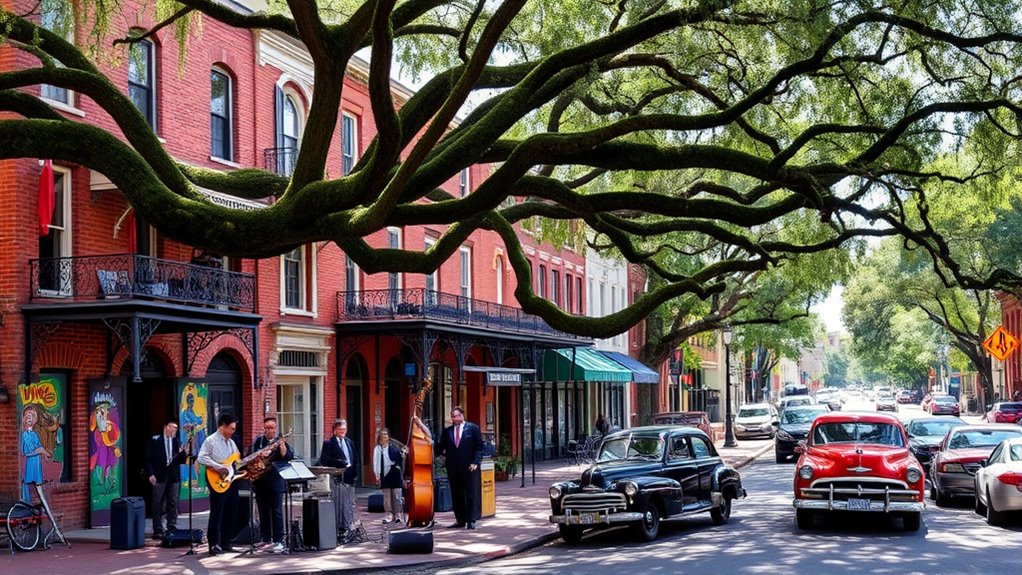

Mississippi’s history is deeply rooted in Native American tribes like the Chickasaw, Choctaw, and Natchez, followed by European explorers like Hernando de Soto and French settlers who shaped its early development. Its culture reflects a complex legacy of plantation wealth, civil rights struggles, and vibrant traditions. The state has faced many challenges, from wars to natural disasters, but its rich heritage continues to influence its identity today. If you explore further, you’ll discover how these stories intertwine to make Mississippi unique.
Key Takeaways
- Mississippi’s history includes Native American roots, European exploration, and territorial changes shaping its cultural landscape.
- The state’s economy was historically driven by cotton agriculture and enslaved labor, influencing social and political structures.
- Civil rights struggles, including figures like Medgar Evers, are central to Mississippi’s ongoing cultural and social development.
- Preservation of Native American heritage, historic sites, and civil rights landmarks plays a vital role in maintaining Mississippi’s cultural identity.
- Educational institutions and community programs foster understanding of Mississippi’s complex history and promote cultural engagement.

Mississippi's American Indians (Heritage of Mississippi Series)
As an affiliate, we earn on qualifying purchases.
As an affiliate, we earn on qualifying purchases.
Indigenous Roots and Early European Encounters
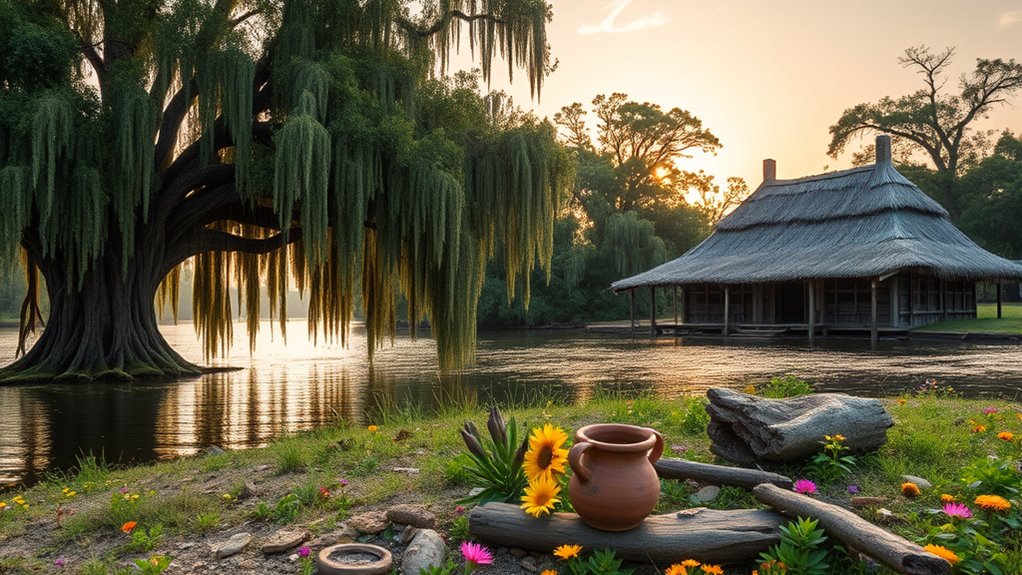
Before European explorers arrived, Mississippi was home to prominent Native American tribes like the Chickasaw in the north and east, the Choctaw in the central region, and the Natchez in the southwest. You can see their influence today through place names and cultural traditions. Hernando de Soto was the first European to enter the area in 1540-1541, discovering the mighty Mississippi River. Later, French explorers led by Pierre le Moyne d’Iberville established settlements like Fort Maurepas in 1699 and Fort Rosalie in 1716, near Natchez. After conflicts and territorial shifts, France ceded land east of the Mississippi to Great Britain in 1763, and Spain controlled the west, including Natchez, until 1798. These early encounters set the stage for Mississippi’s complex cultural and political history. The presence of these early European powers influenced the development of colonial territories and the region’s diverse cultural landscape.

Murder in Mississippi: United States v. Price and the Struggle for
Used Book in Good Condition
As an affiliate, we earn on qualifying purchases.
As an affiliate, we earn on qualifying purchases.
Formation of the State and Territorial Growth

You should explore how Mississippi expanded from its initial territory in 1798 to become a state in 1817. Notice how its borders grew through annexation and land agreements, shaping its early political landscape. Consider the challenges faced along the way, including land disputes and Native American resistance. The territorial growth was influenced by various treaties and legislative acts that defined its boundaries and sovereignty.
Territorial Expansion Milestones
The territorial expansion of Mississippi marks a pivotal chapter in its journey to statehood, driven by strategic border adjustments and population growth. Initially, the Mississippi Territory was created in 1798, bounded by the Mississippi and Chattahoochee rivers, the 31st parallel, and Yazoo River. In 1804, it expanded north to the Tennessee border, and in 1812, it extended to the Gulf Coast through annexation. These additions increased land and population, setting the stage for statehood. The borders shifted as European powers and Native American nations contested land, while American settlers pushed westward. By 1817, Mississippi’s growth culminated in its admission as the 20th U.S. state, marking a significant milestone in territorial development and consolidation of its boundaries. Residency requirements and other legal considerations played a role in shaping its path to statehood.
Statehood and Political Shifts
Mississippi’s journey to statehood was shaped by rapid territorial growth and shifting political boundaries that reflected both American expansion and complex land disputes. You witness how the Mississippi Territory expanded twice, first to the Tennessee line in 1804 and then to the Gulf Coast in 1812, driven by population growth. Political challenges arose from land claims by European powers, Native American resistance, and Spanish control, complicating state formation. Mississippi officially became the 20th state on December 10, 1817, with Natchez as the first capital, later moved to Jackson. These shifts marked a progression from territorial disputes to political consolidation, setting the stage for economic and social development. The table below highlights key milestones in Mississippi’s statehood and political evolution:
| Year | Event | Significance |
|---|---|---|
| 1798 | Creation of Mississippi Territory | Territorial foundation |
| 1804 | Boundary expansion north | Growth driven by population |
| 1812 | Gulf Coast annexation | Access to the coast |
| 1817 | Statehood declared | Mississippi joins Union |
| 1822 | Capital moves to Jackson | Political consolidation |
Additionally, the ongoing land disputes and negotiations with Native American tribes played a significant role in shaping the state’s boundaries and political landscape during this period.

Rand McNally Easy to Read: Mississippi State Map
Regularly updated, full-color maps
As an affiliate, we earn on qualifying purchases.
As an affiliate, we earn on qualifying purchases.
Economic Development and Societal Changes in the 19th Century
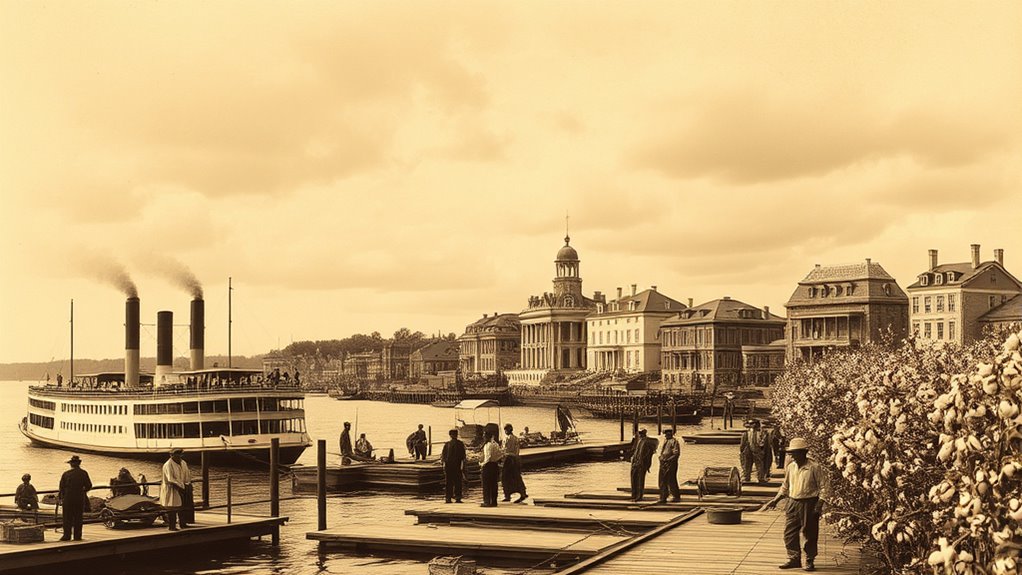
During the 19th century, the economy of Mississippi became heavily centered on cotton agriculture, which relied largely on enslaved African Americans for labor. This focus boosted wealth for plantation owners and expanded the state’s infrastructure, such as railroads and ports. Society was deeply divided, with a small elite controlling most land and wealth, while enslaved people endured brutal conditions. As cotton profits soared, Mississippi’s population grew, including free African Americans and European immigrants seeking opportunity. The economy also faced challenges like natural disasters, including the Great Mississippi River Flood of 1927. Throughout this century, societal changes emerged from the economy’s growth, but racial inequalities persisted, shaping Mississippi’s social fabric and setting the stage for future conflicts. Additionally, ethical hacking practices in cybersecurity began to develop as a means to protect digital infrastructures, reflecting an evolving understanding of security needs in a rapidly changing technological landscape.

WinnerWhy 24 Pcs Native American Tee Pee Crafts Kits for Kids Make Your Own Teepee Crafts DIY Native American Month Tent Decoration Craft Kit Tee Pee DIY Crafts School Culture Celebration Activities
What You Can Get: your package comes with 24 make your own teepee crafts in 6 styles alongside…
As an affiliate, we earn on qualifying purchases.
As an affiliate, we earn on qualifying purchases.
The Civil War, Reconstruction, and Civil Rights Movements
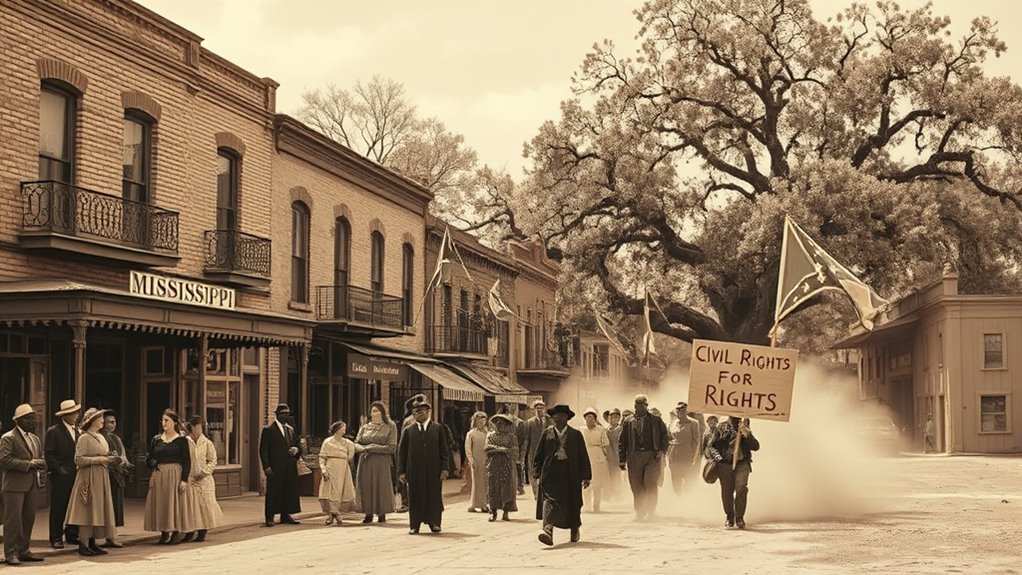
Civil War divided Mississippi deeply, as the state seceded from the Union in 1861 to defend slavery and states’ rights. The conflict pitted neighbors against each other and devastated communities. After Union forces captured Vicksburg in 1863, control of the Mississippi River shifted, impacting the war’s outcome. During Reconstruction, Mississippi faced intense resistance to rebuilding and integrating formerly enslaved people into society. Segregation and disenfranchisement persisted through Jim Crow laws, fueling tensions. The Civil Rights Movement in the 20th century challenged these injustices, with figures like Medgar Evers leading efforts for equality. Despite progress, Mississippi’s history remains marked by struggles over racial justice and social change. The legacy of this turbulent period continues to influence the state’s identity today. Decoding slang also played a role in shaping cultural expression during these times of social upheaval.
Cultural Heritage and Artistic Contributions

The turbulent history of Mississippi has profoundly shaped its rich cultural heritage and artistic legacy. You can see this influence in the soulful sounds of blues music, which emerged from African American communities sharing stories of hardship and resilience. The Mississippi River and Natchez Trace inspired countless writers, artists, and musicians, becoming symbols of connection and tradition. Native American, European, and African roots intertwine, creating a diverse cultural tapestry reflected in local crafts, storytelling, and religious practices. Mississippi’s historic sites and museums preserve this legacy, celebrating legends like B.B. King and Robert Johnson. Artistic expression in the state continues to thrive, carrying forward traditions while embracing new creative voices. The musical heritage of Mississippi is recognized worldwide, highlighting its significance in the history of American music. Your experience of Mississippi’s culture reveals a deep sense of identity rooted in history, struggle, and enduring creativity.
Modern Mississippi: Education, Preservation, and Challenges

Modern Mississippi actively works to balance progress with the preservation of its rich cultural and historical roots. You see this in efforts to protect historic sites, support cultural festivals, and promote education about the state’s diverse past. Schools and universities like Mississippi State University foster research and community engagement, emphasizing the importance of learning from history. Preservation initiatives focus on landmarks, Native American heritage, and civil rights history, ensuring future generations understand Mississippi’s complex identity. Challenges remain, such as economic disparities, natural disasters, and social inequalities. To address these, the state invests in disaster recovery, economic development, and civil rights reforms. Additionally, cultural preservation plays a vital role in maintaining Mississippi’s unique identity and fostering community pride. Below is a visual overview of key ideas:
| Education Focus | Preservation Efforts | Challenges Addressed |
|---|---|---|
| Universities & research | Historic sites & museums | Disaster management |
| Civil rights education | Cultural festivals | Economic disparities |
| Community engagement | Native American heritage | Social inequalities |
| Funding & grants | Civil rights memorials | Poverty & unemployment |
| Youth programs | Archival projects | Education access |
Frequently Asked Questions
How Did Native American Tribes Influence Mississippi’s Modern Culture?
You can see Native American tribes’ influence in Mississippi’s modern culture through their traditions, art, and language. Their history shapes local storytelling, music, and crafts, especially in communities that honor their ancestors. Many place names, festivals, and cultural practices stem from Native roots, reminding you of their lasting legacy. Their resilience and contributions continue to enrich Mississippi’s identity, blending indigenous heritage with contemporary life.
What Role Did Mississippi Play in Early American Frontier Expansion?
Mississippi played a pivotal role in early American frontier expansion by serving as a key gateway for explorers, settlers, and traders moving west. You’d see the Mississippi River as an essential transportation route, facilitating migration and economic growth. European powers, like France and Spain, established settlements along its banks, shaping territorial boundaries. The state’s strategic location helped expand U.S. influence across the interior, fueling growth and territorial claims during the frontier era.
How Did the Civil Rights Movement Reshape Mississippi’s Social Landscape?
The Civil Rights Movement transformed Mississippi’s social landscape by challenging segregation and racial injustice head-on. You see, it empowered African Americans to demand equal rights, leading to protests, voter registration efforts, and legal battles. This unrest forced the state to confront its deeply rooted racial divisions, fostering a push for integration and equality. As a result, Mississippi’s communities became more aware of social injustices, gradually reshaping its identity and fostering ongoing conversations about justice.
What Are Some Lesser-Known Native American Sites in Mississippi?
You discover lesser-known Native American sites in Mississippi like the Emerald Mound, a massive ceremonial site where rituals once took place, and the Winterville Mounds, which reveal complex social and spiritual practices. You explore the Pascagoula River Archaeological Site, where ancient artifacts tell stories of early inhabitants, and the Horseshoe Bend Site, offering insights into indigenous life. These sites deepen your understanding of Mississippi’s Native American history beyond the well-known landmarks.
How Has Mississippi’s Economy Evolved in the 20TH and 21ST Centuries?
In the 20th and 21st centuries, you see Mississippi’s economy shift from reliance on cotton and agriculture to diversified industries like manufacturing, aerospace, and services. You notice efforts to develop tourism, especially around cultural heritage and natural attractions. Despite economic challenges, the state invests in higher education and infrastructure to attract new businesses. You also observe ongoing struggles with poverty and disparities, prompting initiatives to boost economic growth and opportunity across communities.
Conclusion
As you explore Mississippi’s tapestry, you see a river of history flowing through every corner, shaping its soul. From indigenous roots to modern struggles, each chapter adds depth to its story. The state’s culture sparkles like a mosaic of resilience, tradition, and hope. Remember, Mississippi’s past is a guiding star, illuminating the path forward. Embrace its rich heritage, for in its depths lies the heart of a vibrant, enduring spirit.