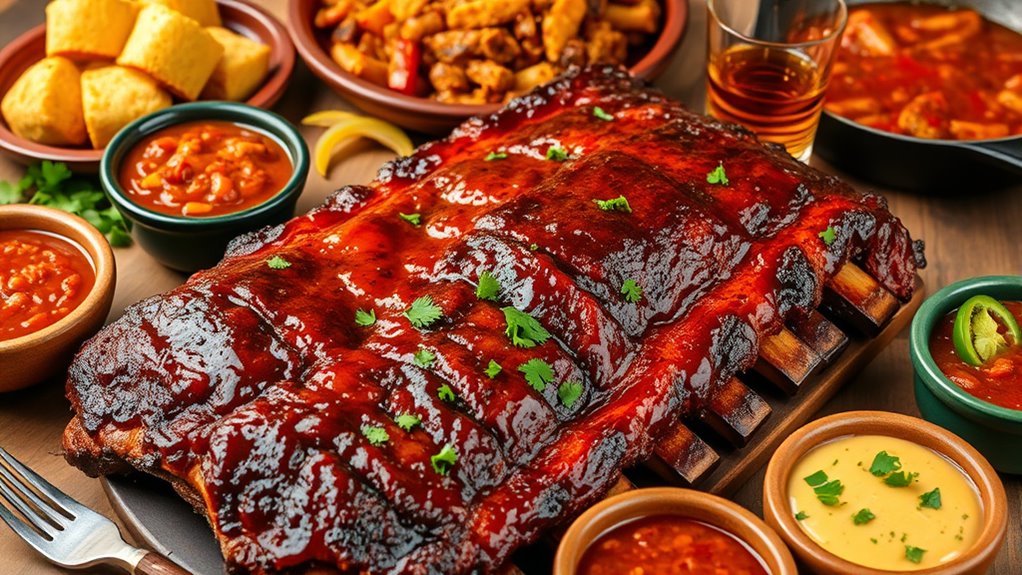

Texas cuisine is a vibrant blend of Native American, Hispanic, European, and American influences that have evolved over centuries. You’ll find iconic dishes like barbecue, Tex-Mex favorites, chili con carne, and chicken fried steak, all reflecting regional flavors and ingredients. From smoky brisket in Central Texas to spicy fajitas in South Texas, the diverse culinary traditions celebrate community and culture. Keep exploring, and you’ll discover how Texas food continues to adapt and thrive through tradition and innovation.
Key Takeaways
- Texas cuisine is a fusion of Native American, Spanish, Mexican, and Anglo-American influences, reflecting its diverse cultural heritage.
- Iconic dishes include barbecue, chili con carne, fajitas, and chicken-fried steak, highlighting regional ingredients and cooking techniques.
- Tex-Mex cuisine, blending Mexican flavors with American ingredients like cheddar cheese and beef, evolved along the Texas-Mexico border.
- Regional variations such as West Texas barbecue and South Texas Mexican dishes showcase local ingredients and culinary styles.
- Food plays a central role in Texas festivals and community events, symbolizing tradition, pride, and cultural celebration.

Char-Griller® Texas Trio 3-Burner Gas & Charcoal Grill and Smoker, Push Button to Ignite, Dual temperature Guages, Side Burner, Includes Side Firebox, 1,390 Cooking Square Inches, Black, Model# 3070
Gas and charcoal combination grill with side burner and Side Firebox for Texas-style offset smoking methods
As an affiliate, we earn on qualifying purchases.
As an affiliate, we earn on qualifying purchases.
The Rich Tapestry of Texas Culinary History

Texas culinary history is a vibrant story shaped by centuries of cultural exchange and adaptation. You’re part of a rich tradition where Native American, Spanish, Mexican, and Anglo-American influences blend seamlessly. Over time, each group introduced new ingredients, techniques, and flavors, creating a dynamic food landscape. Early Native American tribes used local ingredients like corn, beans, and game, laying the foundation. Spanish explorers brought cattle and new spices, which evolved into iconic Texas dishes. Mexican settlers contributed flavors that still influence local cooking today. As settlers and immigrants arrived, they introduced their culinary traditions, shaping regional styles. This ongoing exchange has made Texas cuisine a diverse, resilient, and ever-evolving tapestry that reflects its multicultural roots. Additionally, the use of natural ingredients and traditional cooking methods continues to define the authentic flavors of Texas cuisine today.

2 Alarm Chili Kit In A Box Tex Mex Powder Seasoning Mix Chili Starter 2 Pack Bundle With Raw Earth Colors Wooden Portion Spoon
TEXAS STYLE KIT: Complete chili seasoning mix with individual spice packets allowing you to customize heat level and…
As an affiliate, we earn on qualifying purchases.
As an affiliate, we earn on qualifying purchases.
The Roots and Evolution of Tex-Mex Cuisine
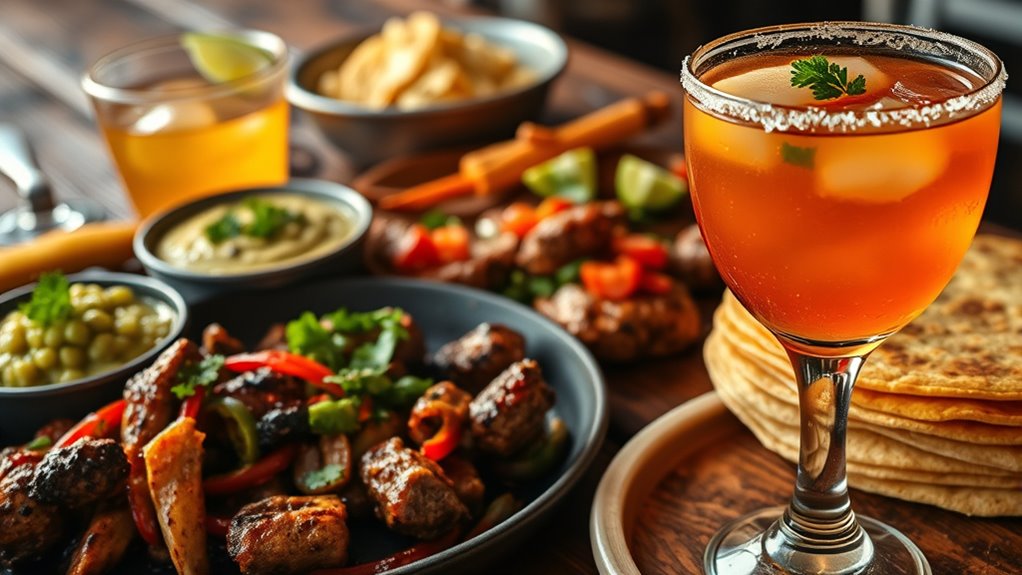
The culinary landscape of Texas has continuously evolved through the blending of diverse cultural influences, and nowhere is this more evident than in the development of Tex-Mex cuisine. It emerged in the late 19th and early 20th centuries along the Texas-Mexico border, combining Mexican flavors with local ingredients and American cooking styles. You’ll notice the use of flour tortillas, cheddar cheese, and beef, reflecting this adaptation. Over time, traditional Mexican recipes were modified to suit available ingredients and tastes, leading to dishes like nachos, fajitas, and chili con carne. This fusion created a distinct culinary identity that’s now beloved across North America. Tex-Mex’s evolution showcases how cultural exchange and innovation shape regional food traditions, blending history, migration, and local flavors into a vibrant cuisine. Additionally, the incorporation of butter into various recipes highlights the influence of European culinary traditions and their adaptation to regional ingredients over time.

Santa Maria Chili Con Carne Seasoning Spice Mix – Mexican Seasoning for Chili Con Carne Recipes – 15.8 Oz, 80 Portions
High-quality ingredients: Our Santa Maria Chilli Con Carne is made of high-quality ingredients. Chilli Con Carne is a…
As an affiliate, we earn on qualifying purchases.
As an affiliate, we earn on qualifying purchases.
Traditional Texas Dishes and Their Cultural Significance

Your appreciation for Texas dishes reveals their deep heritage and regional roots. These signature foods often symbolize community, tradition, and celebration in Texas culture. Understanding their significance helps you see how food connects people across generations and events. For example, Southern Comfort Food such as fried catfish and country ham has been passed down through families, preserving regional flavors and cooking techniques.
Signature Dishes’ Heritage
Traditional Texas dishes carry deep cultural significance, embodying the state’s diverse history and culinary influences. When you enjoy dishes like chili con carne, you connect with a blend of Native American, Spanish, Mexican, and Anglo-American traditions. Chicken fried steak reflects European roots, especially German and Austrian, while fajitas showcase Mexican heritage adapted to local ingredients. Barbecue, especially beef brisket, highlights regional techniques and social gatherings that bring communities together. King Ranch Chicken Casserole demonstrates the influence of Canary Islands immigrants. These dishes aren’t just food; they represent stories of migration, adaptation, and shared identity. Each traditional dish carries a legacy that celebrates Texas’s rich, multicultural heritage, making them more than just meals—they’re symbols of the state’s evolving cultural tapestry. Additionally, the use of techniques like slow smoking in barbecue exemplifies the importance of traditional cooking methods passed down through generations.
Cultural Celebrations’ Role
Cultural celebrations in Texas often center around the state’s iconic dishes, turning meals into vibrant expressions of community and heritage. These events highlight traditional foods, reinforcing shared identities and histories. During festivals, dishes like chili con carne and barbecue become symbols of pride, connecting generations. Food fosters unity, whether at family gatherings or public festivities. Additionally, the water chemistry involved in preparing and serving these dishes ensures safety and enhances flavor. Below is a table illustrating key dishes and their cultural significance:
| Dish | Cultural Significance |
|---|---|
| Chili con Carne | State dish, blending Native, Spanish, Mexican roots |
| Barbecue | Community bonding, regional pride in smoking techniques |
| Fajitas | Celebrates Mexican influence, popular at festivals |
Your participation in these celebrations keeps Texas’s culinary heritage alive.

Lodge Cast Iron Grill Pan, Square, 10.5 Inch
YOUR NEW GO-TO GRILL PAN: Lodge cast iron cookware is the perfect kitchen tool for beginners, home cooks…
As an affiliate, we earn on qualifying purchases.
As an affiliate, we earn on qualifying purchases.
Barbecue: Texas’s Iconic Cooking Style

What makes Texas barbecue truly iconic is its deep-rooted history and distinctive techniques that set it apart from other styles. You’ll notice the emphasis on beef, especially brisket, which is slow-smoked over wood fires to develop rich, smoky flavors. Different regions in Texas have their unique methods, like the closed pit style that seals in moisture or open pits that allow for a different smoky profile. Traditional sides such as pickles, jalapeños, and pinto beans complement the meat, enhancing the experience. Barbecue in Texas isn’t just about food; it’s a cultural event that brings communities together. Whether at a weekend gathering or a specialized smokehouse, the craftsmanship and history behind Texas barbecue continue to define the state’s culinary identity.
Regional Culinary Variations Across Texas
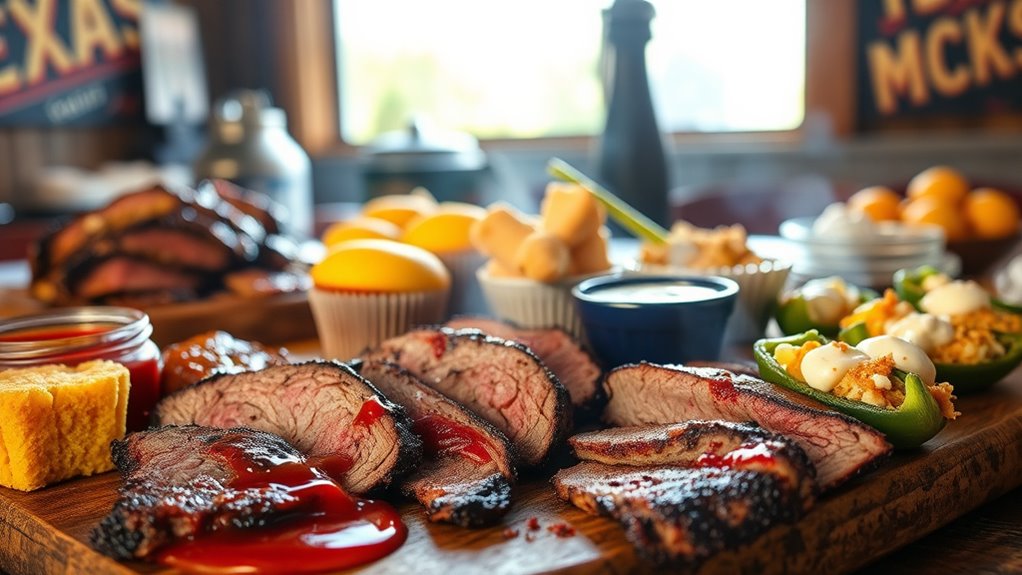
Texas’s vast size and diverse geography lead to a rich tapestry of regional culinary styles, each shaped by local ingredients and cultural influences. In West Texas, you’ll find hearty, smoky barbecue and ranch-inspired dishes, emphasizing beef and open-fire cooking. The Central Texas region is famous for its slow-smoked brisket and traditional pit techniques, creating iconic barbecue styles. Moving east, the Houston area showcases a melting pot of flavors, blending Southern, Creole, and international influences into spicy seafood and flavorful stews. In South Texas, Mexican and Tex-Mex cuisines dominate, with dishes like fajitas and chili con carne reflecting border influences. The Panhandle offers simpler, farm-fresh fare, emphasizing grains, vegetables, and local meats. Each region’s unique ingredients and history shape its distinctive culinary identity across Texas. regional culinary styles are often reflected in the diverse names and dishes that characterize Texas cuisine.
International Influences Shaping Texas Food
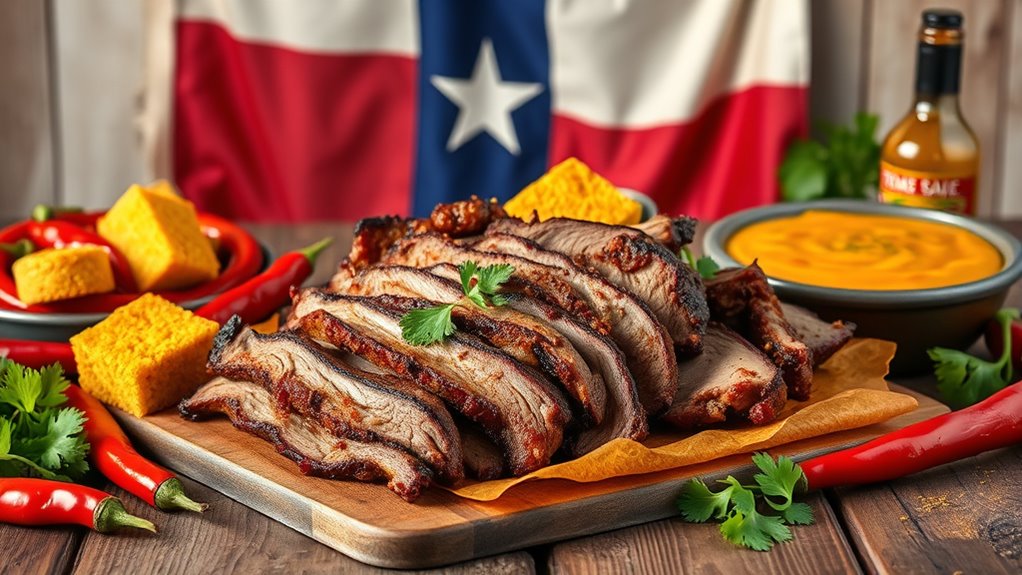
International influences have played a crucial role in shaping Texas cuisine, as immigrants and global migration brought new ingredients, techniques, and flavors that blended seamlessly with local traditions. You’ll find these influences reflected in many popular dishes. For example:
- German and Austrian roots are evident in chicken fried steak, inspired by schnitzel.
- Mexican and Spanish traditions shape chili con carne and Tex-Mex favorites like nachos and enchiladas.
- Eastern European immigrants introduced sausage-making techniques, enriching barbecue traditions.
- Canary Islands migrants contributed to dishes like King Ranch Chicken Casserole.
- The use of natural ingredients and traditional preparation methods, similar to those found in Waldorf toys, helps preserve cultural authenticity and enhances the flavor profiles of these dishes.
These diverse influences create a unique culinary landscape in Texas. By embracing global flavors, Texas cuisine continues evolving, offering a rich blend of tastes that reflect its multicultural heritage.
The Role of Food in Texas Festivals and Gatherings
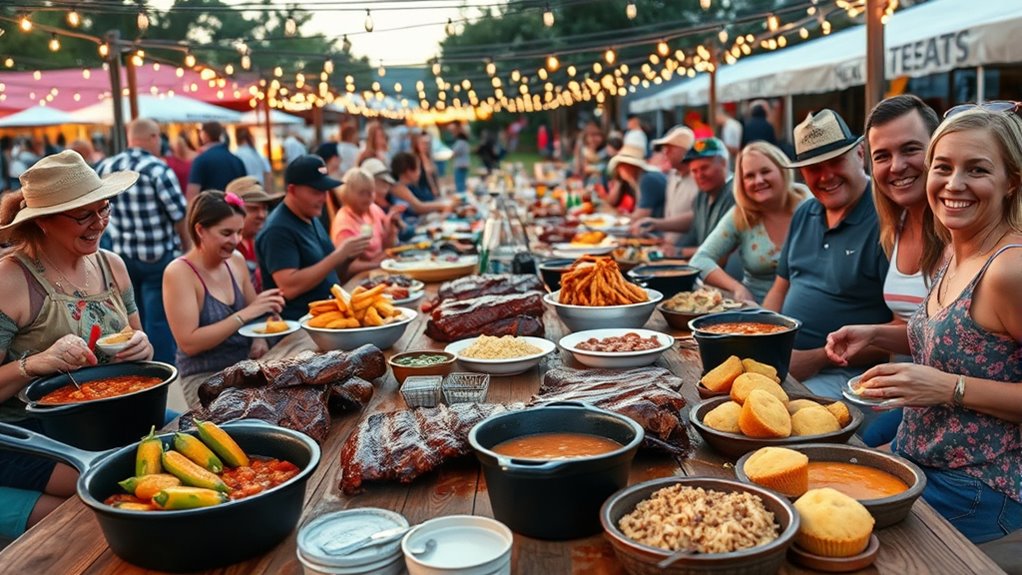
Food plays a central role in Texas festivals and gatherings, serving as a way to bring communities together and celebrate cultural heritage. During events like rodeos, cook-offs, and parades, flavorful dishes become the focal point, encouraging shared experiences. Barbecue pits smoke brisket and ribs while families serve up homemade chili, creating a warm, inviting atmosphere. Street vendors and food stalls offer Tex-Mex favorites like nachos and fajitas, attracting locals and visitors alike. These gatherings foster social bonds as people swap recipes, enjoy traditional dishes, and pass down culinary customs. Food not only sustains the festivities but also signifies regional pride and cultural identity, making every celebration a delicious tribute to Texas’s diverse culinary legacy. Additionally, the rich tradition of cuisine and culinary practices enhances the festive spirit, allowing communities to showcase their unique flavors and cooking techniques.
Signature Ingredients and Flavors in Texas Cooking

You’ll notice that bold spices and herbs define many Texas dishes, adding depth and heat to flavors. Local ingredients like jalapeños, smoked brisket, and pecans bring a distinct regional character. Together, these signature ingredients create the vibrant, hearty taste that makes Texas cuisine unique. Incorporating traditional cooking methods can further enhance the authentic flavors of Texas dishes.
Bold Spices and Herbs
Bold spices and herbs define the vibrant, robust flavors that characterize Texas cuisine. You’ll notice the bold use of seasonings that elevate every dish. Here are four key ingredients that stand out:
- Cumin – Adds earthy warmth, essential in chili and spice blends.
- Black Pepper – Provides a sharp kick, enhancing meats and vegetables.
- Garlic Powder – Infuses savory depth into marinades and rubs.
- Chili Powder – Brings heat and smoky flavor, crucial for barbecue and stews.
These spices create the signature Texas flavor profile—spicy, smoky, and hearty. They’re used generously, giving each dish a bold character that’s both comforting and exciting. Mastering these herbs and spices lets you truly capture the essence of Texas’s culinary spirit.
Iconic Local Ingredients
Texas cuisine is defined by its use of local ingredients that bring authentic flavors to every dish. You’ll find hearty beef, especially brisket, as a cornerstone of barbecue, slow-cooked to perfection with smoky notes. Peppers, like jalapeños and chipotles, add heat and depth, often featured in salsas and stews. Corn is fundamental, used in tortillas, tamales, and street snacks, reflecting Native American roots. Pecans, native to Texas, shine in desserts like pecan pie, while onions and garlic flavor many traditional recipes. Tomatoes and black-eyed peas also play essential roles, enriching chili and side dishes. These ingredients define Texas’s bold, robust flavors, connecting you to its diverse cultural history and regional culinary identity. Additionally, local ingredients such as wild herbs and regional spices contribute to the distinctive taste profile found in Texas cooking.
The Fusion of Tradition and Innovation in Texas Cuisine
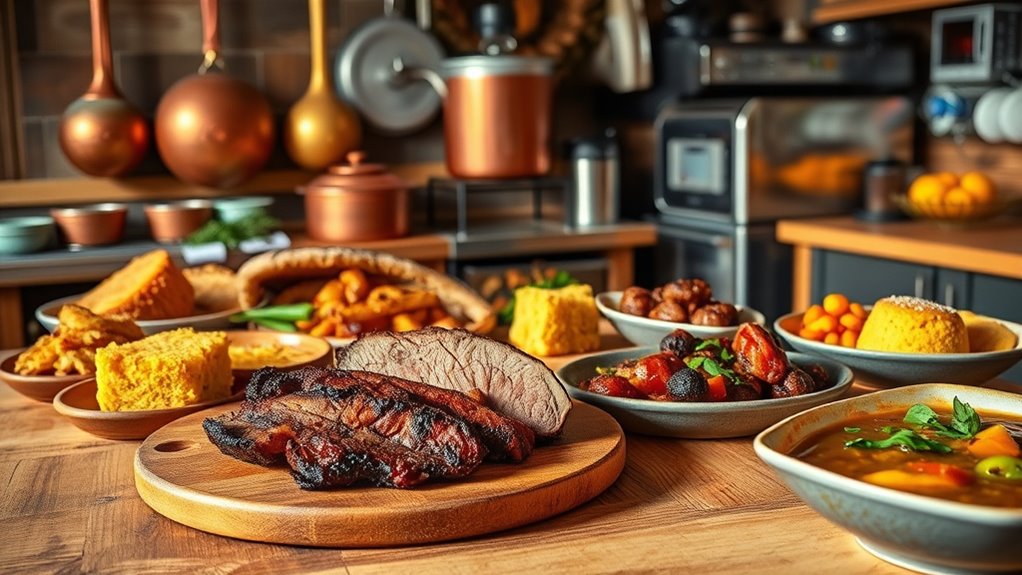
The culinary landscape of Texas seamlessly blends deep-rooted traditions with innovative twists that keep its flavors fresh and exciting. You’ll find how classic dishes evolve through creative influences, blending old and new. Consider these examples:
- Modern Tex-Mex restaurants upgrade traditional fajitas with unique fillings like seafood or vegetarian options.
- Chefs reinvent barbecue by experimenting with wood types, rubs, and fusion flavors like bourbon-glazed brisket.
- Innovative chefs incorporate global spices and techniques into regional dishes, creating bold, new flavor profiles.
- Food festivals showcase both traditional recipes and inventive creations, highlighting Texas’s culinary versatility. This dynamic fusion allows Texas cuisine to honor its history while embracing innovation, ensuring each bite offers a fresh experience rooted in rich traditions.
Celebrating Texas Food: Festivals and Community Events
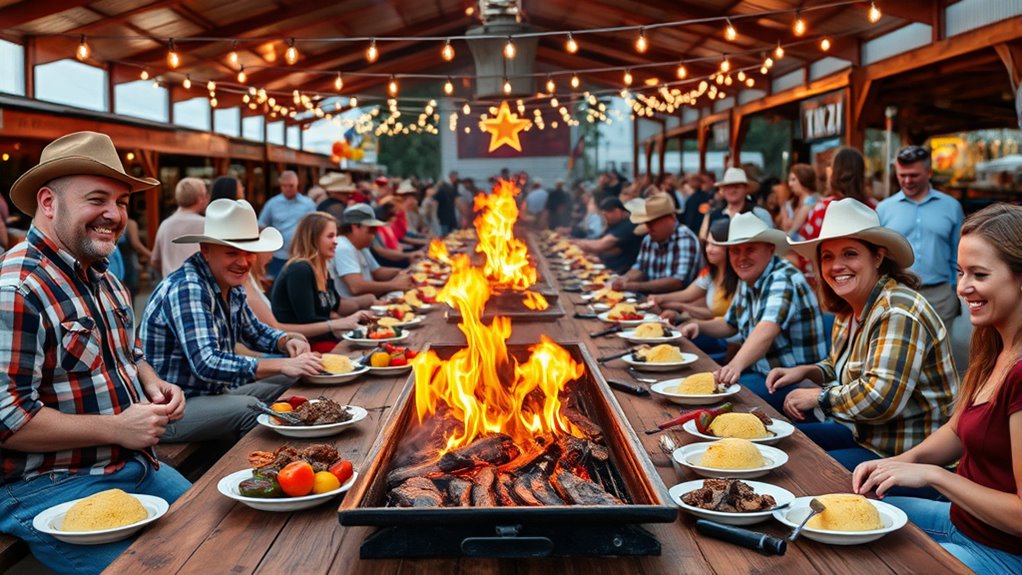
Celebrations centered around local food bring communities together across the state, showcasing Texas’s rich culinary traditions. Festivals like the Texas Monthly BBQ Fest and the Pecan Festival highlight regional flavors and cooking techniques. During these events, you’ll find food trucks, street vendors, and family cook-offs sharing iconic dishes like brisket, chili, and Tex-Mex favorites. These gatherings foster cultural exchange, allowing you to experience diverse influences from Mexican, German, and Native American cuisines. Community events often feature live music, cooking demonstrations, and contests that celebrate Texas’s culinary heritage. Participating in these festivals gives you a chance to taste authentic flavors, learn new recipes, and connect with locals who take pride in their food traditions. It’s a vibrant way to experience Texas’s culinary soul firsthand.
Frequently Asked Questions
How Do Texas Culinary Traditions Differ Between Urban and Rural Areas?
In Texas, your culinary traditions differ between urban and rural areas. In cities, you’ll find diverse influences like Tex-Mex, fusion dishes, and trendy food festivals that showcase innovation. In rural areas, traditional barbecue, hearty home-cooked meals, and regional specialties like chili con carne dominate, often passed down through families. You’ll experience a stronger connection to local ingredients and longstanding customs in rural communities.
What Are Some Lesser-Known Regional Texas Dishes Worth Trying?
You should try Texan gems like menudo, a hearty spicy soup that’s a comfort blanket, or the smoky, tender goat barbacoa from South Texas. Venture into East Texas for Cajun influences, like spicy crawfish boils that echo Louisiana’s soul. Don’t miss the sweet, nutty flavors of Texas pecan pralines or the spicy, tangy pickled vegetables that add a punch. These lesser-known dishes are hidden treasures waiting to delight your taste buds.
How Has Modern Cuisine Influenced Texas’s Traditional Recipes?
Modern cuisine has infused Texas’s traditional recipes with new flavors and techniques. You’ll find innovative twists on classic dishes like chili and barbecue, incorporating global ingredients and contemporary presentation. Chefs experiment with fusion styles, blending traditional Tex-Mex with Asian or Mediterranean influences. This evolution keeps Texas cuisine fresh and exciting, inviting you to explore familiar dishes with a modern, creative touch that celebrates both tradition and innovation.
What Role Do Indigenous Ingredients Play in Contemporary Texas Cooking?
You should know that indigenous ingredients still play a key role in Texas cooking, with over 80% of local farmers growing native crops like corn, beans, and chili peppers. These ingredients are often used to add authentic flavors to modern dishes, bridging tradition and innovation. By incorporating native produce, you help preserve Texas’s culinary heritage while creating fresh, vibrant meals that celebrate the state’s rich cultural roots.
How Do Texas Food Festivals Promote Cultural Exchange and Community Bonding?
You attend Texas food festivals, and they help promote cultural exchange by showcasing diverse dishes from Native American, Mexican, and European influences, allowing you to taste and learn about different traditions. These festivals also foster community bonding, as you share meals, participate in cooking demonstrations, and celebrate together. They create a vibrant environment where people connect over food, stories, and cultural pride, strengthening community ties and appreciation for Texas’s culinary diversity.
Conclusion
As you explore Texas’s culinary landscape, you’ll find it as vibrant as a lively fiesta, blending tradition with innovation like a well-seasoned recipe. From smoky barbecues to zesty Tex-Mex, each dish tells a story of history, culture, and community. Embrace these flavors, and you’ll taste the heart of Texas in every bite—a tapestry woven with passion, pride, and a dash of adventure. So, immerse yourself and savor the rich, flavorful journey that’s uniquely Texan.