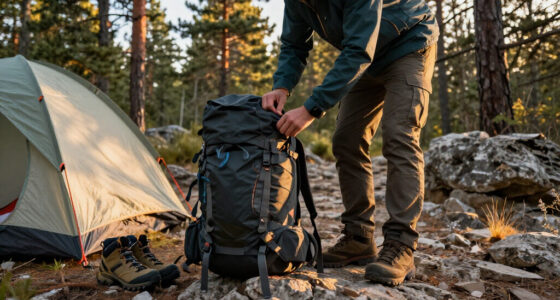
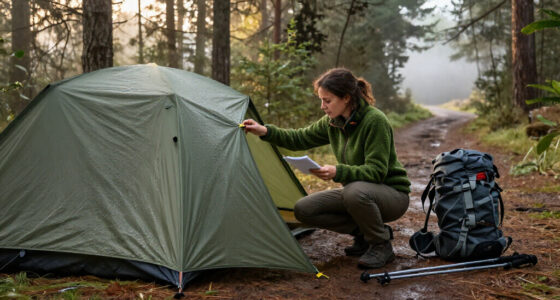
This checklist is for backpackers planning cold-weather trips where snow, low temperatures, and changing conditions can make ordinary three-season gear insufficient. Use it to think through the major comfort and safety needs of a winter kit, while matching every choice to your route and expected conditions.

Get travel and outdoor gear delivered free with Prime
- Fast, free delivery on millions of items
- Prime Video, Amazon Music and more included
- Member-only deals all year
The sections move from sleep and clothing to traction, shelter protection, hand warmth, and footwear. Product picks are included where listed; the snow traction and shelter sections offer selection guidance rather than a specific product.
Start with the conditions you expect, then check that each item works with the rest of your kit. Confirm sizing and fit before a trip, and consider how you’ll use, carry, and maintain each piece. Treat this as a planning checklist, not a substitute for checking forecasts, trail conditions, or your own gear needs.
Insulated Sleeping System
A sleeping system is central to resting comfortably on a winter backpacking trip. The pick here is the NEMO Equipment Sonic Down Mummy Sleeping Bag. Before choosing any sleeping bag, compare its intended conditions with the temperatures and exposure you expect, and consider how it will work with your sleeping pad, shelter, and sleep clothing. A bag alone does not define the warmth of the full system.
A common mistake is focusing on the bag name while overlooking fit and compatibility. Check the listed size against your height and preferred sleeping position, and make sure the shape gives you room to sleep without excessive unused space. Confirm that the bag fits inside your pack and that its care and storage requirements suit how you travel. If you already own a pad or liner, check whether the combination is suitable for your plans rather than assuming the pieces will work together. Choose based on the complete sleep setup and your expected conditions, not on the product name alone.
What to look for:
- Temperature information suited to your expected conditions
- A size that fits your height and sleep position
- Compatibility with your sleeping pad and shelter
- Pack fit and manageable packed shape
- Care and storage instructions you can follow
NEMO Equipment Sonic Down Mummy Sleeping Bag

The Sonic sleeping bag is engineered for extreme conditions, providing reliable warmth from -20°F to 40°F while using eco‑friendly, 100% recycled nylon shell and liner fabrics. It features premium 800 FP hydrophobic down that is responsibly sourced, next‑generation Thermo Gill vents with a multistage zipper for fine temperature control, and a waterproof breathable footbox to keep feet warm and dry
Pros:
- Provides warmth across a very wide temperature range (-20°F to 40°F).
- Eco‑friendly construction with recycled fabrics and responsibly sourced down.
- Adjustable Thermo Gill vents and multistage zipper allow precise comfort tuning.
- Waterproof, breathable footbox keeps feet warm and protects the down.
Cons:
- At 1.76 kg it is relatively heavy for ultralight backpacking.
- Mummy shape may feel restrictive for some sleepers.
Best for: Backpackers considering a dedicated down mummy bag for a cold-weather sleep system
Not ideal for: Anyone who has not checked the bag’s sizing and conditions against their full sleep setup
Bottom line: Consider the NEMO Equipment Sonic Down Mummy Sleeping Bag as one part of a complete system matched to your route and expected conditions.
Snow Traction Gear
Snow traction can help you move more confidently when a winter route includes slick, icy, or packed-snow sections. There is no product pick in this slot, so choose traction based on the surface you expect and the footwear you plan to wear. Conditions may vary across a route, making it useful to check recent trail information and think through where traction will be needed.
A frequent buying mistake is choosing a device without checking whether it fits securely over your boots. Compare the traction system’s sizing guidance with your actual footwear, including any insulation or bulky construction, and test the fit before leaving home. Make sure you can put it on and remove it with the gloves you expect to wear. Also consider how the device will be carried when it is not in use, and whether it suits the terrain on your itinerary. Fit and intended use matter more than choosing a device based on a broad label such as “winter traction.”
What to look for:
- A traction style suited to the route’s expected surfaces
- Sizing guidance that includes your winter footwear
- A secure fit that you can test before the trip
- Simple handling while wearing gloves
- A practical way to carry it when not in use
Cold Weather Layers
Base layers help organize a winter clothing system, and the listed pick is the Woolx Stella Women’s Merino Wool Thermal Leggings. Consider how leggings will fit beneath your hiking pants and whether they suit the activity and conditions you anticipate. A layer that feels comfortable while standing still may feel restrictive during a long walk, so think about movement and layering together.
One common mistake is choosing a base layer by its label without checking the size chart or how it will sit under other clothing. Compare the garment measurements with your own, and consider whether you prefer a close fit or more room. Check the product’s care guidance and think about how you will manage damp clothing during a trip. If you intend to wear the leggings with insulated pants or other layers, test the full combination at home for bunching, pressure points, and ease of movement. The right choice is the one that fits your body and works smoothly with the rest of your clothing system.
What to look for:
- Sizing guidance that matches your measurements
- A fit that layers comfortably beneath your pants
- Freedom of movement while walking and bending
- Care instructions that suit your trip routine
- Compatibility with the rest of your cold-weather clothing
Woolx Stella Women’s Merino Wool Thermal Leggings

These heavyweight thermal leggings use a Merino wool blend to provide warmth, moisture control, and odor resistance for cold-weather activities. Their high-waisted fit and four-way stretch suit layering or wearing on their own, and the fabric is machine washable.
Pros:
- Warmth without added bulk
- Moisture-wicking and odor-resistant
- Four-way stretch for ease of movement
- Quick-drying and packs small for travel
Cons:
- Designed for cold weather, so may be too warm in mild conditions
- Requires cold washing and low-heat drying
Best for: Women seeking a merino wool thermal legging option for a layered winter kit
Not ideal for: Anyone who has not checked fit beneath their hiking pants
Bottom line: Check the Woolx Stella leggings against your measurements and full layering setup before packing them.
Snow Shelter Protection
Winter shelter planning is about preparing for the conditions your campsite may face, including snow and exposure. There is no named product pick for this section, so treat it as a reminder to assess your shelter system as a whole. Consider your planned campsites, the forecast, and how you will manage snow around your sleeping area. The right preparation depends on the trip rather than a single universal add-on.
A common mistake is assuming that any shelter will suit every winter campsite. Check the shelter maker’s guidance for intended use and compatibility, and understand how your shelter is set up before you travel. Practice pitching it with your gloves on, and consider whether the full setup leaves room for your sleeping system and essential gear. Think through where snow may accumulate and how you will keep access to your equipment. Confirm that poles, stakes, and other components fit the shelter and your route plan. When conditions are uncertain, use current local information and choose a campsite with care rather than relying on an untested configuration.
What to look for:
- Shelter guidance that matches your expected conditions
- Components compatible with the shelter you own
- A setup you can practice before departure
- Enough usable room for your sleeping system and gear
- A campsite plan informed by current conditions
Hand Warmth Solutions
Hand warmth can make winter tasks easier to manage, from handling equipment to taking breaks. The listed pick is the 14,000mAh Rechargeable Hand Warmers 2-Pack with Charging Case. Before choosing rechargeable warmers, consider how you will carry and use them, and whether their charging setup fits your trip plan. Keep them in context as one part of a broader system that includes suitable gloves and protection from the weather.
A common buying mistake is focusing on the capacity listed in a product name without checking how the item fits your routine. Review the product’s instructions, charging requirements, dimensions, and handling guidance, then consider whether you can charge and carry the set as intended. Check whether the warmers fit comfortably in your gloves or pockets, and test your preferred arrangement at home. Think about how you will keep the charging case and warmers accessible without interfering with other gear. The 2-pack format may suit someone who wants two warmers, but fit, practical use, and charging compatibility should guide your decision.
What to look for:
- Clear instructions for use and charging
- A charging setup suited to your trip plan
- Dimensions that work with your gloves or pockets
- A comfortable way to carry the warmers and case
- Compatibility with your wider hand-warmth system
14,000mAh Rechargeable Hand Warmers 2-Pack with Charging Case
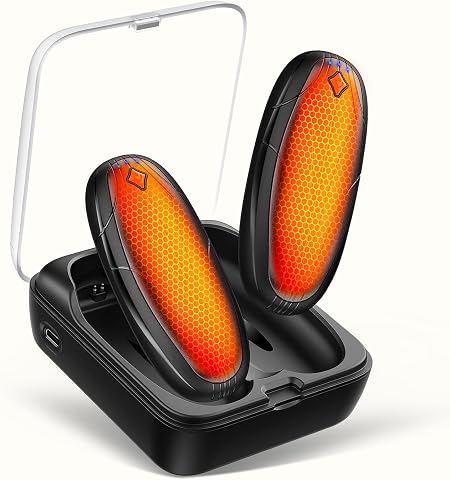
This set includes two ultra-thin, rechargeable hand warmers with a combined capacity of 14,000mAh, providing up to 10 hours of heat. Designed with ergonomic magnetic features and adjustable heat levels, they are ideal for outdoor activities like camping, hunting, and golfing, and come with a charging case for convenience.
Pros:
- Long-lasting battery life with 14,000mAh capacity
- Compact, ergonomic, and lightweight design
- Adjustable heat levels for personalized comfort
- Includes charging case for convenience
Cons:
- Battery runtime may vary with ambient temperature
- Limited color options
- Requires Type-C charging port
Best for: Backpackers considering rechargeable warmers with a charging case
Not ideal for: Anyone who has not checked the charging setup and carrying fit
Bottom line: Check the warmers’ instructions and fit, then decide whether the charging case works for your trip.
Winter Footwear
Footwear affects comfort and movement throughout a winter hike, so make sure your choice suits both your route and your feet. The pick is the Kenetrek Men’s Mountain Extreme 400 Insulated Hiking Boots. Before buying, check the product’s sizing guidance and consider the socks you plan to wear. A boot that fits in a thin sock may feel different with your intended winter layers.
A common mistake is selecting boots without testing them under realistic conditions. Try them on with your planned socks, check toe room and heel hold, and walk on an incline if possible to notice movement or pressure. Confirm that the boots work with your traction gear; a traction device should fit securely over the footwear you will actually use. Also consider whether the boot’s weight and feel suit your planned mileage and terrain. The full-footwear combination matters: boots, socks, and traction should work together without discomfort or a loose fit. Follow the manufacturer’s guidance and allow time to assess fit before a trip.
What to look for:
- Sizing that accommodates your planned winter socks
- Toe room and secure heel hold during a walking test
- Compatibility with the traction gear you plan to use
- A boot feel that suits your route and mileage
- Time to check fit before your trip
Kenetrek Men’s Mountain Extreme 400 Insulated Hiking Boots

These rugged men’s hiking boots are made from full-grain leather with waterproof and breathable Windtex membrane, featuring 400-gram Thinsulate insulation for cold-weather protection. Designed for durability and support, they have reinforced soles and high-traction outsoles suitable for challenging terrains.
Pros:
- Durable full-grain leather construction
- Effective waterproof and insulated design for cold weather
- High-traction, lightweight outsole for rugged terrains
- Excellent support and stability for heavy loads
Cons:
- May be heavy for some users
- Potentially stiff initial break-in period
- Higher price point due to premium materials
Best for: Men considering insulated hiking boots for a winter backpacking setup
Not ideal for: Anyone unable to test the boots with their intended socks and traction
Bottom line: Try the Kenetrek boots with your winter socks and traction gear before committing them to a trip.
Build the kit in a practical order: first address the essentials that shape your sleep, shelter, and ability to move safely, then refine clothing and hand warmth around your route. Check what you already own before adding anything, and prioritize fit and compatibility so new pieces work with your existing gear.
Winter conditions can vary widely, so use this checklist as a starting point and adjust it to your plans. Test important items at home, review current conditions before departure, and make room to change your approach when the route calls for it. A little careful preparation can help you head out with more confidence.