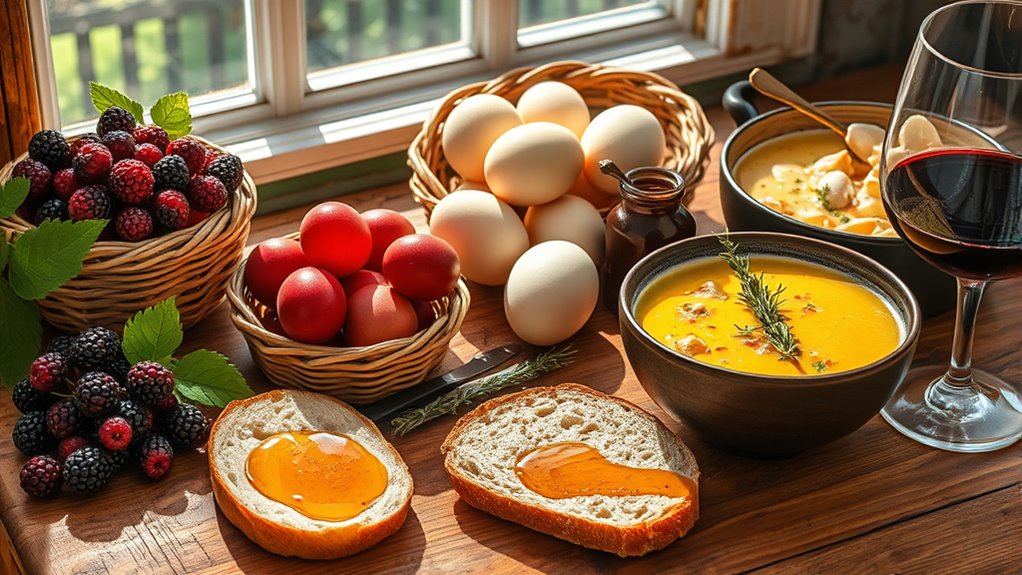

Oregon’s culinary traditions blend indigenous practices with fresh, local ingredients like salmon, Dungeness crab, oysters, marionberries, and hazelnuts. You’ll find a mix of traditional techniques like smoking and drying combined with modern innovations, farm-to-table movements, and diverse festivals celebrating regional flavors. From seafood festivals along the coast to farm visits and food carts in Portland, Oregon’s cuisine emphasizes sustainability, community, and creative reuse. If you continue exploring, you’ll discover even richer flavors and stories behind this vibrant food scene.
Key Takeaways
- Oregon’s cuisine emphasizes local ingredients like seafood, berries, nuts, and dairy, reflecting its rich agricultural and coastal resources.
- Indigenous culinary heritage includes sustainable practices such as smoking, drying, and fermenting native foods like salmon and berries.
- Modern techniques blend traditional flavors with innovation, including farm-to-table dining, food cart fusion cuisines, and artisanal products.
- Culinary tourism features food festivals, farm tours, and cooking classes that celebrate regional ingredients and sustainability efforts.
- The food culture promotes ecological responsibility through sustainable fishing, local sourcing, and educational initiatives supporting regional food heritage.

Hi Mountain Seasonings Fish Brine Mix | ALASKAN SALMON | Salmon Brine for Smoking | Create Delicious Smoked Salmon | Includes Two Brine Seasoning Packets
FLAVOR NOTES — Made with pure maple sugar, giving it a sweet and savory flavor.
As an affiliate, we earn on qualifying purchases.
As an affiliate, we earn on qualifying purchases.
Iconic Oregon Ingredients and Dishes
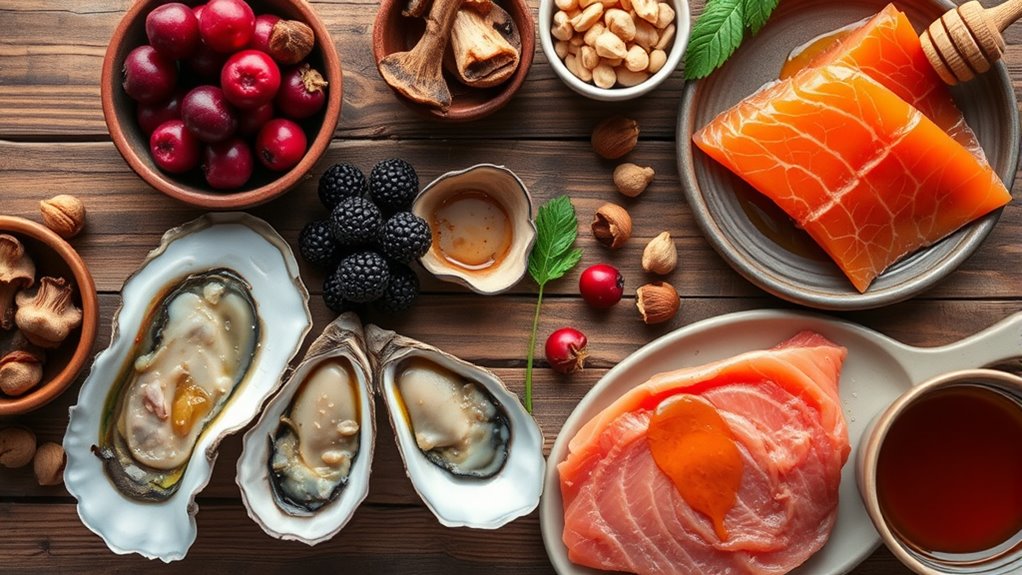
Oregon’s culinary identity is deeply rooted in its iconic ingredients and dishes that reflect both its natural landscape and cultural heritage. You’ll find salmon at the heart of many meals, celebrated for its rich flavor and cultural significance, especially among Native American communities. Marionberries, developed in Corvallis, offer a sweet, tart flavor perfect for pies and jams. The state’s dairy industry shines through Tillamook Cheese, known for its quality and variety since 1909. Hazelnuts, Oregon’s flagship nut, add a distinct crunch to baked goods and salads. Additionally, the invention of the corn dog in Rockaway Beach highlights Oregon’s contribution to popular snack foods. These ingredients and dishes embody Oregon’s connection to its land, water, and history, making its cuisine uniquely vibrant and authentic. Agricultural heritage plays a vital role in shaping Oregon’s diverse culinary landscape.

Walls Berry Farm, Marionberry Seedless Jam, 18 Ounce
As an affiliate, we earn on qualifying purchases.
As an affiliate, we earn on qualifying purchases.
Indigenous Culinary Heritage and Practices
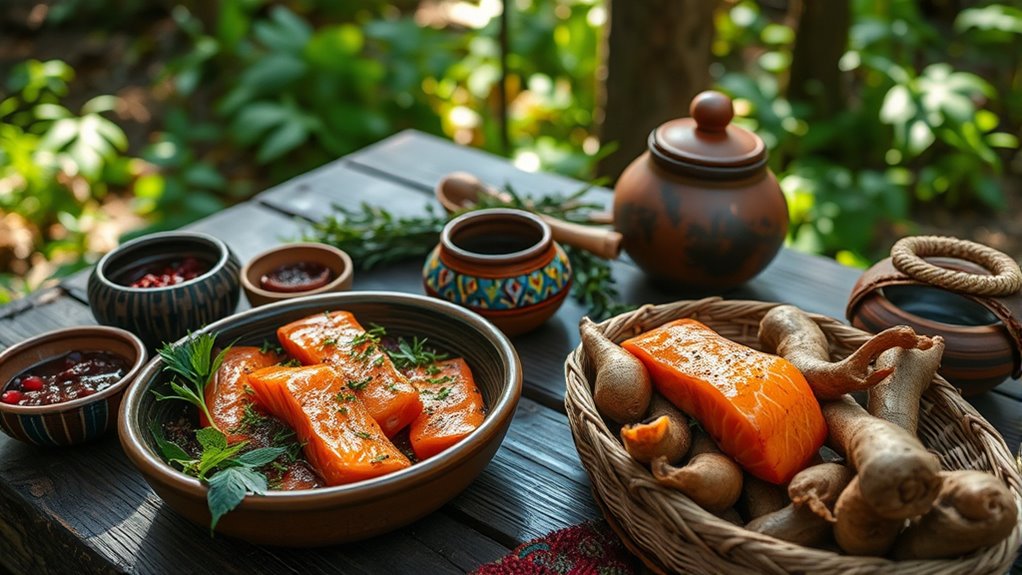
Indigenous communities have shaped the culinary landscape of Oregon for centuries through their deep connection to the land and water. You’ll find their practices centered on sustainable harvesting of salmon, shellfish, berries, and nuts, which remain essential to their diets and ceremonies. These communities traditionally use methods like smoking, drying, and fermenting to preserve their foods, ensuring availability year-round. You might also witness their use of natural ingredients, such as camas roots and wild herbs, to flavor dishes. Their culinary heritage emphasizes respect for nature, passing down techniques and stories through generations. Additionally, their use of aesthetic wall organization and materials enhances the presentation and cultural significance of their foods during communal gatherings. Indigenous practices are not just about feeding; they serve cultural, spiritual, and social purposes, forming the foundation of Oregon’s rich, diverse food history.

Tillamook, Medium Cheddar Cheese 3/4 oz Snack Portions, 10 ct
But we don't stop there. It continues by caring for our cows and farms, sustaining our natural resources,…
As an affiliate, we earn on qualifying purchases.
As an affiliate, we earn on qualifying purchases.
Historical Food Preservation and Cooking Techniques

You’ll see that early Oregon settlers relied heavily on canning and drying to preserve food for winter months, using techniques passed down through generations. Wood-fired cooking also played a key role, providing a resourceful method for baking and preparing meals in remote areas. Indigenous communities had their own preservation practices, like smoking salmon and drying berries, that continue to influence local culinary traditions today. Additionally, these historical techniques are gaining renewed interest as part of business trends focusing on sustainable and traditional food practices.
Canning and Drying Methods
Canning and drying have long been crucial techniques for conserving Oregon’s seasonal bounty, allowing communities to store food for winter months and guarantee a steady supply of essential nutrients. You might have used hot water baths or pressure canners to preserve fruits, vegetables, and fish, ensuring they retained flavor and nutrition. Drying methods, such as air-drying or using smokehouses, helped extend shelf life for berries, herbs, and meats. Native Americans mastered these techniques long before settlers arrived, drying salmon and berries for year-round use. Today, many Oregon households continue these traditions, appreciating the simplicity and effectiveness of preserving local ingredients. These methods connect you to a rich culinary history that emphasizes resourcefulness and respect for seasonal abundance. Additionally, understanding food preservation techniques can help you make informed choices about storing and enjoying local foods throughout the year.
Wood-Fired Cooking Traditions
Wood-fired cooking has played an essential role in Oregon’s culinary history, reflecting resourcefulness and a connection to the natural environment. Early settlers used wood-fired ovens and open flames to prepare bread, roasts, and smoked foods, making the most of available resources. This method allowed for slow, flavorful cooking that preserved food naturally. Over time, wood-fired techniques became a symbol of rustic craftsmanship and community gatherings. You’ll find many historic farms and restaurants still embracing these traditions. Wood-fired techniques continue to be celebrated for their ability to produce unique flavors and preserve culinary heritage.
Indigenous Preservation Practices
Indigenous communities in Oregon developed sophisticated food preservation and cooking techniques that guaranteed their diets could sustain them through harsh winters and seasonal changes. You might learn that smoking salmon was a common method to conserve it for months, retaining flavor and nutrients. Drying berries and roots in the sun or over smoke helped store essential nutrients. You could also discover that underground storage pits kept food cool and protected from spoilage. Cooking techniques like pit roasting and steaming with heated stones allowed for tender, flavorful meals. These methods weren’t just practical—they reflected a deep understanding of nature’s cycles. By mastering preservation, Indigenous peoples ensured a stable food supply, maintained cultural traditions, and demonstrated resilience in adapting to Oregon’s diverse climate. Additionally, some groups used traditional preservation tools that enhanced their ability to store food for extended periods.

Cook's, Pure Hazelnut Flavor, Perfect for Baking and Cooking, Certified Kosher, Gluten Free, Allergen Free, Vegan, 4 oz
This fine flavor has the aroma and flavor of roasted, buttery hazelnuts
As an affiliate, we earn on qualifying purchases.
As an affiliate, we earn on qualifying purchases.
Modern Innovations in Oregon Cuisine

Modern innovations in Oregon cuisine showcase the state’s vibrant and inventive food scene, blending traditional flavors with contemporary techniques. You’ll find chefs experimenting with plant-based ingredients, creating flavorful vegetarian and vegan dishes that highlight local produce. Food carts in Portland push boundaries with fusion cuisines, offering unique bites like Korean tacos or Asian-inspired bowls. The farm-to-table movement emphasizes sustainable practices, transforming fresh, seasonal ingredients into refined dishes. Oregon’s chefs also leverage technology, like sous-vide cooking, to enhance textures and flavors. Additionally, artisanal products like craft spirits and innovative desserts, such as maraschino cherry-infused treats, reflect the state’s creative spirit. Emphasizing nutritional benefits, many establishments incorporate superfoods like chia seeds into their menu items to boost health benefits.
Celebratory Food Festivals and Community Events

Oregon’s vibrant culinary scene comes alive through its lively festivals and community events that celebrate local flavors and traditions. You’ll find salmon feasts along the Columbia River, where Indigenous communities honor their heritage with traditional ceremonies. Marionberry festivals highlight the sweet fruit’s role in Oregon’s desserts and preserves, drawing crowds enthusiastic to taste fresh pies and jams. At Tillamook Creamery tours, you can learn about cheese-making while sampling creamy samples. Portland’s food festivals showcase diverse cuisines, emphasizing community and innovation. Harvest celebrations across the state highlight seasonal produce, connecting residents to their agricultural roots. These events foster community spirit, promote local ingredients, and preserve culinary traditions, allowing you to immerse yourself in Oregon’s rich food culture while enjoying lively, authentic gatherings. Additionally, food festivals increasingly incorporate sustainable practices and educational components, reflecting a growing awareness of environmental and ethical considerations in the culinary world.
Key Ingredients and Local Products
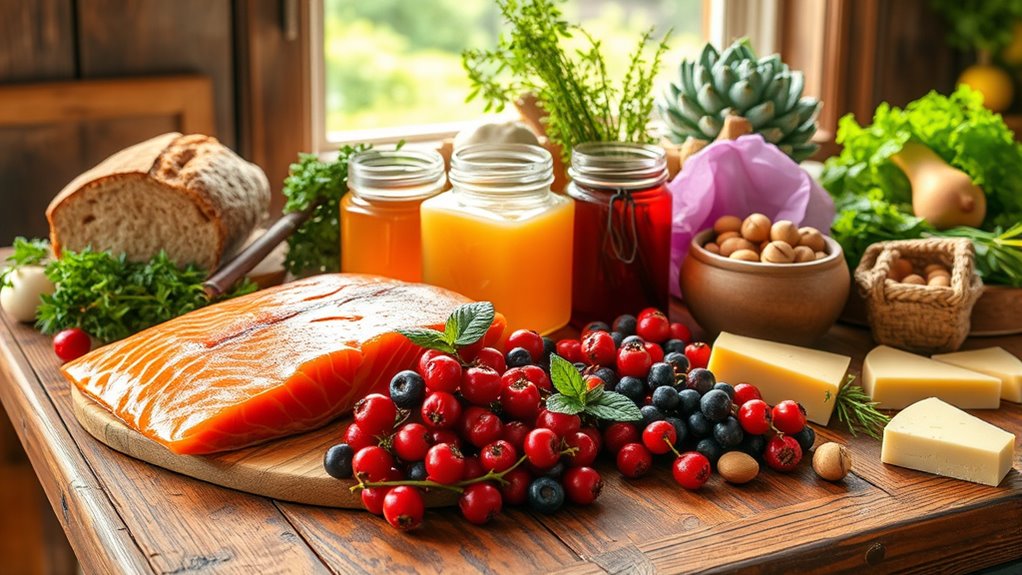
Have you ever tasted the freshness of Oregon’s seafood or the sweetness of its berries? If so, you’ve experienced some of the state’s most iconic ingredients. Oregon’s rich coastal waters provide abundant salmon, crab, and oysters, celebrated for their flavor and quality. The land yields prized nuts and berries, like Oregon hazelnuts and Marionberries—used in desserts and jams. Dairy also plays a essential role, with Tillamook Cheese leading the way in quality and variety. You’ll find locally grown seasonal produce, from fresh fruits to vegetables, in markets and farm stands. These ingredients form the backbone of Oregon’s culinary identity, emphasizing sustainability and local sourcing. To deepen your appreciation, consider these key ingredients:
Discover Oregon’s culinary roots with fresh seafood, berries, nuts, cheese, and seasonal produce celebrating sustainability and local flavor.
- Salmon
- Marionberries
- Hazelnuts
- Tillamook Cheese
- Seasonal produce
Furthermore, refrigerant management in local food production helps maintain the freshness and safety of perishable ingredients.
Oregon’s Seafood and Nut Specialties
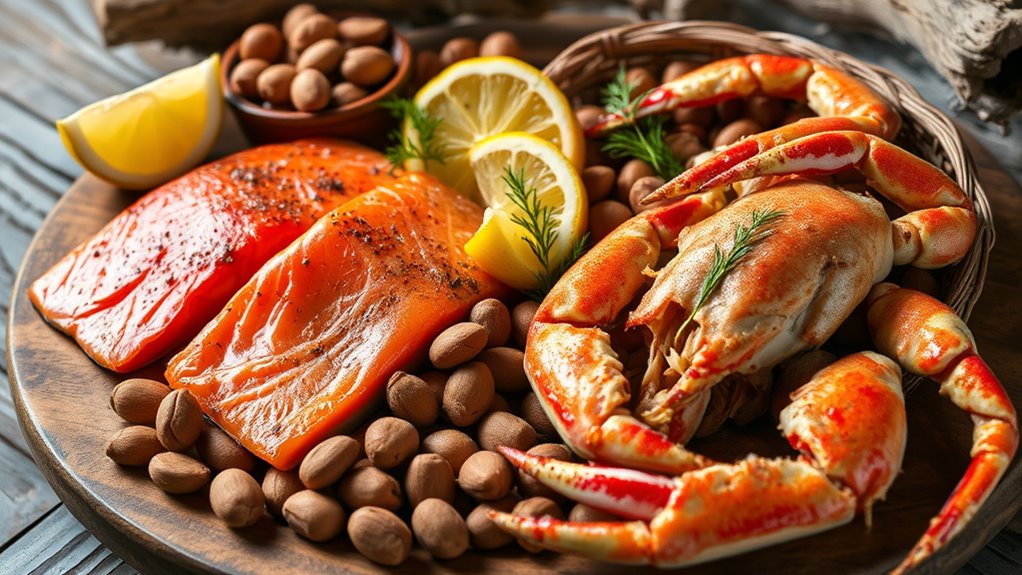
Rich coastal waters make seafood a cornerstone of Oregon’s culinary scene, offering some of the freshest salmon, crab, and oysters you’ll find anywhere. You can savor wild salmon grilled, smoked, or cured, reflecting Native American traditions and local fishing practices. Dungeness crab, harvested from Oregon’s bays, features prominently in crab cakes, soups, and steamed dishes. Oysters from the Pacific Coast are prized for their briny, clean flavor and are often enjoyed raw on the half shell. Nut specialties also play a crucial role; Oregon’s hazelnuts are roasted and incorporated into desserts, salads, and baked goods, highlighting their distinct, buttery taste. These ingredients showcase the state’s rich maritime and agricultural resources, forming a core of Oregon’s distinctive culinary identity. Additionally, the prominence of sustainable fishing practices ensures that these seafood resources are preserved for future generations.
Culinary Tourism and Educational Opportunities

Culinary tourism in Oregon offers a vibrant way to explore the state’s diverse flavors and traditions. You can immerse yourself in local food scenes through guided tours, cooking classes, and farm visits that reveal the stories behind Oregon’s ingredients. These experiences let you learn hands-on techniques and understand sustainable practices, enriching your appreciation of the cuisine. Whether you’re sampling fresh seafood, tasting artisan cheeses, or exploring local markets, Oregon’s culinary scene invites curiosity and discovery.
- Join a food tour in Portland or coastal towns
- Attend cooking workshops focused on Oregon ingredients
- Visit farms to see sustainable farming practices firsthand
- Enroll in culinary programs at local schools
- Participate in food festivals celebrating regional specialties
The Role of Farm-to-Table Movement in Oregon
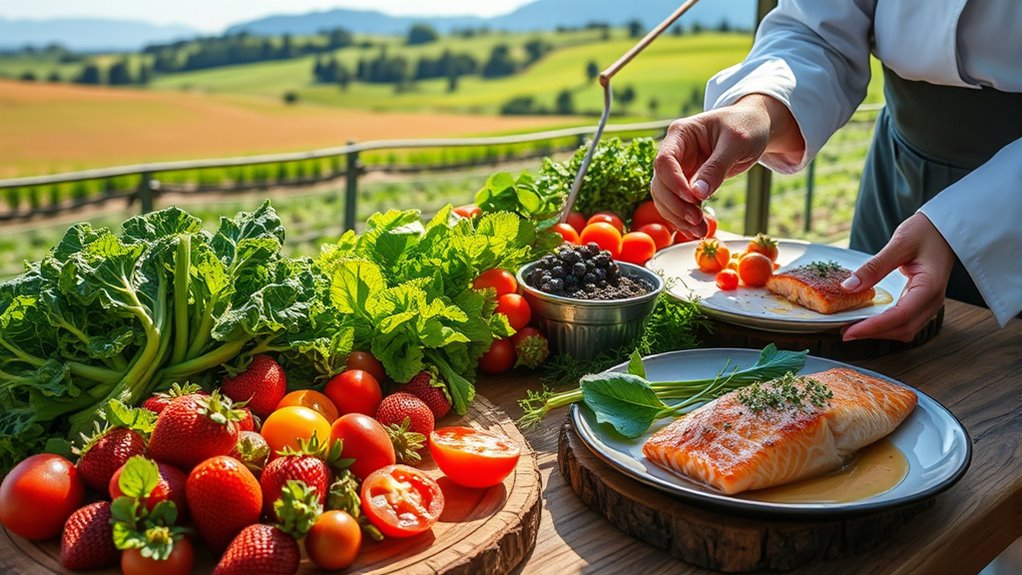
Oregon’s farm-to-table movement has become a defining aspect of its food culture, emphasizing local sourcing and sustainable practices. You’ll notice that chefs and restaurants prioritize ingredients from nearby farms, reducing transportation and supporting local economies. This movement encourages transparency, allowing you to see where your food comes from and how it’s produced. Farmers and producers work closely with chefs to ensure freshness and quality, often highlighting seasonal ingredients. As a result, Oregon’s menus change throughout the year, reflecting the region’s harvest cycles. You’re encouraged to explore farmers’ markets and farm visits, connecting directly with those growing your food. This approach fosters a deeper appreciation for regional flavors and promotes ecological responsibility, making the culinary scene both vibrant and sustainable.
Frequently Asked Questions
How Has Oregon’s Culinary Scene Evolved Over the Last Century?
Over the last century, Oregon’s culinary scene has transformed from traditional indigenous practices and self-sufficient farming to a vibrant, innovative food culture. You now enjoy diverse options like farm-to-table dining, food carts, and vegetarian dishes. You can explore local ingredients like salmon, Marionberries, and hazelnuts, while attending lively festivals and taking cooking classes. The state’s focus on sustainability and local sourcing has made its cuisine both modern and deeply rooted in tradition.
What Indigenous Ingredients Are Still Central to Oregon Cuisine Today?
You’ll find that salmon remains a cornerstone of Oregon cuisine, with over 60% of the state’s wild salmon population sustainably harvested each year. Indigenous ingredients like salmon, berries, and nuts still play a essential role in local dishes and cultural events. You can experience this heritage through salmon feasts or berry festivals, connecting you to centuries-old traditions that continue to shape Oregon’s culinary identity today.
How Do Oregon’s Food Preservation Techniques Reflect Its Climate?
You’ll notice that Oregon’s preservation techniques, like canning and drying, suit its climate, which has wet winters and dry summers. You preserve abundant seasonal produce, seafood, and nuts to enjoy them year-round. These methods help keep food fresh despite unpredictable weather, reflecting the state’s resourcefulness. By mastering these techniques, you guarantee a steady supply of local flavors, connecting you to Oregon’s agricultural roots and sustainable practices.
In What Ways Do Oregon’s Food Festivals Promote Local Sustainability?
You see, Oregon’s food festivals are like a garden bursting with life, showcasing local produce and sustainable practices. They spotlight farmers, fishermen, and artisans, encouraging you to buy fresh and support eco-friendly methods. By celebrating seasonal ingredients, these festivals help preserve farmland and reduce food miles. When you participate, you become part of a community that values environmental health, ensuring Oregon’s vibrant culinary future blossoms for generations to come.
What Role Do Culinary Schools Play in Oregon’s Food Culture?
Culinary schools in Oregon play a crucial role by educating aspiring chefs and food enthusiasts about local ingredients, sustainable practices, and traditional techniques. You can learn how to cook with Oregon’s fresh produce, seafood, and dairy, helping preserve the state’s culinary heritage. These schools also foster innovation by encouraging experimentation with new dishes, ensuring Oregon’s vibrant food culture continues to grow and adapt to modern trends.
Conclusion
As you explore Oregon’s vibrant culinary landscape, you’ll find a tapestry woven with tradition and innovation, like a gentle stream flowing through lush forests. Each ingredient and dish tells a story, inviting you to savor the rich heritage and fresh flavors that define this region. Embrace the journey, where every bite offers a warm embrace of community and history, guiding you toward a deeper appreciation of Oregon’s deliciously unique culinary soul.