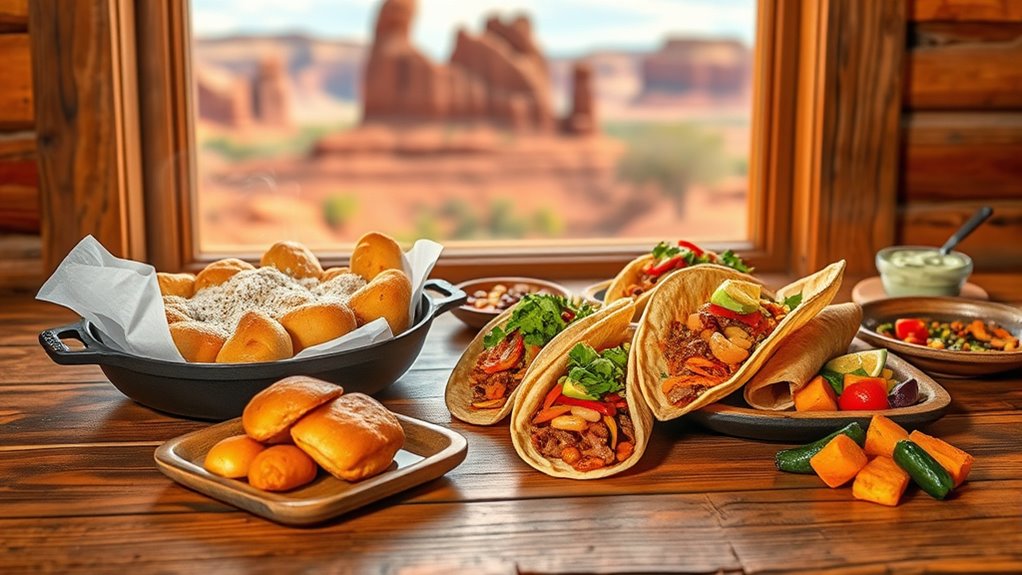

Utah’s cuisine reflects its pioneer roots, community spirit, and diverse cultural influences. You’ll find hearty dishes like funeral potatoes, fry sauce, and Utah scones, often shared during family and community gatherings. Native American, Polynesian, and immigrant flavors blend into regional favorites, emphasizing traditional cooking methods and local ingredients. Celebrations and festivals highlight these culinary traditions, fostering pride and storytelling. To uncover more about Utah’s unique food culture, keep exploring its vibrant culinary history and practices.
Key Takeaways
- Utah’s cuisine features pioneer-inspired dishes like funeral potatoes, fry sauce, and deep-fried scones rooted in resourcefulness and community.
- Traditional foods are influenced by Mormon, Native American, Polynesian, and immigrant cultures, shaping diverse regional flavors.
- Community gatherings and celebrations often center around hearty casseroles, Hawaiian Haystacks, and social potlucks emphasizing shared heritage.
- Cooking techniques include outdoor Dutch oven methods, deep-frying, and casserole baking, reflecting practical pioneer practices.
- Regional gardening and local ingredients such as potatoes, wheat, and seasonal produce support sustainable culinary traditions.
Signature Dishes and Regional Specialties
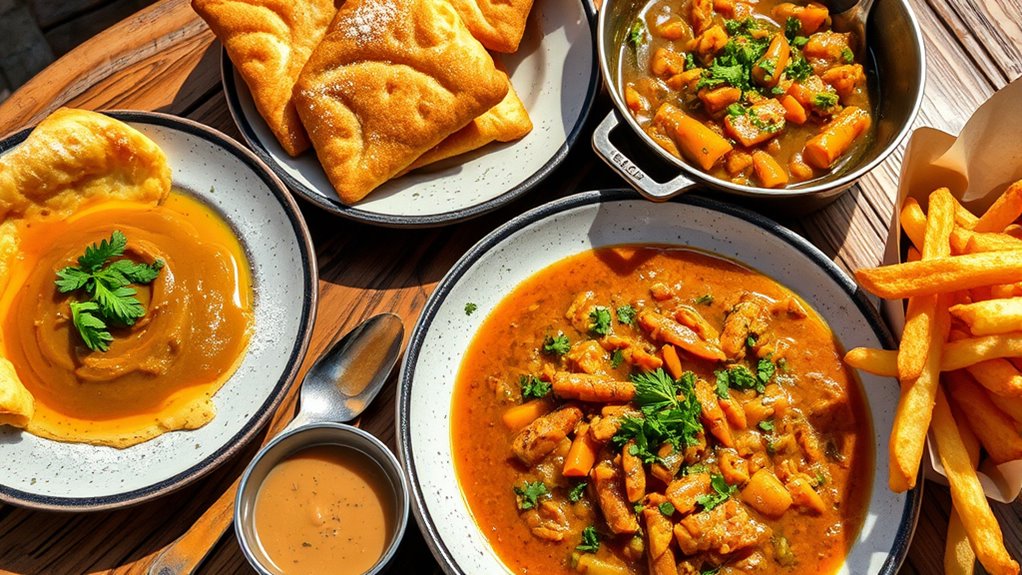
Utah’s culinary landscape is defined by a set of signature dishes and regional specialties that reflect its unique cultural heritage and local ingredients. You’ll find fry sauce, a classic blend of ketchup and mayonnaise, beloved nationwide but uniquely Utah’s own. Funeral potatoes, a cheesy casserole made with hash browns and sour cream, often appears at community gatherings. Utah scones, deep-fried bread served with honey butter or cinnamon sugar, offer comfort as a snack or breakfast. The pastrami burger, topped with smoked meat, showcases local flavor in fast-food joints like Crown Burger. Green Jell-O, a staple in Utah’s food culture, often appears in salads with fruit or dairy. These dishes embody Utah’s hearty, resourceful approach to cooking and community-centric traditions. Interestingly, some of these regional specialties are influenced by the state’s cultural heritage, which blends American, Mormon, and pioneer traditions.
Cultural Influences Shaping Utah’s Cuisine
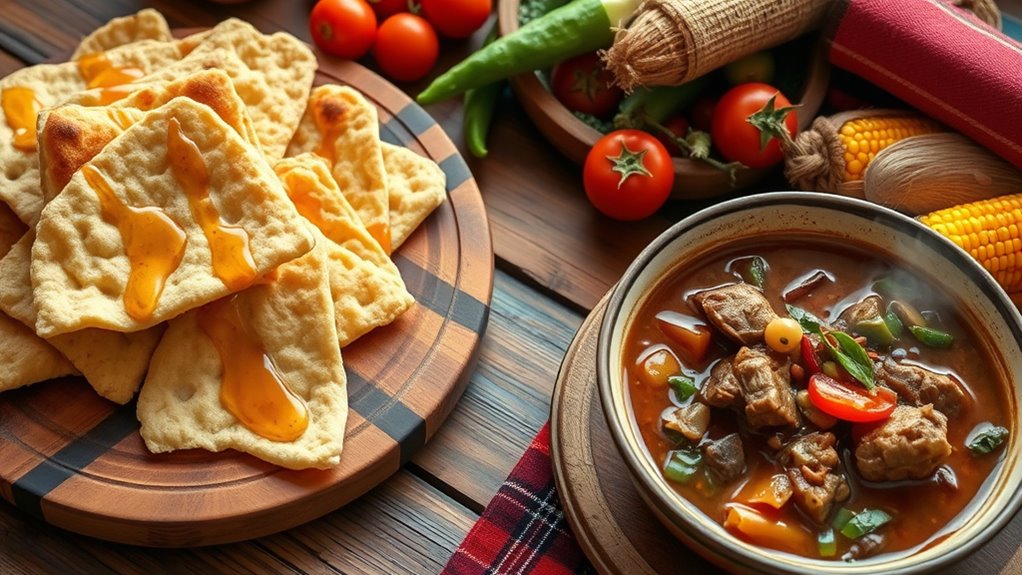
Cultural influences from diverse communities have profoundly shaped Utah’s culinary landscape. As you explore local dishes, you’ll notice the strong Mormon tradition of hearty, communal foods like casseroles and comfort foods, reflecting pioneer resourcefulness. Native American contributions, such as Navajo frybread turned into tacos, add indigenous flavors to the mix. Polynesian influences, seen in dishes like Hawaiian Haystacks, highlight Utah’s missionary history and cultural exchanges. Immigrant impacts also shine through, blending Mexican, Asian, and European flavors into regional favorites. Utah’s agriculture supports a variety of fresh ingredients like potatoes, wheat, and fruits, which appear in many traditional recipes. Incorporating space-saving kitchen tools and techniques can help manage the diverse ingredients and cooking styles found in Utah’s culinary traditions. These diverse cultural influences come together, creating a unique culinary identity rooted in community, history, and resourcefulness that you can taste in every bite.
Traditional Food Practices and Celebrations
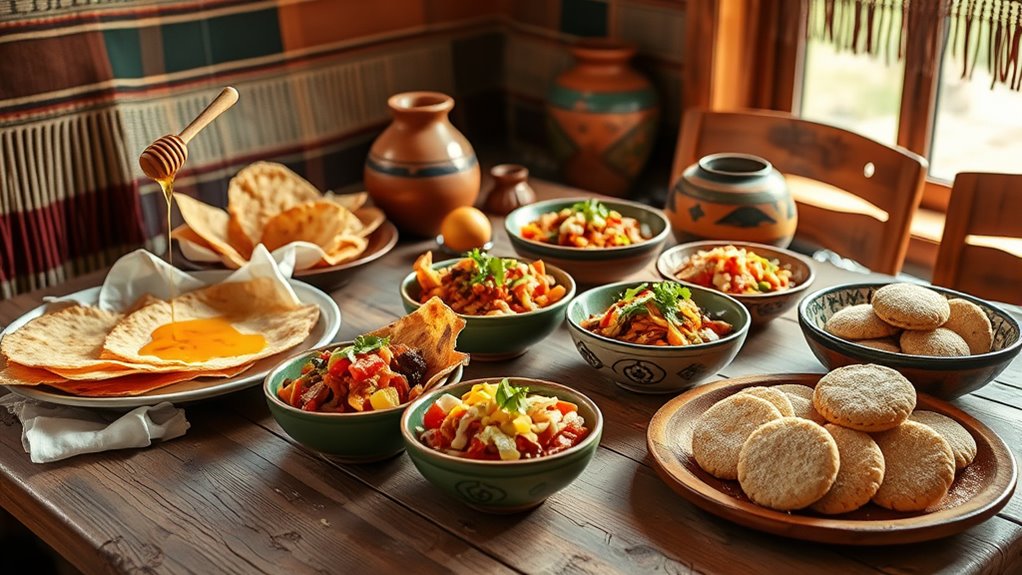
Traditional food practices in Utah revolve around communal gatherings and family celebrations, where dishes like funeral potatoes and Hawaiian Haystacks take center stage. These meals foster connections and reinforce community bonds during church events, potlucks, and family reunions. You’ll find that recipes are often shared orally, passing down traditions through generations. Foods are usually hearty, simple, and designed for sharing, reflecting the pioneer spirit and resourcefulness. During celebrations, the focus is on comfort foods that bring people together. The use of traditional recipes helps preserve cultural identity and strengthens family ties across generations.
Key Ingredients and Unique Food Preparations
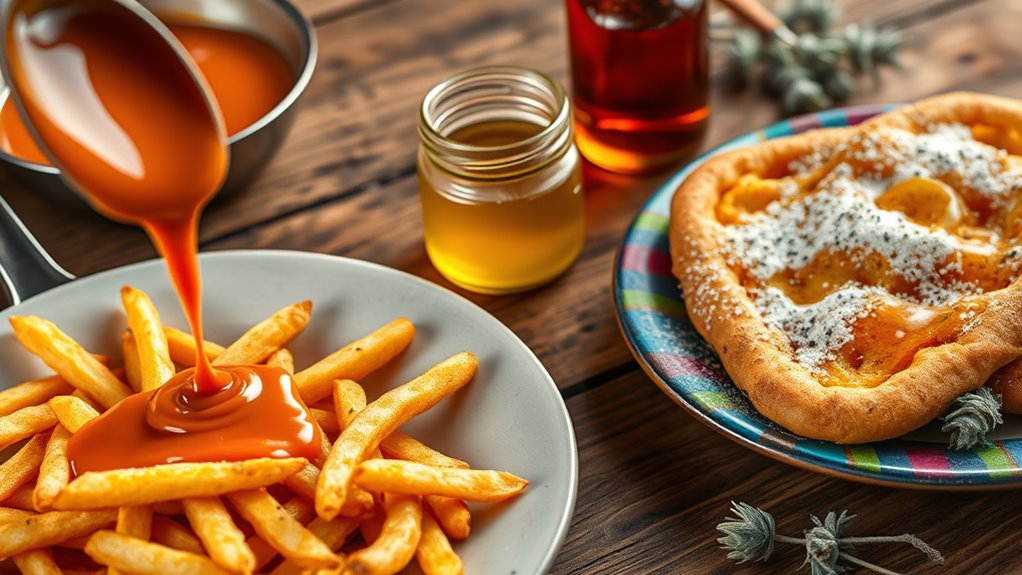
You’ll notice that Utah’s cuisine relies heavily on signature ingredients like fry sauce, canned soups, and local fruits. These ingredients often come together through traditional cooking techniques such as deep-frying and casserole baking, reflecting the state’s pioneer roots. Exploring how these key components shape Utah’s unique food preparations reveals a rich culinary heritage rooted in practicality and community. Additionally, Halloween-inspired dishes are sometimes incorporated into local celebrations, showcasing the blending of culinary traditions with seasonal festivities.
Signature Utah Ingredients
Signature Utah ingredients stand out for their regional uniqueness and practical versatility, shaping the state’s distinctive culinary identity. You’ll find local staples like beef and dairy used generously in hearty dishes, reflecting Utah’s agricultural richness. Canned and processed elements, such as cream soups and vegetables, highlight resourcefulness and convenience in home cooking. Utah’s fruit cultivation shines through ingredients like boysenberries, used in regional pies, and fresh potatoes and onions that form the backbone of many casseroles. These ingredients are often combined with signature preparations like fry sauce or deep-fried scones, creating a unique flavor profile. Additionally, incorporating nutritious ingredients like chia seeds can boost the health benefits of traditional recipes, offering modern twists on classic dishes. Chia seeds are a versatile superfood that can easily be added to Utah’s hearty fare.
Traditional Cooking Techniques
Utah’s culinary heritage is deeply rooted in practical and distinctive cooking techniques that have been passed down through generations. You utilize methods like deep-frying for Utah scones, giving them a crispy exterior and soft interior. Dutch oven cooking is common for dishes like peach cobbler, often prepared outdoors over campfires, emphasizing resourcefulness. Casserole assembly relies on canned soups, processed vegetables, and cheese, reflecting mid-20th-century efficiency. You also rely on quick pickling and marinating to enhance flavors with local ingredients. These techniques preserve tradition while adapting to modern tastes. Recognizing the importance of cultural continuity helps to understand the significance of these traditional cooking methods in Utah’s culinary identity.
Food Festivals and Culinary Events

You’ll find that Utah’s food festivals celebrate local flavors like fry sauce and traditional cooking methods. Events like fry sauce festivals showcase the condiment’s cultural importance, while Dutch oven demonstrations highlight pioneer cooking techniques. These gatherings give you a firsthand experience of Utah’s culinary heritage and community spirit. For a truly authentic farmhouse feel, some festivals also incorporate rustic decor and traditional music to enrich the cultural atmosphere.
Fry Sauce Festivals
Fry sauce festivals have become a lively celebration of Utah’s beloved regional condiment, drawing food enthusiasts and locals alike. These events showcase the unique flavor of Utah’s signature dip, often featuring contests for the best recipe, live cooking demos, and tastings from local vendors. Attending, you’ll get to experience the community’s pride and creativity centered around fry sauce. The festivals highlight Utah’s culinary identity through various activities:
- Cultural pride: Showcases how fry sauce symbolizes local heritage and regional flavor.
- Community connection: Brings people together in shared love for a simple yet iconic condiment.
- Culinary innovation: Encourages experimentation, leading to new twists on a classic recipe.
These festivals celebrate more than just a sauce—they honor a Utah tradition that unites residents and visitors alike.
Dutch Oven Demonstrations
Dutch oven demonstrations are a highlight of Utah’s food festivals, offering a glimpse into pioneer-era cooking techniques that have endured through generations. You get to see how outdoor cooking with cast iron pots over open flames creates hearty, flavorful dishes like peach cobbler, stew, and bread. These demonstrations often include live tips on preparing and managing the coals, ensuring authentic results. As you watch, you’ll learn how early settlers relied on Dutch ovens for their versatility and durability, essential for community gatherings and survival. Participating in these events connects you to Utah’s pioneer heritage, celebrating the resourcefulness and communal spirit of early settlers. It’s a hands-on experience that highlights Utah’s rich culinary history rooted in outdoor, family-oriented traditions. Proper temperature control during cooking is crucial to achieve the best results and authentic flavors.
The Identity and Folklore of Utah’s Food Scene

Utah’s food scene is deeply intertwined with its regional identity and rich cultural history, making its culinary traditions more than just sustenance—they’re symbols of community, heritage, and pride. You’ll find that dishes like fry sauce, funeral potatoes, and Utah scones are more than food; they represent shared memories, pioneer resilience, and local ingenuity. These foods serve as oral history, passed down through generations and woven into social gatherings. They reflect the state’s diverse influences—from Mormon traditions to Native American contributions and immigrant impacts. Utah’s culinary folklore emphasizes hearty, communal meals that foster connection and pride. You’ll notice that food here isn’t just about taste, but about storytelling, identity, and preserving the spirit of Utah’s unique cultural landscape. Additionally, traditional Unique and Wicked Planters are often used in local gardens to grow herbs and vegetables, further connecting culinary practices with regional horticultural traditions.
Frequently Asked Questions
How Has Utah’s Cuisine Evolved With Modern Health Trends?
You’ve seen Utah’s cuisine evolve with modern health trends by adopting lighter ingredients and cooking methods. Restaurants now offer salads, grilled options, and plant-based dishes alongside traditional comfort foods. You might find more organic produce, gluten-free options, and reduced-fat versions of classic recipes like funeral potatoes or fry sauce. This shift allows you to enjoy Utah’s culinary traditions while embracing healthier choices, reflecting a balance between heritage and contemporary wellness trends.
Are There Any Vegetarian or Vegan Traditional Utah Dishes?
You’ll find limited traditional Utah dishes that are strictly vegetarian or vegan, as many rely on meat, dairy, and processed ingredients. However, modern adaptations and community gatherings often feature plant-based options like veggie casseroles or salads, sometimes inspired by local ingredients like Idaho potatoes or Utah-grown fruits. You can enjoy veggie versions of classic dishes or explore new recipes that honor Utah’s agricultural bounty while aligning with vegetarian or vegan diets.
What Role Do Local Farms Play in Utah’s Food Traditions?
You might think local farms don’t have much impact on Utah’s food traditions, but they’re actually central. You’ll find fresh, seasonal ingredients like peaches, berries, and vegetables from nearby farms shaping dishes like boysenberry pie and Dutch oven recipes. These farms support community gatherings and preserve Pioneer-era methods. So, Utah’s food culture is deeply rooted in local agriculture, connecting you to the land and history with every bite.
How Do Utah’s Immigrant Communities Influence Its Culinary Scene?
You see Utah’s immigrant communities, like Polynesians and Mexicans, influence its culinary scene through dishes like Hawaiian Haystacks and Navajo tacos. They introduce new flavors, ingredients, and cooking techniques, blending their traditions with local ingredients. These communities enrich Utah’s food culture by adding diversity and unique options, creating a vibrant culinary landscape that celebrates multicultural influences and keeps the food scene dynamic and connected to global flavors.
Are There Specific Cooking Techniques Unique to Utah’s Culinary History?
You’ll find Utah’s cooking techniques rooted in pioneer methods, Native American traditions, and immigrant influences. You’ll fry dough into crispy scones, simmer hearty casseroles in Dutch ovens, and layer flavors in communal dishes. You’ll bake outdoors over campfires, blend regional ingredients into comforting recipes, and preserve food through canning. These techniques come alive in gatherings, stories, and shared meals, creating a rich, enduring culinary tapestry that reflects Utah’s resourcefulness and cultural resilience.
Conclusion
As you explore Utah’s culinary landscape, you’ll find it’s a vibrant tapestry woven with flavors, traditions, and stories. From hearty bites to festive celebrations, each dish is a brushstroke in the state’s flavorful mural. Embrace the rich cultural influences and unique ingredients that make Utah’s cuisine a delicious adventure. Like a mountain stream—ever flowing and full of surprises—it invites you to taste, celebrate, and become part of its flavorful folklore.