

Discover the best of Costa Rica by exploring top destinations like Manuel Antonio, Arenal, and the lesser-known Osa Peninsula and Turrialba for authentic experiences. Budget wisely with local eateries, public transport, and eco-friendly accommodations, and stay safe by following health tips and security advice. The ideal time to visit varies from dry, sunny months to lush, green rainy seasons. Continue exploring to uncover all the tips for an unforgettable adventure in Costa Rica.
Key Takeaways
- Explore diverse regions like Manuel Antonio, Arenal, Osa Peninsula, and Turrialba for natural beauty, adventure, and authentic cultural experiences.
- Plan visits during dry season (Dec-Apr) for outdoor activities or rainy season (May-Nov) for lush landscapes and fewer crowds.
- Use eco-friendly transportation, dine at local sodas, and stay in budget accommodations to save costs and support sustainable tourism.
- Prioritize safety by securing valuables, avoiding isolated areas at night, and staying informed about health risks like mosquito-borne diseases.
- Engage in eco-tours, wildlife viewing, cultural festivals, and participate in responsible tourism to preserve Costa Rica’s rich environment and heritage.
As an affiliate, we earn on qualifying purchases.
Key Destinations and Hidden Gems

While popular destinations like Manuel Antonio and Arenal remain top choices, exploring lesser-known spots can offer more authentic and less crowded experiences. Consider visiting the Osa Peninsula, where lush rainforests meet pristine beaches, perfect for wildlife viewing and adventure. Turrialba offers a quieter alternative to busy volcano parks, with rich cultural sites and scenic river rapids. The Southern Caribbean coast, including Puerto Viejo, provides vibrant Afro-Caribbean culture and incredible coral reefs for snorkeling. Inland, the rural communities around Talamanca showcase local traditions and untouched landscapes. These hidden gems often have fewer visitors, making your experience more intimate and genuine. Additionally, traveling to these areas often involves safe and reliable transportation, ensuring a smoother journey. By venturing off the beaten path, you’ll discover Costa Rica’s diverse beauty without the crowds, creating memorable, authentic adventures.
As an affiliate, we earn on qualifying purchases.
Navigating Costs and Budget-Friendly Tips

As Costa Rica’s popular destinations become increasingly crowded and costly, you’ll want to find ways to stretch your budget. Focus on off-the-beaten-path regions like Turrialba or the Southern Caribbean coast, where prices tend to be lower. Use public transportation or rent bikes instead of taxis or car rentals. Opt for local eateries over tourist spots to save money and enjoy authentic flavors. Accommodation options like hostels, guesthouses, or Airbnb can be more affordable. Here’s a quick comparison:
| Cost-Saving Tip | Example |
|---|---|
| Travel Off-Peak | Visit in the shoulder months (May-November) |
| Eat Local | Try sodas (small local restaurants) for meals |
| Use Public Transport | Buses connect most towns affordably |
| Stay in Budget Accommodations | Hostels or guesthouses in less touristy areas |
| Choose Free or Low-Cost Activities | Hiking, beaches, wildlife watching |
Being strategic helps you enjoy Costa Rica without overspending. For a more sustainable trip, consider eco-friendly options like staying at environmentally conscious lodges or participating in conservation activities.
waterproof snorkel mask Costa Rica
As an affiliate, we earn on qualifying purchases.
As an affiliate, we earn on qualifying purchases.
Safety and Health Precautions for Travelers
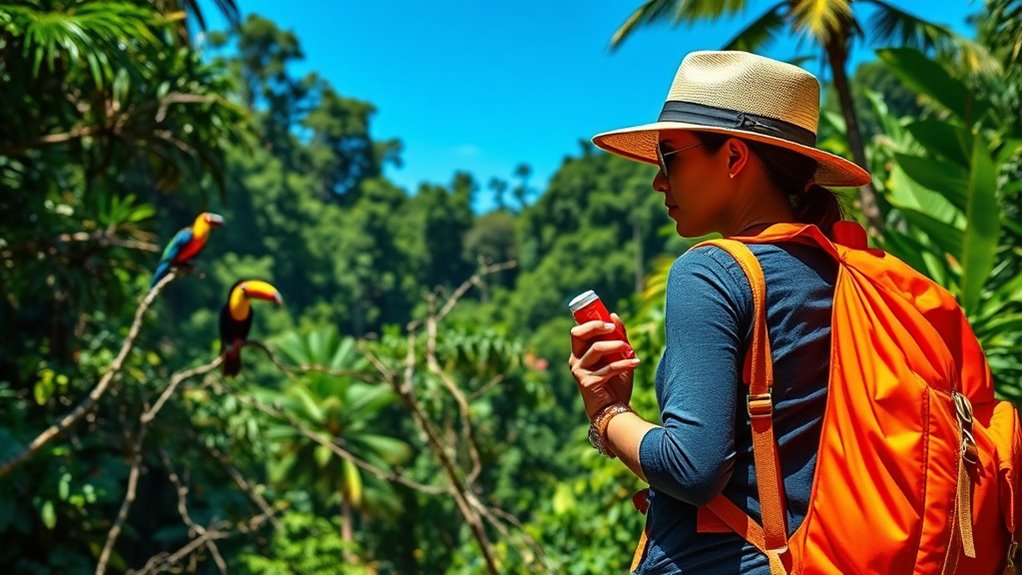
To stay safe in Costa Rica, you need to follow essential crime prevention tips and stay aware of your surroundings. It’s also important to understand health risks like mosquito-borne illnesses and know how to respond to emergencies. Keep emergency contact info handy and take proactive steps to protect yourself during your trip. Being aware of security zone information can help you better assess safe areas and avoid potential threats.
Crime Prevention Tips
Are you aware of the safety measures needed to stay secure during your trip to Costa Rica? To protect yourself, follow these key tips:
- Keep your valuables in a secure, concealed location and avoid flaunting expensive items.
- Stay alert and cautious in crowded areas, especially near tourist hotspots and transportation hubs.
- Use reputable transportation options and avoid isolated or poorly lit areas at night.
- Consider carrying a portable vacuum expert to keep your belongings free from dust and allergens, especially if you have respiratory sensitivities.
Costa Rican authorities advise staying vigilant, especially near airports and popular attractions. Don’t share your travel plans openly and always lock hotel doors and windows. If you’re in unfamiliar neighborhoods, consider traveling with a companion or local guide. These simple steps help reduce your risk of theft or scams, ensuring a safer trip. Staying aware and prepared makes all the difference in enjoying your adventure confidently.
Health Risk Awareness
Traveling to Costa Rica offers incredible experiences, but it’s important to stay aware of health risks and safety precautions. You should be cautious about local health issues like dengue, chikungunya, malaria, and Zika, especially in beaches and mountain areas. Use insect repellent, wear long sleeves, and stay in accommodations with screens or air conditioning. Be mindful of food and water safety—avoid tap water and street food that might cause stomach upset. Caving activities can expose you to histoplasmosis, so follow safety guidelines. Crime rates have increased, so stay alert and avoid risky areas, especially at night. Keeping your vaccinations up to date and practicing good hygiene will help you stay healthy and safe during your trip. Regular home cleaning and maintenance can also prevent pest infestations that pose health risks during your stay.
Emergency Contact Info
When visiting Costa Rica, it’s crucial to have access to reliable emergency contact information to guarantee your safety. Keep these numbers handy: 1. Police: 911 or 128 for immediate assistance in emergencies. 2. Medical Emergencies: 911 connects you to ambulance services, with local clinics and hospitals available in major cities. 3. Embassy or Consulate: Contact your home country’s embassy in San José for help with lost passports, legal issues, or emergencies. Staying aware of developmental milestones and health indicators can help you better understand and respond to medical situations that may arise during your trip. Save these contacts on your phone and carry a printed list in case of technology failure. Know the location of nearby hospitals and clinics, especially in tourist hotspots. Staying prepared ensures quick action and peace of mind during your trip.
As an affiliate, we earn on qualifying purchases.
Best Times to Visit and Seasonal Insights

Costa Rica’s climate and seasonal patterns make certain times of year more ideal for visiting depending on your interests. The dry season, from December to April, offers sunny weather perfect for beaches, surfing, and outdoor adventures. This peak season attracts many travelers, so expect higher prices and crowds, especially in popular spots like Manuel Antonio and Arenal. The rainy season, from May to November, brings lush landscapes and fewer tourists, making it ideal for eco-tourism, birdwatching, and exploring less crowded regions like the Osa Peninsula or Turrialba. Although rain is common during this period, showers are often brief, and the vibrant scenery compensates for the weather. Shoulder months like May and November can provide a good balance of decent weather and fewer visitors. Engaging with seasonal weather patterns can help travelers plan activities that align with their preferences and maximize their experience.
Cultural Experiences and Local Cuisine
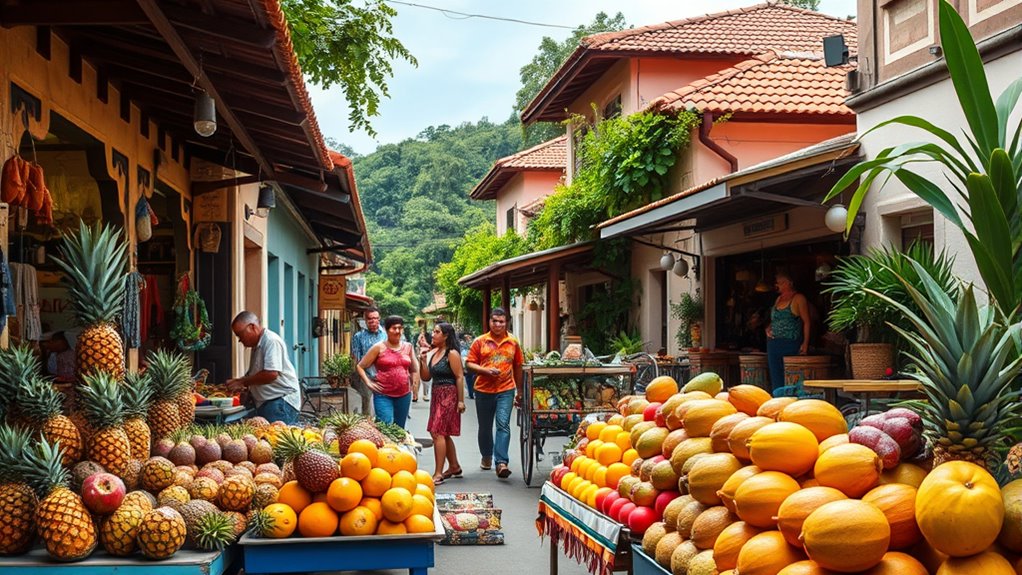
Immersing yourself in Costa Rica’s vibrant culture means experiencing its rich traditions, lively festivals, and warm local hospitality. You can explore:
- Traditional dance performances like the Salsa and Cumbia, which fill town squares with energy.
- Indigenous crafts, such as vibrant mola textiles and carved wooden masks, showcasing ancestral artistry.
- Local markets offering authentic foods like gallo pinto, fresh ceviche, and tropical fruits, allowing you to taste the country’s diverse flavors.
- Learning about Costa Rica’s cultural heritage can enhance your appreciation of its local traditions.
Participate in festivals like Día de los Boyeros or Envision Festival to connect with local customs. Sample street food from bustling stalls, and visit artisan shops to understand Costa Rican culture beyond its natural beauty. These experiences deepen your appreciation for the country’s lively heritage.
Sustainable Travel and Responsible Tourism

To guarantee that your visit benefits both the environment and local communities, embracing sustainable travel and responsible tourism is essential. You can do this by choosing eco-friendly accommodations that prioritize energy conservation and waste reduction. Support local businesses and artisans to ensure your spending benefits residents directly. Respect wildlife and natural habitats by sticking to designated trails and avoiding disturbing plants or animals. Be mindful of your carbon footprint—consider offsetting travel emissions or opting for eco-conscious transport options. Educate yourself on local customs and environmental issues, and follow guidelines to minimize your impact. Additionally, understanding the importance of community involvement can enhance your experience and contribute to local well-being. By practicing responsible tourism, you help preserve Costa Rica’s stunning landscapes and vibrant culture for future visitors while enriching your own experience.
Planning Your Adventure: Practical Tips and Resources

Planning your adventure in Costa Rica begins with setting clear objectives and researching destinations that match your interests. This helps you focus on what matters most, saving time and money. To get started, consider these practical tips:
- Use reliable resources like official tourism websites, travel forums, and recent reviews to find up-to-date information on hotspots and safety advisories.
- Book accommodations early, especially in emerging regions like Turrialba or the Osa Peninsula, where demand is rising.
- Plan your transport options, including domestic flights, shuttles, or rental cars, to navigate efficiently, especially with current safety concerns and regional shifts.
- For added convenience, consider incorporating local transportation options such as shuttle services or car rentals that can be easily sourced from reputable providers self-watering plant pots, ensuring flexibility during your trip.
A well-prepared plan ensures you maximize your experience while avoiding pitfalls like rising costs or low availability.
Frequently Asked Questions
How Has Recent Safety Concern Impacted Tourist Activities and Local Attractions?
You’ll notice safety concerns have led to reduced tourist activities and visits to popular attractions. With increased reports of crimes and safety advisories, travelers become more cautious, opting for less crowded, safer destinations like Osa Peninsula or inland communities. Some attractions, like Manuel Antonio, restrict access or experience lower foot traffic, and you might encounter longer wait times or tighter security measures. Overall, safety worries are limiting travel enthusiasm and reshaping tourist patterns.
Are There Emerging Destinations Less Affected by Recent Declines and Safety Issues?
Like riding a roller coaster, some emerging destinations in Costa Rica offer a fresh escape from declines and safety worries. Regions like Osa Peninsula and Turrialba are gaining interest, with fewer crowds and better value. You’ll find more authentic experiences, and these spots tend to be less affected by crime and higher costs. Exploring these hidden gems allows you to enjoy Costa Rica’s beauty while avoiding the busy, more troubled areas.
What Measures Are Authorities Taking to Improve Tourist Safety and Health Conditions?
Authorities in Costa Rica are actively enhancing tourist safety by increasing police patrols in popular areas and implementing stricter security measures. They’ve launched awareness campaigns about local health risks, including vector-borne diseases, and improved emergency response services. The government also collaborates with private sectors to boost safety infrastructure, such as better signage and surveillance. These efforts aim to create a safer environment, encouraging more visitors to explore the country confidently.
How Do Seasonal Variations Affect the Availability and Quality of Travel Services?
Seasonal variations can considerably impact your travel experience. For example, during the rainy season, some tours might be canceled or delayed, and roads become less accessible, affecting service quality. You might find fewer options or higher prices in peak dry months. To guarantee a smooth trip, plan ahead, consider shoulder seasons for better availability, and stay flexible, as service levels can fluctuate based on weather and demand.
Are There Specific Regions Recommended for Budget Travelers Amid Rising Costs?
You should explore emerging regions like the Osa Peninsula and inland mountain communities, which offer better value for budget travelers. These areas experience 20-30% growth in visitor interest and have lower accommodation costs compared to popular hotspots. By choosing less crowded, off-the-beaten-path destinations, you can save money while still experiencing Costa Rica’s natural beauty and adventure. This way, you avoid the higher prices in traditional tourist hubs.
Conclusion
Beginning your Costa Rican adventure is like stepping into a vibrant, living tapestry, where each thread offers a new discovery. With this guide in hand, you’ll navigate the lush landscapes, rich cultures, and hidden treasures with confidence. So pack your curiosity and sense of adventure—the rainforest awaits to reveal its secrets. Your unforgettable journey is just around the corner, ready to weave memories as colorful and diverse as the country itself.