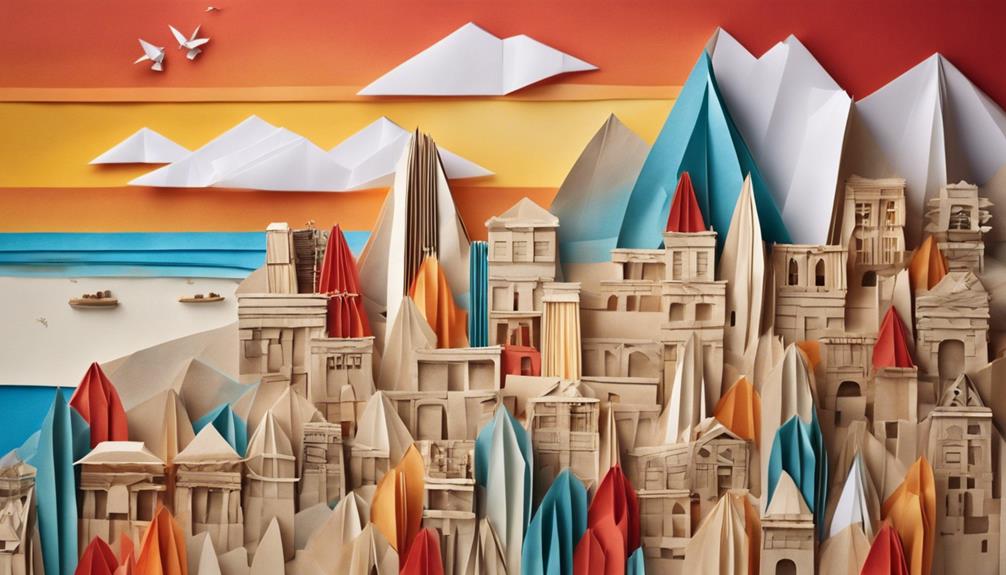
Peru feels so rich beyond its famous icons because of its vibrant indigenous traditions that are alive today. You can experience their unique cuisine, like ceviche and pachamanca, rooted in ancient land and community practices. Colorful festivals, textiles, and spiritual customs reflect deep cultural roots. These living traditions emphasize harmony with nature, respect for elders, and community. If you explore further, you’ll uncover even more of the authentic cultural treasures that define Peru’s true essence.

Get travel and outdoor gear delivered free — and shop member deals
- Fast, free delivery on millions of items
- Access to Prime Big Deal Days deals on October 6–7
- Prime Video, Amazon Music and more included
Key Takeaways
- Indigenous culinary traditions and native ingredients like potatoes, quinoa, and corn deepen Peru’s cultural richness.
- Traditional techniques such as underground earth ovens preserve ancient practices and spiritual significance.
- Vibrant festivals, textiles, and rituals showcase living indigenous customs and community identity.
- Respect for elders and harmony with nature reflect core social values shaping Peruvian culture.
- Continuous cultural practices and celebrations maintain Peru’s heritage beyond its iconic landmarks.
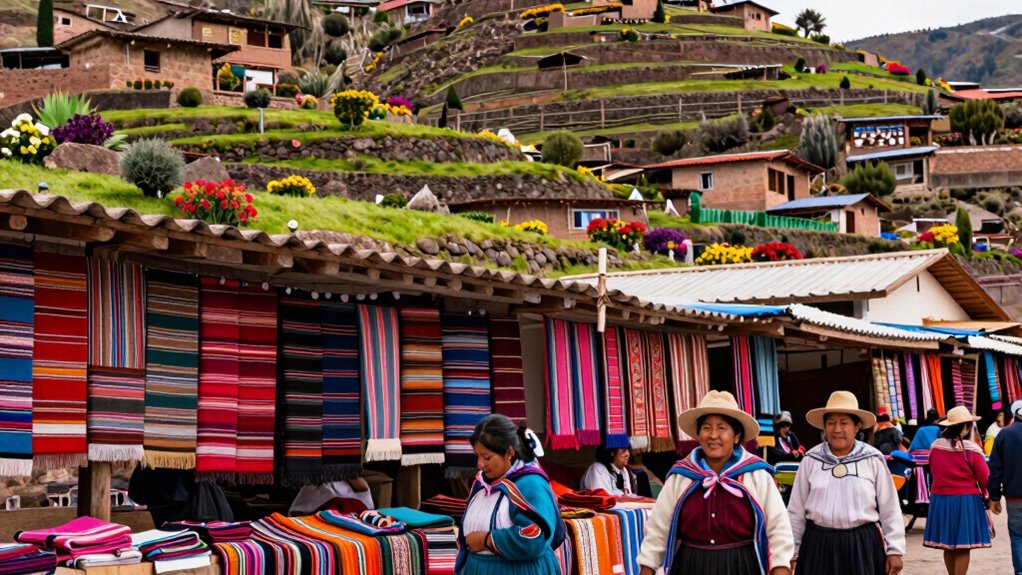
Have you ever wondered what truly makes Peru feel so rich beyond its iconic landmarks? It’s not just the breathtaking Machu Picchu or the vibrant streets of Cusco that give the country its depth. Instead, it’s the vibrant tapestry of culture, history, and daily life that runs beneath the surface. One of the key elements is Andean cuisine, which reflects centuries of indigenous traditions and a profound connection to the land. When you taste dishes like ceviche, causa, or pachamanca, you’re experiencing more than just flavors—you’re tasting stories passed down through generations. These foods often incorporate native ingredients like potatoes, corn, and quinoa, which have sustained Andean communities long before colonization. The preparation methods are deeply rooted in indigenous practices, often involving communal effort, tradition, and spiritual significance. Additionally, traditional cooking techniques such as underground earth ovens, like the pachamanca, exemplify the indigenous culinary heritage deeply embedded in Peruvian culture.
Beyond just the food, indigenous traditions permeate everyday life in Peru. From colorful festivals to intricate textile arts, these customs reveal a society that deeply values its roots. You might notice the vibrant patterns and symbolism woven into traditional clothing, each design telling a story of ancestors, nature, or spiritual beliefs. Participating in or witnessing these celebrations offers an immersive experience that connects you to Peru’s indigenous heritage. Whether it’s a festival honoring Pachamama, the earth goddess, or a local craft fair featuring handwoven textiles, these traditions show a community that preserves its identity amid modern changes.
The indigenous influence also shapes Peru’s worldview, emphasizing harmony with nature, community, and respect for elders. You’ll see this reflected in daily practices, from sustainable farming methods to rituals performed during harvest or religious festivities. These customs aren’t relics of the past—they’re living, breathing parts of contemporary Peruvian life, shaping how people see their environment and relationships. The resilience of these traditions helps make Peru’s culture feel authentic and enduring, beyond what you can see in famous icons.
As an affiliate, we earn on qualifying purchases.
Frequently Asked Questions
How Do Local Peruvian Communities Preserve Their Traditional Crafts?
You see local Peruvian communities preserve their traditional crafts through dedicated efforts like traditional weaving, which they pass down through generations. They actively participate in artisan markets, showcasing and selling their handmade textiles and crafts, ensuring these skills stay alive. By maintaining cultural practices, teaching youth, and supporting local markets, these communities keep their rich heritage vibrant and relevant, allowing their crafts to thrive beyond tourism and commercialization.
What Lesser-Known Natural Landscapes Can Travelers Explore in Peru?
You can explore hidden waterfalls nestled within Peru’s rugged landscapes, offering serene escapes away from tourist crowds. Amidst this, discover Andean biodiversity thriving in lesser-known regions, where vibrant flora and rare fauna flourish. These natural landscapes contrast Peru’s famous icons, revealing its rich environmental diversity. Venturing into these lesser-explored areas deepens your understanding of Peru’s natural wealth, showing that beyond iconic sites, the country’s untouched corners hold equally mesmerizing stories.
How Does Peruvian Cuisine Vary Across Different Regions?
You’ll notice that Peruvian cuisine varies greatly across regions, reflecting local ingredients and cultural influences. In coastal areas, you’ll find fresh seafood and ceviche, while in the Andes, hearty dishes like pachamanca and tamales dominate. You can enjoy diverse flavors through street food stalls, where Peruvian street food offers quick, authentic bites. Each region’s culinary traditions bring unique tastes, making Peru’s food scene rich and vibrant beyond its famous icons.
What Are Some Unique Festivals Celebrated Outside Major Cities?
You’ll find vibrant festivals outside major cities that showcase Peruvian textile traditions and indigenous dance forms. In rural areas like Paucartambo and Ayacucho, locals celebrate with colorful costumes, intricate weaving, and lively dance performances that reflect their cultural heritage. These festivals, often tied to religious or agricultural themes, immerse you in authentic traditions, making Peru feel rich in history and community beyond its well-known icons.
How Does Rural Life Contribute to Peru’s Cultural Richness?
Ever wonder why Peru feels so vibrant beyond its famous landmarks? You contribute to this richness through rural life, where traditional music and indigenous customs thrive. In these communities, age-old traditions are preserved, creating a vivid cultural tapestry. Your presence helps keep these customs alive, adding depth and authenticity to Peru’s identity. It’s in these rural roots that the true essence of Peru’s cultural wealth continues to blossom and inspire.
indigenous Peruvian textile craft supplies
As an affiliate, we earn on qualifying purchases.
As an affiliate, we earn on qualifying purchases.
Conclusion
So, while Machu Picchu and the Nazca Lines steal the spotlight, it’s the everyday moments—locals sharing stories over a steaming cuy, vibrant markets bursting with life—that truly make Peru feel rich. It’s a place where history and heart collide, blending ancient ruins with bustling streets, creating a tapestry of culture that’s just as valuable as its iconic sites. In Peru, authenticity and warmth turn mere sights into unforgettable experiences.
Peruvian traditional festival costumes
As an affiliate, we earn on qualifying purchases.
As an affiliate, we earn on qualifying purchases.
As an affiliate, we earn on qualifying purchases.
Fall Picks
fall essentials
As an affiliate, we earn on qualifying purchases.