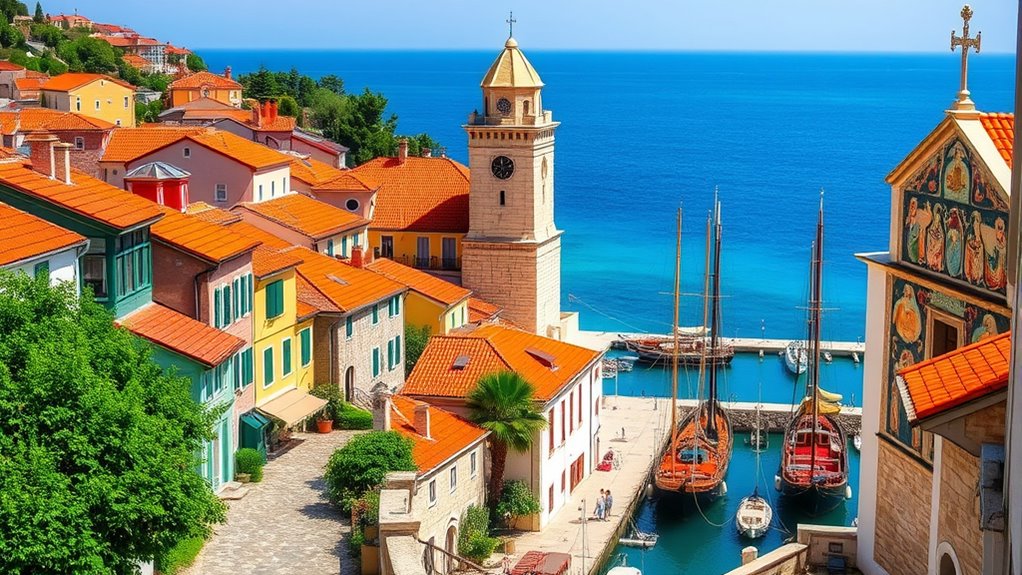

Croatia’s history blends prehistoric caves, ancient civilizations like the Illyrians and Greeks, and Roman influences that shape its culture today. You’ll find medieval maritime cities, Renaissance art, and a resilient spirit through Ottoman wars and Habsburg resistance. The 19th-century national revival ignited cultural pride, while modern Croatia, with its traditions and vibrant festivals, continues to evolve. Exploring this rich past reveals how history and culture deeply intertwine, inviting you to discover even more.
Key Takeaways
- Croatia’s history spans from ancient Neanderthal settlements to medieval maritime republics like Dubrovnik, blending diverse cultural influences.
- Medieval Croatia experienced Ottoman conflicts and Habsburg resistance, fostering a strong sense of national identity and cultural pride.
- The Croatian National Revival in the 19th century emphasized language, heritage, and arts, shaping modern cultural expressions.
- 20th-century conflicts and political shifts led to Croatia’s independence, influencing its contemporary cultural landscape and regional collaborations.
- Croatia’s culture combines historical traditions with modern art, festivals, and design, reflecting its rich, diverse heritage and dynamic contemporary scene.

Lonely Planet Croatia (Travel Guide)
As an affiliate, we earn on qualifying purchases.
As an affiliate, we earn on qualifying purchases.
Early Human Presence and Ancient Civilizations
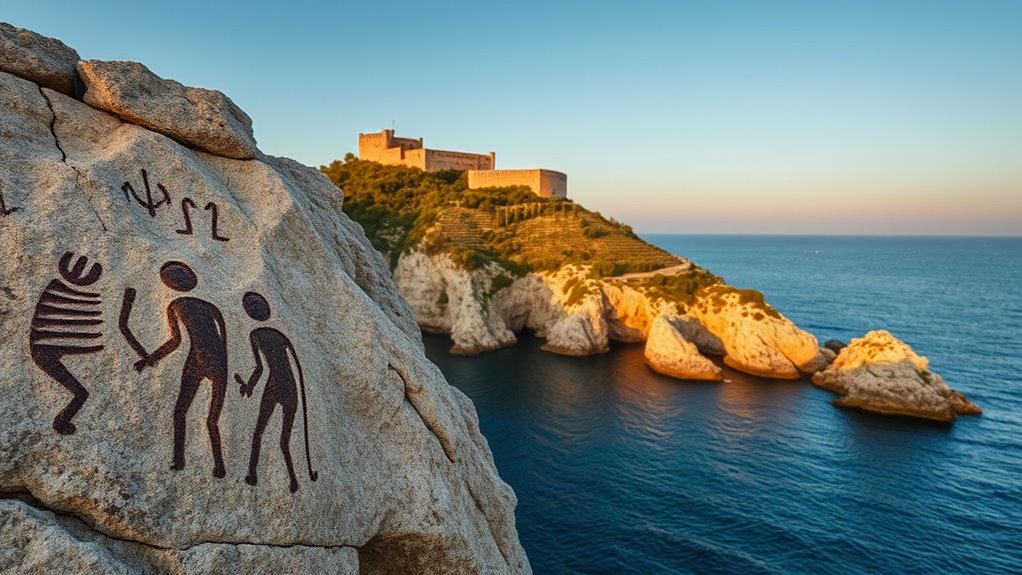
Croatia’s history of human presence dates back hundreds of thousands of years, with Neanderthals having inhabited the region around 300,000 years ago. You can imagine early humans using simple tools, hunting, and gathering in the diverse landscapes. Around 1000 BC, Indo-European Illyrians migrated into the area, establishing settlements and social structures. By 500 BC, they had become the dominant culture, shaping local traditions. The Greeks also left their mark, founding colonies along the Adriatic coast around 390 BC, fostering trade and cultural exchange. Later, the Romans arrived in 229 BC, gradually asserting control. By 12 AD, they fully incorporated Croatia into their empire, leaving a legacy of roads, towns, and infrastructure that influenced the region’s development for centuries. This rich cultural legacy can still be observed in various archaeological sites scattered throughout the country.

Croatia Sticker 4 Inch City Travel Souvenir Destination – Waterproof Vinyl Decal for Laptop Water Bottle Car Tumbler – Durable Aesthetic Long-Lasting Stickers for Adults ID44990
Adventure Awaits – Explore the World! Celebrate your love for travel with these stunning geography-themed adult stickers, perfect…
As an affiliate, we earn on qualifying purchases.
As an affiliate, we earn on qualifying purchases.
Medieval Foundations and Maritime Power
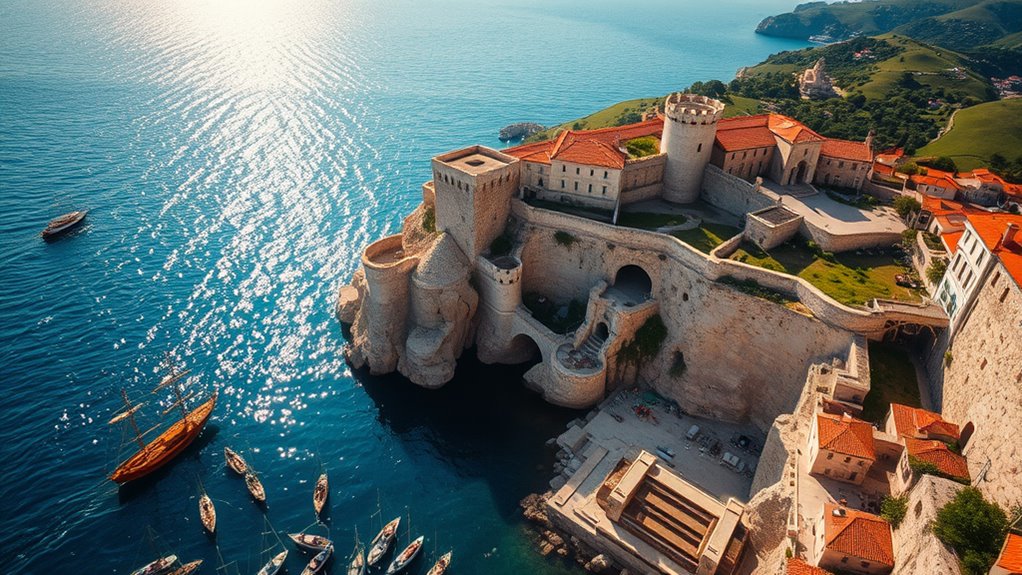
In the 8th century, waves of Croat settlers established their presence across the region, laying the groundwork for medieval political and cultural development. You’ll see how they formed early political entities, setting the stage for later unification. Christianization in the 9th century boosts towns and trade, fueling economic growth. In 1102, Croatia enters a personal union with Hungary, which lasts four centuries, shaping its political landscape. Along the coast, Venice controls key ports from the 12th century, strengthening maritime trade. Dubrovnik emerges as an independent maritime republic in 1382, thriving through commerce and diplomacy. This maritime power enables Croatia to develop a distinct coastal identity, fostering cultural exchange with Mediterranean partners. These foundations shape Croatia’s medieval political structure, economic strength, and maritime influence that echo through history. Additionally, the development of maritime trade routes played a crucial role in shaping Croatia’s economic and cultural connections during this period.

Rough Guides Walks and Tours Dubrovnik: Travel Guide with eBook
As an affiliate, we earn on qualifying purchases.
As an affiliate, we earn on qualifying purchases.
Ottoman Conquest and Habsburg Resistance

As the Ottoman Empire expanded into southeastern Europe, Croatian territories faced relentless pressure and invasions. You’d witness fierce battles at Kosovsko Polje in 1493 and the decisive Ottoman victory at Mohács in 1526, which brought much of Croatia under Ottoman control. In response, Croatian nobles elected Habsburg Ferdinand I as ruler in 1527, seeking protection against the advancing Ottomans. Over the next century, the Ottomans extended their reach into Slavonia, western Bosnia, and Lika, deeply impacting local communities. Despite setbacks, the Habsburgs managed to regain northern Croatia after defeating the Ottomans at Petervaradino in 1716. This ongoing struggle led to a fragmented landscape, with resistance efforts, alliances, and shifting borders shaping Croatia’s resilience during this turbulent period. Ottoman expansion significantly altered the region’s political and cultural landscape, influencing local populations for generations.
Croatia archaeological site tours
As an affiliate, we earn on qualifying purchases.
As an affiliate, we earn on qualifying purchases.
National Awakening and Cultural Development in the 19th Century
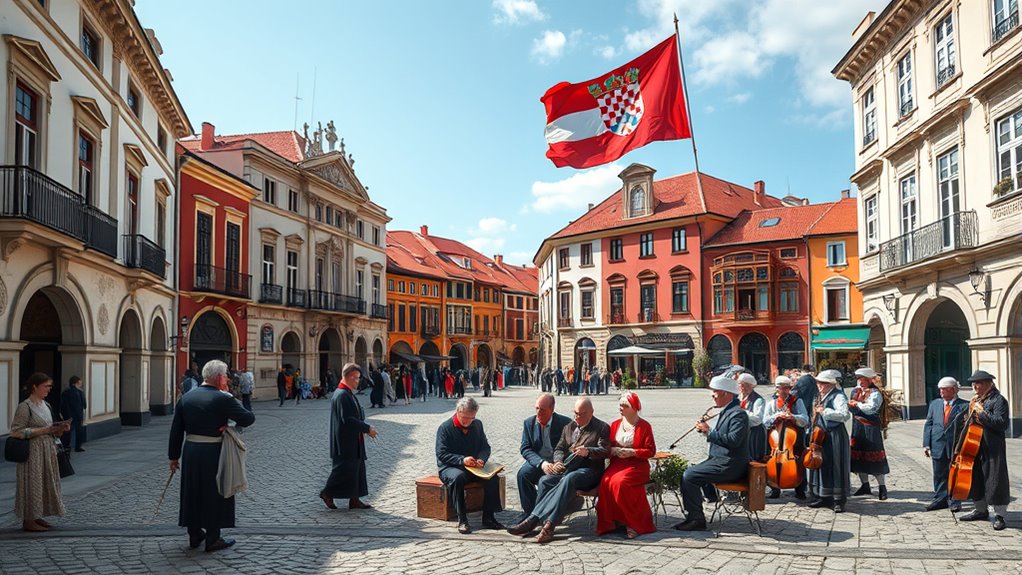
The tumult of Ottoman invasions and Habsburg resistance left Croatia divided and destabilized, but it also sparked a desire for national identity and cultural revival. In the 19th century, you see Croats awakening to their history, language, and traditions. The Croatian National Revival emphasized the importance of using your language and celebrating your heritage, leading to literary and cultural flourishing. Writers like Ivan Mažuranić and Petar Zoranić inspired pride through poetry and prose. Schools and cultural institutions emerged, fostering a sense of unity and identity among Croats. Zagreb became a hub of cultural activity, promoting Croatian music, arts, and history. This period laid the foundation for your national consciousness , shaping Croatia’s modern cultural landscape and strengthening your national spirit.
Turbulent 20th Century: Wars and Political Shifts
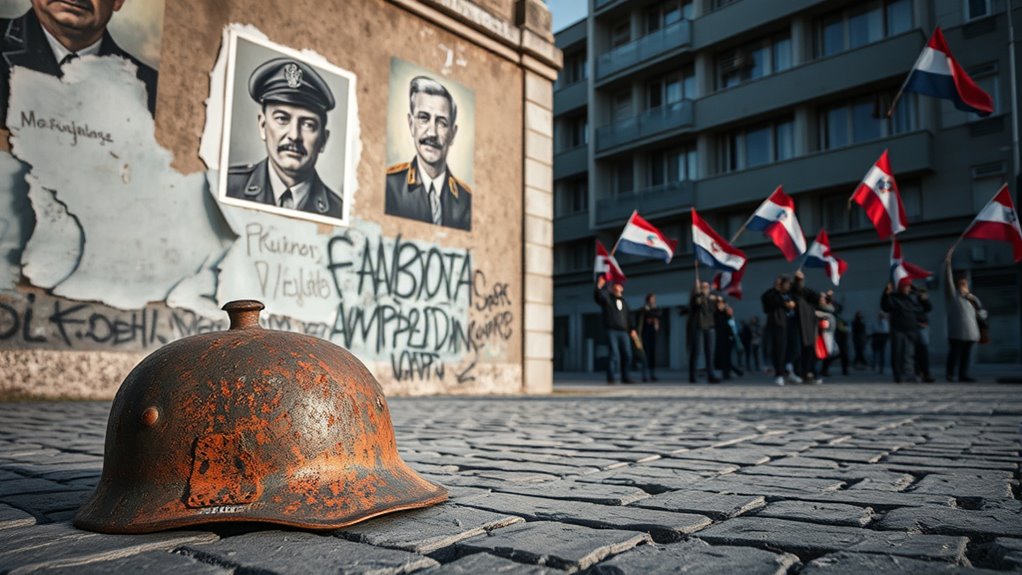
You’ve seen Croatia’s history marked by shifting borders and empires, but the 20th century brought even more upheaval. As Yugoslavia dissolved, conflicts erupted, and political change swept through the region, dramatically shaping Croatia’s modern identity. Understanding these turbulent events reveals how Croatia fought to preserve its independence and cultural heritage amid chaos.
Yugoslav Dissolution Conflicts
How did the dissolution of Yugoslavia spark a series of violent conflicts and political upheavals across the region? You witness the chaos unfold as ethnic tensions, nationalism, and political ambitions collide. The breakup ignited wars, like Croatia’s fight for independence, and the Serbian-led Krajina rebellion. These conflicts caused immense human suffering, displacements, and shattered communities. Below is a snapshot of key players and events:
| Year | Main Event | Outcome |
|---|---|---|
| 1991 | Croatia declares independence | War of independence begins |
| 1991 | Serb-led Krajina secedes | Armed conflict and ethnic tensions |
| 1992 | Recognition of Croatia | International acknowledgment |
| 1995 | Operation Storm | Croatian military retakes Krajina |
| 1999 | NATO bombing of Serbia | End of conflict, regional stability |
This upheaval reshaped borders, identities, and politics across the Balkans. Environmental impacts of these conflicts also contributed to habitat destruction and resource depletion in the region.
War and Political Changes
The dissolution of Yugoslavia in the late 20th century unleashed a wave of violent conflicts and dramatic political shifts across the Balkans. You experience this upheaval firsthand as Croatia declares independence in June 1991, sparking a brutal war of liberation. The rise of the Republic of Croatian Serbs in Krajina escalates tensions, leading to armed clashes. International recognition follows in 1992, but violence continues until Operation Storm in 1995, which restores Croatian control. During this period, political changes transform Croatia from a war-torn nation into a sovereign state. You witness the country’s shift to democracy, joining NATO in 2009 and the EU in 2013. These shifts reshape Croatia’s identity, forging a future rooted in sovereignty, stability, and European integration.
Path to Sovereignty and Contemporary Croatia
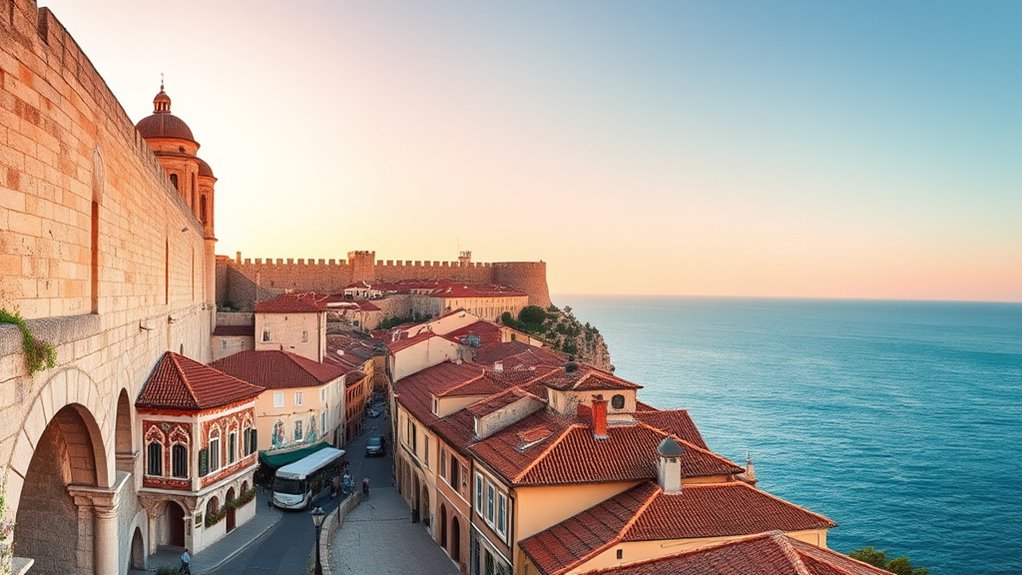
Croatia’s journey to sovereignty was marked by a fierce struggle for independence amid a turbulent regional history. In 1991, you declared independence from Yugoslavia, sparking a brutal war that tested your resilience. The international community quickly recognized your new state in 1992, but conflict persisted until Operation Storm in 1995, which considerably restored your territorial integrity. You joined NATO in 2009 and the European Union in 2013, marking your integration into Western institutions. Today, Croatia stands as a parliamentary democracy with a dynamic economy and vibrant cultural scene. You’ve worked to rebuild stability, develop tourism, and strengthen regional cooperation. Your path reflects resilience, balancing your historical legacy with modern aspirations for growth, stability, and participation in European and global affairs.
Cultural Heritage, Traditions, and Modern Identity
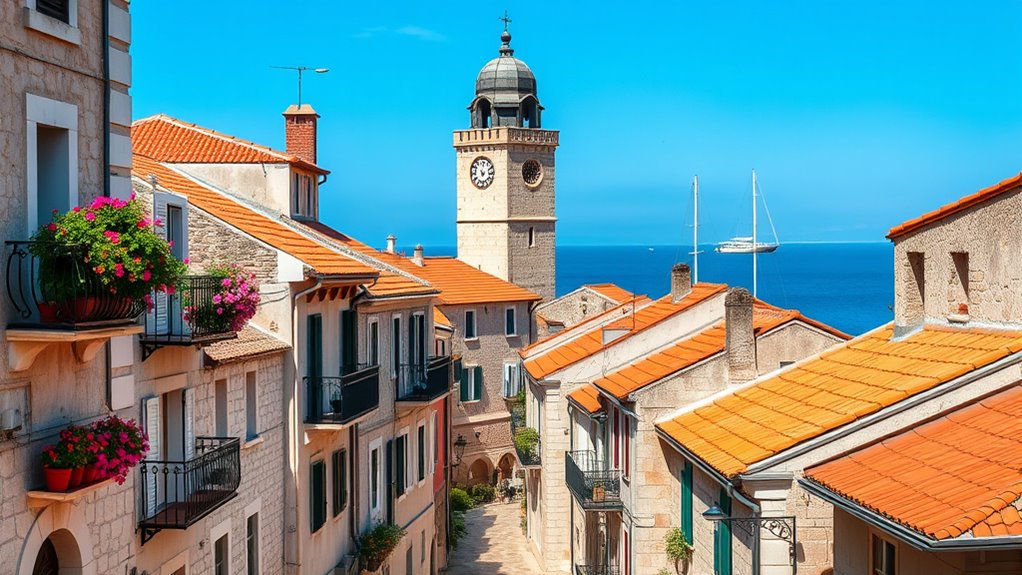
Croatia’s rich artistic heritage reflects its long history, blending ancient influences with contemporary creations. You can experience vibrant festivals and enjoy traditional cuisine that connects you to local customs and stories. Modern cultural expressions continue to shape Croatia’s identity, honoring its past while embracing the future. Additionally, the country’s diverse cultural heritage is celebrated through numerous museums and heritage sites that preserve its historical significance.
Rich Artistic Heritage
Croatian artistic heritage is a vibrant mosaic shaped by centuries of cultural influences, from ancient times to the modern era. You can see this in the intricate Romanesque churches and Gothic cathedrals, which showcase medieval craftsmanship. The Renaissance and Baroque periods brought stunning palaces, frescoes, and sculptures, especially in Dubrovnik and Zagreb. Traditional Croatian arts, like intricate embroidery, wood carving, and ceramics, reflect regional identities and historical customs. You’ll also find a rich literary tradition, from medieval chronicles to modern writers like Miroslav Krleža. Modern Croatian art continues to thrive, with contemporary artists blending tradition and innovation through painting, sculpture, and multimedia. This enduring artistic heritage not only preserves history but also shapes Croatia’s evolving cultural identity today. Payment processing techniques are increasingly influencing the way art is authenticated and protected in the digital age.
Traditional Festivals & Cuisine
Rich artistic expressions often find their way into traditional festivals and cuisine, reflecting Croatia’s diverse cultural influences. You’ll find lively celebrations like Sinjska Alka, a knightly tournament honoring historical bravery, and the Feast of St. Blaise, showcasing religious devotion in Dubrovnik. Croatian cuisine blends Mediterranean flavors with Central European traditions, featuring dishes like roasted lamb, fresh seafood, and hearty stews. To deepen your understanding, here’s a table highlighting key festivals and regional dishes:
| Festival | Region | Signature Dish |
|---|---|---|
| Sinjska Alka | Dalmatia | Lamb under the Bell |
| Dubrovnik Feast of St. Blaise | Dubrovnik | Seafood Risotto |
| Vinkovačke Jeseni | Slavonia | Paprika Sausages |
| Špancir Fest | Varaždin | Local Pastries |
| Pannonian Summer | Pannonian Plain | Grilled Fish |
These traditions keep Croatia’s cultural heritage vibrant today, preserving historical customs.
Contemporary Cultural Expressions
Contemporary cultural expressions in Croatia vividly reflect a blend of historical heritage and modern identity. You’ll notice this in vibrant festivals, innovative art, and evolving music scenes that honor tradition while embracing new influences. Croatian design seamlessly combines ancient motifs with contemporary styles, creating unique visual identities. You might explore:
- Traditional Klapa singing merging with modern pop
- Urban murals depicting historical figures
- Contemporary art galleries showcasing local talents
- Revival of folk crafts in modern fashion
- Food festivals blending old recipes with modern twists
- The influence of resources and tools on shaping regional artistic collaborations.
These elements reveal a society proud of its roots yet open to change. Croatia’s cultural landscape is dynamic, balancing respect for the past with a forward-looking spirit that shapes its evolving identity.
Frequently Asked Questions
How Did Croatia’s Strategic Location Influence Its Historical Conflicts?
Your country’s strategic location along the Adriatic coast and between Central Europe and the Balkans has made it a prime target for invasions and control by various empires. You’ve experienced conflicts with Romans, Byzantines, Ottomans, Venetians, and Habsburgs, all vying for dominance. This position has led to a history of shifting borders, alliances, and battles, shaping your diverse cultural heritage and ongoing struggles for sovereignty and stability.
What Are the Most Significant Archaeological Sites in Croatia?
You’ll be blown away by Croatia’s archaeological sites, like the ancient Roman city of Salona, a sprawling metropolis with its massive amphitheater and intricate mosaics that seem to whisper stories from another era. Don’t miss Dubrovnik’s city walls that look like a fortress from a fairy tale, or the prehistoric Neanderthal caves that challenge your imagination. These sites are living windows into Croatia’s rich, layered history, waiting to captivate you.
How Did Croatian Culture Evolve Under Venetian and Ottoman Influences?
You see that Croatian culture was shaped by Venetian and Ottoman influences through architecture, cuisine, and art. Venetian rule brought Renaissance styles, maritime trade, and Italian cultural elements, especially along the coast. Ottoman rule introduced Islamic art, music, and culinary flavors, blending with local traditions. This mix creates a unique cultural identity, evident in coastal towns, religious sites, and local customs that reflect centuries of diverse influences shaping Croatia’s vibrant heritage.
What Role Did Croatia Play During the Yugoslav Socialist Era?
During the Yugoslav socialist era, you experienced a suppressed but resilient Croatian identity. You saw efforts to unify diverse ethnic groups under a centralized government, often limiting cultural expression. Despite restrictions, you maintained local traditions and fostered regional pride. Zagreb became a cultural hub, and you witnessed the growth of arts and education, laying the groundwork for the independence movement that would emerge later.
How Is Modern Croatian Identity Shaped by Its Diverse Historical Legacies?
Your modern Croatian identity is shaped by its diverse history, blending influences from ancient Illyrians, Romans, and medieval city-states like Dubrovnik. You also carry the legacy of Ottoman conflicts, Habsburg rule, and the Yugoslav era, which fostered a sense of resilience and national pride. Today, you celebrate a unique cultural mix rooted in these historical layers, emphasizing independence, European integration, and a strong connection to Mediterranean traditions.
Conclusion
You’ve seen how Croatia’s rich history, from ancient settlements to modern independence, shapes its vibrant culture today. Did you know that over 10,000 historical sites are preserved across the country, reflecting its diverse past? As you explore Croatia’s traditions and landmarks, remember that each story contributes to its unique identity. Embrace its resilience and heritage, and you’ll gain a deeper appreciation for this beautiful nation’s enduring spirit and cultural richness.