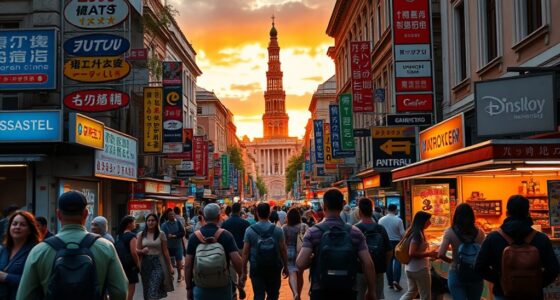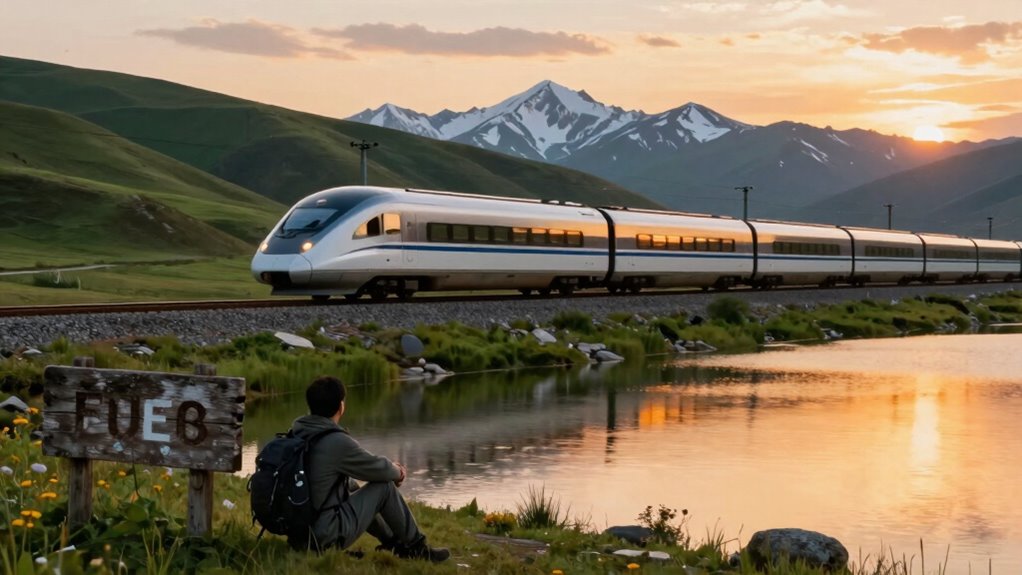

Fast travel focuses on getting from one place to another quickly, often rushing through sights and sticking to strict schedules. It sacrifices depth for convenience, so you miss out on authentic experiences and cultural connections. Meaningful travel, on the other hand, encourages you to slow down, engage with locals, and truly immerse yourself in a place’s culture. If you want to understand what makes a destination special, keep exploring to find out more.

Get travel and outdoor gear delivered free — and shop member deals
- Fast, free delivery on millions of items
- Access to Prime Big Deal Days deals on October 6–7
- Prime Video, Amazon Music and more included
Key Takeaways
- Fast travel prioritizes speed and efficiency, often sacrificing depth and cultural immersion.
- Meaningful travel encourages slowing down, engaging deeply, and connecting authentically with local cultures.
- Quick visits in fast travel limit opportunities for spontaneous experiences and personal interactions.
- Meaningful travel emphasizes learning, participation, and embracing the journey over just checking off sights.
- The mindset behind meaningful travel fosters personal growth and lasting memories through authentic encounters.
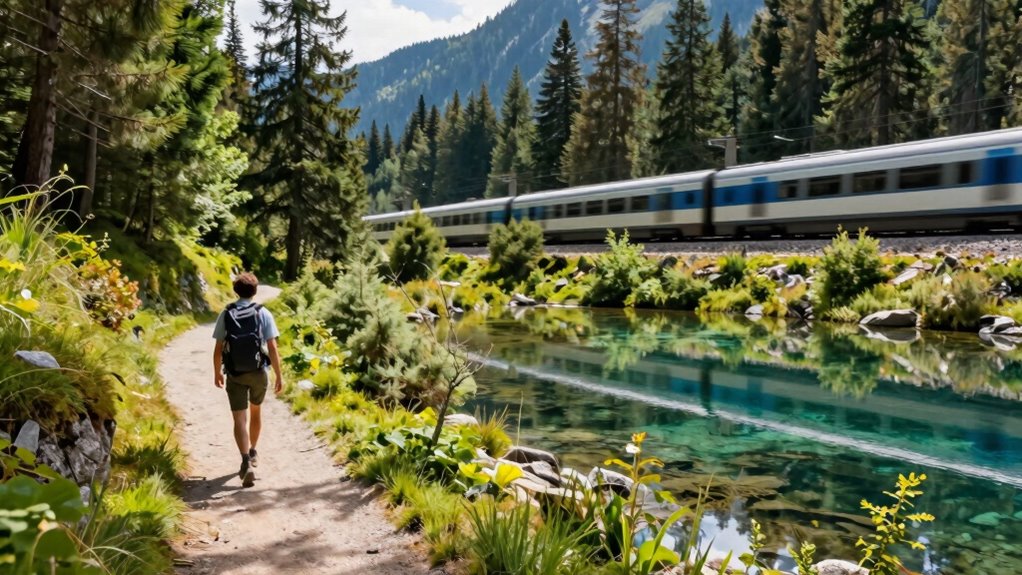
When you set out on a journey, it’s easy to focus on how quickly you can reach your destination. You might be tempted to rush through sights or stick to a strict schedule, aiming for efficiency rather than experience. But this approach often leaves you missing the true essence of travel. Fast travel prioritizes speed and convenience, often sacrificing depth for quick visits. It’s about ticking off landmarks and moving on, rather than engaging with the place or its people. In contrast, meaningful travel encourages you to slow down and embrace cultural immersion and spontaneous adventures. Instead of rushing past moments, you take the time to connect, learn, and absorb the environment around you.
When you choose meaningful travel, you realize that the real beauty lies in the details—the sounds of a bustling market, the aroma of local cuisine, or the stories shared by residents. Cultural immersion becomes your goal, allowing you to go beyond surface-level sightseeing. You might participate in traditional customs, learn a few words of the local language, or even cook alongside locals. These experiences create a richer understanding of the place and its people, transforming your trip from a checklist into a series of genuine encounters. Spontaneous adventures often arise when you’re open to new possibilities, leading you to unexpected discoveries that planned itineraries might overlook. Incorporating digital tools for cultural immersion can further enhance these authentic experiences and connect you more deeply with local communities.
Fast travel often discourages these authentic experiences because it emphasizes efficiency over connection. When you’re constantly rushing, you’re less likely to pause and appreciate the moment. Spontaneous adventures require a bit of flexibility, a willingness to deviate from your plan and see where the journey takes you. They offer surprises that can become the most memorable parts of your trip, whether it’s stumbling upon a hidden café, joining a local festival, or making friends along the way. These moments foster a deeper appreciation for the destination and help you build meaningful memories, rather than just snapshots in a hurry. Effective planning and a mindful approach can help balance efficiency with authenticity, creating a more enriching experience.
Ultimately, the difference lies in your mindset. Fast travel might get you from point A to point B quickly, but meaningful travel invites you to truly experience the essence of a place. It’s about connecting with cultures, embracing spontaneity, and finding joy in the unplanned. When you prioritize these aspects, your journey becomes more than just a destination—it becomes a story of discovery and growth. Incorporating technology products designed for cultural immersion and spontaneous exploration can enhance these authentic experiences and make your journey even more memorable. Recognizing the importance of cultural understanding can deepen your appreciation and foster respectful interactions during your travels.
As an affiliate, we earn on qualifying purchases.
Frequently Asked Questions
Can Fast Travel Be Considered Sustainable Tourism?
Fast travel can be considered sustainable tourism if it minimizes environmental impact and reduces your carbon footprint. When you choose options like high-speed trains or eco-friendly transportation, you lower emissions compared to traditional flights or car travel. By prioritizing sustainable modes, you support conservation efforts and lessen the negative effects on ecosystems. So, with mindful choices, fast travel can align with eco-conscious tourism goals, making your trips more sustainable and responsible.
How Do Local Communities View Fast Versus Meaningful Travel?
You’ll find that local communities often see fast travel as disruptive to community impact and cultural preservation, since it can lead to overcrowding and commercialization. Conversely, meaningful travel fosters deeper connections, respecting local customs and supporting sustainable practices. When you choose to travel mindfully, you help preserve the culture and environment, ensuring communities thrive long-term. Your travel choices directly influence how communities perceive and experience tourism’s benefits and challenges.
Is One Type of Travel More Affordable Than the Other?
You might think fast travel is cheaper, but it often isn’t. When you explore budget options, you’ll find that travel expenses for meaningful travel can be surprisingly affordable, especially if you focus on local experiences. Fast travel tends to rack up costs quickly—tickets, quick stays—while meaningful travel emphasizes budget-friendly choices like local transportation and authentic accommodations. So, if you want affordability, meaningful travel might actually be the smarter, more economical choice.
Do Travel Preferences Change With Age or Experience?
Your travel preferences definitely change with age and experience. Younger travelers often seek adventure and new experiences driven by curiosity and exploration, while older travelers might prioritize comfort, relaxation, and meaningful connections. As you gain more experience, your travel motivations evolve, making you more interested in cultural immersion or slow travel. These age-related preferences shape how you choose your destinations, activities, and travel style, ensuring each trip aligns with your current interests and life stage.
How Can Travelers Balance Convenience With Cultural Immersion?
You can balance convenience with cultural immersion by prioritizing local engagement, seeking authentic experiences, and choosing transportation options that promote cultural authenticity. Opt for walking tours, local markets, and public transit to connect deeply with the community. By blending modern comforts with genuine interactions, you guarantee your travels are both convenient and meaningful, fostering a richer understanding of the culture while still enjoying the ease of travel.
local experience travel accessories
As an affiliate, we earn on qualifying purchases.
As an affiliate, we earn on qualifying purchases.
Conclusion
Imagine rushing through Europe’s cities, ticking off landmarks without truly experiencing them. That’s fast travel—quick, surface-level glimpses. Now picture spending days wandering Rome’s narrow alleys, savoring gelato, chatting with locals. That’s meaningful travel—deep connections and memorable moments. Choosing the latter transforms your trip from a checklist into a story you’ll cherish forever. So, slow down, embrace the journey, and let each experience become a part of your adventure, not just a stop along the way.
As an affiliate, we earn on qualifying purchases.
travel journal for authentic experiences
As an affiliate, we earn on qualifying purchases.
As an affiliate, we earn on qualifying purchases.
Fall Picks
fall essentials
As an affiliate, we earn on qualifying purchases.